
Which 40oz water bottle specs suit non-insulated promos? MOQ and costs 2026?
Promo buyers feel squeezed. I see bigger bottles trending, but I also see budgets breaking when buyers copy retail products without checking promo costs.
For 2026, I see the best non-insulated promo 40oz bottle as a single-wall 304 stainless steel1 bottle, 0.4-0.5mm wall, wide mouth, leak-proof lid, powder coating2, custom logo. A safe MOQ is 500-1,000 pieces, with FOB cost near 3.80-5.50 USD.
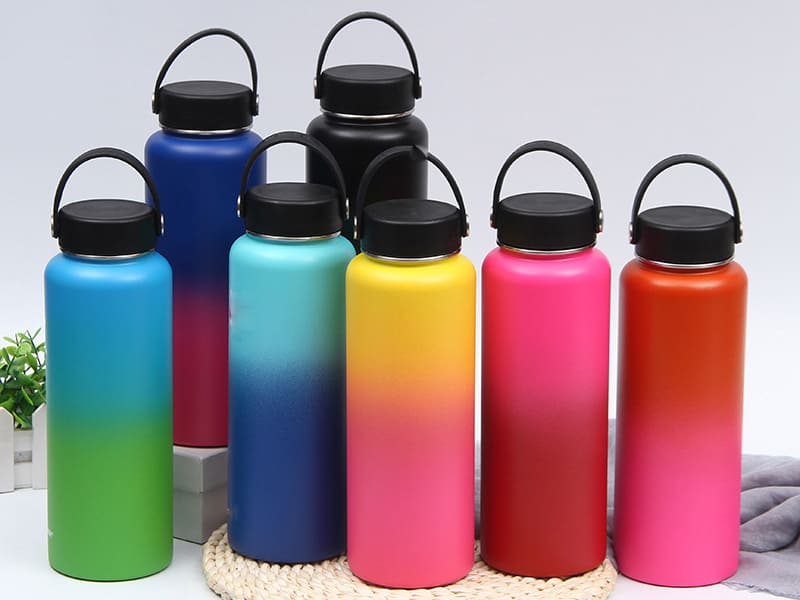
I would not start a 40oz promo project with the bottle shape alone. I start with the user’s daily scene. I ask if the bottle will sit on a desk, stay in a gym bag, ride in a car, or get handed out at a trade show. That one question changes the best lid, coating, carton, and logo method. For most non-insulated promos, I prefer single-wall stainless steel because it keeps the premium metal feel and removes the higher cost of vacuum insulation. I also treat the lid as the part that can win or fail the whole project. A cheap lid can ruin a strong body. A clear testing plan matters too. I normally suggest leak testing, coating adhesion checks, logo rub tests, and carton drop checks3 before mass shipment. This is where a low price can become expensive. I have seen buyers save cents on each bottle, then lose weeks because the logo scratched too easily or the lid thread felt loose. That is why I see the 2026 winner as a simple bottle with strong details, not a fancy bottle with hidden risks.
What is the new fad water bottle?
The market feels noisy. Buyers chase every viral bottle. I have seen promo budgets get wasted when the fad is copied without a clear use case.
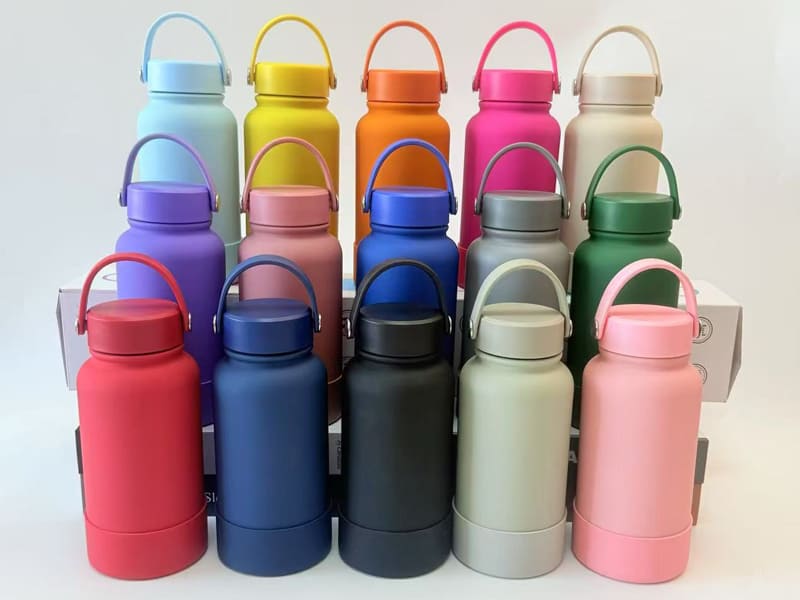
The new fad water bottle is a large-capacity bottle, often around 40oz, with a handle, wide mouth, straw or dual-drink lid, bold color, and easy logo space. I see the promo version moving toward single-wall stainless steel because it keeps the look premium and the cost lower.
How I read the fad before I quote a promo order
I do not treat every fad as a product brief. I treat it as a signal. A retail fad tells me what end users like. A promo bottle still needs a stable cost, clean branding space, safe packing, and fast repeat production. For 40oz non-insulated bottles, I usually build the spec around daily hydration rather than temperature retention. The end user wants enough water for a workday, a gym session, or a commute. The buyer wants a bottle that looks valuable but still fits a campaign budget.
| Buyer signal I see | Spec choice I prefer | Reason I use this choice |
|---|---|---|
| I see users asking for all-day hydration | I choose 40oz capacity4 | I give enough volume without making the bottle feel too niche |
| I see buyers asking for lower promo cost | I choose single-wall stainless steel | I reduce material and labor cost compared with vacuum insulated bottles |
| I see users asking for easy cleaning | I choose a wide-mouth opening | I make ice filling and brush cleaning easier |
| I see brands asking for stronger shelf impact | I choose powder coating and bold colors | I create a better logo background and a more giftable look |
| I see shipment deadlines getting tighter | I choose standard molds | I cut tooling risk and shorten the sampling path |
What specs I normally suggest
I normally suggest 304 stainless steel for the body, because it gives a clean balance between safety, corrosion resistance, and cost. I like 0.4-0.5mm wall thickness5 for non-insulated promos because it feels stronger than very thin metal, but it still controls weight. I prefer screw lids or flip lids with silicone sealing rings. I avoid over-complicated lid designs when the order is for mass giveaways. The more small parts I add, the more quality checkpoints I need.
For 2026 planning, I would set the MOQ at 500-1,000 pieces for standard body shapes and common colors. I would expect FOB pricing around 3.80-5.50 USD for many custom orders. The range changes with coating, logo method, lid style, carton strength, and inspection level. I always tell buyers to lock samples early, because peak season delays rarely start in the shipping lane. They often start with unclear artwork, unclear packaging, or late approval.
Why is everyone buying Owala water bottles?
Some buyers think Owala is only a color trend. I see a deeper lesson. A simple drinking action became more convenient and more shareable.
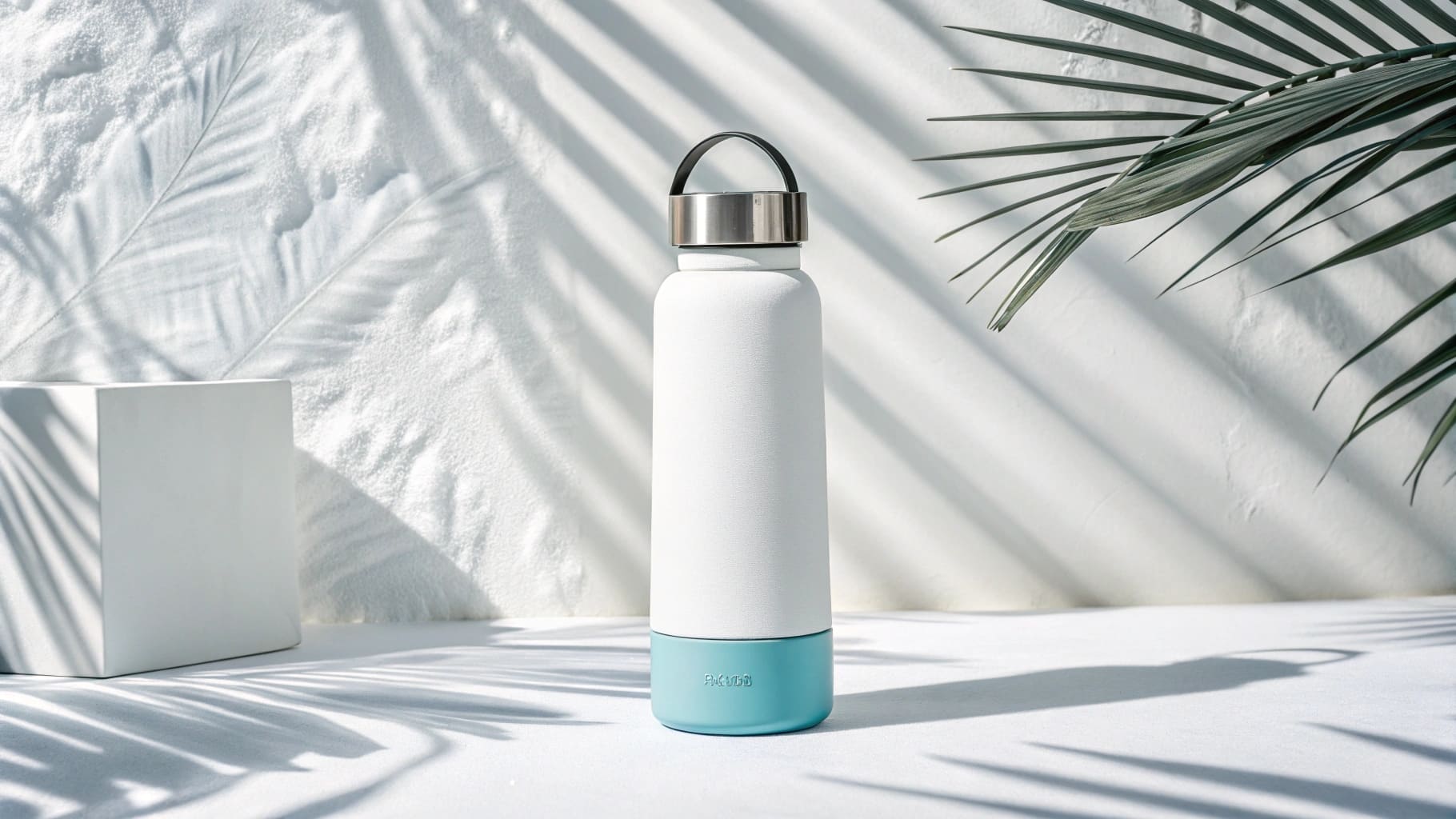
People buy Owala bottles because the FreeSip-style concept gives both straw sipping and chug drinking in one lid6. I see strong colorways, easy carrying, social media exposure, and useful daily function driving demand. For promo buyers, the lesson is to add one clear feature that users notice.
What I learn from Owala as a B2B bottle supplier
I do not study Owala only as a competitor. I study it as a user behavior case. The brand shows that the lid can be more important than the body. Many buyers ask me for a 40oz bottle because they think capacity is the trend. I agree that capacity matters. But I also know that a bottle becomes daily-use merchandise when the drinking experience feels easy. A bottle that users carry every day gives the brand more impressions than a bottle that stays in a cupboard.
| Owala lesson I notice | How I apply it to promo bottles | Risk I watch |
|---|---|---|
| I see users like dual drinking choices | I suggest straw, chug, or hybrid-style lids | I check leak risk and small part strength |
| I see colors drive attention | I suggest matched color sets | I check color consistency between samples and bulk |
| I see the handle matters | I add carry-friendly lid shapes | I check handle pull strength |
| I see users share good-looking bottles | I keep logo placement clean | I avoid oversized logos that make the bottle look cheap |
| I see retail function raise expectations | I explain which feature is realistic for MOQ and budget | I avoid promising patented-style functions without legal and tooling checks |
How I use this lesson without copying blindly
I do not recommend copying a retail bottle shape without thinking. Retail bottles can carry higher prices. Promo bottles must survive sharper cost pressure and faster timelines. If a buyer wants an Owala-like feel, I focus on the parts that matter most to the end user. I look at the lid opening, the carry handle, the color plan, and the drinking comfort. I also check whether the design can pass leak testing after repeated opening and closing.
For a 40oz non-insulated campaign, I may suggest a wide-mouth body with a straw lid, a flip spout, or a simple screw lid with a strong handle. I then match the design to the buyer’s sales channel. A tech company giveaway may need a clean matte finish and a small laser logo. A sports promo may need bright color, a larger print, and a more active lid. A corporate gift may need better packing and a softer color set. I always prefer one useful feature over five weak features. That is the main lesson I take from Owala.
What water bottle brands have the most microplastics?
Microplastic claims create fear. I see buyers ask for brand names, but I would rather avoid weak claims that cannot survive a serious quality review.
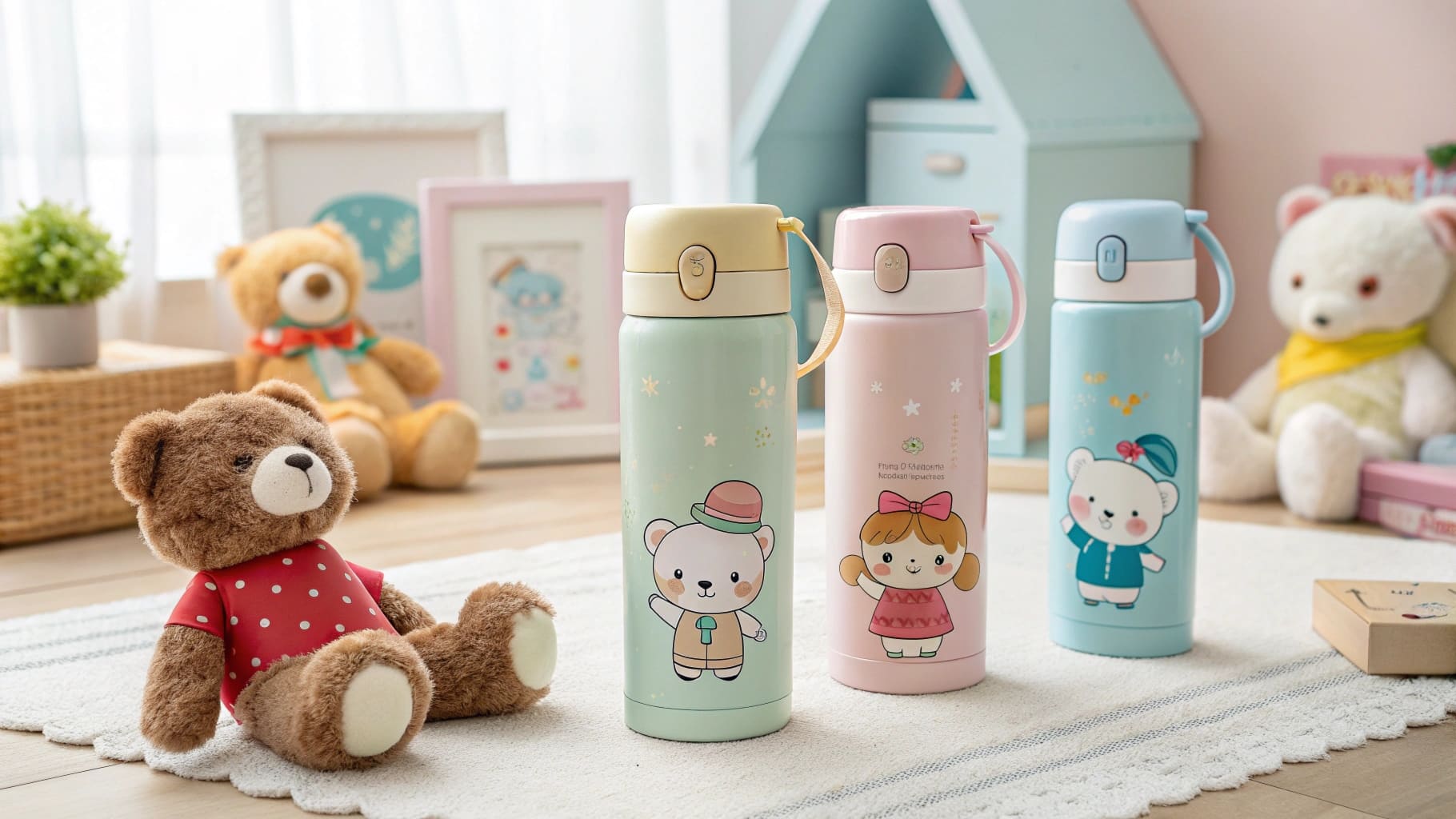
I do not rank brands without current lab reports. I see higher microplastic concern around disposable plastic bottled water, old plastic reusable bottles, and plastic squeeze bottles. Stainless steel bottles reduce direct plastic contact, but buyers should still check lids, straws, seals, and test reports.
Why I do not use a simple brand blacklist
I understand why buyers ask this question. A procurement officer wants a clear risk list. A brand owner wants safe marketing language. But I do not think it is responsible to say one brand has the most microplastics unless I have the exact test method, batch data, storage condition, and lab report. Microplastic results can change with material, heat, filling method, transport, shaking, and age. A plastic bottle stored in heat can behave very differently from a new bottle kept at room temperature.
| Risk area I check | What I ask for | Why I ask for it |
|---|---|---|
| I check the bottle material | I ask whether the main body is plastic, glass, aluminum, or stainless steel | I want to know the main contact surface |
| I check the lid | I ask for plastic type and sealing structure | I know many metal bottles still use plastic lid parts |
| I check the straw | I ask if the straw is plastic, silicone, or stainless steel | I want to reduce long contact with drinking water |
| I check the coating | I ask if the coating is outside only | I avoid confusion between outside paint and inside contact surface |
| I check documents | I ask for food-contact reports and real batch inspection | I reduce certificate fraud risk |
How I position stainless steel for health-aware promos
I see microplastic concern as one reason stainless steel is becoming stronger in promotional markets. Buyers used to choose plastic because it was cheap and light. Now more buyers worry about health image, sustainability image, and user trust. A non-insulated stainless steel 40oz bottle can answer many of those concerns while staying more affordable than a vacuum insulated model. It gives a metal drinking body, a durable hand feel, and a premium look.
I still tell buyers not to overclaim. A stainless steel bottle can be a better choice, but the lid may still include plastic parts. The straw may be plastic unless the buyer chooses stainless steel or silicone. The silicone gasket7 also needs food-contact compliance. So my safer message is this: I help reduce direct plastic contact by using a stainless steel body and controlled food-contact parts. I do not promise that any bottle is magic. I prefer clear claims like BPA-free8 lid, 304 stainless steel body, food-contact tested parts, and plastic-free main water chamber. This kind of language is safer for a promo campaign. It also helps a buyer explain quality to customers without sounding like a medical expert.
Conclusion
I see the best 2026 promo choice as a safe, simple 40oz stainless bottle with clear specs, honest testing, realistic MOQ, and controlled costs.
-
"Austenitic stainless steel", https://en.wikipedia.org/wiki/Austenitic_stainless_steel. Grade 304 stainless steel (18% chromium, 8% nickel) exhibits corrosion resistance suitable for food contact applications due to its chromium oxide passive layer, though performance varies with exposure conditions and maintenance. Evidence role: mechanism; source type: research. Supports: the corrosion resistance and food-contact safety characteristics of 304-grade austenitic stainless steel. Scope note: General material properties; does not address specific bottle manufacturing quality or coating interactions ↩
-
"Powder coating", https://en.wikipedia.org/wiki/Powder_coating. Powder coating bonds to metal through electrostatic application and thermal curing, creating a uniform finish with good scratch and corrosion resistance when properly applied, though adhesion quality depends on surface preparation and curing parameters. Evidence role: mechanism; source type: research. Supports: the adhesion mechanism and finish characteristics of powder coating on metal substrates. Scope note: Laboratory performance differs from field conditions; bottle handling, washing methods, and coating quality variations affect real-world durability ↩
-
"Protocols for leakage testing", https://tsapps.nist.gov/publication/get_pdf.cfm?pub_id=934652. Quality assurance for promotional drinkware typically includes functional testing (leak resistance, structural integrity), finish durability testing (coating adhesion, logo permanence), and packaging testing (drop resistance), though specific protocols vary by manufacturer and customer requirements. Evidence role: general_support; source type: institution. Supports: common quality testing practices in promotional products and drinkware manufacturing. Scope note: No single universal standard governs promotional drinkware testing; the mentioned tests represent common industry practices rather than mandatory regulatory requirements ↩
-
"Effectiveness of a Water Intake Program at the Workplace in ...", https://pmc.ncbi.nlm.nih.gov/articles/PMC8998380/. Health authorities typically recommend approximately 2-3 liters of total daily fluid intake for adults, varying with activity level, climate, and individual factors, with plain water comprising a significant portion of this intake. Evidence role: general_support; source type: institution. Supports: general daily fluid intake recommendations for adults. Scope note: Hydration needs vary individually; 40oz represents roughly half of typical recommendations and assumes additional fluid sources throughout the day ↩
-
"Review on metal packaging: materials, forms, food applications, safety ...", https://pmc.ncbi.nlm.nih.gov/articles/PMC7270472/. Thin-wall stainless steel containers balance material economy with mechanical strength; wall thickness selection depends on diameter, expected loading, and forming method, with thinner walls requiring careful quality control to prevent weak spots. Evidence role: mechanism; source type: education. Supports: the relationship between thin-wall metal thickness and structural integrity in pressure vessels. Scope note: General engineering principles; optimal thickness for promotional bottles depends on specific diameter, usage patterns, and manufacturing quality ↩
-
"Drinking vessel preferences in older nursing home residents", https://pubmed.ncbi.nlm.nih.gov/30525974/. Drinking vessel design affects user experience through factors including flow rate control, spillage risk, drinking posture, and situational appropriateness, with individual preferences varying based on activity context and beverage type. Evidence role: general_support; source type: research. Supports: user preferences and drinking behavior with different vessel opening types. Scope note: Limited published research specifically compares dual-function lid mechanisms; stated advantages reflect general design principles and anecdotal market success rather than controlled usability studies ↩
-
"Inventory of Food Contact Substances Listed in 21 CFR", https://hfpappexternal.fda.gov/scripts/fdcc/index.cfm?search=silicone&set=IndirectAdditives. Food-grade silicone materials must comply with regulations such as FDA 21 CFR 177.2600 (United States) or EU Regulation 10/2011 framework principles, requiring demonstration that the material does not transfer constituents to food in quantities that could endanger health or alter food characteristics. Evidence role: definition; source type: government. Supports: regulatory frameworks for silicone materials in food contact applications. Scope note: Compliance requirements vary by jurisdiction; manufacturers must ensure specific formulations meet applicable regional standards through appropriate testing ↩
-
"Bisphenol A (BPA)", https://www.fda.gov/food/food-packaging-other-substances-come-contact-food-information-consumers/bisphenol-bpa. Regulatory agencies in multiple jurisdictions have restricted or recommended against BPA use in certain food contact applications, particularly infant products, due to concerns about endocrine disruption, though BPA alternatives also require safety evaluation and may not be risk-free. Evidence role: expert_consensus; source type: government. Supports: regulatory positions on BPA in food contact materials. Scope note: Regulatory positions vary by region and evolve with new research; 'BPA-free' does not guarantee absence of other potentially concerning substances in plastic components ↩