
Stainless Steel Cup Sets for Schools: How Do Pack Counts, Pallet, and Cube Efficiency Affect Costs?
I see many school orders lose margin before shipment even starts. The buyer chooses the right bottle, but the carton plan quietly raises the total cost.
For stainless steel cup sets for schools, I focus on capacity, carton pack count, pallet layout, and container cube use. A 16oz tumbler is often the safest school size. A better packing plan can lower freight cost per unit and reduce delays during distribution.
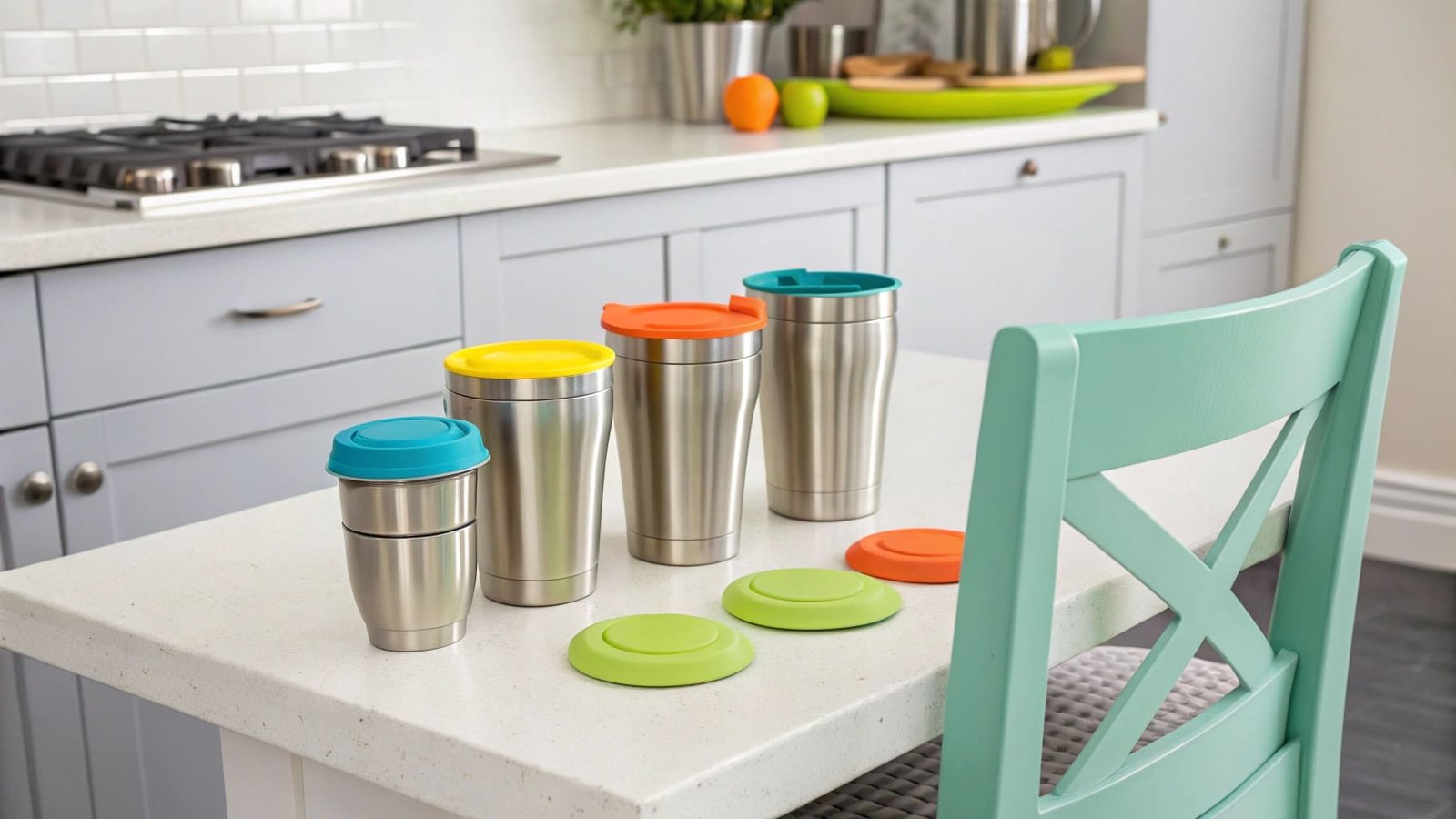
I often tell buyers that the product price is only the first layer. A low unit price can look strong on a quote sheet. It can still become weak when the carton is too large, the pallet is unstable, or the container has too much empty space.
In my own export work, I have seen buyers compare two suppliers by unit price only. The difference looked small. Then I checked carton dimensions, gross weight, and loading quantity. The “cheaper” option became more expensive after ocean freight1, local trucking, and warehouse handling. This matters even more for school programs because the order usually has a fixed season. The goods must arrive before back-to-school sales, district events, or campus distribution dates.
How Much Water Can a Tumbler Hold?
I see this question cause real buying mistakes. A tumbler that is too small fails daily use. A tumbler that is too large becomes heavy for students.
A school tumbler usually holds 12oz to 20oz of water.2 I often recommend 16oz for elementary and middle school programs. It gives enough capacity for daily hydration, but it still feels light enough for younger students to carry.
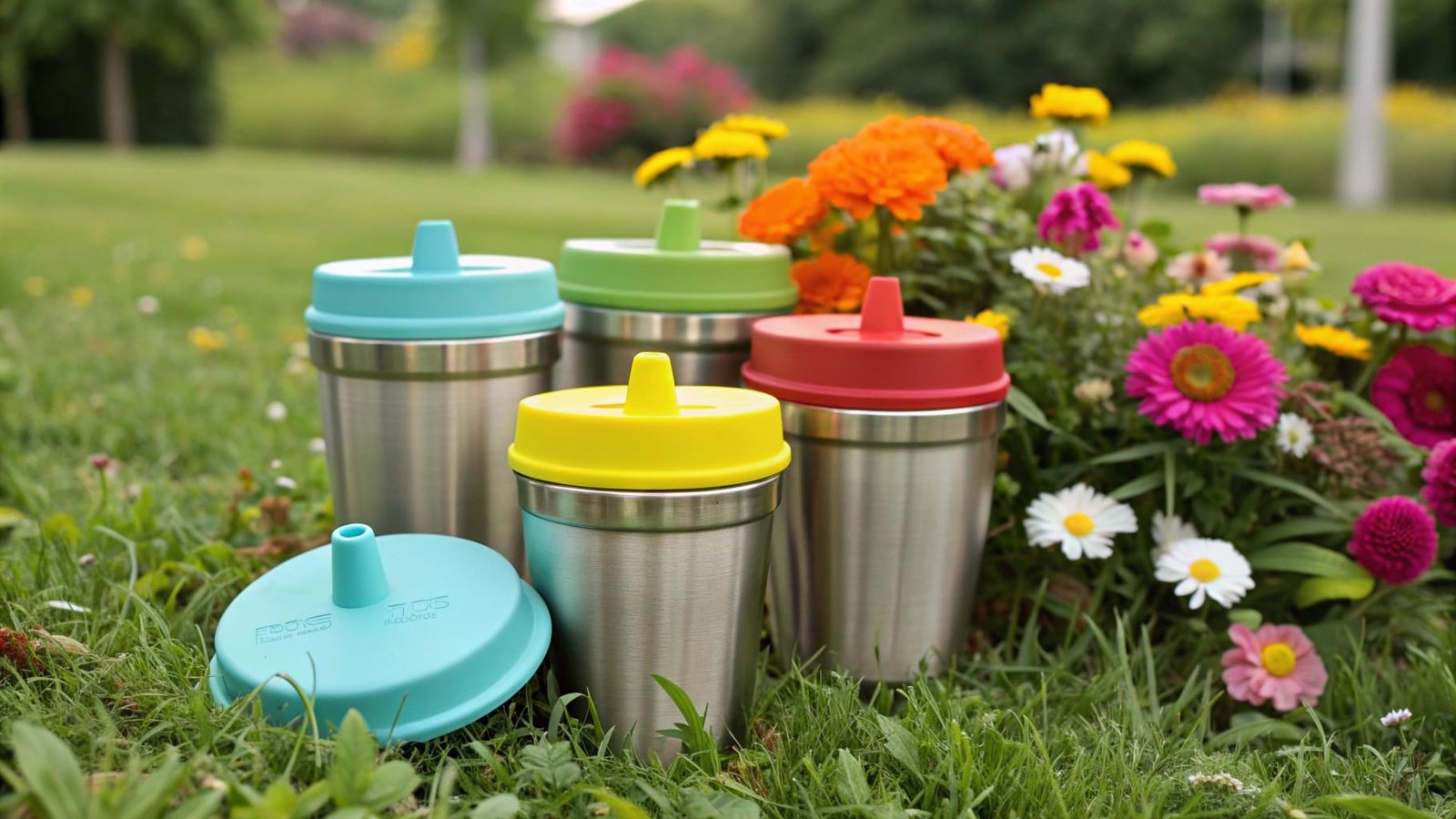
I match tumbler size with student use
I do not treat capacity as a simple product detail. I treat it as a buying decision that affects comfort, safety, packing, and cost. A 12oz tumbler can work well for younger children. It has a lower filled weight, and it fits smaller hands. A 20oz tumbler can work for older students, sports programs, or staff gifts. It gives more water, but it increases item height, carton size, and sometimes freight cost.
I usually ask buyers where the product will be used. A classroom gift has different needs from a cafeteria cup set. A sports club order has different needs from a district welcome kit. When I know the use case, I can suggest a capacity that avoids complaints after delivery.
| Capacity | Best school use | Main benefit | Main risk |
|---|---|---|---|
| 12oz | Younger students | Easy to hold | May need refills often |
| 16oz | General school programs | Balanced size | Needs good lid design |
| 20oz | Older students or staff | More water | Heavier when full |
I also connect capacity with packaging
Capacity changes more than the drinking experience. It changes carton height, carton count, pallet stability, and container loading. A taller tumbler may create empty carton space if the lid, straw, or handle is packed in a poor position. A wider tumbler may reduce the number of pieces per layer on a pallet. These small changes can become big costs in a full container.
For school orders, I prefer to test the packaging plan before mass production. I ask my team to confirm the single box size, master carton size, gross weight, and carton drop strength. I also check if the carton can be stacked without crushing lower layers. This is practical work, not theory. A strong tumbler still creates problems if the carton fails in the warehouse. A good capacity choice should make students happy and keep the shipment efficient.
What Is the Capacity of a Tumbler?
I often see buyers ask for “standard size” and expect one clear answer. That can be risky because every school program has different users.
The capacity of a tumbler is the maximum liquid volume it can hold, usually shown in ounces or milliliters. For school sourcing, 16oz is common because it balances hydration, weight, desk fit, and shipping efficiency.
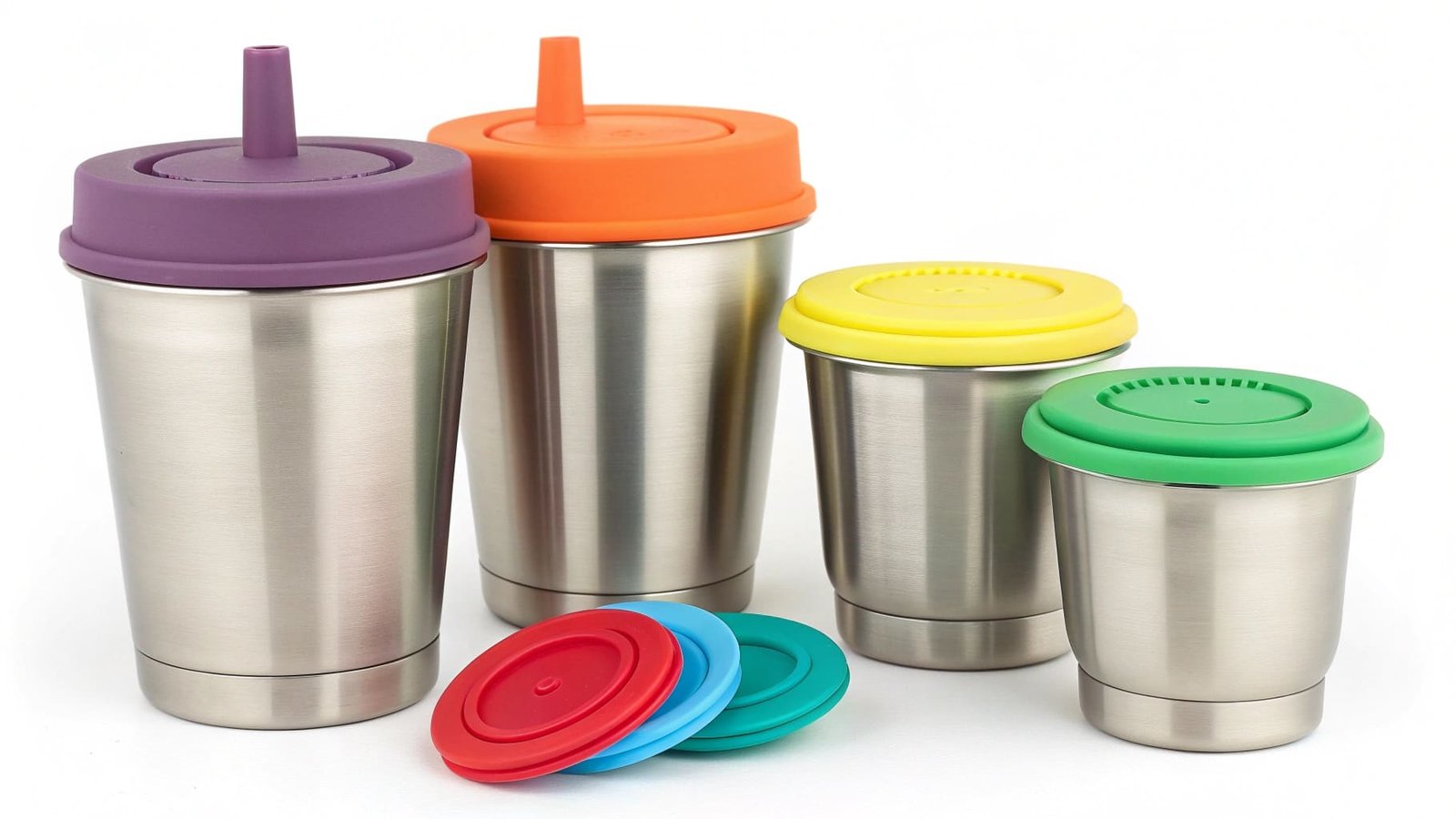
I define capacity before I quote
I always confirm if the buyer means full capacity or practical drinking capacity. Full capacity means the tumbler is filled to the top. Practical capacity means the user can drink without spill risk after the lid is placed. This difference matters when a school wants a true 16oz user experience. Some designs marked as 16oz may hold that amount only when filled very close to the rim. That may not be useful for students.
I also check if the tumbler includes ice space. In Canada, America, and Europe, many end users like cold drinks. A student may add ice and still expect enough water. A narrow tumbler may look elegant, but it may not handle ice well. A wider mouth can improve daily use, but it may change lid cost and carton size.
| Capacity point | What I check | Why I check it |
|---|---|---|
| Full capacity | Volume to the rim | It confirms product claim |
| Practical capacity | Volume with lid space | It reflects real use |
| Ice allowance | Space for ice cubes | It improves user satisfaction |
| Lid clearance | Space under lid | It reduces leakage risk |
I use capacity to plan cartons and pallets
Capacity also affects the way I build a wholesale packing plan. A 16oz tumbler can often be packed in master cartons of 24 or 48 pieces, based on product diameter and gift box size. If the buyer needs school sets with custom logo, color box, straw, brush, or name label, the packing plan may need adjustment. Accessories increase carton volume even when the tumbler size stays the same.
I once worked on a school-style project where the buyer wanted a tumbler, straw, cleaning brush, and cloth bag in each set. The product capacity did not change, but the set volume changed a lot. The first carton plan looked simple, but the loading quantity dropped. We adjusted the inner packing and changed the carton count. The final plan saved space and made warehouse picking easier.
I suggest buyers request these packing details before they confirm the purchase order:
- Single unit size with gift box
- Master carton dimensions
- Pieces per master carton
- Gross weight and net weight
- Cartons per pallet
- Pallets per container
- Estimated loading quantity
These details help me and the buyer see the real landed cost before production starts.
What Is the Difference Between a Cup and a Tumbler?
I see many school tenders use “cup” and “tumbler” as if they mean the same item. This can lead to wrong pricing and wrong samples.
A cup is usually a simple drinking vessel, often without insulation or a lid. A tumbler usually has a taller body, a lid, and sometimes double-wall vacuum insulation3. For schools, tumblers are better for spill control and temperature retention.
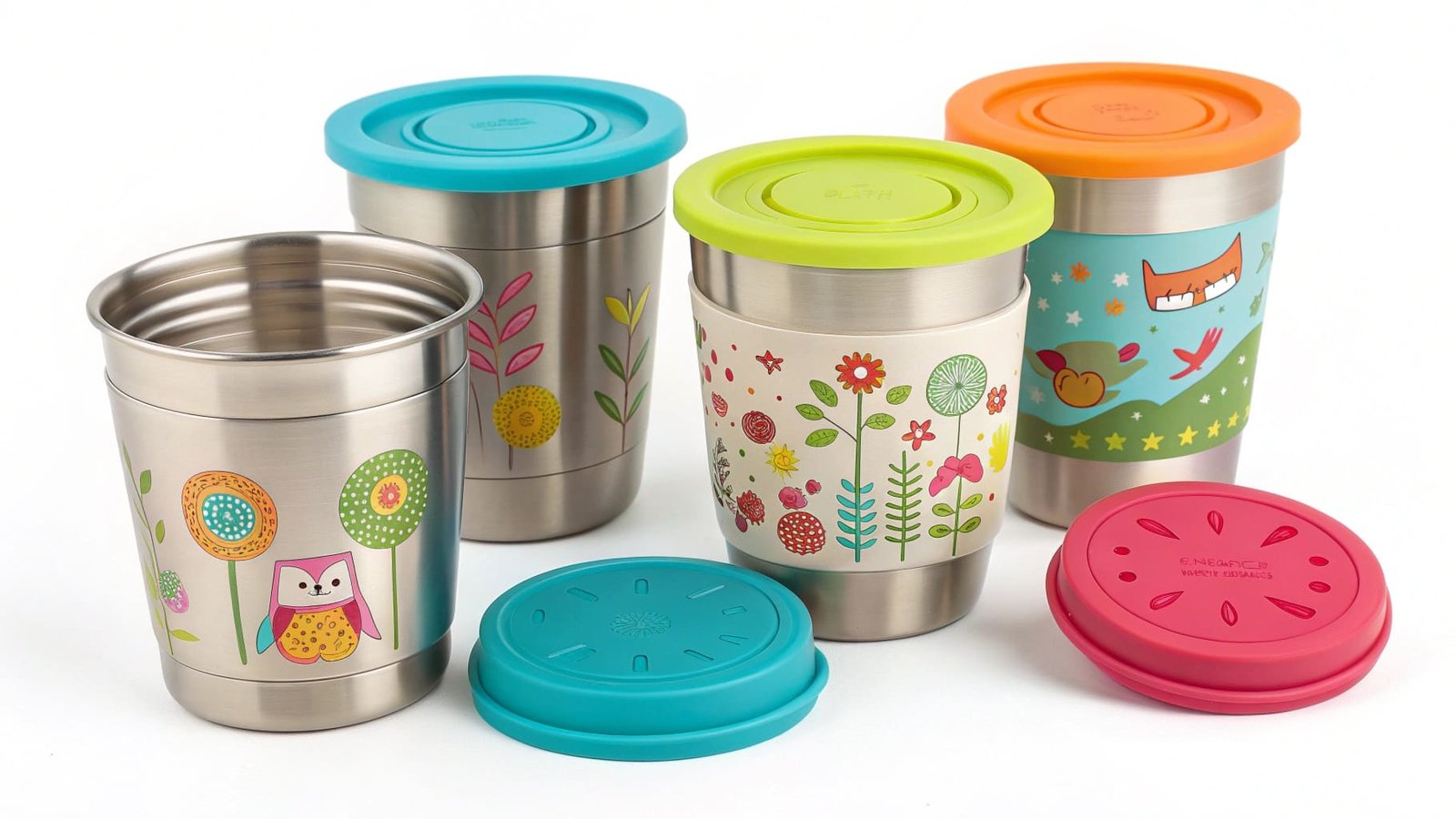
I separate use case before I separate price
I do not start this comparison with price. I start with the location of use. A cafeteria may need a simple stainless steel cup because students drink in one fixed area. A classroom, bus, library, or sports field often needs a tumbler with a lid because spills matter more. A tumbler can also keep water cold or drinks warm, based on the insulation design. This makes it better for daily personal use.
A standard cup can be lower in cost. It can also be easier to stack. This helps cafeteria programs that need fast cleaning and simple storage. A tumbler costs more because it may include vacuum insulation, lid parts, sealing rings, powder coating4, printing, and extra testing. The higher cost can make sense when the school wants a branded product that students keep and reuse.
| Item type | Common structure | Best use | Cost level |
|---|---|---|---|
| Stainless steel cup | Single wall or simple double wall | Cafeteria or event use | Lower |
| Stainless steel tumbler | Double-wall vacuum with lid | Classroom and daily carry | Higher |
| Tumbler set | Tumbler plus accessories | School gift or retail pack | Higher but more complete |
I link product type with quality inspection
The difference between a cup and a tumbler also changes inspection work. A cup inspection can focus on material, finish, rim smoothness, logo, and packing. A tumbler inspection needs more checks. I need to check vacuum performance, lid fit, leak risk, coating adhesion, odor, and accessory quality. I also check if silicone parts fit food-contact expectations5. This step is important because certificate fraud can appear in low-cost sourcing.
I prefer to give buyers clear test documents and real production photos. I also suggest pre-shipment inspection for large school programs. School orders can be sensitive because a small defect may become a public complaint. If a tumbler leaks in a student’s backpack, the buyer will not care that the unit price was low. The buyer will care that the supplier failed to control risk.
I connect cup choice with logistics cost
A simple cup may stack better than a tumbler. This can raise packing density and reduce freight cost. A tumbler usually needs separate protection because of coating, lid parts, and shape. That can reduce cube efficiency. I do not see this as a problem. I see it as a planning task.
For bulk school orders, I calculate cube efficiency before I finalize the packing. A 40-foot container can often hold about 15,000 to 18,000 units of 16oz tumblers6, based on carton size and packing style. A master carton of 24 pieces may help handling. A carton of 48 pieces may improve loading, but it can become heavy. A carton of 36 pieces can sometimes give a better balance. I have seen pack count adjustments improve container space use by 8% to 12%.
| Pack count | Handling benefit | Shipping benefit | Main caution |
|---|---|---|---|
| 24 pieces | Easier to lift | Good for mixed distribution | More cartons to handle |
| 36 pieces | Balanced option | Can improve cube use | Needs carton strength check |
| 48 pieces | Fewer cartons | May improve full container loading | Can become too heavy |
I ask buyers to share the final delivery plan. If the goods go to one warehouse, full-container loading is usually easier. If the goods go to several school districts, LCL or regional distribution may matter more. In that case, a slightly smaller carton can reduce damage and make warehouse sorting easier. The best carton is not always the largest carton. The best carton is the one that protects the goods, uses space well, and supports the buyer’s delivery route.
Conclusion
I choose school tumbler capacity and packing together because product fit, carton plan, pallet use, and shipment timing all decide the real purchase cost.
-
"The impact of container shipping costs on import and consumer prices", https://www.oecd.org/content/dam/oecd/en/publications/reports/2025/08/the-impact-of-container-shipping-costs-on-import-and-consumer-prices_dfc467b3/957f0c0c-en.pdf. Shipping economics research indicates that ocean freight typically represents 5-15% of total landed cost for consumer goods imports depending on product value density, route, and market conditions, making container space optimization a meaningful cost control lever for bulk orders. Evidence role: general_support; source type: research. Supports: The significance of ocean freight costs in international consumer goods procurement. Scope note: Freight cost proportion varies widely based on product category, shipping route, fuel prices, and market dynamics ↩
-
"How to Keep Kids Hydrated", https://www.chop.edu/news/health-tip/how-keep-kids-hydrated. Educational supply standards and school nutrition programs commonly recommend water containers in the 12-20oz range for K-12 students, balancing adequate hydration with portability for different age groups. Evidence role: general_support; source type: education. Supports: Typical capacity ranges for student water containers in educational settings. Scope note: Guidelines vary by jurisdiction and specific program requirements ↩
-
"Vacuum flask", https://en.wikipedia.org/wiki/Vacuum_flask. Vacuum insulation operates by removing air molecules from the space between two walls, thereby eliminating conductive and convective heat transfer and maintaining beverage temperature through minimized thermal exchange. Evidence role: mechanism; source type: encyclopedia. Supports: The thermal insulation mechanism of double-wall vacuum construction. ↩
-
"Can You Powder Coat Stainless Steel?", https://www.wasatchsteel.com/can-you-powder-coat-stainless-steel/. Powder coating involves electrostatically applying dry powder particles to metal surfaces followed by heat curing, creating a durable finish that typically offers superior chip resistance and uniform coverage compared to conventional liquid paints. Evidence role: mechanism; source type: encyclopedia. Supports: The application process and characteristics of powder coating on metal surfaces. ↩
-
"FDA Approved Silicone | Food and Medical Grades", https://elastapro.com/fda-approved-silicone/. Food-grade silicone components must comply with regulations such as FDA 21 CFR 177.2600 in the United States and EU Regulation 10/2011 framework principles in Europe, establishing migration limits and compositional requirements for materials intended to contact food and beverages. Evidence role: definition; source type: government. Supports: Regulatory standards governing silicone materials in food-contact applications. ↩
-
"Intermodal container", https://en.wikipedia.org/wiki/Intermodal_container. ISO-standard 40-foot containers provide approximately 67-76 cubic meters of cargo space depending on type (standard vs. high-cube), establishing the volumetric basis for unit load calculations when combined with carton dimensions and packing efficiency. Evidence role: general_support; source type: institution. Supports: Standard interior dimensions of 40-foot shipping containers used for capacity calculations. Scope note: Actual loading capacity depends on carton dimensions, weight distribution, packing method, and container type ↩