
What AQL catches lid seal defects on handled water bottles for Q4 retail?
A leaking bottle looks small in the factory. It becomes a large return problem when holiday buyers open the box1 and find wet bags.
I use AQL 0.4 for critical lid seal defects on handled stainless steel water bottles for Q4 retail. I pair it with pressure, inversion, temperature, and handle-stress testing, because sampling alone cannot catch every real-use leak risk.
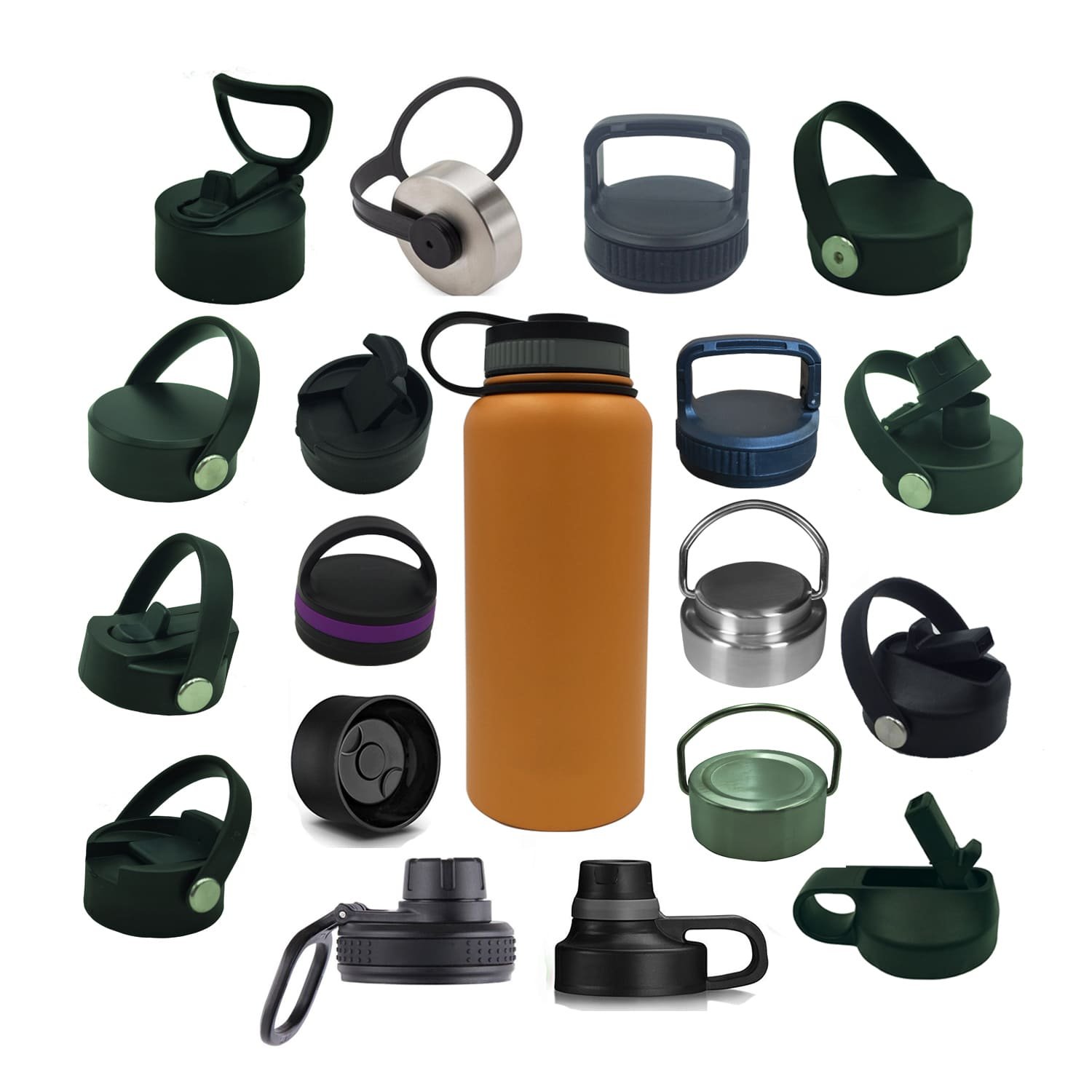
I treat lid seal inspection as the last wall before a shipment becomes a retail promise. In my work with stainless steel water bottles, I have seen buyers focus on color, logo, carton strength, and price first. Those points matter. But a bad seal can erase all of them in one customer review. A handled bottle adds one more risk. The handle can pull, twist, or shake the lid during transport and daily use. That movement can slowly weaken the seal. So I do not only ask whether the lid closes. I ask whether the lid stays sealed after the bottle is handled like a real product in a real season. This is where Q4 quality control becomes very different from normal inspection.
What does AQL 0.4 mean?
AQL sounds technical, and that can create false comfort. A buyer may think the number alone protects the shipment. It does not.
I read AQL 0.4 as a strict acceptance limit for critical defects. I do not treat it as permission to accept leaking bottles. I use it to decide when a sampled lot must be accepted, held, reworked, or rejected.
How I use AQL 0.4 for lid seal defects
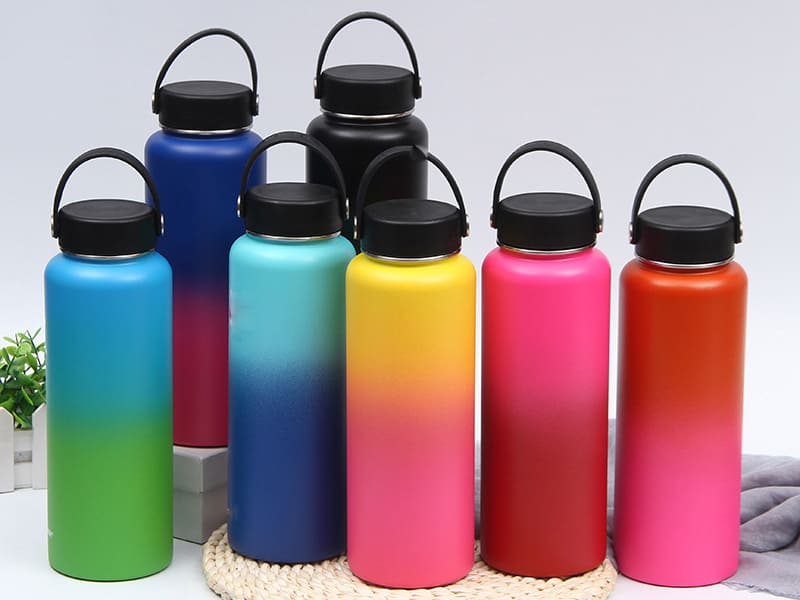
I use AQL 0.4 when a defect can create a direct customer complaint, a safety issue, or a retailer return. Lid leakage belongs in that group. A leak is not a small cosmetic issue. It is a product failure. For handled stainless steel water bottles, I place lid seal defects in the critical or major-critical area, based on the buyer’s retail standard. I do this because the end user does not care whether the defect came from the silicone gasket, the thread, the lid body, or the handle design. The buyer only sees one result. The bottle leaks.
AQL 0.4 is not a simple promise that only 0.4 percent of the shipment has problems. It is a sampling rule. The inspector chooses a sample size from the lot. Then the inspector checks the sample under the agreed defect standard. If the number of failed units is higher than the allowed count, I do not ship the goods as normal stock. I ask for sorting, rework, or a new inspection.
| Inspection point | What I check | Why it matters for Q4 retail |
|---|---|---|
| Silicone gasket | I check fit, hardness, surface, and compression | A weak gasket is the most common leak source |
| Thread engagement | I check smooth closing and even locking | Bad threads can feel closed but fail under pressure |
| Lid flatness | I check warping and uneven contact | A warped lid cannot press the gasket evenly |
| Handle movement | I check shaking, pulling, and twisting | Handle force can loosen the lid during use |
| Assembly consistency | I check each lid batch against the bottle neck | Mixed tolerance can create random leaks |
Why I do not rely on visual inspection only
I have seen lids that look perfect but fail when filled with hot water, turned upside down, and shaken. I have also seen bottles pass a quick static leak test and fail after the handle is pulled several times. That is why I treat AQL 0.4 as the control level, not the whole control system. I still need a clear leak test method. I need pressure testing. I need multi-angle testing. I need a short stress test for the handle and lid. If the shipment is going to Q4 retail, I also need temperature variation because a cold warehouse and a warm store can change how the gasket behaves2.
For a Canadian buyer or a procurement officer, this matters because Q4 has no soft landing. If the shipment misses the peak sales window, the discount season starts. If the shipment leaks, the return season starts. Both hurt margin.
Can a water bottle be resealed?
A leaking bottle can look fixable. That hope can waste time if the real issue sits in the neck, lid, or design tolerance.
I can reseal a water bottle when the gasket, lid, and thread are still structurally sound. I usually replace or reset the silicone ring first. If the bottle neck, lid thread, or cap body is warped, resealing is not reliable for retail shipment.
When resealing works
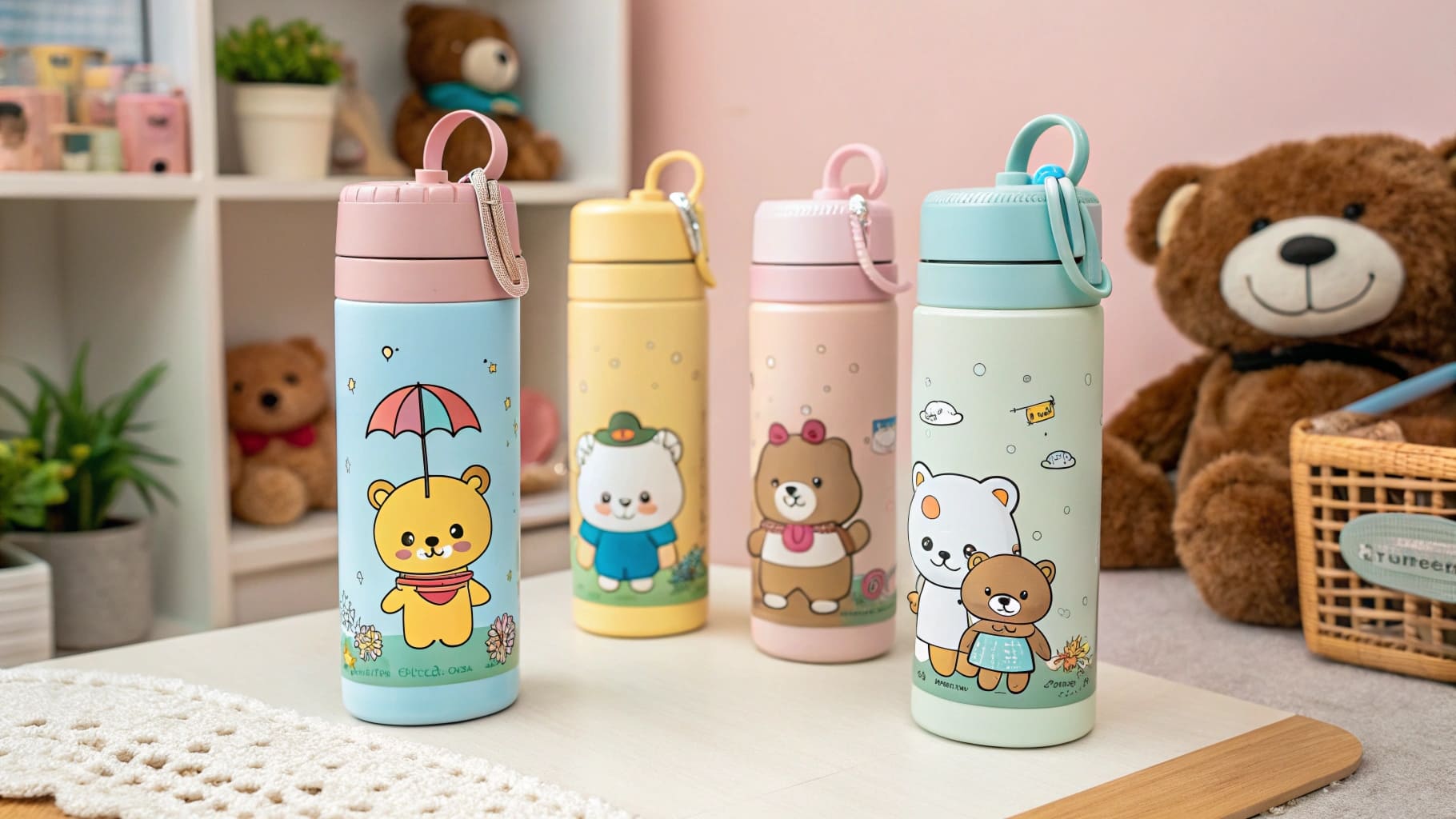
I see resealing as a repair choice, not a quality plan. It can work when the problem is simple. A silicone gasket may be missing. It may be twisted. It may have the wrong thickness. It may sit too high or too low in the lid groove.3 In that case, I can replace the gasket, reset the gasket, or change the gasket hardness. I can also improve the assembly work instructions so workers place the ring correctly each time.
A handled bottle needs one more check. I test whether the handle changes the closing force. Some handles are fixed to the lid. Some are attached to a cap loop. Some are built into a carrier frame. If the handle pulls against the lid, the sealing surface may open slightly during movement. The bottle may pass when standing still. It may leak when a shopper carries it in a bag.
| Reseal case | Can I repair it? | My action |
|---|---|---|
| Missing gasket | Yes | I install the correct gasket and retest |
| Twisted gasket | Yes | I reset the gasket and check the groove |
| Wrong gasket hardness | Sometimes | I change silicone hardness and test again |
| Damaged thread | Usually no | I reject or replace the lid or bottle |
| Warped lid | Usually no | I reject the lid batch |
| Neck tolerance error | Usually no | I hold the lot and review production tooling |
| Handle loosens lid | Sometimes | I adjust handle design or closure structure |
When I stop resealing and reject
I stop resealing when the defect comes from the hard parts. Stainless steel bottles need stable tolerance at the mouth. The lid needs correct thread shape. The sealing surface needs even contact. If the bottle neck is not round, a new gasket will not solve the issue. If the lid thread is shallow, the lid may close without enough compression. If the cap is warped after molding or assembly, the gasket may only seal on one side.
I also stop resealing when too many units fail. A few isolated failures can be a handling or assembly issue. Repeated failures mean the process is unstable. In that case, I ask for full sorting or rework. Then I ask for a fresh inspection. I do not allow a simple “we fixed it” message to replace test records. I ask for photos, videos, sample data, and a clear defect map by production line or lid batch.
For Q4, I do not want repair work to become a hidden delay. A shipment can be resealed in theory, but retail timing can still be lost. So I ask this question early: is the problem only a removable seal part, or is the whole closure system unstable?
What are the defects of pet bottles?
PET bottle defects can distract buyers from the real issue. Stainless steel bottles have a different failure map, especially around metal-to-silicone sealing.
I compare PET bottle defects with stainless steel bottle defects to avoid using the wrong checklist. PET bottles often fail through deformation, cracking, poor molding, and chemical concerns. Stainless steel handled bottles usually fail through lid seal tolerance, gasket compression, thread fit, and handle stress.
What PET defects teach me
I do not sell PET bottles as my main product line, but I still study their defect patterns because many buyers compare bottle categories. PET bottles often show defects linked to heat, wall thickness, molding marks, bottle shape, and cap fit. A PET bottle can deform when exposed to heat. It can have uneven wall distribution. It can crack near the neck. It can show poor transparency, black spots, bubbles, or stress marks. It can also have cap leakage when the cap and neck finish do not match.
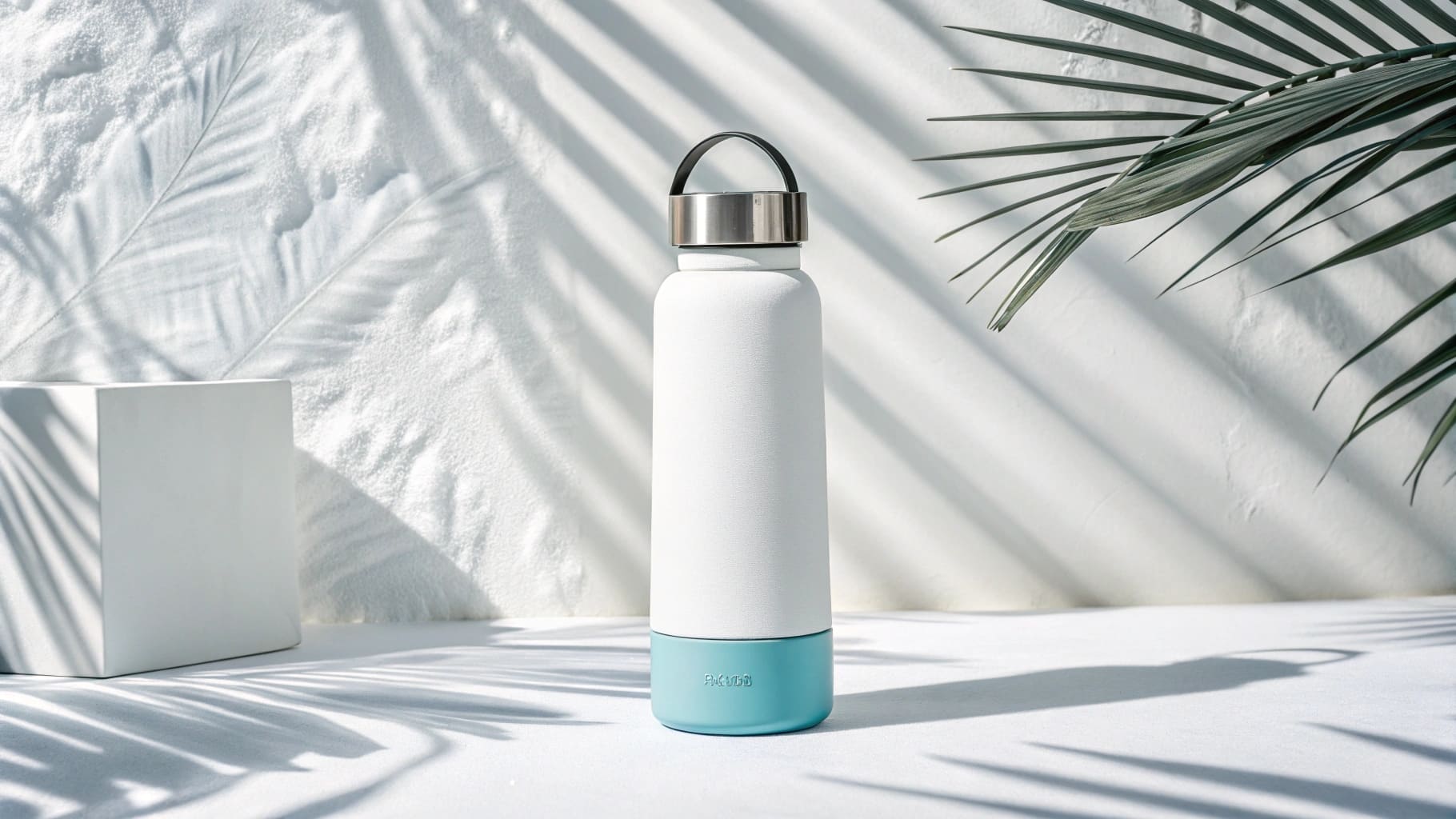
These lessons are useful, but I do not copy the PET inspection checklist directly to stainless steel bottles. Stainless steel bottles use a metal body and a separate lid system. The leak risk often sits where metal, plastic, and silicone meet. That means I must control tolerance between different materials. Each material expands, contracts, and compresses in a different way.4
| Bottle type | Common defect | Main cause | My inspection focus |
|---|---|---|---|
| PET bottle | Heat deformation | Material and temperature | Shape stability and neck finish |
| PET bottle | Wall thickness variation | Blow molding control | Weight, wall feel, and strength |
| PET bottle | Cracks near neck | Stress and poor molding | Neck finish and cap torque |
| Stainless steel bottle | Lid leakage | Gasket or thread mismatch | Compression and leak testing |
| Stainless steel bottle | Vacuum loss | Poor welding or insulation | Thermal retention test |
| Stainless steel bottle | Rust spots | Material or surface issue | Salt test and material check |
| Handled stainless steel bottle | Lid loosening | Handle stress and movement | Shake, pull, and angle test |
Why handled stainless steel bottles need their own defect list
I build my stainless steel bottle checklist around real retail use. A handled water bottle is not only filled and placed on a table. It is carried by the handle. It is clipped to a bag. It is dropped into a car seat. It is shaken in a backpack. It may hold cold water in winter and warm drinks in colder markets. These actions create seal stress.
I focus on three seal zones. The first zone is silicone gasket compression. The gasket must be the right size, hardness, and shape. The second zone is thread engagement. The lid must turn smoothly and lock with even pressure. The third zone is handle interaction. The handle must not pull the lid out of alignment or create slow loosening.
I also ask for the test method in writing. I want the fill level, water temperature, upside-down time, shake time, pressure level, and test angle. A supplier can say “leak test passed,” but that phrase is weak without details. I have learned this from buyers who were strong at sales but did not have a deep technical team. They needed a simple rule. The rule is this: if the test does not copy real use, the test result can create false confidence.
For Q4 retail, I also check cartons and logistics. A lid can be strong at the factory but loosen during long shipping. Vibration, stacking pressure, and temperature shifts can expose weak closure systems. That is why I see pre-shipment inspection as one part of the plan. I also see packaging and transport simulation as part of leak prevention.
Conclusion
I protect Q4 retail by treating lid seal leaks as critical defects, using AQL 0.4, and testing the bottle like a real buyer will.
-
"Internal and External Drivers of Consumers' Product Return ...", https://digital.library.unt.edu/ark:/67531/metadc804862/. Consumer research on retail returns consistently identifies product defects or items not meeting expectations as primary return drivers, with return volumes spiking in the weeks following major holiday shopping periods. Evidence role: statistic; source type: research. Supports: Product quality defects are among the leading reasons consumers return goods, and return volumes are disproportionately elevated during and after peak holiday retail periods. Scope note: Publicly available return-rate data is often aggregated across product categories; category-specific figures for insulated beverage containers are not widely published. ↩
-
"Compression Set: Meaning, How It Works, and ...", https://www.xometry.com/resources/3d-printing/compression-set/. Research on elastomeric sealing materials documents that silicone rubber undergoes dimensional changes with temperature variation and is subject to compression set, both of which reduce effective sealing force over repeated thermal cycles. Evidence role: mechanism; source type: research. Supports: Silicone elastomers exhibit thermal expansion and compression-set behavior that can alter contact pressure at sealing interfaces when exposed to temperature cycling. Scope note: Most published studies address industrial or aerospace seals; direct data on consumer beverage bottle gaskets under retail temperature ranges is limited in the open literature. ↩
-
"O-Ring Failure & Troubleshooting Guide | Marco Sealing Solutions", https://www.marcorubber.com/o-ring-failure.htm/. Engineering references on elastomeric sealing, including widely cited resources such as the Parker O-Ring Handbook, document that seal failures commonly arise from incorrect groove dimensions, wrong durometer selection, gasket twisting during installation, and insufficient compression, all of which reduce contact stress at the sealing interface. Evidence role: general_support; source type: research. Supports: Incorrect gasket installation, including wrong thickness, improper groove seating, and axial twist, are documented causes of elastomeric seal failure in fluid-containment applications. Scope note: Published seal engineering literature primarily addresses industrial and hydraulic applications; direct studies on consumer beverage bottle gasket failure modes in peer-reviewed sources are sparse. ↩
-
"Coefficient of Linear Thermal Expansion of Polymers ... - PMC", https://pmc.ncbi.nlm.nih.gov/articles/PMC12693757/. Engineering references document that austenitic stainless steel, silicone rubber, and common lid plastics such as polypropylene exhibit significantly different coefficients of thermal expansion, meaning assemblies combining these materials experience differential dimensional change under temperature variation that can alter contact pressure at sealing interfaces. Evidence role: mechanism; source type: encyclopedia. Supports: Stainless steel, silicone, and engineering plastics have substantially different coefficients of thermal expansion, creating dimensional mismatch at joints when temperature changes. ↩