
Hip flask 500ml: which markets accept size, and how to plan gift boxes?
Your 500ml hip flask inventory sits in the warehouse. You need buyers who actually want this size. The market feels unpredictable right now.
North America, Europe, and Australia show the strongest demand for 500ml hip flasks. These markets value outdoor activities and premium gifting. Your gift box should include complementary accessories and use custom printed packaging1 that reflects premium positioning.
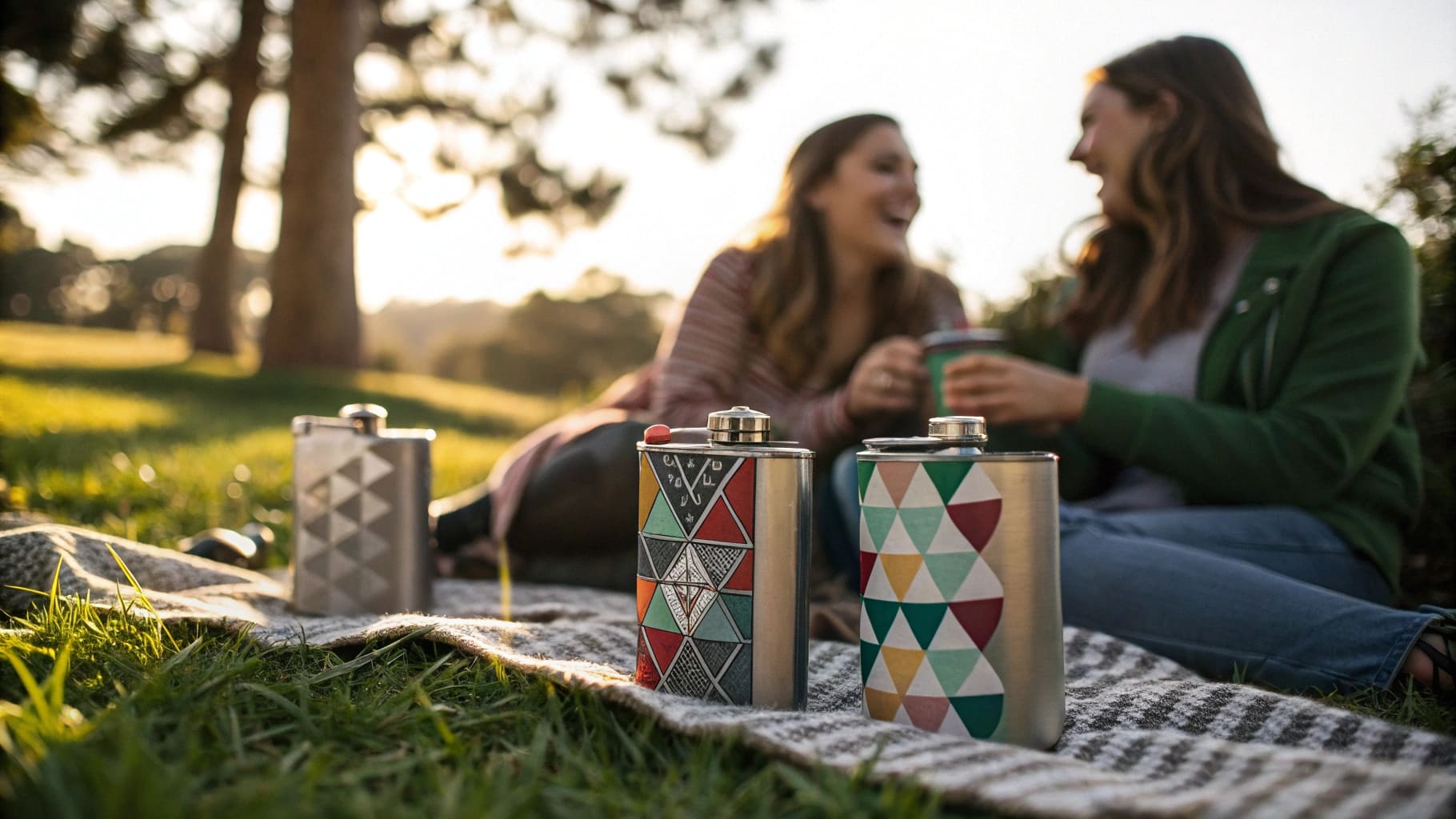
I learned something important last year. A Canadian buyer ordered 5,000 units of 500ml hip flasks from me. He planned to sell them during the camping season. But he asked me the same question you probably have now. Which markets actually buy this size? And how do we make the gift box look worth the price?
Let me share what I discovered through working with buyers like him.
What are the three types of flasks?
You see hip flasks everywhere online. But they all look similar. You wonder if there is a real difference between types.
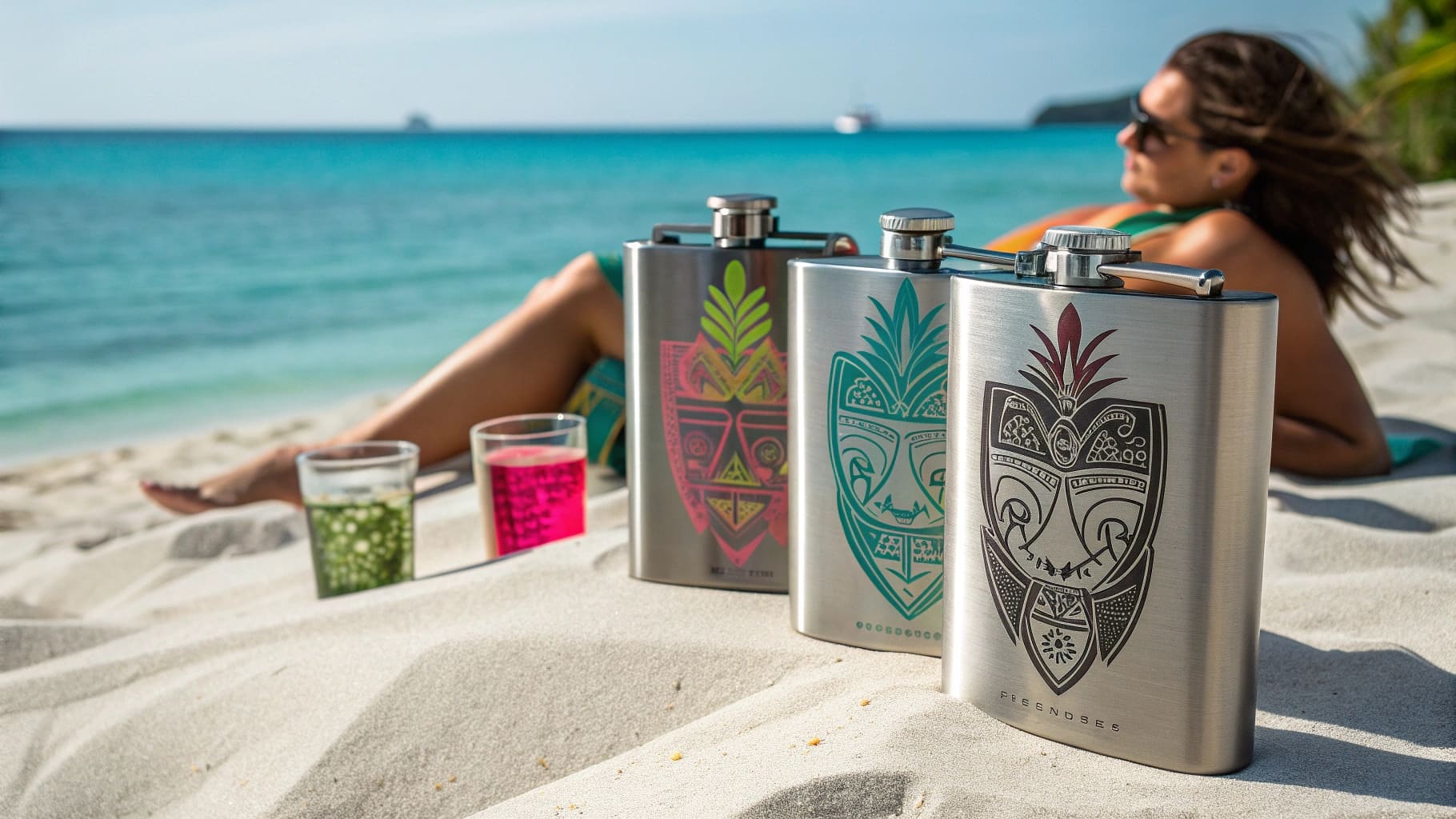
Hip flasks fall into three categories: traditional pocket flasks for portability, outdoor sport flasks for active use, and premium gift flasks for special occasions. Each type serves different customer needs and price points.
Understanding Flask Categories
I make all three types at my factory. Each type requires different production focus.
Traditional pocket flasks emphasize the classic curved shape. They fit into a jacket pocket easily. We use thin gauge stainless steel to keep them light. The capacity usually stays between 180ml to 240ml. But some buyers push for 500ml in this category. I tell them the truth. A 500ml traditional flask feels too bulky for pocket carry.
Outdoor sport flasks work differently. They focus on durability first. We apply powder coating to the surface. This gives better grip during active use. The leak-proof design matters most for camping and hiking. Sport flask buyers often request 500ml capacity. They need more liquid for longer outdoor sessions. The thickness of the steel increases to handle rough treatment.
Premium gift flasks live in a separate world. Surface treatment becomes the priority. We offer electroplating for a mirror finish. Water transfer printing creates unique patterns. Custom laser engraving adds personal touches. These flasks target gift buyers and corporate promotional clients. The 500ml size works well here. It feels substantial enough to justify premium pricing.
| Flask Type | Key Feature | Typical Capacity | Best Surface Treatment | Target Use |
|---|---|---|---|---|
| Traditional Pocket | Curved ergonomic shape | 180ml - 240ml | Brushed finish | Daily carry |
| Outdoor Sport | Powder coated grip | 350ml - 750ml | Powder coating | Active outdoor |
| Premium Gift | Aesthetic appeal | 500ml - 750ml | Electroplating/Laser engraving | Gifting/Promotional |
The 500ml capacity bridges outdoor sport and premium gift categories. I rarely recommend it for traditional pocket style. Your product positioning should match one of the two categories that fit this size naturally.
What is the best drink to put in a hip flask?
Your customer asks you what drinks work in hip flasks. You want to give a confident answer. But you worry about giving wrong advice.
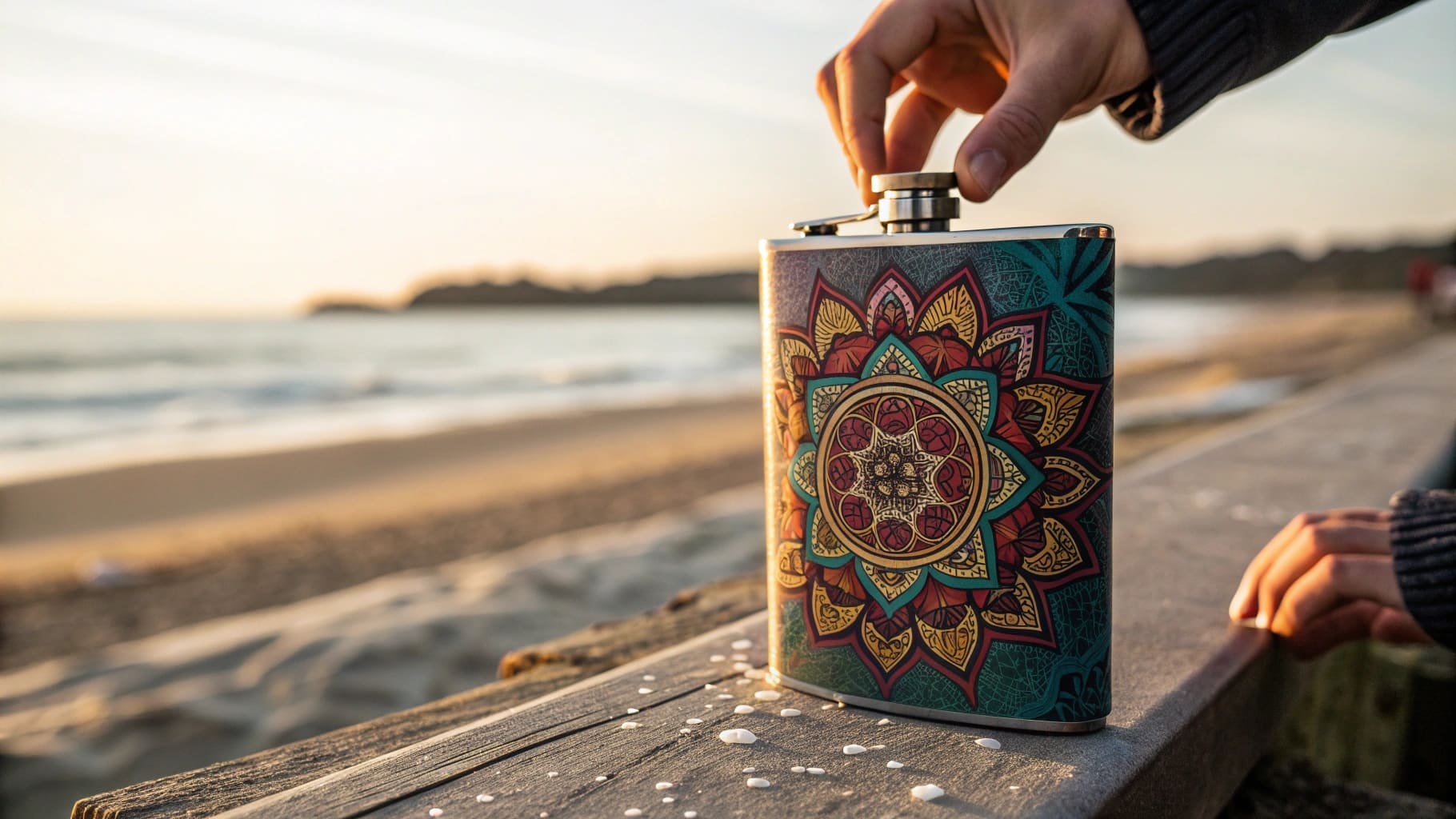
Whiskey and bourbon work best in hip flasks due to their stable chemical properties. However, modern stainless steel flasks safely hold most beverages including vodka, rum, and non-alcoholic drinks. Avoid storing acidic drinks like citrus juice for extended periods.
Beverage Compatibility with Stainless Steel
I test every batch of flasks we produce. The food-grade 304 stainless steel prevents metallic taste. But not all drinks behave the same way inside.
Spirits like whiskey, bourbon, vodka, and rum work perfectly. They contain high alcohol content. This means no bacterial growth happens inside the flask. The taste stays consistent even after days of storage. Many of my North American buyers specifically market their flasks for whiskey. This makes sense. The traditional hip flask culture connects deeply with whiskey drinking.
Non-alcoholic options work too. Water stores safely. Coffee and tea cause no problems for short-term storage. I have customers who use hip flasks for energy drinks during outdoor activities. The stainless steel keeps the temperature stable for several hours.
The real issue comes with acidic beverages. Orange juice, lemon water, and acidic cocktails create problems. The acid reacts slowly with steel over time. This changes the taste. I always tell buyers to warn their customers about this. If someone wants to carry acidic drinks, they should consume them within a few hours. Do not leave acidic liquids in the flask overnight.
One buyer from Germany returned a batch claiming quality issues. His customers complained about metallic taste. After investigation, I found they stored fruit punch in the flasks for three days. The problem was not the flask. It was improper use. Since then, I include a care instruction card with every order. This prevents similar misunderstandings.
Drink Recommendations by Occasion
| Occasion | Recommended Drink | Storage Duration | Temperature |
|---|---|---|---|
| Camping | Whiskey/Bourbon | Up to 7 days | Room temperature |
| Hiking | Water/Energy drinks | Same day | Cool |
| Social events | Vodka/Rum | Up to 3 days | Room temperature |
| Tailgating | Beer/Spirits | Same day | Cold |
The 500ml capacity gives users flexibility. They can carry enough for personal use plus sharing with friends. This makes the size popular for social outdoor activities.
Who is the target audience for Hydro Flask?
You want to position your 500ml hip flask correctly. Understanding target audiences helps. But hip flask buyers differ from water bottle customers.
Hip flask target audiences include outdoor enthusiasts who need larger capacity, premium gift buyers seeking presentation-worthy items, collectors wanting unique designs, and corporate clients ordering promotional products. The 500ml size appeals particularly to serious outdoor users and gift markets.
Segmenting Your Hip Flask Market
I learned to separate hip flask buyers from regular water bottle customers. They have different motivations and pain points.
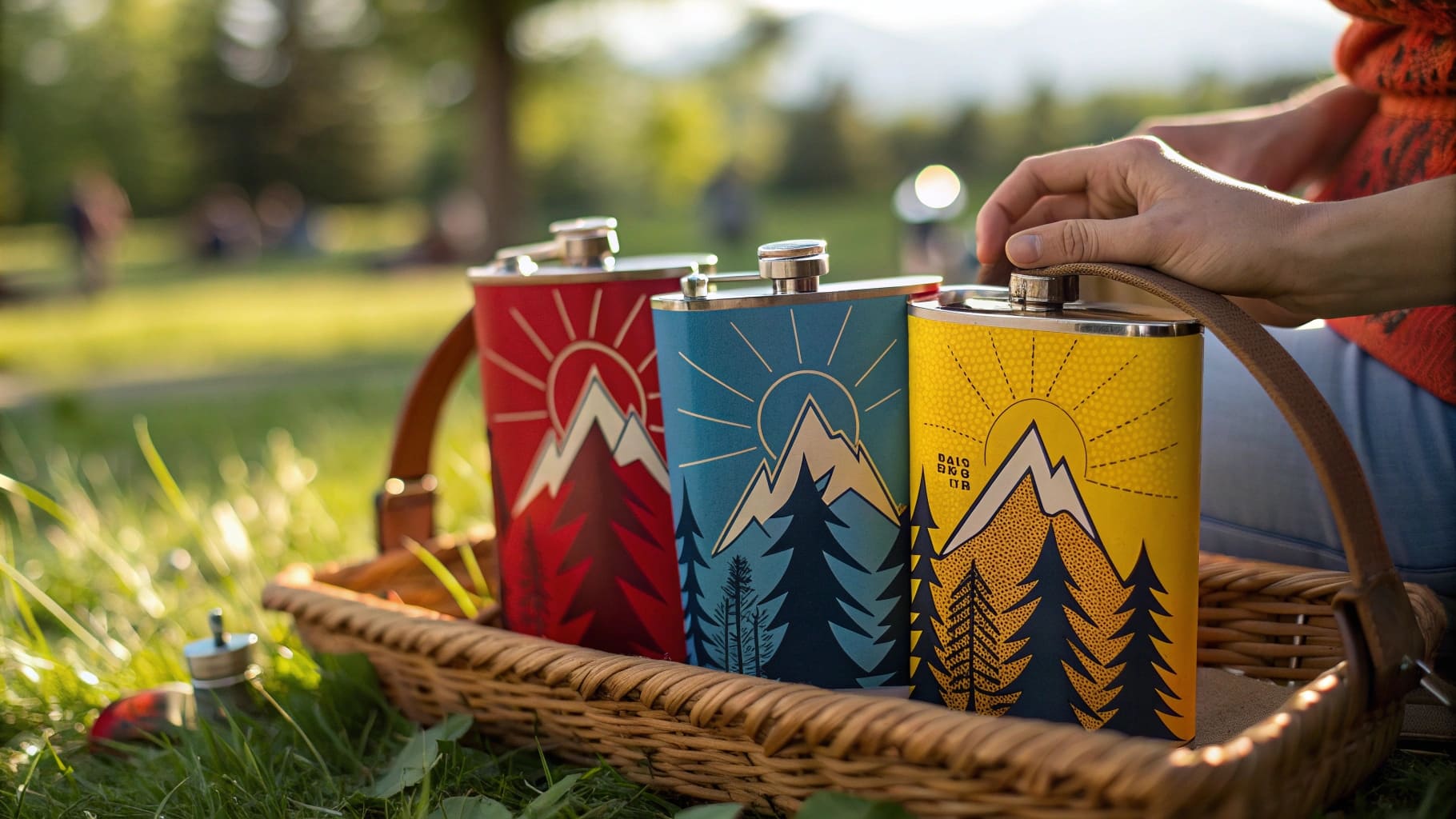
Outdoor enthusiasts form the first segment. These buyers value durability and capacity above aesthetics. They participate in camping, fishing, hunting, and tailgating. The 500ml size meets their needs perfectly. Too small feels insufficient for long trips. Too large becomes unwieldy. My buyers targeting this segment request features like powder coating for better grip and wide mouth openings for easy filling.
Gift buyers create the second major segment. They purchase for birthdays, weddings, retirement parties, and holidays. These customers care deeply about presentation. The product itself matters less than how it looks in the box. I spend extra time helping these buyers plan gift packaging. We add custom printed boxes, silk bags, and complementary accessories. The perceived value increases significantly with proper presentation.
Collectors represent a smaller but consistent segment. They seek unique designs and limited editions. Water transfer printing works well for this group. We create patterns that stand out. Some collectors buy multiple flasks to display together. They rarely use the flasks for actual drinking.
Corporate promotional clients order in bulk. They want cost-effective customization. Logo placement becomes the priority. These buyers often choose the 500ml size because it feels substantial enough to represent their brand value. But they push hard on price. The profit margins stay thin on corporate orders.
Market Positioning Strategy
| Market Segment | Key Decision Factor | Price Sensitivity | Order Quantity | Customization Need |
|---|---|---|---|---|
| Outdoor enthusiasts | Durability | Medium | 100-500 units | Logo only |
| Gift buyers | Presentation | Low | 50-200 units | Full custom design |
| Collectors | Unique design | Low | 10-50 units | Limited edition patterns |
| Corporate clients | Cost efficiency | High | 500-5000 units | Company logo |
Your positioning should match your strongest customer segment. If you target outdoor enthusiasts, emphasize functional features in your marketing. If you focus on gift buyers, invest more in packaging design2. Trying to serve all segments equally spreads your resources too thin.
I made this mistake early in my business. I tried to appeal to everyone. My marketing messages became generic. Sales suffered. Now I help each buyer identify their primary segment first. Then we develop products specifically for that audience. This focused approach generates better results.
The 500ml size naturally fits outdoor and gift segments better than pocket carry. Position accordingly. Your packaging, pricing, and marketing should reflect this reality.
Conclusion
The 500ml hip flask succeeds when you match it to the right markets and present it properly. Focus on outdoor and gift segments for best results.