
Which stainless steel cups for boats handle corrosion, drainage, and screws?
Your boat's cup holders are corroding. The screws are rusting. Water pools around the drainage holes. You need drinkware that actually survives saltwater without becoming a maintenance nightmare.
The best stainless steel cups for boats use 316-grade material1. This grade resists saltwater corrosion better than standard 304 steel. It handles drainage systems and metal fasteners without rust or deterioration in marine environments.
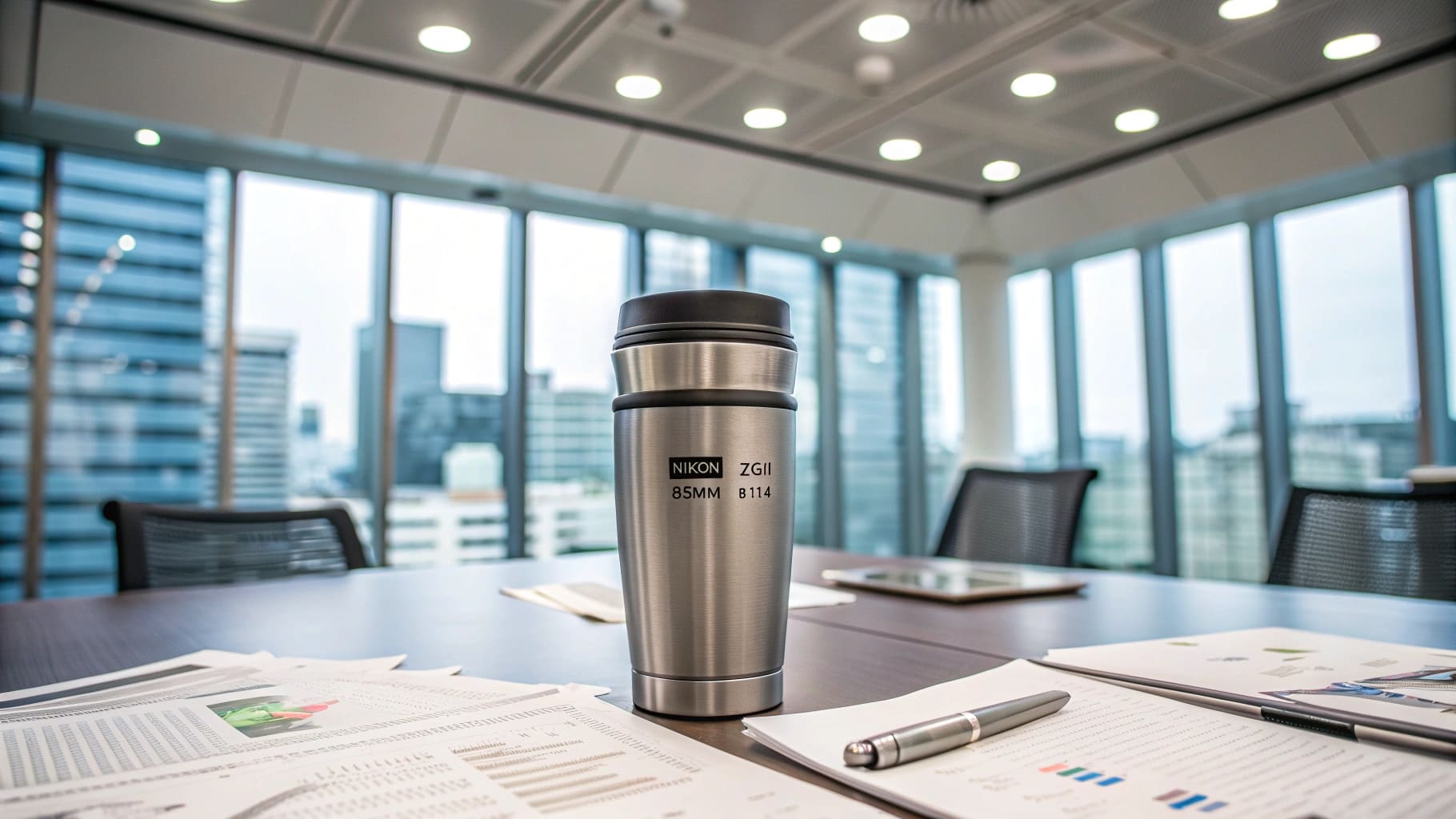
I've spent years helping boat owners and marine equipment distributors find drinkware that doesn't fail after one season. The difference between cups that last and cups that corrode comes down to understanding what marine environments actually do to metal.
What is the best stainless steel for corrosion?
Corrosion eats through regular stainless steel faster than most buyers expect. The wrong grade means replacement costs every few months. You need material that actually fights back against rust.
For general corrosion resistance, 304 stainless steel performs well. For harsh environments like saltwater exposure, 316 stainless steel provides superior protection. The molybdenum content makes the difference.
I work with procurement officers who make this mistake constantly. They see "stainless steel" and assume all grades are equal. They're not.
304 stainless steel contains chromium above 18% and nickel above 8%. This composition creates a protective layer that resists oxidation. It works great for everyday use. It handles acids and alkalis without problems.
But saltwater is different. Chlorides break down the protective layer on 304 steel. The corrosion starts slowly. You might not notice it for months. Then suddenly the damage is everywhere.
316 stainless steel adds molybdenum to the mix. This element specifically targets chloride resistance. The aerospace industry uses 316 for this exact reason. Food machinery relies on 316 where cleaning chemicals are harsh.
Here's how the grades compare:
| Property | 304 Stainless Steel | 316 Stainless Steel |
|---|---|---|
| Chromium Content | 18%+ | 16-18% |
| Nickel Content | 8%+ | 10-14% |
| Molybdenum | None | 2-3% |
| Chloride Resistance | Moderate | Excellent |
| Cost | Lower | Higher |
| Marine Suitability | Limited | High |
I've tested both grades in marine environments. The 304 shows pitting after six months of constant saltwater spray. The 316 stays clean.
What type of stainless steel is used on boats?
Boat manufacturers face constant pressure to cut costs. Some use cheaper materials where they shouldn't. You need to know what actually goes on quality vessels.
Most boats use 316 stainless steel for all hardware and fittings exposed to saltwater. Railings, cleats, and cup holders2 should all be 316-grade. This prevents corrosion failures that compromise safety.
I remember visiting a boat show in Vancouver last year. A distributor was showing off his "marine-grade" cup holders. I asked about the steel grade. He said 304. I walked away.
Marine environments are brutal. Saltwater spray hits every surface. Drainage systems stay wet constantly. Metal fasteners are always exposed to moisture.
316 stainless steel is the standard for serious marine applications. The grade specifically addresses chloride corrosion. Boat builders who care about longevity spec 316 for everything.
Some manufacturers try to save money. They use 304 for parts they think won't get wet. This fails. Salt spray travels everywhere on a boat. Even protected areas get exposure.
Cup holders are a perfect example. They seem simple. But they need proper drainage. The screws that mount them face constant moisture. The cups themselves sit in salt air.
Here's what marine-grade really means:
| Component | Required Grade | Why |
|---|---|---|
| Cup Bodies | 316 | Direct liquid contact, salt spray exposure |
| Mounting Screws | 316 | Continuous moisture, critical structural role |
| Drainage Holes | 316 edges | Water flow creates corrosion risk |
| Holders/Brackets | 316 | Saltwater spray, mounting stress points |
The investment in 316 pays off. I've seen 304 cup holders fail within a year. The 316 versions last decades. The math is simple. Spend more once or replace repeatedly.
Which type of stainless steel has the best corrosion resistance to salt water?
Saltwater destroys more boat equipment than storms do. The slow corrosion catches owners off guard. You need material that fights chlorides specifically.
316 stainless steel offers the best practical corrosion resistance to saltwater. The molybdenum content specifically targets chloride attack. This makes it superior to 304 or lower grades in marine environments.
I've worked with Canadian distributors who import marine equipment from China. They learned this lesson the hard way. One client ordered 1000 cup holders in 304 steel. Cheaper price. Big mistake.
His customers started complaining after six months. Rust spots appeared around the drainage holes. The mounting screws corroded. Some holders broke loose from the mounting points. He had to issue refunds and replace everything.
The chlorides in saltwater are aggressive. They attack the passive layer on stainless steel. This layer normally protects the metal underneath. But chlorides break it down.
304 stainless steel can't rebuild this layer fast enough in marine environments. The corrosion continues. Pitting starts small. Then it spreads. Eventually the metal fails.
316 stainless steel contains molybdenum. This element strengthens the passive layer. It helps the metal resist chloride attack. The layer repairs itself even when damaged.
Here's the technical breakdown:
| Factor | 304 Response | 316 Response |
|---|---|---|
| Chloride Exposure | Passive layer breaks down | Passive layer maintains integrity |
| Pitting Risk | High after prolonged exposure | Low even with constant exposure |
| Crevice Corrosion | Occurs in drainage areas | Resists in tight spaces |
| Stress Corrosion | Vulnerable under tension | Handles stress + salt combination |
| Lifespan in Saltwater | 1-3 years | 10+ years |
The drainage holes in cup holders create special problems. Water sits in these areas. The oxygen level drops. This creates crevice corrosion. 304 steel fails quickly here. 316 steel resists this type of attack.
Mounting screws face similar issues. They're under tension from the mounting force. Saltwater gets into the threads. Stress corrosion cracking can occur. This is dangerous because screws can fail suddenly.
I always recommend 316 for any marine drinkware application. The cost difference is minor compared to the performance difference. Your customers will thank you when their equipment still looks new after years of use.
Conclusion
Choose 316 stainless steel for boat cups. Verify material certification before placing orders. Your marine customers need equipment that survives saltwater, not fails after months of use.