
Insulated thermal coffee mugs: which coatings resist stains from syrups best?
You grab your favorite coffee mug from the cabinet. That brown ring around the rim makes you cringe. Syrup stains refuse to come out. No matter how hard you scrub, the residue stays put.
The best coating for resisting syrup stains is electropolished stainless steel1 on the interior. This smooth surface prevents residue buildup and makes cleaning easy. Pair it with powder coating on the outside for scratch resistance. Medical-grade 316 steel performs even better than standard 304 grade.

I have seen this problem hundreds of times in my work at Icobottle. Customers contact me frustrated about stubborn stains in their thermal mugs. They want a solution that actually works. The truth is, the coating makes all the difference between a mug that stays clean and one that collects grime.
Which insulated coffee mug is best?
You need a mug that keeps coffee hot for hours. But you also want one that resists stains from your vanilla latte. Cheap mugs look good at first but fail quickly. The wrong coating turns your morning routine into a cleaning nightmare.
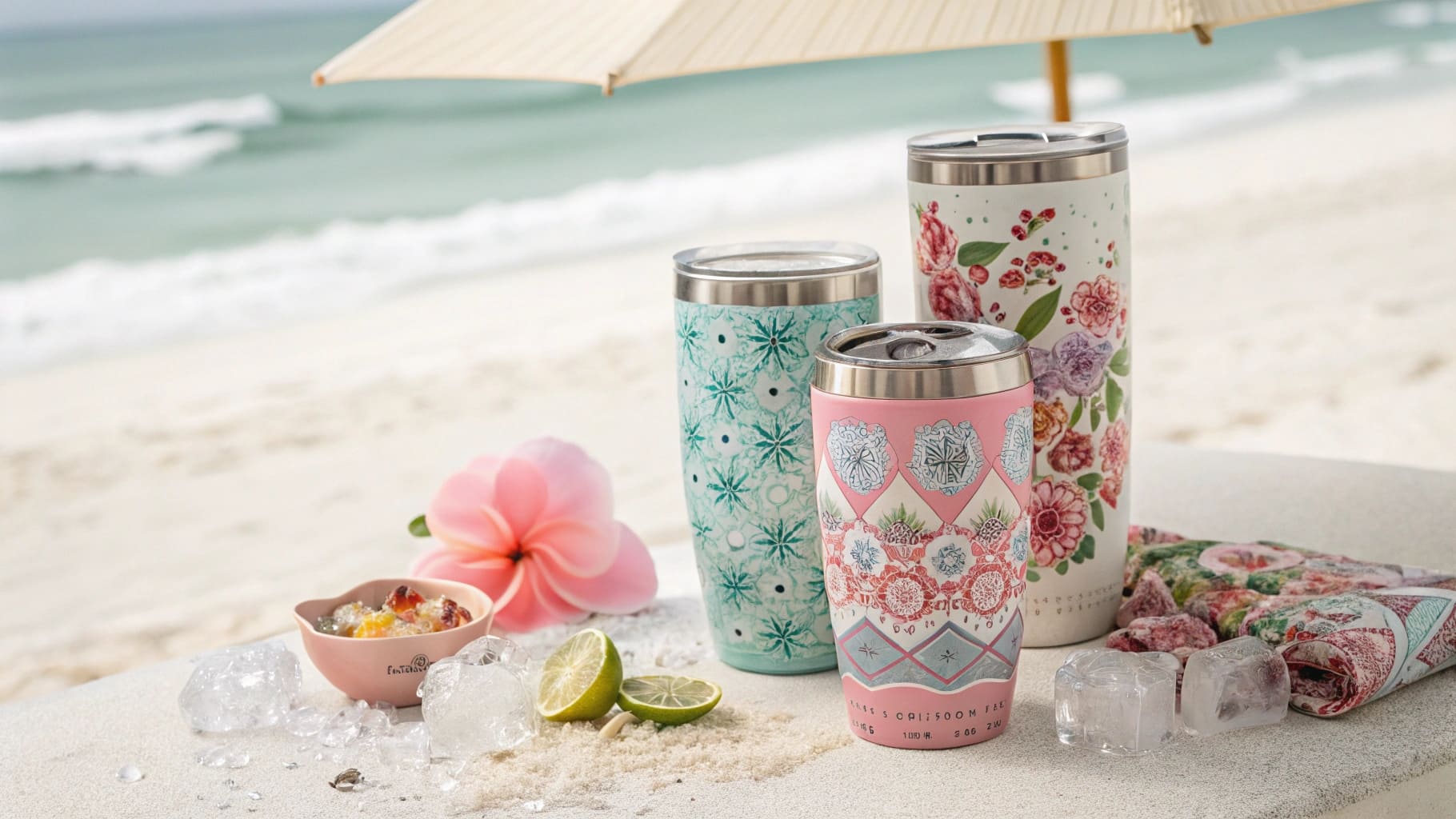
The best insulated mug uses 316 medical-grade stainless steel2 with electropolished interior walls and powder-coated exterior. This combination provides superior insulation, stain resistance, and durability. Wide-mouth openings make cleaning simple and prevent residue accumulation.
What makes one mug better than another?
I work with clients who buy thousands of mugs at once. They need products their customers will actually use every day. The material choice matters more than most people think. Standard 304 stainless steel works fine for basic use. But 316 grade contains more chromium and molybdenum. These elements create a surface that resists acids and sugars better.
The interior treatment changes everything. Electropolishing removes microscopic imperfections from the steel surface. This process creates a smooth, lustrous finish. Bacteria cannot hide in tiny crevices. Syrup slides off instead of sticking. I remember one client who switched from standard mugs to electropolished ones. Their customer complaints dropped by seventy percent.
The exterior coating protects your investment. Powder coating bonds to the metal through heat curing. This creates a barrier against scratches, peeling, and fading. Your mug looks new even after months of daily use. Some suppliers skip this step to save money. Those mugs show wear quickly. The rust starts at the first scratch.
| Feature | Standard Mug | Premium Mug |
|---|---|---|
| Interior Surface | Basic 304 steel | 316 steel + electropolishing |
| Stain Resistance | Moderate | Excellent |
| Cleaning Ease | Requires scrubbing | Wipes clean easily |
| Exterior Finish | Paint or basic coating | Powder coating |
| Durability | 1-2 years | 5+ years |
How to remove coffee stains from a thermal cup?
That dark ring inside your mug bothers you every morning. You scrub with soap and water. The stain gets lighter but never disappears completely. Coffee oils and syrup residues build up over time. Regular cleaning methods3 fail against these stubborn deposits.
Mix baking soda with white vinegar to create a paste. Apply it to stained areas and let it sit for fifteen minutes. Scrub gently with a soft brush, then rinse thoroughly. For tough stains, fill the mug with warm water and add a denture cleaning tablet overnight.

Why do some mugs stain more than others?
The surface finish determines how easily stains develop. I test products every day in our factory. Rough interior surfaces trap particles in microscopic valleys. These particles oxidize and darken over time. No amount of scrubbing removes them completely because they sit below the surface level.
Electropolished surfaces solve this problem. The electrochemical process removes surface material at the molecular level. It creates a finish smoother than mechanical polishing can achieve. Liquids cannot penetrate this surface. Stains sit on top where you can wipe them away.
The steel grade also matters. Lower quality steel contains impurities that react with coffee acids. These reactions create permanent discoloration. I learned this lesson years ago when a customer returned a whole shipment. The mugs developed brown spots that would not come out. We switched to 316 steel and the problem disappeared.
Prevention works better than removal. Rinse your mug immediately after use. Do not let residue dry inside. Hot water alone removes most deposits if you act quickly. Once a week, do a deep clean with baking soda. This routine keeps electropolished surfaces looking new for years.
Some people use bleach or harsh chemicals. I do not recommend this approach. These substances can damage protective coatings. They also leave residues that affect taste. Natural cleaning methods work just as well without the risks. Baking soda is mildly abrasive without scratching steel. Vinegar dissolves mineral deposits and coffee oils.
| Cleaning Method | Effectiveness | Safety | Time Required |
|---|---|---|---|
| Soap and water | Low for set stains | Safe | 2 minutes |
| Baking soda paste | High | Safe | 15 minutes |
| Vinegar soak | Moderate | Safe | 30 minutes |
| Denture tablets | Very high | Safe | Overnight |
| Bleach | High | Risky for coatings | 10 minutes |
Is it better to drink out of stainless steel or ceramic?
You stand in the store comparing mugs. The ceramic one has beautiful designs. The stainless steel option looks more practical. Each material claims different benefits. You worry about making the wrong choice. Your morning coffee experience depends on this decision.
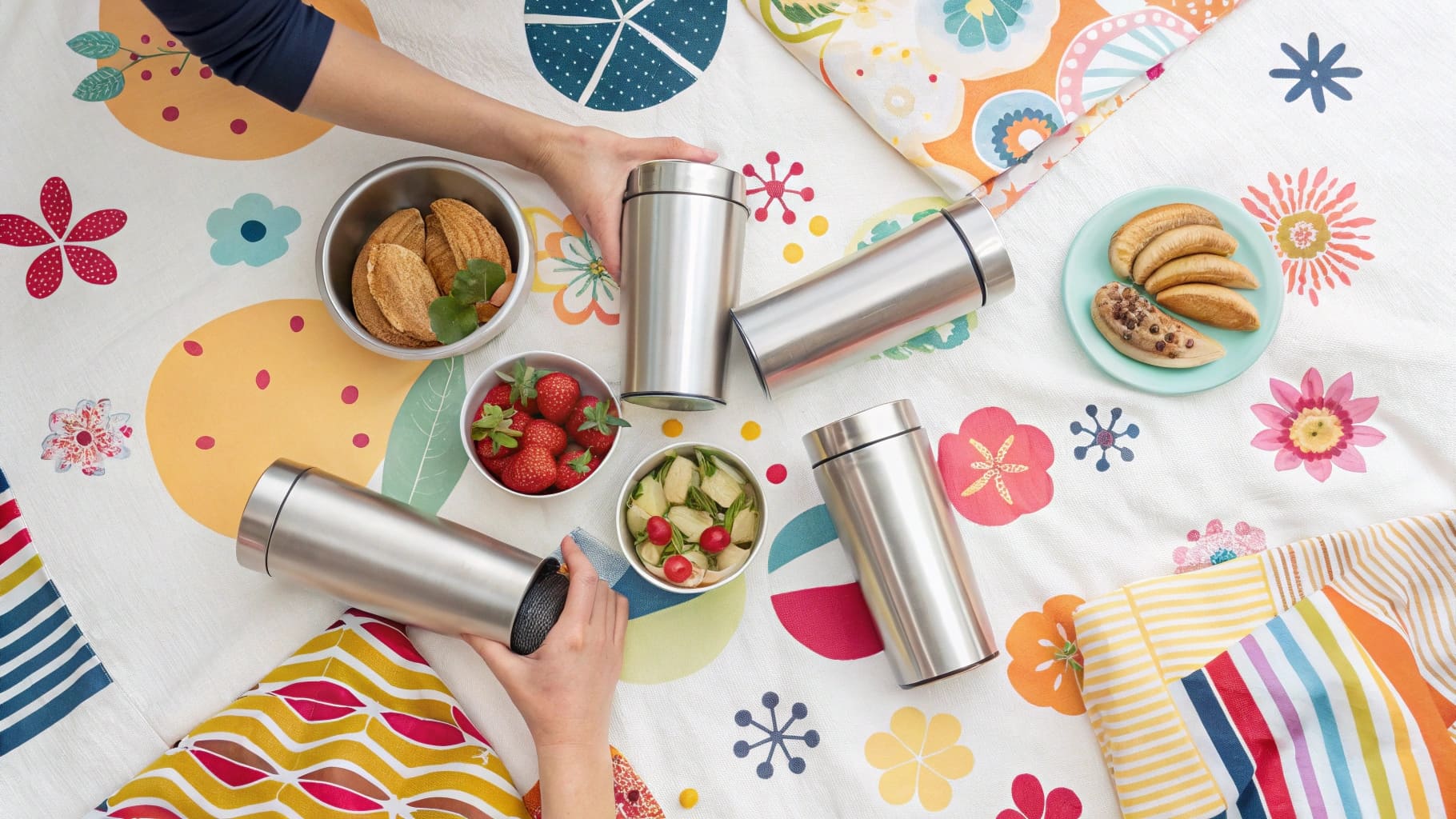
Stainless steel mugs offer better insulation, durability, and portability than ceramic. They maintain temperature for six to twelve hours compared to ceramic's one to two hours. Steel resists breaking if dropped and works for both hot and cold drinks. Ceramic excels only in aesthetic variety.
What are the real differences that matter?
I speak with buyers every week who face this choice. They need to understand the practical differences. Ceramic mugs feel nice in your hand. The smooth glaze gives them a premium feel. But ceramic is porous at the microscopic level. Liquids seep into tiny cracks over time. This creates perfect conditions for bacteria growth and permanent staining.
Stainless steel is completely non-porous. Nothing penetrates the surface. This makes it naturally antibacterial. I have tested mugs that customers used for five years. The steel interior still looks and smells clean. Ceramic mugs from the same period show obvious wear and discoloration.
Temperature retention matters for coffee lovers. Double-wall vacuum insulation only works with metal. The vacuum between walls prevents heat transfer. Your coffee stays hot for hours without any external heat source. Ceramic mugs rely on thick walls for insulation. This makes them heavy and bulky. They still lose heat much faster than steel.
Durability determines long-term value. I have dropped steel mugs from counter height many times during testing. They get dented but never break. Ceramic mugs shatter on impact. The pieces can cut you. Even small chips create sharp edges that affect drinking comfort. One customer told me she goes through three ceramic mugs per year. Her steel mug from our company has lasted five years so far.
Health considerations favor stainless steel. Quality steel contains no harmful chemicals. It does not leach substances into your drink. Some ceramic glazes contain lead or cadmium. These metals can transfer to hot liquids. I always recommend food-grade 316 steel for peace of mind. The higher cost pays for itself through safety and longevity.
| Aspect | Stainless Steel | Ceramic |
|---|---|---|
| Insulation Time | 6-12 hours | 1-2 hours |
| Drop Resistance | Dents but survives | Shatters |
| Weight | Light | Heavy |
| Bacteria Growth | Resistant | Possible in cracks |
| Chemical Leaching | None (quality steel) | Possible from glaze |
| Lifespan | 5+ years | 1-2 years |
Conclusion
The right coating transforms your daily coffee experience. Electropolished 316 steel with powder coating resists syrup stains better than any other option. This combination delivers easy cleaning, long-term durability, and superior performance that justifies the investment.
-
Explore the advantages of electropolished stainless steel for superior stain resistance and easy cleaning. ↩
-
Discover why 316 medical-grade stainless steel is preferred for its corrosion resistance and durability. ↩
-
Explore various cleaning methods to keep your coffee mugs looking new and stain-free. ↩