
Are wide-mouth lids cross-compatible on 18–32oz water bottle OEM SKUs?
I see buyers lose margin when one lid fits only one bottle. The stock grows, the packing slows, and the end customer gets confused.
I usually say yes, but only inside one planned OEM system. Wide-mouth lids can cross-fit 18–32oz SKUs when the opening diameter, thread pitch, thread height, gasket seat, and lid depth are the same1. Cross-brand fit is still risky.
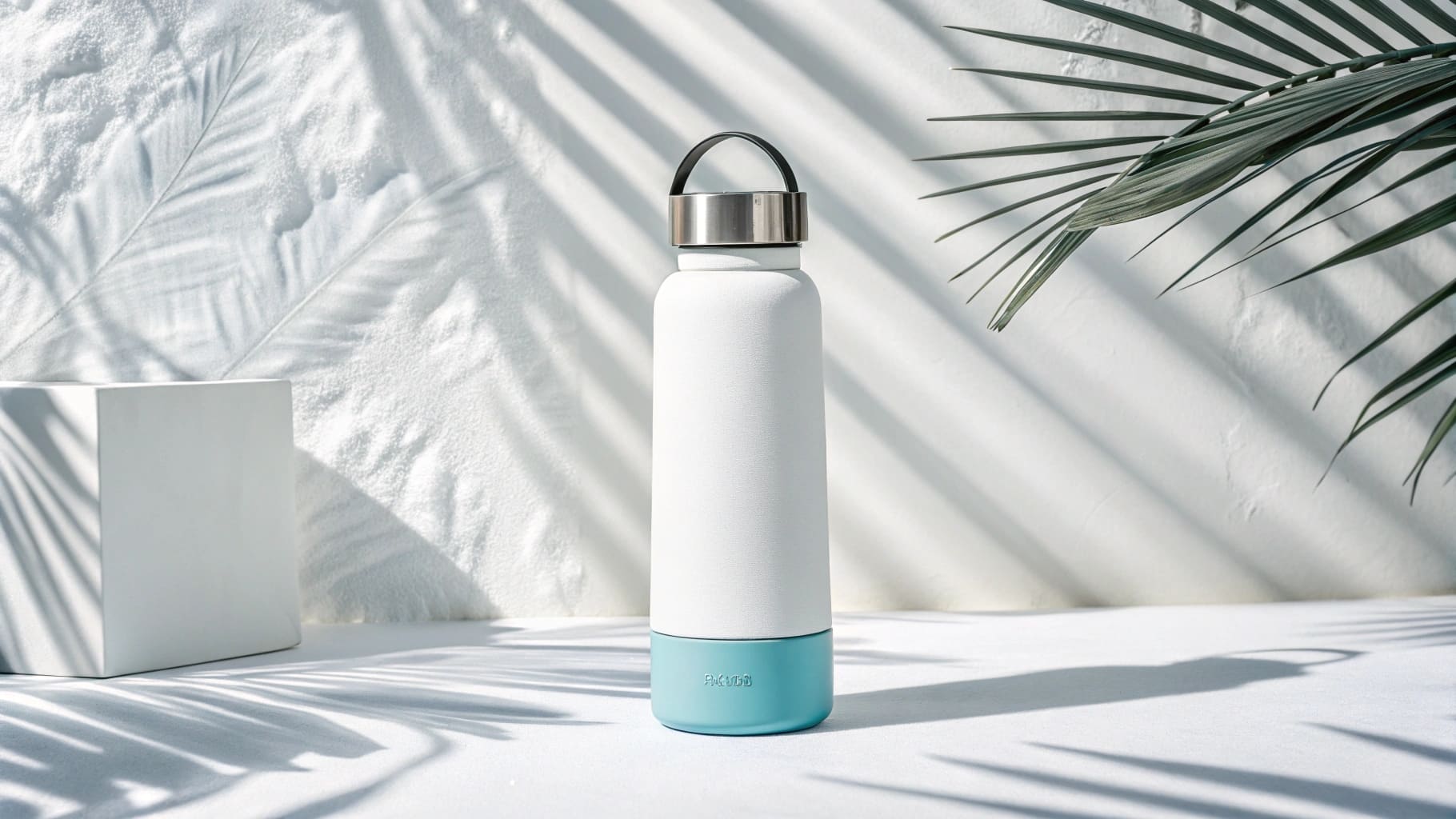
I look at lid compatibility as a product system, not as one small accessory detail. In my work with stainless steel water bottle buyers, I often see the same problem. The buyer approves the bottle shape first. Then the buyer asks for straw lids, spout lids, and handle lids later. This creates risk because the cap may look correct but may not seal well. A wide-mouth bottle is not only a wide opening. It is also a thread design, a gasket position, a lid depth, and a closure feeling2. If I want one lid family to work across 18oz, 20oz, 24oz, and 32oz OEM SKUs, I need to set that rule before tooling and sampling. That is where many purchasing mistakes begin.
Does a 32oz hydroflask fit in a cupholder?
I hear this question after the mold is already open. The bottle looks strong, but the buyer then learns the car holder rejects it.
Most 32oz Hydro Flask wide mouth bottles do not fit standard cupholders because the base is usually too wide3. I treat any 32oz bottle as not cupholder-friendly unless the supplier provides a slim base drawing near the cupholder range.
What I check before I call a 32oz bottle car-friendly
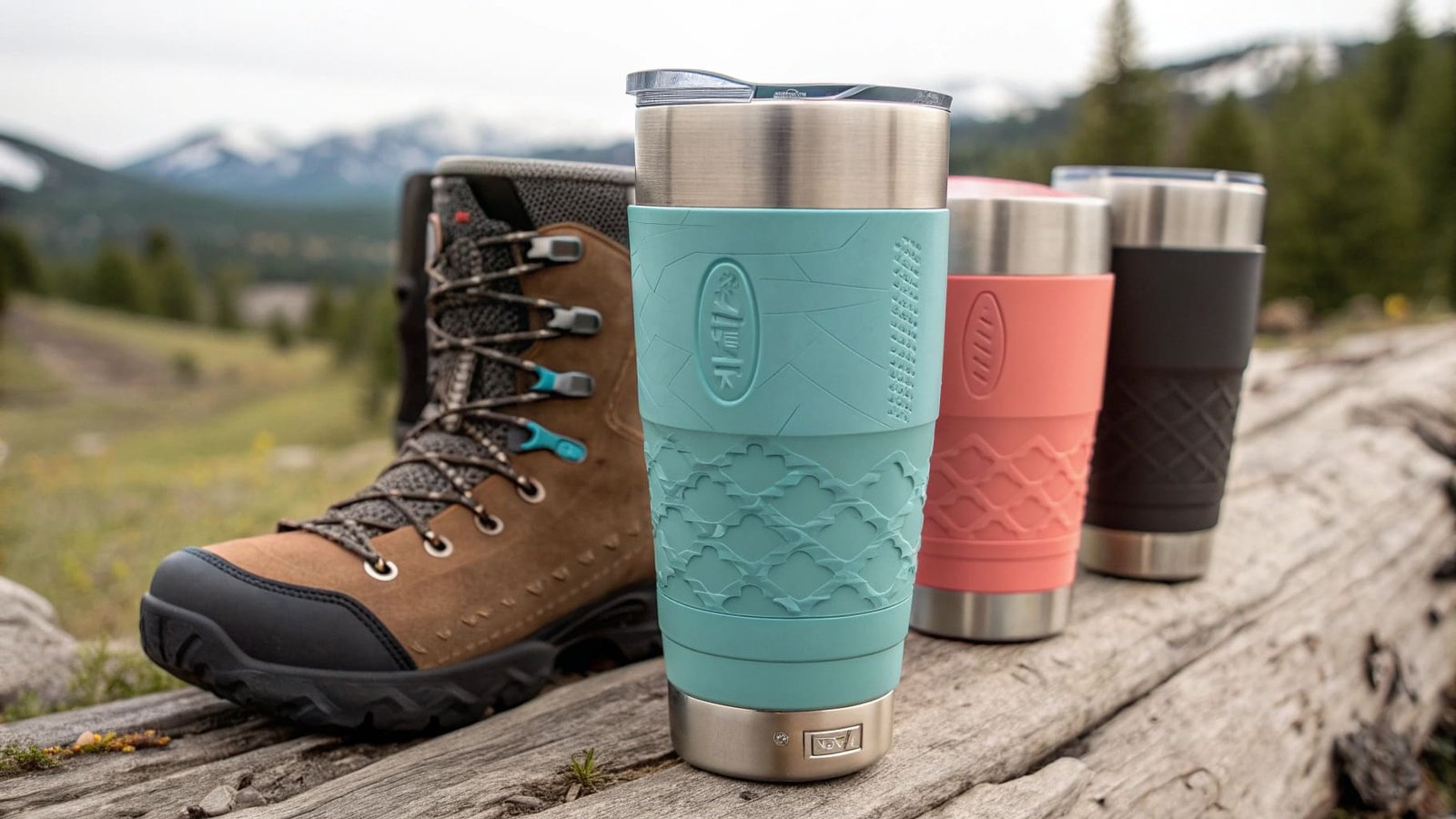
I never judge cupholder fit by capacity alone. I ask for the base diameter, the body diameter, and the height. A 32oz bottle can be tall and slim, or it can be short and wide. The short wide design often feels stable on a desk, but it usually fails in a car cupholder. The tall slim design is easier to sell as travel-friendly, but it may need stronger vacuum control and better balance. I also check the boot. A silicone boot can add a few millimeters to the base, and that small change can turn a pass into a fail4.
| Item I check | Why I check it | My buying note |
|---|---|---|
| Base diameter | It decides cupholder fit first | I prefer a slim base for travel SKUs |
| Body diameter | It affects grip and shelf look | I avoid a body that feels too bulky |
| Silicone boot thickness | It changes the real fit | I test with the boot installed |
| Height | It affects balance in the car | I avoid a tall bottle with a heavy cap |
| Lid shape | It may hit the car console | I check handle lids and straw lids separately |
I tell buyers to separate “32oz capacity” from “cupholder-friendly claim.” These are not the same promise. Standard car cupholders often accept a limited diameter range. Many large bottles sit on top of the holder instead of sitting inside it5. That is not a good user experience. If a Canadian buyer plans to rebrand the bottle and sell it as a daily commuter bottle, I ask the factory for real photos in a test cupholder and a clear technical drawing. I also ask for the measurement with powder coating, because coating adds thickness6. This step looks small, but it protects the product claim and reduces customer complaints.
How do I know if my Hydro Flask is wide mouth?
I see buyers copy a wide-mouth claim from a retail page. Then the cap sample arrives, and the thread tells a different story.
I know a Hydro Flask is wide mouth when the label says Wide Mouth, the opening is about 2.25 inches or more, and it accepts wide-mouth caps. For OEM buying, I still measure the mouth diameter, thread pitch, and gasket seat.
How I define wide mouth in OEM development
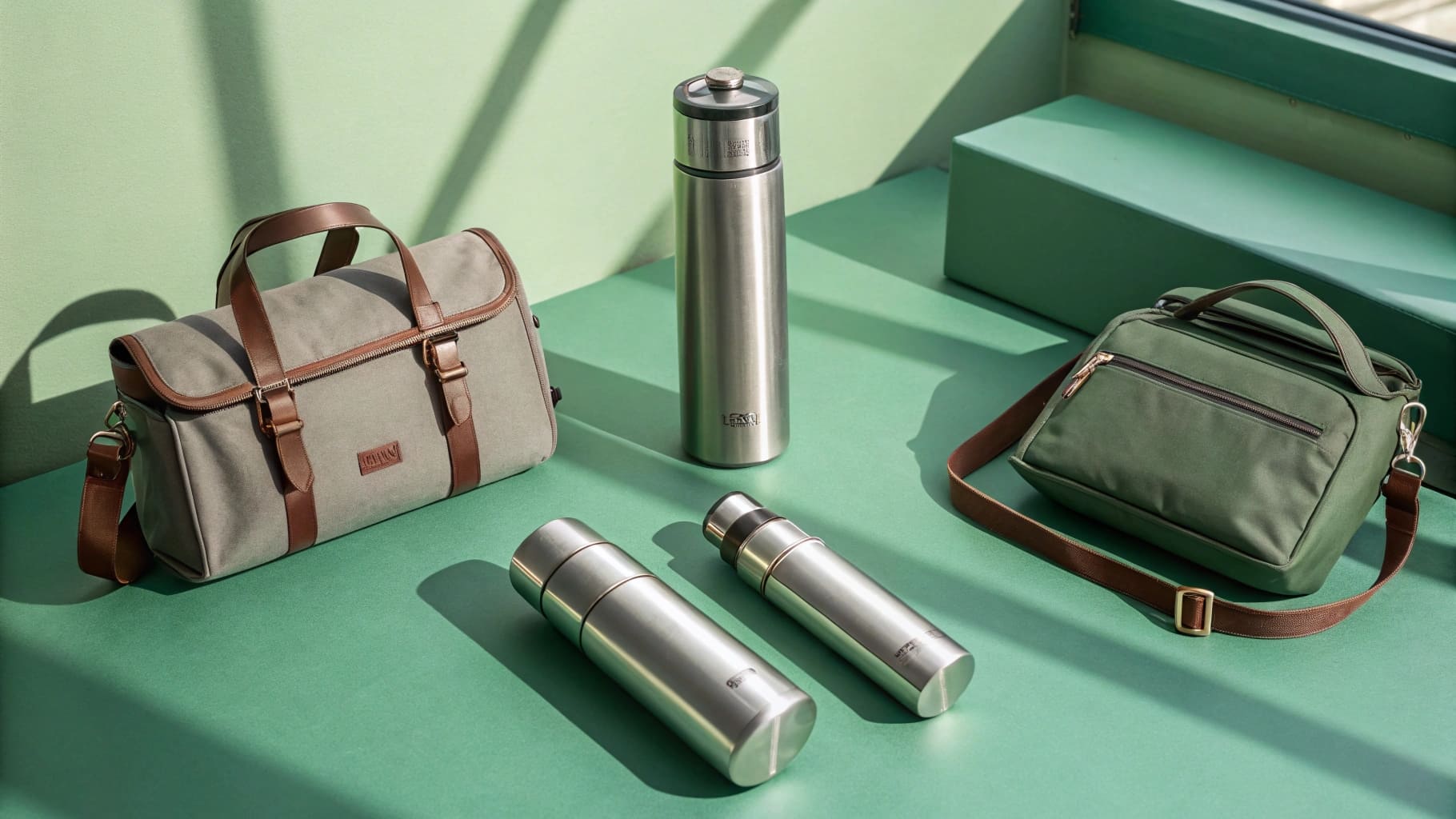
I use the retail term “wide mouth” only as a starting point. In OEM work, I need exact numbers. Many factories use wide-mouth openings around 58mm to 63mm. This range helps the user add ice cubes and clean the bottle more easily. But the opening diameter alone does not prove lid compatibility. I also need the thread pitch, thread start position, thread height, sealing surface width, and lid inner depth. I once handled a project where two bottles had the same opening diameter, but one lid still leaked. The reason was simple. The gasket touched the steel rim too lightly on one SKU. The cap looked correct, but the seal was weak.
| Technical point | What I measure | Why it matters |
|---|---|---|
| Mouth outer diameter | The outside thread area | It affects cap engagement |
| Mouth inner diameter | The drinking opening | It affects ice access and cleaning |
| Thread pitch | The distance between threads | It affects lid rotation and locking |
| Thread height | The raised thread area | It affects strength and sealing |
| Gasket seat | The surface under the lid seal | It affects leak resistance |
| Lid inner depth | The space inside the cap | It affects contact with the rim |
I also ask the supplier to confirm tolerance. A drawing may show 60mm, but real production can move within a small range. If the factory does not control the tolerance, the first sample may pass and mass production may fail. I prefer to build an accessory system inside one product family. This means one straw lid, one spout lid, and one handle lid can fit several bottle sizes. That helps my buyer reduce inventory pressure. It also helps the brand sell replacement lids and bundle sets. Still, I do not tell my customer that a Hydro Flask lid will fit an OEM bottle. I treat cross-brand fit as a risk unless I test the actual parts.
Are Yeti lids interchangeable?
I watch buyers assume a famous brand lid standard is universal. The sample fits at first, then leaks during the upside-down test.
Yeti lids are interchangeable only within matching Yeti product families and mouth systems. A Rambler bottle cap is not the same as a tumbler lid. I never promise cross-fit with OEM bottles unless I test the thread, seal, and closure force.
How I think about brand lids and OEM lids
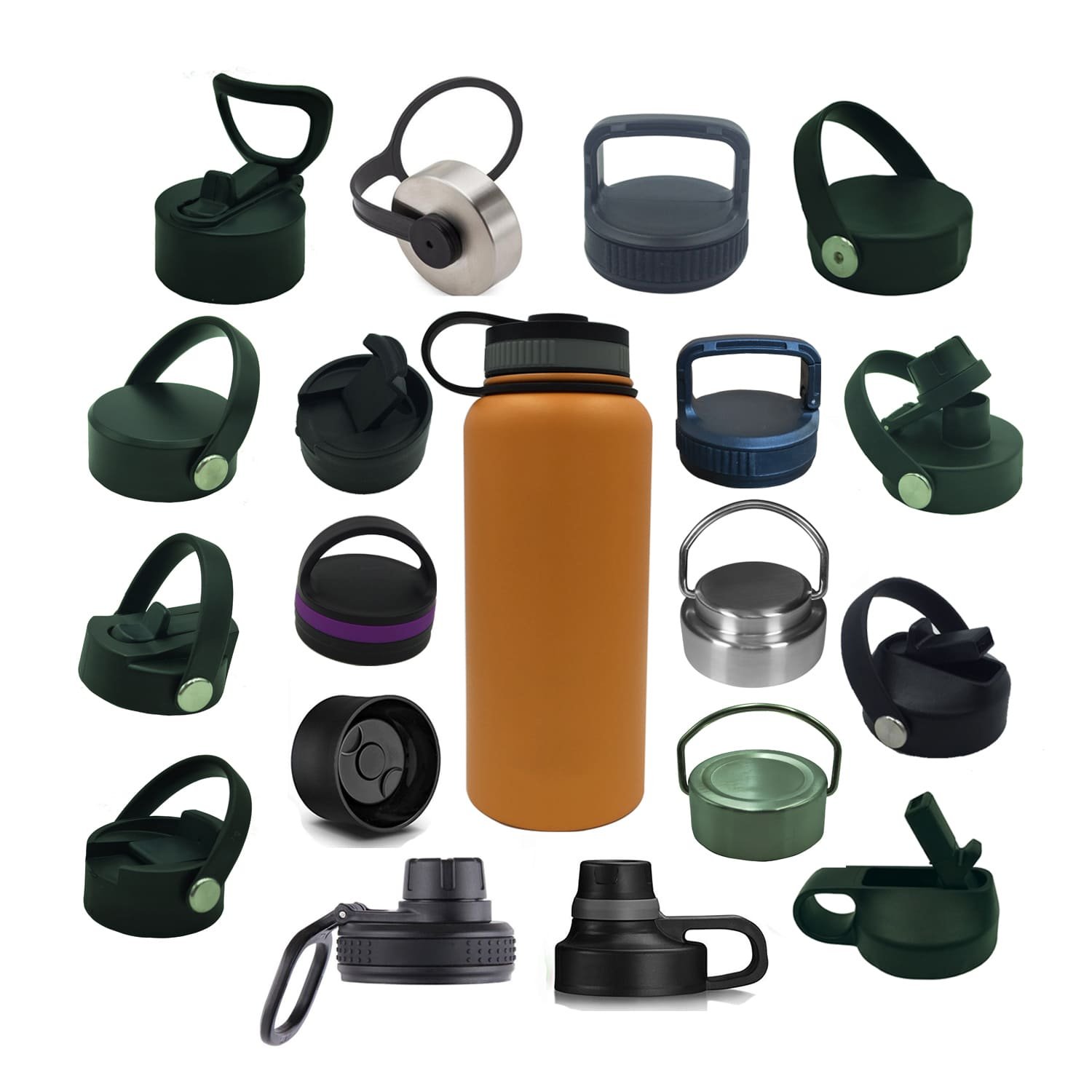
I see brand lid systems as controlled ecosystems. Yeti, Hydro Flask, and other large brands often protect their designs. They want the customer to stay inside their accessory range. This makes sense for brand loyalty, but it creates a sourcing issue for B2B buyers. A buyer may ask me if a Yeti-style lid can fit an OEM bottle. I can make a lid with a similar function, such as a straw lid, chug lid, or handle lid. But I avoid saying it is interchangeable with Yeti unless I have tested it and confirmed there is no design issue. Similar appearance does not mean same thread.
| Lid type | Where I usually use it | Main risk I test |
|---|---|---|
| Straw lid | Sports and school bottles | Straw length and air vent sealing |
| Spout lid | Gym and outdoor bottles | One-hand opening and leak control |
| Handle lid | Travel and office bottles | Carry strength and gasket pressure |
| Tumbler press lid | Coffee mugs and tumblers | Splash resistance and lid fit |
| Screw bottle cap | Wide-mouth water bottles | Thread match and closure force |
I also look at the buyer’s business model. If a buyer imports bottles from China or Vietnam and rebrands them in Canada, the accessory plan must be clear from the first sample round. If the buyer wants a lower price, I can suggest a standardized OEM mouth system across several capacities. If the buyer wants stronger brand loyalty, I can suggest a private lid design, private color, and private logo tooling. Each choice has a trade-off. A standard system lowers cost and makes spare lids easier to manage. A private system gives stronger brand control, but it needs better planning and more testing. I prefer to explain this early because delayed lid decisions often delay shipments. For seasonal sales, that delay can be more expensive than the lid mold itself.
Conclusion
I treat wide-mouth lid compatibility as an engineered system. I confirm drawings, test samples, and plan accessories early, so buyers avoid leaks, delays, and weak product claims.
-
"How to Match a Bottle or Jar with a Closure: Neck and ...", https://www.richmondgroup.com/news-insights/insights/how-to-match-a-bottle-or-jar-with-a-closure-neck-and-closure-threads-and-dimensions-explained. Standards bodies such as ISO and the Society of Plastics Industry define closure finish specifications—including thread pitch, thread height, and sealing surface geometry—as the primary dimensional variables governing cap-to-container interchangeability. Evidence role: definition; source type: institution. Supports: What technical parameters govern screw-cap and closure interchangeability in container systems. Scope note: Most published closure standards address plastic or glass containers; direct equivalents for stainless steel wide-mouth bottle systems may require manufacturer-specific documentation. ↩
-
"Guidance for Industry: Container Closure Systems for ...", https://www.fda.gov/media/70788/download. Packaging engineering literature characterizes container closure systems as multivariable assemblies in which thread engagement, sealing surface contact, gasket compression, and cap depth collectively determine seal integrity rather than any single dimension alone. Evidence role: definition; source type: research. Supports: That functional closure integrity depends on multiple interacting components including thread geometry, gasket position, and sealing surface. Scope note: Available literature primarily addresses pharmaceutical and food-grade plastic closures; direct published equivalents for stainless steel insulated bottle systems are less commonly documented. ↩
-
"Cup Keeper Plus Car Cupholder Expander w/Storage, 3.7” ...", https://www.amazon.com/Gadjit-Keeper-Cupholder-Expander-Storage/dp/B0B2KL5GF9. Automotive interior ergonomics guidelines, including references in SAE technical literature, describe typical cupholder inner diameters as falling within a limited range, commonly cited between approximately 70mm and 90mm, against which bottle base diameters must be evaluated. Evidence role: statistic; source type: institution. Supports: What the accepted dimensional range of standard automotive cupholders is. Scope note: Cupholder dimensions vary substantially across vehicle models and model years; a single standard range does not apply universally. ↩
-
"Oedema 6PCS 70mm Clear Silicone Water Bottle Boot", https://www.amazon.com/Oedema-Heat-Resistant-Protector-Anti-Slip-Thickness/dp/B0CQZWLCZS. Product specification sheets for commercial silicone bottle boots indicate wall thicknesses typically ranging from 2mm to 5mm, meaning the addition of a boot to a bottle base near the upper limit of a cupholder's accepted diameter range can convert a marginal fit into an incompatible one. Evidence role: statistic; source type: other. Supports: That silicone protective boots add a quantifiable amount to bottle base diameter, affecting fit in constrained spaces. Scope note: Silicone boot thickness varies by manufacturer and product line; no universal industry specification governs this dimension. ↩
-
"What is the normal car cup holder height?", https://www.quora.com/What-is-the-normal-car-cup-holder-height. Ergonomic studies of automotive interior design note that cupholder dimensions are typically engineered for conventional 12oz to 20oz beverage container diameters, and that larger-capacity bottles with wider bases frequently exceed these dimensions, resting above rather than within the holder recess. Evidence role: statistic; source type: research. Supports: That standard automotive cupholders have a defined and limited diameter range that excludes larger bottle bases. Scope note: Published academic studies on cupholder ergonomics are limited; most available data comes from automotive manufacturer specifications or consumer product testing rather than peer-reviewed research. ↩
-
"Coating Thickness Standards for Powder Coating: Guidelines and ...", https://www.msmetal.co.uk/powder-coating/specs/coating-thickness/. Powder coating application standards and material data sheets indicate that typical powder coat film thicknesses on metal substrates range from approximately 60 to 120 micrometers (0.06mm to 0.12mm) per coat, with some applications reaching up to 200 micrometers, an increment that may become relevant when bottle base diameter is near the tolerance boundary of a cupholder opening. Evidence role: statistic; source type: research. Supports: That powder coating adds a quantifiable layer of thickness to metal substrates that may affect dimensional fit in constrained spaces. Scope note: The practical significance of powder coat thickness on cupholder fit depends entirely on how close the uncoated base diameter is to the cupholder's acceptance limit; for bottles well within range, coating thickness is unlikely to matter. ↩