
Office coffee mugs: which coatings keep taste neutral under 2026 LFGB tests?
Bad mug coatings can ruin coffee, trigger complaints, and delay office reorders. I have seen one small odor issue turn into a full inspection dispute.
For office coffee mugs, I trust uncoated electropolished stainless steel1, high-fired ceramic glaze, and LFGB-tested ceramic inner coatings. These surfaces resist migration under hot coffee, acid, and long contact. I avoid cheap epoxy liners, weak non-stick films, and unclear “food grade” claims.
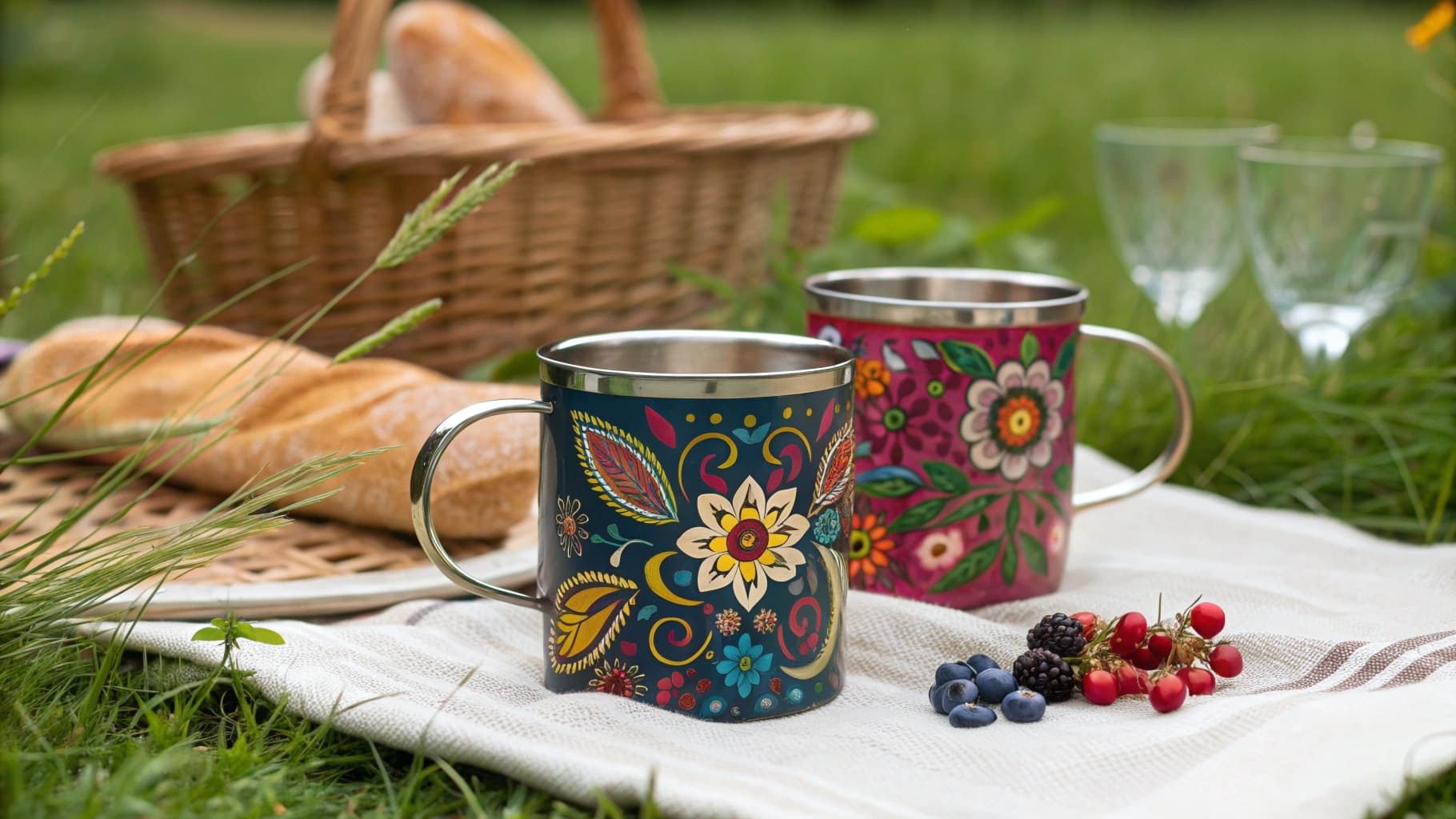
I look at taste neutrality as a supply chain issue, not only a coffee issue. A mug can look beautiful in a sample photo. It can also pass a quick smell check in a meeting room. But office coffee use is different. People pour hot coffee every day. They leave drinks in the mug for a long time. They wash the mug again and again. I have learned that the coating must prove itself under heat, acid, cleaning, and time. This is where I slow down and read the test report before I talk price.
What is the LFGB food grade test?
A certificate can look safe, but a weak one can hide coating risk. I have seen buyers lose time because one page told too little.
The LFGB food grade test is a German food contact safety test.2 I use it to check whether metals, coatings, plastics, inks, or silicone parts release unsafe substances into food or drinks under set heat, time, and liquid conditions.
Why I treat LFGB as a serious office mug filter
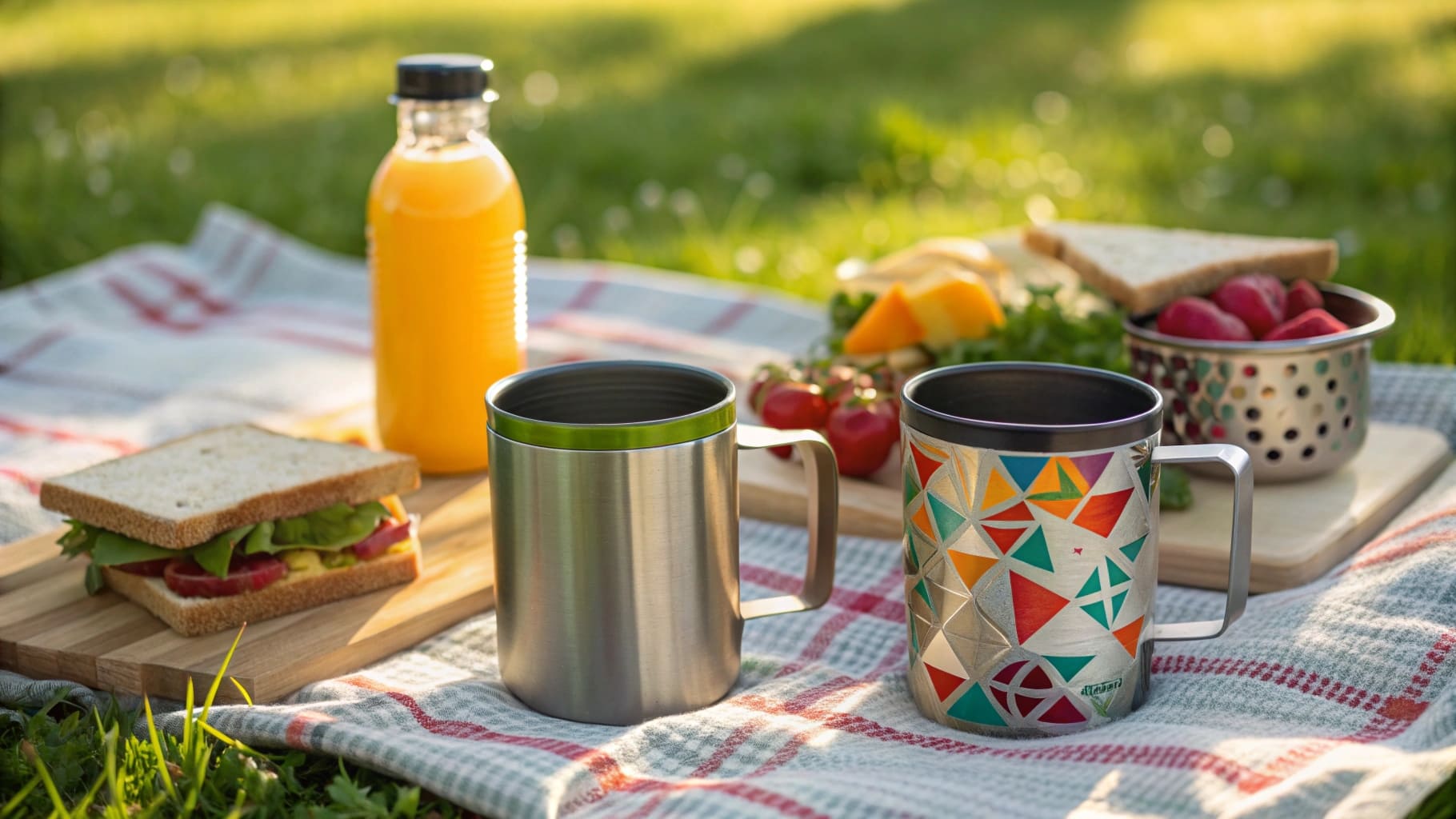
I treat LFGB as one of the strongest food contact checks for office coffee mugs sold in Europe. I do not see it as a simple logo. I see it as a test system that should match real use. Coffee is hot. Coffee is mildly acidic. Coffee also stays in the cup during long meetings. A good LFGB report should show that the mug surface does not release unwanted substances under those conditions.
For stainless steel mugs, I pay close attention to the inner wall. If the inner wall is bare stainless steel, I check the steel grade, polishing, and passivation. If the inner wall has a coating, I ask what the coating is, how it is cured, and which migration tests were done. A coating can be safe in theory but weak in production if the curing time is short or the coating thickness is uneven.
| What I check | Why I check it | What I prefer |
|---|---|---|
| Test object | I need to know what part was tested | Finished mug, not only raw material |
| Batch link | I need proof for the goods I buy | Batch-specific report or clear trace |
| Test liquid | I need coffee-like conditions | Acid, hot water, and long contact |
| Inner coating | I need taste neutrality | High-fired glaze or certified ceramic coating |
| Supplier wording | I need clear responsibility | Exact material name and test scope |
How I read LFGB reports before bulk orders
I do not accept a vague “food grade” statement as enough. I ask for the full report. I check the product name, photos, model number, material, and test date. I also check whether the lid, gasket, paint, and inner coating are included. Many office mug problems do not come from the stainless steel body. They come from coatings, seals, printing, or small plastic parts.
I also ask for a pre-shipment sample from the same production plan. I fill it with hot coffee and plain hot water. I smell both after contact. I compare the taste with a glass cup. This is not a lab test, but it helps me find weak curing, oily residue, or gasket odor before the goods leave the factory. For a B2B buyer, this step can prevent late complaints, returns, and a damaged rebrand project.
Is all 100% silicone food grade?
The phrase “100% silicone” sounds clean, but I do not stop there. A pure material can still smell bad if curing is poor.
Not all 100% silicone is food grade. I check whether the lid seal uses certified food-contact silicone, preferably platinum-cured, and whether it passes migration and odor tests after heat, coffee contact, and dishwasher cycles.
Why silicone claims can mislead procurement buyers
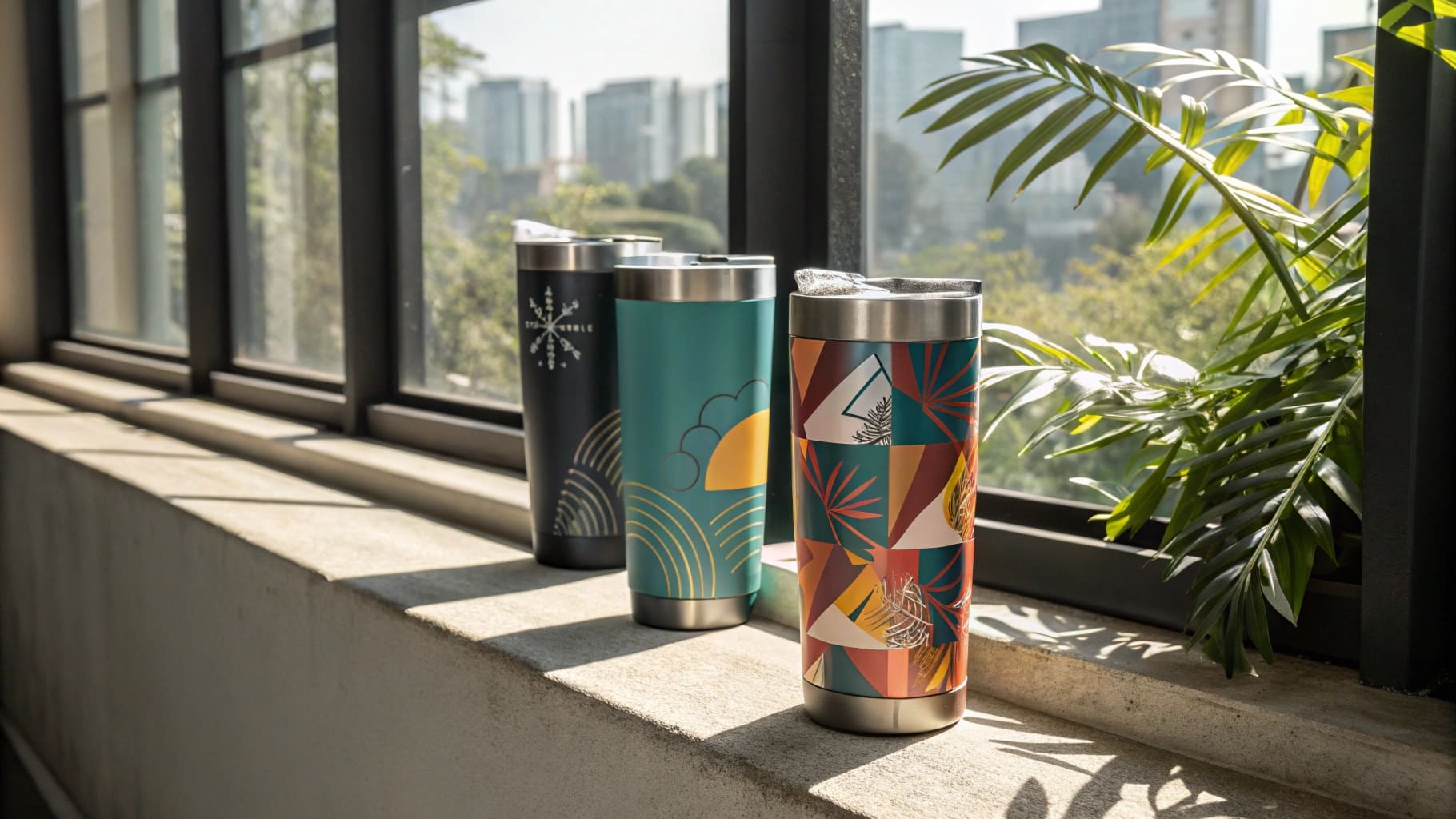
I see silicone parts as small parts with big risk. A lid seal may cost little, but it touches steam, coffee vapor, and hot water every day. If the seal smells like rubber, the whole mug feels cheap. If the seal degrades, the mug leaks. If the seal is not tested, the buyer carries the risk.
The claim “100% silicone” only tells me the base material type. It does not tell me the curing system, the filler, the color masterbatch, or the final food contact result. I prefer platinum-cured silicone because it often has lower odor and better taste neutrality. Peroxide-cured silicone can still be used in some cases, but I need stronger proof. I need to know that curing residue is controlled.
| Silicone point | My concern | My buying action |
|---|---|---|
| Curing method | Poor curing can create odor | I ask for platinum-cured when possible |
| Color pigment | Some pigments can migrate | I ask for food-contact color proof |
| Heat resistance | Hot coffee stresses the gasket | I test with hot water and coffee |
| Dishwasher use | Repeated washing can age seals | I ask for cycle test details |
| Spare seals | Seals wear before bodies fail | I prefer replaceable gasket design |
How I protect office mug orders from silicone problems
I ask suppliers to test silicone parts separately. I do not want a report that only covers the stainless steel body. The lid seal, drinking spout, straw gasket, and vent plug can each touch liquid or steam. I ask the supplier to list each part in the test report or in a clear material file.
In one project, I saw a bottle body that was well polished and clean. The lid seal still gave a light sweet smell after hot water contact. The buyer first thought the steel had a taste issue. The real issue was the gasket. Since then, I check the gasket early. I also ask for replacement seals in bulk projects. This helps the distributor solve after-sale issues fast. It also gives the end user a longer product life. For corporate office programs, this detail protects both the brand owner and the supplier.
Which is healthier, glass or ceramic?
I like glass for clean taste, but I do not call ceramic unsafe. The real issue is glaze quality, breakage risk, and use case.
Glass is chemically inert and keeps taste neutral, so I see it as the cleanest surface. LFGB-compliant high-fired ceramic is also healthy when the glaze is stable and free from heavy metal migration under hot acidic coffee.
How I compare glass and ceramic for office coffee use
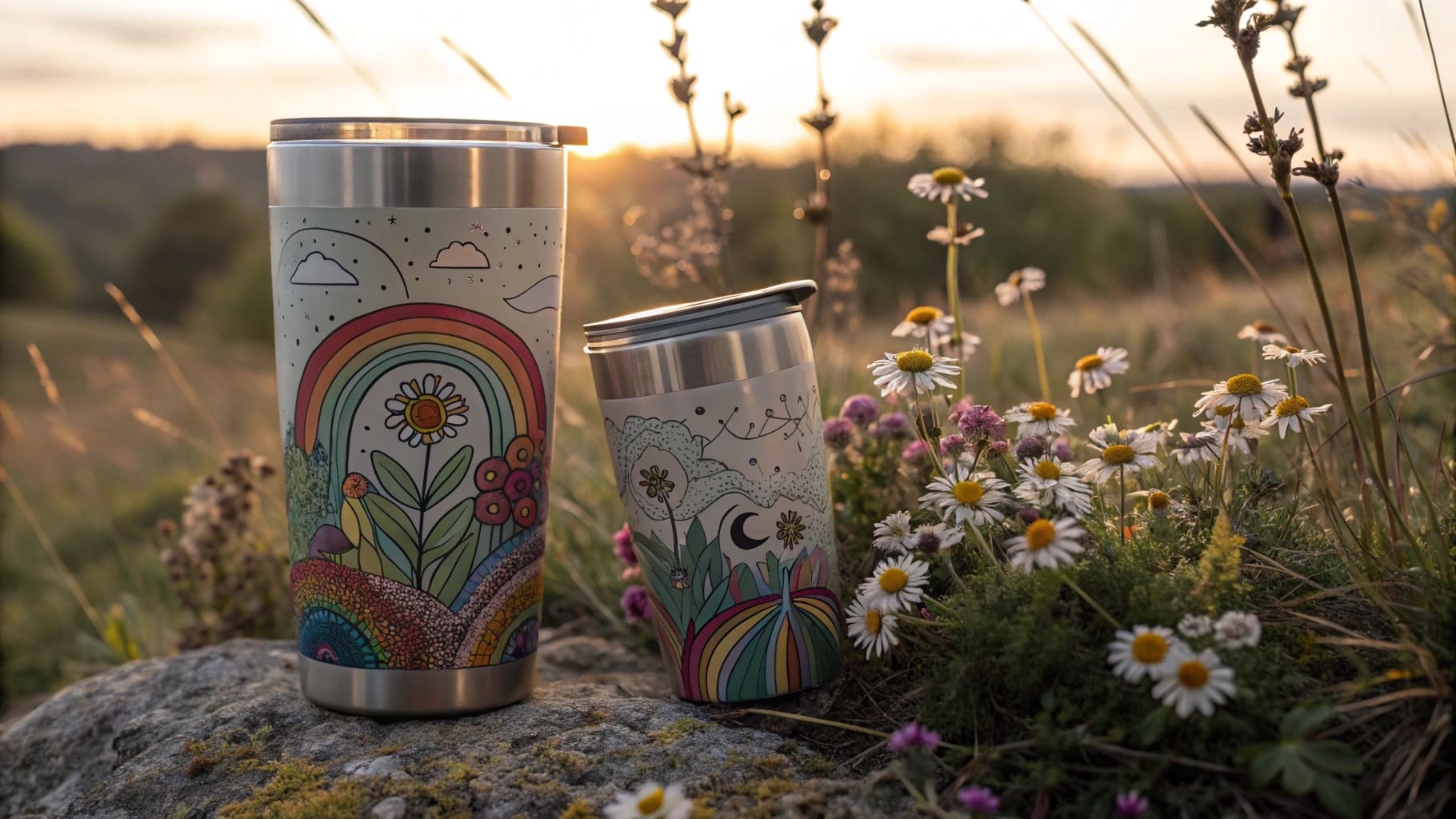
I compare glass and ceramic by real office use, not only by health claims. Glass has a clear advantage in taste neutrality. It does not need an inner coating. It does not hide the drink. It also gives a clean, premium look. When I work with buyers who sell to specialty coffee teams or premium offices, glass can support that story.
But glass has limits. Standard glass can break with thermal shock. Borosilicate glass is better, but it costs more.3 Breakage also matters in office settings. People drop mugs. People knock them against desks. A broken mug is not only a product loss. It can also create a safety complaint.
Ceramic has a different value. A high-fired ceramic glaze can be very stable and smooth.4 It can hold heat longer than glass. It can also carry logos, colors, and brand designs very well. For B2B office mugs, that matters because many orders are used for staff gifts, office supply programs, or resale with a private brand.
| Material | My health view | My office use view |
|---|---|---|
| Glass | Very taste neutral and inert | Premium look, higher breakage risk |
| Borosilicate glass | Stronger under heat change | Better for hot coffee, higher cost |
| Low-grade ceramic | Risk depends on glaze | I avoid unclear glaze reports |
| High-fired ceramic | Safe when LFGB tested | Good heat hold and branding value |
| Stainless steel with ceramic coating | Good when coating is tested | Stronger body and modern look |
Which choice I make for B2B sourcing
I choose based on the buyer’s market position. If the buyer wants the cleanest taste story and accepts higher breakage risk, I suggest glass or borosilicate glass. If the buyer wants strong daily office use, better heat retention, and rich logo options, I suggest high-fired ceramic or stainless steel with a certified ceramic inner coating.
I do not choose ceramic without glaze proof. I ask for heavy metal migration testing under conditions that match coffee use. I also ask how the glaze is fired. Low-temperature glaze is a warning sign for me. A stable high-temperature glaze can perform very close to glass in taste.5 It also gives better survival in a busy office.
For stainless steel coffee mugs, I like ceramic inner coating when the factory controls curing, coating thickness, and inspection. I like bare electropolished stainless steel when the buyer wants simple structure and strong durability. I avoid low-cost epoxy liners because coffee heat and time can expose weak taste and odor. In my work, the healthiest option is not only a material. It is the material plus the process plus the test proof.
Conclusion
I choose office mugs by test proof, not slogans. Stable stainless, certified ceramic coatings, and verified silicone keep coffee clean and B2B risk lower.
-
"Electropolishing for the Food & Beverage Manufacturing Industry", https://neelectropolishing.com/electropolishing-for-the-food-beverage-manufacturing-industry/. Electropolishing removes surface material through anodic dissolution, creating a smoother surface with an enriched chromium oxide passive layer that enhances corrosion resistance and reduces surface area for bacterial adhesion. Evidence role: mechanism; source type: research. Supports: how electropolishing affects stainless steel surface properties relevant to food contact. ↩
-
"Substances that Come in Contact with Food Information for Consumers", https://www.fda.gov/food/food-ingredients-packaging/food-packaging-other-substances-come-contact-food-information-consumers. LFGB (Lebensmittel- und Futtermittelgesetzbuch) is the German Food and Feed Code that establishes requirements for materials and articles intended to come into contact with food, including migration testing under specified conditions. Evidence role: definition; source type: government. Supports: the legal basis and scope of LFGB as German food contact legislation. ↩
-
"Borosilicate glass", https://en.wikipedia.org/wiki/Borosilicate_glass. Borosilicate glass has a low coefficient of thermal expansion (approximately 3.3 × 10⁻⁶ K⁻¹) compared to soda-lime glass (approximately 9 × 10⁻⁶ K⁻¹), providing superior resistance to thermal shock. Evidence role: mechanism; source type: encyclopedia. Supports: the material properties that distinguish borosilicate from standard soda-lime glass. Scope note: This addresses thermal properties but does not directly quantify manufacturing cost differences. ↩
-
"What Determines a Glaze's Firing Temperature?", https://digitalfire.com/article/what+determines+a+glaze%27s+firing+temperature%3F. High-fire glazes (typically fired above 1200°C) undergo more complete vitrification, creating a denser, more chemically stable glass matrix with reduced porosity and lower potential for leaching compared to low-fire glazes. Evidence role: mechanism; source type: education. Supports: how firing temperature affects glaze chemical stability. ↩
-
"Evaluating food contact surface and its influence on restaurant health ratings", https://pmc.ncbi.nlm.nih.gov/articles/PMC11723981/. Fully vitrified high-fire ceramic glazes form a glassy silicate matrix chemically similar to glass, with minimal porosity and low reactivity with food components, though surface texture and minor compositional differences may affect sensory perception. Evidence role: general_support; source type: research. Supports: the chemical inertness of fully vitrified ceramic surfaces. Scope note: This addresses chemical similarity but does not provide direct sensory comparison data between glazed ceramic and glass surfaces. ↩