
Where to source 316-liner bottles for salty use? Lead times and landed cost?
I know one weak liner can ruin a whole season, because salt exposes bad steel fast and turns small sourcing mistakes into costly claims.
I source 316-liner bottles from factories that make vacuum stainless bottles in China or Vietnam, but I prefer China for deeper supply chains. I plan 35 to 60 days for standard orders, plus shipping, duties, testing, packaging, and any tooling in my landed cost.
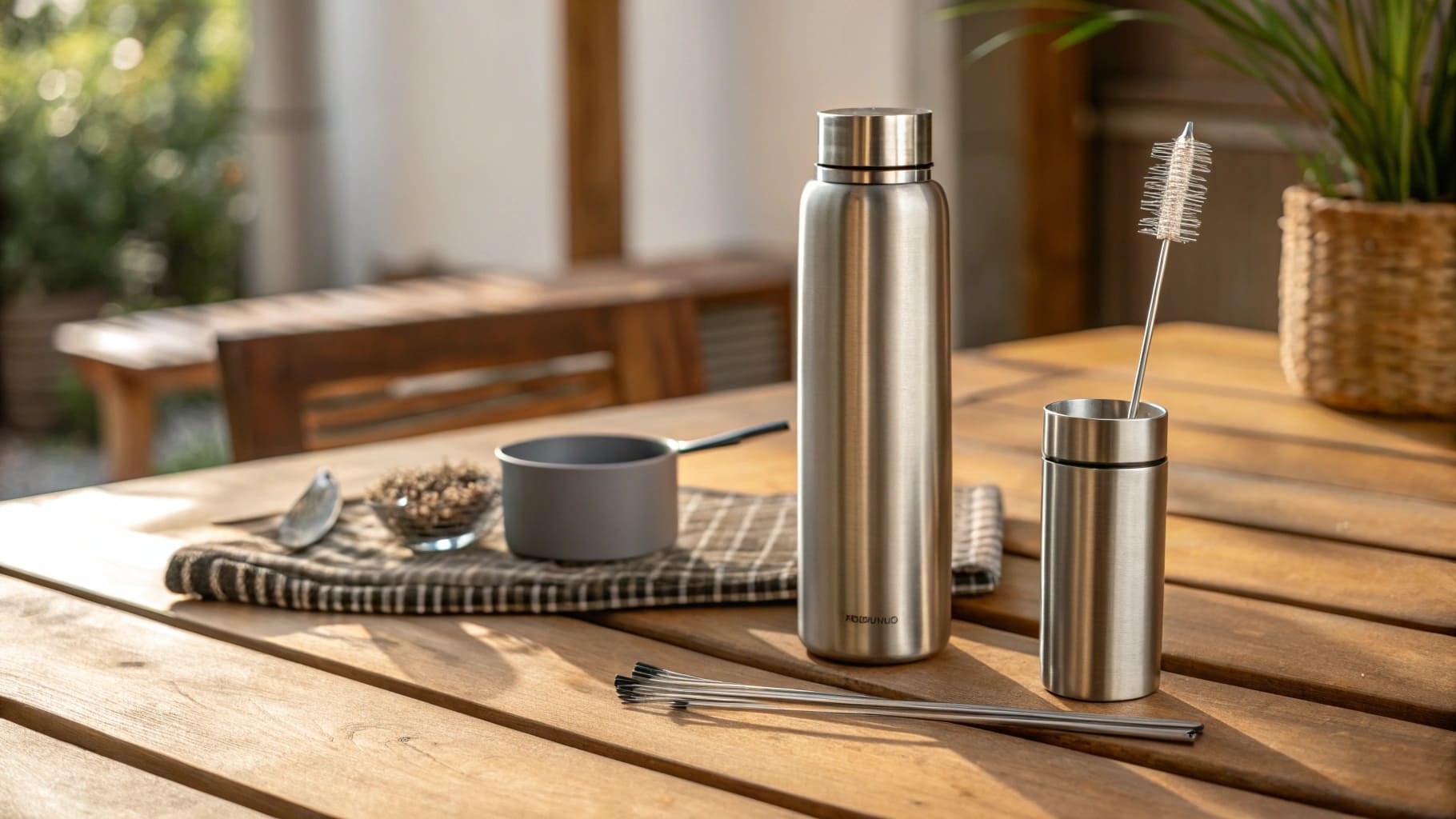
I have handled stainless steel bottle projects where the buyer only asked for the lowest unit price. I have also seen the same buyer pay more later through delays, certificate problems, and customer complaints. I look at 316-liner bottles in a wider way. I check the factory process, the steel source, the inspection plan, the export record, the payment terms, and the shipping window. I do this because salty use is not a normal use case. Marine users, outdoor brands, sports clubs, and coastal retailers all test the bottle harder than normal office users. I will break down how I read the production process, cost, and margin, because these three points decide if a 316-liner bottle project is safe or risky.
How are stainless steel bottles made?
I have seen buyers lose control when they only see a finished sample, because the real quality risk sits inside the forming and welding process.
I make stainless steel bottles by forming steel sheets into bodies, welding seams, adding the 316 liner, shaping necks, polishing surfaces, building vacuum insulation1, coating the outside, and testing leaks, vacuum, finish, and packaging before shipment.
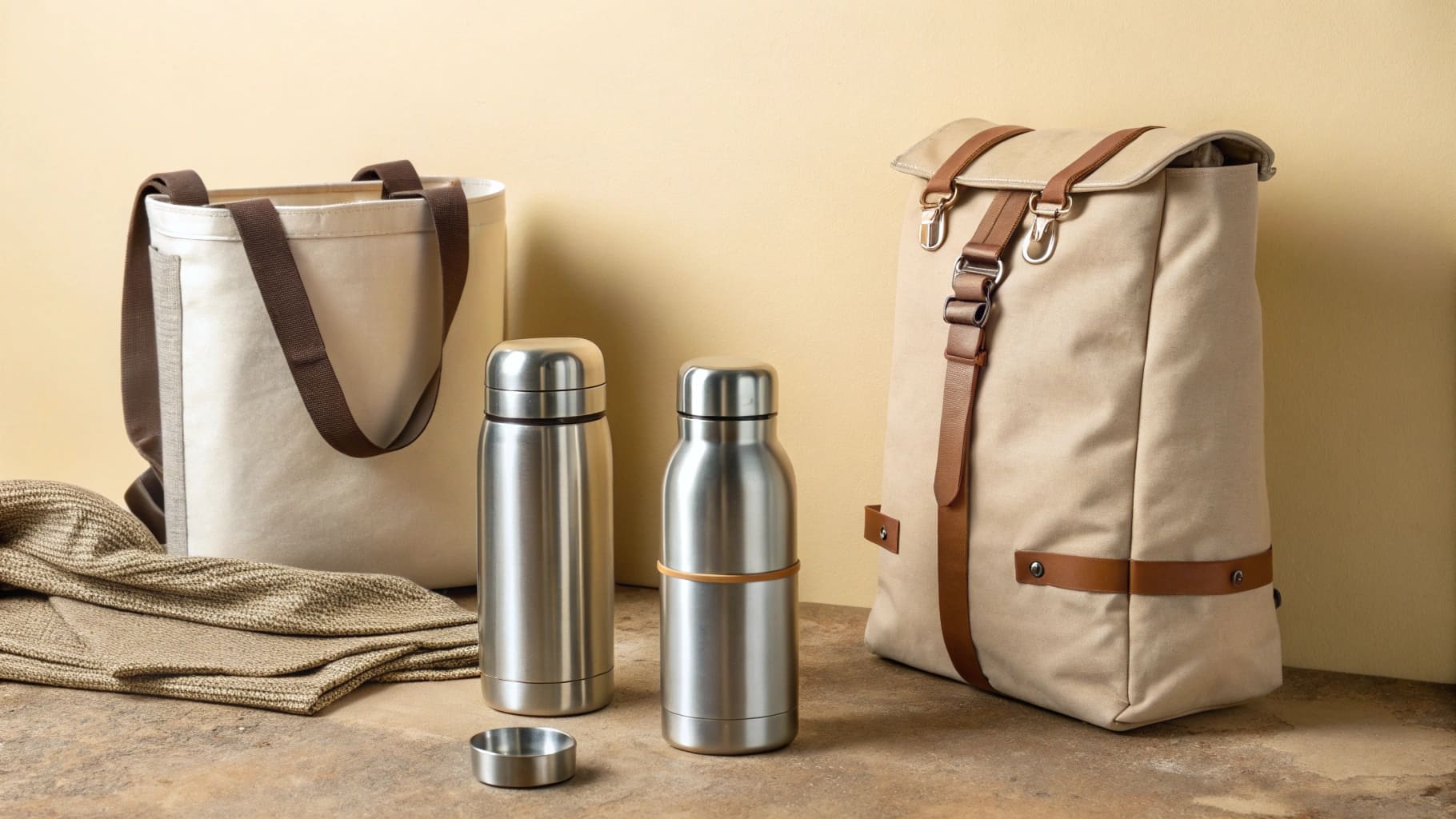
How I read the production flow before I trust the bottle
I start with the steel, because salty use needs the right inner contact material. I usually use 316 stainless steel for the liner and 304 stainless steel for the outer shell2 when the project needs a balance between corrosion resistance and cost. I check if the factory can show material traceability, not only a nice certificate page. I also ask how the body is formed. Some factories use deep drawing. Some factories use hydro-forming. Both can work, but the wall thickness, neck shape, and welding control must match the design. I pay close attention to the inner liner joint, because a weak weld can trap residue and create rust claims later. After forming, I check polishing, cleaning, vacuum pumping, coating, logo printing, and final packing. I do not treat coating as only decoration, because a weak powder coating3 can chip during shipping. I also do not treat a logo as only branding, because bad laser depth or bad printing ink can affect the premium look after rebranding.
| My production check | What I want to confirm | Why I care for salty use |
|---|---|---|
| Steel grade | I confirm 316 for the liner and proper outer steel | I reduce rust risk from salt, sweat, and acidic drinks |
| Forming method | I check deep drawing or hydro-forming control | I avoid thin walls, neck cracks, and uneven shapes |
| Welding | I inspect seam quality and inner cleanliness | I prevent residue traps and early corrosion points |
| Vacuum process | I check vacuum performance and heat retention | I protect the bottle function and brand promise |
| Surface finish | I test coating, printing, and color match | I reduce complaints after rebranding and distribution |
| Final inspection | I check leaks, dents, vacuum, carton drop, and packaging | I lower returns before peak sales season |
I usually ask for pre-production samples before I approve mass production. I also ask the factory to keep one signed sample, and I keep one approved sample on my side. This simple habit makes later communication much clearer. If the sales representative says, “same as sample,” I can point to one exact sample. I also ask for inspection photos during production, not only at the end. I have learned that early photos can catch wrong color, wrong lid, wrong logo size, and wrong carton marks before the project becomes expensive to fix.
How much does it cost to make a stainless steel water bottle?
I know a low quote can look attractive, but one hidden tooling fee or one bad shipment can erase the savings fast.
I usually see a 316-liner bottle factory cost from US$3 to US$8 per piece before shipping. Capacity, steel grade, surface finish, lid design, logo process, packaging, order volume, and inspection rules can move the price up or down.
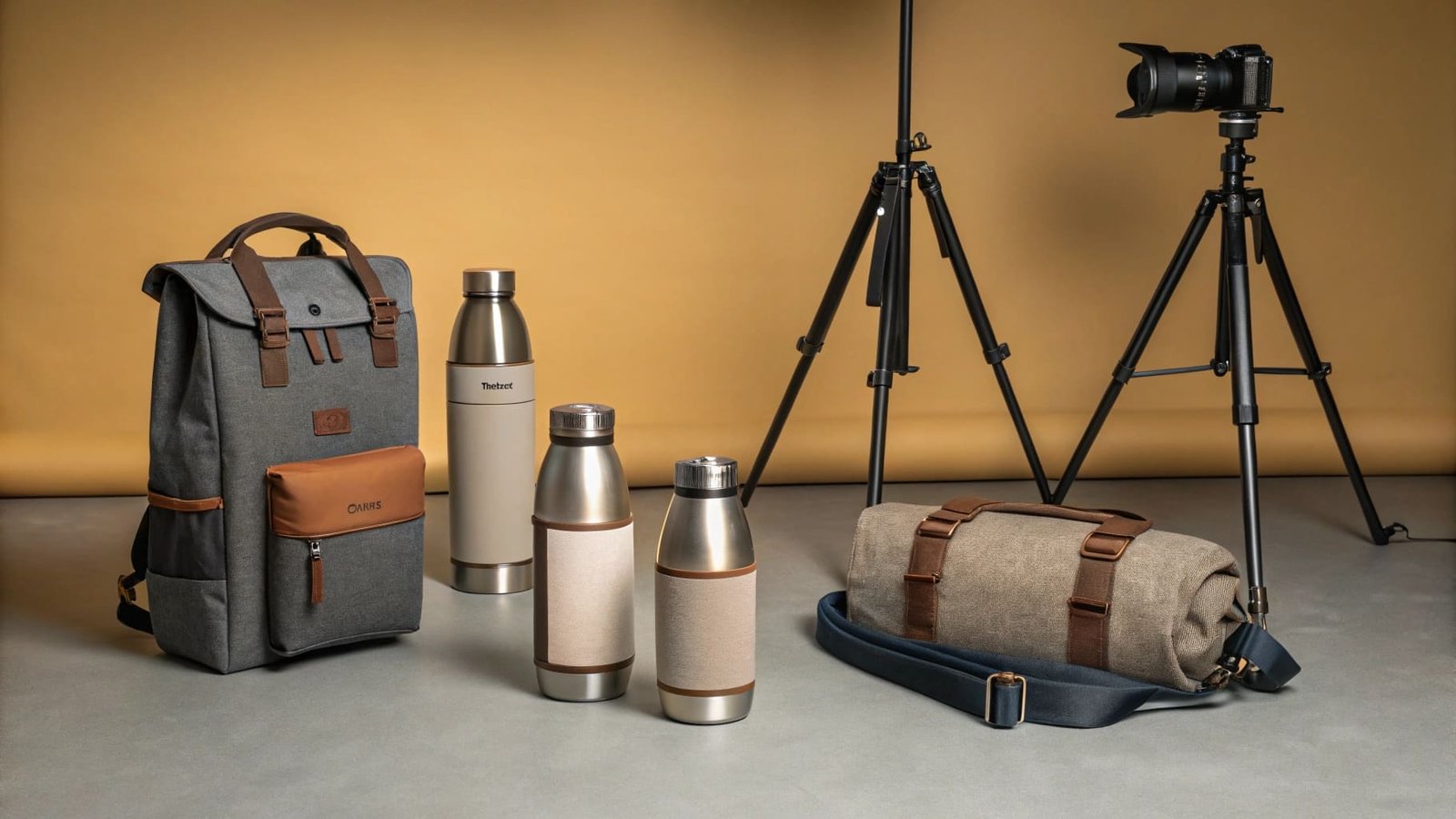
How I separate factory cost from landed cost
I do not judge a 316-liner bottle by the ex-factory price alone. I build the cost from the bottle outward. I first look at capacity. A small bottle uses less steel, but it still needs similar labor, testing, lid fitting, and packing work. I then look at the finish. A plain brushed bottle is different from a custom powder coated bottle with gradient color, laser logo, retail box, silicone boot, paracord handle, and spare straw. I also check the order quantity, because stainless steel production has setup time. Small runs carry higher unit cost because the factory still has to prepare molds, jigs, color matching, packing materials, and inspection staff. If the buyer needs a custom shape, I add tooling cost and sampling time. If the buyer needs third-party testing for America or Europe, I add the lab fee and time. I also add inland transport, export charges, sea freight or air freight, insurance, customs duty, local trucking, and possible warehouse handling.
| My cost item | Common range or impact | My buying note |
|---|---|---|
| Base bottle production | US$3 to US$8 per piece | I compare this only after I confirm the same material and structure |
| Custom tooling | Project based | I add this when the shape is not a normal factory mold |
| Logo and color | Low to medium impact | I check setup fees for small batches |
| Packaging | Medium impact | I confirm retail box, mailer box, inserts, and carton strength |
| Testing and inspection | Medium impact | I treat this as protection, not waste |
| Shipping and duty | Adds about 20% to 40% in many cases | I calculate landed cost before I promise a resale price |
I also plan lead time in a practical way. I usually allow 15 to 20 extra days for sampling and approval when the design is custom. I then allow 35 to 60 days for standard mass production, depending on quantity, season, finish, and factory workload. I add shipping time after that. I do not promise a peak season delivery date until I see the production schedule and the cargo plan. I have seen buyers miss summer sales because they approved samples late, changed the logo twice, or waited too long to confirm payment. I prefer to lock the artwork, packaging, inspection standard, and shipment method before the factory starts mass production. This habit helps me avoid slow replies and unclear responsibility later.
What is the profit margin on water bottles?
I see many brands talk about high margins, but I know margin disappears quickly when quality claims, freight shocks, and slow inventory arrive.
I usually see factory margins at 15% to 25%4, distributor margins at 30% to 50%5, and retail brand margins at 60% to 100%. I do not treat margin as free money, because warranty, storage, ads, discounting, and returns can eat it fast.
How I think about margin after sourcing from overseas
I look at margin from the whole chain, not from one invoice. A manufacturer needs margin for machines, workers, scrap, quality control, and payment risk. A distributor needs margin for import work, inventory, sales staff, local delivery, and customer service. A retail brand can sometimes make a higher margin because the brand adds design, story, color, packaging, and trust. A 316-liner bottle can support a higher selling price because it solves a clear problem. It gives better resistance for salty air, sweat, electrolyte drinks6, coastal use, marine gifts, and outdoor users. I still do not oversell it. I explain that 316 is more resistant than common 304 in harsh conditions, but I still suggest normal cleaning and drying. This honest wording helps the buyer avoid unrealistic claims.
| My sales channel view | Common margin level | Main risk I watch |
|---|---|---|
| Factory | 15% to 25% | I watch raw material changes and production waste |
| Importer or distributor | 30% to 50% | I watch freight, duty, storage, and local service cost |
| Retail brand | 60% to 100% | I watch returns, ads, discounts, and brand promises |
| Premium niche brand | Higher when the story is strong | I watch proof, testing, and repeat purchase rate |
I also think a procurement officer should connect margin with warranty cost. If a cheaper bottle creates rust spots, weak lids, poor coating, or vacuum failure, the real margin becomes much lower. I have spoken with buyers who understood sales very well, but they did not know how to compare wall thickness, liner grade, welding marks, or vacuum test data. I keep the technical talk simple for them. I show the approved sample, the test plan, the inspection checklist, and the packing method. I also state payment steps clearly. I prefer a deposit before production and a balance after inspection but before shipment. This method gives the factory confidence and gives the buyer a chance to check quality before cargo leaves China. For a Canadian rebranding business, I would rather give a stable margin for many seasons than one cheap shipment that creates refund pressure.
Conclusion
I source 316-liner bottles by checking process, cost, lead time, and margin together, because salty use punishes weak sourcing decisions fast.
-
"Vacuum insulation panel core materials and modelling the thermal ...", https://dr.lib.iastate.edu/bitstreams/f77c7126-f49f-4b7f-b58d-7f1c941b1f20/download. Vacuum insulation prevents heat transfer by removing air molecules from the gap between inner and outer walls, thereby eliminating both conduction and convection mechanisms while minimizing radiative heat transfer. Evidence role: mechanism; source type: research. Supports: Vacuum insulation minimizes heat transfer by eliminating conduction and convection in the evacuated space. ↩
-
"Deciding on the Best Material – 304 vs. 316 Stainless Steel", https://www.polycase.com/techtalk/steel-enclosures/304-vs-316-stainless-steel.html. The addition of 2-3% molybdenum in 316 stainless steel significantly improves resistance to pitting and crevice corrosion in chloride-containing environments compared to 304 grade, which lacks molybdenum. Evidence role: mechanism; source type: research. Supports: 316 stainless steel offers superior corrosion resistance in chloride environments compared to 304. ↩
-
"Powder coating", https://en.wikipedia.org/wiki/Powder_coating. Powder coating involves electrostatically charging dry powder particles that adhere to grounded metal surfaces, then curing under heat to form a hard, durable finish with good chip and scratch resistance. Evidence role: general_support; source type: research. Supports: Powder coating is an electrostatically applied dry finishing process that creates a durable finish on metal. ↩
-
"China: profit margin of industrial enterprises by type 2025", https://www.statista.com/statistics/1393880/china-profitability-of-industrial-enterprises-by-type/?srsltid=AfmBOophp_dgH497sbbS5T7lnvTaysdqfb5E9HzbQHtcXmv7uKmzidRX. Profit margins for contract manufacturers in China's consumer goods sector vary widely depending on product complexity, competition, and value-added services, with lower margins common in competitive commodity categories. Evidence role: general_support; source type: other. Supports: Manufacturing profit margins in Chinese consumer goods production vary by sector and competitive pressure. Scope note: Margin data is often proprietary and varies significantly by factory size, specialization, and negotiating power ↩
-
"Wholesale Margins : r/Entrepreneur", https://www.reddit.com/r/Entrepreneur/comments/1u93f7/wholesale_margins/. Wholesale distributors in consumer product categories typically apply markups that account for inventory risk, warehousing, logistics, sales support, and payment terms, with margins varying by product category and competitive dynamics. Evidence role: general_support; source type: other. Supports: Distribution margins vary across consumer product categories based on services provided and market conditions. Scope note: Distribution margins are highly variable and depend on value-added services, competitive intensity, and channel structure ↩
-
"Metals Leeching Into Stainless Steel Water Bottles? : r/metallurgy", https://www.reddit.com/r/metallurgy/comments/1ib9t4f/metals_leeching_into_stainless_steel_water_bottles/. Beverages with low pH and chloride content, including some sports and electrolyte drinks, can challenge the passive layer on stainless steel, particularly in lower grades without molybdenum, though 316-grade steel demonstrates improved resistance to such solutions. Evidence role: general_support; source type: research. Supports: Acidic and chloride-containing beverages can affect stainless steel corrosion resistance. Scope note: Specific corrosion effects depend on beverage formulation, exposure time, and steel grade ↩