
Non-insulated wide-mouth bottles: are they cost-effective for promo bundles?
I see buyers cut bottle cost, then fear cheap-looking gifts. Promo budgets move fast, so I match each bottle feature to real user behavior.
Yes, I see non-insulated wide-mouth bottles as cost-effective for promo bundles when buyers need high volume, visible branding, and simple daily use. They cost less than insulated bottles, stay durable, and work well for room-temperature drinks, gyms, offices, schools, and event giveaways.
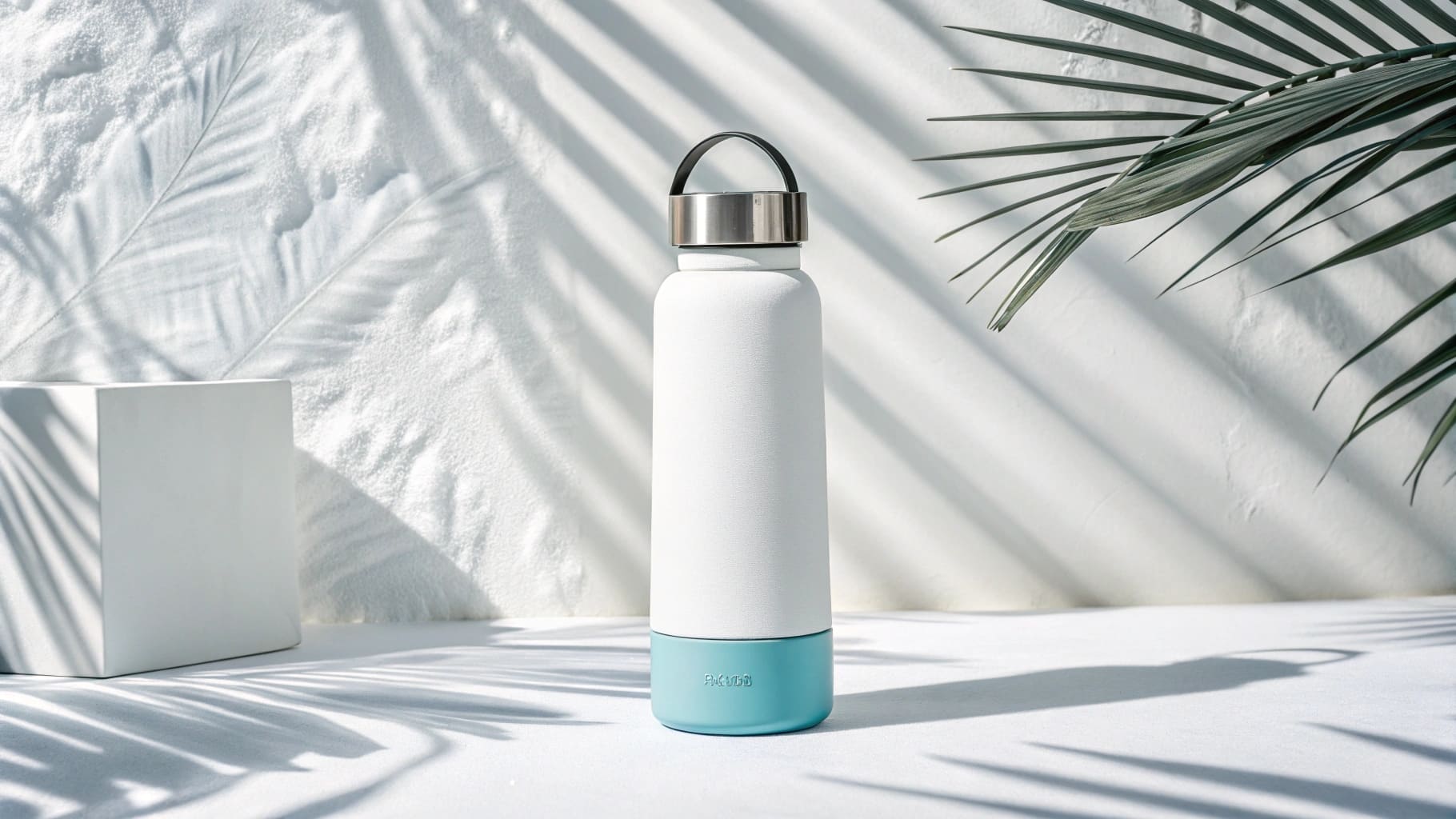
I have watched many wholesale buyers treat insulation as a must-have feature. I understand that thinking because insulated bottles sound more premium. But I also see many end users drink water at room temperature, refill often, and care more about logo visibility than heat retention. In that case, a non-insulated wide-mouth bottle can protect the campaign budget and still feel useful. I do not judge the bottle by cost alone. I judge it by campaign goal, user habit, logo space, packing plan, and delivery time. When I quote a large promo order, I ask one direct question first. I ask whether the end user really needs thermal performance every day. If the answer is no, I start looking at non-insulated wide-mouth bottles with more attention.
What's the difference between an insulated and non-insulated water bottle?
I often hear buyers compare bottles by look only. That creates wrong quotes. I separate wall structure first, so quality talks become clear.
I define an insulated water bottle as a bottle with double-wall construction and a vacuum space that slows heat transfer. I define a non-insulated bottle as a bottle with one stainless steel wall, so it does not keep drinks hot or cold for long. The main differences are temperature control, weight, cost, and production complexity.
How I read the structure before I read the price
I always start with the wall structure because the structure decides most of the cost and use case. An insulated bottle needs an inner wall, an outer wall, a vacuum process, and more quality checks. A non-insulated bottle uses a simpler body. That simple body does not mean low quality. It means the bottle does not have the vacuum layer. I have seen buyers pay for insulation while their users only drank plain water during meetings or workouts. In those cases, the extra cost did not create extra value.
| What I compare | Insulated bottle | Non-insulated bottle | My buying view |
|---|---|---|---|
| Wall structure | I see two walls and vacuum space | I see one main wall | I check if the user needs temperature control |
| Temperature use | I expect better hot and cold retention | I expect fast temperature change | I match this to the drink habit |
| Weight | I expect a heavier bottle | I expect a lighter bottle | I consider shipping and daily carry |
| Cost | I expect a higher unit cost | I expect a lower unit cost | I protect the promo margin |
| Branding | I can print or laser the logo | I can print or laser the logo | I compare logo size and finish |
How I connect the structure to a promo budget
I see non-insulated wide-mouth bottles fit well when the campaign goal is reach. A buyer may need thousands of bottles for a trade show, staff welcome kit, school event, or retail bundle. In that case, the unit cost matters because every small saving repeats across the order. I also see another benefit. The lighter bottle can reduce freight pressure, especially when the carton count is high. I do not ignore quality. I still check steel grade, wall thickness, mouth finish, lid seal, coating strength, and packing. The smart choice is not the cheapest bottle. The smart choice is the bottle that gives enough real value for the user and enough margin for the buyer.
What does non insulated mean?
I see the term sound like a downgrade. That fear can slow sourcing. I define it in plain factory terms before I judge value.
I use “non-insulated” to mean the bottle has no vacuum insulation layer. Most non-insulated stainless steel bottles use single-wall construction.1 They hold liquid safely, but they let heat move through the metal, so drink temperature changes faster than in insulated bottles.
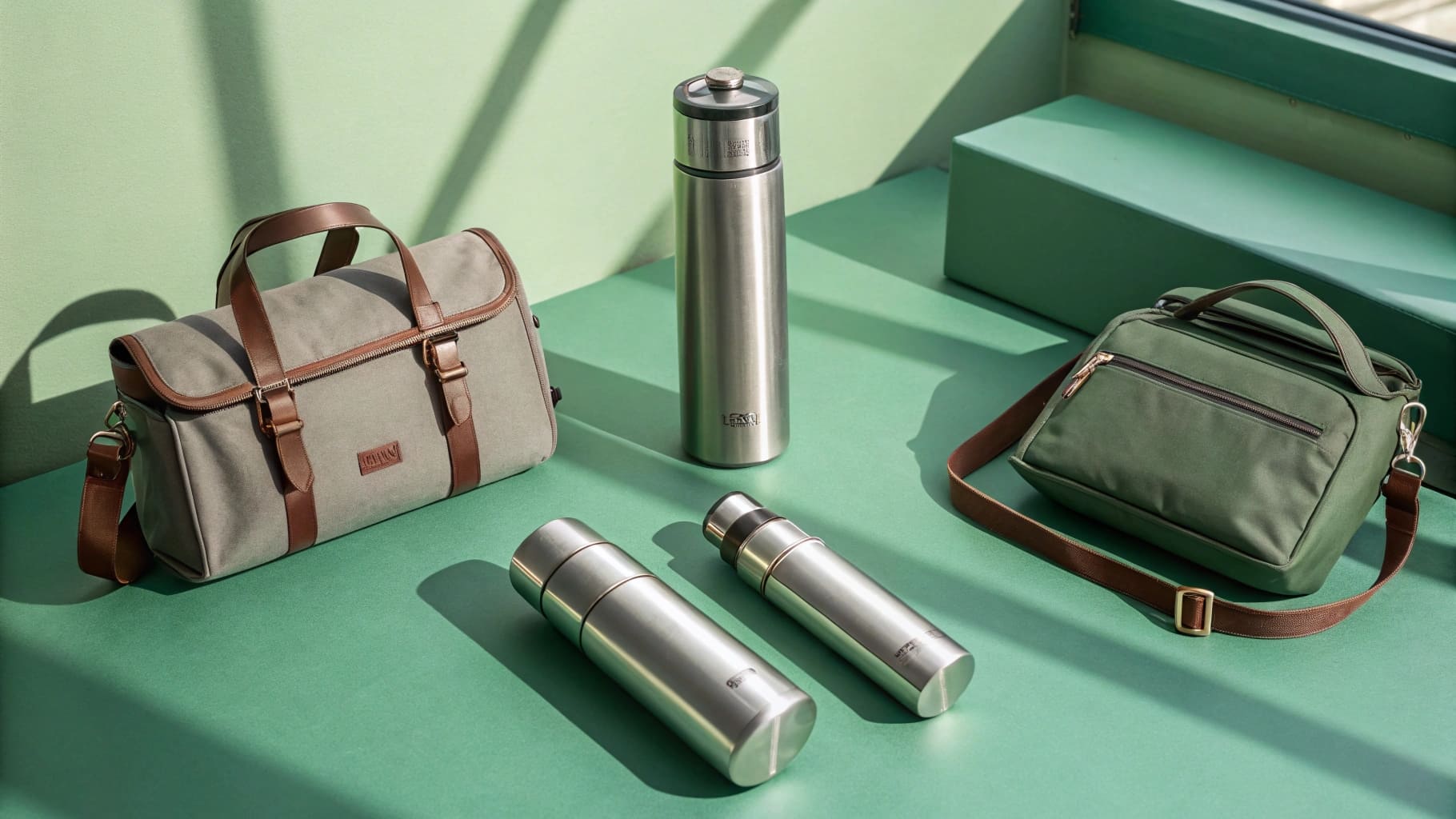
What I mean when I say single-wall
I do not use “non-insulated” as a quality warning by itself. I use it as a structure description. A non-insulated bottle can still be made from good stainless steel.2 It can still have a clean inside surface, a smooth wide mouth, a strong powder coating, and a tight lid. The main point is simple. The bottle does not trap heat or cold like a vacuum bottle. If I pour cold water into it, the outside can feel cold. If I pour hot water into it, the outside can feel hot. That is why I do not position it as a hot beverage bottle.
| Quality point I check | Why I check it | What I want to see |
|---|---|---|
| Stainless steel material | I want safe contact with water | I ask for clear material records |
| Wall thickness | I want a strong hand feel | I check sample weight and strength |
| Mouth edge | I want safe drinking and easy cleaning | I look for smooth polishing |
| Lid fit | I want fewer leak complaints | I test the seal with water |
| Coating | I want the logo and color to last | I run scratch and tape checks |
| Packing | I want fewer dents in transit | I review carton and inner protection |
How I explain the value to a buyer
I like non-insulated wide-mouth bottles for bundles because the wide mouth gives the product more daily use. I can add ice cubes, fruit pieces, cleaning brushes, or even simple accessory sets. I can also build a stronger bundle story without paying for vacuum insulation. For example, I once worked on a promo kit that needed a bottle, a cloth bag, and a cleaning brush. The buyer first asked for insulated bottles. After we reviewed the target user, we found that the bottle was mainly for office desks and gym bags. The buyer moved to non-insulated bottles and used part of the saved budget for better logo printing and cleaner retail packing. The product looked more complete. The campaign also avoided the trap of paying for a feature that most users did not need.
Do insulated water bottles keep water hot?
I see hot-water claims create big expectations. A weak test can cause complaints. I ask for clear hours, samples, and real use checks.
Yes, I know insulated water bottles can keep water hot because the vacuum layer reduces heat transfer3. Performance depends on bottle size, lid design, starting temperature, room temperature, and test method.4 For promo bundles, I only pay for this feature when the user needs hot drinks.
How I check heat retention claims
I never accept a heat retention claim as a slogan only. I ask how the factory tested it. I ask about starting water temperature, room temperature, bottle size, lid type, and test time. A tall narrow bottle may act differently from a short wide-mouth bottle.5 A lid with more plastic parts may also change the result.6 I also know that real users open the lid, refill the bottle, leave it in a car, or carry it outdoors. Lab claims help me compare products, but real use gives me the final view.
| Situation I review | My heat retention need | My product choice | My reason |
|---|---|---|---|
| Coffee gift set | I need strong hot retention | I choose insulated | The user expects warm drinks |
| Gym giveaway | I need simple hydration | I choose non-insulated | The user drinks and refills often |
| School event | I need safe and light use | I choose non-insulated | The user may carry it all day |
| Premium client gift | I need a higher perceived value | I choose insulated | The gift must feel more premium |
| Mass trade show bundle | I need low cost per impression | I choose non-insulated | The logo exposure matters more |
How I decide if heat retention is worth the cost
I see insulated bottles as useful when the end user cares about hot tea, hot coffee, or cold drinks across many hours. I also see them as a better choice for premium retail and high-value corporate gifts. But I do not add insulation just to make the product sound better. I ask if the added cost will return value. If a buyer sells rebranded bottles in Canada, I expect the buyer to care about margin, season timing, certificates, and shipment risk. A more complex insulated bottle can need more production checks. It can also create more risk if the vacuum process is weak. I ask for pre-production samples, clear inspection points, and honest lead time. I also check certificates with care because false papers can damage trust and delay sales. When the campaign needs speed, volume, and a strong logo display, I often see non-insulated wide-mouth bottles as the safer promo choice.
Conclusion
I choose non-insulated wide-mouth bottles when the campaign values volume, branding, and simple daily use more than heat retention.
-
"I Tested 9 Stainless Steel Water Bottles to Find the Best Ones for Everyday Use", https://www.seriouseats.com/best-stainless-steel-water-bottles-5536831. Industry practice distinguishes single-wall bottles, which use one metal layer for the body, from double-wall insulated designs that incorporate a vacuum or air gap between concentric walls. Evidence role: definition; source type: other. Supports: the standard construction methods for non-insulated drinkware. Scope note: Manufacturing practices vary by producer and price point ↩
-
"Stainless steel - Wikipedia", https://en.wikipedia.org/wiki/Stainless_steel. Food-grade stainless steel, typically 304 or 316 austenitic alloys, meets safety standards for beverage containers due to corrosion resistance and low reactivity, regardless of whether the vessel is single- or double-walled. Evidence role: definition; source type: government. Supports: the stainless steel grades approved for food and beverage contact. ↩
-
"Vacuum insulation panel core materials and modelling the ...", https://dr.lib.iastate.edu/bitstreams/f77c7126-f49f-4b7f-b58d-7f1c941b1f20/download. Vacuum insulation can reduce thermal conductivity to near-zero levels in the evacuated space, as conduction and convection require matter, leaving only radiative heat transfer which can be further minimized with reflective coatings. Evidence role: mechanism; source type: research. Supports: the thermal performance characteristics of vacuum insulation. ↩
-
"Performance Comparison of Thermal Insulated Packaging Boxes, Bags ...", https://digitalcommons.calpoly.edu/cgi/viewcontent.cgi?article=1043&context=it_fac. Thermal retention depends on surface-to-volume ratio, opening diameter, seal integrity, and ambient conditions, with larger openings and higher surface area accelerating heat exchange with the environment. Evidence role: general_support; source type: research. Supports: how design parameters influence heat retention in insulated vessels. Scope note: Studies typically examine controlled conditions rather than diverse real-world usage patterns ↩
-
"Surface-to-Volume Ratios in Biology", https://employees.csbsju.edu/ssaupe/biol327/Lab/sv-ratio.htm. Heat loss rate correlates with surface-to-volume ratio; taller, narrower containers minimize this ratio compared to shorter, wider vessels of equal volume, reducing thermal exchange with the environment per unit of liquid. Evidence role: mechanism; source type: research. Supports: how container geometry influences thermal retention through surface-to-volume relationships. ↩
-
"[PDF] NEW MATERIALS AND CONCEPTS TO REDUCE ENERGY LOSSES ...", https://web.ornl.gov/sci/buildings/conf-archive/1985%20B3%20papers/054.pdf. Lid assemblies introduce thermal bridging where materials with higher conductivity than vacuum spaces create pathways for heat transfer, with metal components conducting heat more readily than plastic insulators. Evidence role: mechanism; source type: research. Supports: how lid design and materials create thermal bridges affecting retention. Scope note: Performance varies significantly with specific lid designs and seal mechanisms ↩