
Kids' Stainless Cups: CPSIA Bite-Force, Small Parts, and Labeling Checks?
I see buyers move fast on kids’ cups, but one loose straw or lid part can turn a strong order into a recall nightmare.
Kids’ stainless cups need CPSIA checks because children bite, pull, drop, and shake products in real use. I check bite-force risk, small part detachment, material safety, age labels, care warnings, and third-party test reports1 before I treat a kids’ cup as ready for the American market.
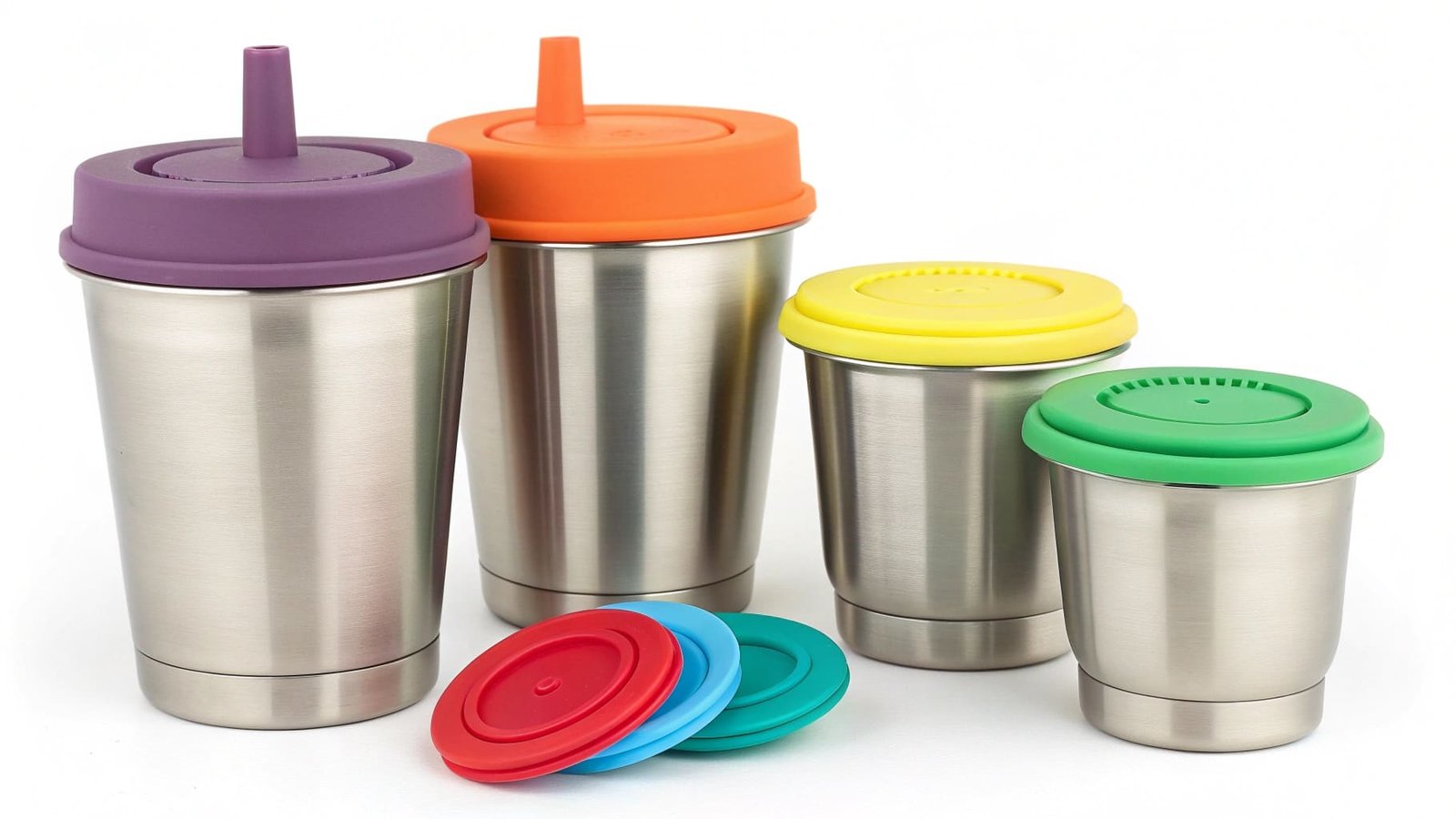
I have learned that a kids’ stainless cup is not only a drinkware item. It is a safety product with moving parts, soft parts, and label claims. I always slow down when I see silicone rings, flip lids, straws, handles, sliders, and cute decorations. These parts help sell the product, but they also create risk. If a child can bite off a silicone part, pull out a valve, or break a lid into a small part, the buyer owns that problem after import. I also know many procurement officers care about price, but the cheapest cup can become the most expensive one when test reports are weak. So I now treat CPSIA, FDA food contact checks, packaging labels, and shipment timing as one same system. If one part is loose, the whole project is not ready.
Is It Healthier to Drink from Glass or Stainless Steel?
I hear this question often, and I understand why. Parents want safe drinking, but buyers also need products that survive daily child use.
I see both glass and stainless steel as safe when they are made correctly. I prefer stainless steel for kids because it is shatterproof, light, reusable, BPA-free, and strong enough for school bags, travel, and sports.
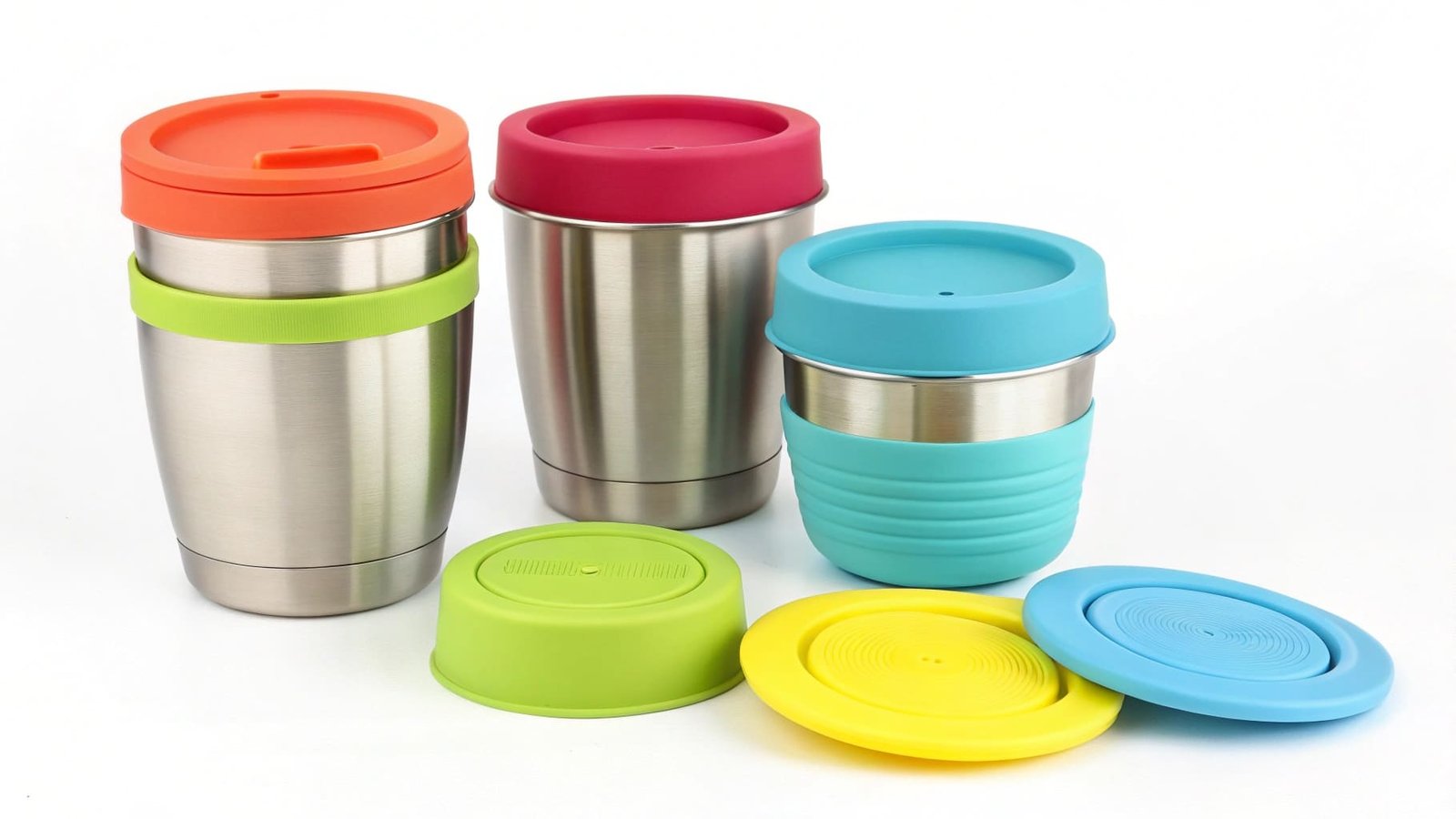
My practical view on glass and stainless steel
I do not present glass as bad. I know glass is clean, simple, and trusted by many families. It does not hold odor easily, and it feels natural. But I also know a child drops things. A broken glass bottle can cut skin, damage floors, and create a school safety issue. This is why I prefer stainless steel when the product is for kids.
I focus on food-grade stainless steel2 with a smooth inner wall. I also check the lid material, straw material, paint, coating, and logo process. A safe bottle is not only about the metal body. A weak plastic lid or poor silicone ring can create the real problem. I have seen samples where the bottle body looked perfect, but the straw tip failed a pull test. I do not ignore those details.
| Material | My health view | My child-use view | My buyer advice |
|---|---|---|---|
| Glass | I see it as clean and stable | I see breakage risk | I use it more for adults and home use |
| Stainless steel | I see it as safe when food-grade | I see it as strong and travel-ready | I choose it for schools, sports, and kids’ retail |
| Plastic | I treat it with more caution | I see low weight but more odor risk | I ask for strict material proof |
My CPSIA check before I accept a kids’ cup
I ask the factory to confirm that every child-accessible part can pass small parts checks. I also ask how the lid is assembled. I want to know whether the silicone ring can be removed by hand, whether the straw can tear, and whether the flip part can snap after repeated opening. I do not rely only on a clean product photo. I ask for real samples, lab reports, and clear part drawings. I also compare the test report name with the exact model name. This protects my buyer and protects the brand after the goods enter the market.
What Foods Should Not Be Stored in Stainless Steel?
I have seen stainless steel blamed for taste problems, but the real issue is often wrong food storage and unclear care instructions.
I advise users not to store highly acidic foods, salty liquids, dairy, or fermented food in stainless steel for long periods. Citrus juice, tomato sauce, vinegar dressing, milk, and yogurt can affect taste, surface condition, pressure, or hygiene.
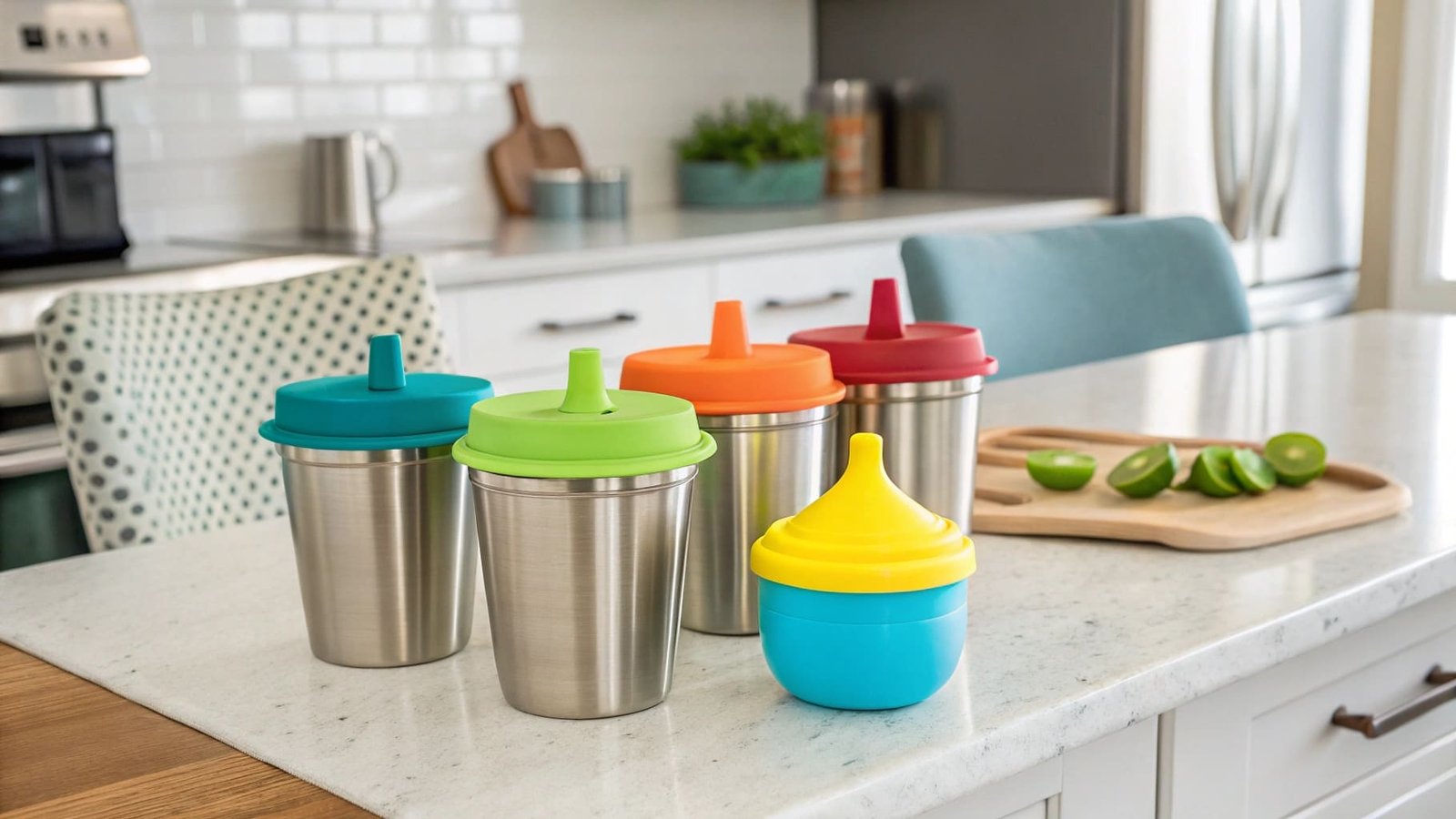
My reason for limiting acidic and salty storage
I trust stainless steel for drinking water, tea, and normal daily use. But I do not tell customers to store every food inside it for a long time. Stainless steel has a protective surface. This surface is strong, but long contact with acid and salt can still cause trouble. The user may notice a metallic taste. In bad cases, the inner wall may show spots or pitting. This is not the normal use case for a kids’ cup.
I also think dairy needs special care. Milk, yogurt, and sweet drinks can grow bacteria when they sit warm inside a sealed bottle3. Parents may close the lid after breakfast and forget the cup in a backpack. The smell can become strong. The cleaning can become hard. This is why I want warning labels to be clear, simple, and visible.
| Food or drink | My concern | My label wording idea |
|---|---|---|
| Citrus juice | I worry about long acid contact | I suggest short-term use only |
| Tomato sauce | I worry about taste and staining | I suggest not storing it in the cup |
| Vinegar dressing | I worry about acid and odor | I suggest using a food container instead |
| Salty soup | I worry about salt contact | I suggest cleaning soon after use |
| Milk drinks | I worry about bacteria and odor | I suggest drinking soon and washing fast |
My packaging and label check for business buyers
I believe labels protect the buyer before they protect the consumer. I want the outer box, color box, manual, and product insert to say the same thing. I do not like vague claims such as “safe for all drinks.” I prefer direct wording. I want the label to explain material, age use, cleaning method, heat warning, and unsuitable contents. I also want the warning to match the product design. If the cup has a straw, I include cleaning notes for the straw. If it has a flip lid, I include a note to inspect the lid often. If the cup is for children, I include adult supervision language. I do this because a parent reads the label after the purchase, but a regulator may read it after a complaint.
What Not to Put in a Stainless Steel Tumbler?
I have seen customers use tumblers like food jars, and that creates pressure, odor, leakage, and safety problems.
I do not recommend carbonated drinks, dry ice, dairy held for long periods, baby formula stored too long, bleach, strong cleaners, or sealed hot milk drinks in stainless steel tumblers. These contents can cause pressure, hygiene issues, surface damage, or bad taste.
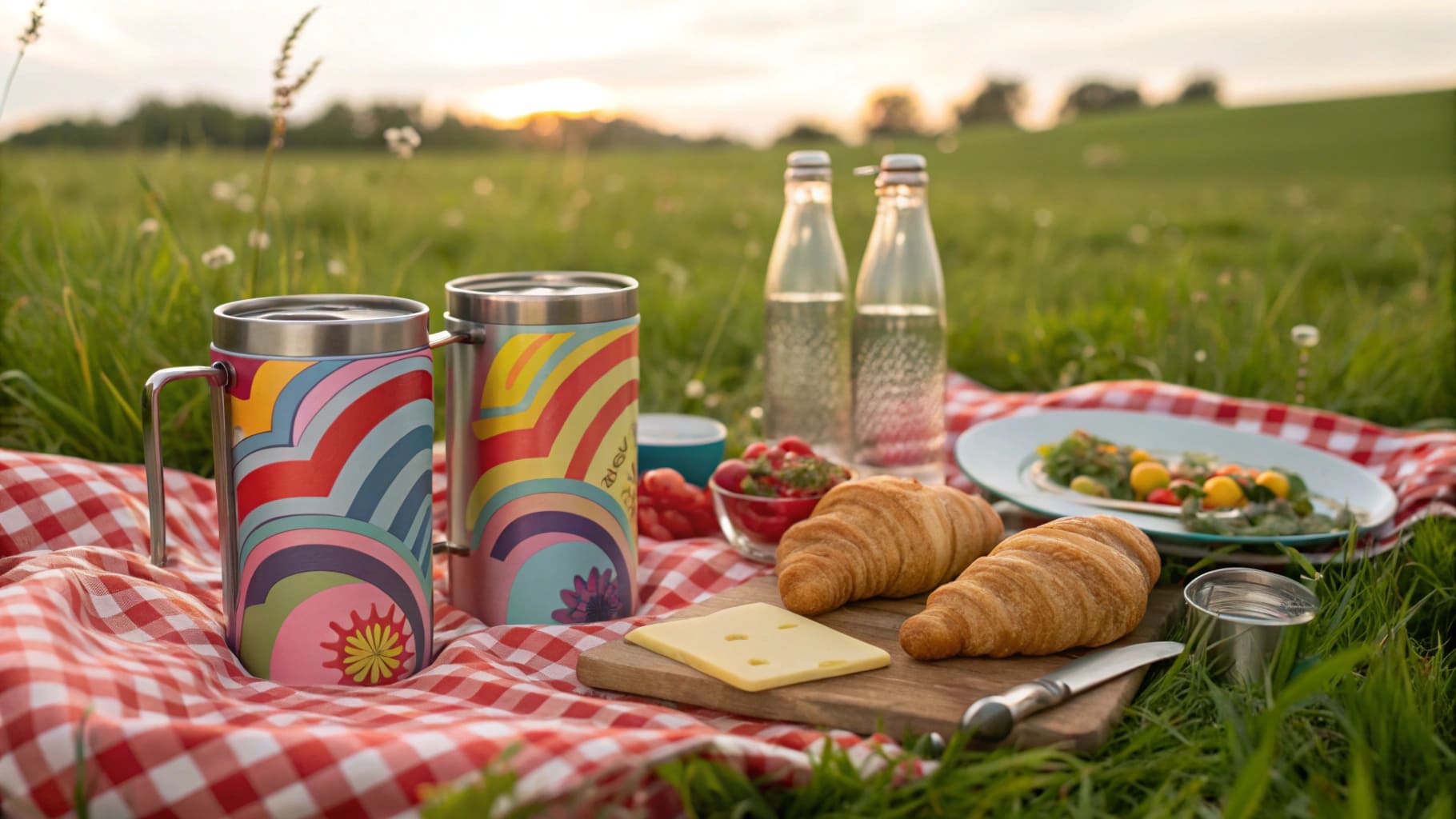
My pressure and lid safety view
I always pay attention to pressure when I work on tumblers and kids’ cups. Carbonated drinks can build pressure inside a sealed bottle. Dry ice is far more dangerous because it releases gas fast. A lid can pop, leak, or spray liquid. A child may not understand why this happens. This is why I do not support carbonated drink use in sealed kids’ tumblers unless the design and instructions are made for that use.
Hot drinks also need care. A stainless tumbler can keep heat well. That is good for adults, but it can be risky for children. If the lid has a straw, hot liquid can reach the mouth too quickly. If the lid seals tightly, steam pressure can also affect opening. I prefer clear warnings for hot liquids, especially on kids’ products.
| Content | My risk view | My product advice |
|---|---|---|
| Carbonated drinks | I see pressure and leakage risk | I warn against sealed storage |
| Dry ice | I see serious pressure risk | I never allow it |
| Hot milk tea | I see heat and hygiene risk | I suggest prompt drinking |
| Bleach | I see surface and odor risk | I suggest mild cleaning only |
| Strong detergent | I see residue risk | I suggest full rinsing |
My small parts and bite-force checklist
I inspect the tumbler as if a child will test every weak point. I check the straw tip, straw valve, silicone gasket, flip lid, handle pin, slider, button, and decorative badge. I ask myself a simple question. Can a child bite, twist, or pull this part loose? If the answer is yes, I ask for redesign or proof from a qualified lab.
I also check if a detached part can fit into a small parts cylinder during testing4. I do not guess from photos. I ask the factory for a report that matches the exact item, exact lid, and exact accessory set. I also want the report date to fit the order. Old reports can be useful, but they may not cover a new color, new lid, or new silicone supplier.
I have seen buyers lose time when the sample passed their visual check but failed a real lab check. That delay can push delivery past the sales season. So I prefer to solve safety details before mass production. I also connect this with payment terms. I like to place clear inspection points before the balance payment. This keeps the factory serious and keeps the shipment schedule under control.
Conclusion
I treat kids’ stainless cups as safety products first. I check materials, bite-force risk, small parts, labels, and use warnings before I support bulk orders.
-
"Third Party Testing Guidance | CPSC.gov", https://www.cpsc.gov/Business--Manufacturing/Testing-Certification/Third-Party-Testing. Under CPSIA Section 14, manufacturers and importers of children's products must have samples tested by a CPSC-accepted third-party laboratory for compliance with applicable safety rules before issuing a Children's Product Certificate. Evidence role: general_support; source type: government. Supports: CPSIA mandates third-party testing by CPSC-accepted laboratories for children's products. ↩
-
"Regulatory Status of Components of a Food Contact Material", https://www.fda.gov/food/packaging-food-contact-substances-fcs/determining-regulatory-status-components-food-contact-material. The FDA regulates food contact substances under 21 CFR, with austenitic stainless steels (such as 304 and 316 grades) generally recognized as suitable for repeated food contact applications due to their corrosion resistance and stability. Evidence role: definition; source type: government. Supports: Food-grade stainless steel refers to alloys suitable for food contact under FDA regulations. Scope note: FDA does not explicitly certify materials as 'food-grade' but establishes standards for safe food contact use ↩
-
"Raw Milk | Food Safety", https://www.cdc.gov/food-safety/foods/raw-milk.html. According to USDA food safety guidelines, milk and dairy products should not be left at room temperature for more than two hours, as pathogenic bacteria can multiply rapidly between 40°F and 140°F, the 'danger zone' for bacterial growth in perishable foods. Evidence role: general_support; source type: government. Supports: Dairy products support rapid bacterial growth at room temperature. ↩
-
"Toy Safety Business Guidance | CPSC.gov", https://www.cpsc.gov/Business--Manufacturing/Business-Education/Toy-Safety. Under 16 CFR 1501, the small parts test uses a cylinder approximately 2.25 inches long and 1.25 inches in diameter to determine whether a component poses a choking hazard for children under three years of age. Evidence role: mechanism; source type: government. Supports: The small parts test cylinder is a standardized device used to assess choking hazards. ↩