
Stainless Cup Sets for Schools: How Should I Plan Pack Counts, Cube Efficiency, and Pallet Plans?
I have seen school cup orders look cheap on paper, then become expensive when loose cartons waste container space and late stock misses term starts.
I plan stainless cup sets for schools by checking cup grade, pack count, master carton size, pallet fit, and certificate proof before I compare unit price. A 24-pack with strong cube use can beat a cheaper 20-pack when freight and storage are counted1.
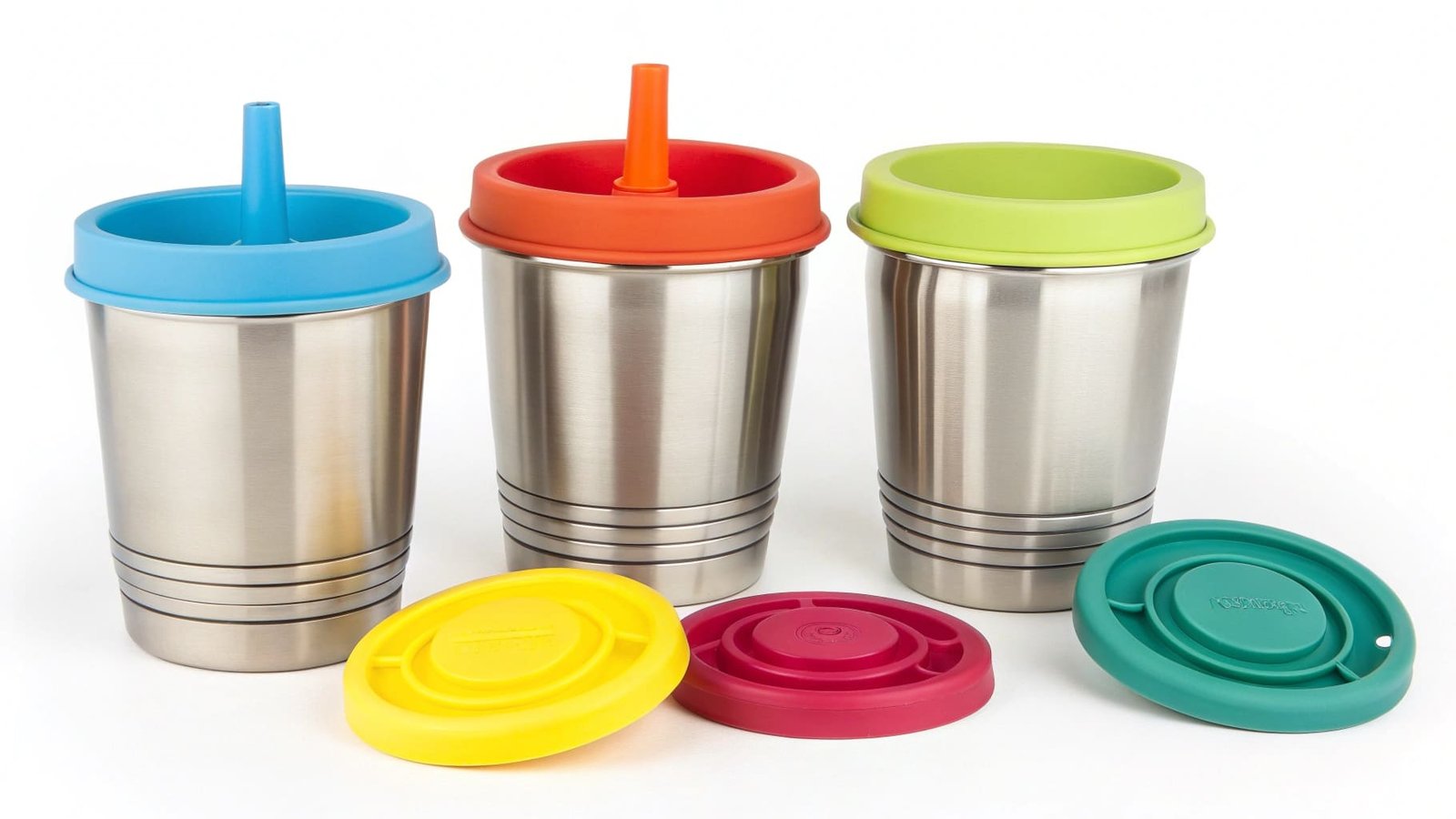
When I build a school cup project, I do not start with the cup alone. I start with how the cup moves. I check the set count, the inner box, the master carton, the pallet layout, and the final warehouse handling. I have learned this the hard way in export work. A small carton mistake can make the buyer pay more for air than for steel.
Who makes the best stainless steel?
I see buyers chase the lowest quote, then find weak steel, vague cartons, and freight bills that erase every promised saving.
I see the best stainless steel maker as the factory that proves grade 304, controls wall thickness, designs cartons for full pallet use, and gives matching documents for each batch. The maker must make quality and logistics visible before deposit payment.

How I judge a maker before I trust the price
I do not think the best maker is only the one with the lowest per-cup offer. I think the best maker is the one that helps me protect the total landed cost. When I quote stainless cup sets for schools, I look at the material record and the packing plan at the same time. A school may order many cartons at once. If the cups are packed in weak or oversized cartons, the buyer pays extra freight and still gets more damage risk.
I once handled a school-style order where two factories looked similar at first. One factory offered 20 cups per carton. The other offered 24 cups per carton with a tighter carton shape. The second factory looked higher on unit price, but the pallet plan was better. The cartons nested cleanly on a 40-inch by 48-inch pallet. The final freight cost made the second offer stronger.
| What I check | What I want to see | What I avoid |
|---|---|---|
| Steel grade | Grade 304 with food contact proof | Vague “stainless steel” wording |
| Pack count | 24-pack or another count that fits school handling | Random carton counts made for factory convenience |
| Master carton | Strong board and clear cube use | Bulging cartons and wasted space |
| Pallet plan | Stable layers with little overhang | Cartons that hang outside the pallet |
| Batch documents | Mill test report and matching lot code | Certificates that do not match the goods |
I also ask the supplier to show the real carton dimensions before I accept the proforma invoice. I do this because carton data often changes after sampling. A serious maker can explain the reason for each carton size. A weak maker only says, “Do not worry.” I worry when I hear that.
Which is the best brand of stainless steel?
I have watched buyers trust a logo, then receive cups that stain, dent, or arrive too late for the school launch.
I do not treat any steel brand as automatic proof. I prefer a supplier brand that connects material records, stable production, safe packing, clear payment terms, and tested pallet plans. That kind of brand lowers risk after the purchase order.
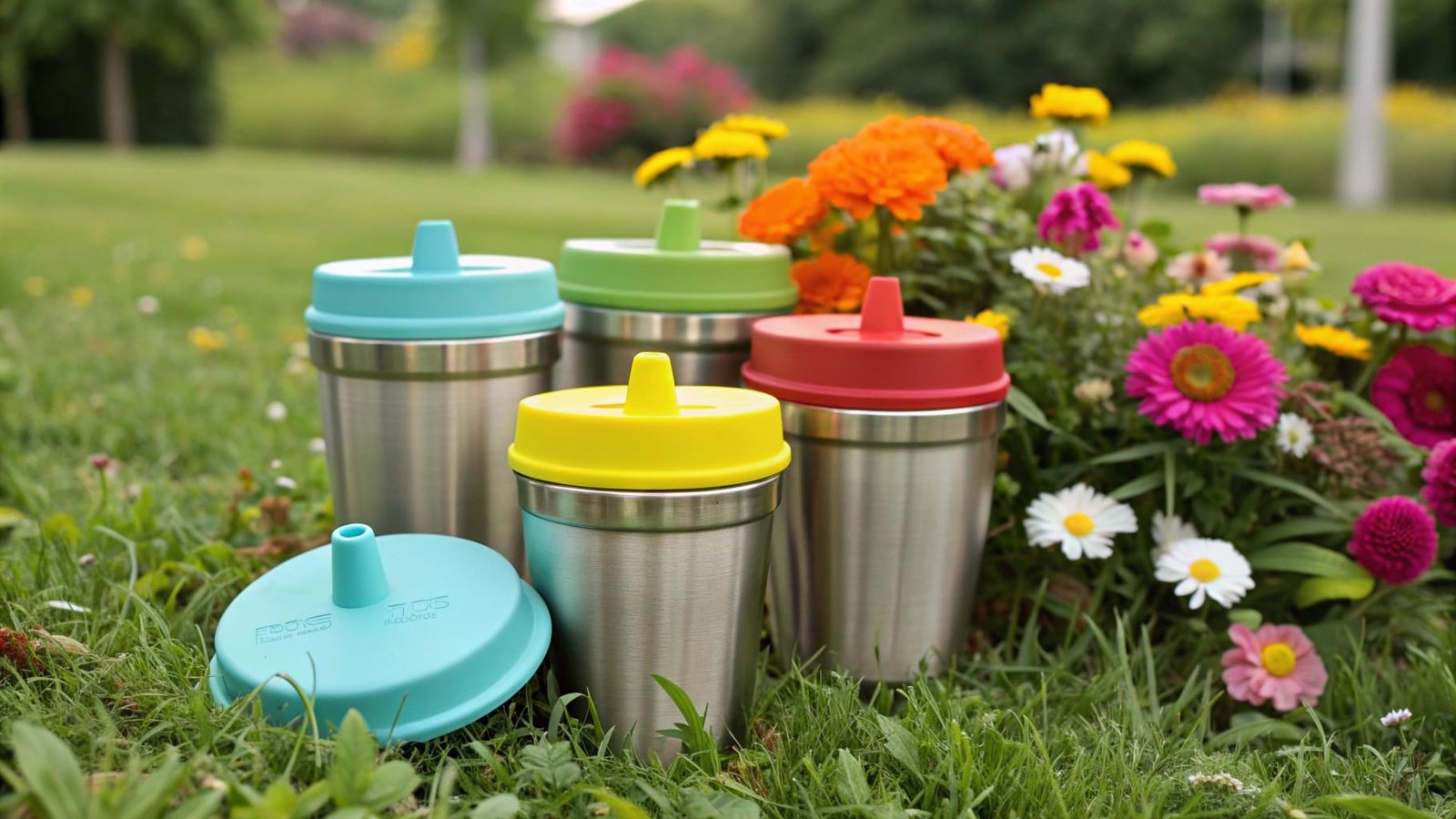
Why I put control above brand name
I respect strong steel brands, but I do not buy school cup sets by a name alone. In real purchasing, the cup factory still decides many things. The factory chooses the steel coil, the forming process, the polish, the passivation step, the inspection level, and the carton design. If the factory has poor control, even a good raw material story can turn into a weak product.
For school buyers, I think the “best brand” means a supplier that behaves like a system. The supplier should give clear answers. The supplier should not hide behind sales talk. I also think the supplier should understand the school calendar. If the shipment misses the back-to-school season, the low price no longer helps2.
I often tell buyers that a brand promise must show up in paperwork and packing. It must show up in the sample. It must show up again in mass production.
| Brand signal | What it means to me | How I test it |
|---|---|---|
| Clear material claim | The supplier knows what steel is being used | I ask for grade 304 proof and nickel-chromium data |
| Food-grade certificate | The cup is fit for school use | I check the report name, date, and product scope |
| Traceable batch code | The factory can connect goods to documents | I compare carton labels with inspection records |
| Stable sample quality | The factory can repeat the result | I request a pre-production sample |
| Packing drawings | The supplier understands freight cost | I check carton size, pallet count, and container use |
I also watch how the sales team answers technical questions. Some sales people are fast but not useful. They send photos and say the product is good. I need better answers. I need carton cube, wall thickness, steel grade, inspection method, and shipment lead time. If the supplier can answer these in simple words, I trust the brand more.
How can you tell if stainless steel is high quality?
I know a shiny cup can hide thin walls, poor polish, fake papers, and packing that cracks rims before the cartons reach school storage.
I tell high quality by checking grade proof, third-party food contact reports, wall thickness, surface finish, rim safety, corrosion resistance, carton drop strength3, and batch traceability. I do not rely on shine or weight alone.
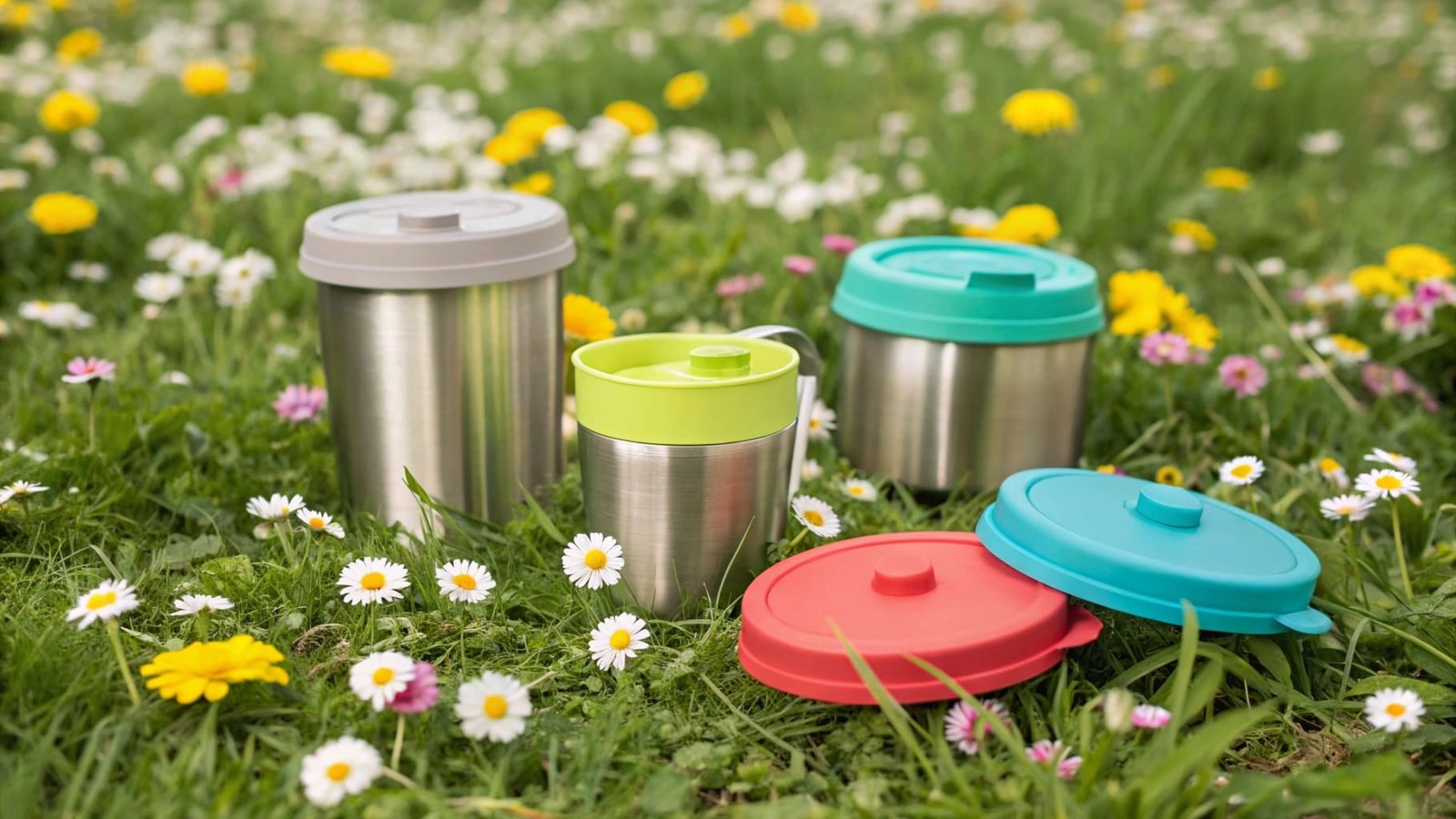
The checks I use before I approve school cup production
I start with the material. For school cup sets, I treat grade 304 stainless steel as the normal safe choice for water and most drinks. I want to see the common 18/8 composition range, but I do not accept a simple sales claim. I ask for a mill test report or a third-party test report. I also ask that the report match the actual batch. This matters because certificate fraud does happen in the market4. A real document should match the product, the date, and the factory record.
Then I check the cup itself. I look at the rim because children use the cup every day. The rim should feel smooth. I look at the wall thickness because thin cups dent faster. I look at the inner polish because rough surfaces can hold stains. I also check the bottom forming because weak bottoms can wobble or trap water after washing.
| Quality check | What I look for | Why it matters for schools |
|---|---|---|
| Material grade | Grade 304 stainless steel | The cup resists rust during daily use5 |
| Wall thickness | Even thickness around the cup | The cup handles drops and washing better |
| Rim finish | Smooth and safe edge | Students use the cup without discomfort |
| Surface polish | Clean inside and outside | Staff can wash and inspect cups faster |
| Batch traceability | Lot code on records and cartons | The buyer can handle claims with proof |
| Carton strength | Safe packing for export handling | Cups arrive ready for school storage |
I also include packing in my quality check. This point is easy to miss. A cup can pass the factory inspection and still fail in the warehouse if the carton is weak. I prefer a master carton that balances protection and cube efficiency. I do not want too much empty space. I also do not want cups pressed so tightly that rims rub during transport.
For pallet planning, I ask for a loading sketch before shipment. I want to know how many cartons fit per layer, how many layers are safe, and whether the cartons stay inside the pallet edge. I also ask if the supplier can use corner protectors, stretch film, and clear shipping marks. These details help school distributors unload faster. They also help procurement officers avoid confusion when several school orders arrive in the same warehouse.
Conclusion
I protect school cup budgets when I connect steel proof, carton count, cube use, and pallet planning before I compare unit prices.
-
"Optimizing distribution center packing operations to reduce volumetric ...", https://dspace.mit.edu/entities/publication/b2c6f71e-87f5-4cab-94d0-5e3034004095. Logistics research demonstrates that improved cube utilization in packaging can reduce per-unit transportation costs by 15-30% through better container fill rates and reduced handling requirements, often offsetting higher unit purchase prices. Evidence role: general_support; source type: research. Supports: the impact of packaging cube efficiency on total logistics costs. Scope note: Actual savings depend on shipping distance, mode, and warehouse handling systems ↩
-
"MANUAL OF PROCEDURES PSAB SUPPLEMENT 13 PURCHASING", https://web.ped.nm.gov/wp-content/uploads/2025/01/SBFAB_Manual-of-Procedures-PSAB_PSAB13-Purchasing.pdf. Educational procurement research indicates that missing key implementation windows such as term starts can render purchases functionally unusable for the intended period, forcing institutions to seek emergency alternatives at premium costs that exceed original savings. Evidence role: general_support; source type: education. Supports: the critical importance of delivery timing in educational procurement. ↩
-
"ISTA-1A / 2A – Carton Drop Test - Inspection Standard", http://www.qcinasia.com/inspection-carton-drop-test. Packaging testing standards such as ISTA procedures and ASTM D5276 establish drop test protocols that simulate handling impacts during distribution, with pass criteria based on maintaining product and package integrity after drops from specified heights. Evidence role: general_support; source type: institution. Supports: the use of drop testing to evaluate packaging adequacy. ↩
-
"supply chain fraud", https://media.api.sf.gov/documents/Supply_Chain_Fraud_Red_Flags.pdf. Trade organizations and quality institutes have documented cases of falsified mill test reports and material certificates in international steel commerce, prompting recommendations for independent third-party verification of critical material properties. Evidence role: general_support; source type: institution. Supports: the occurrence of fraudulent material certifications in metal supply chains. ↩
-
"Stainless steel", https://en.wikipedia.org/wiki/Stainless_steel. The chromium content in 304 stainless steel forms a passive chromium oxide layer that self-repairs when scratched, providing continuous protection against rust in aqueous environments including potable water. Evidence role: mechanism; source type: encyclopedia. Supports: the corrosion resistance mechanism in 304 stainless steel. Scope note: Resistance can be compromised by chlorides, acidic conditions, or surface contamination ↩