
How to validate vacuum insulation on bottles with ISO or ASTM lab methods?
I have seen buyers trust a heat claim, then face returns when bottles cool too fast. I solve this by testing the hidden vacuum layer.
I validate vacuum insulation by combining a controlled heat retention test1 with leak checks such as ASTM D4991-style vacuum testing, helium detection, or bubble screening. I ask for calibrated lab records, sample size, acceptance limits, photos, and raw temperature data before I approve mass production.

I treat vacuum insulation as invisible quality. A polished stainless steel bottle can look premium, but the inside vacuum layer may already be weak. I do not rely on a catalog promise, because a promise cannot protect a retail season. I ask the supplier to prove heat retention, leak control, and lab traceability. I also check if the report matches the exact product, size, lid, and batch. This step saves time when I work with buyers who care about quality and price at the same time.
What is the ASTM D4991 standard test method?
I see this standard misused in supplier talks. A false report feels safe, but it can hide weak insulation and weak supplier control.
ASTM D4991 is a vacuum leak test for empty rigid containers. I use it as a useful reference for leak screening, not as a full thermal retention test for stainless steel vacuum bottles2. It helps show whether air can enter through weak points.
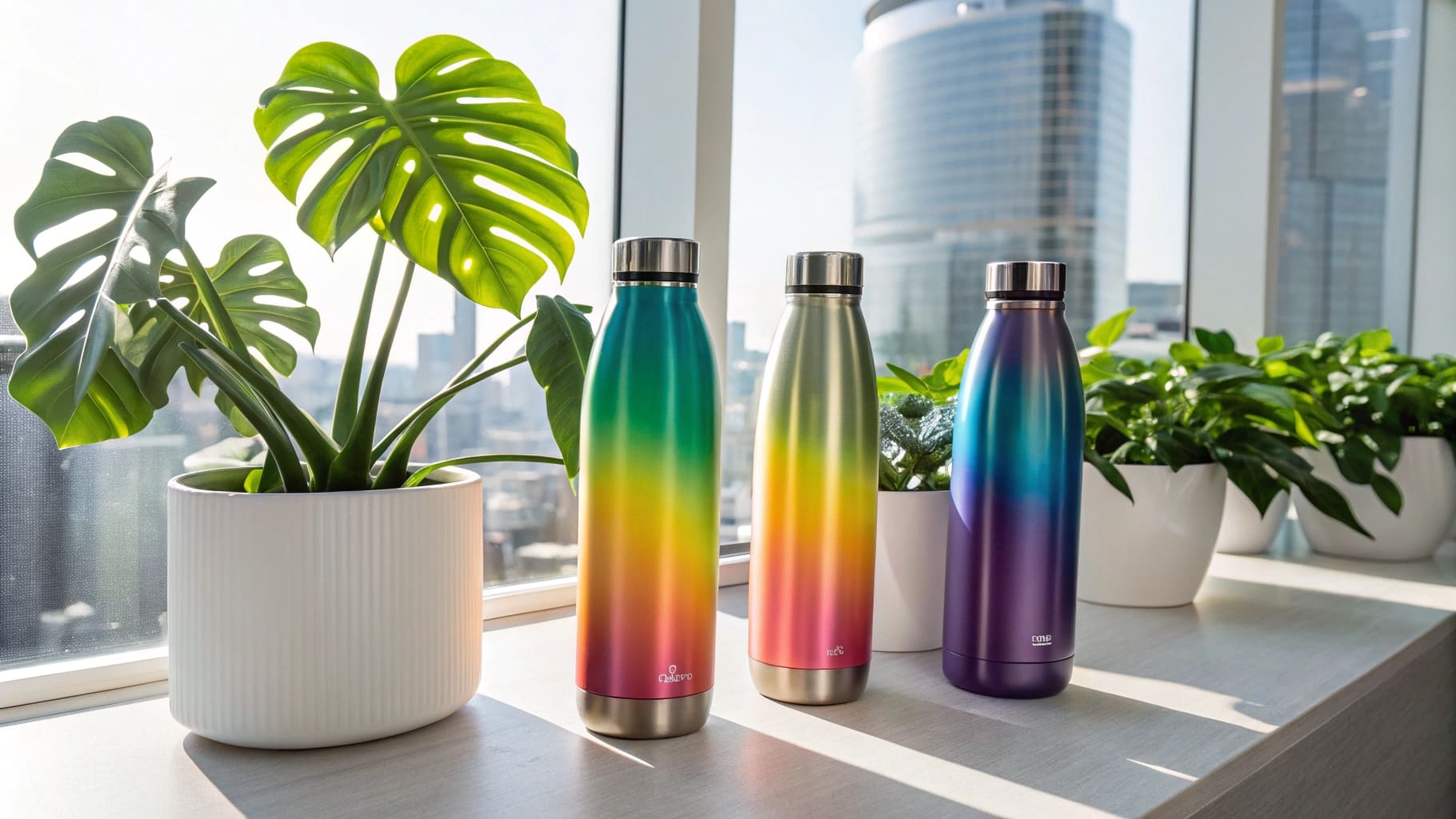
How I read ASTM D4991 in bottle sourcing
I do not treat ASTM D4991 as a simple heat preservation report. I treat it as a leak test idea that can support vacuum quality control. In my work, I have heard some suppliers describe it as a thermal resistance test. I do not accept that shortcut. I ask what the test actually measured. I ask if the bottle was tested for leakage, heat retention, or both. This is important because a bottle can pass a basic appearance check and still fail after months in the market.
For stainless steel vacuum bottles, I care about two different questions. I ask if the vacuum layer can reduce heat transfer. I also ask if the sealed vacuum space stays sealed. A thermal test answers the first question. A leak test answers the second question. I need both answers before I feel safe with a purchase order.
What I ask the lab or factory to show
| Item I check | What I expect | Why I care |
|---|---|---|
| Test scope | I expect the report to say whether it is a leak test or a heat test. | I do not want a supplier to use one report to cover another claim. |
| Product match | I expect the report to show the same model, size, lid, and surface finish. | I need proof for the real item that I plan to buy. |
| Lab control | I expect calibrated tools, stable room conditions, and clear test records. | I need data that I can compare between suppliers. |
| Sample record | I expect the sample source, batch, and quantity to be stated. | I do not accept a report from a hand-picked sample only. |
| Acceptance rule | I expect a clear pass or fail limit before testing starts. | I want to avoid debate after the result appears. |
How I combine ASTM and ISO thinking
I use ASTM methods as practical test tools, and I use ISO thinking for lab control and traceable records. When a supplier says “ISO tested,” I do not stop there. I ask which method was used. I ask who performed the test. I ask if the lab equipment had valid calibration. I ask if the report includes raw data, not only a pass mark. This habit helps me reduce certificate risk. It also makes communication faster, because every party can discuss the same facts instead of different opinions.
How to test for vacuum leaks?
I cannot see a lost vacuum from the outside. A perfect finish can hide a weak weld, so I use more than one leak check.
I test vacuum leaks with layered checks. I combine heat retention testing, vacuum chamber bubble test3ing, helium mass spectrometry for micro leaks, ultrasonic screening, and incoming inspection. I compare each result with the approved golden sample and the buyer’s market claim.

My factory-level leak test flow
I start with the production risk point. For stainless steel vacuum bottles, the risk usually sits around the weld area, the base, the vacuum port, and any heat-affected area. A small process change can affect the vacuum seal. A different welding setting can also change the result. This is why I do not only test the first sample. I ask for checks during mass production and before packing.
I like a layered process because each method sees a different problem. A heat retention test shows real use performance. A vacuum chamber test can show larger leaks. Helium detection can find very small leaks. Ultrasonic screening can help the factory find air movement through tiny gaps. I do not expect every factory to use every method on every bottle. I do expect the supplier to have a clear plan that matches the order value, the risk level, and the buyer’s market claim.
Leak test methods I compare
| Method I use or request | What it can show | My practical view |
|---|---|---|
| Heat retention test | It shows if the bottle keeps temperature over time. | I use it as the main proof of user experience. |
| Vacuum chamber bubble test | It shows larger leakage under pressure difference. | I use it as a practical batch control tool. |
| Helium mass spectrometry | It shows very small leaks with high sensitivity. | I value it for mature factories and high-risk orders. |
| Ultrasonic leak detection | It listens for high-frequency leak sound. | I see it as a fast screen, not a full replacement for lab tests. |
| Visual and weight check | It finds obvious process errors or wrong parts. | I use it only as support, not as proof of vacuum. |
My incoming inspection habit
I ask for pre-shipment data before the cargo leaves the factory. I also suggest incoming checks when the goods reach the buyer’s warehouse. This is important for buyers who sell in peak seasons. A delayed claim after delivery can become expensive. I once worked with a buyer who found weak heat retention only after promotion stock had arrived. The supplier wanted to retest slowly, and the buyer had no time left. After that case, I started to push for earlier proof, clearer test limits, and photo records for each stage.
I also do not accept a certificate without context. I ask if the report belongs to the same batch. I ask if the lab is independent or in-house. I ask if the supplier can repeat the test when I choose samples at random. This approach makes supplier communication more direct. It also helps me see which suppliers have real process control and which suppliers only have good sales words.
What spray can I use to check for vacuum leaks?
I like simple tools, but I do not let them replace lab control. I use spray as a quick screen, not final proof.
I use a commercial leak detection spray or a mild soapy water solution for quick leak checks. I apply it around the base, weld seam, and vacuum port. Bubble growth suggests air movement, so I reject or retest the bottle.
What spray I choose
I choose a non-corrosive leak detection spray that is safe for stainless steel4. I avoid harsh cleaners, strong solvents, and oily sprays. I also avoid any liquid that leaves heavy residue, because residue can affect appearance, packing, and customer trust. When I use a simple soapy water mix, I keep it mild. I clean and dry the bottle after the check. I do not let liquid sit near seams for a long time.
I also keep the test logic clear. A spray works best when there is a pressure difference that pushes gas through a leak point. If a finished vacuum bottle has already lost vacuum, the spray may not always create clear bubbles by itself. This is why I treat spray testing as a quick screen. I do not use it as the only proof for vacuum insulation. I still need heat retention data and stronger leak checks for important orders.
Spray options I use with caution
| Spray type | When I use it | My caution |
|---|---|---|
| Commercial leak detection spray | I use it for fast checks around suspected seal areas. | I confirm that it is safe for stainless steel surfaces. |
| Mild soapy water | I use it for simple factory or warehouse screening. | I clean the bottle fully after the test. |
| Foam-based leak fluid | I use it when I need bubbles to stay visible longer. | I avoid thick residue on finished goods. |
| Solvent-based spray | I usually avoid it on finished bottles. | I do not want damage to coating, printing, or seals. |
| Oily spray | I do not use it for quality checks. | I do not want stain, odor, or packing issues. |
Where I apply the spray
I focus on the base area, the weld line, and the vacuum sealing point. I do not waste time spraying the whole bottle without a plan. I want the test to answer a clear question. I ask where the vacuum was sealed. I ask where the welding process may create stress. I ask if the same location has failed before. This makes the test more useful.
I also control the inspection environment. I need a clean surface, good light, and enough time to watch bubble behavior. A fast foam change can be easy to miss. A dirty surface can create false bubbles. A worker in a hurry can mark a weak bottle as passed. For wholesale orders, I do not want this risk. I ask the supplier to train inspectors and record the result with photos or short videos. This small step can prevent long arguments after shipment.
How I explain spray testing to buyers
I tell buyers that spray testing is a low-cost tool, not a full lab method. It helps during production checks, rework checks, and warehouse screening. It does not replace a controlled heat retention test. It also does not replace helium detection when the market claim is strict. I use it because it is quick and visual. I limit it because vacuum insulation is still an invisible structure. I trust a supplier more when they can explain these limits honestly.
Conclusion
I validate vacuum bottles with heat data, leak checks, and clear records. I trust suppliers more when they test the invisible layer before shipment.
-
"Industry Standards for Thermal Retention Testing in Insulated ...", https://www.linkedin.com/pulse/industry-standards-thermal-retention-testing-insulated-2vahc. Various standards address thermal performance testing of insulated containers, including methods that measure temperature change of a specified liquid volume over a defined period under controlled ambient conditions, though specific protocols vary by region and application. Evidence role: general_support; source type: institution. Supports: standardized methods for testing heat retention in insulated containers. Scope note: No single universal standard governs heat retention testing for consumer vacuum bottles; manufacturers often use adapted methods from similar container standards. ↩
-
"Selection Standard for the Stainless Steel Materials of Vacuum Sports ...", https://www.solidflask.com/selection-standard-for-the-stainless-steel-materials-of-vacuum-sports-bottle.html. Austenitic stainless steel (typically 304 or 316 grade) is widely used for vacuum insulated bottles due to its corrosion resistance, non-reactivity with beverages, formability for double-wall construction, and ability to maintain vacuum seals through welding. Evidence role: general_support; source type: other. Supports: the use of stainless steel as a standard material for vacuum insulated bottles. Scope note: This describes material properties and industry practice rather than citing a formal material standard specific to vacuum bottles. ↩
-
"Visual Vacuum Bubble leak testing or Bubble emission testing", https://wikis.mit.edu/confluence/download/attachments/59747715/SMT-04-1015%20revA1%20%28App%2009-13%20Visual%20Vacuum%20Bubble%20Leak%20Testing%29.pdf?version=1&modificationDate=1387688810000&api=v2. Vacuum chamber bubble testing submerges a test object in liquid while reducing ambient pressure, causing internal gas to escape through leaks as visible bubbles; typical detection sensitivity ranges from 10⁻³ to 10⁻⁵ mbar·L/s depending on liquid properties, pressure differential, and observation duration. Evidence role: mechanism; source type: institution. Supports: the principle and sensitivity of vacuum chamber bubble testing. Scope note: Sensitivity is substantially lower than tracer gas methods and primarily suited for detecting larger leaks. ↩
-
"ITM-1306-NDE-LT-101-R0.pdf", https://engstandards.lanl.gov/esm/welding/vol6/ITM-1306-NDE-LT-101-R0.pdf. Commercial leak detection fluids typically consist of surfactants, humectants, and water-based carriers formulated to be pH-neutral and free of chlorides or halides that could corrode stainless steel, designed to produce stable bubbles when applied to pressurized leak points. Evidence role: general_support; source type: other. Supports: the availability and compatibility of leak detection sprays with stainless steel. ↩