
Are 40oz Bottle Two-Packs Efficient for 2026: Pack Counts and Pallet Plans?
Freight is rising1, and a loose bottle plan can eat margin fast. I use two-pack planning to protect cost, stock, and delivery dates.
Yes. I see 40oz bottle two-packs as efficient for 2026 when carton size, pallet type, and stack height are planned together. A strong plan usually fits about 48 to 60 two-pack units per pallet, while keeping weight, stability, and inspection access under control.
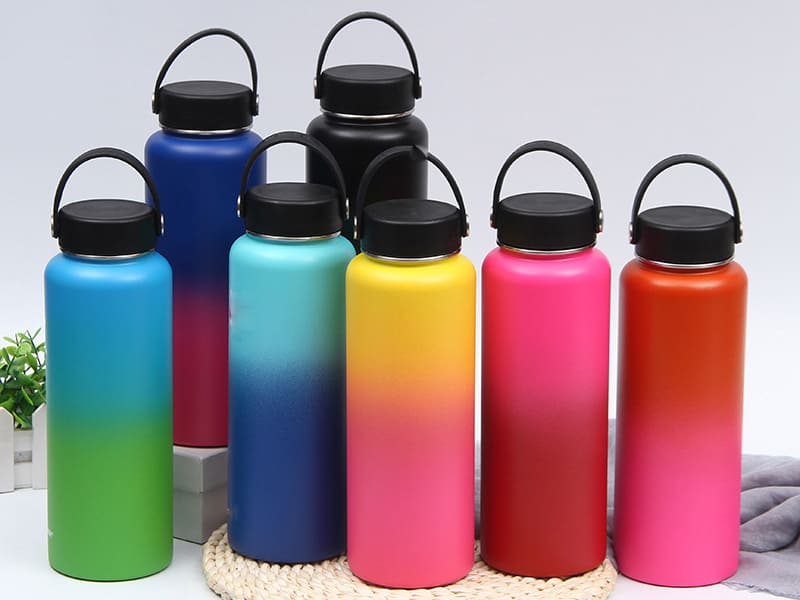
I want to show the exact thinking I use before I quote a bulk order. A bottle can look simple, but a pallet is really a cost map. If I ignore one carton edge, the buyer may pay for air. If I plan the two-pack early, I can protect the product and the landed cost. Keep reading, because the useful part is not a magic count, but the method behind the count.
How Many Water Bottles Fit on a Pallet?
A wrong pallet count can look small on paper, but it becomes painful when a container leaves with wasted space. I check the count before sampling.
For 40oz stainless steel two-packs, I usually plan 48 to 60 two-pack units on a standard pallet. The final count depends on the carton footprint, pallet size, bottle height, insert design, and the allowed stack height in the warehouse or container.
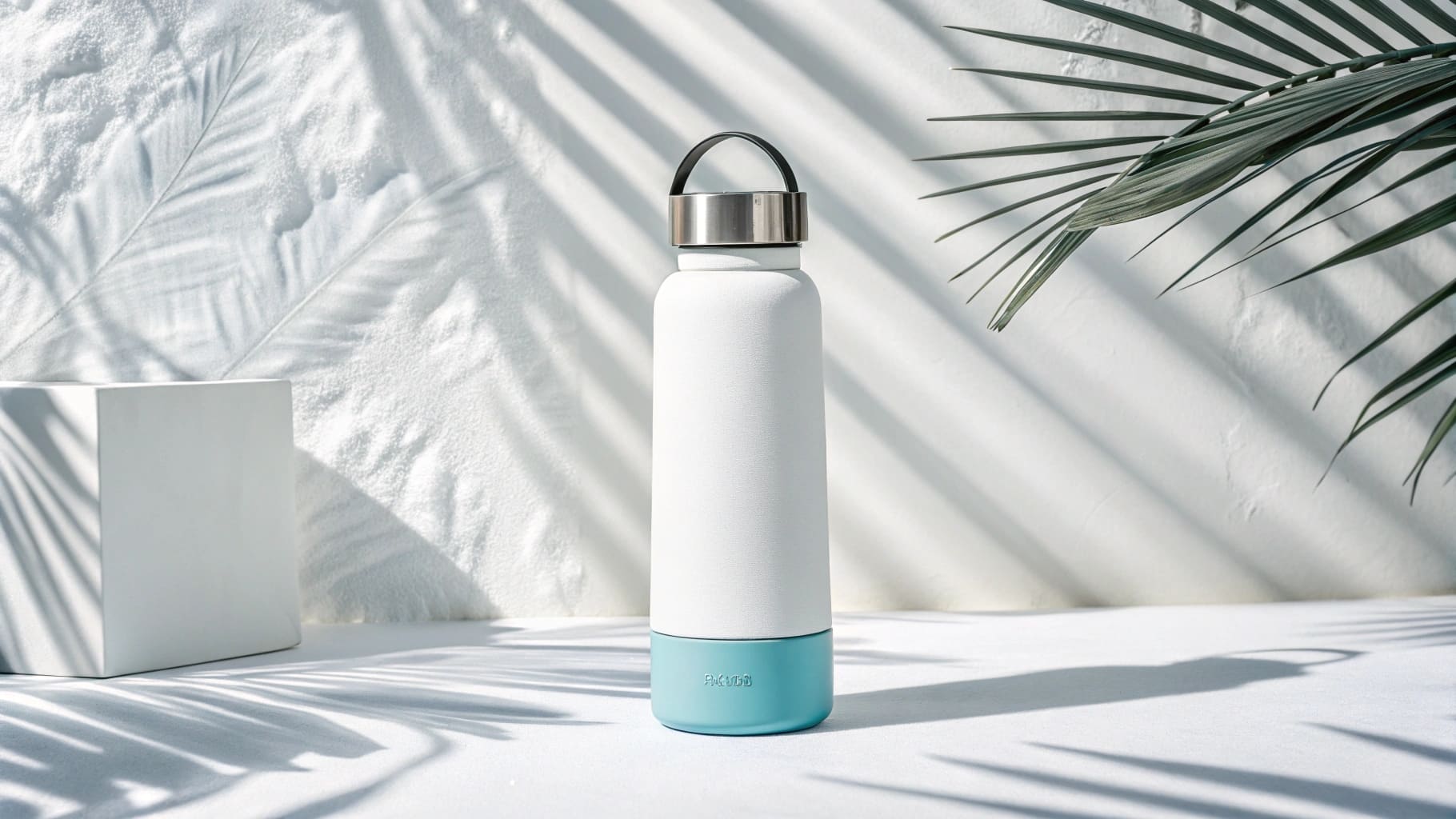
I start with the pallet standard
I do not start with the bottle alone. I start with the pallet that the buyer will use after arrival. In my work, North American buyers often use a 48 x 40 inch pallet. European buyers often ask for a 1200 x 800 mm pallet. These two sizes change the carton layout. A carton that works well in Canada may waste space in Europe.
| Item I check | North America plan | Europe plan | Why I care |
|---|---|---|---|
| Common pallet size | 48 x 40 inches | 1200 x 800 mm | I need the carton base to match the market |
| Common two-pack pallet count | 48 to 60 units | 42 to 56 units | I avoid weak overhang and bad stacking |
| Usual goal | High space use | Clean layer fit | I want stable layers, not only a high count |
I then check the carton layer
A 40oz stainless steel bottle is tall. A two-pack carton also needs space for paper inserts, a color box, a handle space, and shock protection. I prefer a neat layer count over a forced count. If I can place cartons in equal rows, I get better pallet strength. If I use partial layers, the pallet may lean during ocean freight2.
I once saw a buyer focus only on unit count. The carton had a nice price, but the pallet had gaps on each layer. The warehouse filled the space with extra wrap and corner boards. The unit price looked good, but the landed cost was not good. That is why I ask for the carton drawing before I confirm the pallet plan.
How Many 24 Pack Cases of Water Are on a Pallet?
It is easy to copy a retail water pallet count, but that can mislead a stainless steel bottle buyer. I separate these products first.
For common retail water, a pallet often holds about 60 to 84 cases of 24 bottles3, based on case size and height. I do not use that count for 40oz stainless steel bottles, because metal bottle cartons are taller, heavier, and need more protection.
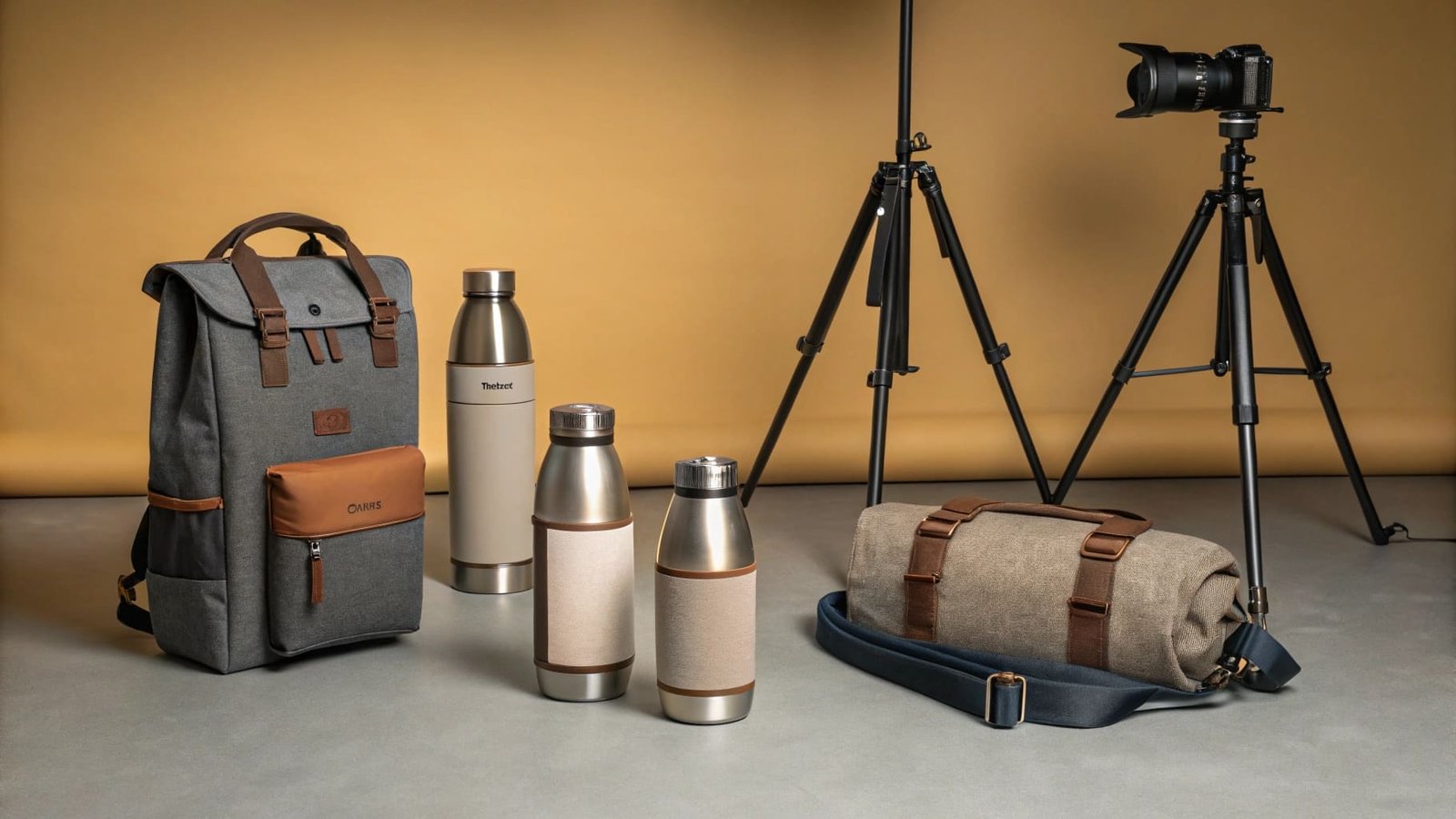
I use the 24-pack question as a reference only
I understand why many buyers ask this question. A 24-pack case of water is a familiar retail unit. It is easy to picture. It also has a known warehouse rhythm. But a 40oz stainless steel bottle is not a disposable water bottle. The product has a painted surface, vacuum insulation4, lid parts, and sometimes a custom logo. The carton must protect the finish and the shape.
| Product type I compare | Common pack style | Main pallet risk | My planning view |
|---|---|---|---|
| Retail water case | 24 bottles per case | Case crush and water leakage | I focus on high volume and fast handling |
| 40oz stainless two-pack | 2 bottles per carton or inner pack | Dent, scratch, lid damage, carton shift | I balance density with protection |
| Custom logo order | Mixed color or mixed logo cartons | Sorting error and slow inspection | I leave clear labels and clean pallet records |
I do not chase the highest count blindly
A 24-pack case count can be high because the bottles are light and the cases are made for fast retail movement. Stainless steel bottles need a different mindset. I care about carton strength, surface protection, and batch control. If the pallet is too dense, the lower cartons may deform. If the lower cartons deform, the buyer may see scratches, oval bodies, or damaged gift boxes.
For wholesale orders, I also need to think about rebranding. A Canadian distributor may receive the goods, add labels, split pallets, and ship to local stores or online warehouses. If my pallet is too mixed or too hard to identify, the buyer loses time in the warehouse. A clean two-pack plan can help. It reduces loose handling. It also gives the buyer a simple sellable pack. I see this as one reason the two-pack setup will be more useful in 2026.
How to Calculate Pallet Load Capacity?
A pallet that is too heavy can stop a shipment, and a pallet that is too light can waste freight. I calculate before production.
I calculate pallet load capacity by checking pallet rating, carton weight, layer count, stack height, and handling limits. I then compare total gross weight with warehouse rules, container limits, and product protection needs before I approve the pallet plan.
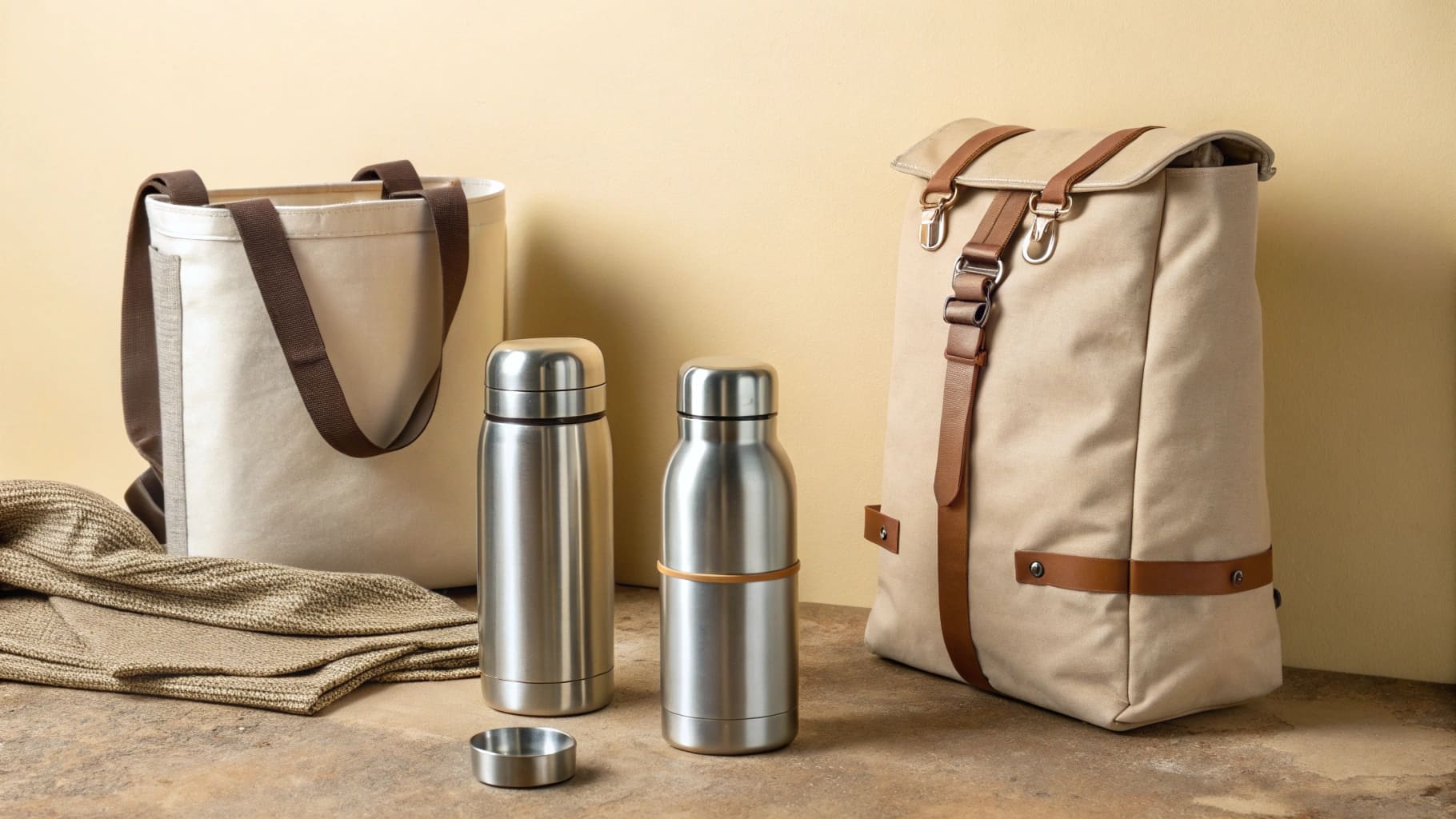
I use a simple working formula
I keep the calculation simple because simple checks reduce mistakes. I first confirm the gross weight of one two-pack carton. This includes the bottles, lids, color boxes, inserts, master carton, labels, and any accessories. A 40oz double-wall stainless steel bottle often weighs about 350 to 420 g5 before packaging. The finished two-pack carton is much heavier after all parts are added.
| Step I check | What I measure | Why it matters |
|---|---|---|
| Carton gross weight | Weight of one packed two-pack carton | I need the true pallet weight |
| Cartons per layer | Cartons that fit on one pallet layer | I need a stable layout |
| Number of layers | Allowed layers before height limit | I need to fit warehouse and container rules |
| Pallet and wrap weight | Pallet, film, corner board, strap | I need the full shipping weight |
| Handling limit | Forklift and 3PL rule | I need safe movement after arrival |
My basic formula is clear. Total pallet weight equals carton gross weight times carton count, plus pallet and packing material weight. I then compare that total with the target range. Many modern warehouses prefer pallet loads around 800 to 1200 lbs because the load can move well with normal systems. For many 40oz two-pack plans, I like seeing the final pallet around 950 to 1050 lbs. This range is often dense enough, but it is not extreme.
I check height before I check ego
I do not feel proud when a pallet looks full but fails in transport. I feel proud when the pallet arrives square, clean, and easy to inspect. Height matters here. A high stack may look efficient in a photo, but it can lean inside a container. It can also hit the warehouse height limit. If the carton surface is glossy or smooth, the stack may slide more easily. I may add anti-slip sheets or stronger corner boards.
I also think about inspection. A buyer who worries about certificate fraud and late shipments needs clear batch labels, clean carton marks, and easy sampling. If the pallet is packed too tight, inspection becomes slow. Slow inspection can delay release. Delayed release can hurt the peak season. So I do not treat load capacity as only a weight number. I treat it as a balance between cost, safety, speed, and trust.
Conclusion
For 2026, I see 40oz two-packs as efficient when I design carton count, pallet fit, weight, and inspection flow together.
-
"Transportation Producer Price Index – July 2025", https://www.bts.gov/newsroom/transportation-producer-price-index-july-2025. Industry reports document recent freight cost increases driven by fuel prices, capacity constraints, and global trade dynamics, though rates vary by mode, route, and seasonal factors. Evidence role: statistic; source type: research. Supports: freight transportation costs have shown upward trends. Scope note: Support is for general freight cost trends rather than specific 2025-2026 projections or bottle shipping costs ↩
-
"46 CFR Part 170 -- Stability Requirements for All Inspected ...", https://www.ecfr.gov/current/title-46/chapter-I/subchapter-S/part-170. International shipping guidelines address cargo securing requirements to mitigate load shifting from vessel motion, including pitch, roll, and acceleration forces experienced during ocean transport. Evidence role: general_support; source type: institution. Supports: cargo stability challenges during maritime transport. Scope note: General shipping stability principles rather than specific pallet lean statistics ↩
-
"21 CFR Part 129 -- Processing and Bottling of Bottled Drinking Water", https://www.ecfr.gov/current/title-21/chapter-I/subchapter-B/part-129. Beverage industry distribution practices show that pallet configurations for retail water cases vary based on case dimensions, weight limits, and retailer specifications. Evidence role: general_support; source type: other. Supports: typical pallet loading for retail bottled water cases. Scope note: General beverage distribution patterns rather than specific 60-84 case range validation ↩
-
"Vacuum flask", https://en.wikipedia.org/wiki/Vacuum_flask. Vacuum insulation operates by creating a near-vacuum space between two walls, which minimizes heat transfer through conduction and convection, leaving only minimal radiation-based heat exchange. Evidence role: mechanism; source type: encyclopedia. Supports: how vacuum insulation provides thermal retention. ↩
-
"40oz Icon™ Water Bottle With Screw Top", https://thermos.com/products/icon-water-bottle-with-screw-top-40oz?srsltid=AfmBOop9PKyEWVvQZg8m0M0jQwiAfPcD8_MVl7sdBX-UZmoVeNhVog8S. Stainless steel vacuum-insulated bottles in the 40oz capacity range typically incorporate 18/8 food-grade steel with weights influenced by wall thickness, insulation design, and lid components. Evidence role: general_support; source type: other. Supports: typical weight range for stainless steel insulated bottles. Scope note: General product characteristics rather than verified industry weight standards for this specific capacity ↩