
Are Mug-Tumbler Lids Cross-Compatible? Threads, Flow Rate, and Seal Options
You ordered 500 replacement lids. They arrived on time. Then you found out none of them fit your tumblers. That is a costly mistake. It happens more than you think.
Mug-tumbler lids are not universally cross-compatible.1 Some manufacturers use semi-standard thread sizes like 63mm or 73mm openings, but true universal fit is rare. Most brands use proprietary thread designs on purpose. Always verify thread diameter, pitch, and seal type before ordering replacement lids or building a multi-SKU catalog.
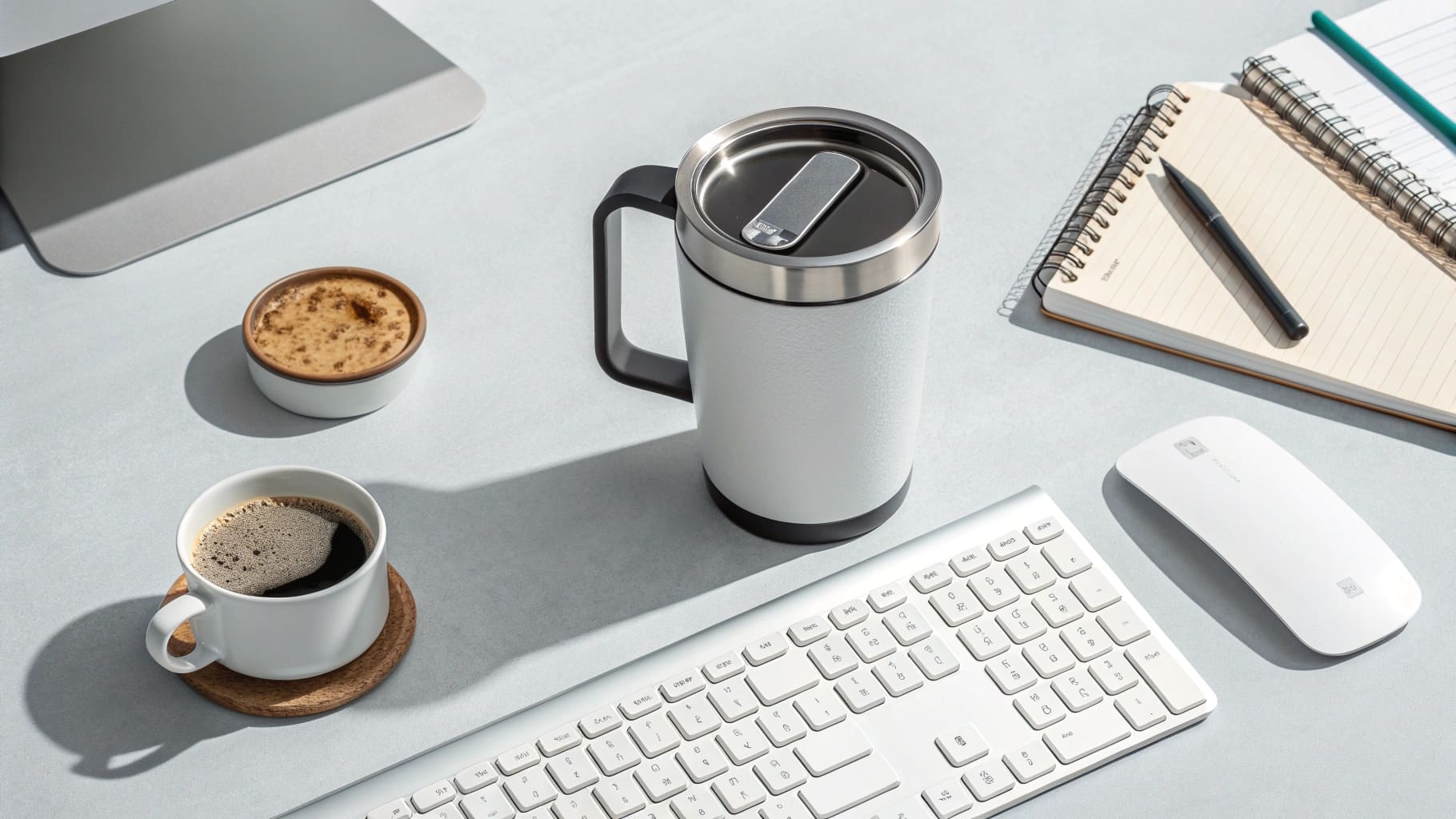
Lid compatibility sounds like a small detail. It is not. A wrong lid means leaks, returns, and unhappy end customers. If you manage a drinkware product line, this is one of the first things you need to understand. Let me break it down for you.
Are All Tumbler Lids the Same Size?
You assume lids are interchangeable because they look similar. They are not. One wrong millimeter in thread diameter and you have a lid that either falls off or strips the thread permanently.
Tumbler lids are not the same size. Common thread openings include 63mm, 73mm, and 89mm, but thread pitch and seal design vary by brand. A lid that fits one 73mm tumbler may not seal properly on another 73mm tumbler from a different factory.2
Why Manufacturers Avoid Standardization
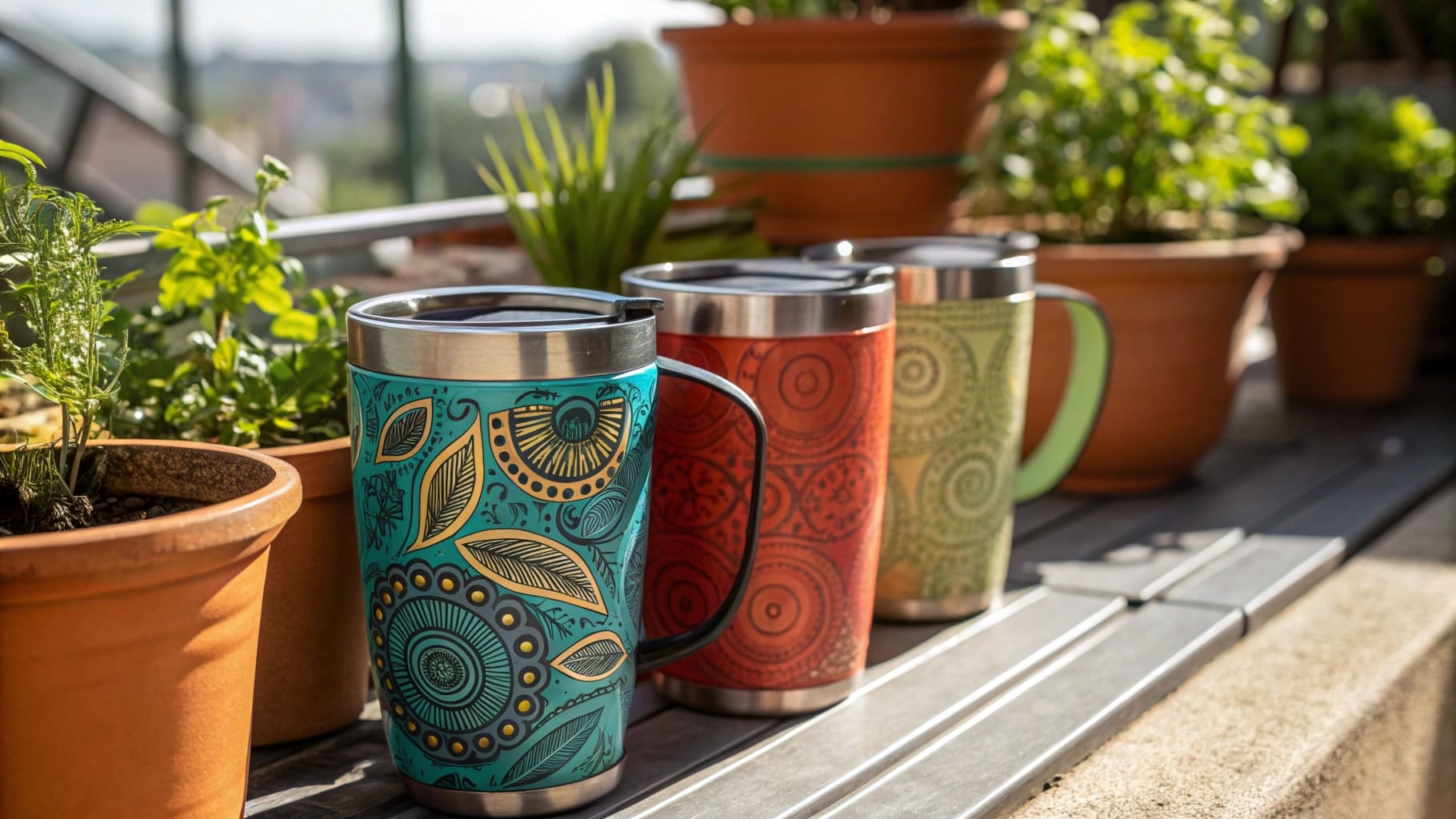
Most manufacturers design proprietary lids on purpose.3 A unique lid design keeps customers coming back to the same brand for replacements. It also makes it harder for competitors to copy the full product. This is a business decision, not an engineering one.
For you as a B2B buyer, this creates a real problem when you manage multiple SKUs from different factories. You cannot assume that two tumblers with the same opening diameter will accept the same lid.
The Three Measurements That Actually Matter
When you source lids, you need three numbers from your supplier. Without all three, you are guessing.
| Measurement | What It Means | Why It Matters |
|---|---|---|
| Thread Outer Diameter | The widest point of the thread | Determines basic fit |
| Thread Pitch | Distance between thread ridges | Affects how tightly the lid locks |
| Seal Groove Depth | Depth of the silicone gasket channel | Controls leak resistance |
One factory I work with uses a 73mm outer diameter but a non-standard thread pitch. Their lids fit physically onto competitor tumblers but do not seal. That gap gets buyers into trouble because a basic measurement check passes but a leak test fails.
What to Ask Your Supplier Before You Order
Before you commit to a lid order, ask your supplier for a physical sample and a technical drawing. A technical drawing will show you all three measurements. A sample lets you test fit and seal on your existing tumblers. If a supplier cannot provide a technical drawing, that is a warning sign. Reputable factories have this documentation ready.
What Are Coffee Cup Lids Made Of?
You read the spec sheet and it says "plastic lid." That tells you nothing. The material affects safety certifications, durability, feel, and the price your customer is willing to pay.
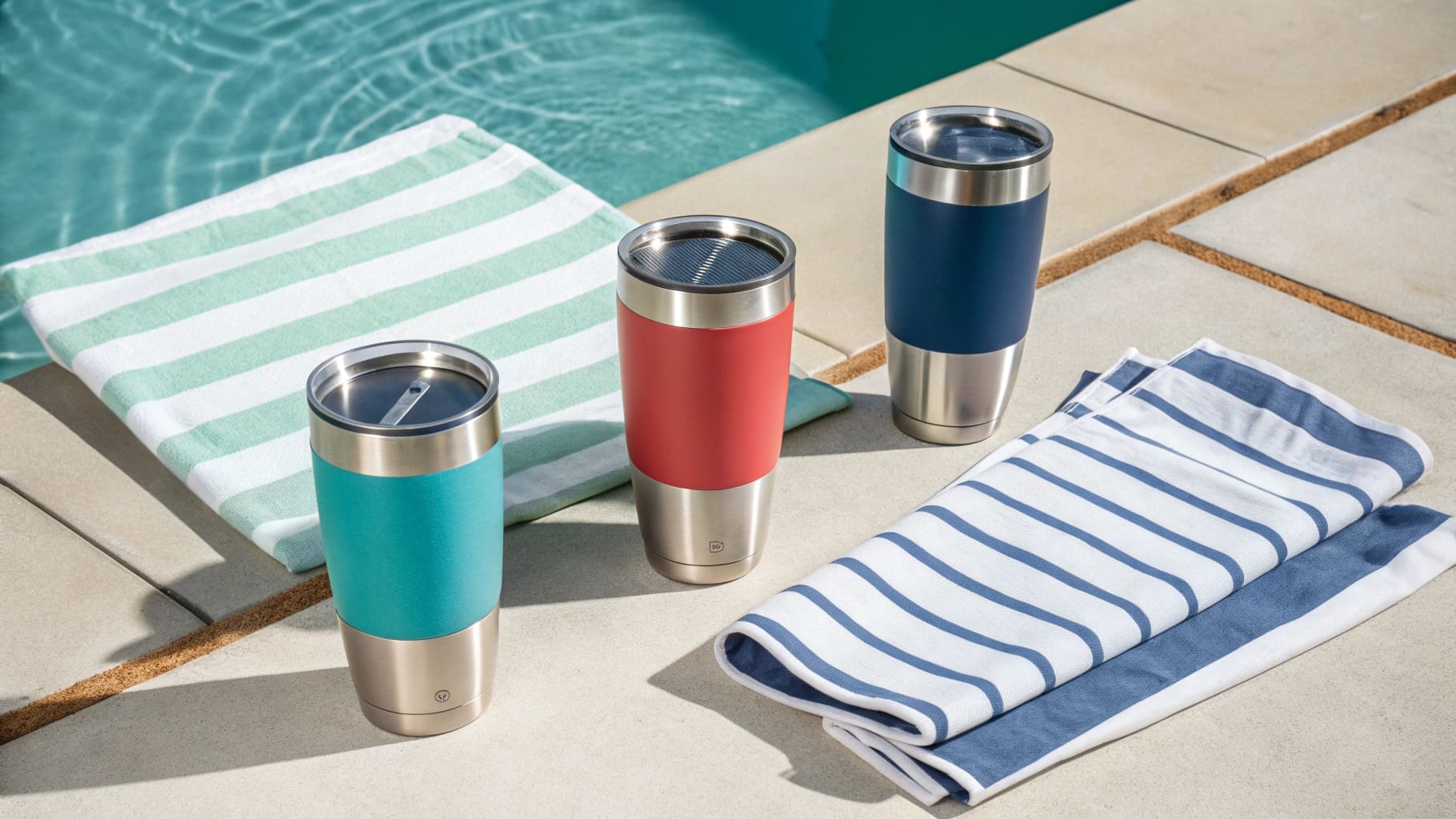
Coffee cup lids are most commonly made from polypropylene (PP), Tritan copolyester, or a combination of PP body with food-grade silicone gaskets. High-end lids sometimes include stainless steel elements. Each material has different heat resistance, chemical safety profiles, and certification requirements.
Breaking Down the Most Common Lid Materials
The drinkware market has moved far beyond basic PP lids. B2B buyers sourcing for premium retail channels or corporate gifting programs need to understand what each material offers and what it costs.
Polypropylene (PP)
PP is the most common lid material. It is lightweight, cheap to mold, and handles temperatures up to around 100°C. It is BPA-free and easy to source with FDA and EU food contact certifications. The downside is that PP can crack under repeated stress and does not feel premium in the hand. For budget-tier or mid-range products, PP is the standard choice.
Tritan Copolyester
Tritan is a step up from PP. It is clearer, more impact-resistant, and carries BPA-free and BPS-free certifications4, which matter a lot in the North American and European markets right now. End consumers increasingly read labels and check certifications. If your customer sells to health-conscious buyers, Tritan lids justify a higher price point and reduce return rates from complaints about taste or odor.
Silicone Gaskets and Multi-Component Lids
Most leak-proof lids use a PP or Tritan body with a food-grade silicone gasket pressed into a groove.5 The silicone creates the actual seal. This multi-component design is the current standard for quality drinkware. Silicone is flexible, heat-resistant, and odor-free. It also needs to meet certifications separately from the body material. When you request certifications from a factory, ask for the body and gasket certificates as separate documents.
Flow Rate and Drinking Mechanism Options
Lid material is only part of the decision. The drinking mechanism controls the user experience and affects your product positioning.
| Mechanism Type | Best For | Flow Rate | Leak Risk |
|---|---|---|---|
| Slider Opening | Hot drinks, adults | Controlled | Low when closed |
| Push-Button Release | On-the-go users | Fast | Medium if button wears |
| Straw-Compatible Port | Cold drinks, fitness market | Variable | Low with stopper |
| Screw-Top Only | Simple, budget products | Open pour | Lowest when sealed |
For corporate gifting or premium retail, slider and push-button lids perform best. They look polished and reduce spills in office settings. For sports or outdoor markets, straw-compatible lids are more practical. Match the mechanism to your end customer's daily use case, not just the price tier.
How to Tell If a Mug Is Ceramic or Porcelain?
You get a sample shipment. The invoice says "ceramic mug." But the weight, the finish, and the sound when you tap it do not feel right. You are not sure what you received. This matters for what you can claim on the label and what price you can charge.
Ceramic mugs feel slightly warmer to the touch, show a coarser texture under a magnifying glass, and produce a dull thud when tapped. Porcelain is denser, smoother, and rings with a higher-pitched sound when tapped. Porcelain is also heavier for the same size and chips differently than ceramic.
Why This Distinction Affects Your B2B Sourcing
This is not just a labeling issue. Ceramic and porcelain behave differently in real use. If you make the wrong claim on your product packaging or to your retail buyer, you face returns and potential compliance issues. Knowing the difference lets you check your supplier's work before the shipment leaves the factory.
Thermal Performance
Porcelain has lower porosity than ceramic. This means it retains heat slightly better and is less likely to absorb stains or odors over time. If a customer wants a mug for hot beverages and cares about temperature retention, porcelain performs better. Ceramic, especially earthenware-type ceramic, loses heat faster.
Dishwasher and Daily Use Durability
Porcelain handles repeated dishwasher cycles better than most standard ceramics.6 Its denser structure resists chipping and crazing (the small surface cracks that develop in glazed ceramic over time). For corporate gifting or office supply programs where mugs will be washed hundreds of times, this durability difference affects your reputation with the end buyer.
Pricing and Product Positioning
| Property | Ceramic | Porcelain |
|---|---|---|
| Surface Texture | Slightly coarse | Smooth, glass-like |
| Weight (same size) | Lighter | Heavier |
| Heat Retention | Lower | Higher |
| Dishwasher Durability | Moderate | High |
| Price Tier | Budget to mid-range | Mid-range to premium |
| Sound When Tapped | Dull thud | Clear ring |
If you are building a comprehensive drinkware catalog that includes both stainless steel tumblers and mugs, knowing this distinction helps you position each product correctly. A porcelain mug belongs in a premium gift set. A standard ceramic mug belongs in a functional, everyday-use line. Mixing up the two in your catalog confuses your retail buyers and creates pricing inconsistencies.
A Simple Field Test You Can Do Right Now
You do not need lab equipment to check if a mug is ceramic or porcelain. Take the mug and tap the rim lightly with your fingernail. Porcelain rings clearly for a moment. Ceramic stops quickly with a flat sound. Then hold it in both hands. Porcelain feels noticeably smoother and slightly cooler because of its denser surface. Run a fingernail along an unglazed section of the base. Ceramic feels rough like very fine sandpaper. Porcelain feels almost glassy. These three checks take thirty seconds and will catch most mislabeling from suppliers.
Conclusion
Lid compatibility, material quality, and mug classification all affect your product performance and your brand reputation. Check the specs, request samples, and verify materials before you commit to any order.
-
"ISO 20848-3:2006(en), Packaging — Plastics drums — Part 3: Plug ...", https://www.iso.org/obp/ui/es/#iso:std:iso:20848:-3:ed-1:en. A source on closure engineering or packaging thread standards can support that screw closures depend on defined finish dimensions and tolerances rather than nominal opening size alone; this contextual evidence supports the claim that tumbler lids should not be assumed interchangeable. Evidence role: general_support; source type: institution. Supports: Mug-tumbler lids are not universally cross-compatible.. Scope note: The source may address threaded closures generally rather than consumer tumbler lids specifically. ↩
-
"[PDF] TABLE 3.5 Pitch diameter tolerances for external threads of special ...", https://nvlpubs.nist.gov/nistpubs/hb/1970/hb28-scan3.pdf. A technical source on threaded closures can show that nominal diameter alone is insufficient because pitch, thread form, tolerances, and sealing surfaces affect closure performance; this supports the possibility of non-sealing parts with the same nominal diameter. Evidence role: mechanism; source type: institution. Supports: A lid with the same nominal diameter may fail to seal if other thread or seal features differ.. Scope note: The evidence is likely general to threaded closures and does not prove the exact 73 mm tumbler example. ↩
-
"[PDF] When Do Proprietary Aftermarkets Benefit Consumers? - Utah Project", https://utahproject.utah.edu/research/glick_papers/paper4.pdf. A source on product design strategy, aftermarket lock-in, or proprietary interfaces can support the broader business practice of using proprietary components to control replacements and differentiation; it would provide contextual support for the claim about drinkware lids. Evidence role: historical_context; source type: paper. Supports: Manufacturers may use proprietary lid designs as a business strategy rather than for purely technical reasons.. Scope note: Such evidence may discuss proprietary design generally rather than surveying tumbler manufacturers. ↩
-
"Estrogenic chemicals often leach from BPA-free plastic products that ...", https://pmc.ncbi.nlm.nih.gov/articles/PMC4063249/. A materials or toxicology source on copolyester plastics can support that some Tritan-type copolyesters are marketed or tested as BPA-free and have optical clarity and impact-resistance properties; this supports the material comparison at a general level. Evidence role: general_support; source type: paper. Supports: Tritan copolyester can offer clarity, impact resistance, and absence of BPA/BPS relative to some alternative plastics.. Scope note: Tritan is a proprietary material, so neutral evidence may be limited; properties depend on the specific grade and test method. ↩
-
"O-ring - Wikipedia", https://en.wikipedia.org/wiki/O-ring. A source on gasketed closure design can support that elastomeric gaskets seated in grooves are commonly used to create seals between rigid components, explaining the mechanism described for leak-resistant lids. Evidence role: mechanism; source type: education. Supports: Leak-resistant lids commonly rely on a rigid body plus an elastomer gasket seated in a groove to form a seal.. Scope note: The source may address sealing design broadly rather than quantify how many tumbler lids use this construction. ↩
-
"Ceramic Dinnerware Texture: A Guide to Porosity - malacasa", https://malacasa.com/blogs/journal/ceramic-dinnerware-texture-and-porosity?srsltid=AfmBOop_So-BReG6PGXLu8NaexsZyF0PfOEEuxhiKI9wiIf03DpnSTNE. A ceramics or materials source can support that vitrified, low-porosity ceramic bodies such as porcelain generally resist water absorption, staining, and glaze deterioration better than more porous earthenware; this provides context for dishwasher durability claims. Evidence role: general_support; source type: education. Supports: Porcelain’s low-porosity vitrified structure can contribute to better durability in repeated washing than more porous ceramic ware.. Scope note: Dishwasher durability also depends on glaze formulation, firing quality, decoration method, and thermal shock resistance, so porcelain is not automatically superior in every product. ↩
