
Are Amazon Bestseller Specs Realistic for OEM Water Bottles at Scale in 2026?
Suppliers promise Amazon-level quality. But can they actually deliver it at scale? I have seen too many buyers get burned by this gap.
OEM water bottles can meet Amazon bestseller specs at scale in 2026, but only if your supplier uses automated welding, certified 304 or 316 stainless steel, and documented quality systems. Without these three things, consistency breaks down past 50,000 units per month.

The specs look great on paper. The samples pass every test. Then your first large shipment arrives, and things are different. I have watched this happen more times than I care to count. The difference between a supplier who can scale and one who cannot is not obvious at first. But the signs are there if you know where to look. This article will walk you through exactly what to check, what the market looks like heading into 2026, and how to protect your brand when you go big.
What Brand Makes the Best Water Bottles?
Most buyers ask this question and expect a brand name in return. But that answer will cost you money.
The best water bottle brand, for a B2B buyer in 2026, is the one that meets three things: certified food-safe stainless steel, proven thermal performance, and full supply chain documentation. Consumer brands like Hydro Flask and YETI are known for marketing, not just materials. You can match their specs privately.
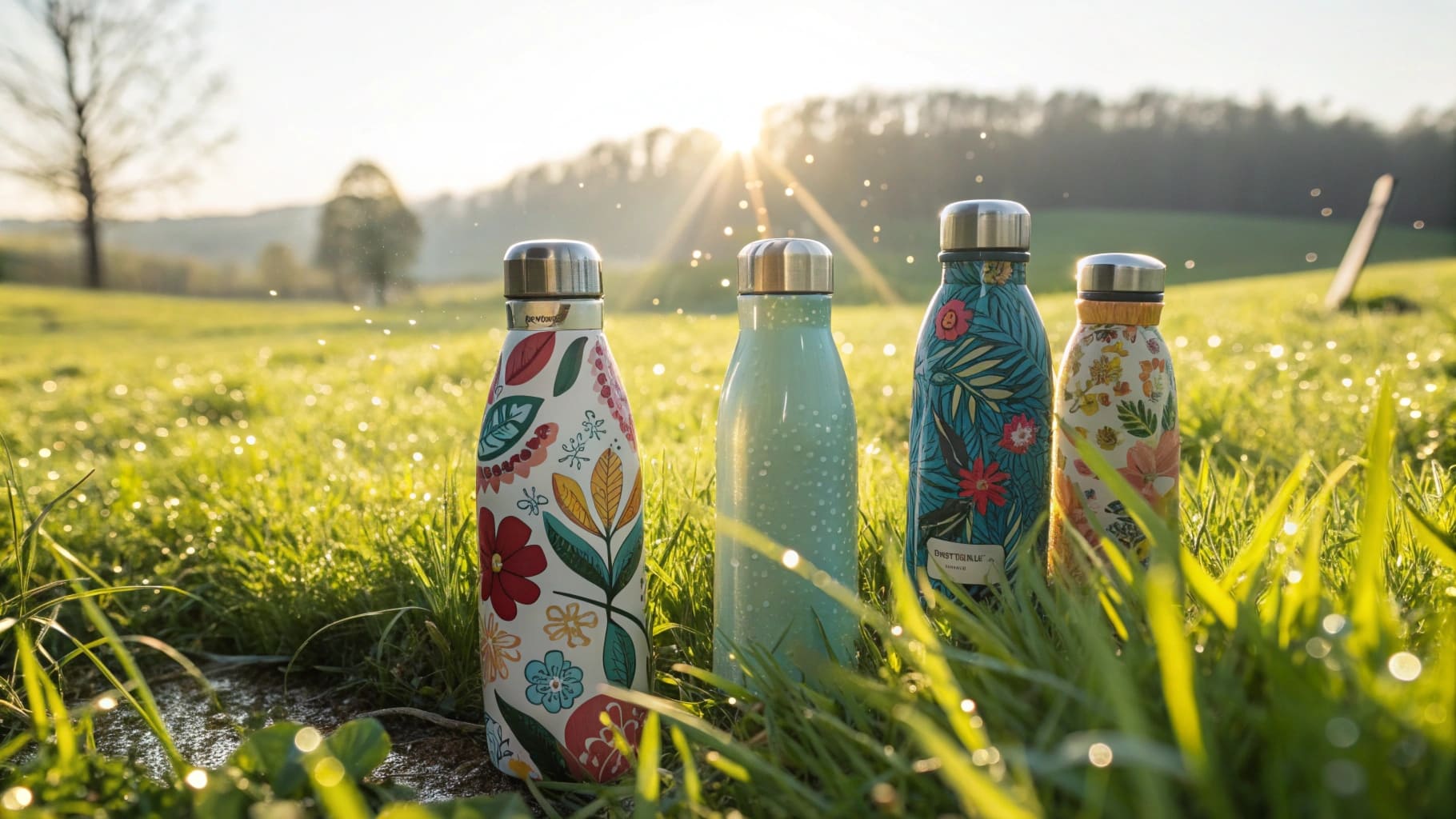
Why Consumer Brands Are Not Your Benchmark
Hydro Flask and YETI are retail brands. Their strength is marketing, community, and shelf presence. Your strength as a B2B buyer is different. You need a product that hits the same functional standard at a fraction of the retail cost, with your logo on it.
I work with manufacturers in China who now produce bottles that match or exceed these consumer brand specifications. The materials are the same. The testing standards are the same.1 The price is 40–60% lower. That gap is where your margin lives.
The "best" bottle in a B2B context is not about who made it. It is about what it is made of and whether that can be proven.
The Three Pillars That Define Quality in 2026
Here is how I break down the quality question for any buyer I speak with:
| Pillar | What It Means | What to Ask For |
|---|---|---|
| Material Safety | Food-grade stainless steel, no harmful coatings | Mill test certificate, FDA or LFGB report |
| Thermal Performance | Hot 12+ hours, cold 24+ hours | Third-party test report, not a spec sheet claim |
| Supply Chain Transparency | You know where the steel comes from | Traceability documents, factory audit report |
A bottle can look perfect and still fail on two of these three pillars. I have seen it happen. A buyer once came to me after receiving 20,000 units with no verifiable steel grade certificate. The bottles worked fine, but the retailer they supplied to rejected the shipment because there was no documentation. The product was not the problem. The paper trail was.
Private label opportunities are stronger right now than they have been in years. But the buyers who win are the ones who treat documentation as seriously as they treat the product itself.
What Is the Future Outlook for Plastic Water Bottles?
Plastic is not being phased out overnight. But the window for stainless steel is opening fast, and the buyers who move now will be in the best position.
By 2026, disposable plastic bottle sales in developed markets are expected to drop by 25–30%, driven by EU regulations and US state-level legislation. Stainless steel is taking share not just from plastic, but from aluminum and glass too.2 The reason is simple: it lasts longer and performs better.

Regulations Are Changing the Buying Decision
The EU Single-Use Plastics Directive is already in effect. California and several other US states are following with their own rules.3 These are not future concerns. They are current realities that are reshaping what buyers can and cannot sell to their retail customers.
I have spoken with procurement officers who did not realize that their current plastic SKUs may face import restrictions in certain European markets within the next 12 to 18 months. By the time those restrictions land, their lead times for switching to stainless steel alternatives will already be tight.
The Real Opportunity Is in the Premium Reusable Segment
This is where the money is moving:
| Bottle Category | Market Direction by 2026 | Key Driver |
|---|---|---|
| Single-use plastic | Declining, 25–30% drop in developed markets | Regulation and consumer pressure |
| Aluminum reusable | Flat to modest growth | Higher cost, less thermal performance |
| Glass reusable | Niche, fragility limits mass adoption | Weight and breakage |
| Stainless steel reusable | Strong growth, especially premium segment | Durability, thermal performance, recyclability |
The buyers who are placing OEM orders now, for 2026 delivery, are the ones who will have certified, branded stainless steel products ready when demand peaks. That planning window is real, and it is not as long as it looks.
One thing I always tell buyers in this position: make sure your OEM partner can provide BPA-free certification on all components, including lids and seals, not just the bottle body. End consumers and retailers are checking this now. It needs to be documented before your product hits the shelf.
How Do You Find Water Bottle Quality?
Most buyers rely on samples. Samples are a starting point, not a quality system.
Real quality verification in 2026 requires three layers: material certification, functional testing, and production audits. A good sample means nothing if the factory cannot reproduce it consistently at 10,000 or 100,000 units.
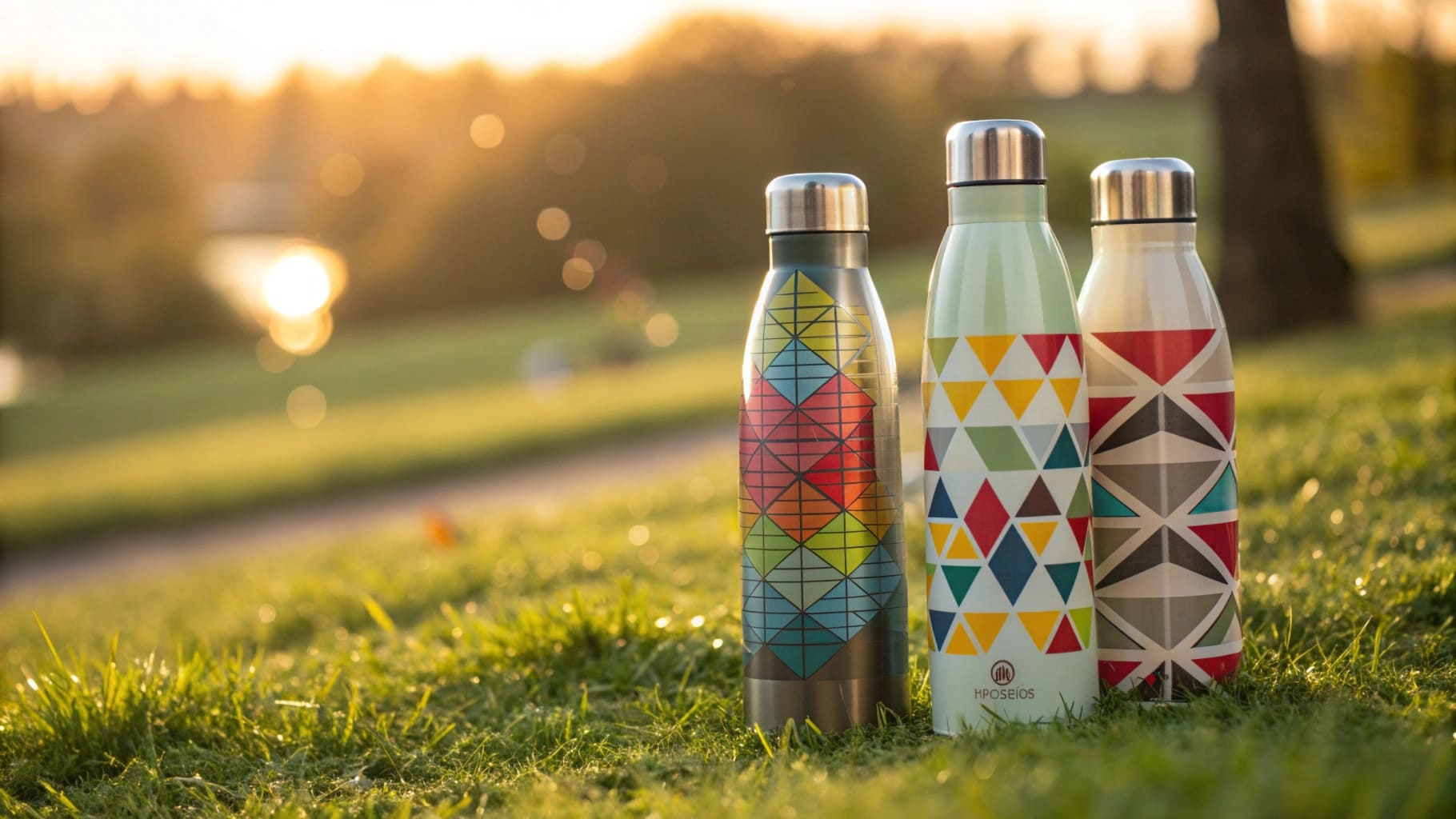
The Three Layers of Quality Verification
I use this framework with every supplier I evaluate. Each layer catches something the others miss.
Layer One: Material Certification
Ask for the mill test certificate for the stainless steel used. This document tells you the actual grade. The two grades that matter for food-safe bottles are 304 (also called 18-8) and 316. Do not accept a supplier's word on this. Send the certificate to a third-party lab like SGS or Intertek for verification. The cost is small. The protection it gives you is large.
Layer Two: Functional Testing
A quality vacuum-insulated bottle keeps liquids hot for 12 or more hours and cold for 24 or more hours.4 Ask for the test report that shows this was verified under standardized conditions. If the supplier sends you a spec sheet with these numbers but no test report, that is a problem. Claims are not the same as results.
Layer Three: Production Audit
This is the layer most buyers skip, and it is the one that matters most at scale. Factory certifications like BSCI, Sedex, and ISO 9001 are useful indicators. But a physical audit or a production line video tells you things a certificate cannot.
What Scale Production Actually Requires
This is the part that catches buyers off guard:
| Production Requirement | Why It Matters at Scale | What to Ask the Supplier |
|---|---|---|
| Automated welding systems | Manual welding cannot hold consistency above 20,000 units/month | Request production line video |
| Automated leak testing | Human inspection misses hairline leaks at volume | Ask for pass/fail rate data |
| Batch traceability | Defects need to be traced to a specific production run | Ask how they track batches |
| Monthly capacity ceiling | Overcommitted factories cut corners under pressure | Ask for current capacity utilization |
A supplier telling you they can hit Amazon bestseller specs at 100,000 units per month, but whose production line relies on manual inspection, is not telling you the whole truth. They may deliver the first order well. The third and fourth order is where problems start.
I once visited a factory that showed impressive sample quality and strong certifications. When I asked to see the production floor, the leak testing station had two workers using a bucket of water and their eyes. That is not a quality system. That is a bottleneck waiting to happen.
Smart buyers in 2026 are asking for production line videos before they sign contracts. They are asking for monthly capacity reports. They are building supplier relationships with factories that have invested in the equipment needed to sustain what they promise.
Conclusion
Meeting Amazon specs at OEM scale is possible in 2026, but only with certified materials, functional test reports, and suppliers who have invested in automated production systems.
-
"Food Packaging & Other Substances that Come in Contact with Food", https://www.fda.gov/food/food-ingredients-packaging/food-packaging-other-substances-come-contact-food-information-consumers. Food-contact and consumer-product standards can be applied to private-label goods as well as branded goods, provided the same materials, test methods, and compliance documentation are used. Evidence role: general_support; source type: institution. Supports: Private-label water bottles can be built and tested to the same material and testing standards used for branded retail products.. Scope note: A standards source can show that equivalent specifications are possible, but it cannot prove that any unnamed private-label manufacturer matches Hydro Flask or YETI products. ↩
-
"Steel, Glass, and/or Plastic Bottles: What is the best choice?", https://www.canr.msu.edu/news/steel_glass_and_or_plastic_bottles_what_is_the_best_choice. Reusable-drinkware market reports or life-cycle studies can show growth in stainless-steel reusable bottles relative to other bottle materials, particularly where durability and insulation are valued. Evidence role: statistic; source type: research. Supports: Stainless-steel reusable bottles are gaining market share relative to other bottle materials.. Scope note: Market-share evidence must be category- and region-specific; general reusable-bottle growth would not prove displacement from aluminum and glass directly. ↩
-
"Plastic Bag Waste Reduction - NYSDEC", https://dec.ny.gov/environmental-protection/recycling-composting/plastic-bag-waste-reduction. State legislative and environmental-agency sources document that California and other U.S. states have enacted laws addressing single-use plastics, packaging reduction, recycled content, or producer responsibility. Evidence role: historical_context; source type: government. Supports: U.S. state-level plastic and packaging laws are expanding and can affect bottle procurement decisions.. Scope note: State rules differ substantially in scope and timing, so the source should not be used to imply a uniform national restriction. ↩
-
"D3103 Standard Test Method for Thermal Insulation Performance of ...", https://www.astm.org/d3103-20.html. Thermal-performance testing standards for insulated containers define controlled test methods for evaluating heat retention and cold retention over time. Evidence role: mechanism; source type: institution. Supports: Thermal-performance claims for vacuum-insulated bottles should be supported by standardized heat-retention and cold-retention testing.. Scope note: A standards source can validate how thermal retention should be tested, but the 12-hour hot and 24-hour cold benchmarks require product-specific test results. ↩
