
Are Stainless Steel Cup Sets the Right Choice for Schools?
Glass breaks. A broken bottle in a school cafeteria is not just a mess. It is a safety emergency. Schools need something better.
Stainless steel cup sets are the most practical option for schools today1. They are durable, safe for daily use, and easy to source in bulk. The right pack count and pallet configuration can also bring your per-unit cost down significantly.
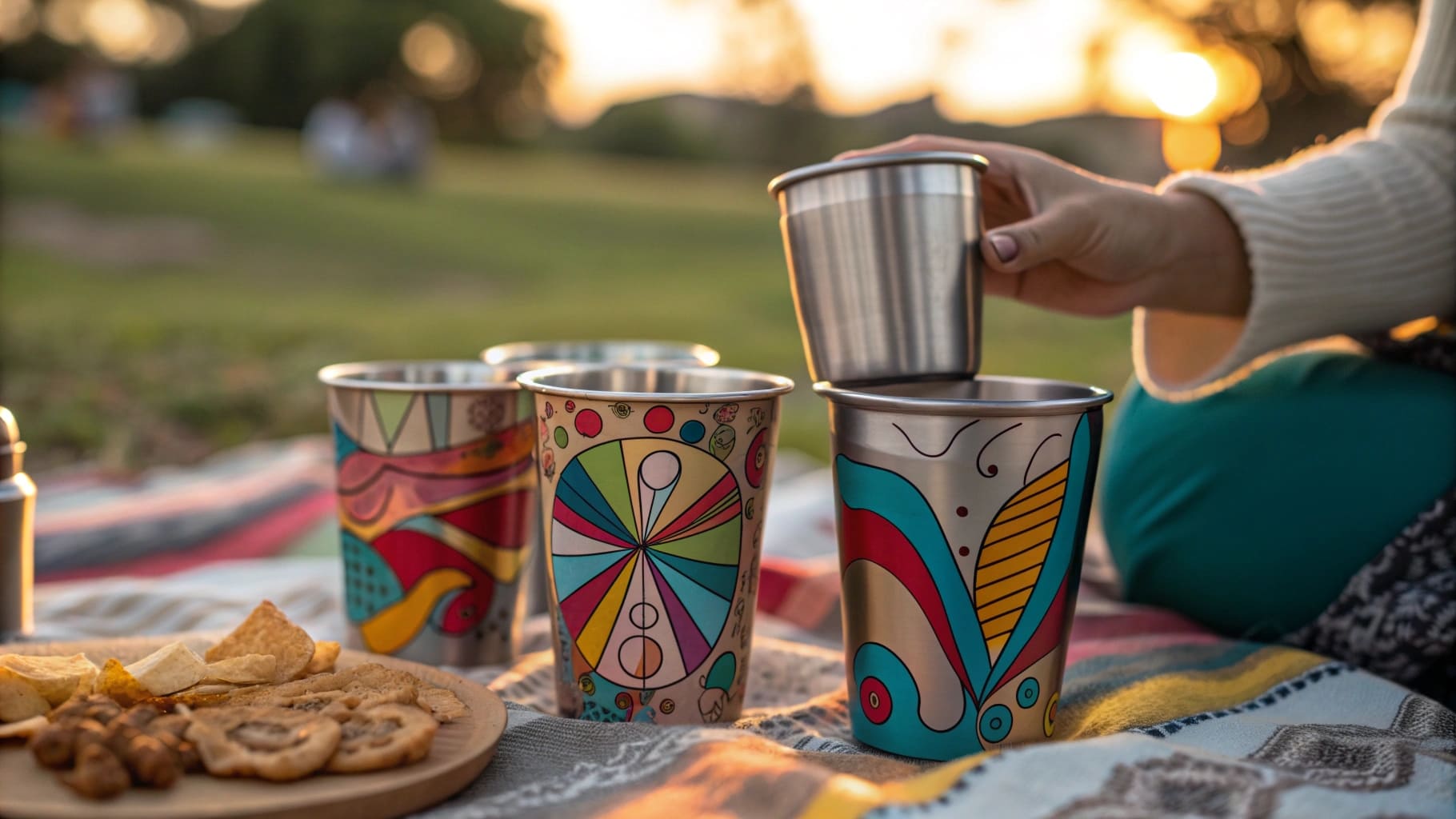
Schools have been moving away from glass for years now. The reasons are straightforward. But before you place a bulk order, you need to understand how stainless steel cup sets are packaged, what limitations the material has, and which foods you should never store in them. I will walk you through all of it.
Why Do We No Longer Use Glass Bottles?
You work in procurement. You know what a liability claim costs. Now imagine one happening every week because a student dropped a glass bottle.
Schools have moved away from glass bottles because glass breaks2. In a high-traffic environment full of young students, that is a serious problem. Broken glass causes injuries, increases cleaning costs, and creates legal exposure for the institution. Stainless steel handles daily drops without creating a safety hazard.
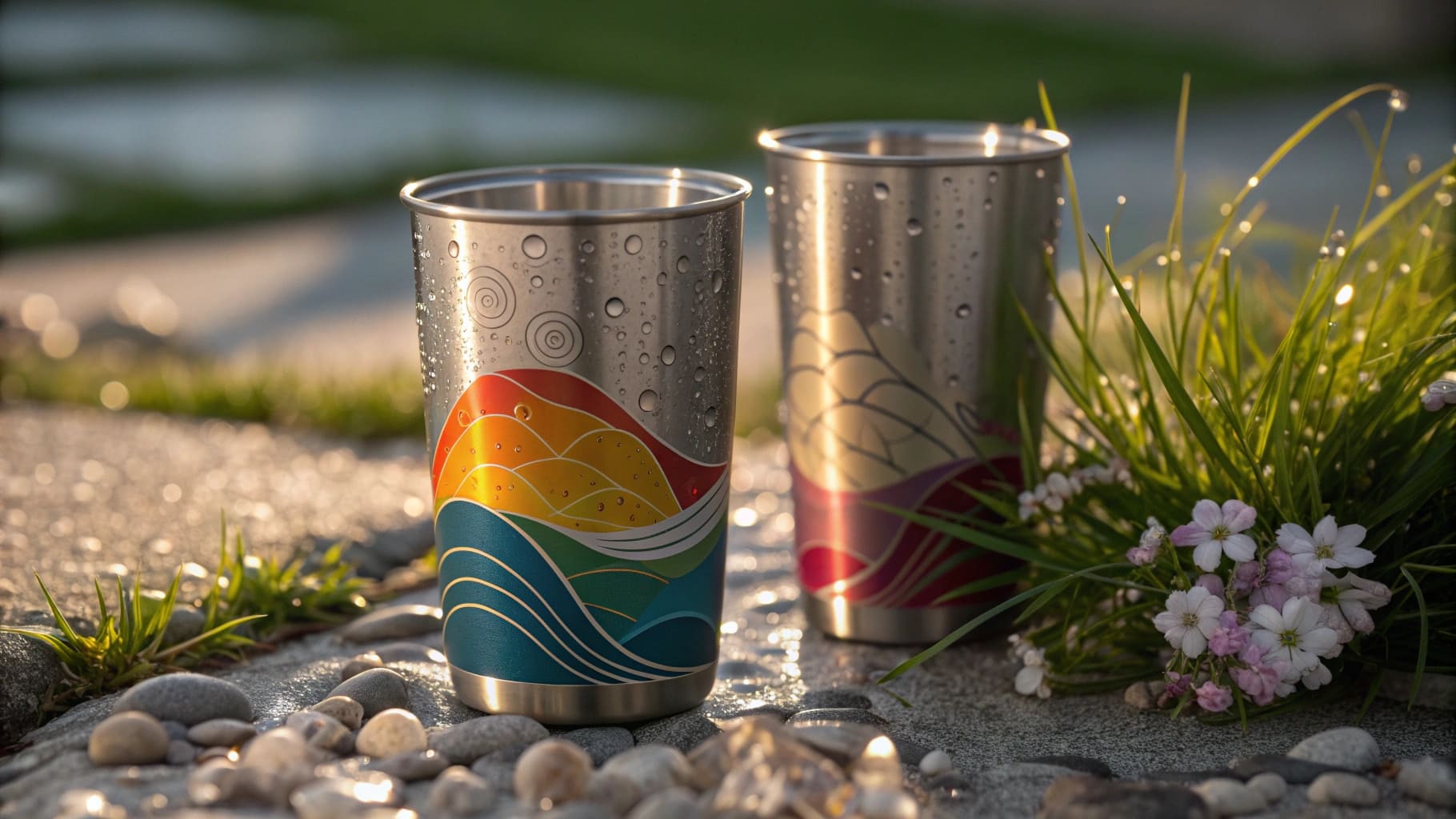
The shift away from glass in schools was not a trend. It was a practical decision driven by real operational problems.
Glass bottles work fine in a controlled setting. A lab. A restaurant. A home kitchen. But a school cafeteria is none of those things. Students move fast. They drop things. They stack things incorrectly. They leave bottles in backpacks where they get crushed.
Here is a simple comparison of glass versus stainless steel in a school environment:
| Factor | Glass | Stainless Steel |
|---|---|---|
| Breakage Risk | High | Very Low |
| Injury Risk from Breakage | High | Minimal |
| Weight | Heavy | Lighter |
| Durability Over Time | Low | High |
| Maintenance Cost | High | Low |
| Customizable with Logo | Limited | Yes |
I have spoken with procurement officers from large school districts. The conversation always comes back to the same point. Glass looks clean and professional on paper. But the first time a crate of glass bottles gets dropped during delivery, the math changes immediately.
Stainless steel survives drops. It survives being thrown into a backpack. It survives a full school year of rough handling by kids who are not thinking about protecting their drinkware. For schools ordering in volume, that durability translates directly into a lower total cost of ownership over time.
What Is the Downside of Stainless Steel?
Stainless steel sounds perfect so far. But every material has trade-offs. Ignoring them will cost you later.
The main downsides of stainless steel cups are higher upfront cost compared to plastic, the risk of denting with rough handling, and heat retention that requires double-wall construction for hot drinks. These are real considerations for bulk buyers who need to balance performance with budget.

I want to be direct with you here. Stainless steel is not a perfect material. It is the best available option for schools, but that does not mean it is without limitations. Smart procurement means knowing what those limitations are before you commit to a large order.
Let me break this down clearly:
Upfront Cost
Stainless steel costs more per unit than plastic at the point of purchase. If you are managing a tight budget and comparing price tags alone, plastic looks attractive. But plastic degrades faster. It scratches, stains, and absorbs odors over time. Schools end up replacing plastic cups far more often. When you calculate the total cost over three to five years, stainless steel almost always wins.
Denting
Single-wall stainless steel cups can dent if they are handled roughly or dropped from a height onto a hard surface3. Dents do not affect function, but they do affect appearance. For school branded merchandise, that matters. Double-wall construction adds rigidity and reduces the chance of visible denting. For school orders, I recommend always specifying double-wall cups.
Heat Retention
Stainless steel holds heat well. That is a feature for coffee mugs. For a young child drinking hot cocoa at lunch, it is a safety concern. Single-wall stainless cups transfer heat to the outer surface quickly4. Double-wall insulated cups solve this problem. Always confirm insulation type before ordering for school use.
Here is a quick summary of the key downsides and how to handle them in a school procurement context:
| Downside | Risk Level for Schools | Solution |
|---|---|---|
| Higher upfront cost | Medium | Calculate 3-year total cost, not unit price |
| Denting | Low to Medium | Specify double-wall construction |
| Heat retention on surface | Medium | Use double-wall insulated design |
| Material grade variation | High | Require food-grade 304 or 316 stainless steel |
The material grade point is critical. I will cover it in more detail in the next section. But understand this now: not all stainless steel is the same. The grade of steel matters, especially when you are sourcing from overseas suppliers at competitive price points.
What Food Should Not Go in Stainless Steel?
You approved the order. The cups shipped. Now a parent is complaining the juice tastes metallic. What happened?
Certain acidic foods and beverages can react with lower-grade stainless steel over time5. This causes a metallic taste and can lead to surface pitting. For school use, food-grade 304 or 316 stainless steel is required to prevent this reaction and ensure the cups remain safe across years of daily use.
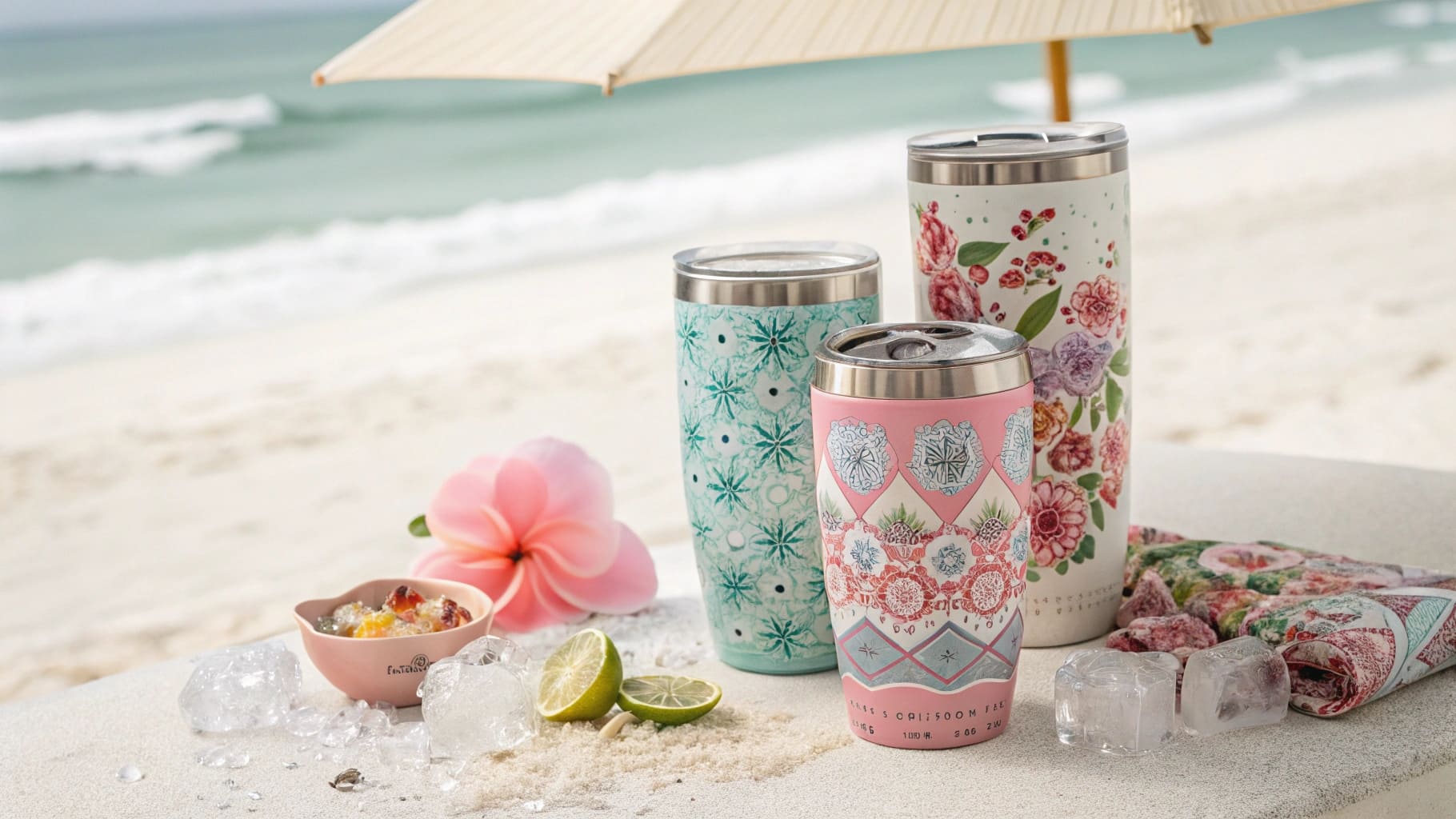
This is the detail that separates experienced procurement officers from buyers who are still learning. The problem is not stainless steel as a category. The problem is stainless steel that is not the right grade for food contact applications.
Here are the foods and beverages you should watch out for:
Acidic Beverages
Citrus juices, lemonade, and sports drinks are highly acidic. In lower-grade stainless steel, prolonged contact with these liquids can cause a slow chemical reaction. The result is a metallic taste that students will notice immediately. Over time, repeated exposure can cause pitting on the interior surface of the cup.
Tomato-Based Products
Tomato juice and tomato soup are common in school lunch programs. These are acidic and should not be stored long-term in anything lower than food-grade 304 stainless steel.
Salty Foods
High-sodium foods stored directly in stainless steel containers over long periods can also cause surface reactions in lower grades of steel. This is less common with cups than with food storage containers, but it is worth knowing.
Here is a clear breakdown of stainless steel grades relevant to school procurement:
| Grade | Food Safe | Acid Resistant | Recommended for Schools |
|---|---|---|---|
| 201 Stainless Steel | No | No | Not recommended |
| 304 Stainless Steel | Yes | Good | Yes |
| 316 Stainless Steel | Yes | Excellent | Yes, ideal for high-acid use |
When I source cups for school accounts, I always specify 304 or 316 grade and require the supplier to provide certification documents. In my experience, fraudulent or incorrect certifications do happen, especially with high-volume orders from new suppliers. Ask for SGS or FDA test reports, not just a supplier's word. Verify the documents before the order ships.
For school programs that serve a wide range of beverages including juices and sports drinks, 316 stainless steel is the safer choice. The price difference between 304 and 316 is real, but it is small compared to the cost of replacing a full batch of cups that failed a food safety audit.
Conclusion
Glass is gone from schools for good reasons. Stainless steel is the right replacement, but grade, design, and pack configuration all matter when buying at volume.
-
"Sanitary Design and Construction of Food Equipment1", https://ucfoodsafety.ucdavis.edu/sites/g/files/dgvnsk7366/files/inline-files/26502.pdf. A source comparing food-contact container materials can support stainless steel's durability, corrosion resistance, and suitability for repeated use, providing contextual support for its practicality in institutional settings. Evidence role: general_support; source type: institution. Supports: Stainless steel cups are practical for schools because they are durable and suitable for repeated food-contact use.. Scope note: The source may establish relevant material advantages but is unlikely to prove that stainless steel is the single most practical option for all schools. ↩
-
"[PDF] bccl-child-care-facility-rules.pdf", https://www.azdhs.gov/documents/licensing/childcare-facilities/rules/bccl-child-care-facility-rules.pdf. School or child-care safety guidance that restricts glass containers because of breakage risk would provide direct contextual support for the claim that glass is avoided in student environments. Evidence role: case_reference; source type: government. Supports: Schools and child-focused institutions restrict or avoid glass containers because of breakage and injury risk.. Scope note: Policies vary by district or jurisdiction, so the source would show a common rationale rather than a universal rule. ↩
-
"Deformation Prediction and Experimental Study of 316L Stainless ...", https://pmc.ncbi.nlm.nih.gov/articles/PMC8509693/. A materials science source on plastic deformation in stainless steel can support the mechanism by which impact loads may create permanent dents in thin-walled metal articles. Evidence role: mechanism; source type: education. Supports: Thin-walled stainless steel can permanently deform or dent under sufficient impact.. Scope note: The source may explain deformation generally rather than testing school cups specifically. ↩
-
"Thermal Conductivity - HyperPhysics", http://hyperphysics.phy-astr.gsu.edu/hbase/Tables/thrcn.html. Thermal conductivity references for metals and insulation principles support the claim that a single metal wall conducts heat from a hot liquid to the exterior surface more readily than an insulated double-wall design. Evidence role: mechanism; source type: education. Supports: Single-wall stainless steel cups can conduct heat to the outside surface when filled with hot liquids.. Scope note: Actual exterior temperature depends on wall thickness, liquid temperature, cup geometry, and exposure time. ↩
-
"Study of the Corrosion Behavior of Stainless Steel in Food Industry", https://pmc.ncbi.nlm.nih.gov/articles/PMC11012613/. Corrosion literature on stainless steels in acidic and chloride-containing environments supports the claim that some grades are more susceptible to corrosion or pitting during prolonged contact with acidic foods or beverages. Evidence role: mechanism; source type: paper. Supports: Acidic foods and beverages can contribute to corrosion or pitting in less corrosion-resistant stainless steel grades over time.. Scope note: Food-contact outcomes depend on alloy composition, pH, chloride concentration, temperature, and contact duration. ↩