
Which insulated tumbler finishes resist fingerprints, stains, and abrasion?
You order 5,000 tumblers and your customers return them because fingerprints show everywhere. Your brand reputation takes a hit. Your profit margins disappear.
Three finish types consistently outperform others: powder coating1, soft touch finishes, and 316 stainless steel with electro-polished interiors. Powder coating offers exceptional durability and anti-slip properties. Soft touch provides a matte surface that resists fingerprints naturally. 316 stainless steel prevents stains and odor retention.

I have worked with procurement officers like you for over a decade. The finish you choose today determines your customer satisfaction six months from now. Let me share what I learned from thousands of orders.
What makes powder coating resist daily wear?
Your customers will touch these tumblers hundreds of times. Coffee shops, gyms, offices—fingerprints accumulate fast. You need a finish that hides this reality.
Powder coating creates a thick, uniform layer that resists fingerprints better than spray paint2. The electrostatic application bonds to the metal at a molecular level. This finish is sweat-proof and provides natural anti-slip grip.
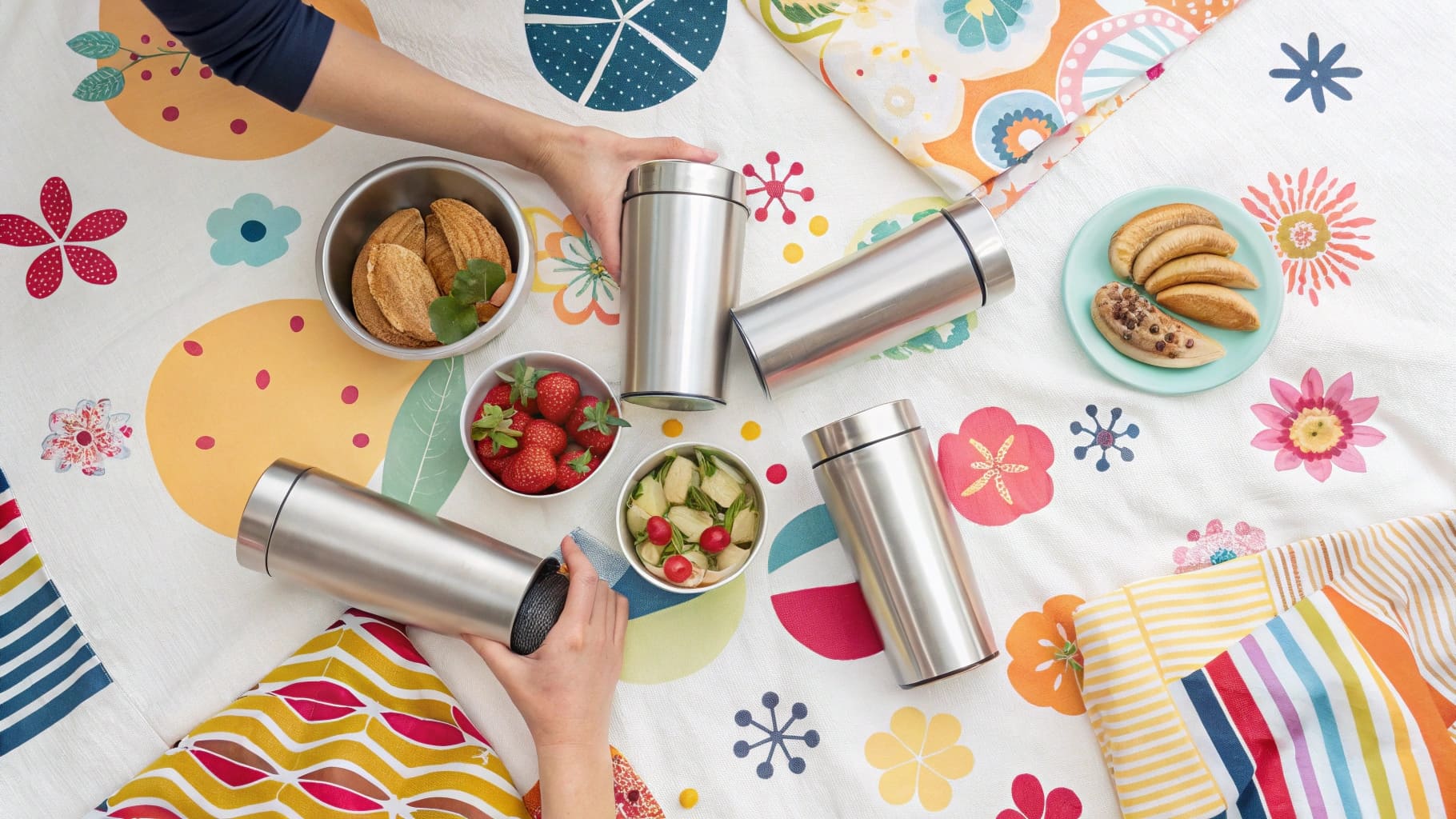
How powder coating protects your investment
I remember a client from Seattle who ordered 3,000 tumblers with standard paint. He called me three months later. His customers complained about visible fingerprints after every use. We switched him to powder coating. The complaints stopped.
Powder coating works through a curing process. We apply charged powder particles to the grounded stainless steel surface. The tumbler enters an oven at 200 degrees Celsius. The powder melts and forms a hard protective shell. This shell is thicker than liquid paint. The thickness ranges from 60 to 120 microns.
The abrasion resistance comes from this thickness. Standard paint measures 20 to 40 microns. You can see the difference immediately. Powder coating survives daily bumps, drops, and scratches. Your customers can throw these tumblers in their bags without worry.
I also need to tell you about color retention. Powder coating maintains its appearance longer than other finishes. The UV resistance prevents fading. Your branded tumblers look new even after months of outdoor use. This matters when you sell to customers who want long-term promotional items.
| Finish Type | Thickness | Abrasion Resistance | Fingerprint Visibility |
|---|---|---|---|
| Powder Coating | 60-120 microns | Excellent | Low |
| Spray Paint | 20-40 microns | Fair | High |
| Soft Touch | 40-80 microns | Good | Very Low |
Soft touch finishes provide what powder coating cannot—a premium tactile experience. Your customers will pay more for this feeling. I have seen it in our order patterns.
The matte surface naturally hides fingerprints. The texture diffuses light instead of reflecting it. Oils from skin do not show as easily. This finish appeals to quality-conscious buyers who focus on aesthetics.
The manufacturing process involves special additives in the coating material. These additives create a velvety texture. The finish bonds to the stainless steel through the same powder coating process. The difference is in the formulation.
I should mention the trade-off. Soft touch finishes require more careful handling during shipping. The surface can pick up dirt in transit. We pack these tumblers individually to prevent scratches. Your shipping costs increase slightly. The premium pricing usually covers this extra expense.
When to choose 316 stainless steel
I always recommend 316 stainless steel3 for clients who prioritize long-term performance. This material resists rust better than standard 304 steel. The difference comes from molybdenum content. 316 contains 2-3% molybdenum. 304 contains none.
The electro-polishing process creates a smooth interior surface. This smoothness prevents stain retention. Coffee, tea, and juice do not leave marks. Your customers can switch between beverages without flavor transfer. The cleaning process becomes easier.
I worked with a Canadian distributor last year. His customers used the tumblers for protein shakes. The standard 304 steel developed stains within weeks. We switched to 316 with electro-polished interiors4. The staining problem disappeared. His reorder rate increased by 40%.
The cost difference between 304 and 316 is about 15-20%. You need to calculate whether your target market justifies this premium. High-end retail customers expect this quality. Promotional items for budget-conscious buyers might not need it.
What is the best spill proof tumbler with straw?
Your customers hate leaks in their bags. One spill ruins a laptop or important documents. You receive angry emails and return requests. This problem costs you money.
The most effective spill-proof designs use 2-in-1 lid systems. These lids integrate flip-up sip openings and flip straws. Precision-engineered silicone seals5 provide 360-degree drip-proof barriers. The dual-drinking options maintain leak resistance even when inverted.
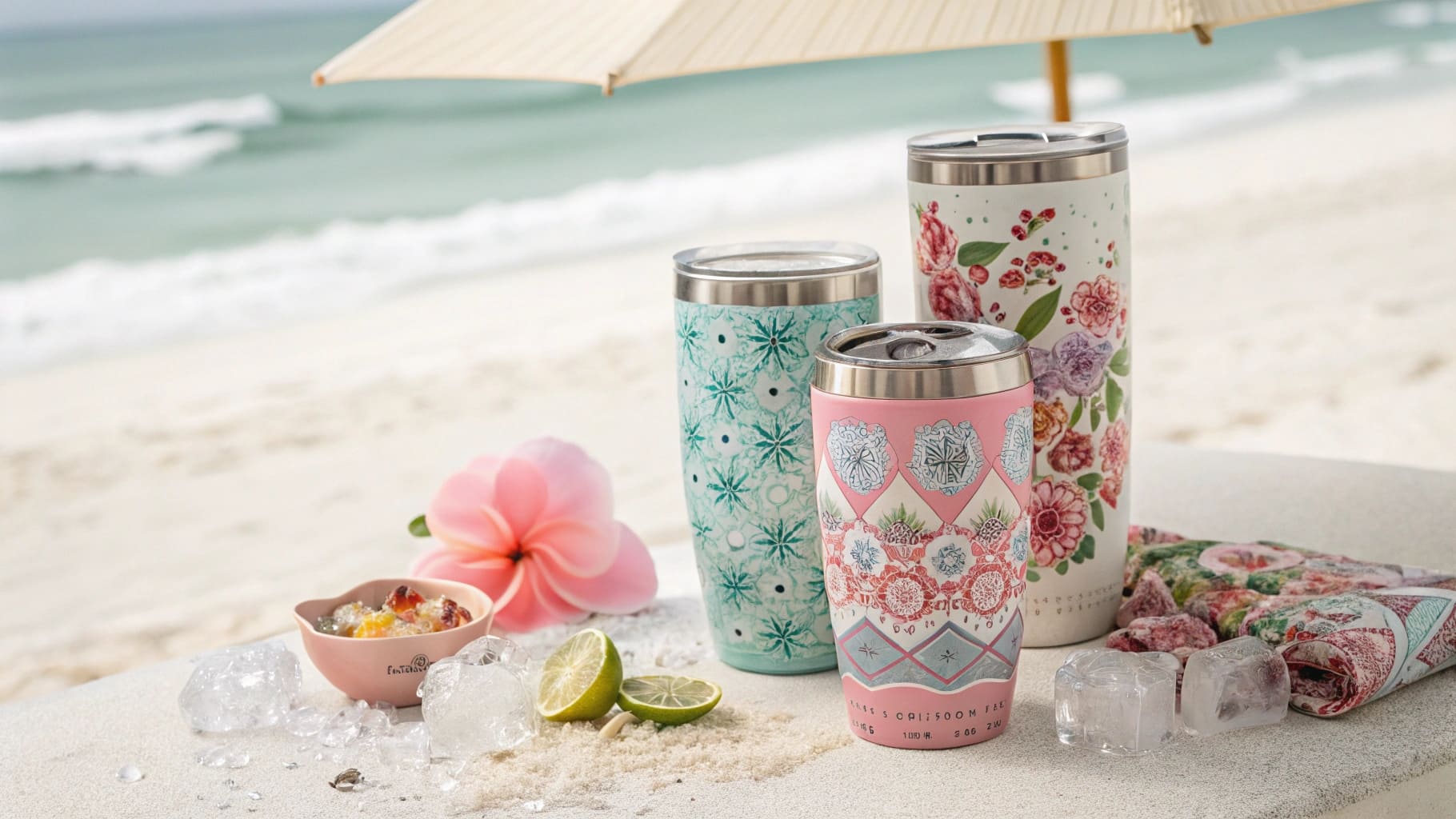
How 2-in-1 lid systems prevent leaks
I need to explain the engineering behind these lids. The flip-up mechanism uses a spring-loaded closure. The closure snaps shut automatically when you release it. This automatic action prevents accidental openings in bags.
The flip straw adds convenience without compromising seal integrity. The straw retracts into the lid when not in use. A separate silicone gasket surrounds the straw hole. This gasket creates a watertight seal when the straw is down.
The key component is the silicone seal quality. We use food-grade silicone with a Shore hardness of 50-60A. This hardness provides the right balance. Too soft and the seal compresses permanently. Too hard and it does not conform to the lid threads.
I test every lid design by filling tumblers and shaking them vigorously. The tumbler goes into a bag with white paper. If water marks appear on the paper, the design fails. We adjust the seal dimensions until no leaks occur.
You should also know about the drinking experience. Some spill-proof lids restrict flow too much. Your customers want protection and convenience. The flip-up opening should measure at least 8mm in diameter. Smaller openings frustrate users who want quick drinks.
| Lid Feature | Function | Leak Prevention |
|---|---|---|
| Flip-up sip opening | Quick drinking access | Spring-loaded auto-close |
| Flip straw | Hands-free sipping | Separate silicone gasket |
| 360-degree seal | Full perimeter protection | Multi-point contact |
| Vent hole | Pressure equalization | One-way valve |
What makes silicone seals fail
I have seen seal failures in hundreds of orders. The most common cause is material degradation. Low-quality silicone becomes brittle after dishwasher exposure. The seal loses its flexibility. Leaks develop at the thread interface.
Temperature cycling accelerates this degradation. Your customers put hot coffee in the tumbler. Later they add ice water. This temperature swing stresses the silicone. Quality seals withstand these cycles. Cheap seals crack within months.
The seal geometry matters as much as material quality. The seal cross-section should be round or oval. Square cross-sections create weak points at corners. These weak points tear easily. We design our seals with generous radii to distribute stress evenly.
Can you put insulated tumblers in the dishwasher?
You tell your customers these tumblers are easy to clean. They put them in the dishwasher. The finish degrades. Your customers blame you. Your brand suffers damage.
Standard stainless steel tumblers with powder coating are generally dishwasher safe6. The robust construction and sweat-proof design withstand high temperatures and harsh detergents. Top-rack placement protects against the most intense heat exposure.
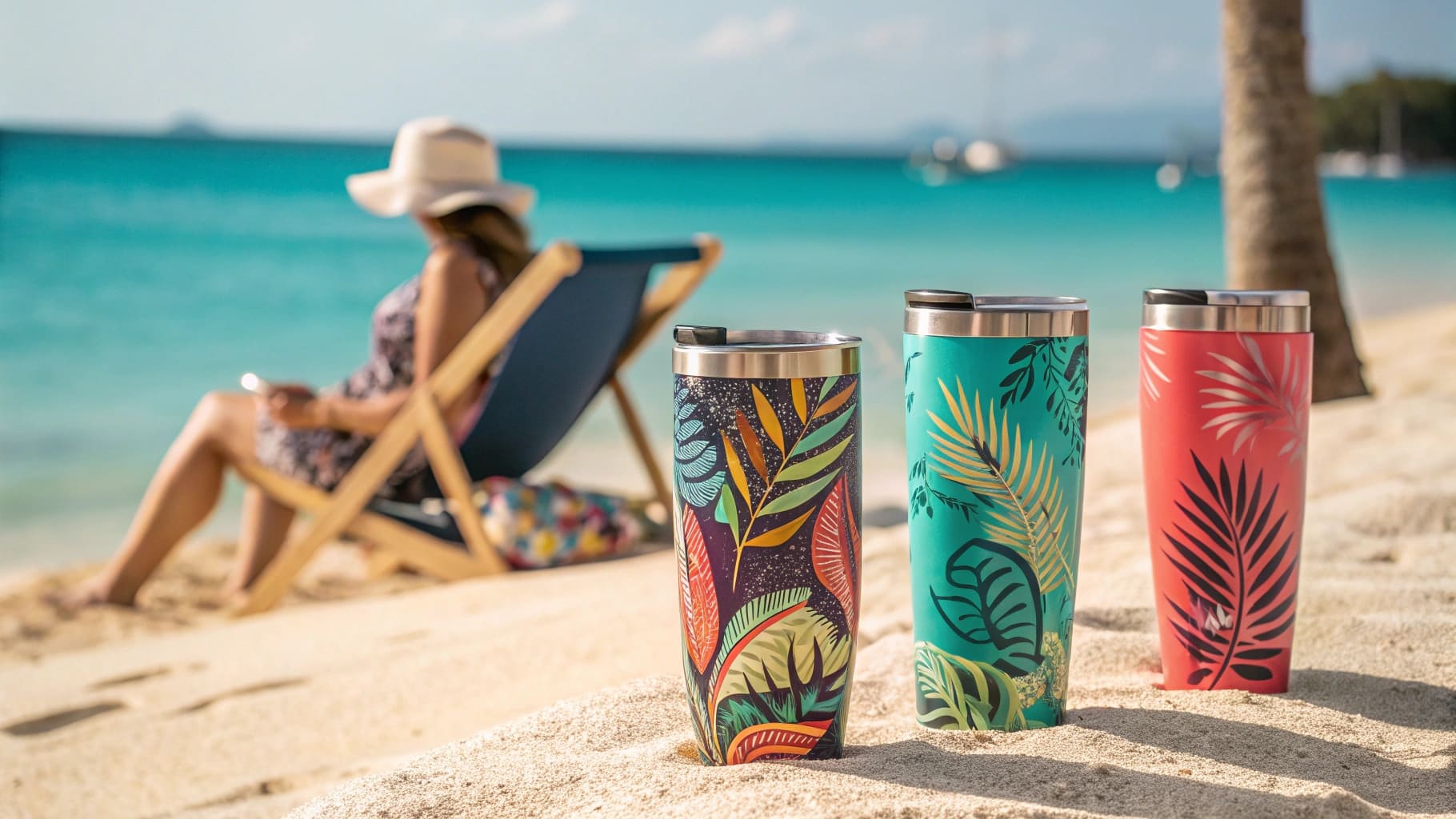
When dishwasher use damages tumblers
I need to be direct about this issue. Not all tumblers survive dishwasher cycles. The main factors are finish type, construction quality, and dishwasher settings.
Powder coating tolerates dishwasher heat better than spray paint. The cured powder coating bonds permanently to the metal. Temperatures up to 80 degrees Celsius do not affect this bond. Standard household dishwashers operate at 60-70 degrees Celsius. The powder coating remains intact.
Spray paint presents a different situation. The thinner coating and chemical bonds are less durable. Repeated dishwasher cycles cause the paint to bubble or peel. I tell clients to mark spray-painted tumblers as hand-wash only.
The vacuum insulation creates another consideration. Quality tumblers use copper-plated inner walls. The copper improves thermal performance. Poor-quality copper plating can degrade in dishwashers. The aggressive detergents attack the copper layer. The insulation performance decreases over time.
I learned this lesson from a distributor in Toronto. His customers reported that tumblers stopped keeping drinks cold after a month. We investigated and found he recommended dishwasher cleaning. The detergent had damaged the copper plating. We reformulated his care instructions. The complaints stopped.
You should also consider the lid components. Most lids contain multiple parts—the main lid body, silicone seals, and straws. The silicone can absorb detergent odors. Some customers report their drinks taste like soap. Top-rack placement reduces this issue but does not eliminate it completely.
How to communicate care instructions effectively
Your customers need clear guidance. Unclear instructions lead to product damage and complaints. I recommend providing care instruction cards with every order.
The card should state specific rules. Use simple language. Avoid technical jargon. For example: "Place on top rack only" instead of "Dishwasher safe with limitations." Your customers will appreciate the clarity.
I also suggest different instructions for different finish types. Powder-coated tumblers can say "Top rack dishwasher safe." Spray-painted tumblers should say "Hand wash recommended for longest life." This approach manages expectations appropriately.
Can you put epoxy tumblers in the dishwasher?
You source beautiful epoxy-decorated tumblers for a premium customer. The customer loves the design. They put the tumbler in the dishwasher. The epoxy melts and peels off. You lose the customer and eat the cost.
Epoxy tumblers are not dishwasher safe. The adhesive and decorative layers are heat-sensitive. They cannot withstand the high temperatures and harsh detergents of dishwasher cycles. Hand-wash-only care instructions are critical to protect the customization investment.

Why epoxy coating fails in dishwashers
I want to explain the chemistry simply. Epoxy resin consists of two parts—resin and hardener. When mixed, these parts undergo a chemical reaction. The reaction creates cross-linked polymer chains. These chains form a hard protective coating.
The cross-linking process has limits. Most epoxy formulations cure fully at room temperature. The cured epoxy can handle temperatures up to 50-60 degrees Celsius. Dishwasher water exceeds this temperature. The heat breaks down the polymer chains. The epoxy softens and separates from the tumbler surface.
The detergents accelerate this breakdown. Dishwasher detergents contain strong alkaline compounds. These compounds attack the polymer bonds. The combination of heat and chemicals is devastating to epoxy coatings.
I have tested this extensively. We applied epoxy to test tumblers and ran them through dishwasher cycles. After three cycles, visible damage appeared. After five cycles, the epoxy peeled off in sheets. No epoxy formulation we tested survived ten cycles intact.
The decorative elements in epoxy add another vulnerability. Many epoxy tumblers contain glitter, dried flowers, or printed images. These elements sit between epoxy layers. The differential thermal expansion causes delamination. The layers separate when exposed to heat cycling.
How to protect epoxy investments
You need to communicate care instructions clearly before customers buy. This communication prevents returns and complaints. I recommend multiple touchpoints.
First, include a care instruction tag attached to each tumbler. The tag should hang from the handle or lid. Use red text on white background for visibility. State "HAND WASH ONLY" in capital letters. Explain briefly why: "Dishwasher heat damages decorative coating."
Second, print care instructions on the product packaging. Place this information on the box where customers will see it before opening. Repeat the hand-wash message. Add washing instructions: "Use warm water and mild soap. Rinse thoroughly."
Third, provide a digital care guide if you sell through your website. Email this guide to customers after purchase. Include photos showing correct cleaning methods. Show what damage looks like so customers understand the consequences.
I worked with a client who sold epoxy tumblers to corporate clients. He did not provide clear care instructions. Twenty percent of his customers put the tumblers in dishwashers. His return rate was 15%. We implemented the three-touchpoint system I described. His return rate dropped to 2%.
You should also educate your sales team. They need to communicate care requirements during the sales process. This transparency builds trust. Customers appreciate honest information about product limitations.
| Tumbler Type | Dishwasher Safe | Temperature Limit | Care Recommendation |
|---|---|---|---|
| Powder Coated | Yes (top rack) | 80°C | Top rack, avoid heated dry |
| Spray Painted | Limited | 60°C | Hand wash preferred |
| Soft Touch | Yes (top rack) | 70°C | Top rack, gentle cycle |
| Epoxy Decorated | No | 50°C | Hand wash only, warm water |
| 316 Stainless | Yes | 90°C | Any rack, any cycle |
Conclusion
Choose powder coating or soft touch finishes for fingerprint resistance. Select 2-in-1 lids with quality silicone seals for spill protection. Always provide clear dishwasher care instructions.
-
Explore how powder coating enhances durability and fingerprint resistance for tumblers. ↩
-
Learn why spray paint may not be the best choice for tumbler finishes. ↩
-
Discover the long-term performance benefits of using 316 stainless steel in tumbler manufacturing. ↩
-
Understand how electro-polished interiors prevent stains and enhance cleaning for tumblers. ↩
-
Discover the importance of high-quality silicone seals in preventing leaks in tumblers. ↩
-
Understand the factors that determine whether tumblers can be safely washed in a dishwasher. ↩