
Private Label Insulated Bottles: Pantone, Coatings, and Logo Durability
I get calls every week from buyers worried about their logo fading after just a few months. The coating peels. The Pantone color doesn't match. These problems cost you money and damage your brand reputation.
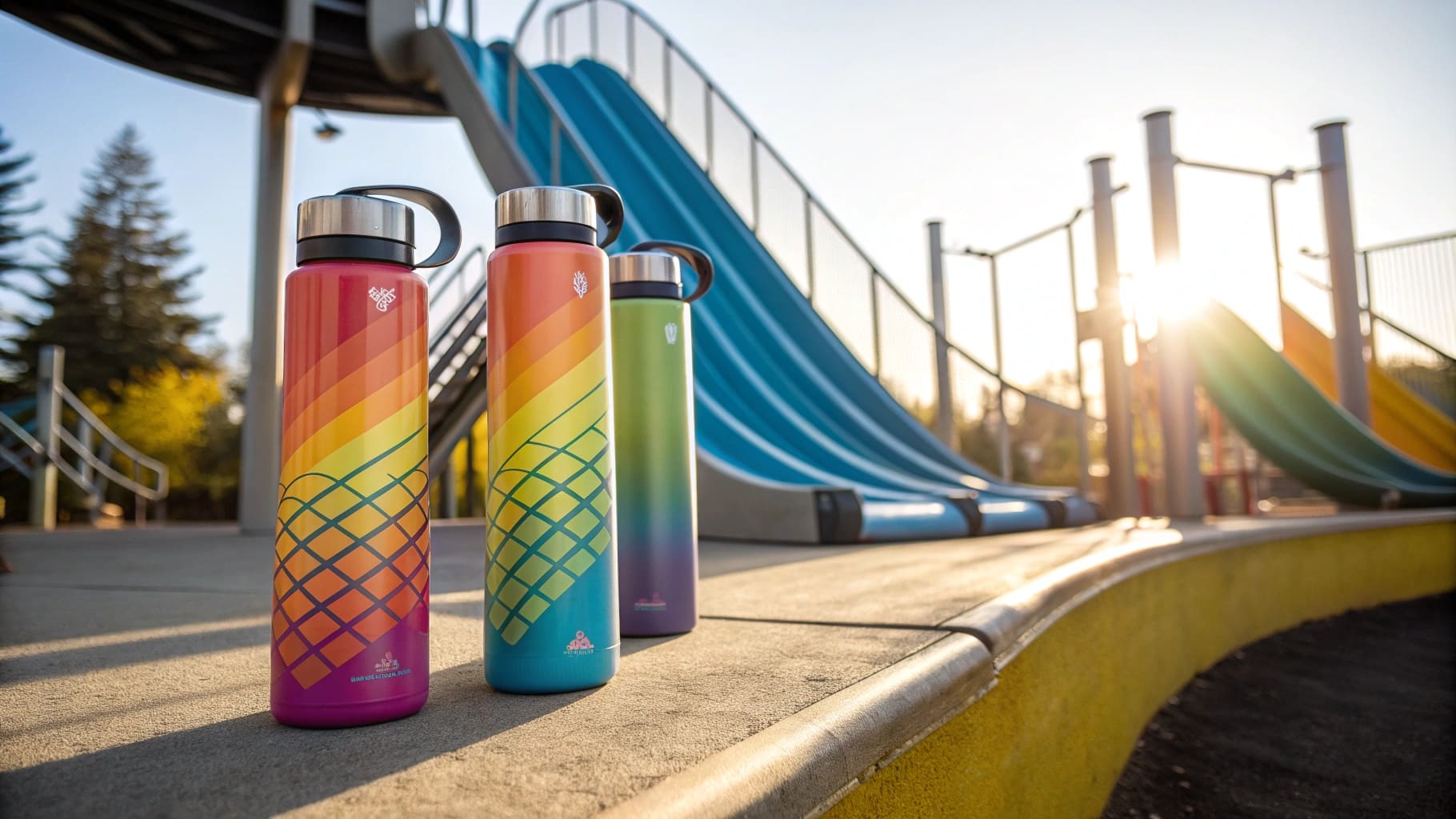
Quality private label insulated bottles need three things to work: proper Pantone color matching1, durable coating application, and logo printing that survives daily use. Your coating choice affects both appearance and durability. I test every batch we produce to make sure your brand looks good for years.
I have worked with over 200 brands in the past five years. The most common complaint I hear is about quality issues that suppliers hide until after payment. You need to know what affects your bottle quality before you place that order. Let me share what I learned from fixing these problems.
Are PU Insulated Bottles Good or Bad?
I see this confusion every day. Buyers mix up PU coatings with PU foam insulation. These are completely different things. One protects the outside. The other keeps drinks cold or hot.
PU coatings create a protective layer on stainless steel bottles. They resist scratches and give a soft-touch feel. PU foam insulation is rarely used in quality bottles anymore. Vacuum insulation performs much better. The real question is about material choices for your entire bottle system.
Understanding Material Performance in Your Bottles
I need to explain something important here. Most buyers focus only on the bottle body material. They forget about lids, gaskets, and sealing components. These parts matter just as much.
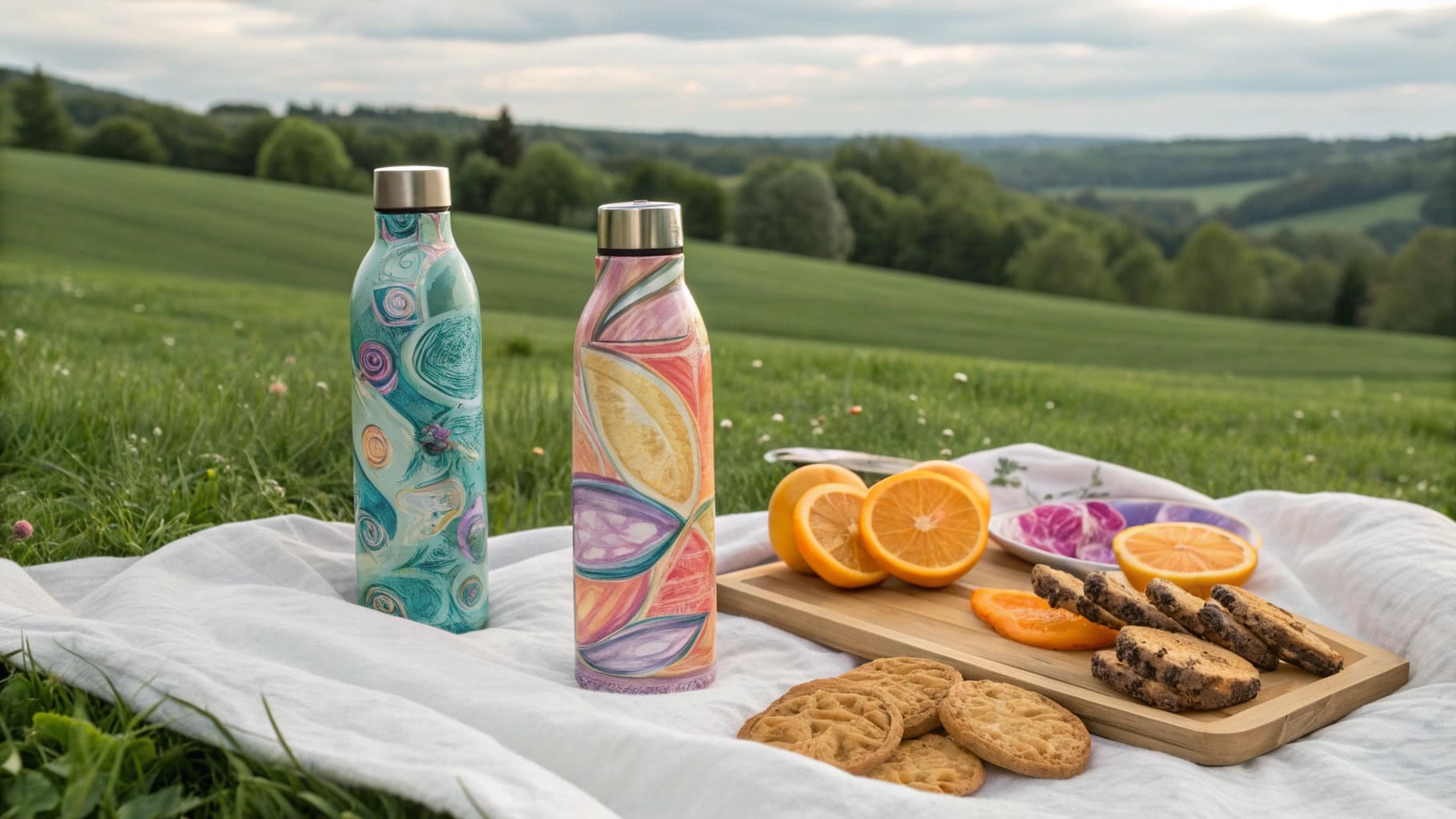
Your bottle body should use food-grade stainless steel2. I recommend 18/8 stainless steel for most orders. This material keeps cold for 24 hours and hot for 12 hours with proper vacuum insulation. The double-wall vacuum construction does the real work here.
The lid components use different materials. PP plastic works well for most applications. It handles heat and moisture without problems. It resists chemicals that might damage other plastics. But PP has limits. High temperatures cause chain degradation. I saw this happen to a client who marketed their bottles for boiling water. The lids warped after two weeks of use.
Tritan offers better performance if you need transparency. It handles impact well. It resists hydrolysis. It tolerates higher temperatures than PP. But even Tritan deforms above 94 degrees Celsius. I learned this the hard way when a customer wanted bottles for tea enthusiasts who brew at 95 degrees.
Here is how different materials compare:
| Material | Temperature Range | Key Strength | Main Limitation |
|---|---|---|---|
| 18/8 Stainless Steel | -20°C to 100°C | Vacuum insulation performance | Requires proper vacuum seal |
| PP (Polypropylene) | -20°C to 100°C | Chemical resistance | Chain degradation at high temps |
| Tritan | -20°C to 94°C | Impact strength and clarity | Deforms above 94°C |
| Silicone | -40°C to 200°C | Flexibility and seal quality | Can absorb odors over time |
Your material choice should match your end user needs. I always ask buyers about their target market. Are they selling to office workers? Hikers? Athletes? Each group uses bottles differently.
I also check if your target country requires specific certifications. FDA compliance3 is standard for US exports. European buyers need different documentation. I keep these certificates ready for every material we use.
Why Are Insulated Water Bottles Not Dishwasher Safe?
Your customer puts a bottle in the dishwasher. The vacuum seal breaks. The bottle stops keeping drinks cold. They blame your brand. I have seen this exact scenario destroy product ratings on Amazon.
Dishwashers create harsh conditions that damage bottle components. High temperatures affect multiple parts at once. Water pressure forces moisture into areas that should stay dry. The vacuum seal between double walls can fail. Most bottle damage happens in the drying cycle.
Breaking Down Dishwasher Damage Points
Let me walk you through what happens inside a dishwasher. The temperature reaches 60 to 70 degrees Celsius in most cycles. Some dishwashers go higher during sanitize modes. This heat alone does not break quality stainless steel. But it affects every other component.
Your silicone gaskets expand at high temperatures. They contract when cooling. This cycle repeats every time someone runs the dishwasher. After 20 or 30 washes, the gasket loses its shape. It no longer seals properly. Liquid leaks from the lid. Your customer thinks you sold them a defective product.
PP materials in lids and caps handle heat better than you might think. But the chemicals in dishwasher detergent attack the plastic over time. I tested this myself. I put five different lid designs through 50 dishwasher cycles. Three started showing surface degradation after 15 cycles. The detergent breaks down the plastic surface. It looks cloudy. It feels rough.
ABS components present another problem. Many bottles use ABS for buttons, flip mechanisms, and decorative elements. ABS degrades under hot oxygen conditions. The dishwasher provides both heat and oxygen in abundance. I had a client whose flip-top mechanism broke after customers washed bottles in dishwashers. We had to recall 500 units.
The vacuum seal deserves special attention. Your bottle keeps drinks cold because of the vacuum between the double walls. This vacuum creates a barrier that stops heat transfer. Thermal cycling in a dishwasher stresses the seal points. Water pressure can force moisture past the seal. Once moisture enters the vacuum space, insulation performance drops dramatically.
Here is what each dishwasher element attacks:
| Component | Dishwasher Element | Result After Multiple Cycles |
|---|---|---|
| Silicone Gaskets | Heat cycling | Loss of seal integrity |
| PP Lids | Detergent chemicals | Surface degradation, cloudiness |
| ABS Parts | Hot oxygen | Material breakdown, cracking |
| Vacuum Seal | Thermal stress + water pressure | Moisture infiltration, performance loss |
| Powder Coating | Detergent abrasion | Fading, peeling |
I tell all my buyers to include hand-wash instructions on their products. This protects your brand reputation. It extends product life. It reduces return rates. Some buyers resist this advice. They say their competitors claim dishwasher-safe bottles. I explain that those competitors will face returns and bad reviews. Your choice.
I can suggest dishwasher-safe lid designs if your market demands it. But the bottle body should always be hand-washed. This is not about cutting costs. This is about physics and chemistry. No coating can protect against all dishwasher conditions indefinitely.
Do All Insulated Water Bottles Have Lead?
A buyer asked me last month if our bottles contain lead. He seemed worried. He said he read something online about lead in water bottles. I showed him our FDA certificates. He still had questions.
Modern quality insulated bottles do not contain lead. Reputable manufacturers use food-grade stainless steel and FDA-compliant materials throughout. Lead concerns come from old manufacturing practices that quality suppliers stopped using years ago. Your job is verifying which suppliers actually follow modern standards.
Verifying Material Safety in Your Supply Chain
I need to be direct about this. Some manufacturers still use questionable materials. They hide behind vague certifications. They avoid detailed questions about material composition. I have seen factories claim FDA compliance without having actual test reports.
Your bottle body should use 18/8 stainless steel. This is also called 304 stainless steel. The composition is roughly 18% chromium and 8% nickel. No lead exists in this alloy naturally. The stainless steel arrives at our factory with mill certificates. These certificates document the exact composition. I keep these documents for every batch we purchase.
The components need individual attention. Lids use PP plastic. Gaskets use food-grade silicone. Straws use either stainless steel or food-grade silicone. Each material needs its own certification. I maintain a file for every component we source.
Some buyers ask about the solder points where the bottle base attaches. Quality manufacturers use lead-free solder. This solder costs more than traditional options. But it eliminates any lead risk. I visited a factory once that still used leaded solder. I did not place orders there.
Third-party testing provides the best verification. I send samples to SGS for testing every quarter. They test for lead, cadmium, BPA, and other harmful substances. The results confirm what we already know from our material selection. But having independent verification protects both of us.
Here is what you should request from any supplier:
| Document Type | What It Proves | When To Request |
|---|---|---|
| FDA Compliance Certificate | Materials meet US food safety standards | Before first order |
| Material Safety Data Sheets | Detailed composition of each component | During negotiation |
| Third-Party Test Reports | Independent verification of safety claims | Before bulk production |
| Mill Certificates | Stainless steel composition documentation | With each batch |
| Factory Audit Reports | Manufacturing quality control systems | Annually or before large orders |
I recommend factory visits for large orders. You can see the material storage areas. You can check if they separate food-grade materials from industrial materials. You can verify their quality control processes. I have caught material substitution during factory visits that documents alone would not reveal.
Some suppliers have RCS and GRS certifications. These standards apply mainly to recycled materials4. But they demonstrate a commitment to material safety and traceability. If a supplier maintains these certifications, they probably take material safety seriously across all products.
I want to address one more concern. Some bottles use paint or powder coating on the exterior. These coatings should not contact beverages directly. But they still need to be lead-free. Heavy metals can exist in cheap pigments. Quality powder coating5s cost more because they use safe pigments. Always specify lead-free coatings in your purchase order.
Your customers trust your brand with their health. I take this responsibility seriously. Every bottle we ship has materials that I would use for my own family. I suggest you apply the same standard to your supplier selection.
Conclusion
Your private label bottle quality depends on material selection, coating durability, and supplier verification. I can help you navigate these choices. Contact me at admin@icobottle.com to discuss your specific requirements.
-
Understanding Pantone color matching is crucial for maintaining brand consistency and ensuring your logo looks great on products. ↩
-
Exploring the benefits of food-grade stainless steel can help you ensure safety and quality in your products. ↩
-
Understanding FDA compliance is essential for ensuring your products meet safety standards in the US market. ↩
-
Understanding RCS and GRS certifications can help you select suppliers committed to sustainability and material safety. ↩
-
Exploring powder coating can help you choose finishes that enhance the durability and appearance of your bottles. ↩
