
Are insulated water bottles safe for hot and cold under LFGB for OEM 2026?
You need safe products for your European customers. Your buyers ask about LFGB compliance. You worry about material safety when bottles hold hot coffee or cold water.
Yes, insulated water bottles are safe for both hot and cold beverages under LFGB standards in 2026 when manufacturers use food-grade stainless steel and properly tested components for all temperature ranges.
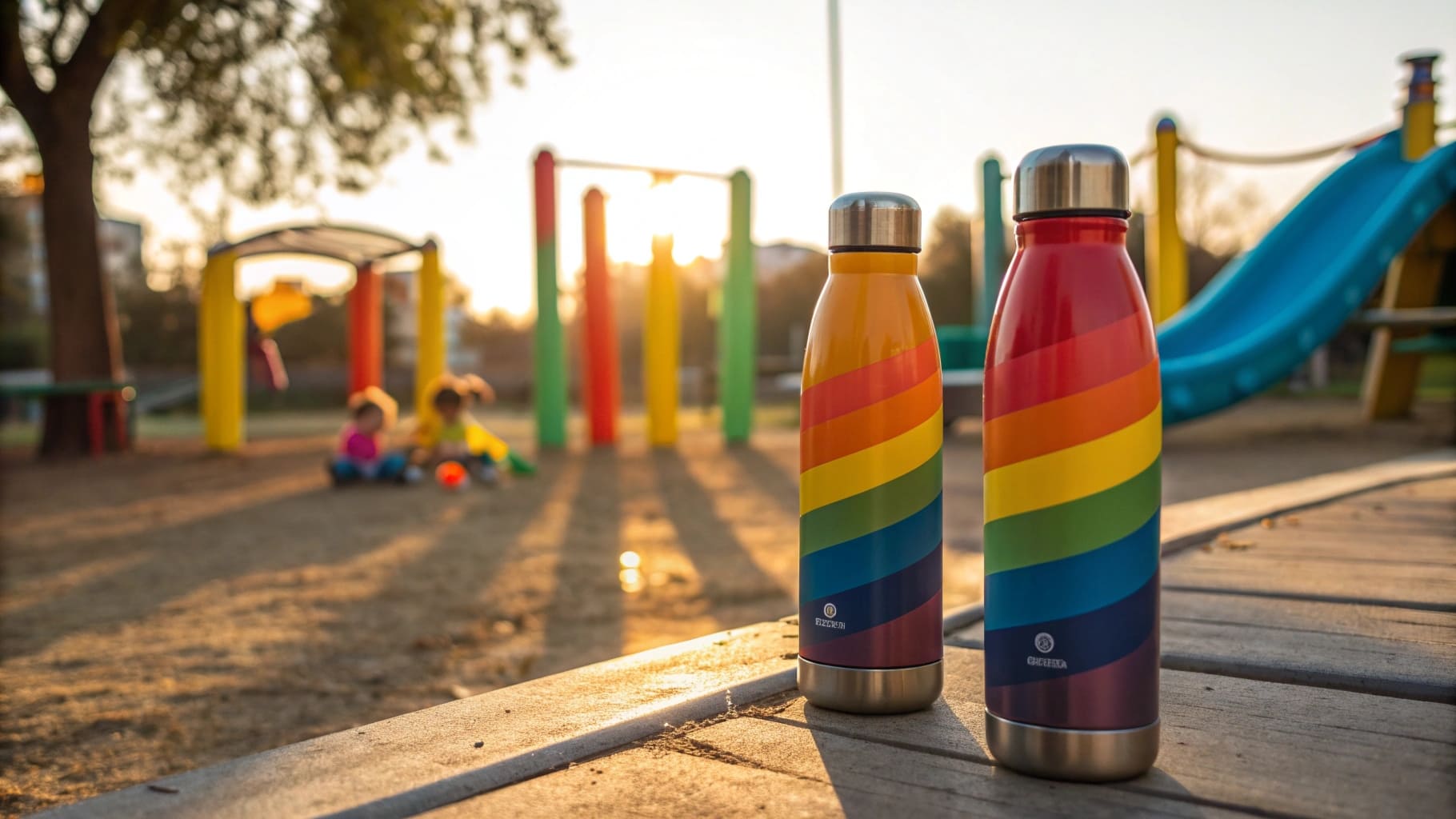
I work with European buyers daily at Icobottle, and they all ask me the same thing about safety standards. The questions about LFGB compliance1 keep coming because the stakes are high. You put your brand reputation on the line with every order. I will show you what makes bottles safe and how to verify safety claims from suppliers.
What does LFGB mean?
Your customers mention LFGB but you need to understand what it actually tests. Many suppliers claim compliance without real proof. This creates risk for your brand and your buyers.
LFGB is Germany's Food and Feed Code, the most stringent food contact regulation in the European Union. It tests whether materials release harmful substances when touching food or drinks at different temperatures.
Understanding LFGB beyond basic compliance
I see many buyers confuse LFGB with FDA standards. They are not the same thing. FDA focuses on material composition while LFGB tests actual migration of substances from the material into food or beverages. This difference matters because a material can pass FDA but still fail LFGB testing.
The testing process evaluates multiple scenarios. Labs test bottles with different food simulants at various temperatures. They check for heavy metals, organic compounds, and other potentially harmful substances. The bottles must pass tests for both cold and hot conditions because each temperature range creates different migration patterns.
Here is what LFGB testing covers for insulated water bottles:
| Test Category | What Gets Tested | Why It Matters |
|---|---|---|
| Heavy Metals | Lead, cadmium, chromium | Direct health hazards |
| Migration Testing | Substance transfer to liquids | Safety at use temperatures |
| Organoleptic Properties | Taste and odor changes | Consumer experience |
| Surface Quality | Coating stability | Long-term safety |
I work with factories that maintain LFGB compliance year-round. They do not wait for buyer requests to test their products. They integrate testing into their quality control process. This approach costs more upfront but prevents the nightmare of failed compliance tests after production.
The certificate itself must come from recognized European testing laboratories2. I have seen fake certificates that look convincing but cannot withstand verification. You need to ask for the full test report, not just the certificate. The report shows exactly what got tested and what the results were.
Do all insulated water bottles have lead in them?
You hear scary stories about lead in water bottles. Your buyers ask pointed questions about lead content. You need clear answers to move forward with confidence.
No, quality insulated stainless steel water bottles do not contain lead. Reputable manufacturers use food-grade stainless steel and lead-free materials throughout the entire construction process.
The truth about lead in bottle manufacturing
The lead concern comes from three possible sources, but modern quality manufacturing eliminates all of them. I will break down each source so you know what to look for.
First, painted exterior finishes can contain lead if manufacturers use cheap decorative paints. This happens with low-cost products that prioritize appearance over safety. Quality manufacturers use powder coating or screen printing with certified lead-free inks. When you order from Icobottle, I provide paint composition certificates that prove zero lead content in all surface treatments.
Second, solder joints used in older bottle designs sometimes contained lead. This is ancient history for vacuum insulated bottles3. Modern double-wall construction uses laser welding or other lead-free joining methods. The vacuum seal itself requires no solder at all. I have never seen a properly manufactured vacuum insulated bottle with solder joints.
Third, component parts like caps and gaskets might contain lead if sourced from questionable suppliers. This is why integrated manufacturing matters. When one factory controls all components, they maintain consistent material standards. I verify this by checking raw material certificates for every component that touches the beverage.
The material composition of food-grade stainless steel itself contains no lead:
| Material | Primary Elements | Lead Content |
|---|---|---|
| 304 Stainless Steel | Iron, chromium, nickel | Zero |
| 316 Stainless Steel | Iron, chromium, nickel, molybdenum | Zero |
| Silicone Gaskets | Silicon, oxygen, carbon, hydrogen | Zero |
| Polypropylene Caps | Carbon, hydrogen | Zero |
I test bottles from our production line regularly. The results always show lead levels below detection limits. This is not luck. This is what happens when you source from manufacturers with proper quality control systems. They test incoming raw materials before production starts. They test finished products before shipping. You get documentation for everything.
Does silicone release toxins when cooking?
Your bottles use silicone gaskets4 that touch hot beverages. Buyers worry about chemical release from silicone at high temperatures. You need facts about silicone safety for hot liquids.
Food-grade silicone does not release toxins at normal beverage temperatures. It remains stable from minus forty degrees to over two hundred degrees Celsius, well beyond any drink temperature.
Silicone performance in insulated drinkware
I need to address a common confusion here. People hear about silicone bakeware and cooking applications, then worry about water bottles. The temperature ranges are completely different. Your coffee might reach ninety-five degrees Celsius. Baking happens at one hundred eighty degrees or higher. Silicone handles both situations without degrading.
The quality of silicone makes all the difference. I work with two types in bottle manufacturing. Liquid silicone rubber offers the highest performance. It cures completely during molding and creates a stable molecular structure. Solid silicone costs less but requires careful processing to achieve food-grade status.
Food-grade liquid silicone rubber has several key properties:
| Property | Performance Range | Relevance to Bottles |
|---|---|---|
| Temperature Resistance | Minus 40°C to 230°C | Handles all beverages |
| Chemical Stability | Resists acids and bases | No reaction with drinks |
| Odor Transfer | None when properly cured | No taste contamination |
| Flexibility | Maintains seal over time | Prevents leaks |
The curing process determines safety more than anything else. Uncured or partially cured silicone can release small amounts of volatile compounds. I verify that gasket suppliers fully cure their silicone and then post-cure it again for extra stability. This double curing eliminates any possibility of chemical release during normal use.
Testing confirms what the science predicts. Migration tests with hot water at ninety-five degrees Celsius show no detectable substance transfer from properly manufactured silicone gaskets. The tests run for extended periods to simulate years of repeated use. The results stay consistent.
I have customers who fill bottles with hot coffee every morning for years. They report no taste changes, no odors, and no degradation of the gasket. This real-world performance matches what laboratory testing shows. Food-grade silicone works exactly as designed for hot and cold beverage applications.
When you evaluate suppliers, ask specific questions about silicone grades. Request certificates showing food contact compliance. Check that they cure components properly before assembly. These details separate safe products from potential problems.
Conclusion
LFGB-compliant insulated bottles using quality materials provide safe hot and cold beverage storage. You protect your brand by choosing suppliers who test thoroughly and document everything.
-
Understanding LFGB compliance is crucial for ensuring product safety and meeting European standards. ↩
-
Find out which testing laboratories are trusted for verifying LFGB compliance in products. ↩
-
Understand the technology behind vacuum insulated bottles and their benefits for beverage storage. ↩
-
Find out about the safety and performance of silicone gaskets in insulated drinkware. ↩