
How Do Stainless Steel Straws Compare to Silicone and Bamboo Alternatives?
I noticed a growing concern among my wholesale clients about reusable straw materials. They worry about safety standards. They question durability. The market offers three main options: stainless steel, silicone, and bamboo.
Stainless steel straws outperform silicone and bamboo alternatives in durability and hygiene. They resist bacterial growth better. They maintain their shape under high temperatures. They meet strict food safety certifications1 like LFGB and Prop 65 requirements that European and California markets demand.
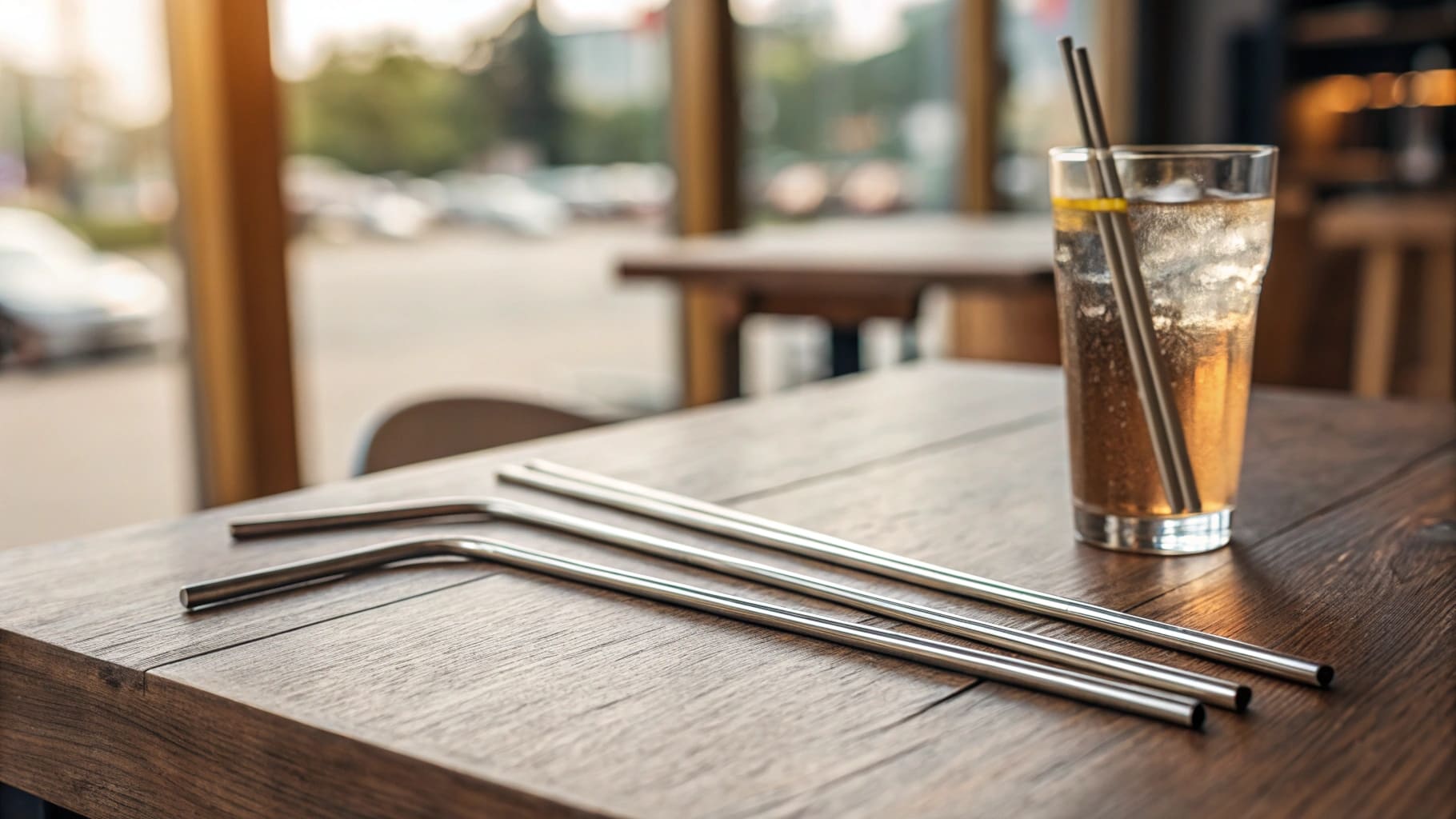
I have been in the stainless steel drinkware business for over a decade. I work with procurement officers from North America and Europe daily. The questions about straw materials come up in almost every consultation call. Let me share what I learned from working with hundreds of B2B clients.
Do Metal Straws Have PFAS?
My Canadian client Mark asked me this question last month. He was concerned about his brand reputation. PFAS contamination could destroy years of trust building with his customers.
Authentic stainless steel straws2 contain zero PFAS compounds. PFAS (per- and polyfluoroalkyl substances) exist in non-stick coatings and certain plastics. They do not exist in pure metal. Grade 304 and 316 stainless steel are naturally PFAS-free when manufactured correctly.
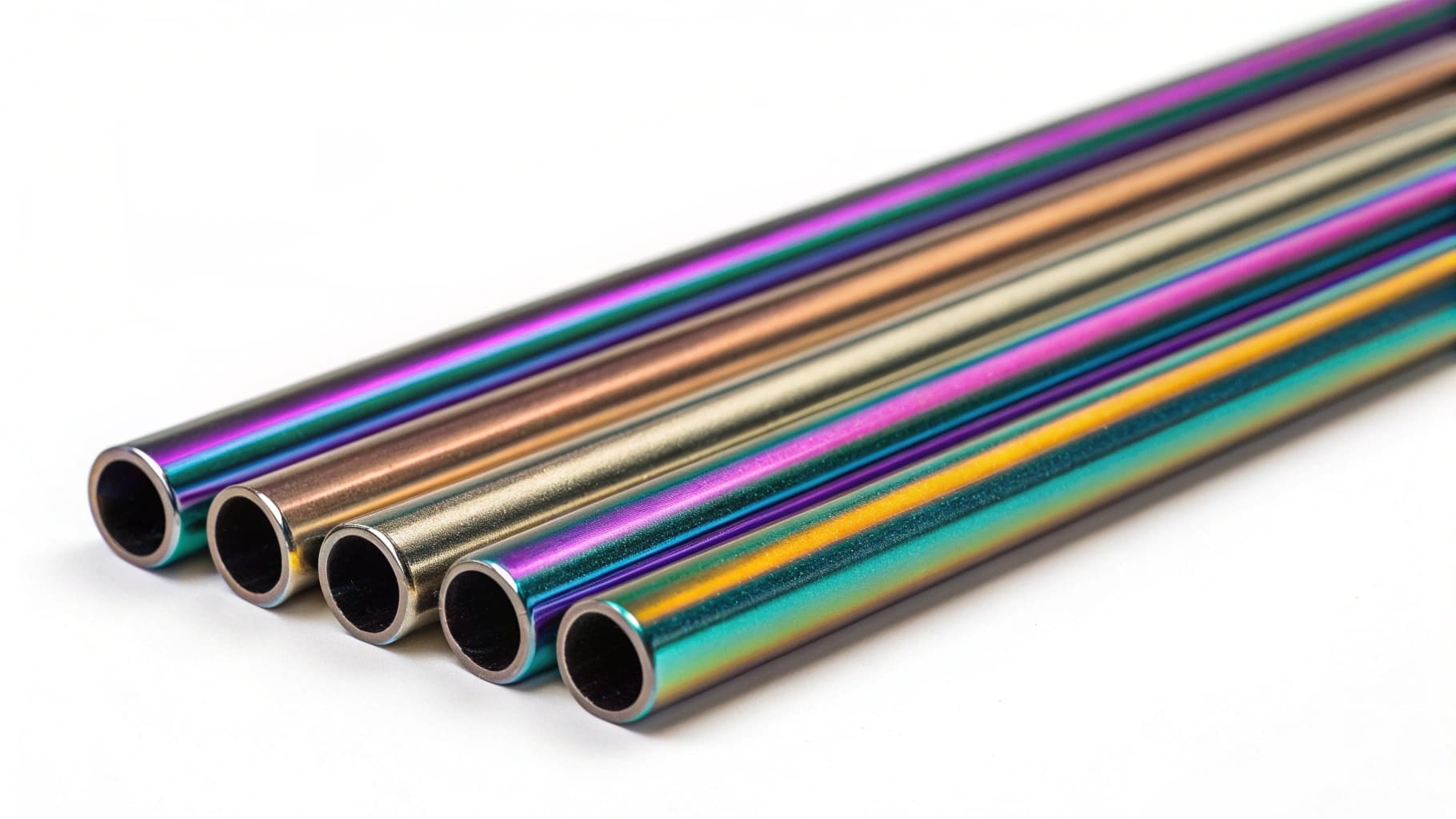
I remember a case from 2024 that taught me an important lesson. A startup founder ordered colored stainless steel straws from a low-cost supplier. The supplier used a coating that contained PFAS to achieve the bright colors. The buyer faced regulatory issues when importing to California. The entire shipment was rejected at customs.
The issue was not the stainless steel itself. The problem was the coating applied to the metal surface. Here is what I tell all my clients:
| Material Component | PFAS Risk | Verification Method |
|---|---|---|
| Bare 304 Stainless Steel | None | Material certificate |
| Bare 316 Stainless Steel | None | Material certificate |
| Food-grade powder coating | None | Coating analysis report |
| Unknown colored coating | Possible | Third-party testing required |
| Electroplating (gold/rose gold) | None | Process certification |
I always recommend buyers request specific documentation. Ask for material certificates3. Demand coating analysis reports if the straws have any surface treatment. Verify the supplier holds valid LFGB certification for European markets. Check for Prop 65 compliance documents for California sales.
The testing process matters too. I work with third-party laboratories that conduct PFAS screening. They use liquid chromatography-mass spectrometry. This method detects even trace amounts of PFAS compounds. The test costs money upfront but saves thousands in potential recalls or regulatory fines.
What Are the Disadvantages of Stainless Steel Straws?
My clients often assume stainless steel is perfect. I learned to set realistic expectations early in our conversations. Every material has trade-offs. Stainless steel is no exception.
Stainless steel straws have five main disadvantages. They cost more initially than disposable options. They conduct temperature extremely well. Some users detect a metallic taste. They require special cleaning tools4. They can damage teeth if used carelessly.
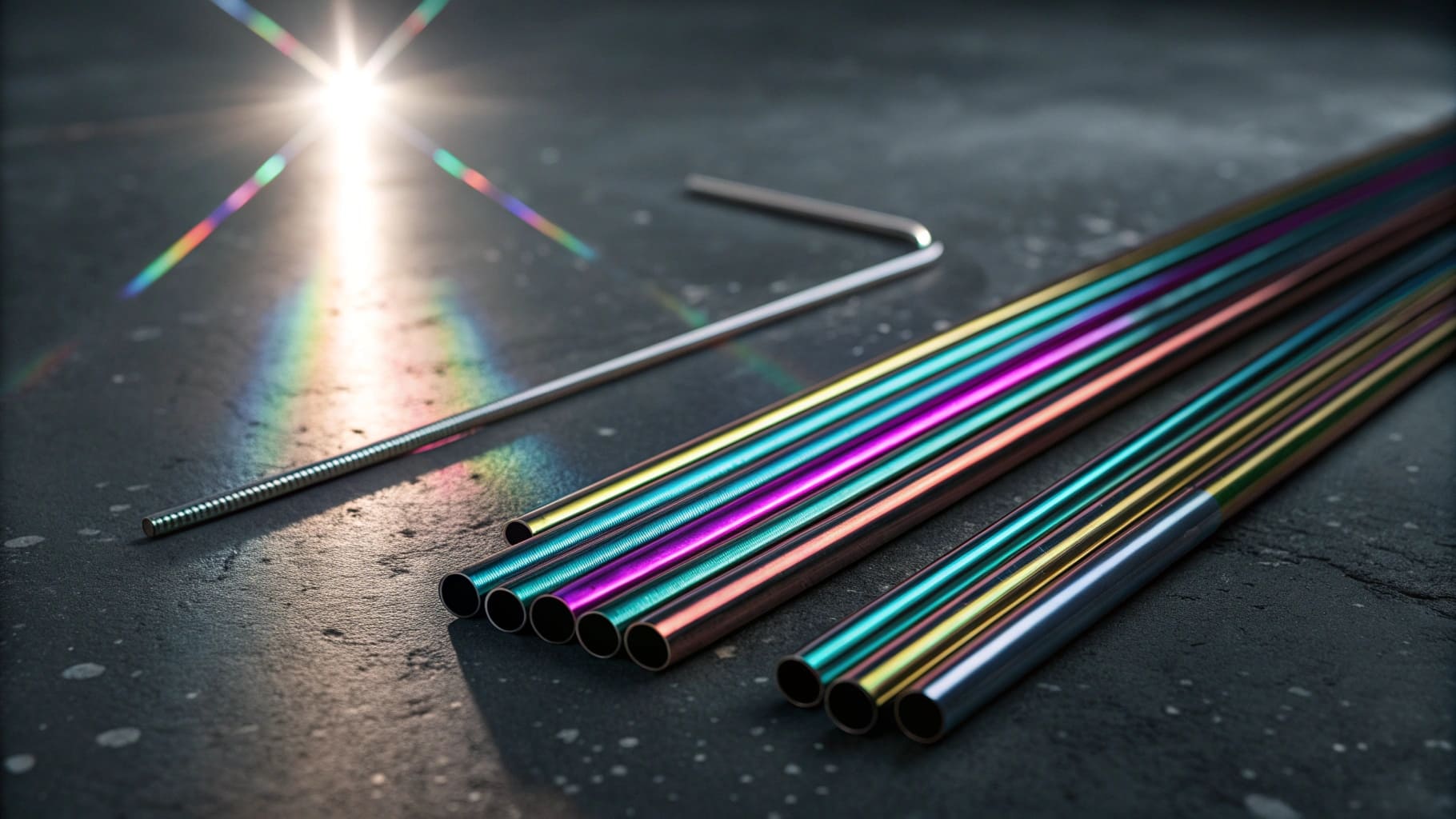
I priced different straw options for a retail chain last quarter. Single-use plastic straws cost $0.01 each. Bamboo straws cost $0.15 each. Silicone straws cost $0.40 each. Quality stainless steel straws cost $0.80 to $1.50 each depending on thickness and finish. The buyer hesitated at first. I showed him the math: a stainless steel straw lasts 5-10 years with proper care. The lifetime cost per use drops below $0.001.
The temperature conduction issue surprises many end users. I tested this myself with hot coffee and iced drinks. The stainless steel straw became uncomfortably hot within 10 seconds in 80°C coffee. It turned freezing cold within 5 seconds in an ice-filled drink. Silicone and bamboo straws5 do not have this problem. They insulate much better.
Some people taste metal when they drink through stainless steel straws. I conducted informal surveys with Mark's customers. About 15% reported detecting a metallic taste. The percentage dropped to 5% with 316-grade stainless steel. Grade 316 contains more chromium and molybdenum. These elements create better corrosion resistance and reduce metallic taste.
The cleaning requirement presents a real challenge for busy users. Stainless steel straws need proper brushes to remove residue from inside the tube. I have seen bacterial growth in poorly maintained metal straws. Silicone straws can go in the dishwasher easily. Bamboo straws are disposable after several uses. Stainless steel demands more commitment from the user.
Here is a comparison table I share with wholesale clients:
| Factor | Stainless Steel | Silicone | Bamboo |
|---|---|---|---|
| Initial Cost | High ($0.80-$1.50) | Medium ($0.40) | Low ($0.15) |
| Lifespan | 5-10 years | 1-2 years | 3-6 months |
| Temperature Comfort | Poor | Excellent | Good |
| Cleaning Difficulty | High | Low | Medium |
| Durability | Excellent | Good | Poor |
| Taste Neutrality | Good (varies) | Excellent | Poor (woody) |
Which Is Healthier, a Glass or Stainless Steel Water Bottle?
I get this question from health-conscious brands targeting premium markets. They want to position their products as the safest choice. The answer depends on specific use cases and customer priorities.
Glass bottles offer truly neutral taste and complete visibility for cleanliness verification. Stainless steel bottles provide superior insulation, unbreakable durability, and lightweight portability for active lifestyles. Neither material poses health risks when manufactured to proper standards.
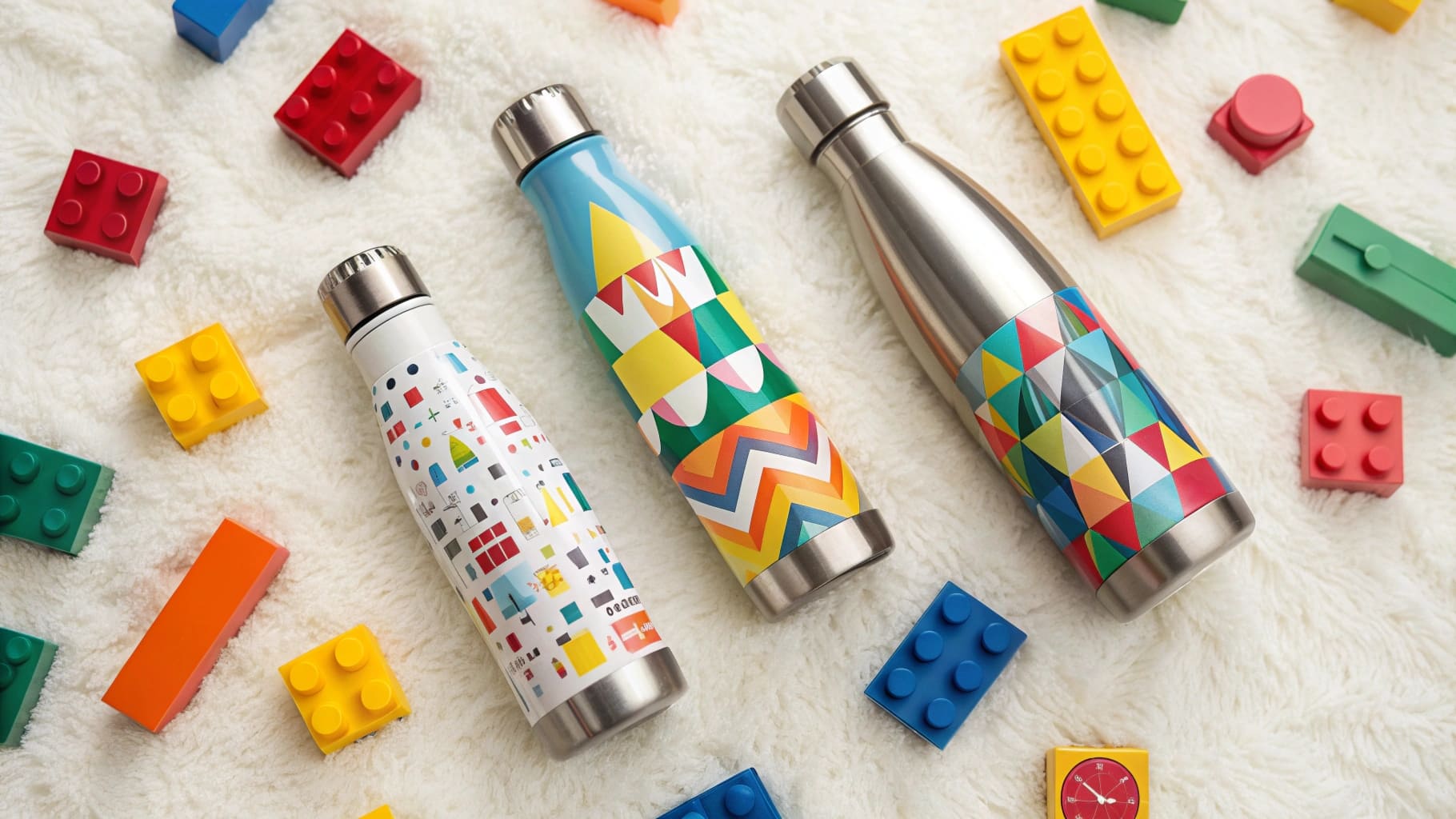
I worked with a yoga studio chain last year. They wanted to sell branded water bottles to their members. We discussed glass versus stainless steel for 30 minutes. I asked about their customer behavior. The members practiced hot yoga. They traveled to studios by bicycle or on foot. They needed bottles that could handle drops and temperature retention.
Glass bottles have clear advantages in certain areas. They never retain flavors from previous drinks. You can see if mold grows inside. You can verify the cleaning quality visually. They contain no metal at all for customers with metal sensitivities. High-quality borosilicate glass resists thermal shock well.
The downsides of glass matter for active users. Glass bottles weigh more than stainless steel of the same capacity. A 750ml glass bottle weighs 400-500 grams empty. The same capacity in stainless steel weighs 250-300 grams. Glass breaks when dropped on hard surfaces. Glass provides zero insulation. Your cold water becomes room temperature within an hour. Your hot tea cools down in 30 minutes.
I recommended stainless steel to the yoga studio for these reasons. Their customers needed durability for active transport. They valued temperature retention for post-workout cold drinks. The studio could print logos on stainless steel bottles using laser engraving or screen printing.
Stainless steel bottles excel in different scenarios. Double-wall vacuum insulation keeps drinks cold for 24 hours or hot for 12 hours. The bottles survive drops onto concrete. They weigh less for hiking or gym use. Food-grade 304 and 316 stainless steel releases no harmful substances into drinks.
I always mention one concern with stainless steel bottles. Some cheaper manufacturers use inferior steel grades. They claim "stainless steel" but use grades meant for construction, not food contact. These low-grade materials can leach nickel or other metals into acidic drinks like lemon water or sports drinks.
Here is my material safety checklist for B2B buyers:
| Verification Point | Glass Bottles | Stainless Steel Bottles |
|---|---|---|
| Material grade certification | Borosilicate glass | 304 or 316 grade steel |
| Food safety standard | LFGB, FDA | LFGB, FDA, Prop 65 |
| Third-party testing | Lead-free verification | Metal migration test |
| Manufacturing audit | Factory inspection | Factory inspection |
| Coating safety (if colored) | Not applicable | PFAS-free certification |
I tell my clients to think about their target customer's lifestyle. Sell glass bottles to home users and office workers. They prioritize taste purity and aesthetic appeal. Sell stainless steel bottles to outdoor enthusiasts and athletes. They need durability and temperature control.
The health question comes down to quality standards, not material choice. Both glass and stainless steel are safe when manufactured correctly. I have never seen health issues from properly certified glass or steel bottles. I have seen problems from cheap products that cut corners on material quality and certification.
Conclusion
I choose material recommendations based on specific customer needs and market requirements. Stainless steel straws offer superior durability but require cleaning commitment. Glass suits stationary use while stainless steel dominates active lifestyles. Verify all certifications before committing to large orders.
-
Find out which food safety certifications are essential for straws to ensure compliance and safety. ↩
-
Explore the advantages of stainless steel straws, including durability and hygiene, to make informed choices for your business. ↩
-
Learn how to request and verify material certificates to ensure product quality and safety. ↩
-
Find out which cleaning tools are best for maintaining stainless steel straws for hygiene. ↩
-
Discover the benefits and drawbacks of bamboo straws to evaluate their suitability for your needs. ↩
