
Insulated Travel Mugs with Handles: MOQ, Lead Times, and Pantone Control
You want to source insulated travel mugs with handles for your business. The process feels complicated. I understand your concerns about minimum orders, production times, and color matching.
Most Chinese manufacturers set MOQs around 3,000 pieces for custom orders. Lead times range from 30-45 days for stock items with custom logos. Pantone color control1 requires strict protocols and physical samples before mass production to ensure consistency.
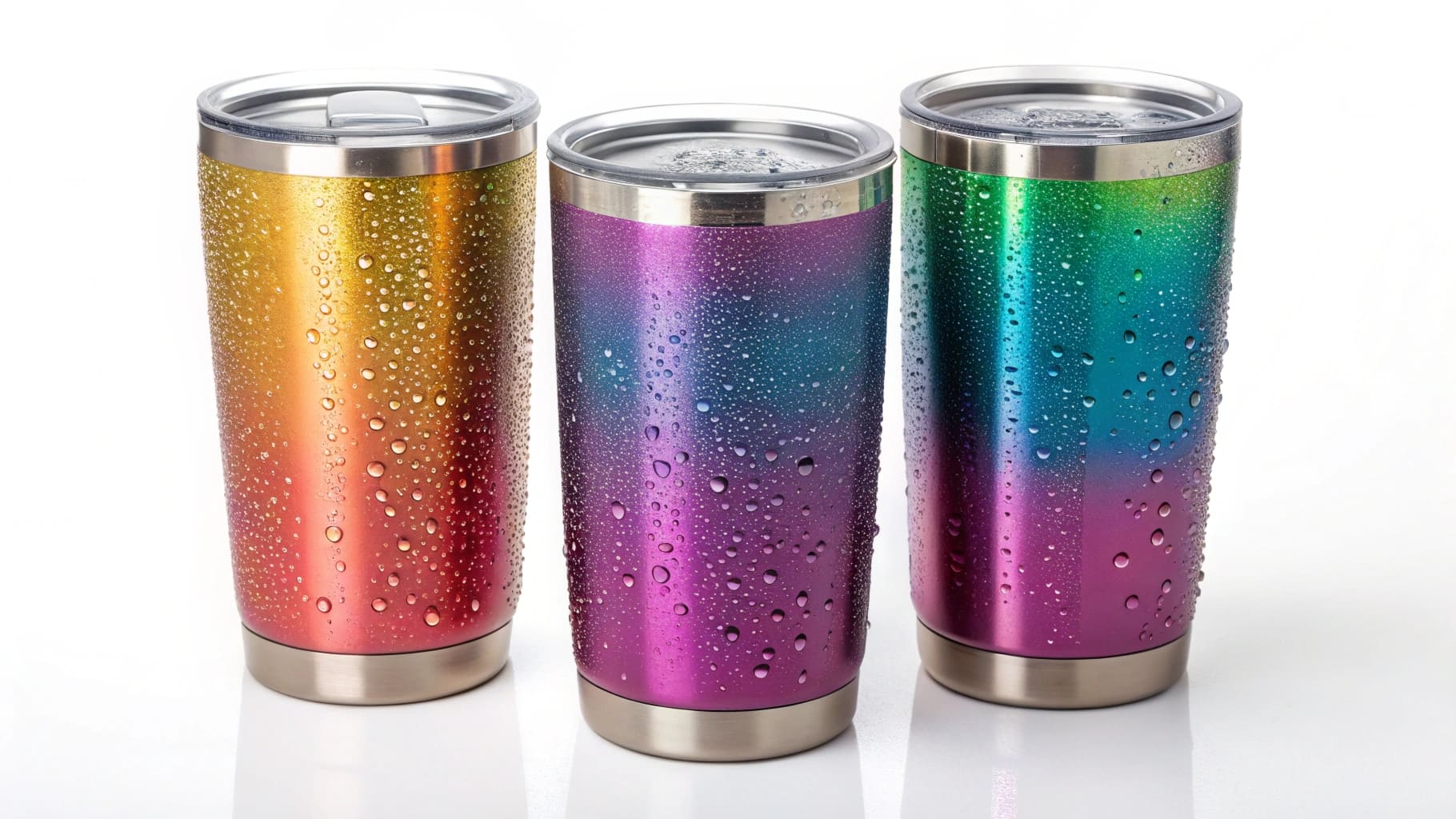
I have worked with hundreds of B2B buyers over the years. They all face the same challenges when sourcing drinkware from China. Some buyers worry about minimum order quantities. Others stress about delayed shipments. Many struggle with color matching across batches. Let me walk you through what you actually need to know.
Are Any Insulated Tumblers Made in the USA?
You might prefer to source locally. American manufacturing sounds appealing. But the reality looks different from what most buyers expect.
The vast majority of insulated tumblers2 are produced in Asia, particularly China. Some brands market products as "designed in the USA," but actual manufacturing typically occurs overseas due to cost structures and technical capabilities.
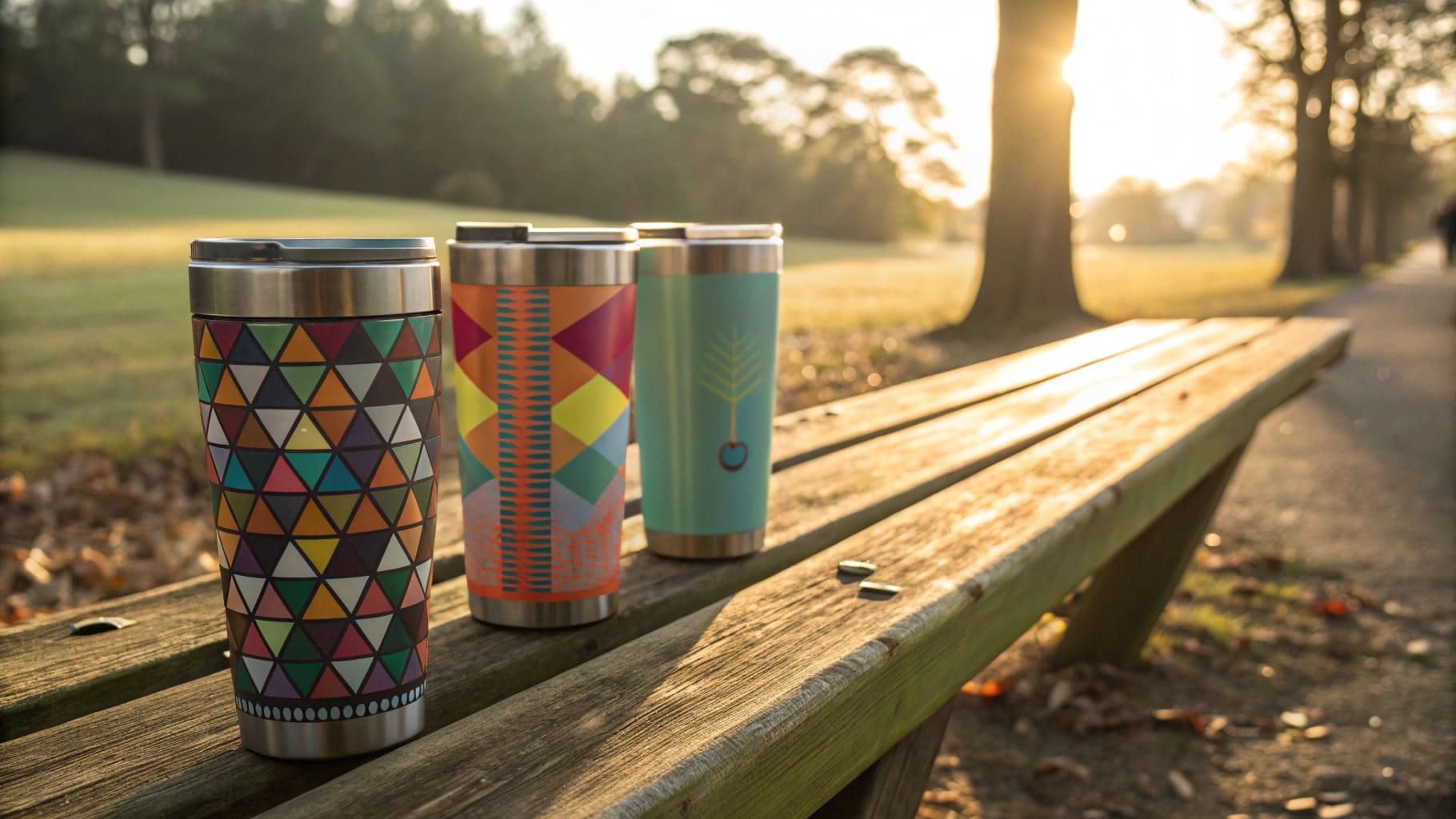
I need to be honest with you about U.S. manufacturing. The established supply chains exist in Asia. China has specialized equipment that American factories lack. The economies of scale create a competitive advantage that domestic production cannot match.
I meet buyers who insist on American-made products. They search for weeks or months. Most end up sourcing from China anyway. The cost difference is significant. A U.S.-made insulated tumbler might cost three to four times more than a Chinese equivalent.
The technical capabilities matter too. Chinese manufacturers have decades of experience with stainless steel drinkware3. They understand vacuum insulation technology. They have perfected powder coating processes. They can execute complex customization requests.
Some small U.S. workshops do produce limited quantities. These operations typically serve niche markets. They charge premium prices. Their production capacity is limited. Their lead times often exceed what Asian suppliers offer.
| Manufacturing Location | Typical Cost | Lead Time | MOQ | Customization Options |
|---|---|---|---|---|
| China | Baseline | 30-90 days | 3,000+ pieces | Extensive |
| USA | 3-4x higher | 45-120 days | 500-1,000 pieces | Limited |
| Vietnam | Slightly higher | 40-100 days | 2,000+ pieces | Moderate |
My advice is simple. Focus on finding the right supplier rather than the right country. Quality standards exist everywhere. Poor manufacturers exist everywhere too. The key is verification and relationship building.
What Is the Difference Between a Thermos and a Travel Mug?
You see both terms used interchangeably. The confusion is understandable. But these products serve different purposes and offer different performance levels.
The distinction lies primarily in insulation performance and design purpose. Both utilize double-wall vacuum insulation technology4, but products marketed as "thermos" typically emphasize maximum heat retention for extended periods.
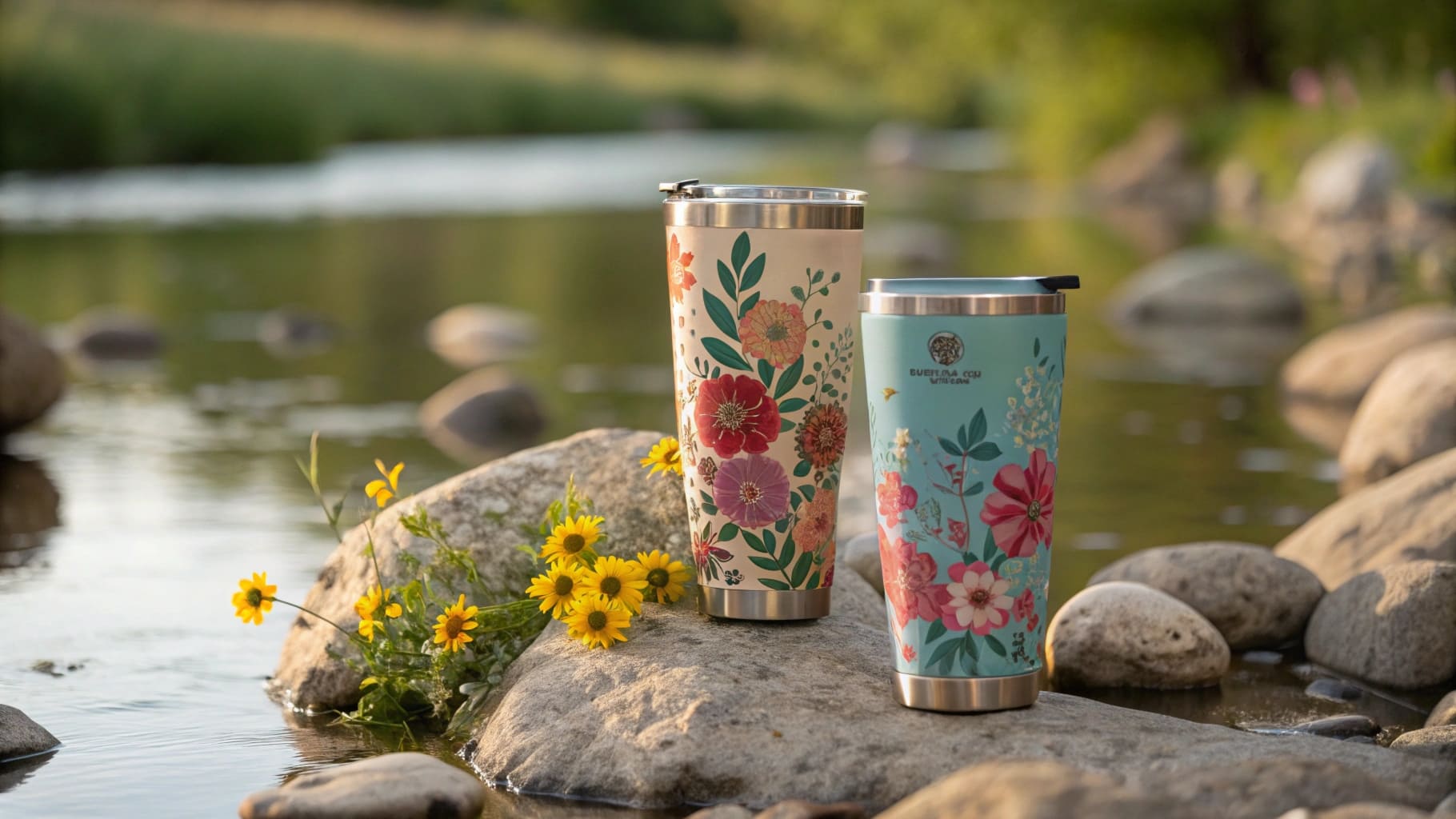
I want to explain the technical differences. A thermos prioritizes insulation above all else. Manufacturers design it to keep liquids at their original temperature as long as possible. The walls are thicker. The vacuum seal is more robust. The opening is typically narrow to minimize heat loss.
A travel mug balances insulation with convenience. It features a wider mouth for easy drinking. It includes a handle for comfortable carrying. The design accommodates cup holders in vehicles. The lid mechanism allows for drinking while driving or walking.
The insulation performance differs significantly. A quality thermos can maintain hot beverages for 12-24 hours. It can keep cold drinks chilled for 24-48 hours. A travel mug typically performs well for 3-12 hours for hot drinks and 6-24 hours for cold beverages.
The construction quality determines actual performance. I have seen cheap thermoses that perform worse than premium travel mugs. The vacuum seal integrity is critical. Any air in the double-wall space destroys insulation capability. The wall thickness matters too. Thicker walls provide better insulation but add weight.
Material choice affects both categories. Food-grade stainless steel is standard for quality products. The inner wall should be 18/8 stainless steel at minimum. This grade resists corrosion and does not retain flavors. The outer wall can use various grades depending on the coating method.
Powder coating on travel mugs serves multiple purposes. It prevents heat transfer to your hand. It creates a non-slip grip surface. It stays sweat-free when holding cold beverages. It allows for custom color matching to brand specifications.
Which Travel Mug Stays Hot the Longest?
You need to know what drives heat retention. Your customers expect their coffee to stay hot during their commute. Product performance directly affects your brand reputation.
Modern insulated travel mugs with handles can maintain hot beverages for 3-12 hours and cold drinks for 6-24 hours, depending on construction quality and vacuum seal integrity.
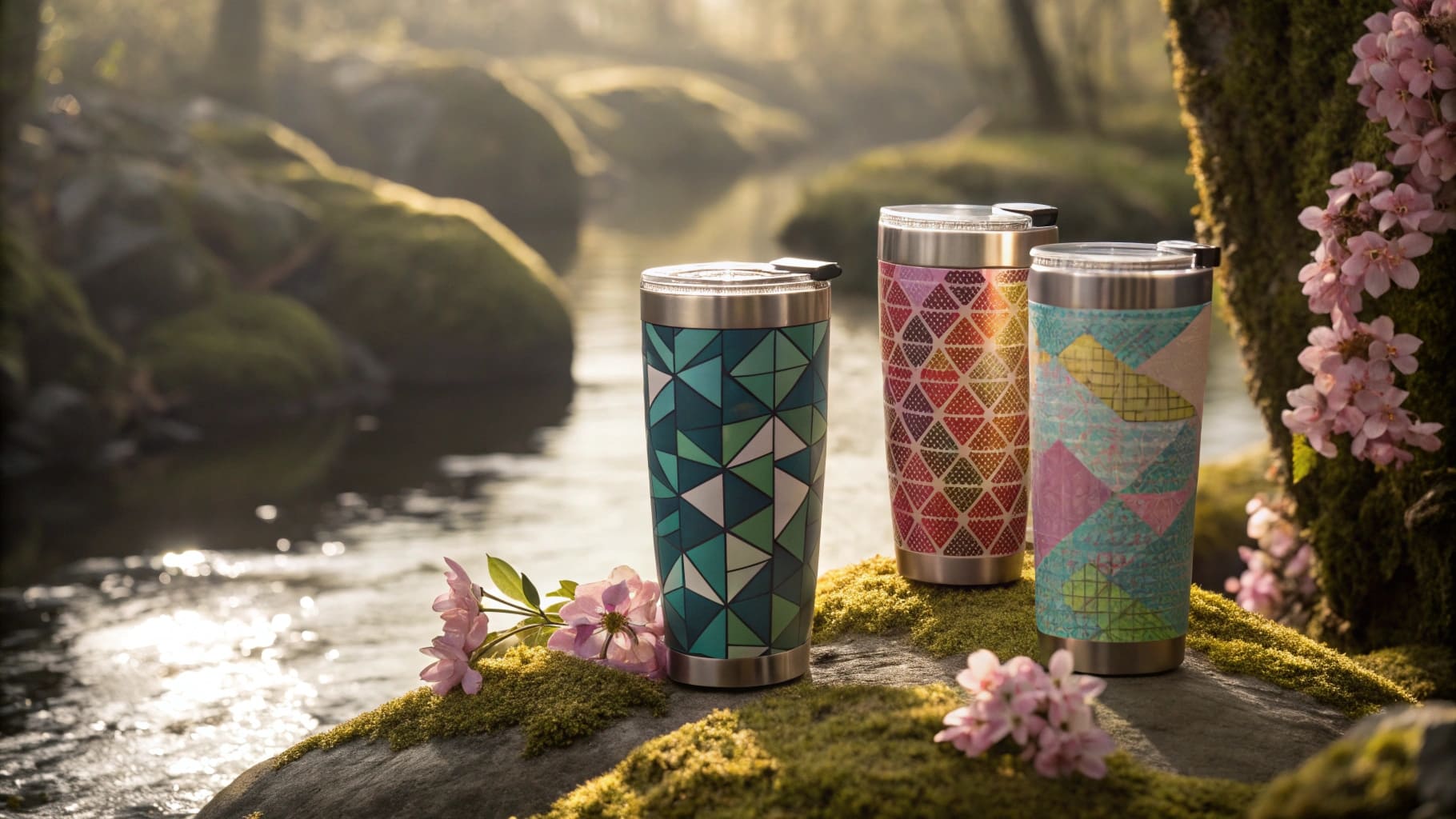
I want to share what actually matters in heat retention. The vacuum seal is the most critical factor. A perfect vacuum between the double walls eliminates heat transfer through conduction and convection. Any air leak destroys this advantage immediately.
The wall thickness affects performance but adds weight. Most manufacturers balance these factors. A 0.6mm wall thickness is common for the inner wall. The outer wall might be 0.4mm or 0.5mm. Premium products sometimes use 0.8mm walls throughout.
The lid design5 significantly impacts heat retention. A poorly designed lid lets heat escape rapidly. The seal around the drinking mechanism must be tight. Some manufacturers use silicone gaskets. Others rely on threaded closures. Both can work well if executed properly.
The cup opening size matters more than most buyers realize. A narrow opening reduces the surface area where heat escapes. Wide-mouth designs sacrifice some insulation for convenience. This is why thermoses typically have smaller openings than travel mugs.
I test products regularly in my factory. We fill mugs with water at 95°C. We measure the temperature after specific intervals. A quality travel mug should retain 65-70°C after 6 hours. Premium units maintain 60°C or higher after 12 hours.
The exterior coating affects user experience but not insulation. Powder coating prevents the outer wall from becoming hot to touch. This is a safety feature rather than an insulation feature. The actual insulation happens in the vacuum space.
Buyers often ask about copper plating6 inside the vacuum space. Some manufacturers apply copper to the inner wall surface. This adds radiant heat reflection. The improvement is marginal in my experience. The vacuum seal quality matters far more.
Handle attachment points can create weak spots. If the handle connects through both walls, it creates a thermal bridge. Quality manufacturers attach handles to the outer wall only. They use welding or adhesive methods that maintain vacuum integrity.
| Feature | Impact on Heat Retention | Typical Improvement |
|---|---|---|
| Vacuum seal quality | Critical | Baseline performance |
| Wall thickness | Moderate | 10-15% improvement |
| Lid design | Significant | 20-30% difference |
| Opening size | Moderate | 15-20% difference |
| Copper plating | Minimal | 5-8% improvement |
My recommendation is to request sample testing7 before committing to large orders. Fill the samples with hot water. Measure temperature retention over 12 hours. Compare results across different suppliers. This data reveals actual performance rather than marketing claims.
I have seen buyers make decisions based solely on price. They later regret it when customer complaints arrive. Heat retention performance is not negotiable for travel mugs. Your brand reputation depends on it.
Conclusion
Sourcing insulated travel mugs with handles requires understanding MOQs, lead times, and color control processes. Focus on finding reliable suppliers who can demonstrate quality through testing rather than searching for specific manufacturing locations.
-
Learn about color control to ensure your products match your brand's specifications. ↩
-
Discover the options for locally made insulated tumblers and their benefits. ↩
-
Find out why stainless steel is a preferred material for durability and safety. ↩
-
Understanding this technology can help you choose better insulated products. ↩
-
Understanding lid design can help you select mugs that perform better. ↩
-
Explore the benefits and limitations of copper plating for heat retention. ↩
-
Sample testing ensures you receive quality products that meet your standards. ↩
