
Worldwide Top 10 40oz Insulated Tumbler Specs and Buying Tactics 2026?
You see competitive prices but worry about quality gaps. You need reliable specs but suppliers confuse you with brand comparisons. You want clarity on what actually matters.
The top 40oz tumblers in 2026 share core specs: 18/8 stainless steel, double-wall vacuum insulation1, and powder coat finishes. Smart buyers focus on manufacturer certifications and production capacity rather than brand names alone.
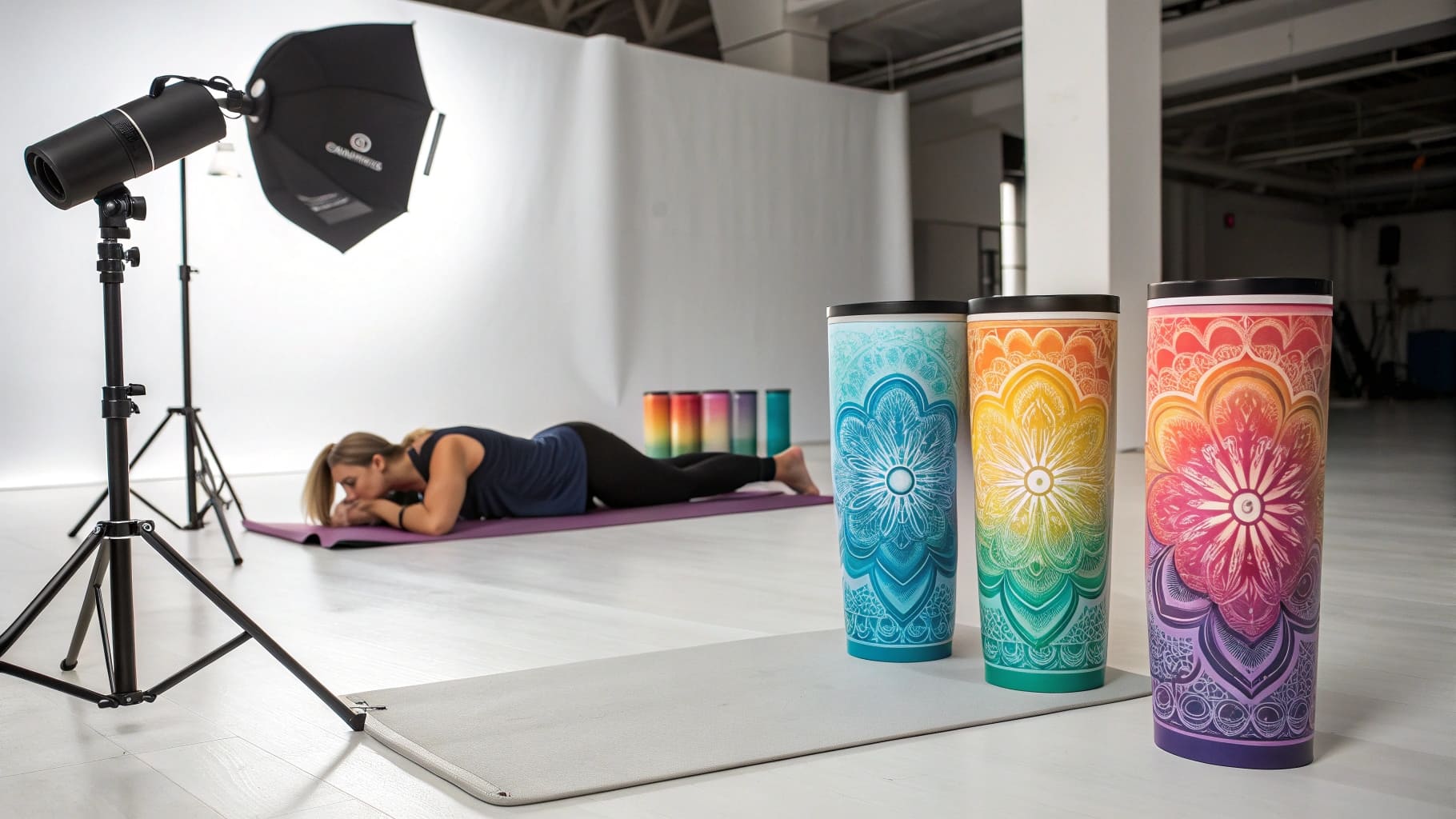
I have worked with hundreds of procurement officers over the past decade at Icobottle. I noticed a pattern. Buyers who understand manufacturing specifications make better decisions than those chasing brand names. The tumbler market has matured. Real value now lives in the factory floor.
Who Makes the Best Water Tumbler?
You compare brands endlessly but feel uncertain about real quality differences. You hear conflicting opinions from sales reps. You need a clear answer based on facts.
The best tumblers come from manufacturers with FDA and LFGB certifications2, automated production lines, and proven export experience. Brand prestige matters less than production capability and quality control systems.
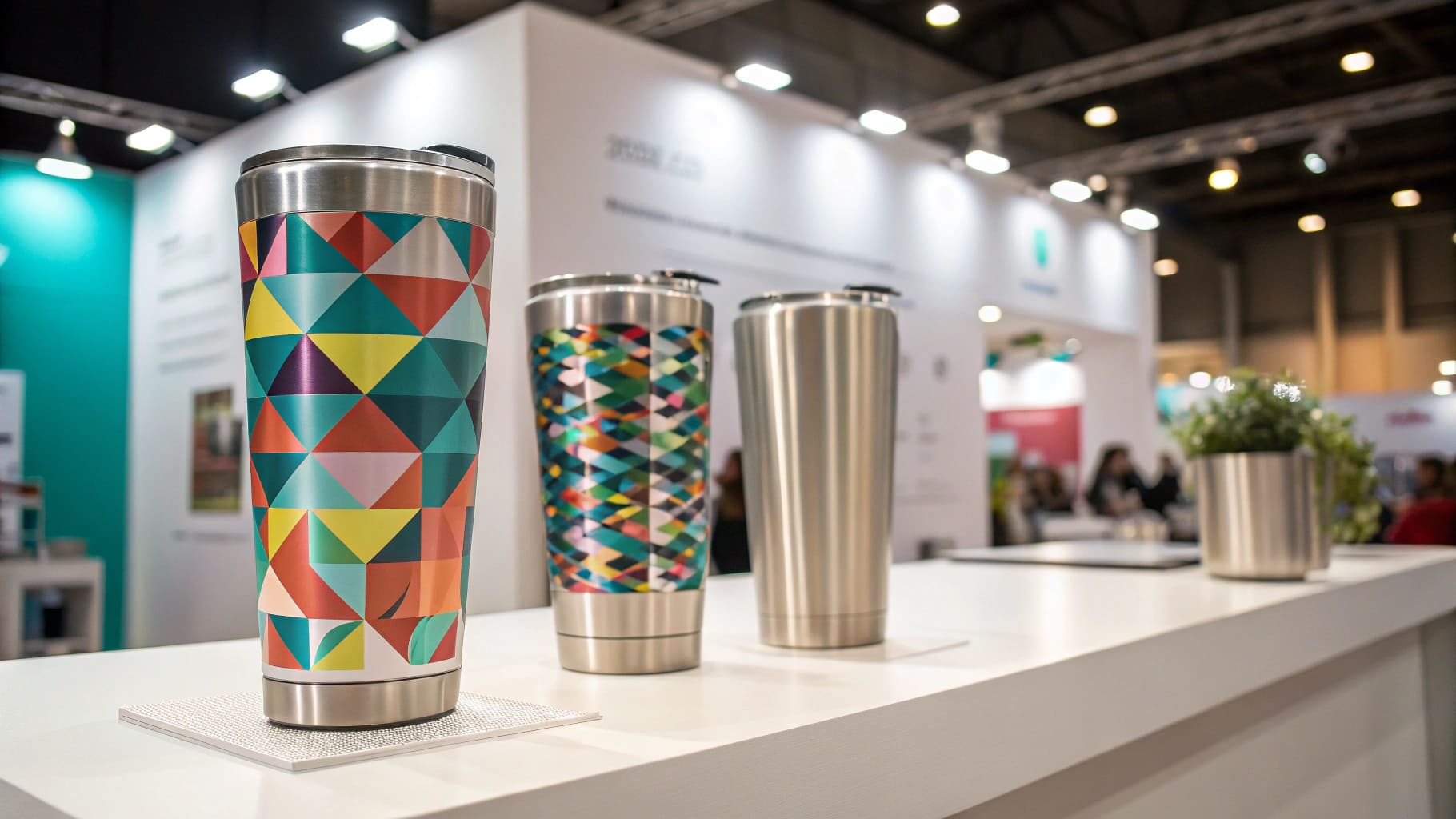
Manufacturing Capability Defines Quality
I visit factories every month. The truth surprises most buyers. The same facilities produce for Stanley, YETI, and private label brands. These manufacturers operate advanced production lines that output over one million units monthly. They maintain strict quality control at every stage.
The real differentiator is not the brand logo. It is the factory's technical expertise. Top manufacturers invest in automated welding equipment that ensures consistent vacuum seal integrity. They run leak tests on every batch. They employ experienced quality inspectors who understand international standards.
I worked with a Canadian buyer named Mark last year. He spent months comparing Stanley and YETI samples. Then I showed him factory test reports from our OEM facility. The insulation performance matched branded products exactly. He realized he was paying premium prices for marketing costs rather than superior manufacturing.
| Quality Factor | What Matters | Why It Matters |
|---|---|---|
| Steel Grade | 18/8 food-grade stainless | Prevents rust and chemical leaching |
| Vacuum Pressure | Below 0.003 Pa | Maintains temperature for 24+ hours |
| Welding Method | Automated laser welding | Eliminates weak points and leaks |
| Coating Process | Powder coat with pre-treatment | Prevents chipping and fading |
Is YETI a Chinese Company?
You see "Made in China" labels and wonder about YETI's actual origin. Sales reps give vague answers. You want to understand the supply chain reality.
YETI is an American brand founded in Austin, Texas. However, YETI products are manufactured globally, with significant production in China. This manufacturing strategy is standard for premium drinkware brands.
The Global Manufacturing Reality
I need to clarify this confusion I hear constantly. YETI operates as an American company. The brand was founded by two brothers in Texas. But YETI does not own factories. They contract with manufacturers worldwide.
Most YETI tumblers come from the same Chinese facilities that produce for other premium brands. This is not a quality compromise. Chinese stainless steel factories have evolved into world-class operations. They hold the technical expertise that makes premium insulation possible.
Stanley follows the same model. Pacific Market International owns the Stanley brand. They also rely on global manufacturing networks, with major production in China. I have toured these facilities. The equipment rivals any factory I have seen in developed countries.
The key insight for procurement officers is simple. Brand nationality matters less than factory capability. When you buy from an established Chinese OEM manufacturer, you access the same production quality that supplies major brands. You just skip the brand markup.
I remember Mark asking me directly about this issue. He worried that Chinese manufacturing meant inferior quality. I sent him our factory's ISO 9001 and BSCI certifications. I arranged a video tour of our production line. He saw the automated equipment and quality testing procedures. His concern shifted from origin to verification methods.
Is Stanley Better than YETI?
You evaluate both brands but struggle to justify price differences. Marketing claims sound similar. You need objective comparison criteria for procurement decisions.
Stanley and YETI offer comparable technical specifications. The choice depends on lid design preferences, color options, and price positioning rather than fundamental quality differences. Both brands source from similar manufacturing ecosystems.
Specification Comparison for B2B Buyers
I have tested both brands extensively in our lab. The performance differences are marginal. Both use 18/8 stainless steel. Both employ double-wall vacuum insulation. Both apply durable powder coat finishes3.
Stanley has innovated with the FlowState™ 3-position lid system. This design offers more versatility for different drinking preferences. YETI focuses on MagSlider™ technology that emphasizes leak resistance. These are design choices, not quality differences.
The price gap between Stanley and YETI reflects brand positioning strategy. YETI positions as ultra-premium. Stanley aims for accessible premium. Neither price point necessarily correlates with superior manufacturing. I have seen identical production lines making products for both brands.
For B2B buyers, this creates opportunity. You can specify the exact features you want from an OEM manufacturer. Want Stanley's lid system with YETI's color palette? Manufacturers can combine these elements. You are not locked into brand-dictated specifications.
| Feature | Stanley 40oz | YETI Rambler 40oz | OEM Customization |
|---|---|---|---|
| Steel Grade | 18/8 | 18/8 | 18/8 (customizable) |
| Insulation | 24 hours cold | 24 hours cold | 24+ hours cold |
| Lid System | FlowState 3-position | MagSlider | Any design |
| Colors | 15+ options | 20+ options | Unlimited (MOQ based) |
| Price (bulk) | $25-30 wholesale | $35-40 wholesale | $12-18 factory direct |
Strategic Buying Tactics for 2026
I advise buyers to shift their evaluation framework. Stop comparing brand versus brand. Start comparing manufacturer capability versus your requirements.
First, request factory certifications. FDA approval for US markets is non-negotiable. LFGB certification matters for European distribution. BPA-Free declarations protect you from liability issues. ISO 9001 indicates systematic quality management.
Second, verify production capacity. Can the factory handle your volume requirements? I have seen buyers place orders with small operations that cannot scale. This causes shipment delays during peak seasons. Mark experienced this exact problem with a previous supplier in Vietnam. The factory committed to 50,000 units but could only deliver 30,000 on time.
Third, examine insulation test reports4. Reputable manufacturers test every production batch. They measure temperature retention at 2, 6, 12, and 24-hour intervals. These reports reveal real performance rather than marketing claims.
Fourth, evaluate customization capabilities5. Can they laser engrave logos? Do they offer powder coating in custom Pantone colors? Can they source specialized lids or accessories? Comprehensive OEM services add value beyond basic manufacturing.
Fifth, assess export experience. Manufacturers familiar with Western markets understand packaging requirements, documentation procedures, and shipping logistics. This expertise prevents costly delays at customs.
I worked with Mark through this entire evaluation process. He initially focused on finding a "Stanley alternative" at lower cost. I redirected his attention to manufacturing specifications. We identified a facility that produces for major European brands. They offered equivalent quality with full customization at 40% cost savings. Mark's profit margins increased substantially while maintaining product integrity.
The tumbler market has matured. Manufacturing capability now exceeds brand innovation. Smart buyers recognize this shift. They engage directly with proven manufacturers. They verify capabilities rather than trusting brand reputation alone. This approach delivers better value in 2026.
Conclusion
Focus on manufacturer certifications and production capability rather than brand competition. Verify specs through test reports. Engage directly with OEM facilities for optimal value and customization options.
-
Learn how this technology keeps your beverages at the desired temperature for longer periods. ↩
-
These certifications are crucial for ensuring the safety and quality of drinkware. ↩
-
Discover why powder coat finishes enhance durability and aesthetics in drinkware. ↩
-
These reports provide insights into the actual performance of tumblers beyond marketing claims. ↩
-
Explore how customization can enhance your branding and product appeal. ↩