
Screw-cap hip flasks: torque specs, gasket durometer, and leak AQL levels
I still remember the day a Canadian retailer returned 200 hip flasks because they leaked. That incident taught me something valuable. The problem wasn't the stainless steel body. It was the cap assembly.
Torque specs control how tight the cap closes. Gasket durometer measures rubber hardness. Leak AQL sets acceptable defect rates. These three parameters work together to prevent leakage in screw-cap hip flasks.
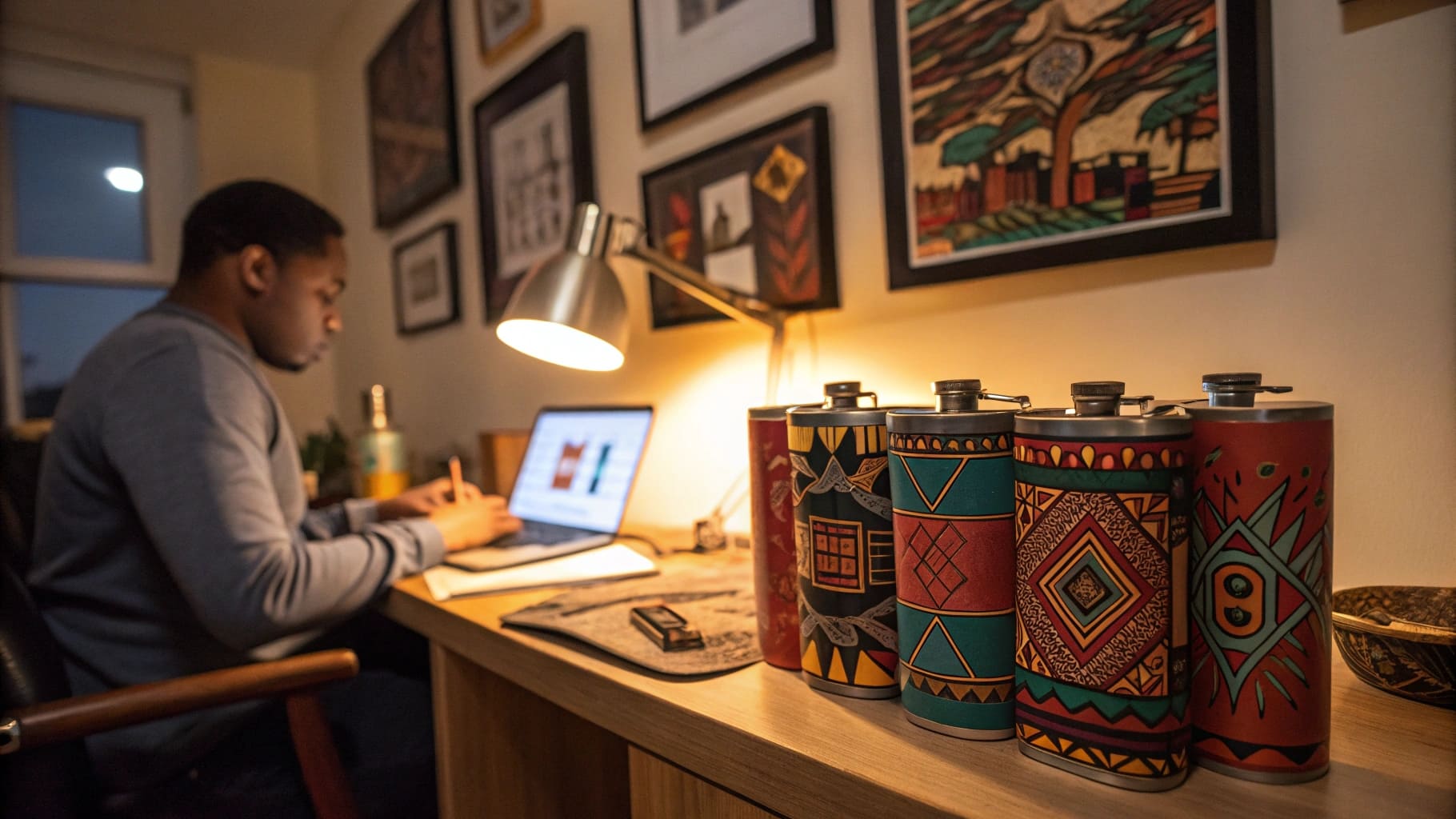
I've been sourcing stainless steel drinkware1 from China for over 15 years. Every time I work with a new supplier, I ask about these three technical specifications. Most suppliers can't answer clearly. That's a red flag. Let me share what I learned through years of quality issues and customer complaints.
What's the Difference Between a Flask and a Hip Flask?
You've probably used both terms. You might think they're different products. Most people do. But the industry uses these names for the same item.
A flask is a general term for any portable liquid container2. A hip flask specifically refers to the curved, pocket-sized design that fits in your hip pocket. The terms are interchangeable in practice.

Understanding Flask Classifications
I organize flasks into three categories when I talk to my suppliers. This helps avoid confusion during ordering.
Standard flasks come in various shapes and sizes. They can be round, rectangular, or kidney-shaped. The key feature is portability. People use them for outdoor activities, travel, or personal liquid storage.
Hip flasks have a specific curved design. The curve matches the contour of your body. This makes them comfortable to carry in a pocket. Traditional hip flasks hold 6-8 ounces of liquid. They're flat and slim.
Specialty flasks include novelty shapes or extra-large capacities. Some look like books, phones, or even binoculars. These are marketing products, not traditional hip flasks.
| Flask Type | Typical Capacity | Main Feature | Common Use |
|---|---|---|---|
| Standard Flask | 4-18 oz | Various shapes | General purpose |
| Hip Flask | 6-8 oz | Curved, flat | Pocket carry |
| Specialty Flask | Varies | Novelty design | Gifts, marketing |
The curved design3 of hip flasks creates a technical challenge. The body shape affects the gasket seal. A curved flask puts uneven pressure on the gasket when filled. This is why torque specifications matter more for hip flasks than standard flasks.
What is a Hip Flask Also Called?
I've seen hip flasks listed under different names on supplier catalogs. This confused me when I first started importing. You need to know all the alternative names to find the right products.
Hip flasks are also called pocket flasks, whiskey flasks, or liquor flasks. All these names refer to the same curved, portable container designed for spirits.

Regional Naming Variations
The naming depends on where you sell your products. I adjust my marketing materials based on the target market.
In North America, people commonly say "hip flask" or "pocket flask." The term "whiskey flask" is popular in the United States. Canadians often use "flask" without any qualifier. When I import products for the North American market, I use these terms in my product descriptions.
In the United Kingdom and Europe, "hip flask" is the standard term. British buyers rarely use other names. European customers sometimes call them "spirit flasks." This regional preference affects how I label my products for different markets.
In online marketplaces, sellers use multiple names to improve search visibility. You'll see "stainless steel hip flask," "portable whiskey flask," and "pocket liquor flask" all describing the same product. I do this too because it helps customers find my products.
The material also influences the name. Glass flasks were common historically. Now stainless steel dominates the market because it's durable and doesn't affect taste. When I specify orders with my Chinese suppliers, I always say "stainless steel hip flask" to avoid confusion. Some factories still make glass or plastic flasks, but those aren't what my customers want.
Can I Bring a Hip Flask on a Plane?
My customers ask this question all the time. They buy hip flasks for travel. Then they worry about TSA regulations. I learned the rules after a customer complained his flask was confiscated.
You can bring an empty hip flask through airport security. TSA allows empty containers of any size. Fill it after you pass the security checkpoint if you want to carry liquid during the flight.

Air Travel Regulations for Hip Flasks
The rules seem complicated at first. I break them down into simple steps for my customers.
Before security, you must empty your hip flask completely. TSA officers will check. Even a few drops of liquid can cause problems. I tell customers to rinse and air-dry their flasks the night before travel. This prevents any residue that might trigger concerns.
Going through security, place your empty flask in the bin with other metal items. Hip flasks are made of stainless steel. They'll show up on the X-ray machine. Security officers might open your bag to inspect it. This is normal. Don't worry about it.
After security, you can fill your flask with any beverage you purchased inside the secure area. Airport shops sell miniature bottles of spirits. Some travelers buy these and transfer the liquid into their flasks. This is allowed. The key is that you bought the liquid after the security checkpoint.
| Travel Stage | Flask Status | Liquid Allowed | What to Do |
|---|---|---|---|
| Before Security | Empty | No | Empty and rinse completely |
| Through Security | Empty | No | Place in bin with metal items |
| After Security | Can be filled | Yes (purchased inside) | Fill from airport purchases |
| During Flight | Can be full | Yes (but can't drink your own alcohol) | Keep sealed unless permitted |
During the flight, airlines have specific policies about personal alcohol. You cannot drink your own alcohol on the plane. Flight attendants must serve all alcohol consumed aboard. You can carry your filled flask, but keep it sealed. Some passengers violate this rule and get into trouble. I always warn my customers about this.
International flights add another layer of complexity. Different countries have different regulations. Some countries restrict alcohol imports completely. Check the destination country's customs rules before you travel. Your flask might be legal on the plane but cause problems at your destination.
One customer told me he brings his flask for the return journey. He empties it before flying home, then fills it at the duty-free shop. This strategy works well for people who want to enjoy their own spirits after landing. The flask stays empty during the actual flight, which complies with all regulations.
Understanding Torque Specifications for Hip Flask Caps
The torque value determines how tight the cap closes. I learned this after dealing with too many leaky flasks. Most buyers ignore this specification. Then they wonder why their products fail quality checks.
Torque measures rotational force in Newton-meters. Hip flask caps typically require 2-5 Nm of closing torque. Under-torquing causes leaks. Over-torquing damages gaskets or strips threads.

How Torque Affects Seal Performance
I visit factories in China regularly. I always ask to see their capping stations. Quality manufacturers use automated torque-controlled equipment. Budget suppliers rely on manual assembly. You can guess which ones have better leak rates.
The physics of sealing involves compressing the gasket material. The cap threads pull the gasket against the flask opening. This compression creates a watertight seal. Insufficient torque means incomplete compression. Excessive torque over-compresses the gasket material. Both situations result in leaks.
I test this myself during factory audits. I ask workers to cap flasks at different torque levels. Then I fill the flasks and turn them upside down. Flasks capped below 2 Nm often leak immediately. Flasks capped above 6 Nm sometimes leak after the gasket relaxes. The sweet spot is 3-4 Nm for most hip flask designs.
Production consistency matters as much as the target torque value. A factory might set the correct torque specification but fail to maintain it across production batches. I check this by randomly selecting flasks from different production runs. I measure the actual opening torque with a calibrated torque wrench.
Torque Testing Methods
I use three methods to verify torque specifications during inspections.
Method 1: Torque wrench measurement. I remove caps from random samples and measure the torque required to loosen them. This gives me the actual applied torque during assembly. Good factories maintain consistency within plus or minus 0.5 Nm.
Method 2: Leak testing under pressure. I fill flasks with water, seal them, and apply 2 PSI of air pressure for 30 seconds. Properly torqued caps don't leak under this test. Under-torqued caps show water droplets at the seal interface.
Method 3: Drop testing. I fill flasks completely, seal them, and drop them from one meter onto a concrete floor. The impact creates internal pressure. Weak seals fail during this test. Properly torqued caps maintain their seal.
| Torque Range | Seal Performance | Gasket Condition | Risk Level |
|---|---|---|---|
| Below 2 Nm | Poor, immediate leaks | Under-compressed | High |
| 2-3 Nm | Adequate for light use | Slightly compressed | Medium |
| 3-4 Nm | Excellent seal | Properly compressed | Low |
| 5-6 Nm | Good initial seal | Heavily compressed | Medium |
| Above 6 Nm | Initial seal, later failure | Over-compressed, damaged | High |
Gasket Durometer Selection for Hip Flasks
The gasket material makes or breaks the seal. I've rejected entire shipments because suppliers used the wrong durometer. Most buyers don't even know what durometer means. Let me explain why it matters.
Durometer measures rubber hardness on the Shore A scale. Hip flask gaskets work best between Shore A 40-60. Softer gaskets compress too easily. Harder gaskets don't seal properly.

Material Properties and Performance
I specify food-grade silicone4 for all my hip flask orders. Other materials don't perform as well. Cheaper suppliers try to use EPDM or NBR rubber. These materials work for water bottles but not for hip flasks.
Silicone advantages include temperature resistance, chemical stability, and long-term elasticity. Hip flasks often contain spirits with high alcohol content. Alcohol degrades many rubber materials over time. Silicone resists this degradation. I've tested flasks after one year of whiskey storage. Silicone gaskets maintain their sealing ability. EPDM gaskets become brittle and leak.
The durometer range of 40-60 Shore A balances compression and recovery. Shore A 40 silicone compresses easily under moderate torque. This creates good initial contact with sealing surfaces. But very soft gaskets can be pushed out of their grooves during repeated opening and closing. Shore A 60 silicone maintains its shape better. But it requires higher torque to achieve proper compression. My preferred specification is Shore A 50, which balances these factors.
Temperature effects on gasket performance surprise many buyers. Silicone maintains its properties from minus 40 to plus 200 degrees Celsius. Hip flasks rarely experience extreme temperatures, but consider outdoor use in winter or hot cars in summer. I've received complaints about leaks in cold weather. Investigation showed the supplier used Shore A 70 gaskets. The harder material lost flexibility in cold conditions.
Gasket Design Features
The gasket shape affects sealing performance as much as the durometer. I review technical drawings before placing orders. Small design changes make big differences.
Groove depth must match gasket thickness and durometer. A shallow groove with a soft gasket allows the gasket to squeeze out under pressure. A deep groove with a hard gasket creates insufficient compression for sealing. I specify groove depths of 1.5-2.0 mm for Shore A 50 gaskets with 2.0-2.5 mm thickness.
Gasket width determines the sealing area. Wider gaskets distribute compression force over a larger area. This reduces the required torque. But wide gaskets cost more and require larger cap designs. I use 3-4 mm wide gaskets for standard hip flasks. This provides adequate sealing without excessive bulk.
Multi-lip designs improve leak prevention. Some premium gaskets have two or three concentric sealing lips. Each lip creates a separate seal barrier. If the outer lip fails, the inner lips still prevent leaks. I specify multi-lip gaskets for high-end hip flask lines. The cost increase is minimal compared to the improved reliability.
Leak AQL Levels and Quality Control
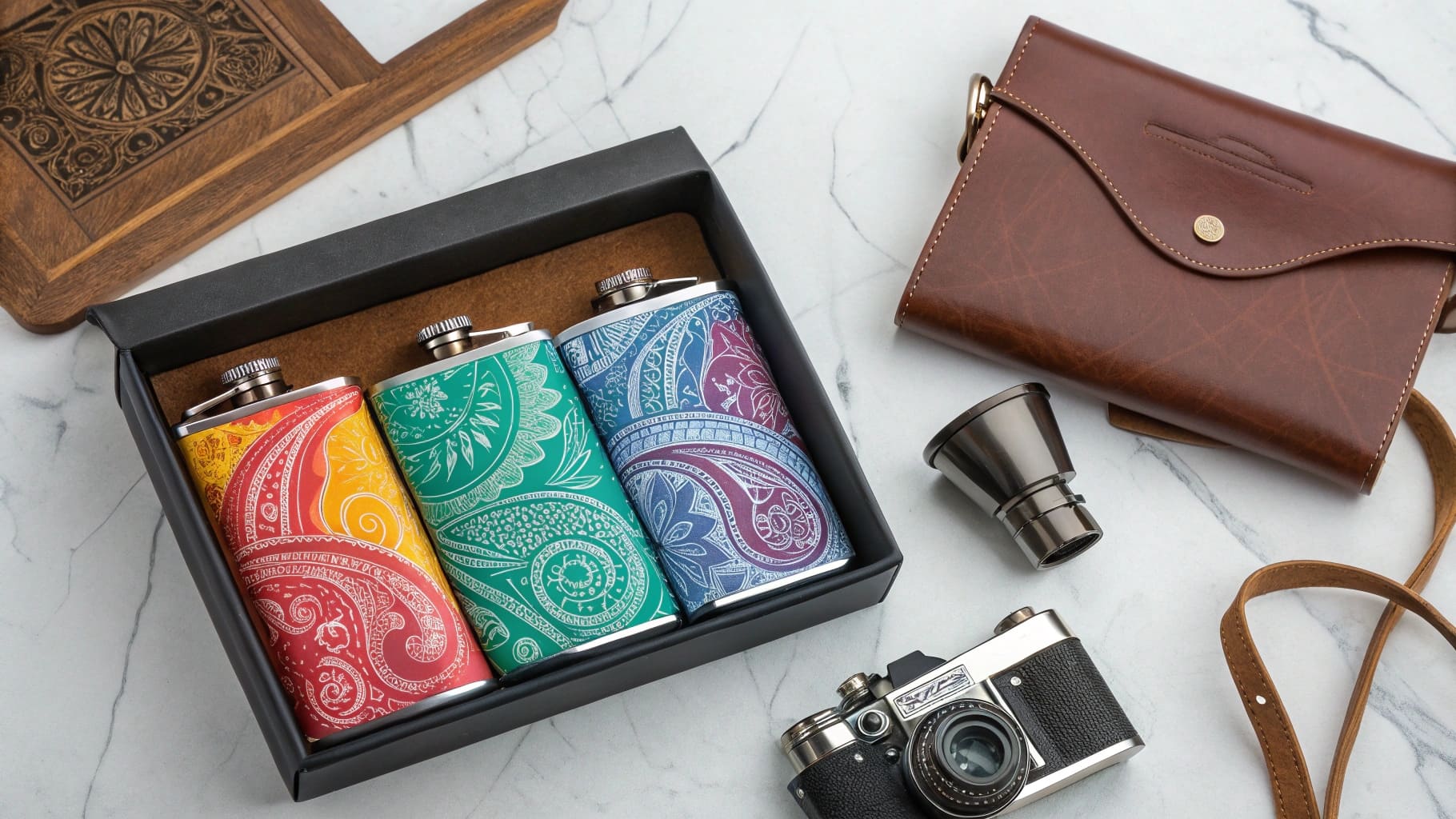
AQL defines acceptable quality limits for production defects. I insist on AQL 0.65 for critical defects like leaks. Many suppliers want AQL 1.5 or 2.5. I refuse. The difference in defect rates is huge.
AQL 0.65 means less than 1% of products have leaking issues. This maintains brand reputation and reduces returns. Higher AQL values increase customer complaints and damage your business.
Understanding AQL Standards
I explain AQL to every new supplier I work with. Most Chinese factories understand AQL for cosmetic defects. Functional defects like leaks require stricter standards.
The sampling plan determines how many units inspectors check. AQL 0.65 with a lot size of 1000 units requires inspecting 125 pieces. The inspector performs leak testing on each sampled flask. If more than 2 units fail, the entire lot is rejected. This seems harsh, but it protects quality.
Critical versus major defects need different AQL levels. I classify leaks as critical defects5 because they make the product unusable. Cosmetic issues like minor scratches are major defects. I accept AQL 1.5 for major defects and AQL 0.65 for critical defects. This balanced approach maintains quality without making production impossible.
In-process inspection catches problems before final assembly. I require suppliers to test gasket durometer on every production shift. Workers use a handheld durometer gauge. This takes 30 seconds but prevents entire batches of wrong-durometer gaskets. I also require torque verification every two hours during assembly. These in-process checks reduce final rejection rates.
Leak Testing Procedures
| Test Method | Detection Capability | Time Required | Equipment Needed |
|---|---|---|---|
| Visual Inspection | Obvious leaks | 2 minutes | Water, cloth |
| Pressure Testing | Small leaks | 5 minutes | Pressure fixture, water tank |
| Drop Testing | Impact-induced leaks | 3 minutes | None (concrete floor) |
| Thermal Cycling | Temperature-related leaks | 24 hours | Oven, freezer |
Test 4: Thermal cycling. This test reveals problems that only appear under temperature stress. I fill flasks with water and seal them. Then I place them in a freezer at minus 20 degrees Celsius for four hours. After that, I move them to an oven at 80 degrees Celsius for four hours. I repeat this cycle three times. Gaskets that can't handle temperature changes will leak after this test. I only use this test for premium product lines because it's time-consuming.
Implementing Quality Control Systems
Quality control requires systematic procedures, not random checks. I work with suppliers to establish these systems.
Training programs for assembly workers make a difference. I've seen factories where workers didn't understand why torque mattered. They just twisted caps until they felt tight. After training sessions explaining the relationship between torque, gasket compression, and leaks, defect rates dropped by 60%. I now require all suppliers to train new workers before they touch production lines.
Documentation systems track quality metrics over time. I ask suppliers to record torque readings, gasket durometer measurements, and leak test results for each production batch. This data helps identify trends. If leak rates increase gradually over several weeks, we investigate equipment calibration or gasket supplier changes.
Corrective action procedures must be clear and fast. When a batch fails leak testing, the supplier needs to know exactly what to do. I provide written procedures covering root cause analysis, rework options, and prevention measures. This prevents repeated failures of the same issue.
I learned these lessons through expensive mistakes. One supplier shipped 5000 hip flasks with Shore A 70 gaskets instead of the specified Shore A 50. The harder gaskets required more torque than their equipment provided. Leak rate was 8%. We had to rework every single flask by replacing gaskets and re-capping with correct torque. The cost was enormous. Now I verify gasket durometer before production starts.
Conclusion
Torque specs, gasket durometer, and leak AQL work together as a system. Master these three parameters and you'll eliminate most quality problems. I've used this knowledge to build a reliable supply chain over 15 years.
-
Explore the advantages of stainless steel drinkware, including durability and taste preservation. ↩
-
Understanding the characteristics of portable liquid containers can enhance product design and marketing. ↩
-
Curved designs present unique sealing challenges; discover how to address them effectively. ↩
-
Food-grade silicone offers superior performance; learn why it's the best choice for hip flasks. ↩
-
Understanding critical defects helps maintain product usability; learn how to identify them. ↩
