
Which Stainless Steel Kids Cups Reduce Spills, and What AQL Should Apply?
I have seen buyers choose a “leak-proof” cup and still get complaints. The problem grows fast when seals, valves, and inspection rules do not work together.
Stainless steel kids cups reduce spills best when they combine a food-grade silicone seal, a stable valve system, and a well-made stainless steel body. I apply AQL 1.5 for critical defects like leaking or safety failure, and AQL 2.5 for major defects like visible finish issues.
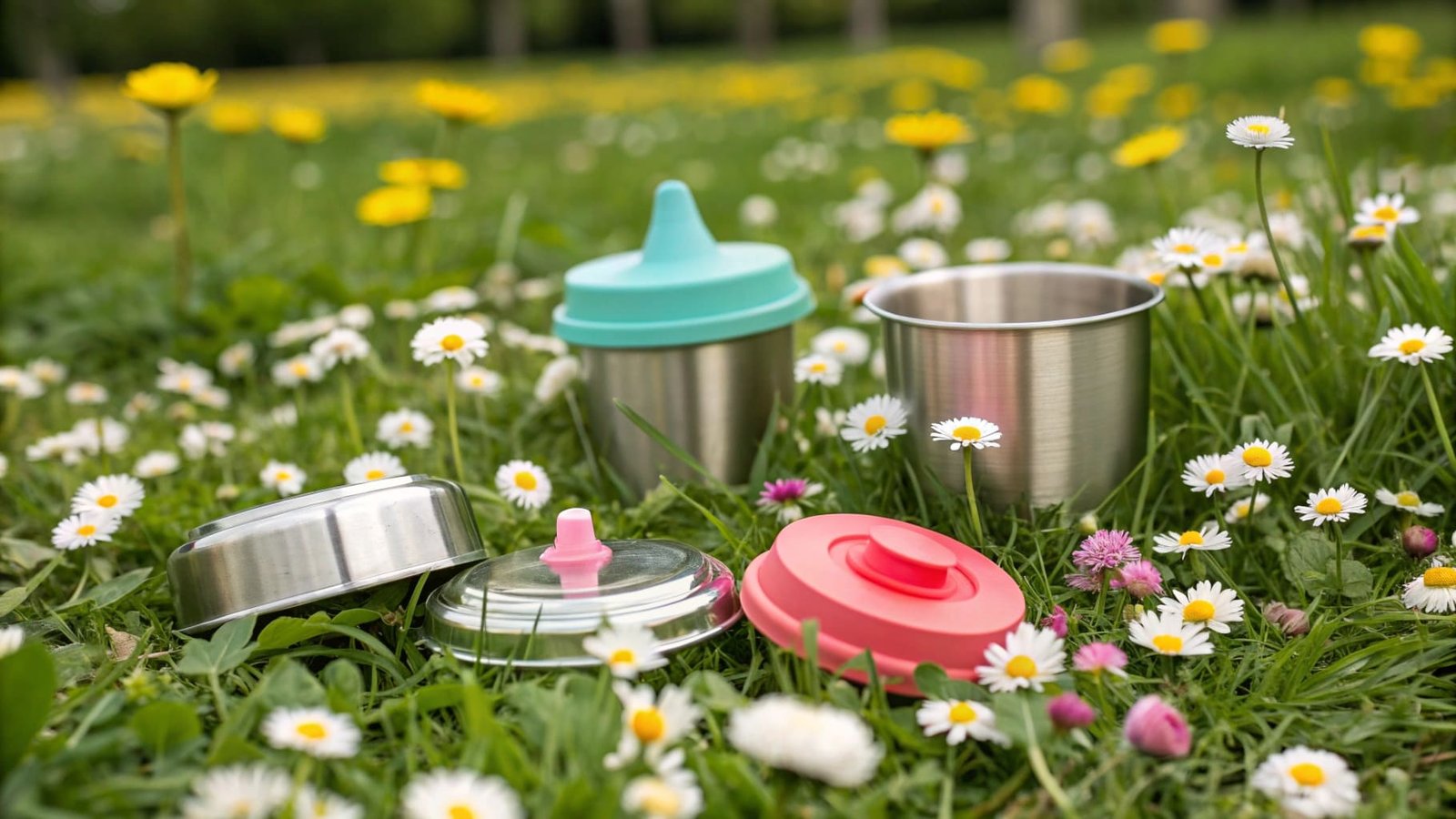
I do not treat spill control as one feature. I treat it as a full product system. When I discuss kids cups with buyers, I look at the seal, the lid structure, the straw or valve, the cup body, and the way the product is assembled. I also look at how the cup will be used by a child, not by an adult in a quiet office.
In my experience, many suppliers say “non spill” too easily. I have also seen buyers accept that claim too quickly. A toddler may throw the cup from a high chair. A parent may put it inside a bag. A distributor may face returns because one batch has a small tolerance change in the lid. That is why I ask for both design review and inspection rules before mass production starts.
For B2B sourcing, I believe the safest choice is a stainless steel kids cup with a soft but stable silicone seal, a tested valve design, and a stainless steel body with clean welding and steady wall thickness. The inspection must include leak testing, drop testing, cap fit testing, and material checks. I see AQL as a buying tool, not only an inspection term. It tells the factory that leaking is not a small issue. It also protects my customer before peak season starts.
What Is the Best Non Spill Toddler Cup?
I have watched buyers lose time because a toddler cup looked smart but leaked in real life. The pain is simple. Bad design becomes customer complaints.
The best non spill toddler cup uses a food-grade silicone seal, a weighted straw or a 360-degree drinking edge, and a stable lid structure. I choose designs that can be disassembled for cleaning and tested for leakage after shaking, pressure, and drop impact.
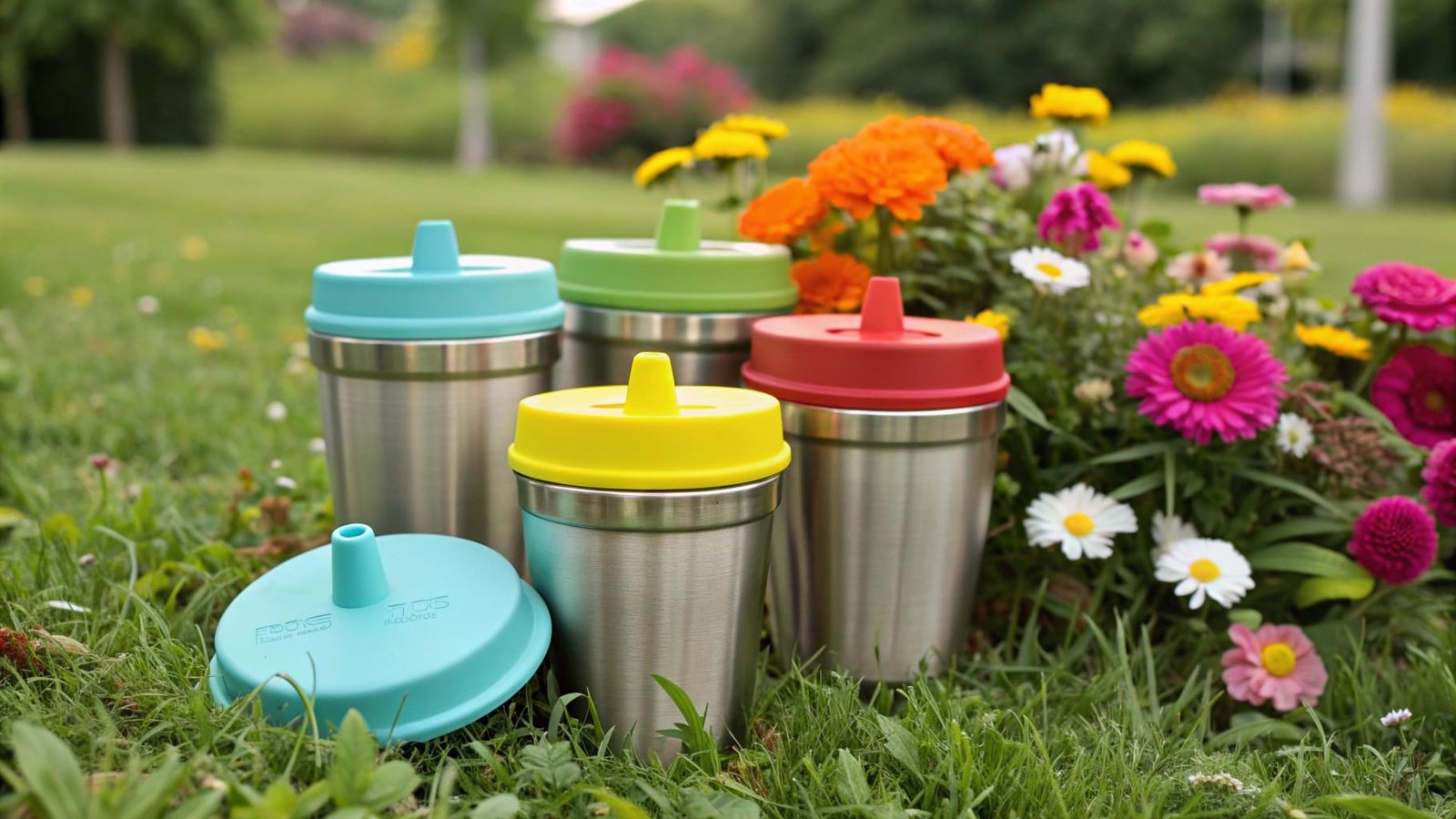
How I Judge a Real Non Spill Design
I do not judge a toddler cup by the product photo. I judge it by how the seal, valve, lid, and cup body fit under stress. A silicone seal should feel soft enough to close gaps, but firm enough to hold shape. I usually expect a Shore A range around 40 to 60 for many kid cup seals1, because it gives a good balance between comfort and sealing force. I also check whether the straw system has a weighted end, because a toddler may drink at many angles.
I ask the factory to open the lid and show me the sealing path. This sounds simple, but it often shows the real quality level. If the lid has weak ribs, loose threads, or thin locking points, the cup may pass one simple water test and still fail after transport or use.
| Part I Check | What I Want to See | Why It Matters |
|---|---|---|
| Silicone seal | Even shape and food-grade material | I need steady sealing and safe contact |
| Valve system | Smooth flow and stable closure | I need less spill without hard drinking |
| Lid fit | Firm thread or lock | I need the lid to stay tight after drops |
| Straw design | Fully removable parts | I need easy cleaning and lower bacteria risk |
| Cup body | Consistent wall and smooth rim | I need better fit and safer use |
I also separate “spill resistant” from “spill proof.” I do not promise that any toddler cup can beat every child in every situation. I prefer honest product claims, because honest claims reduce disputes later. For wholesale buyers, I would rather approve a design that passes clear leak tests than choose a design that only sounds good in a catalog.
What Is the Healthiest Material for Cups?
I have met buyers who worry about chemicals in children’s drinkware. That worry is fair. A low-price material can create high-cost trust problems.
I consider 304 stainless steel the healthiest common material for kids cups because it is BPA-free, phthalate-free, durable, and easy to clean2. For premium use, 316 stainless steel can offer higher corrosion resistance3, but 304 is usually enough for toddler drinkware.
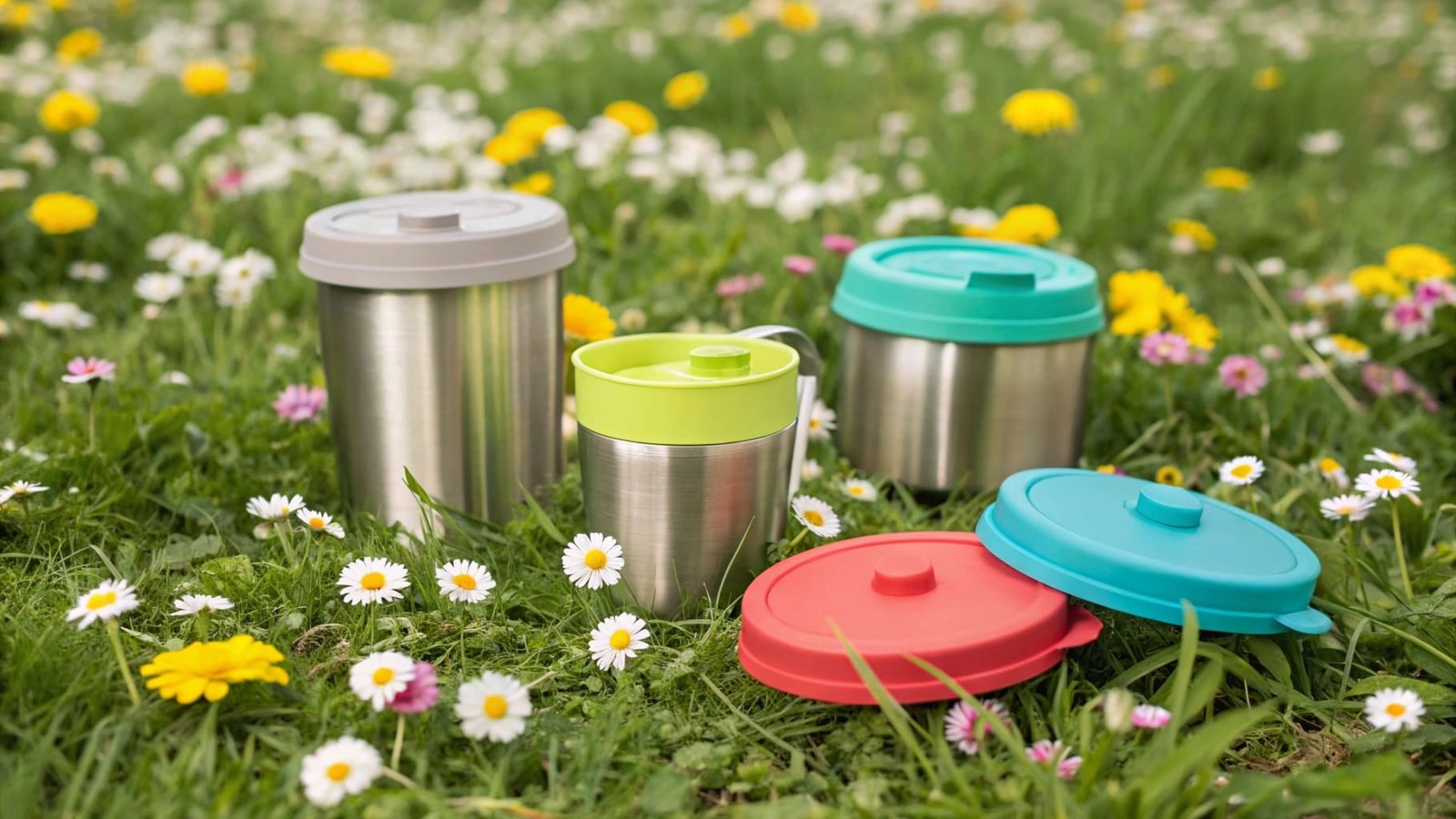
Why I Prefer Stainless Steel for Kids Cups
I prefer stainless steel because it does not depend on a plastic surface to stay safe. A plastic cup may look fine at first, but scratches can hold dirt and bacteria4. Some plastics may also change after repeated washing, heat, or use with acidic drinks. I do not say every plastic cup is unsafe. I say stainless steel gives me a more stable base for B2B quality control.
For kids cups, I usually focus on 304 stainless steel. It is widely used for food contact products. It resists rust well in normal use. It also works with cold water, milk, juice, and many daily drinks. If a buyer wants a premium line or sells near coastal areas, I may discuss 316 stainless steel. It has stronger corrosion resistance, but the real user benefit is small for most toddler cups.
| Material | My View | Main Concern |
|---|---|---|
| 304 stainless steel | My standard choice for kids cups | I still need correct grade proof |
| 316 stainless steel | Good for premium positioning | I need to check if the higher cost is worth it |
| Plastic | Can be light and cheap | I worry about scratches, heat, and chemical claims |
| Glass | Clean material image | I worry about breakage for toddlers |
| Aluminum | Light and low cost | I need coating, and coating risk becomes important |
I also pay attention to the outside coating. The inside may be safe stainless steel, but a painted exterior can still create problems if the paint has lead or fails rub testing. I ask for third-party test reports for food contact safety and coating safety. I also want the supplier to connect each report to the actual material and finish used in my order. A report that belongs to another product does not protect my shipment.
What Kind of Sippy Cups Should I Avoid?
I have seen bad sippy cup designs hide behind cute colors. The risk is real. A small part, fake report, or dirty straw can damage a brand.
I avoid sippy cups made with unverified recycled plastic, fixed straws that cannot be cleaned, small detachable parts that may choke a child, and suppliers who cannot provide real third-party testing for lead, food contact safety, and material grade.
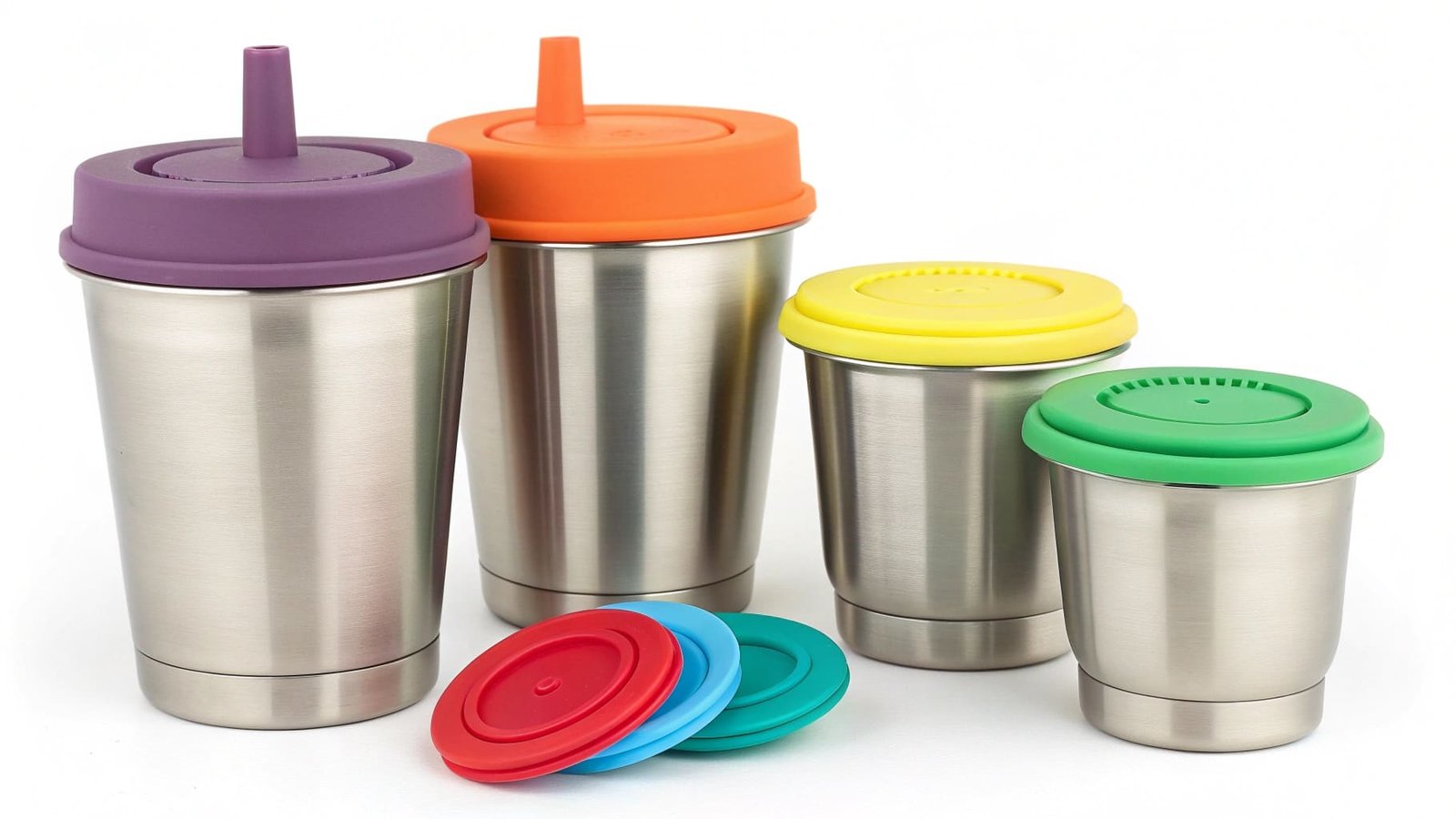
Red Flags I Check Before I Confirm an Order
I look for red flags before price talks go too far. A very low unit price can be attractive, but it may hide weak material, poor assembly, or missing tests. For children’s products, I do not like unclear answers. If a supplier cannot explain the material, the coating, the seal, and the cleaning method, I slow down the project.
I avoid permanently attached straws when the inside cannot be cleaned. Parents need to wash every part that touches liquid. If milk or juice stays inside a hidden tube, bacteria can grow. I also avoid designs with many small decorative pieces. A child may bite, pull, or drop the product. If a small part comes off, the risk is no longer only a product complaint. It becomes a safety issue5.
| Red Flag | Why I Avoid It | What I Ask Instead |
|---|---|---|
| Unverified recycled plastic | I cannot confirm food safety | I ask for certified food-grade material |
| Fixed straw | I worry about hidden dirt | I ask for full disassembly |
| Small loose parts | I worry about choking risk | I ask for a safer structure |
| Fake or vague certificates | I cannot protect the buyer | I ask for traceable test reports |
| Weak lid tolerance | I expect leaking after use | I ask for leak and drop testing |
| Poor paint control | I worry about lead and peeling | I ask for coating tests and samples |
I also pay attention to supplier behavior. If the sales person gives fast promises but no clear files, I treat that as a warning. I need a supplier who can answer technical questions in simple terms. I need them to explain the mold, the material grade, the seal hardness, the testing plan, and the packing method. Good communication does not replace inspection, but bad communication often predicts shipment problems.
For AQL, I do not accept a loose standard for kids cups. I set leaking, sharp edges, unsafe small parts, wrong material, and failed safety tests as critical problems. I use AQL 1.5 for those issues. I use AQL 2.5 for major defects, such as poor printing, visible dents, loose color matching, or assembly marks that hurt the brand image but do not create direct danger. I also add special tests outside normal visual inspection, because AQL alone cannot show every functional risk.
How I Build the Inspection Plan for Stainless Steel Kids Cups
I build the inspection plan before production, not after the goods are ready. This habit saves time. It also keeps the factory clear about what I will reject. I define the sample size with the inspection company, but I also define the test actions in plain language. I want the inspector to fill the cup, close the lid, shake it, turn it upside down, apply light pressure, and check the result. I also want a drop test from a normal high-chair height, because that is close to real use.
I check the lid torque or locking feel. I check the straw pull strength. I check silicone smell and surface quality. I check the rim for sharp edges. I check coating adhesion and logo durability. I check carton strength, because a good cup can still arrive damaged if packing is weak. This matters for buyers in Canada, America, and Europe, because retail timing and return cost can hurt margin fast.
| Inspection Item | Defect Type I Usually Set | My Reason |
|---|---|---|
| Leakage after shaking | Critical | The main function has failed |
| Unsafe sharp edge | Critical | A child may be hurt |
| Wrong stainless steel grade | Critical | The product claim is false |
| Small part detachment | Critical | Choking risk may appear |
| Poor lid fit | Major or critical | I decide based on leakage risk |
| Bad logo printing | Major | It hurts the buyer’s brand |
| Color difference | Major | It affects shelf appeal |
| Minor surface mark | Minor | It may not affect use |
I also ask for pre-shipment inspection early enough to fix issues. If inspection happens one day before vessel closing, the buyer has no real room to act. I prefer a schedule with buffer time. I want pilot samples, pre-production samples, and final inspection results before goods leave the factory. This is not slow buying. This is controlled buying. I have learned that a small delay in approval can prevent a large delay in the market.
Conclusion
I reduce spill risk by treating the cup as a system, choosing safe stainless steel, avoiding weak designs, and setting strict AQL before production.
-
"Silicone Shore Hardness Chart for Engineers - LK Prototype", https://lkprototype.com/silicone-shore-hardness-chart/. Shore A durometer scale measures elastomer hardness from 0 to 100, with values between 40 and 60 representing medium-soft materials that balance flexibility and compression resistance for sealing applications. Evidence role: general_support; source type: research. Supports: the relationship between Shore A hardness values and silicone seal performance characteristics. Scope note: Optimal hardness varies by seal design, and the cited range reflects general practice rather than empirical testing specific to children's drinking cups ↩
-
"a comparative study with the pure metals and stainless steel", https://pubmed.ncbi.nlm.nih.gov/20821706/. Type 304 stainless steel is a metal alloy composed primarily of iron, chromium (18-20%), and nickel (8-10.5%), which by its elemental composition cannot contain organic compounds such as bisphenol A or phthalates. Evidence role: mechanism; source type: encyclopedia. Supports: the chemical composition of 304 stainless steel and why it does not contain BPA or phthalates. ↩
-
"Deciding on the Best Material – 304 vs. 316 Stainless Steel", https://www.polycase.com/techtalk/steel-enclosures/304-vs-316-stainless-steel.html. Grade 316 stainless steel contains 2-3% molybdenum in addition to the chromium and nickel found in 304, providing superior resistance to chloride corrosion and pitting in marine or acidic environments. Evidence role: mechanism; source type: education. Supports: the compositional difference that gives 316 stainless steel enhanced corrosion resistance. Scope note: For typical children's cup applications with non-aggressive beverages, this performance difference may not manifest in measurable benefits ↩
-
"Microbial investigation of cleanability of different plastic and metal ... - PMC", https://pmc.ncbi.nlm.nih.gov/articles/PMC10439085/. Research on polymer surfaces indicates that scratches and surface roughness create microscopic crevices that can shield bacteria from cleaning and provide increased surface area for microbial adhesion and biofilm formation. Evidence role: mechanism; source type: research. Supports: that surface irregularities can increase bacterial retention on plastic materials. ↩
-
"Small Parts Ban and Choking Hazard Labeling", https://www.cpsc.gov/Business--Manufacturing/Business-Education/Business-Guidance/Small-Parts-for-Toys-and-Childrens-Products. The U.S. Consumer Product Safety Commission defines small parts for children under three years using a test cylinder of specific dimensions (approximately 1.25 inches diameter by 2.25 inches deep), with parts that fit entirely within this cylinder considered potential choking hazards. Evidence role: definition; source type: government. Supports: regulatory definitions of small parts that present choking hazards to young children. ↩