
Are Vacuum-Insulated Hip Flasks Worth the Premium for Corporate Gifting?
I see cheap flasks get ignored, and that wastes gift budgets. A vacuum-insulated hip flask feels useful, so my brand stays visible longer.1
I consider vacuum-insulated hip flasks worth the premium when the gift targets executives, dealer partners, or rebranded retail customers. The higher cost buys better temperature retention, stronger daily use, longer brand exposure, and a more premium hand feel than single-wall metal gifts.
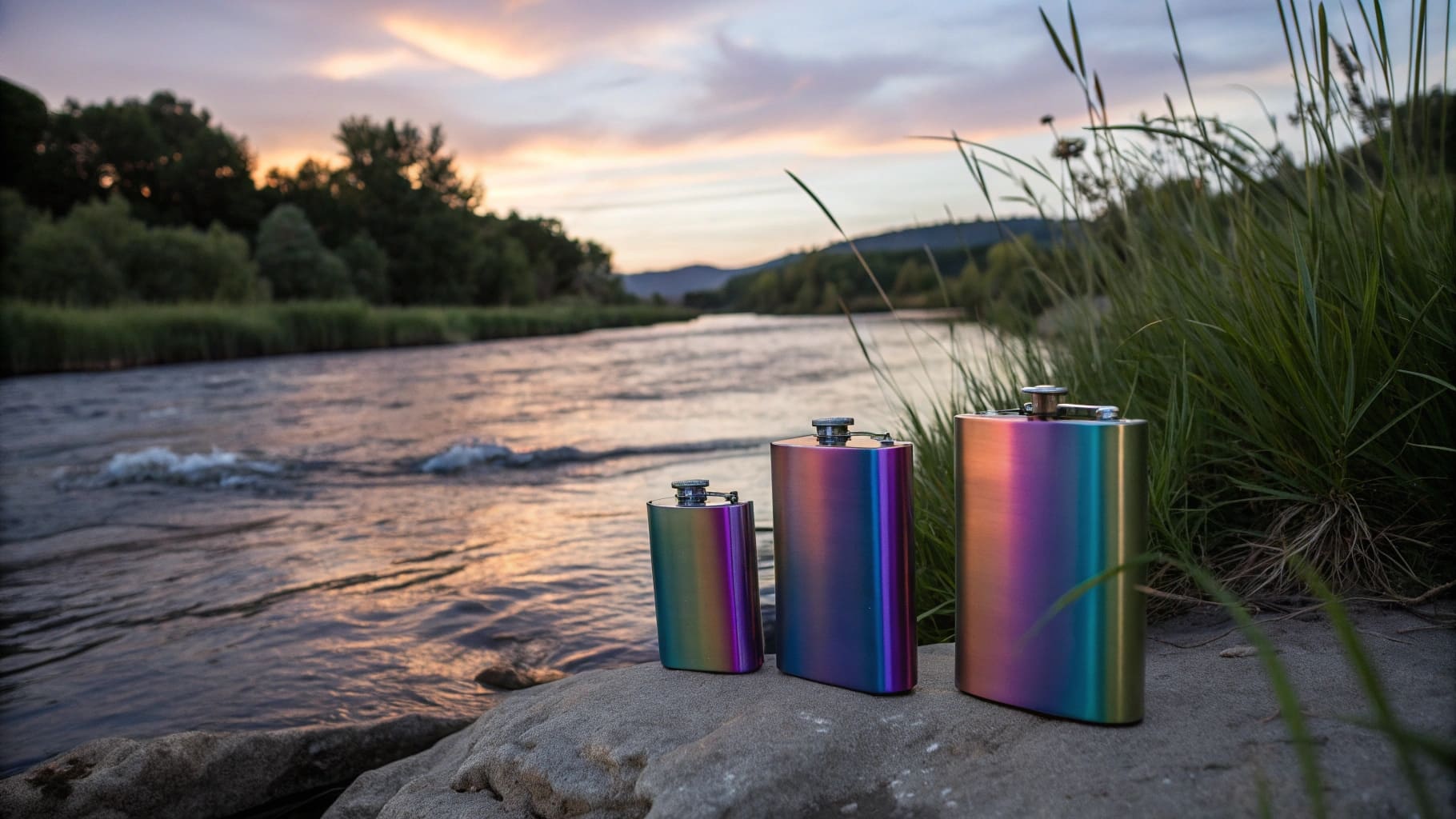
I have watched corporate buyers compare a low-cost single-wall flask with a vacuum-insulated model on the same table. The first question is always price. The second question is always whether the recipient will notice the difference. I usually answer with a simple idea. A gift does not need to be expensive. It needs to feel worth keeping. When a flask can keep a small drink cold or warm for hours, the user remembers it more often. That makes the logo work harder. I also think the premium is easier to defend when the gift supports a high-value brand, a sales event, or a partner reward program. The real decision starts with the material and the limits behind the nice surface.
What Is the Main Disadvantage of Using Metal Instead of Glass in a Vacuum Flask?
I see buyers worry about metal taste, and that concern is fair. Poor steel or poor cleaning can damage the drinking experience and the brand image.
The main disadvantage of metal instead of glass is lower taste neutrality. Glass keeps flavor cleaner, while stainless steel can hold odor or add a slight metallic note if the grade, polishing, or cleaning process is poor.2
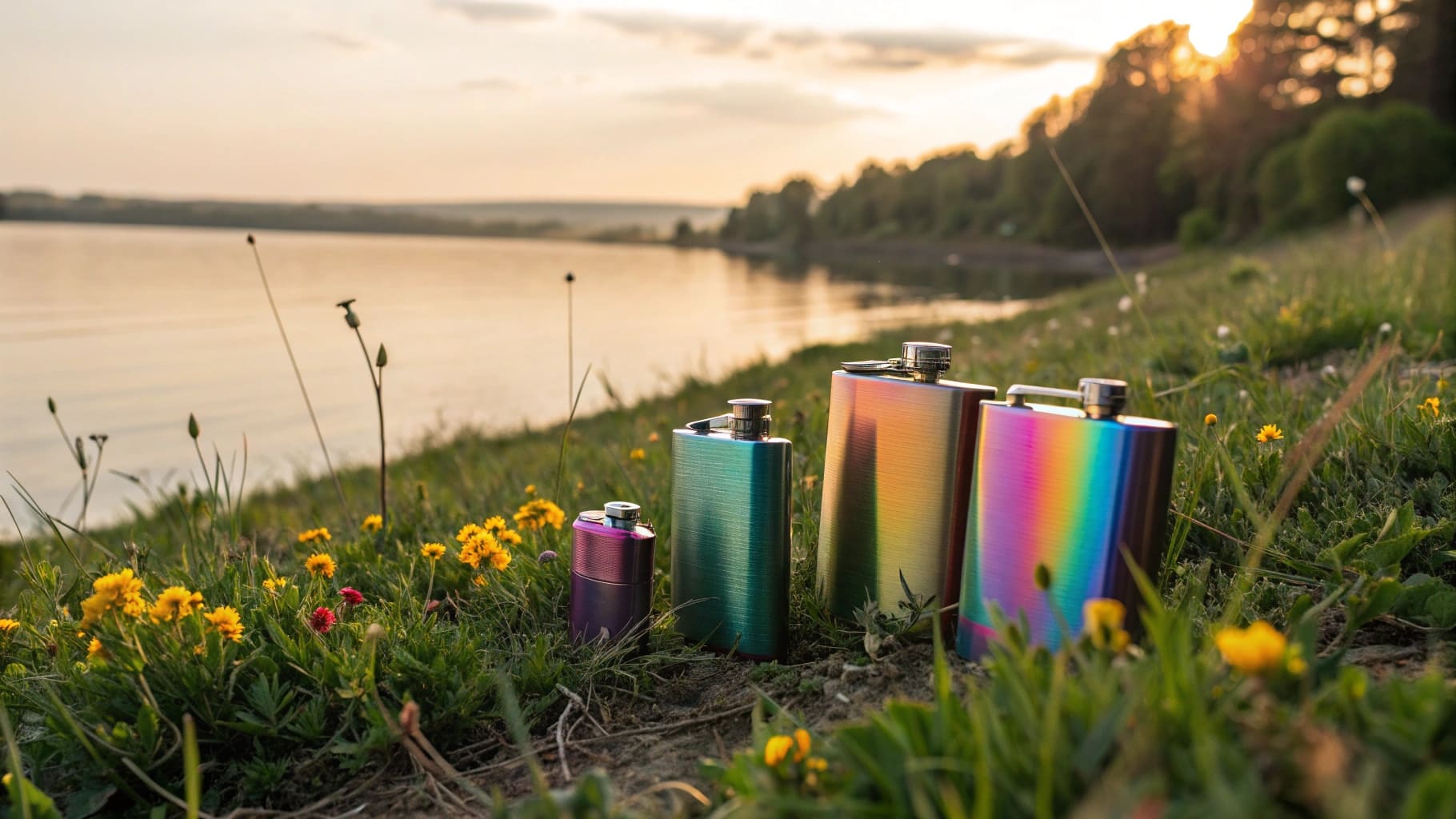
The trade-off I check before I quote
I do not treat metal and glass as a simple good-or-bad choice. I treat them as two different risk profiles. Glass gives a very clean taste, so it works well for users who care most about flavor. But glass also breaks more easily during bulk shipping, warehouse handling, and gift distribution. I sell to business buyers, so I must think about cartons, pallets, customs checks, and local delivery trucks. A broken gift does not look premium, even if the material had better taste. Metal solves the breakage problem better. Stainless steel also supports custom colors, laser logos3, powder coating, and gift box sets. The weak point is that low-grade metal can create odor, stains, or taste complaints. I reduce that risk with food-grade stainless steel4, smooth inner polishing, clean welding, and sample testing before mass production.
| Material choice I compare | What I gain | What I give up | How I manage it |
|---|---|---|---|
| Glass inner flask | I get cleaner taste | I face higher breakage risk | I use it only when flavor matters more than logistics |
| Stainless steel flask | I get stronger shipping safety | I may face taste or odor complaints | I check steel grade, polishing, and cleaning |
| Coated stainless steel | I get better brand color | I must control coating durability | I test adhesion, scratches, and color match |
| Low-cost metal flask | I get a lower unit price | I risk complaints and returns | I avoid it for premium programs |
I also ask myself how the product will be used after delivery. A corporate gift may sit in a drawer, travel in a bag, or move between offices. Metal handles this rough life better than glass. For a Canadian distributor or a company owner buying from overseas, this matters a lot. A slightly better taste profile means little if a carton arrives with damage claims. I prefer metal for large gifting programs because I can control quality before shipment, pack it safely, and keep delivery success high.
What Are the Disadvantages of a Vacuum Flask?
I see many buyers focus only on insulation, and that creates missed details. A vacuum flask still needs cleaning, seal care, and careful drop protection.
The main disadvantages of a vacuum flask are higher cost, harder cleaning, possible odor retention, seal wear, dent risk, and vacuum failure after strong impact. These issues can be controlled through better design, clear care instructions, and supplier inspection.
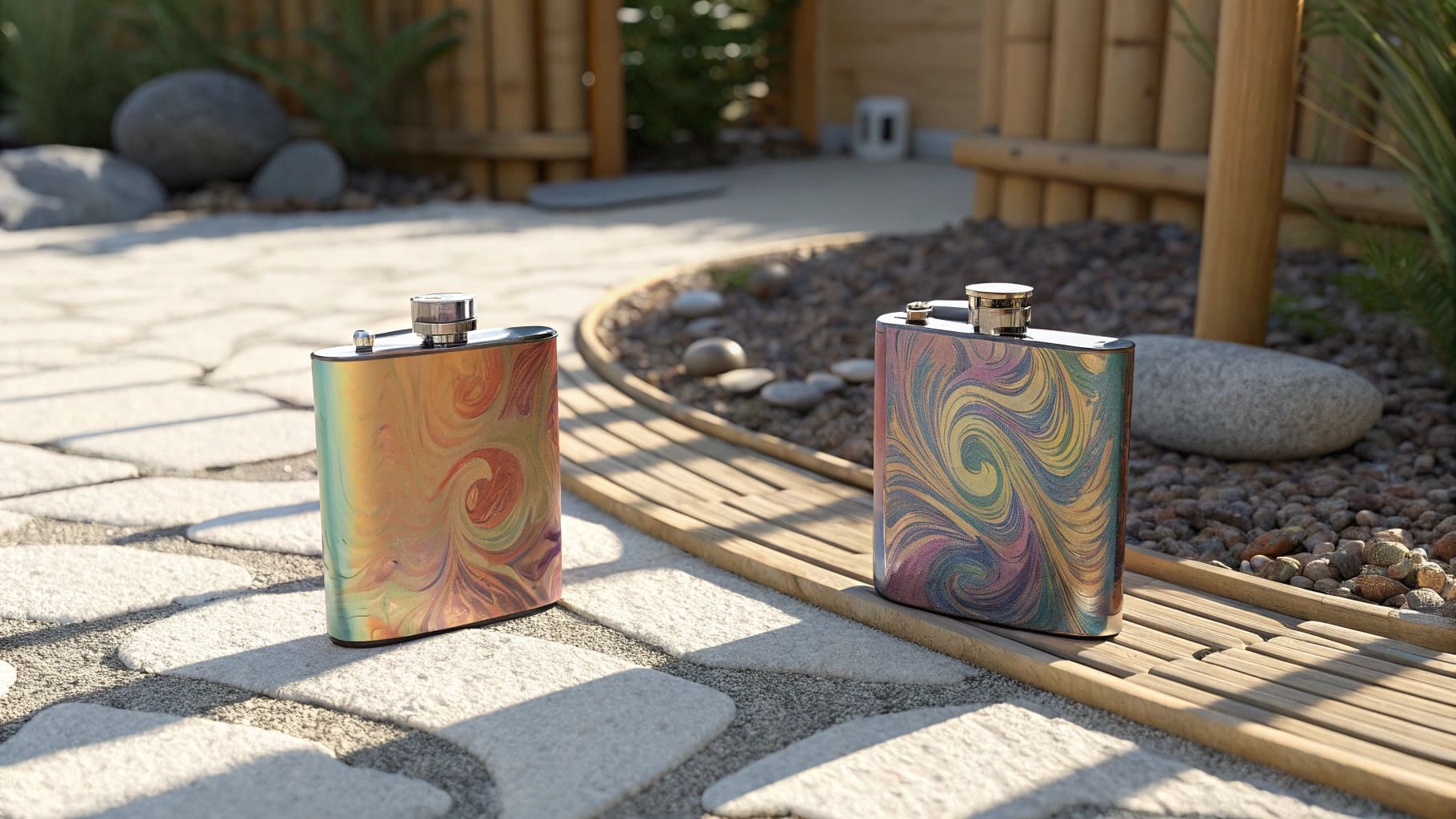
The limits I explain before the order
I believe a premium product should not hide its limits. A vacuum flask has a double-wall structure, and that structure brings real value. It also brings more things to inspect. The cap must seal well. The vacuum layer must stay intact. The mouth opening must allow enough cleaning. The inner wall must be smooth enough to resist odor. A hip flask shape often has a narrow opening, so I pay extra attention to cleaning brushes and care cards. I also tell buyers that vacuum flasks should not be treated like disposable promotional items5. They work best when the recipient understands how to wash and store them. Dishwasher use may hurt coating, seals, or printed logos. Strong drops may dent the outer wall and may also damage vacuum performance. These risks are not deal breakers, but they must be managed before shipment.
| Disadvantage I watch | Why it matters in gifting | My usual control step |
|---|---|---|
| Higher unit cost | I need stronger value for the budget | I match the model with the recipient level |
| Narrow opening | I may see cleaning complaints | I add a brush or clear care card |
| Seal wear | I may see leaking after long use | I confirm spare cap and gasket supply |
| Dent risk | I may see a lower premium feel | I improve packaging and carton strength |
| Vacuum failure | I may lose the main selling point | I request insulation tests before shipment |
| Odor retention | I may hurt repeat use | I check inner finish and suggest hand washing |
I also think certification and inspection are part of the disadvantage if the supplier is weak. Some factories show unclear certificates, and some sales teams answer fast but do not understand production. I have seen buyers lose time because they asked for proof too late. I prefer to confirm material test reports, coating safety, logo process, carton drop strength, and production schedule before deposit. I also like clear payment terms tied to inspection. This keeps the gift program on track. A vacuum flask is worth more only when the supplier can protect the timeline and the quality promise.
How Long Do Vacuum Flasks Last?
I see buyers overpay when they only ask about today’s price. A flask that lasts longer can lower the real branding cost over time.
A quality vacuum flask usually lasts five to seven years when made with good stainless steel and a strong vacuum seal.6 Caps, gaskets, and coatings may need attention earlier, often after regular use for eighteen to twenty four months.

The lifespan I use for brand planning
I do not judge lifespan only by whether the flask still holds liquid. I judge it by whether the gift still feels premium. A stainless steel body can last for years if the material is food-grade and the welding is clean. The vacuum performance should also stay stable when the flask is not dropped hard. The cap is usually the first part to show age. A gasket can dry, loosen, or hold odor. A painted surface can scratch if it sits with keys or tools. A printed logo can fade if the process is weak. For this reason, I treat lifespan as a system. The body, cap, seal, finish, logo, and packaging all matter. For corporate gifting, I prefer a supplier that offers spare caps and a clear vacuum retention guarantee. This protects the buyer after the first delivery.
| Part I check | Normal life expectation | Why I care | What I ask the supplier |
|---|---|---|---|
| Stainless steel body | I expect several years of use | It carries the premium feel | I confirm steel grade and wall finish |
| Vacuum layer | I expect long thermal performance | It creates the core value | I request insulation testing |
| Cap and gasket | I expect earlier wear | It affects leaks and odor | I confirm replacement availability |
| Coating | I expect wear based on use | It affects brand appearance | I test scratches and adhesion |
| Logo | I expect stable visibility | It carries the brand message | I choose laser or strong printing |
| Gift box | I expect safe first impression | It affects recipient reaction | I check carton and inner packing |
I also look at the sales season. A delayed shipment can destroy the value of a gift, even if the flask itself is excellent. I have learned to build more time into custom color approval, logo proofing, sample testing, mass production, inspection, and sea or air shipping. I also ask for photos and videos at key production steps because fast communication reduces mistakes. For a buyer who rebrands and sells in Canada, the long-term value comes from a product that keeps looking reliable after the first month. A vacuum-insulated hip flask can become a medium-term brand touchpoint, not a throwaway gift.
Conclusion
I see vacuum-insulated hip flasks as premium gifts when quality, inspection, spare parts, and delivery control support the higher price.
-
""Promotional Product Brand Message Effectiveness: A Study of Brand Awa ...", https://scholarsarchive.jwu.edu/jwu_etd/10/. Research on promotional merchandise has found that useful items such as drinkware are kept for longer periods and produce higher rates of brand recall than decorative or single-use promotional goods. Evidence role: general_support; source type: research. Supports: Functional promotional products tend to be retained longer and generate more frequent brand impressions than non-functional items.. Scope note: Most industry-sourced studies on promotional product recall are conducted by trade bodies and may reflect methodological bias; independent peer-reviewed replication is limited. ↩
-
"Food Packaging and Chemical Migration: A Food Safety Perspective", https://pmc.ncbi.nlm.nih.gov/articles/PMC12096275/. Food contact material studies indicate that borosilicate glass exhibits high chemical inertness with negligible migration of flavor-altering compounds, while stainless steel containers may exhibit trace metal ion release or odor retention depending on alloy grade, surface finish, and cleaning protocol. Evidence role: mechanism; source type: research. Supports: Glass is chemically inert and does not transfer detectable flavor compounds to beverages, whereas stainless steel alloys may release trace metallic ions or harbor odor-causing residues under certain conditions.. Scope note: Sensory perception of metallic taste is highly individual, and food-grade stainless steel meeting relevant standards typically produces migration levels well below regulatory thresholds. ↩
-
"Pad Printing vs Laser Marking: Which Is Best for Industrial ...", https://www.diverprint.com/post/pad-printing-vs-laser-marking-which-is-best-for-industrial-part-marking. Laser surface marking studies demonstrate that focused laser ablation of stainless steel produces oxidation-based color contrast or physical relief without the addition of inks or coatings, yielding marks that retain visibility under conditions of mechanical abrasion and chemical exposure that degrade printed equivalents. Evidence role: mechanism; source type: research. Supports: Laser engraving creates permanent surface modification on stainless steel through material ablation, resulting in markings that resist fading from UV exposure, abrasion, and cleaning in ways that ink-based printing methods typically do not.. Scope note: Laser mark contrast and durability on stainless steel depend on laser parameters, alloy composition, and surface finish; not all laser-marked surfaces offer equivalent legibility over time. ↩
-
"Stainless Steel (SS) Safety Profile", https://www.fda.gov/media/165146/download. Regulatory frameworks such as FDA 21 CFR and EU Regulation (EC) No 1935/2004 specify material composition and migration limits for metals used in food contact applications, with austenitic grades such as 304 (18/8) and 316 commonly cited as suitable for beverage containers. Evidence role: definition; source type: government. Supports: Regulatory bodies define specific stainless steel grades acceptable for food and beverage contact applications.. Scope note: Compliance with food-contact regulations depends on the specific alloy composition, surface treatment, and end-use conditions; the term 'food-grade' is not uniformly defined across all jurisdictions. ↩
-
"Is reusable always best? Comparing environmental impacts ...", https://seas.umich.edu/news/reusable-always-best-comparing-environmental-impacts-reusable-vs-single-use-kitchenware. Promotional merchandise research consistently categorizes drinkware as among the highest-retention product types, with recipients reporting extended ownership periods compared with paper-based or single-use promotional materials. Evidence role: general_support; source type: institution. Supports: Durable promotional products such as insulated drinkware are retained and used repeatedly, distinguishing them from single-use or low-durability promotional items.. Scope note: Retention and use-frequency data are predominantly sourced from industry association surveys, which may overrepresent favorable outcomes; independent longitudinal studies are scarce. ↩
-
"Analysis of O-Ring Seal Failure under Static Conditions ... - PMC", https://pmc.ncbi.nlm.nih.gov/articles/PMC6723462/. Materials science literature on vacuum-sealed enclosures indicates that seal integrity and structural performance depend on welding quality, wall thickness, and exposure to mechanical stress; specific lifespan estimates for consumer flasks require product-level testing under representative use conditions. Evidence role: general_support; source type: research. Supports: The mechanical and thermal integrity of vacuum-insulated stainless steel containers is influenced by material quality, vacuum seal durability, and use conditions over time.. Scope note: A precise five-to-seven-year figure is not universally established in published literature and represents an approximation that varies substantially with product design and user behavior. ↩