
Which insulated coffee mug coatings resist tea stains and flavored syrups best?
I recently had a customer return an order because his retail buyers complained about stubborn tea stains. The mugs looked fine when we shipped them. But after a few weeks of use, the interiors turned brown and looked dirty even after washing. This problem hurt his brand reputation and cost him repeat orders.
The answer is simple. Mugs with electropolished interior surfaces1 resist stains best. This treatment creates a smooth, mirror-like finish that prevents tea tannins and syrup sugars from bonding to the metal. Combined with 18/8 food-grade stainless steel2, these mugs stay clean and maintain their appearance even with daily use.
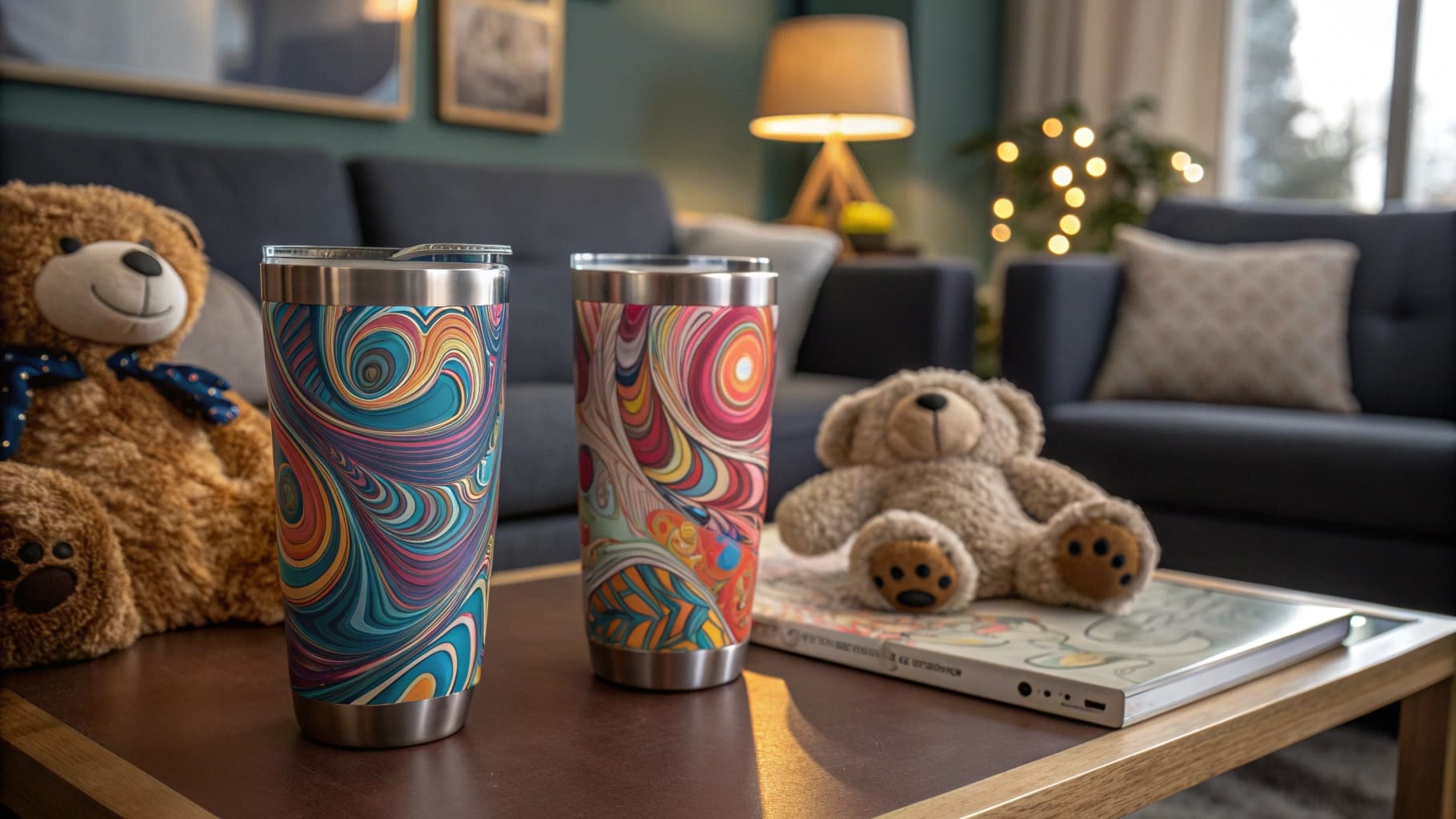
I learned this lesson the hard way. Now I always recommend electropolished interiors to my wholesale customers. The difference in stain resistance is dramatic. Your end customers will notice it too. They will spend less time scrubbing their mugs and more time enjoying their drinks. This means fewer complaints and better reviews for your brand.
What mugs don't get tea stains?
Stained mugs destroy customer confidence. I have seen retailers lose shelf space because their mugs looked dirty in customer photos online. The staining problem creates returns and damages your brand reputation. Nobody wants to drink from a mug that looks unclean.
Mugs with electropolished inner walls resist tea stains effectively. The smooth surface leaves nowhere for tannins to grip. Regular stainless steel has microscopic pits and scratches. These tiny imperfections trap tea particles and syrup residue. Electropolishing removes these surface irregularities.
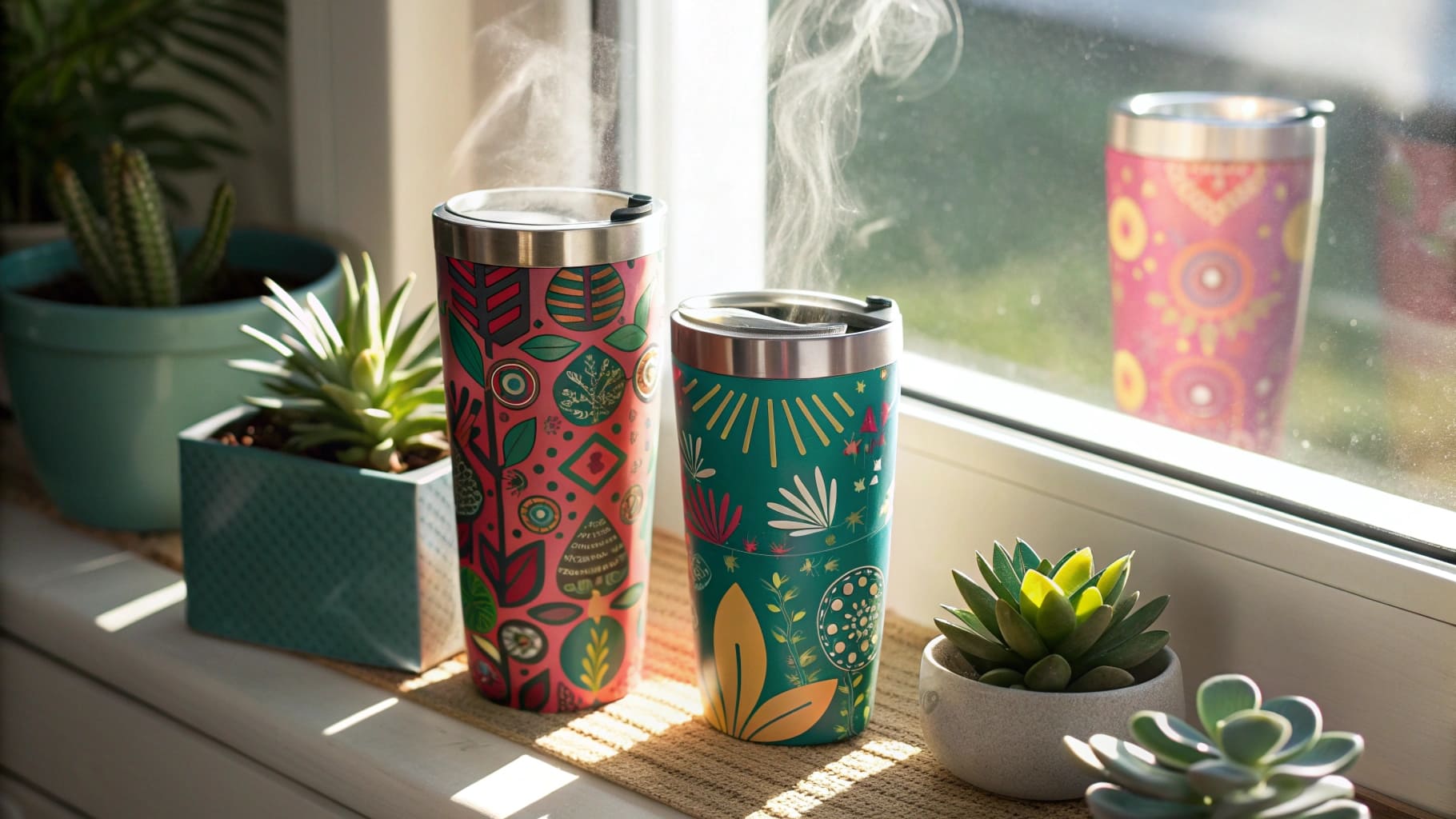
I test every batch we produce. I brew strong black tea and let it sit in sample mugs for 24 hours. Then I rinse with water only. No soap or scrubbing. The electropolished mugs rinse clean every time. Standard polished mugs show visible brown staining. This test proves the difference is real.
The electropolishing process3 works through electrochemical treatment. We immerse the stainless steel in a solution and apply electrical current. This removes a thin layer of metal from the surface. The process smooths out peaks and valleys at a microscopic level. The result is a surface that measures smoother than mechanical polishing can achieve.
Here is how different finishes compare:
| Surface Treatment | Stain Resistance | Cleaning Ease | Durability |
|---|---|---|---|
| Electropolished | Excellent | Very Easy | High |
| Standard Polish | Fair | Moderate | Medium |
| Brushed Finish | Poor | Difficult | Medium |
| Painted Interior | Very Poor | Very Difficult | Low |
The investment in electropolishing pays off. Your customers will not need to scrub their mugs with harsh cleaners. This extends the product life. It also reduces the chemicals needed for cleaning. Both factors matter to environmentally conscious buyers.
What is the best insulated cup for tea?
Tea drinkers have specific needs. I learned this from a Canadian distributor who specializes in tea accessories. He told me his customers expect their tea to stay hot for at least two hours. They also want no metallic taste. And they absolutely will not tolerate staining. These requirements narrow down the options significantly.
Double-wall vacuum insulated cups with electropolished interiors work best for tea. The vacuum layer stops heat transfer4. The electropolished surface prevents flavor absorption. This combination delivers both temperature retention and taste purity. Your tea tastes the same from first sip to last drop.
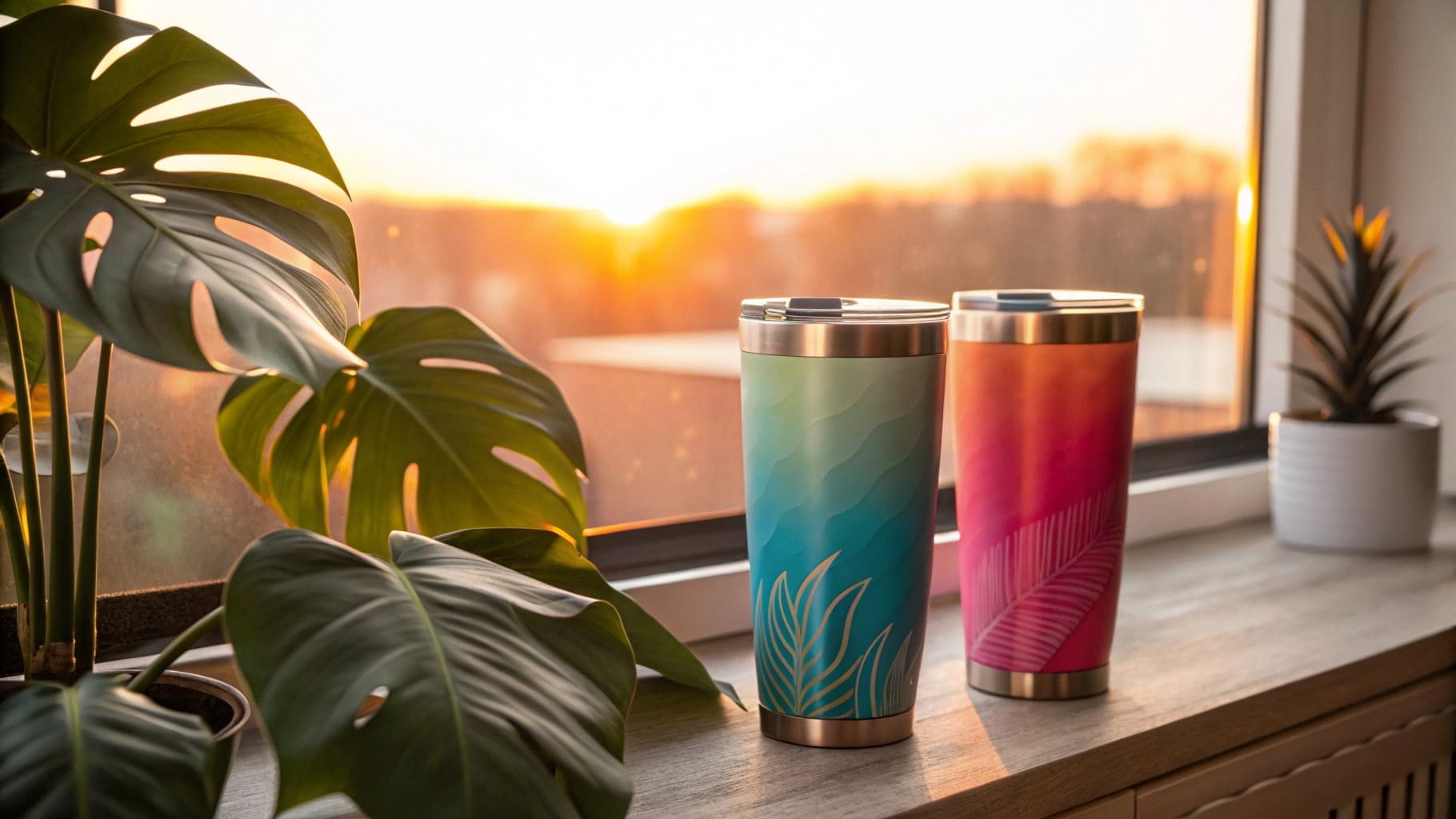
I have tracked performance data from our production runs. Our double-wall vacuum mugs maintain tea temperature above 60 degrees Celsius for 2-3 hours. This assumes you start with boiling water and keep the lid closed. The actual performance depends on ambient temperature and how often you open the lid.
The construction matters more than most buyers realize. We use 304 stainless steel for both inner and outer walls. This grade contains 18 percent chromium and 8 percent nickel. The industry calls this 18/8 stainless steel. The chromium creates a passive oxide layer that resists corrosion. The nickel adds strength and maintains the protective layer even when exposed to acidic beverages like tea.
The vacuum seal5 between the walls is critical. We achieve this through a copper-sealed design. After welding the two walls together, we evacuate the air through a small port. Then we seal the port with copper. This creates a space with near-zero air pressure. Since air cannot exist in this space, it cannot conduct heat. Your tea stays hot because heat has no way to escape.
Quality control during vacuum creation makes the difference. We test every mug for vacuum integrity. A properly sealed vacuum chamber maintains its insulation for years. A compromised seal lets air leak in slowly. The insulation degrades over time. I have seen cheap mugs lose half their insulation capacity within six months. This happens when manufacturers skip the vacuum testing step to save costs.
What material keeps tea hot the longest?
Material choice determines temperature retention. I have tested ceramic, glass, and stainless steel extensively. The results surprised me at first. But the physics makes sense once you understand heat transfer. The material itself matters less than how you use it to create insulation barriers.
Stainless steel with double-wall vacuum insulation keeps tea hot longest. The vacuum gap blocks conduction and convection. The reflective steel surface minimizes radiation heat loss. This three-way defense against heat transfer outperforms solid materials like ceramic or single-wall metal cups.
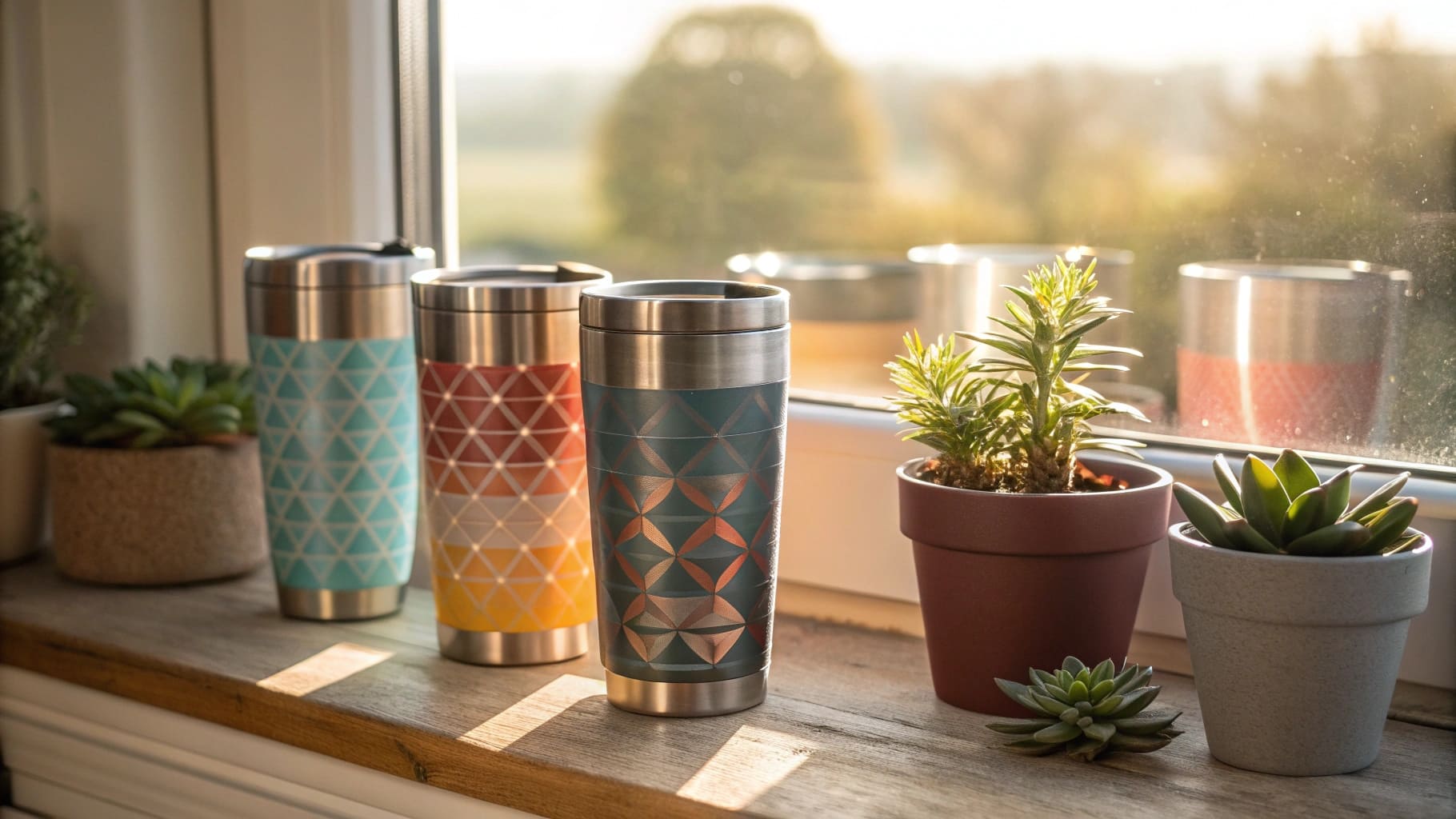
Let me explain the science in practical terms. Heat moves through three methods. Conduction happens when molecules touch and transfer energy. Convection occurs when air or liquid carries heat away. Radiation is heat moving as infrared light waves. Most materials only block one or two of these paths. Vacuum insulation blocks all three.
Here is what happens inside a vacuum-insulated mug. The inner wall touches your hot tea. Heat wants to travel to the outer wall. But the vacuum gap has no air molecules. So conduction cannot happen. The empty space also prevents convection currents. And the stainless steel reflects most infrared radiation back toward the liquid. Your tea loses heat very slowly.
I compared different constructions in our testing lab. I filled identical volumes with water at 95 degrees Celsius. I measured temperature after two hours in a controlled 20-degree environment. The results show clear differences:
| Construction Type | Temperature After 2 Hours | Heat Loss Percentage |
|---|---|---|
| Double-wall Vacuum Steel | 68°C | 28% |
| Single-wall Steel | 32°C | 66% |
| Double-wall Glass | 51°C | 46% |
| Ceramic Mug | 28°C | 70% |
The data proves vacuum insulation works. But the material quality still matters. We use 0.4mm thick stainless steel for both walls. Thinner steel dents easily. Thicker steel adds unnecessary weight. The 0.4mm gauge provides the right balance of durability and portability.
The exterior coating affects temperature retention slightly. We apply powder coating6 to the outer wall. This layer adds minimal insulation value. But it does prevent heat radiation from the outer wall surface. More importantly, it protects against scratches and dents that could compromise the vacuum seal. I recommend powder-coated exteriors for wholesale buyers who ship products long distances.
Your customers will appreciate mugs that keep tea hot for their entire commute. They will notice the difference compared to cheaper alternatives. This performance advantage justifies premium pricing. I have seen retailers successfully position vacuum-insulated mugs at 40-50 percent higher prices than single-wall alternatives. The perceived value matches the actual performance benefit.
Conclusion
Choose electropolished interiors with 18/8 stainless steel and double-wall vacuum construction. This combination resists stains, preserves taste, and maintains temperature longer than any alternative. Your customers will notice the quality difference immediately.
-
Explore how electropolished interiors enhance stain resistance and improve mug longevity. ↩
-
Learn why 18/8 stainless steel is the gold standard for durability and safety in drinkware. ↩
-
Learn about the electropolishing process and its advantages for stainless steel products. ↩
-
Learn about heat transfer methods and how they influence the performance of insulated mugs. ↩
-
Understand the role of vacuum seals in maintaining temperature and insulation efficiency. ↩
-
Find out how powder coating enhances the durability and aesthetics of insulated mugs. ↩