
How Long Can Liquor Last in a Flask? Liners, Weld Polish, and Seal Tests
You poured your favorite whiskey into a flask last week. Now you wonder if it's still safe to drink. The liquid looks fine, but you're not sure what's happening inside that metal container.
Liquor can last 3-5 days in a quality stainless steel flask without losing flavor. The duration depends on three factors: the flask's material grade, seal quality1, and interior finish. After this period, oxidation starts affecting the taste.
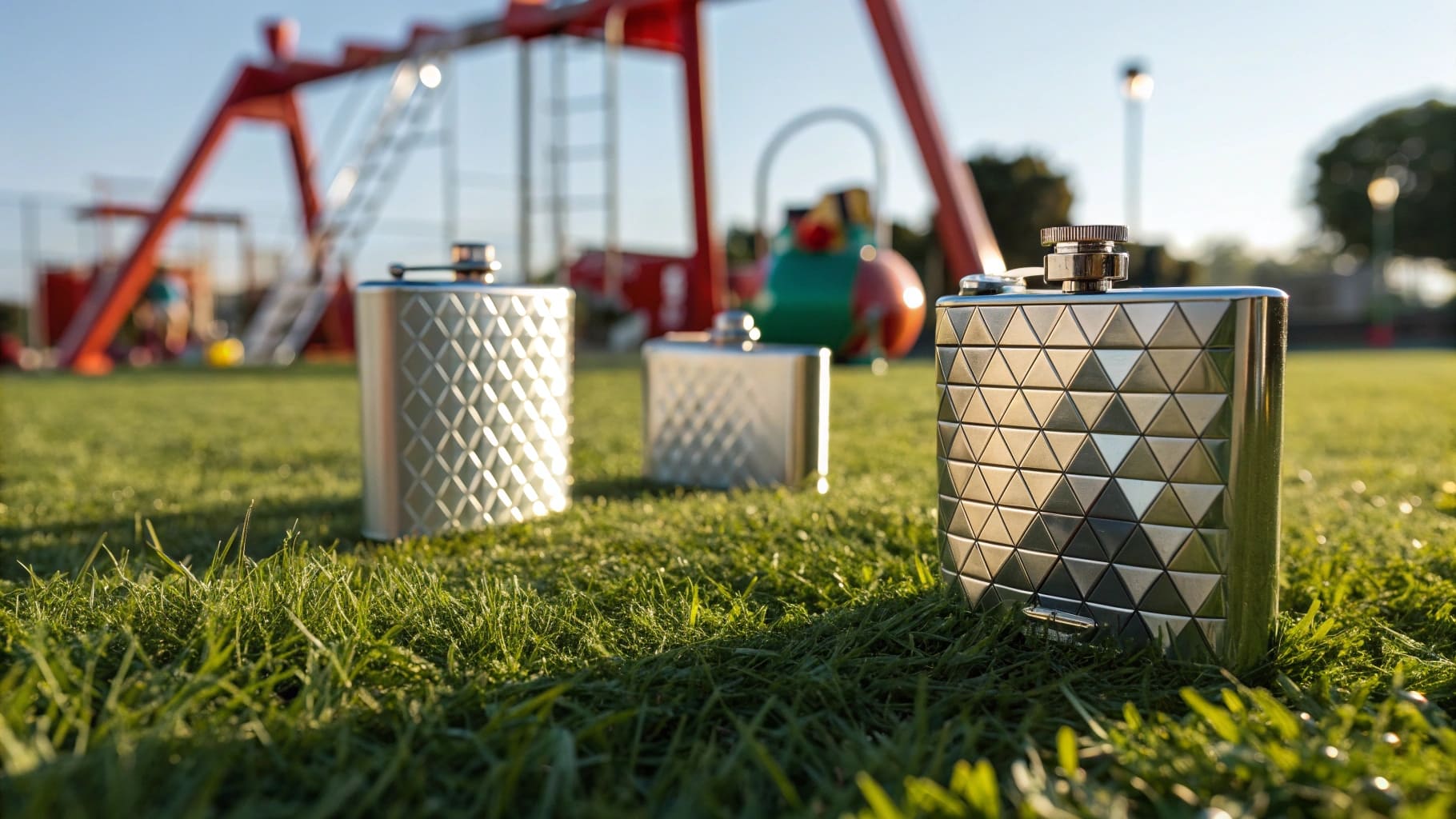
I've been in the stainless steel flask business for years. I've seen customers make costly mistakes by choosing the wrong flasks. Some store expensive spirits for weeks, only to find the taste has changed completely. Others worry too much and waste perfectly good liquor. Let me share what really matters when you store alcohol in a flask.
How Long Does Liquor Stay Good Sealed?
Your sealed bottle of vodka sits in the cabinet. You bought it years ago. You're planning a camping trip and want to transfer some into your flask. But first, you need to know if that old bottle is still good.
Sealed liquor bottles can last indefinitely when stored properly. Once you open them and transfer to a flask, the timeline changes dramatically. The seal quality of your flask determines how long your spirits stay fresh.
The Science Behind Sealed Storage
I work with manufacturers who test seals daily. We use pressure testing equipment2 to check every batch. The seal must create an airtight barrier. This stops oxygen from reaching your liquor.
The material matters more than most people think. We use 18/8 stainless steel at Icobottle. This means 18% chromium and 8% nickel. The chromium creates a protective layer. The nickel adds corrosion resistance.
| Storage Container | Maximum Duration | Key Factor |
|---|---|---|
| Sealed glass bottle | Years to decades | No air exposure |
| Quality flask with good seal | 3-5 days | Minimal air exposure |
| Poor quality flask | 1-2 days | Air leaks through seal |
| Open container | Hours | Full air exposure |
I once had a customer from Toronto. He stored bourbon in a cheap flask for two weeks. The taste turned metallic and bitter. He thought bourbon always tasted that way in flasks. When he switched to our premium flask, he noticed the difference immediately. The seal made all the difference.
Testing Your Flask's Seal
Fill your flask with water. Turn it upside down. Leave it for an hour. Check for any moisture around the cap. Even tiny drops mean your seal has failed. I recommend this test before you store any expensive spirits.
The silicone ring3 inside the cap does the heavy lifting. Food-grade silicone stays flexible in cold weather. It compresses when you tighten the cap. This creates the barrier you need. Replace this ring every six months if you use your flask regularly.
How Long Can Alcohol Be Stored in Stainless Steel?
Your friend says stainless steel changes the taste of whiskey. Another friend swears by metal flasks. You stand in the middle, confused. The metal gleams in your hand, and you want the truth about storage time.
High-quality stainless steel flasks can safely store alcohol for 3-5 days without affecting taste. The 18/8 grade stainless steel is non-reactive with alcohol. Lower grade steel or poor welds can cause problems within 24 hours.
Material Grade Impact on Storage
The grade number tells you everything. I see many suppliers use 201 or 304 stainless steel. They claim it's just as good. It's not. The 201 grade contains more manganese and less nickel. This makes it reactive with acidic liquids.
Pure spirits have a pH level around 6.5 to 7. Flavored liquors drop to 4 or lower. This acidity attacks inferior steel. The reaction creates metallic compounds. These compounds alter the taste and can be harmful.
Weld Quality and Interior Polish
The welds inside your flask matter more than the outside appearance. I visit factories in China every quarter. I check their welding stations personally. A good weld should be smooth and continuous. Rough welds create pockets where bacteria grow.
| Flask Feature | Poor Quality | Premium Quality |
|---|---|---|
| Interior Polish | Rough, visible lines | Mirror finish, smooth |
| Weld Seams | Visible, rough edges | Seamless or polished smooth |
| Material Grade | 201 or unknown | 18/8 (304) verified |
| Certification | None or fake | CE, FDA, LFGB verified |
The polishing process takes time and skill. We use a multi-stage polishing system. The first stage removes major imperfections. The second stage smooths the surface. The final stage creates a mirror finish. This mirror finish prevents bacterial growth. It also stops any chemical reactions.
I remember testing a batch from a new supplier. The price was 30% lower than our regular factory. The interior looked acceptable at first glance. But when I ran my finger inside, I felt rough patches near the bottom. We rejected the entire batch. One of my customers later told me he tried a similar flask from another supplier. His gin tasted off after just one day. The rough interior had caused oxidation.
Certification Matters
CE, FDA, and LFGB certifications are not just stamps on paper. These require actual testing. The steel must pass migration tests. This means chemicals from the steel cannot transfer to your drink. Fake certificates are common in international trade. I verify every certificate directly with the testing laboratory.
Is It Okay to Leave Liquor in a Flask?
You filled your flask on Friday for a weekend trip. Now it's Monday morning. The flask still has whiskey inside. You're wondering if you should drink it or pour it out. The internet gives you conflicting advice.
Leaving liquor in a flask for more than 5 days is not recommended. The seal allows minimal air exposure over time. This exposure causes oxidation and flavor changes. Empty and clean your flask after each use for best results.
Short-Term vs Long-Term Storage
Flasks serve as portable drinking vessels, not storage containers. I designed our flasks for day trips, events, and outdoor activities. Fill them before you leave. Empty them when you return. This approach keeps your spirits fresh and your flask in good condition.
The oxidation process starts immediately when you pour liquor into any container. In a sealed glass bottle, this process is extremely slow. In a flask, even with a good seal, tiny amounts of air remain. This air interacts with your alcohol. The higher the proof, the slower the oxidation. But it still happens.
Cleaning and Maintenance
I clean my personal flask after every use. The process takes five minutes. Rinse with warm water first. Add a drop of mild dish soap. Shake vigorously for 30 seconds. Rinse thoroughly until no soap remains. Let it air dry completely before storing.
Some spirits leave more residue than others. Sweet liqueurs create sticky films. Flavored whiskeys leave color stains. These residues can affect your next pour. They also create an environment for bacteria. I use a bottle brush with soft bristles for stubborn stains.
| Spirit Type | Maximum Storage | Cleaning Difficulty |
|---|---|---|
| Vodka, Gin | 5 days | Easy, minimal residue |
| Whiskey, Bourbon | 3-4 days | Medium, some color staining |
| Flavored Liquors | 2-3 days | Hard, sticky residue |
| Cream Liqueurs | Not recommended | Very hard, spoils quickly |
One customer from Vancouver emailed me. He stored Bailey's in his flask. After three days, the liquid had separated and smelled sour. Cream-based liqueurs need refrigeration. They're not suitable for flask storage at all. I now include this warning in all our product descriptions.
When to Replace Your Flask
Check your flask every month if you use it regularly. Look for dents or scratches inside. These damage the protective layer of the steel. Check the cap threads for wear. Stripped threads mean the cap won't seal properly. Replace the silicone ring if it feels hard or cracked.
I replace my personal flask every two years. This seems excessive to some people. But I taste the difference. A new flask gives pure flavor. An old flask, even well-maintained, develops micro-scratches. These scratches are invisible but affect the taste.
Conclusion
Quality flasks with proper seals safely store liquor for 3-5 days. The material grade, weld quality, and seal integrity determine storage duration. Empty and clean your flask after each use for the best experience.