
Which AQL should mug lid gaskets meet to prevent leaks in transit?
I have seen small lid leaks destroy a full shipment. Buyers blame the bottle, but the quiet cause is often one weak gasket.
I normally set mug lid gasket inspection at AQL 1.5 to 2.5 for normal orders. I use AQL 1.0 for premium brands. I treat cracks, wrong size, poor fit, and any leak result as critical checks before shipment.
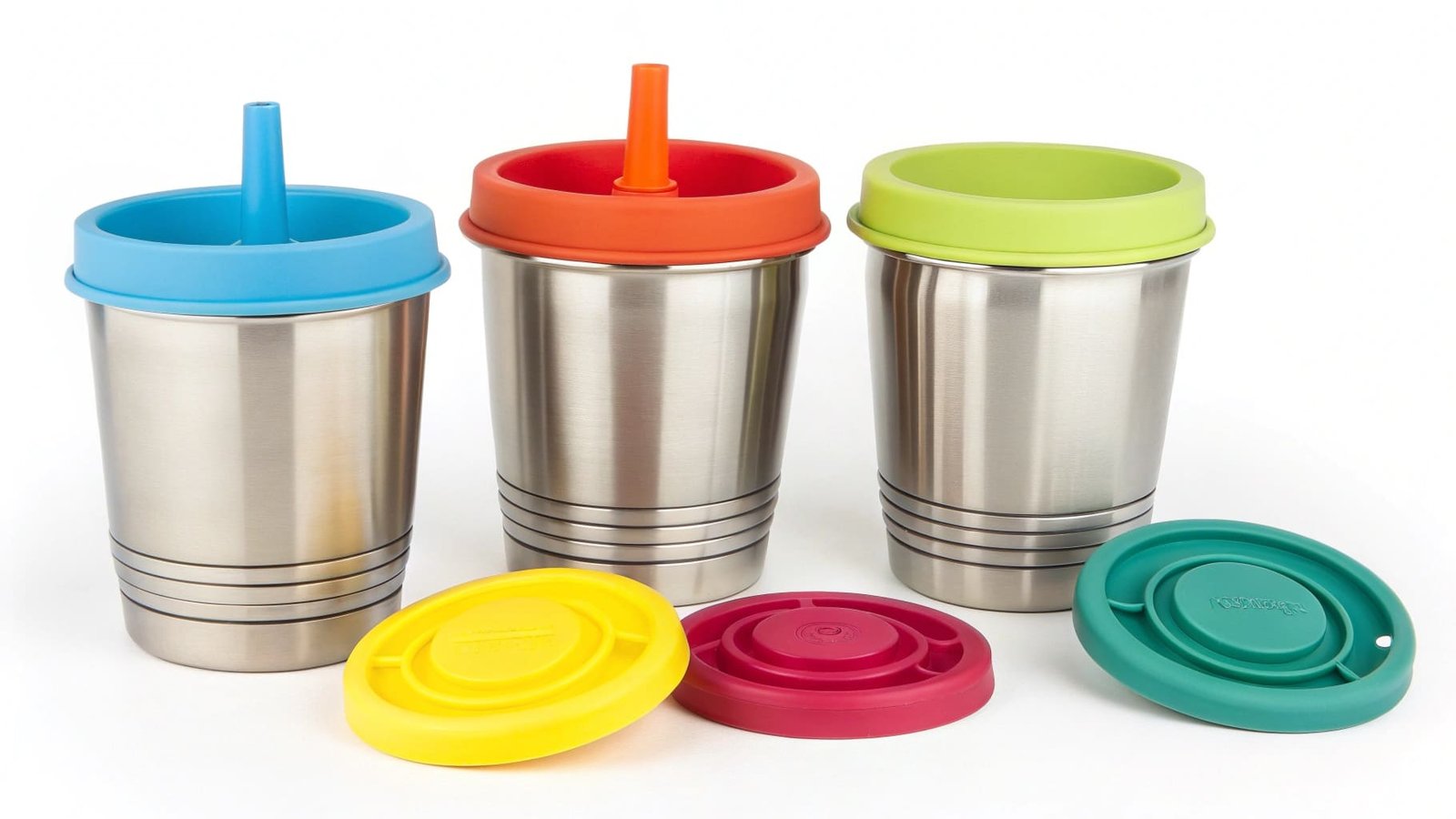
I sell stainless steel bottles to overseas B2B buyers, so I do not treat gasket checks as a small factory item. I treat them as a brand safety gate. A lid gasket is cheap by unit cost, but it can decide whether a Canadian distributor receives clean cartons or wet cartons. I have seen transit create pressure, vibration, heat, and carton impact. These conditions expose small sealing defects that may not show during a quick factory look. I also know many buyers focus on bottle body thickness, powder coating, and logo printing first. I understand that habit. But I always bring the conversation back to the lid system. The lid, thread, gasket, and leak test must work together. That is why I look at gasket use, material choice, and rubber limits before I confirm a bottle order.
What are gaskets used for?
I often hear buyers call gaskets small parts. That view creates risk, because one cheap ring can make a strong bottle look careless.
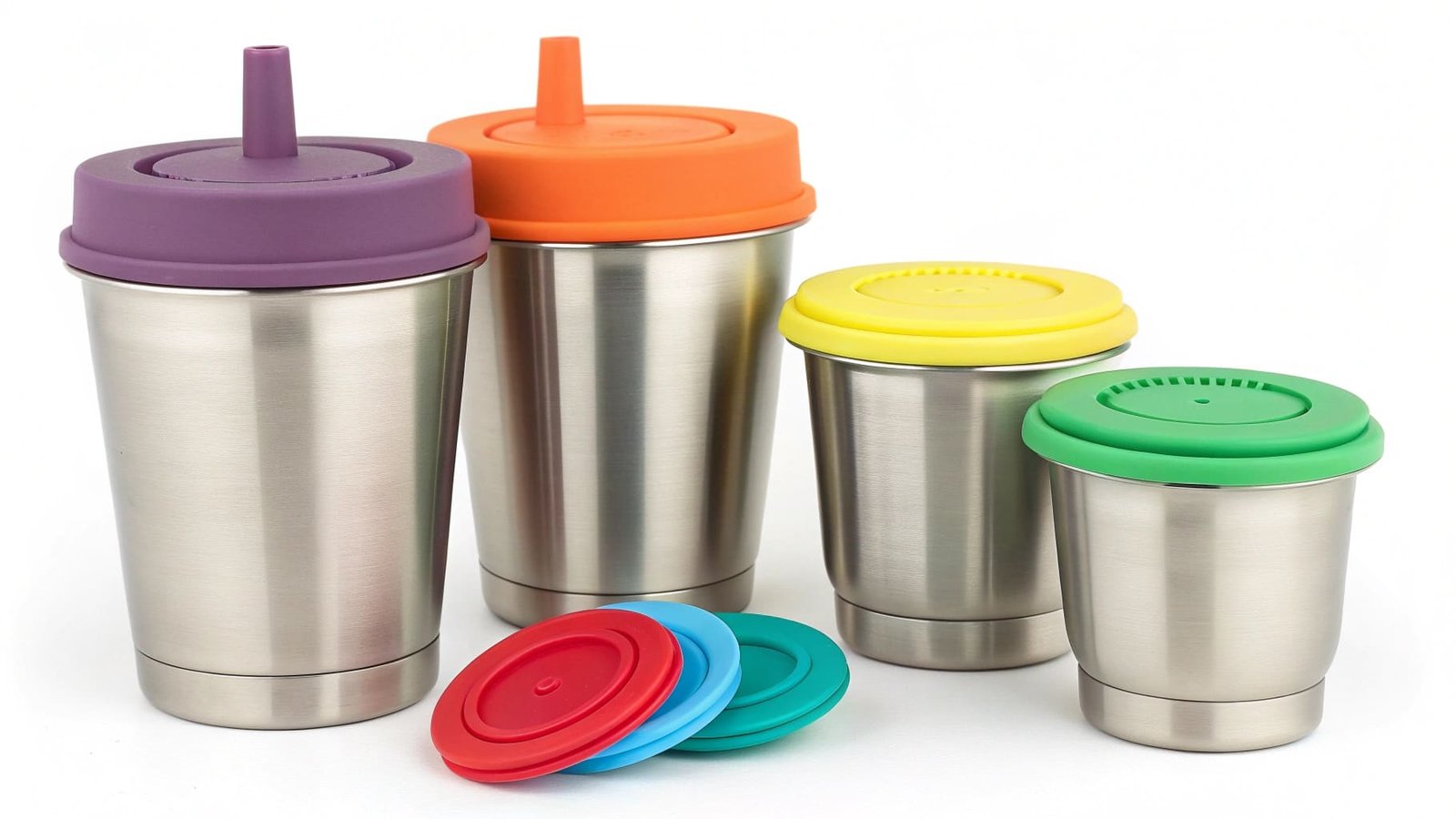
I use gaskets to create an airtight and watertight seal between the mug lid and bottle mouth. In stainless steel drinkware, the gasket prevents leaks, protects temperature performance, and helps the lid survive daily opening, closing, cleaning, and transit movement.
How I see the sealing job
I see a gasket as the soft part that corrects small gaps between hard parts1. A stainless steel bottle mouth, plastic lid, and thread system cannot seal well by hardness alone. I need a flexible ring to compress, rebound, and hold pressure. When I inspect a mug lid gasket, I do not only look at the part on a table. I fit it into the lid. I twist the lid onto the bottle. I shake the bottle. I lay it sideways. I check whether the gasket slips, twists, bulges, or leaves a small opening. I also ask the factory team to test after hot water contact, because heat can make weak material change shape2. I care about this because buyers often discover gasket problems only after the goods arrive. At that point, the shipping cost, warehouse labor, and brand damage are already real.
| Gasket use point | What I check | Why I care |
|---|---|---|
| Lid sealing | I check compression and fit. | I want no water path during shaking and transit. |
| Temperature support | I check hot and cold contact. | I want the seal to stay stable after daily use. |
| Repeated use | I check opening and closing cycles. | I want the gasket to rebound after many lid movements. |
| Cleaning resistance | I check smell, color change, and surface wear. | I want the buyer to avoid complaints after washing. |
Where I connect AQL with real risk
I connect AQL to function, not only to appearance. I may accept a small cosmetic mark on a spare accessory under a normal defect level. I do not accept the same loose thinking for a gasket. I treat any leak failure as a critical point. I usually use AQL 1.5 to 2.5 for normal gasket checks, and I use AQL 1.0 for higher-end projects. I also set zero tolerance for wrong material, missing gasket, broken gasket, and failed leak testing. This gives the buyer a clear inspection rule before production starts.
Which is better silicone or rubber valve cover gaskets?
I have seen buyers save a few cents with rubber. Then I have watched complaints arrive after hot drinks, dishwashing, and long storage.
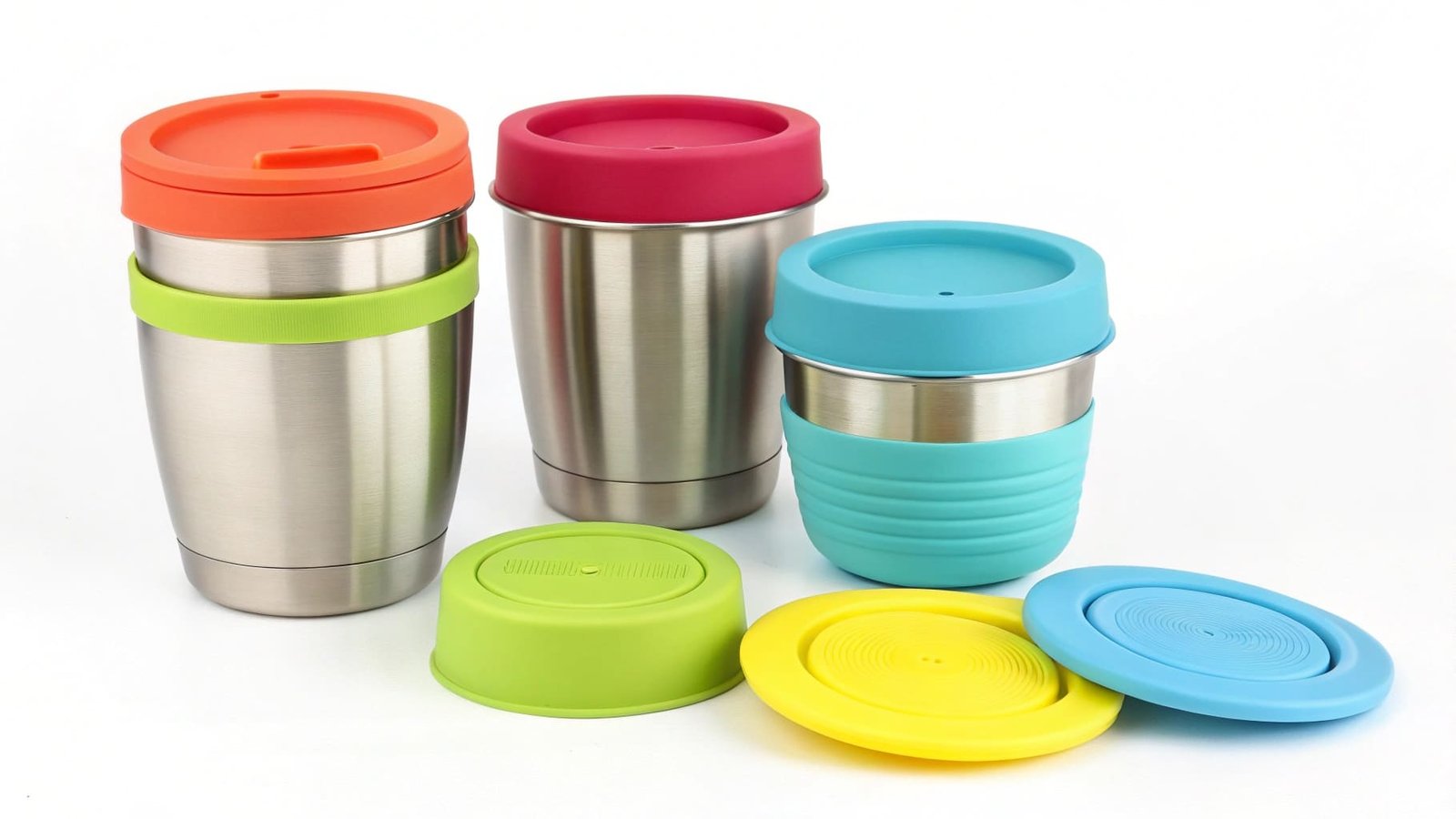
For stainless steel mugs and water bottles, I usually choose food-grade silicone over rubber3. Silicone handles heat, cold, odor, taste, washing, and aging better4. Rubber can work in some low-cost or non-food uses, but it carries more risk for premium drinkware.
How I answer the silicone versus rubber question
I know the phrase “valve cover gasket” often comes from automotive use. In drinkware purchasing, buyers usually mean the same basic question. They want to know which gasket material seals better and lasts longer. I answer based on the product environment. A stainless steel mug is close to the mouth. It touches hot coffee, cold water, cleaning liquid, and sometimes dishwasher heat. The user may leave the bottle in a car, a backpack, or a warehouse carton for a long time. Under these conditions, I prefer food-grade silicone5. It has better heat stability. It has lower odor risk. It keeps elasticity for a longer time. It also supports a cleaner premium message when the buyer sells under a private label.
| Material | My usual view for drinkware | Main buyer risk |
|---|---|---|
| Food-grade silicone | I prefer it for water bottles, mugs, and tumblers. | I still need proof of grade and stable factory control. |
| Common rubber | I use it carefully and only when the application fits. | I worry about smell, taste, aging, and heat deformation. |
| Unknown gasket material | I reject it for serious B2B orders. | I see high risk in certification, complaints, and returns. |
What I check before I approve silicone
I do not approve silicone only because a supplier says “food grade.” I ask for material confirmation, test reports, and sample checks. I also look at the gasket surface. I want clean edges, no dust, no oil mark, no strong smell, and no uneven thickness. I press the gasket by hand and watch the rebound6. I install it in the lid and check whether it sits flat. I test it with hot water because some poor material can pass a cold test but fail after heat. I also ask the buyer to confirm the target market early. North American and European buyers usually care more about certification, packaging claims, and after-sale risk. A cheaper gasket can look attractive on a quotation sheet. But if it creates one container of leak claims, the saving disappears fast.
What is a rubber gasket used for?
I do not reject rubber automatically. I reject unclear material use, because unclear gasket choices can hide taste, smell, and aging problems.
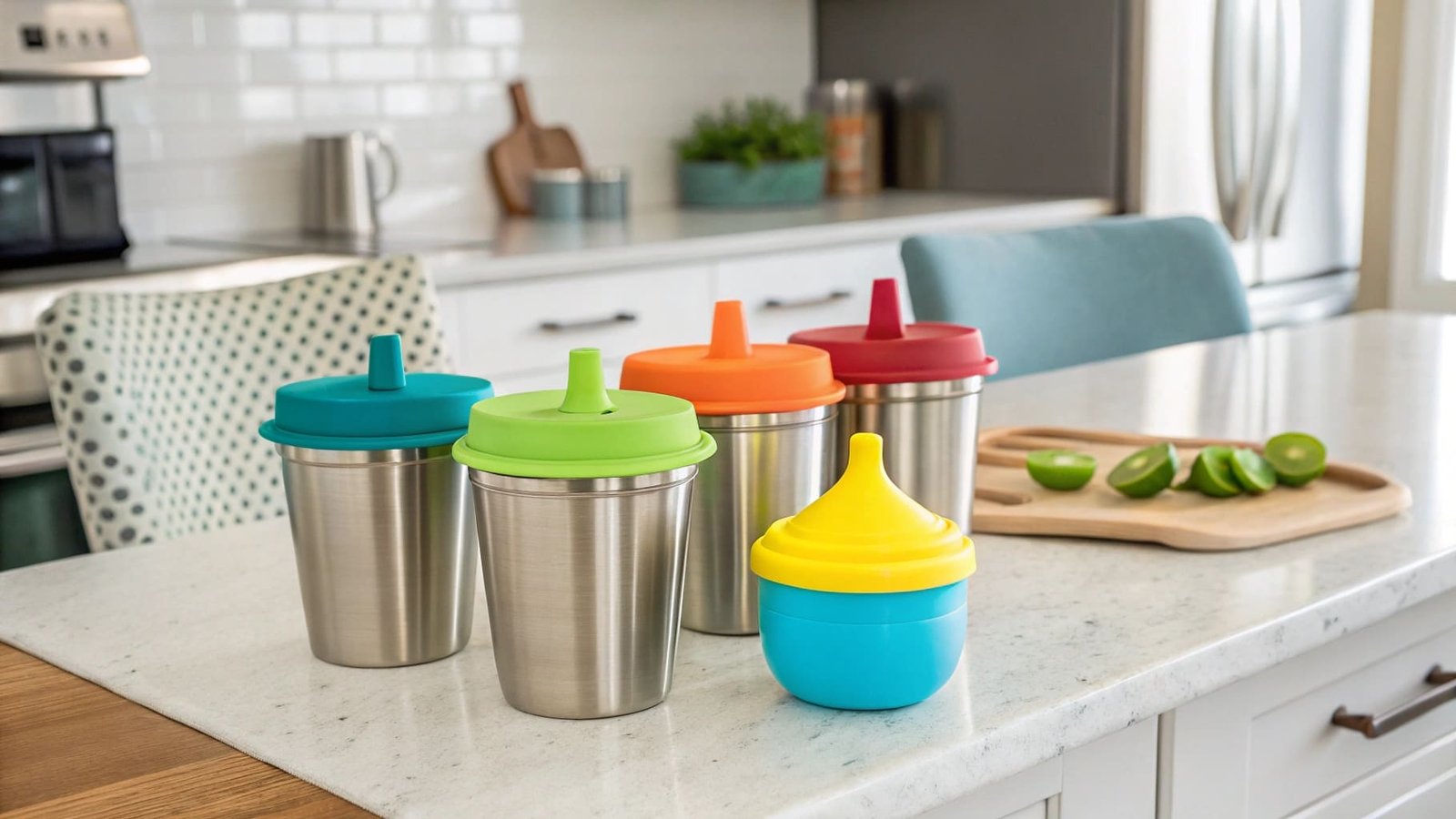
I use rubber gaskets to seal gaps where two parts meet and where liquid, air, dust, or pressure must be controlled. In drinkware, rubber may seal lids or accessories, but I prefer food-grade silicone for direct beverage contact.
Where rubber gaskets can make sense
I see rubber gaskets in many industries. They seal machines, pipes, doors, boxes, pumps, and many household products. Rubber works because it can compress and fill a gap7. It can reduce vibration. It can block dust, water, or air. In some low-temperature and non-food uses, rubber can be a practical choice. In drinkware, I look at the exact contact area before I approve it. If the gasket touches beverage or steam, I become stricter. If the gasket is used in an accessory area with no mouth contact and no heat exposure, rubber may be acceptable if the buyer accepts the risk and the material has proper proof.
| Rubber gasket use | My decision point | My control method |
|---|---|---|
| Direct lid seal | I usually avoid common rubber. | I choose food-grade silicone instead. |
| Outer accessory seal | I may consider rubber. | I check smell, aging, and fit. |
| Non-food packaging part | I may accept rubber. | I confirm that it will not touch drinks. |
| Unknown supplier part | I do not accept it. | I require material proof before production. |
How I control rubber risk in B2B orders
I control rubber risk by setting clear requirements before mass production. I do not wait until final inspection to ask what the gasket is made from. I write the material into the product file. I keep an approved sample. I ask the factory to match color, hardness, thickness, and shape to that sample. I also add gasket checks into the pre-shipment inspection plan. I check missing parts, poor fit, rough edges, cracks, deformation, odor, and leak performance. If the buyer is rebranding bottles for a premium market, I push harder for silicone because the customer will judge the brand by daily experience. A user may not know the word “gasket,” but the user will know when a bottle leaks in a bag. I always think about that final user when I decide how strict the gasket inspection should be.
Conclusion
I protect each buyer’s brand by setting strict gasket AQL, checking leak function, and choosing silicone when long service life matters.
-
"Calculation Model of Mechanical and Sealing Properties of NiTi Alloy ...", https://pmc.ncbi.nlm.nih.gov/articles/PMC9267744/. Gaskets function through controlled compression between mating surfaces, where the elastic deformation of the gasket material fills surface irregularities and creates contact stress that exceeds the pressure of the sealed fluid, thereby preventing leakage paths. Evidence role: mechanism; source type: education. Supports: the mechanical principle by which gaskets create seals. ↩
-
"Coefficient of Linear Thermal Expansion of Polymers and ... - PMC", https://pmc.ncbi.nlm.nih.gov/articles/PMC12693757/. Elastomers undergo thermal expansion and can experience permanent compression set when exposed to elevated temperatures, particularly when the temperature approaches the material's glass transition or degradation temperature; poor-quality materials with inadequate cross-linking or filler systems show accelerated dimensional changes and loss of recovery force. Evidence role: mechanism; source type: research. Supports: the mechanism of heat-induced deformation in elastomeric materials. ↩
-
"Progress in research on the safety of silicone rubber ...", https://pubmed.ncbi.nlm.nih.gov/37183940/. Silicone elastomers demonstrate superior thermal stability (typically -60°C to 230°C) compared to natural rubber (-50°C to 80°C), exhibit lower extractables and odor migration, and maintain elastic properties over longer periods, making them preferred for food-contact sealing applications where temperature cycling and taste neutrality are important. Evidence role: general_support; source type: research. Supports: the comparative properties of silicone and rubber in food-contact applications. Scope note: Performance varies by specific formulation; both materials require proper food-grade certification for regulatory compliance. ↩
-
"The Effect of Aging Process Conditions on the Thermal ... - PMC", https://pmc.ncbi.nlm.nih.gov/articles/PMC11595879/. Studies of elastomer aging show that silicone rubber maintains mechanical properties after repeated thermal cycling and exposure to hot water and detergents significantly better than organic rubbers, which are more susceptible to oxidative degradation, plasticizer migration, and hardening over time. Evidence role: general_support; source type: research. Supports: silicone's resistance to environmental degradation factors. Scope note: Comparative performance depends on specific rubber type and silicone grade; some specialty rubbers may perform adequately in limited temperature ranges. ↩
-
"Inventory of Food Contact Substances Listed in 21 CFR", https://hfpappexternal.fda.gov/scripts/fdcc/index.cfm?search=silicone&set=IndirectAdditives. In the United States, food-contact silicone materials are regulated under FDA 21 CFR 177.2600, which specifies requirements for silicone rubber articles intended for repeated food contact; in the EU, Regulation 1935/2004 establishes the framework for food-contact materials, requiring that silicone not transfer constituents to food in quantities that could endanger human health or change the composition of food unacceptably. Evidence role: definition; source type: government. Supports: the regulatory framework defining food-grade silicone. Scope note: Compliance requires testing and documentation; the term 'food-grade' alone without supporting certification does not guarantee regulatory compliance. ↩
-
"Compression set", https://en.wikipedia.org/wiki/Compression_set. ASTM D395 provides standardized methods for measuring compression set of rubber materials under specified conditions of time and temperature, while ASTM D2632 covers resilience testing; these properties correlate with a gasket's ability to maintain sealing force over time, though manual assessment provides only qualitative indication compared to controlled laboratory testing. Evidence role: general_support; source type: institution. Supports: standardized methods for evaluating elastomer compression and recovery properties. Scope note: Manual compression testing cannot provide quantitative data or replicate the controlled conditions of standardized tests. ↩
-
"Rubber elasticity", https://en.wikipedia.org/wiki/Rubber_elasticity. Rubber elasticity arises from the entropy-driven behavior of cross-linked polymer chains, which can undergo large reversible deformations; when compressed, the polymer chains are forced into less probable configurations, and upon release of stress, they return to higher-entropy random coil conformations, enabling rubber to fill surface irregularities and maintain contact pressure for sealing. Evidence role: mechanism; source type: education. Supports: the molecular basis of rubber's elastic and compressive properties. ↩