
Which 40oz water bottle threads fit straw lids across SKUs without leaks?
I see buyers lose whole selling seasons when lids almost fit. A small thread mismatch creates leaks, returns, and angry customers fast.
I recommend 63mm 63-485 style threads for most 40oz stainless steel bottles when the goal is cross-SKU straw lid fit. I still verify thread tolerance, gasket hardness, and straw valve design, because a shared thread size alone does not stop leaks.
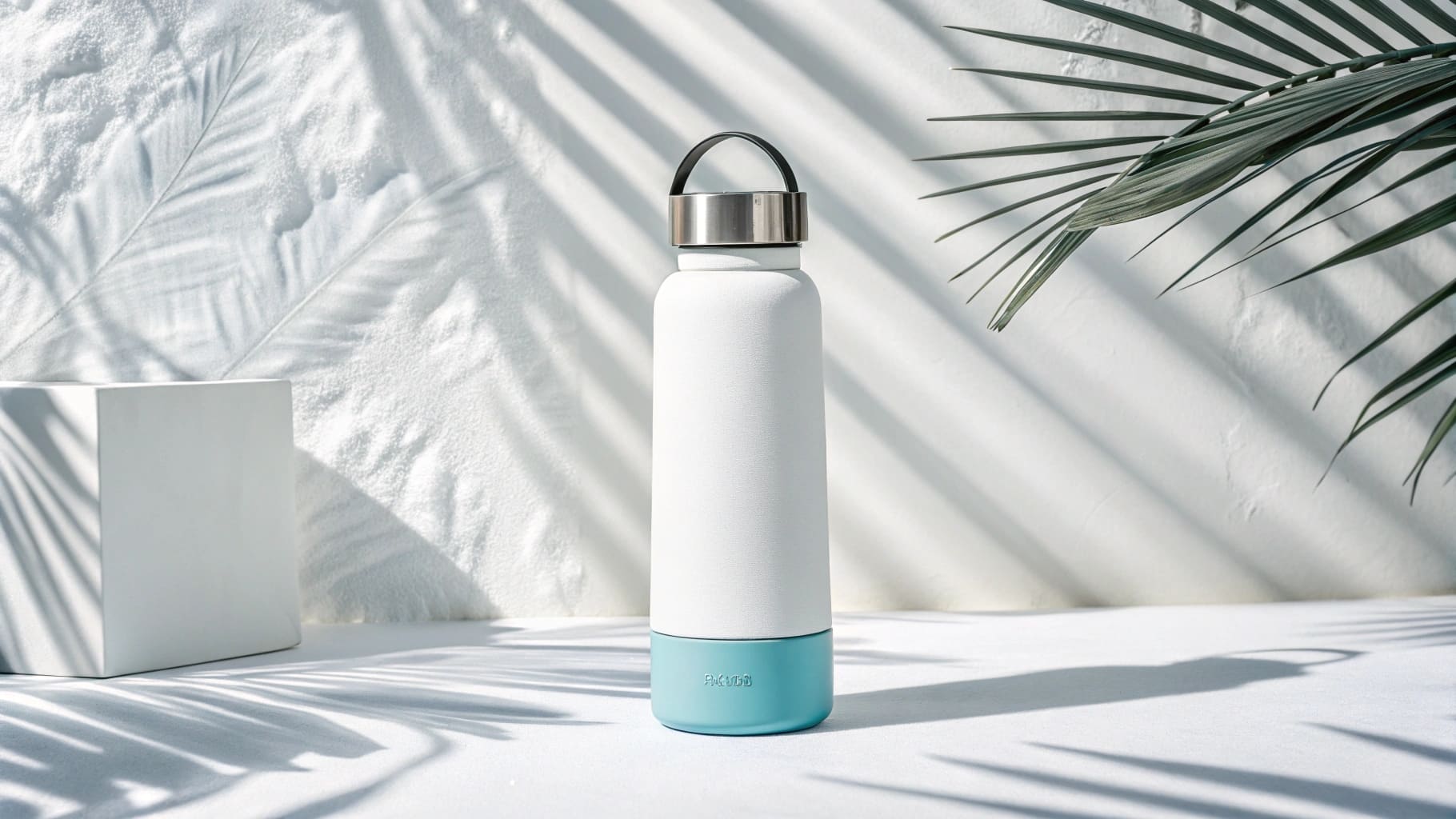
I do not treat a straw lid as a simple accessory. I treat it as a sealing system. I have seen samples pass a quick hand test, then fail after heat, vibration, and carton pressure during shipping. I look at the neck thread, the lid thread, the gasket seat, the straw valve, and the test record together. This is where I start checking the parts that most buyers cannot see.
What thread do water bottles use?
I have seen two bottles look identical on a sample table, but one lid leaks because the thread path is slightly different.
I see most large stainless steel water bottles use wide-mouth threads from about 53mm to 63mm1, while many 40oz SKUs use 63mm 63-485 style threads. I confirm the exact fit by checking thread diameter, pitch, start count, and gauge results.

How I read the thread before I trust the lid
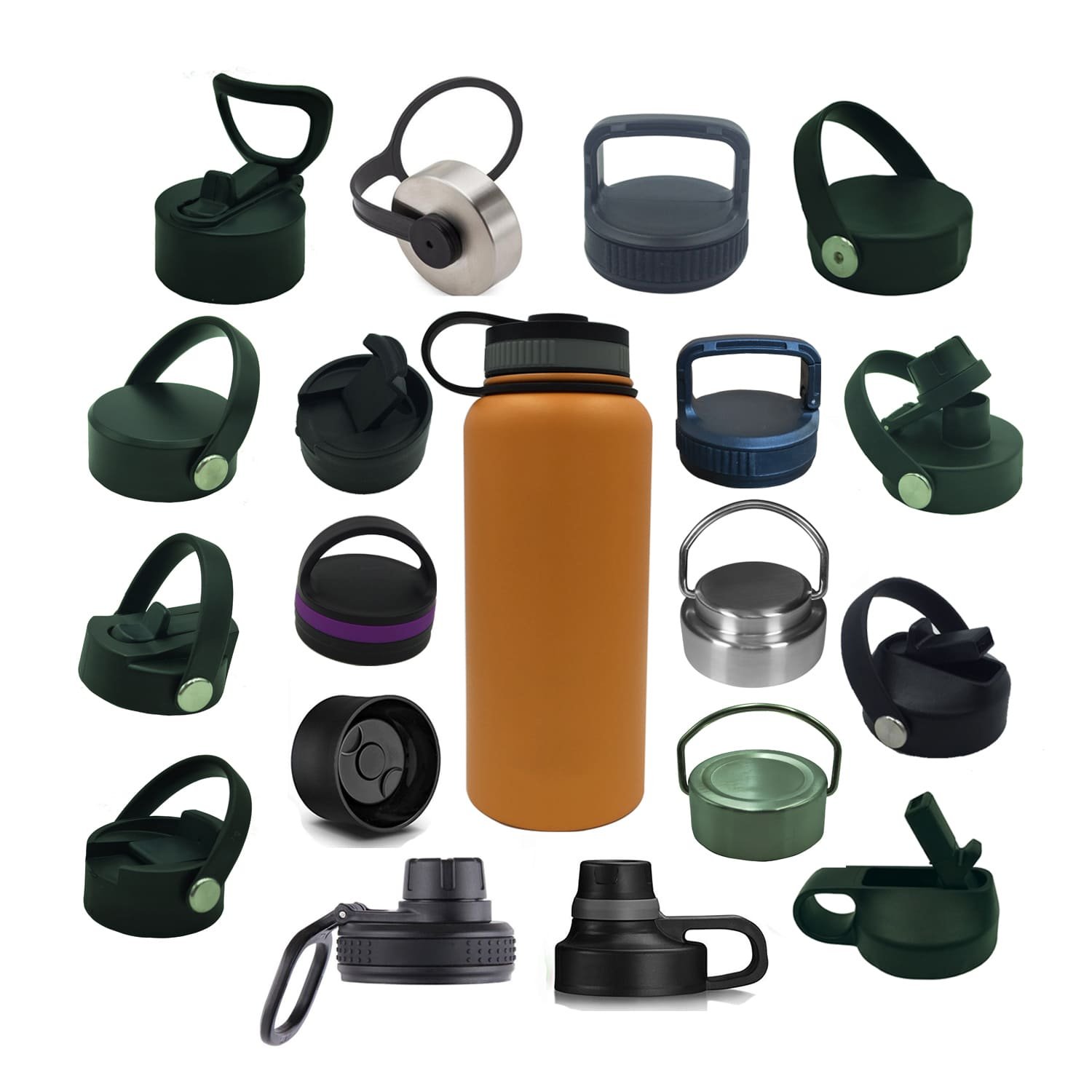
I first ask one simple question. I ask if the supplier controls the thread as a real drawing item or only copies an old lid. I prefer a 63mm 63-485 style thread for 40oz bottles because it gives enough mouth space, enough gasket pressure, and good user comfort. It also helps me match one straw lid across several bottle shapes. But I do not stop there. I check the tolerance, the thread height, the lead-in angle, and the lid stop position.
| Item I check | Why I check it | What I want to see |
|---|---|---|
| Thread size | I need the lid to start and stop in the same position | A clear 63mm 63-485 style specification |
| Thread tolerance | I need steady gasket pressure across batches | Tight control near ±0.2mm |
| Thread pitch | I need smooth closing without cross-threading | Same pitch on bottle and lid |
| Thread start | I need the lid to seat evenly | Stable thread start count |
| Gauge result | I need proof beyond a hand twist | Pass result from thread gauge testing |
I have had buyers ask me if one 40oz straw lid can fit every 40oz bottle. I never answer yes without checking drawings and samples. A 40oz name tells me volume. It does not tell me the neck finish. Some suppliers change the bottle shape but keep the same lid. Some suppliers change the lid but keep the same bottle name. That is risky for rebranding and replacement lid sales. I try to lock the thread standard first, then I confirm the sealing parts.
What is the best leakproof straw bottle?
I dislike the word leakproof when a supplier cannot show test records. A nice straw lid means little after freight vibration.
I consider the best leakproof straw bottle to be a 40oz stainless steel bottle with a standardized 63mm thread, tight thread tolerance, food-grade silicone2 gasket, and a tested straw valve. I ask for pressure tests, drop tests, and batch inspection records before I trust the design.
How I judge a leakproof straw bottle for wholesale
I judge leakproof performance by the whole structure, not by the claim on the product page. I want the bottle to seal at the neck, around the straw hole, and at the drinking valve. I also want the seal to stay stable when the user flips the bottle, puts it in a car, or carries it in a bag. A good straw bottle needs a reliable thread, but it also needs a gasket that can recover after compression. I usually prefer food-grade silicone gaskets with Shore A hardness around 40 to 603. This range gives a good balance between softness and sealing force.
| Part I inspect | Risk if it is weak | My preferred standard |
|---|---|---|
| Bottle thread | The lid feels tight but still leaks | Controlled 63mm thread with gauge check |
| Lid thread | The lid tilts before the gasket seals | Clean molding and stable shrinkage |
| Main gasket | Water escapes from the lid edge | Food-grade silicone with steady hardness |
| Straw valve | Water leaks through the straw hole | Silicone flap, ball valve, or spring design tested by cycles |
| Air vent | Liquid spits or leaks during movement | Controlled vent size and clean valve closing |
| Test method | A sample passes but bulk fails | Pressure test, filled drop test, and carton vibration review |
I once checked a sample that looked strong. The body was good. The powder coating was clean. The lid color matched the buyer’s brand. But the straw valve stayed slightly open after repeated use. The supplier called it a small issue. I called it a future return. For a Canadian distributor, that small issue can become a big loss during peak season. I prefer to test the lid through repeated open and close actions. I also check the bottle after hot water and cold water changes. Metal, plastic, and silicone move in different ways when temperature changes4. I want the seal to survive that movement.
How to stop a straw cup from leaking?
I get nervous when a leak appears only after bulk goods arrive. At that point, every small fix becomes expensive.
I stop straw cup leaks by checking the lid is fully seated, the gasket is clean and undamaged, the straw valve closes freely, and the thread is not cross-threaded. In production, I prevent leaks with thread gauges, gasket checks, pressure tests, and filled drop tests.
How I separate user issues from factory issues
I first separate a user-side leak from a factory-side leak. This matters because the fix is different. If the lid is cross-threaded, the user may need better instruction or a better lead-in thread. If the gasket is missing, the packing line needs stronger control. If the straw valve leaks, the design may need a better silicone part or tighter molding control. I do not guess. I fill the bottle, close the lid, turn it upside down, shake it, and check the leak path. Then I open the lid and look for water marks.
| Leak point I see | What I check first | How I usually fix it |
|---|---|---|
| Lid edge | I check if the gasket is seated flat | I replace or reseat the gasket |
| Thread area | I check if the lid is cross-threaded | I improve thread fit and user instructions |
| Straw hole | I check if the valve closes fully | I adjust valve design or silicone hardness |
| Air vent | I check if the vent flap is blocked or loose | I clean, resize, or change the vent part |
| After drop test | I check if the lid body warps | I improve lid material or wall thickness |
| After hot water | I check if parts expand unevenly | I test material fit under temperature change |
For wholesale orders, I try to prevent leaks before packing. I ask for in-line gasket checks, thread gauge verification, and random pressure testing. I also like filled drop tests because they show real use better than an empty drop test. A bottle may survive a fall when empty, but a full 40oz bottle creates more force. I also ask the supplier to keep the same gasket material between sample and bulk. I have seen good samples made with one silicone grade, then bulk goods made with a cheaper gasket. That change is hard for a buyer to see, but customers find it very fast when the bottle leaks in a bag.
Conclusion
I choose 63mm threads only after I test tolerance, gasket, and valve. I want lids that fit, seal, and protect the selling season.
-
"Guide to Bottle Neck Finishes, Thread Sizes, & Dimensions", https://www.paramountglobal.com/knowledge/bottle-neck-thread-finish/. Wide-mouth reusable bottles typically feature opening diameters between 50mm and 70mm to facilitate cleaning and ice insertion, though exact dimensions vary by manufacturer and are not governed by a universal standard. Evidence role: general_support; source type: other. Supports: common thread diameter ranges for wide-mouth beverage containers. Scope note: Thread size distributions reflect market observation rather than published industry data. ↩
-
"Inventory of Food Contact Substances Listed in 21 CFR", https://hfpappexternal.fda.gov/scripts/fdcc/index.cfm?search=silicone&set=IndirectAdditives. Food-contact silicone must comply with regulations such as FDA 21 CFR 177.2600 in the United States or EU Regulation 1935/2004 in Europe, which specify permitted formulations and migration limits, though the term 'food-grade' itself is not formally defined in most regulatory frameworks. Evidence role: definition; source type: government. Supports: regulatory requirements for silicone in food contact applications. ↩
-
"Silicone Gaskets", https://www.stockwell.com/silicone-gaskets/. Silicone gaskets with Shore A hardness in the 40-70 range generally provide effective sealing for consumer products by balancing conformability with compression set resistance, though optimal hardness depends on clamping force, surface finish, and environmental conditions. Evidence role: mechanism; source type: research. Supports: the relationship between elastomer hardness and sealing performance. Scope note: Hardness recommendations vary significantly based on specific gasket geometry, groove design, and application pressure. ↩
-
"Thermal expansion", https://en.wikipedia.org/wiki/Thermal_expansion. Stainless steel, polypropylene, and silicone exhibit coefficients of thermal expansion differing by factors of 3-10, which can create relative movement and stress at interfaces during temperature changes, potentially affecting seal integrity in precision assemblies. Evidence role: mechanism; source type: research. Supports: differential thermal expansion in multi-material assemblies. ↩