
What tariffs and HS codes apply to hip flasks in 2026 under DDP to the US?
A wrong HS code can erase margin fast. I have seen one small flask detail turn a clean DDP quote into a painful cost fight.
I usually start with HS 7323.93 for stainless steel hip flasks, with a base MFN duty often around 3.4%. In DDP to the U.S., I price duty, customs fees, freight, broker, and delivery into one landed cost1, and I recheck origin and product details before shipment.
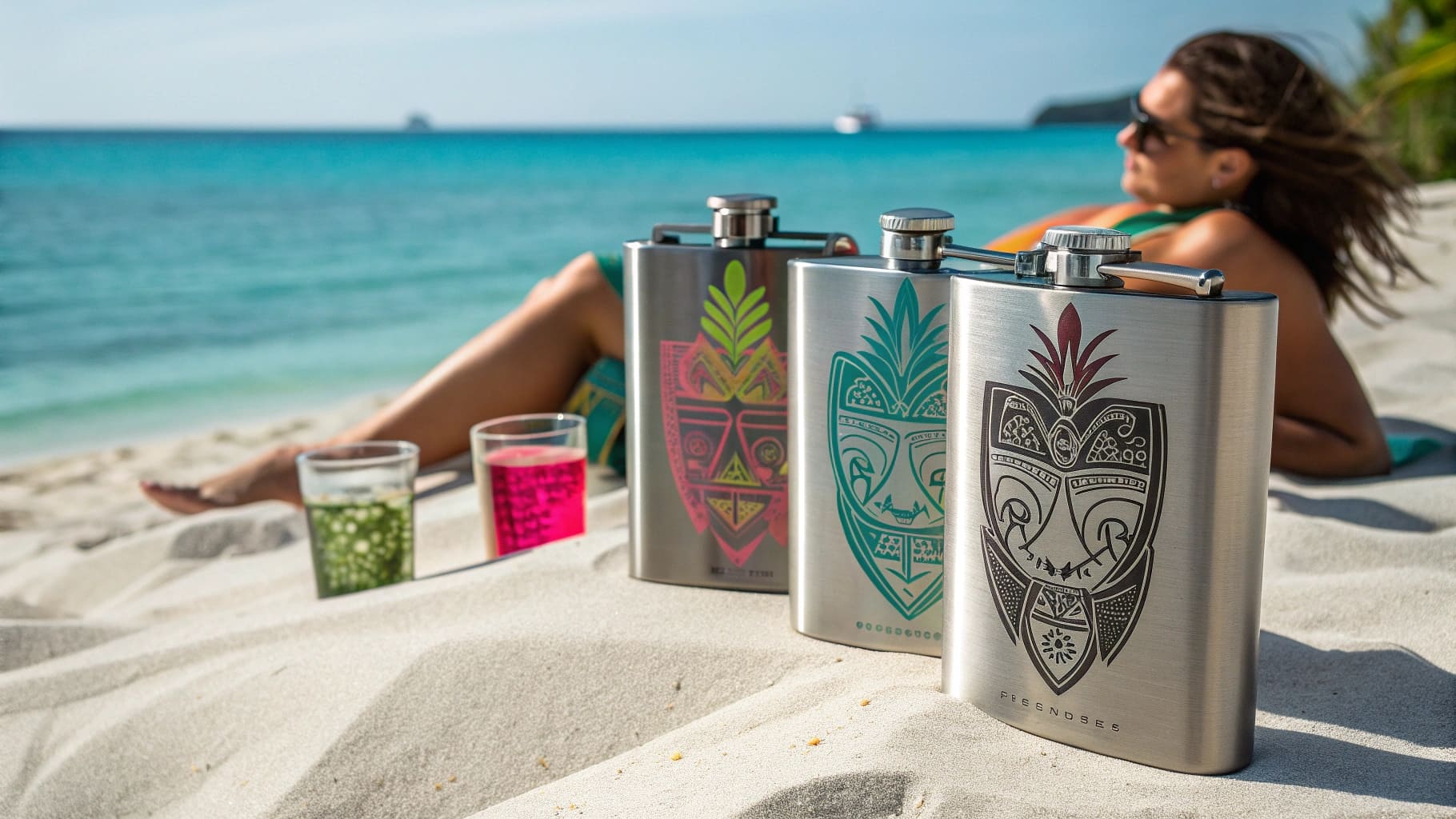
I treat a hip flask DDP quote as a customs job first and a product job second. I do not stop at the six-digit HS code, because the U.S. tariff line may need a longer HTS code2. I also check the country of origin, the material, the capacity, the surface finish, and the final use. A normal stainless steel hip flask usually sits under table, kitchen, or household articles of stainless steel. If the flask is over one liter, has precious metal plating, or is sold as a luxury decorative item, I stop and review the code again3. Under DDP, I also decide who acts as importer of record, who pays the broker, who pays the customs bond, and who carries the risk if Customs changes the classification. I have learned that a buyer does not only need a low unit price. He needs a price that survives inspection, shipment, clearance, and delivery, so I explain the use cases next because use changes the safest import plan.
When would you use a hip flask?
A hip flask looks simple, but weak market timing creates dead stock. I have watched good buyers miss gift season because they ordered too late.
I use a hip flask for portable small-volume drinks at outdoor events, weddings, camping, fishing, hunting, concerts, and premium gift sets. For B2B planning, I match flask design, packaging, and delivery dates to those use cases.
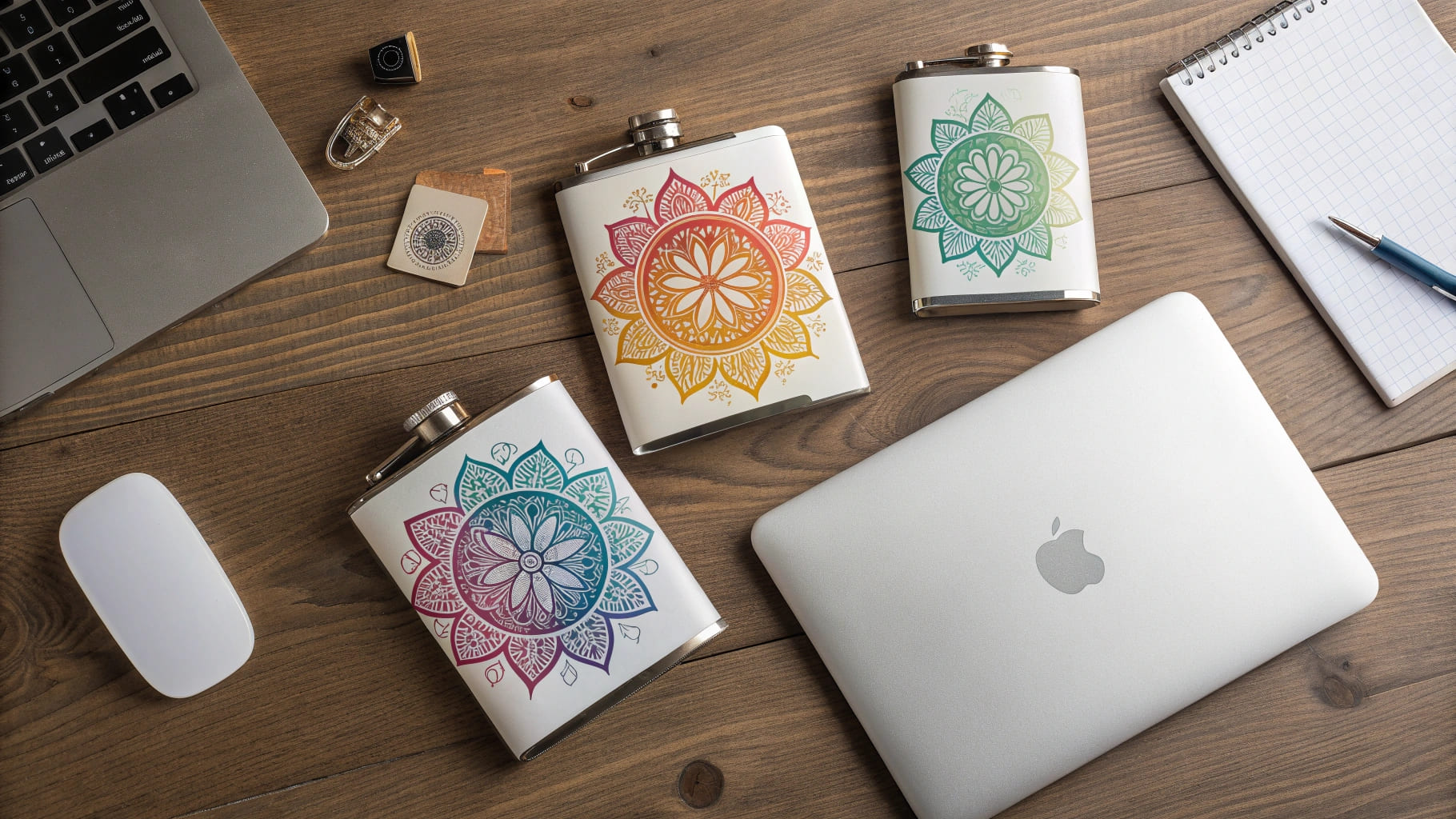
How I connect use cases with import planning
I do not treat a hip flask as only a small metal bottle. I treat it as a seasonal gift item with customs risk, packaging risk, and delivery risk. When a buyer tells me the flask is for groomsmen gifts, I focus on logo work, gift box strength, and arrival before wedding season. When a buyer tells me the flask is for outdoor stores, I focus on scratch resistance, leak testing, and carton strength. When a buyer sells through a rebranded channel, I also ask for brand color, private label packaging, and barcode needs before I quote DDP.
| Use case I hear from buyers | What I check before production | Why I check it |
|---|---|---|
| I supply wedding and groomsmen gifts | I check logo size, box style, and surface finish | I know the end buyer cares about appearance |
| I supply outdoor and hunting markets | I check leak test, cap thread, and coating strength | I know rough use can cause returns |
| I supply concerts and festivals | I check size, local rules, and packaging claims | I know event rules can limit alcohol containers |
| I supply corporate gift programs | I check color match, logo proof, and delivery window | I know late gifts lose value |
| I supply retail rebranding projects | I check carton marks, barcode, and inspection plan | I know rework costs more after shipping |
I usually advise buyers to place bulk orders well before the peak season. I have seen many buyers ask for fast production after their market already starts moving. That creates pressure on polishing, printing, packing, inspection, vessel booking, and customs clearance. A hip flask is small, but a missed sales window is not small. I prefer to build a calendar backward from the needed delivery date. I include sample approval, material purchase, production, logo testing, final inspection, export booking, U.S. clearance, and local delivery. This habit helps me quote DDP with fewer surprises, and it helps the buyer compare suppliers on the real landed cost, not only the product price.
What is the 3 2 1 rule for alcohol?
Alcohol rules sound far from sourcing, but poor product messaging can damage a brand. I treat responsible use as part of packaging planning.
I treat the 3 2 1 rule as a simple moderation idea: no more than three drinks in a day, no more than two drinking days in a row, and about one standard drink per hour. It is a marketing and safety message, not a customs rule.

How I use the rule without turning it into a legal claim
I do not use the 3 2 1 rule to classify a hip flask for customs. I use it to think about brand tone, user safety, and product claims. A hip flask can look like a secret drinking tool if the packaging is careless4. I prefer a more premium message. I talk about craftsmanship, stainless steel, portability, gift value, and special occasions. I avoid messages that push heavy drinking. This matters because many buyers sell into markets where consumers pay close attention to health and safety. A simple phrase on a box can change how the product feels.
| Message area I review | Risk I try to avoid | Safer direction I prefer |
|---|---|---|
| I review product name | I avoid words that suggest abuse | I use gift, travel, outdoor, or premium wording |
| I review packaging text | I avoid claims that sound medical or legal | I use simple responsible-use wording |
| I review lifestyle photos | I avoid images of unsafe drinking | I use camping, wedding, or celebration scenes |
| I review inserts | I avoid confusing care advice | I give clear cleaning and storage tips |
| I review buyer labels | I avoid missing origin or material info | I keep label data clear and consistent |
I also connect this topic to certificates and trust. I have met buyers who were worried about fake certificates from suppliers. I understand that fear. I ask my team to keep test reports, material records, and production batch data in order. For stainless steel hip flasks, I care about food-contact safety, material grade, coating safety, and leak performance. If a buyer plans DDP to the U.S., I want the documents to match the real product. I do not want a report for one model and a shipment of another model. This is where strong communication saves money. The buyer may understand sales very well, but he may not know the technical detail behind stainless steel, silicone gaskets, plating, and caps. I explain these details in plain words before the order starts.
What is the best drink in a hip flask?
The wrong drink can make a good flask look bad. I often see returns that start with taste, leakage, or wrong material choice.
I usually recommend whiskey, bourbon, or scotch for a stainless steel hip flask. I avoid carbonated drinks, acidic cocktails, dairy drinks, and long storage. I match six to eight ounce capacity, 304 stainless steel, and a tight screw cap to these spirits.
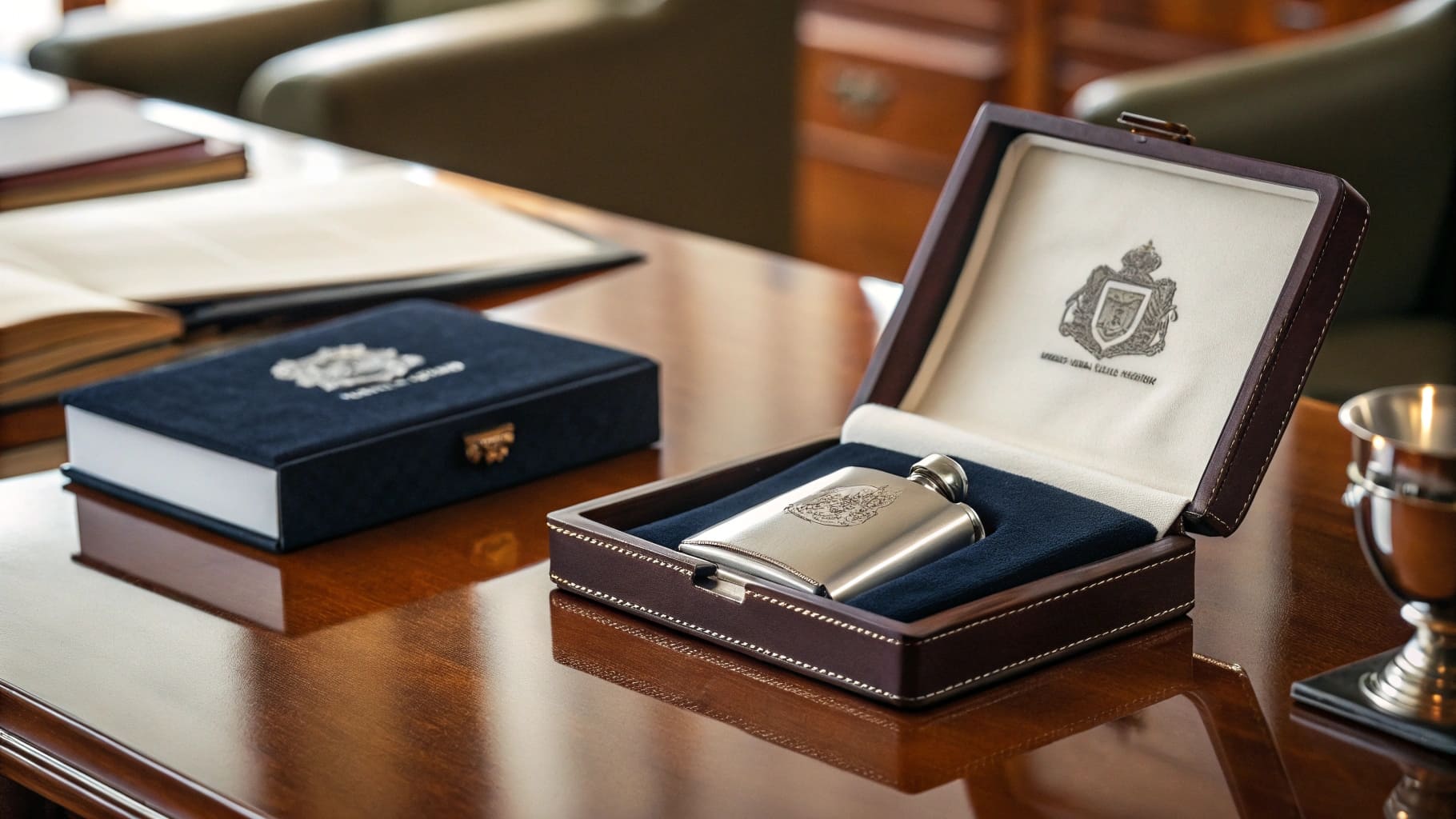
How I match beverage choice with product specification
I design and source hip flasks around the drinks that people actually carry. Whiskey, bourbon, and scotch work well because they are still drinks with strong flavor and no carbonation. They also match the gift image of a stainless steel flask. I usually recommend 304 stainless steel for regular premium orders. I use 316 stainless steel when the buyer wants a higher-end line or wants better corrosion resistance for humid or coastal markets. I pay special attention to the cap. A beautiful flask with a weak cap is a return waiting to happen. Alcohol can leak, smell, and stain packaging, so I test the cap and gasket before shipment.
| Drink type I consider | My material view | My sourcing decision |
|---|---|---|
| I consider whiskey | I see it as the safest classic choice | I use 304 stainless steel and a tight screw cap |
| I consider bourbon | I treat it like a strong gift-market match | I focus on finish, logo, and premium box |
| I consider scotch | I see buyers expect a higher-end feel | I offer better polishing and heavier packaging |
| I consider cocktails | I worry about sugar and acid | I warn buyers against long storage |
| I consider carbonated drinks | I worry about pressure and leakage | I do not recommend them for normal flasks |
| I consider coffee or tea | I check odor, cleaning, and heat limits | I suggest a different bottle if needed |
I also think about capacity. A six to eight ounce flask is easier to carry and easier to sell as a gift. A very large flask may create customs questions, and it may also feel less like a pocket accessory. If the flask has leather wrap, powder coating, mirror polish, or plated color, I check the finish during inspection. I do not want peeling, color change, sharp edges, or logo defects. I also tell buyers that stainless steel flasks are made for short-term carrying, not long-term storage. This small care point can reduce complaints. A buyer may save a few cents with a cheaper cap or thinner wall, but he may lose much more through bad reviews and returns. I prefer to control the material, the gasket, the thread, the welding, and the packaging at the same time, because the end user judges the whole product at once.
Conclusion
I treat hip flasks as both customs products and lifestyle gifts. I protect margin with correct classification, clear DDP cost, good timing, and honest product use.
-
"Know Your Incoterms", https://www.trade.gov/know-your-incoterms. Under ICC Incoterms, DDP (Delivered Duty Paid) places maximum obligation on the seller, who bears all costs and risks including export formalities, carriage, import duties, taxes, and delivery to the named destination, making the goods available to the buyer cleared for import. Evidence role: definition; source type: institution. Supports: the obligations and cost allocation under DDP Incoterms. ↩
-
"Harmonized Tariff Schedule - United States International Trade ...", https://hts.usitc.gov/. U.S. Customs and Border Protection uses the Harmonized Tariff Schedule with eight-digit and ten-digit classifications, extending the international six-digit HS code with country-specific duty lines and statistical suffixes for precise import tracking and duty assessment. Evidence role: mechanism; source type: government. Supports: the structure of the U.S. Harmonized Tariff Schedule and the use of extended codes beyond six digits. ↩
-
"The tariff classification of folded paper decorative objects from China", https://rulings.cbp.gov/ruling/N266257. Customs classification principles consider material composition, manufacturing method, capacity, intended use, and decorative elements as determining factors, with variations in these characteristics potentially shifting products between different HS headings with distinct duty rates and regulatory requirements. Evidence role: mechanism; source type: government. Supports: the classification criteria that distinguish between similar products in customs tariff schedules. Scope note: Specific classification determinations depend on detailed product examination and may vary based on country-specific interpretations of international nomenclature. ↩
-
"Defining strategies for promoting product through 'drink responsibly ...", https://pubmed.ncbi.nlm.nih.gov/24999061/. Research in alcohol marketing indicates that packaging design, visual cues, and messaging significantly influence consumer attitudes toward products, with responsibility-focused branding potentially promoting moderation perceptions compared to imagery emphasizing concealment or excess consumption. Evidence role: general_support; source type: research. Supports: the influence of product packaging and marketing on alcohol consumption perceptions. Scope note: The specific effect of hip flask packaging on drinking behavior has limited direct research; this applies general principles from broader alcohol marketing studies. ↩