
What sizes suit kids cups in 2026: 7oz vs 8oz, weight, and handle choices?
I see many buyers lose sales because a kids cup looks cute but feels too heavy, too wide, or too hard to hold.
For kids aged three to six, I usually choose a 7oz or 8oz stainless steel cup. A 7oz cup suits younger preschool children. An 8oz cup suits kindergarten children. I keep empty weight under 170 grams and choose stable handles for safer daily use.
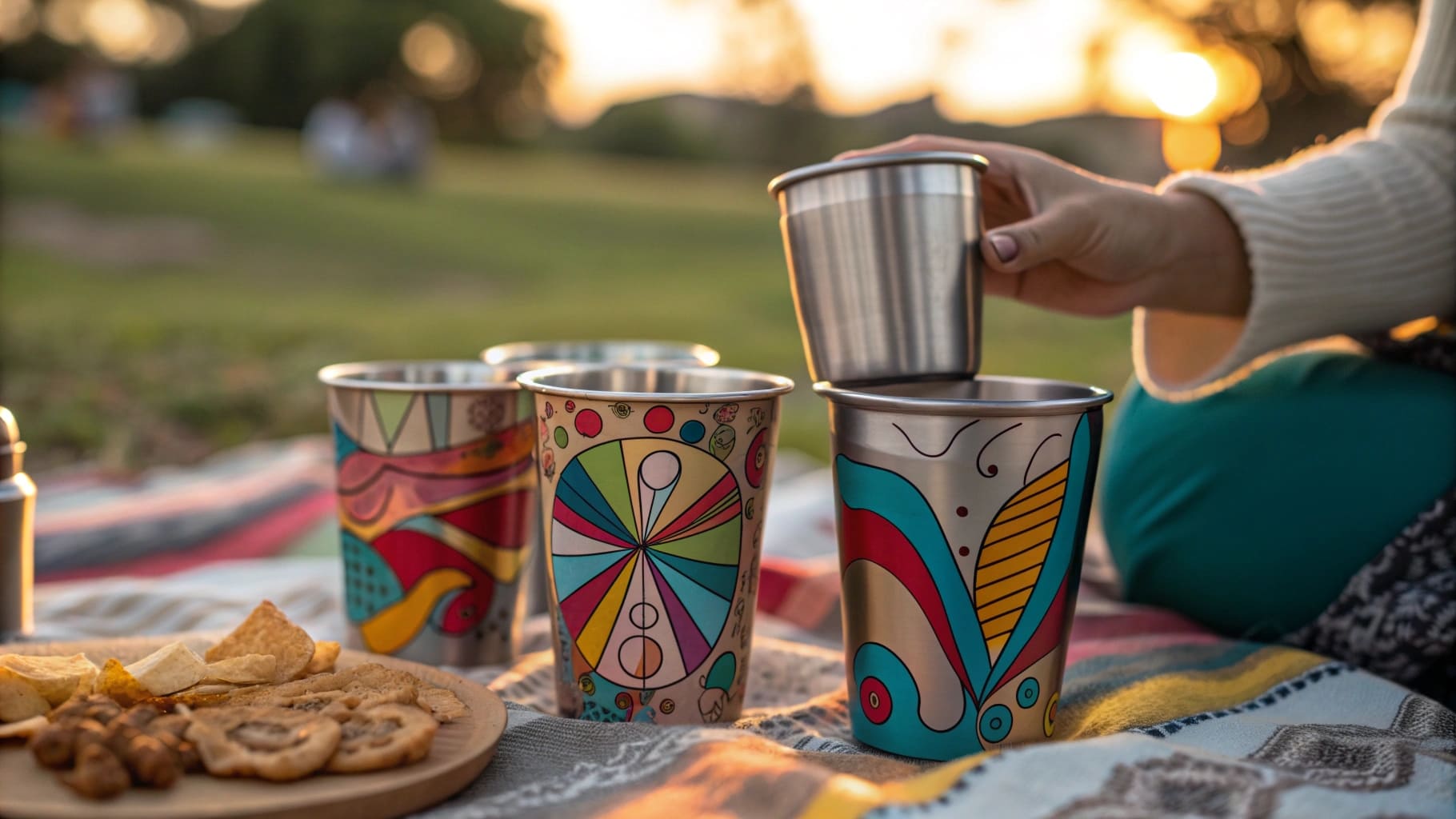
I have learned this lesson from real sourcing talks. Parents do not buy only capacity. They buy safety, easy grip, easy cleaning, and trust. A small mistake in weight or handle shape can turn a good-looking product into slow-moving stock. So I always judge kids cups by size, weight, hand fit, lid style, and the way a child uses the cup during a full school day.
How do you know what size cup to buy?
I see buyers choose by photo first, then regret it when the cup feels wrong in a child’s hand.
I choose a kids cup size by matching the child’s age, grip strength, drinking scene, and carry time. For most children aged three to six, 7oz works for lighter use, while 8oz works for longer school or outdoor use.
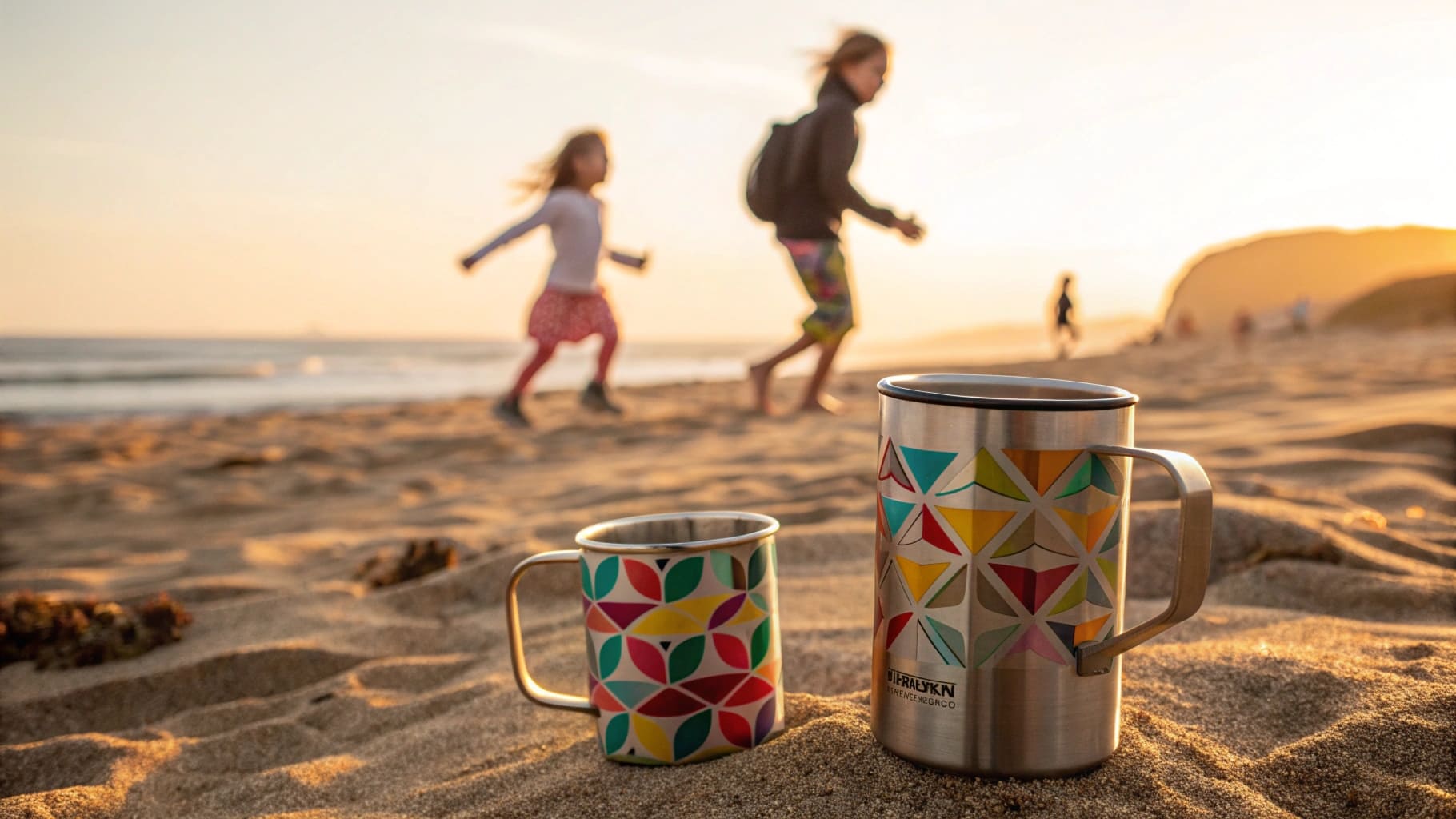
I start with the child, not the catalog
I do not start with the biggest size. I start with the child’s hand. A young child has weak grip control. A cup that looks normal to an adult can feel large to a child. In my work with stainless steel kids drinkware, I have seen that the best size is often the one that the child can lift without help.
For children aged three to four, I usually prefer 7oz. It feels lighter.1 It also gives parents better control when the child drinks in a car, classroom, or daycare room. For children aged five to six, I often move toward 8oz. The child drinks more. The child also has better balance and can hold a slightly larger cup.
I use a simple buyer map
| Child stage | Cup size I prefer | Empty weight target | Handle choice | Best use |
|---|---|---|---|---|
| Toddler to preschool | 7oz | 120 to 145 grams | Dual side handles | Home, daycare, short trips |
| Preschool to kindergarten | 7oz or 8oz | 130 to 155 grams | Removable loop or side handles | School, lunch box, travel |
| Kindergarten and above | 8oz | 135 to 165 grams | Silicone loop or slim handle | Longer school day, outdoor use |
I check the real use case
I ask one basic question. Will the child drink at a table, carry the cup in a bag, or hold it while walking? Each answer changes the cup choice. A daycare cup can be smaller and lighter. A school cup needs more capacity and a leak-resistant lid. A travel cup needs a handle that is easy for parents and children.
I also check if the buyer wants one product for several age groups. In that case, I suggest a modular design. A removable handle is useful. An interchangeable lid is useful. Parents feel the product lasts longer. Retailers can also sell it at a better position because the cup grows with the child.
How many ounces is a kids cup?
I often see buyers ask for one standard size, but kids cups do not work well with one single answer.
A kids cup is usually 7oz to 8oz for children aged three to six. Smaller cups suit younger children and controlled drinking. Larger cups suit school use and longer hydration needs. The right answer depends on age, weight, lid style, and handle design.
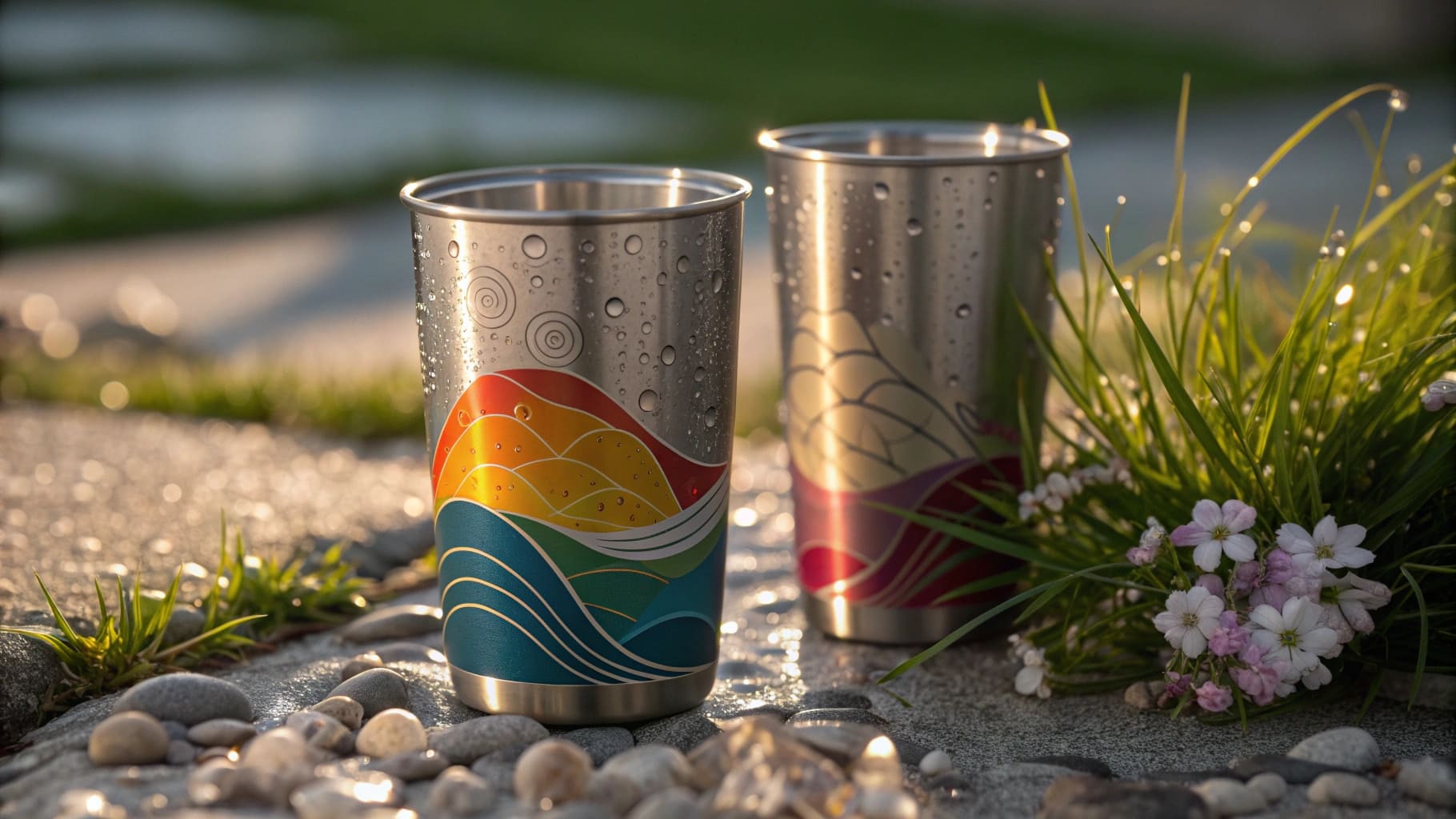
I treat ounces as a comfort limit
I do not treat ounces only as liquid volume. I treat ounces as a comfort limit. A 7oz cup gives enough water for a short activity. It also keeps the cup light. This matters because children do not hold cups like adults. They tilt, shake, drop, and grab from odd angles.
An 8oz cup gives more water. It also gives more value in the buyer’s eyes. Many parents think bigger means better. I understand that. Still, I warn buyers not to push capacity too far. Once the cup becomes too tall or too heavy, the child stops using it well. Then the product creates complaints.
I compare the two main sizes
| Size | What I like | What I watch carefully | Best buyer target |
|---|---|---|---|
| 7oz | Lighter, easier to grip, safer for small hands | It may look small beside adult bottles | Daycare, preschool, younger kids |
| 8oz | Better hydration, stronger retail value, good for school | It can become heavy if the steel wall is too thick | Kindergarten, school, outdoor use |
I keep weight under control
The weight is often more important than the ounce number. I usually expect a 7oz stainless steel kids cup to stay around 120 to 145 grams when empty. I expect an 8oz cup to stay around 135 to 165 grams. I become careful when the empty cup goes over 170 grams. A child still needs to carry liquid inside it. That extra water changes everything.
I also check the steel grade and wall thickness. A strong cup does not need to feel like a rock. I prefer 304 stainless steel for food contact. I also like smooth rims, safe lid materials2, and simple shapes. I want the cup to pass quality checks, but I also want the child to enjoy using it every day.
I think about packaging and pricing
For wholesale buyers, ounces also affect carton size, freight cost, and shelf look. A 7oz cup can pack more tightly. An 8oz cup may look more valuable in retail packaging. I usually suggest that buyers test both sizes before large orders. I ask them to compare hand feel, carton weight, lid fit, and logo area. A small sample test can prevent a large mistake before peak season.
What size water bottle for a 5 year old?
I have seen many five-year-old children reject bottles that adults thought were perfect on paper.
For a five-year-old, I usually suggest an 8oz bottle or cup if the child uses it at school. A 7oz size also works if the child is smaller or needs a lighter cup. I keep the empty weight below 170 grams and use a secure handle.
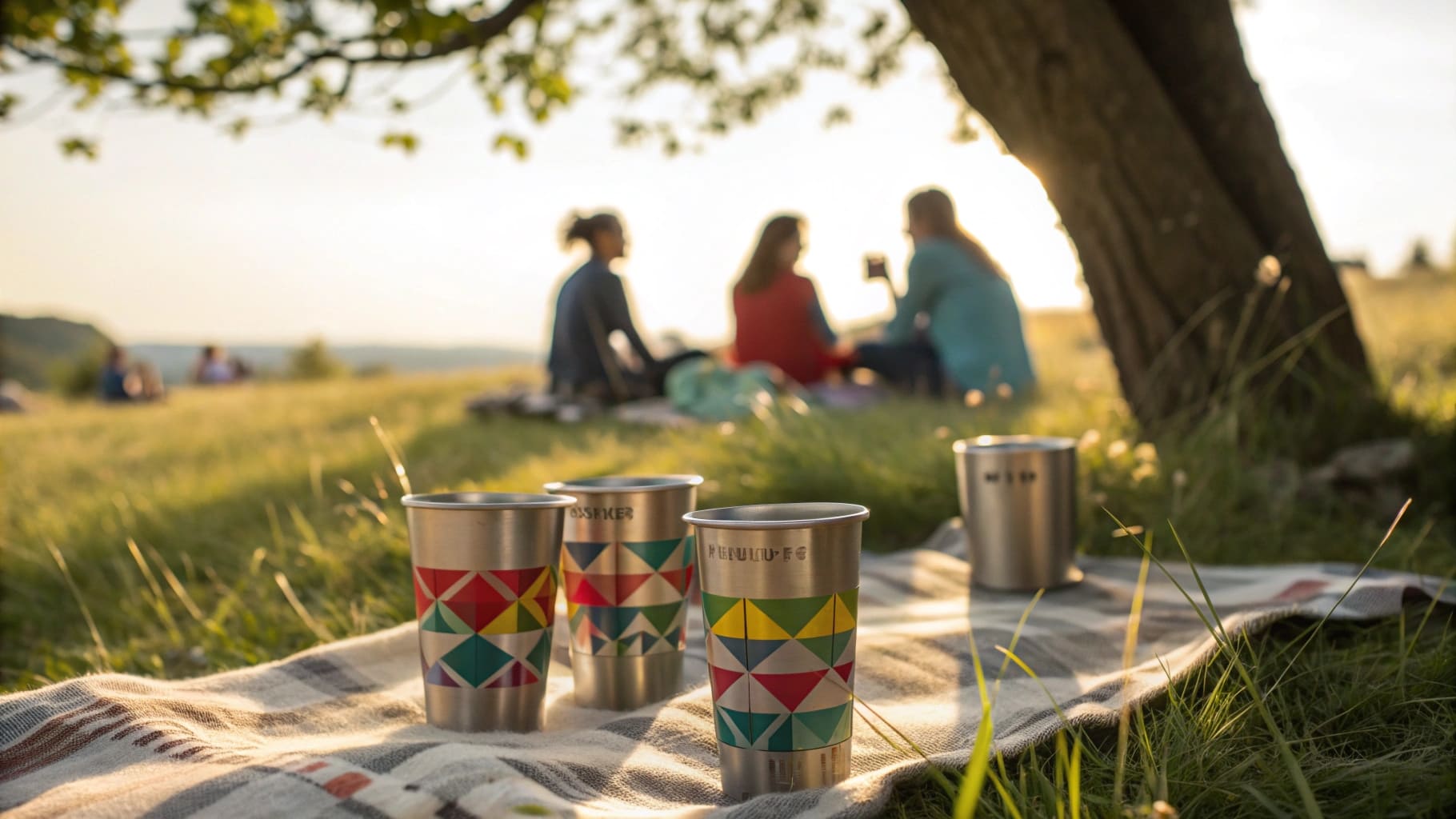
I see five years old as a middle stage
A five-year-old child sits between preschool and early school use. This child has more independence. This child also still drops things often.3 So I do not choose by age alone. I look at height, hand size, school rules, lunch bag space, and drinking habits.
For many five-year-old children, 8oz is the best daily size. It gives enough water for class, snack time, and short outdoor play. The cup still stays manageable if the body is not too wide. If the child is small or has weak grip strength, I stay with 7oz. I would rather choose a cup the child uses well than a larger cup that stays in the bag.
I give handle design serious attention
| Handle type | My view | Best use |
|---|---|---|
| Dual side handles | Very stable for younger children | Home, daycare, early preschool |
| Removable silicone loop | Flexible and easy to carry | School, travel, mixed age use |
| Fixed top handle | Good for carrying, less helpful for drinking | Outdoor use, lunch bag use |
| No handle | Clean look, but higher drop risk | Older children with stronger grip |
I prefer handles that help both parent and child
I have seen handle design move from a nice extra to a real buying point. For 2026 sourcing, I would not ignore it. A five-year-old wants to drink alone. A parent still wants control. A good handle helps both sides.
I like handle widths around 2.5 to 3 inches because the hand space feels natural. I also prefer rubberized grip areas. In my own sample checks, I have seen fewer drops when children can grip a soft or textured area. A smooth steel body may look premium, but it can slip when hands are wet.
I check lids before I confirm the size
A five-year-old bottle needs a lid that the child can open without a fight. At the same time, it must not leak in a school bag. I like interchangeable lids because they help buyers serve more use cases with one body. A straw lid can work for easy drinking. A spout lid can work for outdoor use. A simple screw lid can work for cleaning and lower cost.
I also ask buyers to test the full product, not only the bottle body. A good cup with a bad lid still creates returns4. I check lid thread, seal ring, straw length, cleaning space, and spare part supply. This matters a lot for B2B orders. If one small silicone ring is hard to replace, after-sales work becomes painful.
I match the product to the sales season
I always think about timing. Kids cups sell well before school seasons, gift seasons, and family travel periods5. If a buyer misses the shipping window, even a strong product can lose money. So I suggest confirming size, handle, color, logo method, and packaging early. I also suggest doing certification checks before mass production. Certificate risk is real in the market, and I do not like last-minute surprises.
Conclusion
I choose kids cups by age, weight, grip, handle, and use case. For most buyers, 7oz and 8oz cover the safest 2026 range.
-
"Fine motor skills and motor control networking in developmental age", https://pmc.ncbi.nlm.nih.gov/articles/PMC9541226/. Research on fine motor development in preschool-aged children indicates that grip strength and hand coordination continue to mature between ages three and five, supporting the use of lighter, smaller vessels for younger children in this range. Evidence role: mechanism; source type: research. Supports: Fine motor skill and grip strength development in children aged three to four, which underlies the recommendation for lighter, smaller cups. Scope note: General developmental research may not directly address cup weight thresholds; findings should be interpreted as contextual support rather than direct product specification guidance. ↩
-
"Toy Safety Business Guidance | CPSC.gov", https://www.cpsc.gov/Business--Manufacturing/Business-Education/Toy-Safety. Consumer product safety standards, including ASTM F963 for toy safety and FDA food contact material regulations, establish requirements for sharp edge elimination and material safety in products intended for children, providing the regulatory basis for smooth rim and safe lid material specifications in children's drinkware. Evidence role: expert_consensus; source type: government. Supports: Safety standards requiring smooth edges and non-toxic materials in children's food contact products and drinkware. Scope note: ASTM F963 primarily addresses toys; drinkware-specific sharp edge and material standards may fall under different regulatory instruments depending on the market, and applicability should be verified for each target jurisdiction. ↩
-
"Relations of Preschoolers' Visual Motor and Object Manipulation ...", https://pmc.ncbi.nlm.nih.gov/articles/PMC5549668/. Child development literature documents that while five-year-olds demonstrate significantly improved fine motor coordination compared to toddlers, full grip stability and object-handling precision continue to develop through middle childhood, consistent with observed frequent dropping behavior. Evidence role: mechanism; source type: education. Supports: Developmental milestones for five-year-old children related to fine motor control, grip stability, and object-handling independence. Scope note: Developmental milestone descriptions are population-level averages; individual variation among five-year-olds can be substantial. ↩
-
"Base Brands Recalls Water Bottles Due to Violation of Lead Paint ...", https://www.cpsc.gov/Recalls/2018/Base-Brands-Recalls-Water-Bottles-Due-to-Violation-of-Lead-Paint-Standard-Recall-Alert. Consumer product testing organizations and retail return analyses have identified leakage and lid seal failure as among the most frequently cited defects in reusable drinkware, consistent with the characterization of lid quality as a primary driver of product returns. Evidence role: general_support; source type: institution. Supports: Lid leakage or seal failure as a common defect category in children's drinkware leading to consumer returns or complaints. Scope note: Publicly available return rate data disaggregated specifically for children's stainless steel drinkware by defect type is limited; available evidence is largely drawn from broader reusable bottle categories. ↩
-
"What Retailers Need to Know about Back-to-School and ...", https://spiegel.medill.northwestern.edu/back-to-school-and-college-spending/. Retail industry analyses consistently identify the back-to-school period as one of the highest-volume purchasing seasons for children's products in the United States and other major markets, supporting the characterization of school seasons as a key sales window for children's drinkware. Evidence role: general_support; source type: institution. Supports: Seasonal purchasing patterns for children's products, particularly the back-to-school period as a peak retail season. Scope note: Broad back-to-school retail data may not be disaggregated to the specific children's drinkware subcategory; the claim about gift and travel seasons as additional peaks is less directly supported by available public data. ↩