Silicone boots for bottles: durometer, fit, colorways, and AQL test plans?
I see buyers lose money when a simple bottle boot is treated as decoration. Dents, noise, and loose fit then become brand problems.
I define a silicone bottle boot as a food-grade silicone sleeve1 around the bottle base. I use it to protect the bottom, reduce noise, improve grip, support color branding, and raise product value without changing the bottle mold.
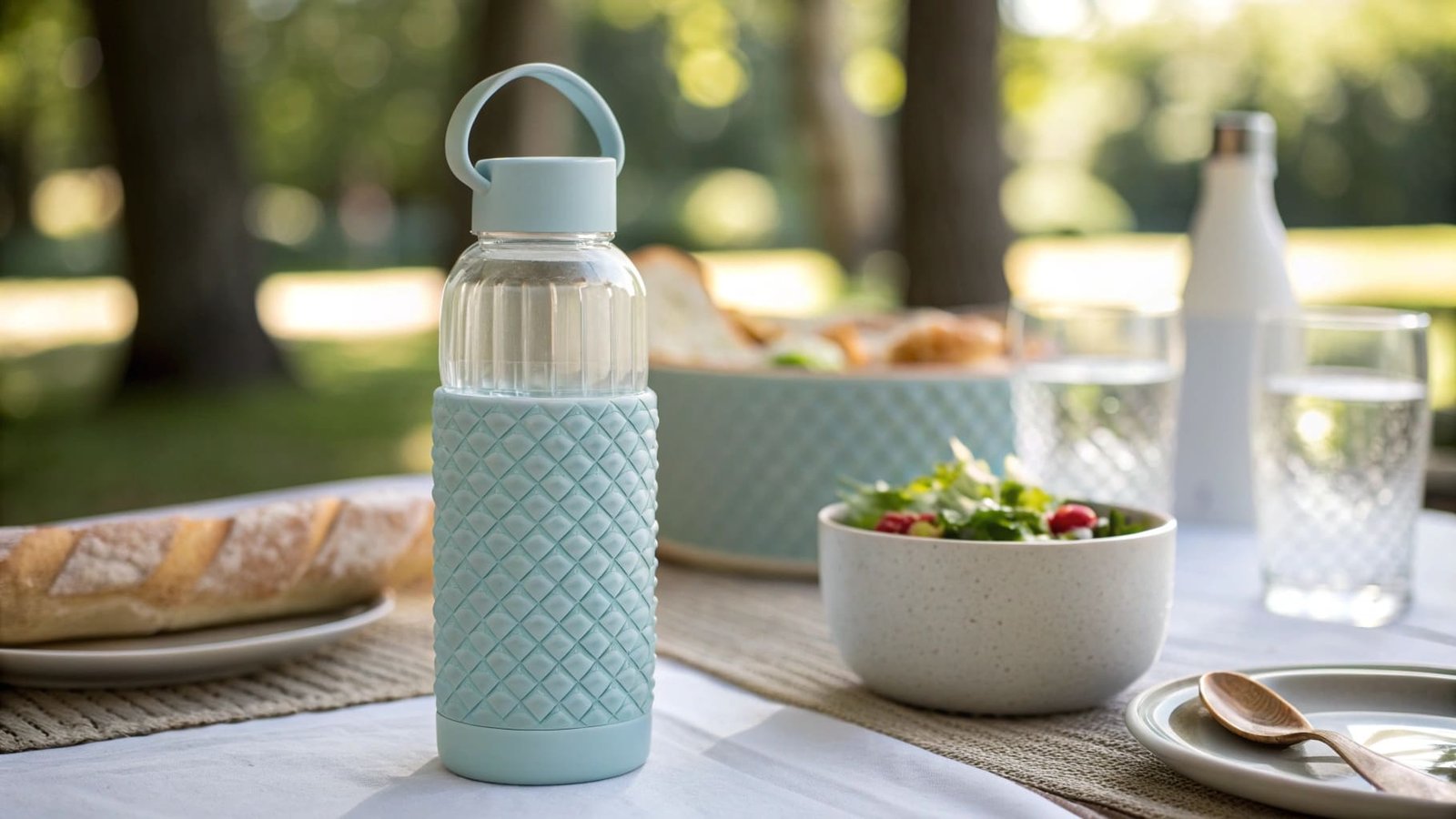
I have learned that a bottle boot looks simple only from the outside. When I work with buyers for stainless steel water bottles, I treat the boot like a real product part, not like a free gift. I check durometer, fit, colorway, and AQL testing because one weak boot can make a strong bottle feel cheap. I also see that procurement officers care about the same thing every season: fewer complaints, clear certificates, stable shipments, and a product that can sell at a better price.
What does a Bottle Boot do?
I have seen good bottles get rejected because the base was dented. A small silicone boot can stop that pain before it reaches the customer.
I use a bottle boot to protect the bottle base, reduce table noise, improve hand feel, and add brand color. It also helps the bottle look more premium, especially when the boot color matches the logo or retail theme.
Protection and grip
I use a silicone boot as a base shield for stainless steel bottles. I often explain it to buyers as a bumper for the bottom section. When a bottle falls, the base usually takes the first hit. A boot spreads part of that force and helps reduce dents. It also reduces the sharp metal sound when the user places the bottle on a desk, gym floor, or meeting table. This small sound change can make the product feel more premium.
I also care about grip. A smooth stainless steel base can slide on a wet table or in a car cup holder. A silicone boot adds friction. This makes the bottle feel more stable in daily use. For corporate gifts, gym programs, school bottles, and retail rebranding, that small detail helps the buyer protect the brand image.
| Boot function | What I check | Why I care as a supplier |
|---|---|---|
| Impact protection | I check bottom coverage and wall thickness | I want fewer dent complaints after shipping and use |
| Noise reduction | I place the bottle on wood, glass, and steel surfaces | I want the bottle to feel quiet and premium |
| Grip support | I test the boot on dry and wet surfaces | I want the user to feel control |
| Brand value | I compare the boot color with the logo and bottle finish | I want the product line to look planned, not random |
Durometer and fit
I pay close attention to Shore A durometer because it changes the user feeling. A softer boot, such as forty A to fifty A, gives strong grip and shock absorption. I like this range for retail bottles that need a soft touch. A harder boot, such as fifty five A to sixty A, usually gives better long-term shape and better wear resistance. I like this range for institutional orders, office programs, and school use where the bottle may face rough handling.
Fit is just as important as hardness. I ask my team to check the bottle base diameter, boot inner diameter, boot depth, and bottom curve. If the boot is too loose, it may slide off during packing, shipping, or normal use. If the boot is too tight, factory assembly becomes slow and workers may stretch or damage the boot. I prefer a fit that is firm by hand, stable during a drop test, and still practical for mass assembly. A boot that fits well makes the whole bottle feel engineered.
Are water bottle boots worth it?
I have watched buyers fight for small price cuts, then lose more money through dents and weak product positioning. A boot can protect margin.
I believe water bottle boots are worth it for many business to business orders. They add low production cost, raise perceived value, support brand color, and reduce customer service issues linked to base dents and noise.
Cost, value, and market position
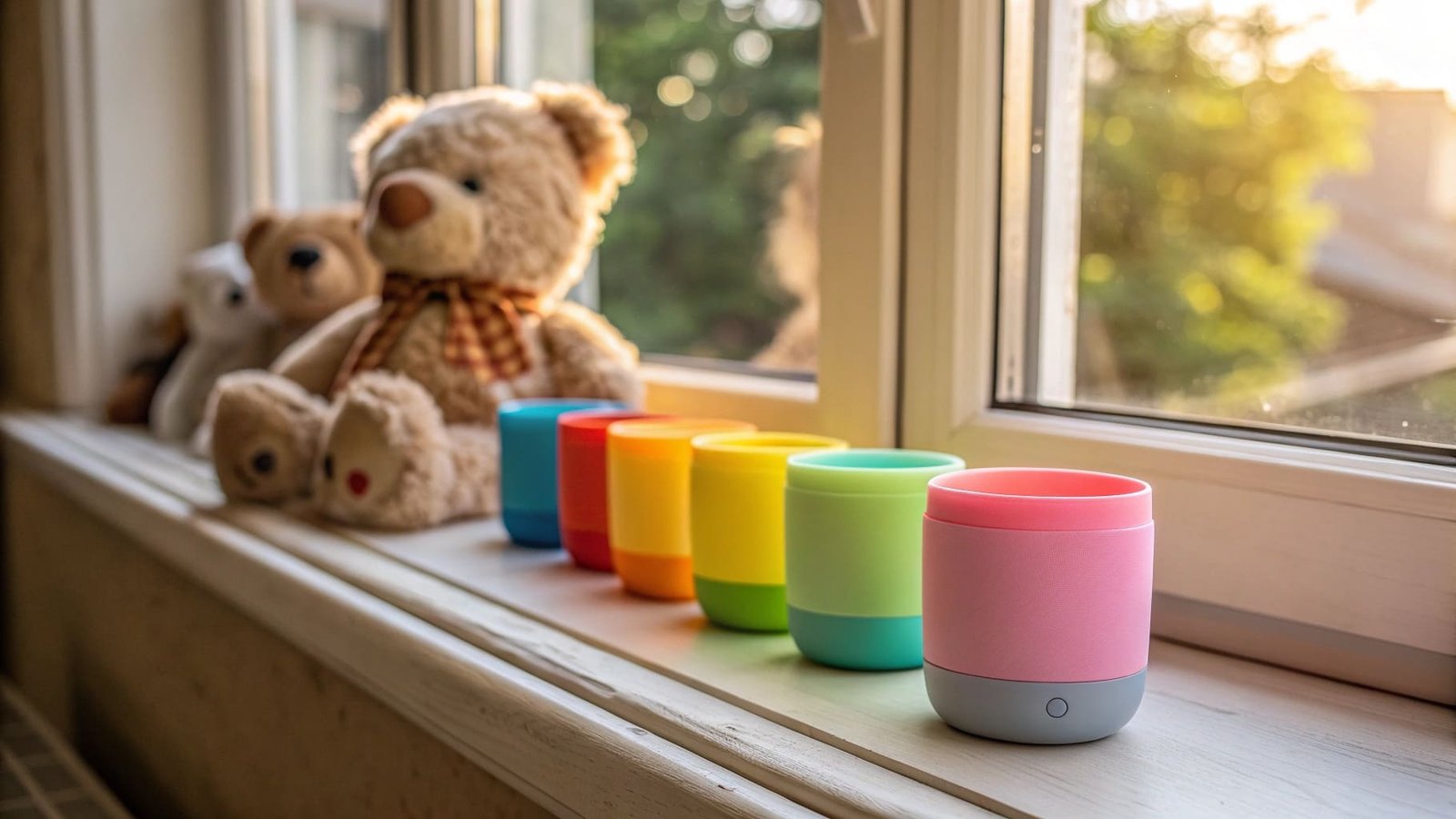
I see the value of a boot from both sides. The factory sees an extra part, extra color control, and extra inspection work. The buyer sees a more complete product that can be sold at a better price. In many projects, the cost of adding a boot is small compared with the increase in perceived product value. I have seen buyers use a matching boot to make a basic stainless steel bottle look like a custom collection.
This matters for buyers who rebrand products in Canada, America, and Europe. A plain bottle may compete only on price. A bottle with a strong color story, logo match, and fitted boot can compete on design and user experience. That gives the buyer more room to build margin.
| Buyer goal | How I use a boot to support it | Risk if I ignore it |
|---|---|---|
| Premium retail look | I match the boot with the cap, logo, or bottle coating | The bottle may look too plain |
| Lower damage claims | I use the boot to protect the base | Dented bases can create returns |
| Corporate branding | I prepare Pantone matched boot colors | Brand color may look inconsistent |
| Faster product refresh | I change boot colorways without changing bottle mold | The product line may feel old |
| Better user experience | I reduce noise and improve table stability | Users may see the bottle as cheap |
Colorways and batch control
I do not treat color as only decoration. For business buyers, color is a purchasing tool. A gym may want black, gray, and bright green. A school may want navy, red, and white. A company may need a boot color that matches a logo guide. I usually suggest a core color range first, then I discuss Pantone matching2 when the buyer needs a stronger brand match.
Color consistency is a real technical point. Silicone pigment can vary if the supplier does not control raw material3, mixing time, curing condition, and batch approval. I prefer to confirm a color sample before mass production. I also keep a signed color reference when the order moves forward. During production, I ask my quality team to compare bulk pieces with the approved sample under normal light. This step is simple, but it prevents many arguments after shipment.
I once handled a project where the buyer wanted a warm gray boot for a matte white bottle. The first sample looked good in the office, but it looked slightly purple under warehouse light. That small color shift changed the product feeling. After that case, I became more careful with color review. I now ask buyers to approve boot colors under the same light condition they use for product photos when possible.
What are the disadvantages of silicone water bottles?
I often see buyers mix up silicone boots with full silicone bottles. That confusion can create wrong concerns and wrong product choices.
I separate silicone water bottles from silicone bottle boots. Full silicone bottles can have cleaning, odor, and structure issues. Silicone boots for stainless steel bottles avoid most of those problems when the material, fit, and inspection are controlled.
Silicone bottle versus silicone boot
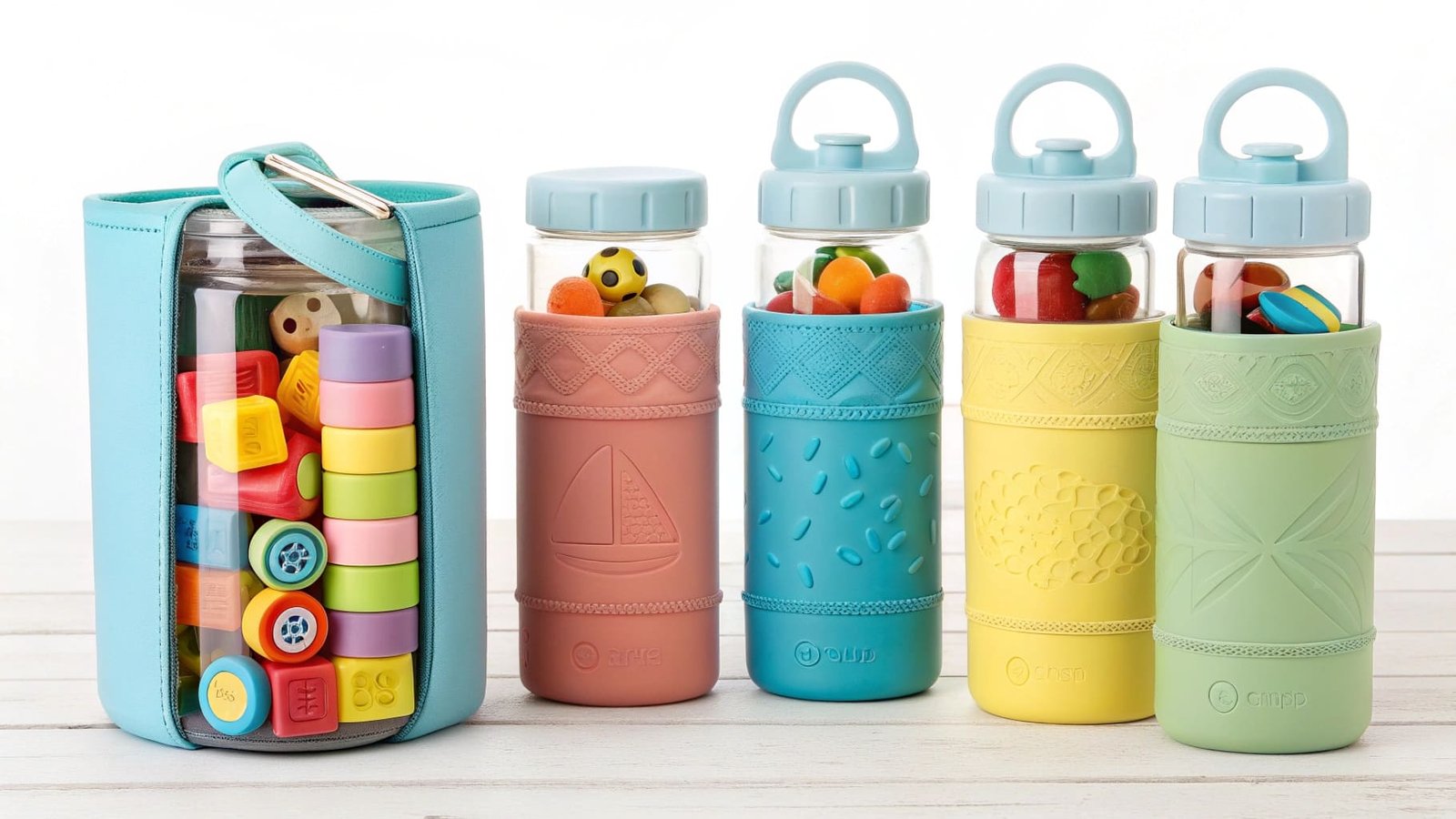
I make this distinction early in buyer discussions. A full silicone water bottle uses silicone as the main container body. That can bring issues with soft structure, odor retention, and cleaning difficulty. Some users also dislike the flexible feeling when the bottle is full. A silicone boot is different. It does not hold the drink. It only covers the base of a stainless steel bottle. Because of that, I focus on food-grade safety, touch feel, durability, and fit instead of liquid contact performance.
A boot can still have problems if the supplier is careless. It can collect dust if the surface is too tacky. It can tear if the wall is too thin or the material is too soft. It can smell if low-grade silicone or poor curing is used. It can stain if the pigment is not stable. It can also slide off if the tolerance is wrong.
| Concern | Full silicone bottle | Silicone boot on stainless steel bottle | My control point |
|---|---|---|---|
| Cleaning | I see more concern because the bottle body holds liquid | I see lower concern because the boot is external | I ask for smooth surface and easy removal when needed |
| Odor | I see higher risk if curing is poor | I see low risk with good material | I check smell after curing and packing |
| Structure | I see soft body concerns | I rely on the stainless steel body for strength | I confirm boot support only at the base |
| Durability | I check body deformation | I check tearing, abrasion, and fit | I choose durometer by use case |
AQL test plans and defect control
I use AQL testing to keep the boot from becoming a hidden problem. For silicone boots, I usually treat tears, wrong hardness, wrong size, and unsafe material risk as serious defects. I treat clear color deviation, rough surface, flash, stains, and weak fit as major defects. I do not want the buyer to discover these issues after the goods arrive at the warehouse.
For many orders, I use AQL two point five4 as a strict level for critical or serious points, and AQL four point zero for major appearance and fit points. The exact plan depends on order size, buyer risk level, and product market. I also like to add boot-to-bottle assembly checks because a boot can pass a dimension check and still fail in real use. I ask inspectors to install the boot, twist it by hand, place the bottle on several surfaces, and perform sample drop tests with the boot attached.
| Inspection item | What I test | What I do not accept |
|---|---|---|
| Durometer | I check Shore A hardness against the approved range | The boot feels too soft, too hard, or inconsistent |
| Dimension | I check inner diameter, height, wall thickness, and base curve | The boot slides, bulges, or blocks stable standing |
| Fit on bottle | I assemble the boot on real bottles from the order | The boot moves during handling or packing |
| Appearance | I check color, flash, stains, dust, and surface marks | The boot looks cheap beside the bottle |
| Function | I run simple grip, noise, and drop checks | The boot fails to protect the base as expected |
| Packing | I check pressure marks and color transfer | The boot arrives deformed or dirty |
I also ask for certificates when the buyer needs them. I do not accept vague certificate claims. I check whether the material certificate matches the actual silicone used for the order. I know certificate fraud is a real pain for buyers5, so I keep the request clear. I want the supplier name, material grade, test scope, and production link to make sense. A clean certificate file is not enough if the actual boot smells wrong or fails fit testing.
Conclusion
I treat silicone boots as engineered parts. I check hardness, fit, color, and AQL control so buyers can sell better bottles with fewer complaints.
-
"Inventory of Food Contact Substances Listed in 21 CFR", https://hfpappexternal.fda.gov/scripts/fdcc/index.cfm?search=silicone&set=IndirectAdditives. Food-grade silicone must comply with regulatory standards such as FDA 21 CFR 177.2600 for food contact substances or European Framework Regulation EC 1935/2004, which establish safety requirements for materials intended to contact food or beverages. Evidence role: definition; source type: government. Supports: Regulatory standards for food-grade silicone materials. Scope note: Standards apply to material composition and migration testing rather than finished product performance ↩
-
"Pantone", https://en.wikipedia.org/wiki/Pantone. The Pantone Matching System (PMS) is a proprietary standardized color reproduction system widely used in manufacturing and design to specify and communicate colors through numbered swatches, though exact color matching in different materials like silicone requires accounting for substrate and surface properties. Evidence role: definition; source type: institution. Supports: Pantone as a standardized color communication system. Scope note: Pantone references provide color targets but achieving exact matches depends on material properties, pigment availability, and viewing conditions ↩
-
"Influence of Different Pigment Incorporation Methods on Color ...", https://pmc.ncbi.nlm.nih.gov/articles/PMC6890512/. Color consistency in pigmented liquid silicone rubber depends on pigment dispersion quality, masterbatch uniformity, mixing parameters, and cure conditions, as variations in crosslinking can affect optical properties and perceived color. Evidence role: mechanism; source type: research. Supports: Sources of color variation in pigmented silicone products. Scope note: Multiple processing variables influence final color; the claim addresses common sources but not specific tolerances ↩
-
"Acceptable Quality Level, AQL Sampling Chart and Calculator", https://www.qima.com/aql-acceptable-quality-limit. Acceptable Quality Limit (AQL) is defined in ISO 2859-1 as the maximum percent defective that can be considered satisfactory for sampling inspection purposes, where AQL 2.5 permits approximately 2.5% defective items in a lot while maintaining specified confidence levels. Evidence role: definition; source type: institution. Supports: AQL as a standardized quality control sampling method. Scope note: AQL describes sampling plans and acceptance criteria rather than guaranteeing zero defects in shipped products ↩
-
"Food Fraud Vulnerability Assessment in the Chinese Baijiu ...", https://pmc.ncbi.nlm.nih.gov/articles/PMC9914212/. International trade organizations and quality assurance bodies have documented instances of fraudulent product certification and test reports in global supply chains, particularly in sectors with complex regulatory requirements and price-sensitive sourcing. Evidence role: general_support; source type: institution. Supports: Documentation fraud as a recognized supply chain risk. Scope note: Describes a documented risk rather than quantifying prevalence; verification methods vary by jurisdiction and certification type ↩