
Kids Cup Lids For Twenty Twenty Six: How Do Vents, Valve Flow, And Bite-Force Tests Work Under CPSIA?
I see buyers lose entire seasons when a kids cup lid looks cute but fails safety checks. One weak valve can turn a good order into scrap.
I treat safe kids cup lids for Twenty Twenty Six as a full lid system. I check vent design, valve flow, bite strength, lead, phthalates, and small parts risk before I trust any certificate or production plan.
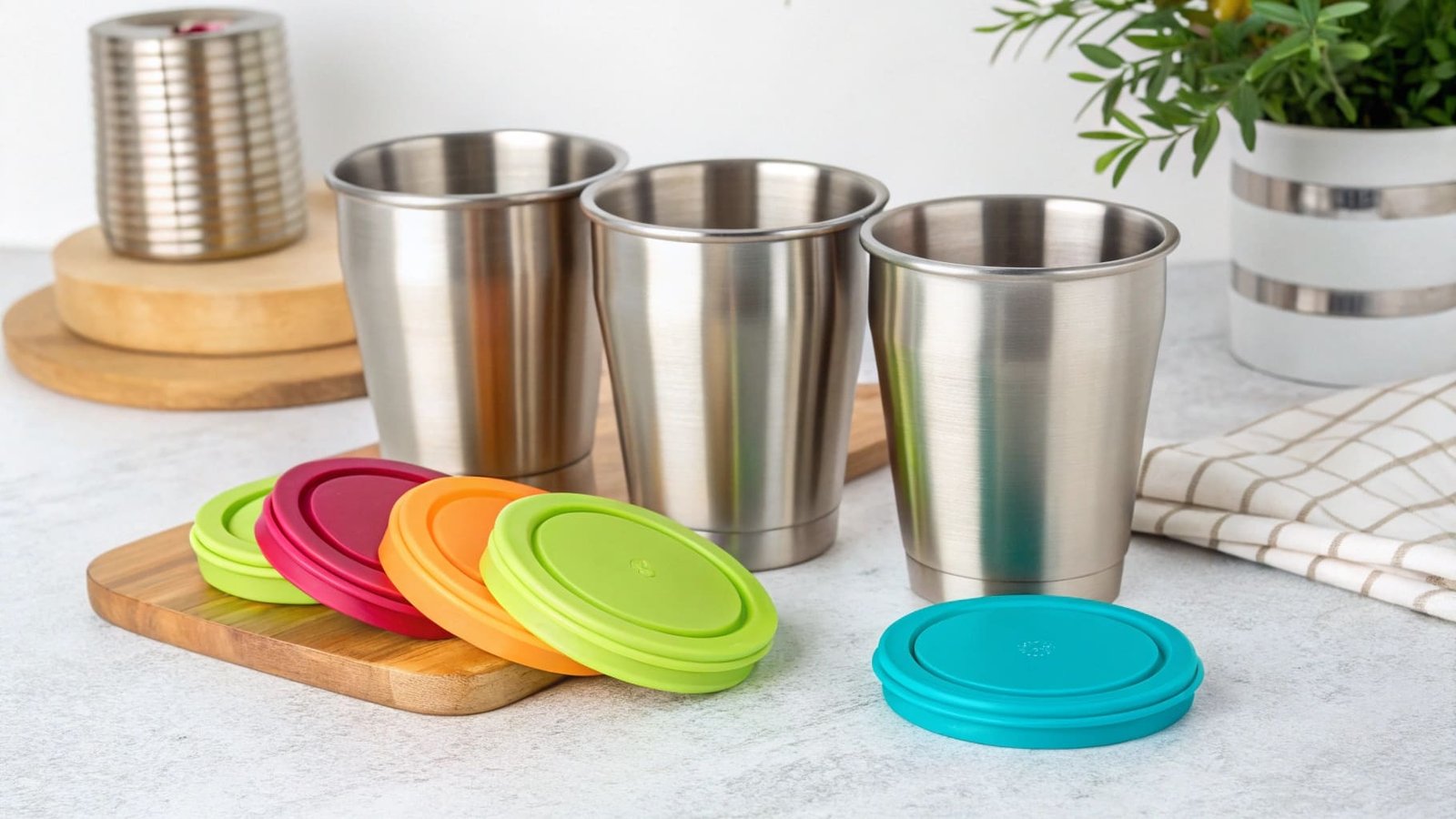
I work with buyers who need products to pass tests, reach stores on time, and protect their brand name. I look at the lid first because the lid carries the vent, the valve, the straw, and most child contact risk. When I break the lid into simple parts, the buying decision becomes much easier.
What are the safest cups for kids?
I have seen parents trust a “BPA-free” label too quickly. I have also seen buyers accept weak proof, then face delays, claims, and damaged trust.
I define the safest kids cups as cups with food-grade materials, stable lids, safe vents, controlled valve flow, and parts that do not break into hazards during normal child use.
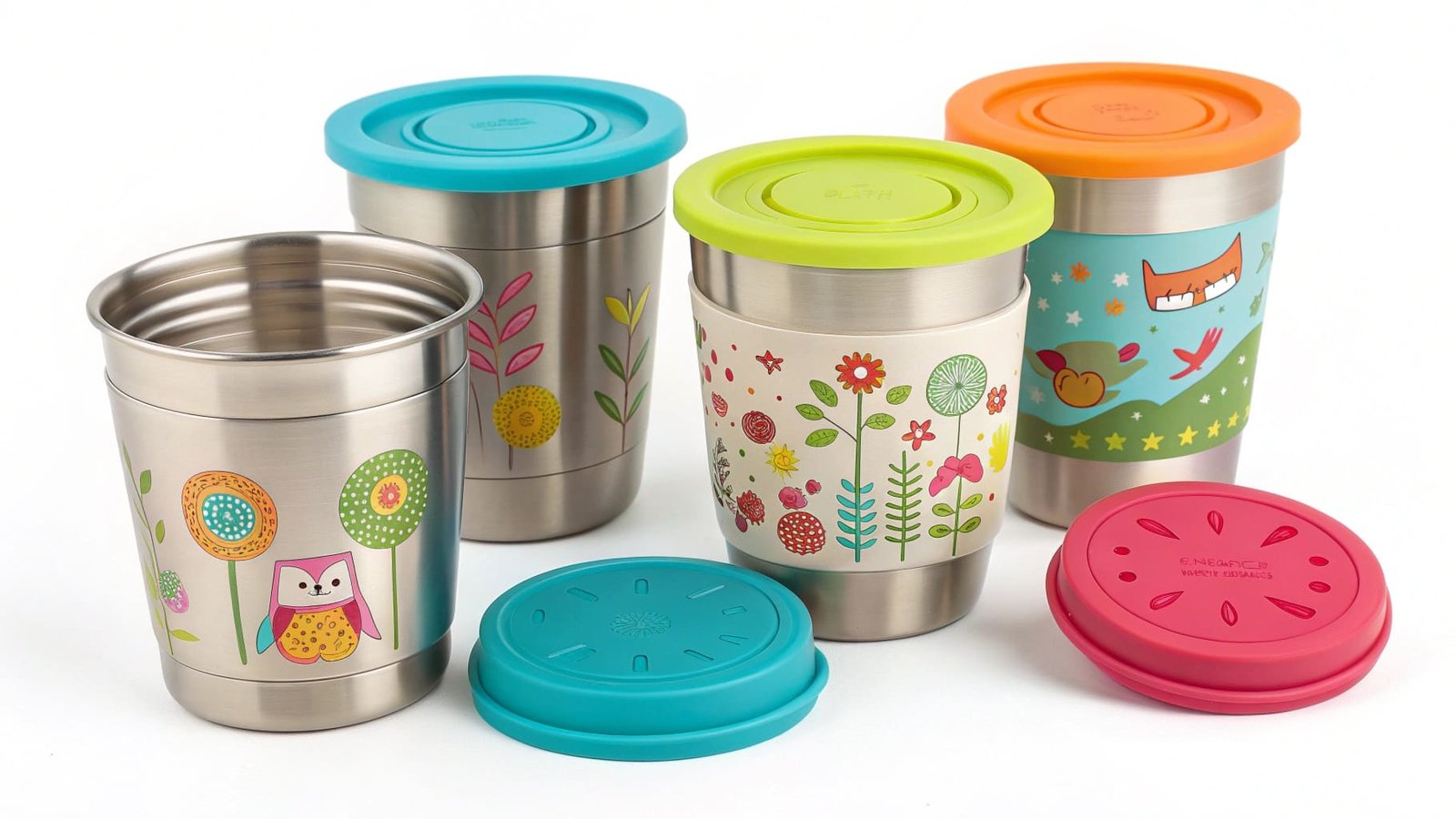
How I judge a safe kids cup before I start production
I do not judge a kids cup only by its look. I start with the way a child will use it. A child may bite the spout, drop the cup, shake it, pull the straw, and drink while walking.1 I also think about how a parent will clean it. A safe lid must handle all of these actions without hidden risk. Under CPSIA, I pay close attention to lead content, phthalates, and small parts hazards. I also ask for third-party testing from a qualified lab, not only a nice-looking file. I check whether the report matches the exact material, color, model, and lid structure. I have seen cases where a supplier used one certificate for a different product. That is not a small problem. It can stop customs clearance, delay sales, and damage a buyer’s name in the market.
| My safety check | Why I check it | What I avoid |
|---|---|---|
| I check vent design | I want air to enter smoothly and prevent vacuum pressure | I avoid blocked vents and loose vent plugs |
| I check valve flow | I want drinking to feel easy but not flood the child | I avoid valves that are too tight or too fast |
| I check bite strength | I want soft parts to survive normal biting | I avoid silicone that tears into small pieces |
| I check lab documents | I want proof that matches the real product | I avoid copied, old, or unclear certificates |
| I check cleaning access | I want parents to remove residue | I avoid deep dead corners and hidden mold points |
I also look at the full product family. A toddler cup, a preschool straw bottle, and a school-age training cup should not use the same lid logic. I often tell buyers that safety is not one feature. It is a design habit. I need the cup body, lid, straw, valve, gasket, and printing to work together. If one small part fails, the whole product becomes hard to sell.
What kind of cup should a five-year-old be drinking out of?
I see many brands keep children on sippy spouts for too long. The product may prevent spills, but it may not fit the child’s next stage.
I usually recommend a straw cup, open-rim training cup, or kids water bottle with an easy straw lid for a five-year-old. I avoid long-term hard spouts unless travel use needs spill control.
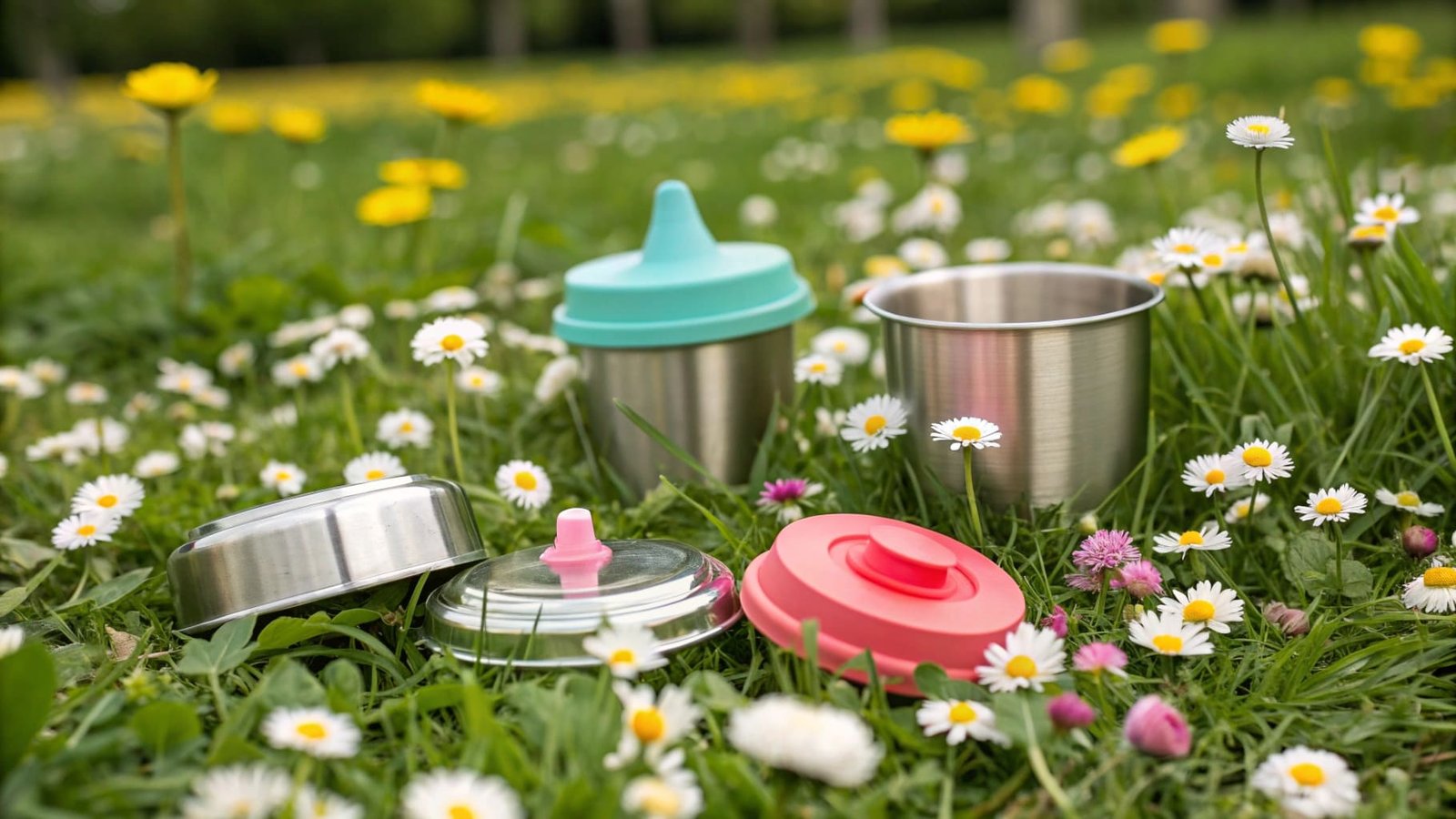
How I match cup type with a five-year-old child
I see a five-year-old as a child who needs more independence. I also see this age as a strong product opportunity for B2B buyers. The child can usually handle a straw, a flip lid, or a simple open-rim cup with grips. The child may still drop the bottle or bite the mouthpiece, so I do not remove safety needs. I just change the design focus. I move away from baby-style sucking. I move toward normal drinking, easy opening, leak control, and school use. For stainless steel water bottles, I like a straw lid with a bite-resistant silicone mouthpiece. I also like a lid that can be opened with one hand but does not open inside a bag. The flow should feel natural. It should not force the child to suck too hard. It should not release too much water at once.
| My age fit | My preferred cup style | My lid focus | My buyer note |
|---|---|---|---|
| I see toddler use | I use soft sippy or transition cups | I focus on spill control and soft contact | I keep parts simple and large |
| I see preschool use | I use straw bottles and bite-resistant valves | I focus on flow and chewing resistance | I test valve pull and bite damage |
| I see school-age use | I use straw lids, open-rim trainers, and ergonomic bottles | I focus on independence and easy cleaning | I balance premium feel with cost |
| I see travel use | I use stronger leak-proof lids | I focus on sealing and vent balance | I test shaking, drops, and lid closure |
I also think about the procurement side. A buyer in Canada or the United States may want one product line for many ages. I usually suggest a tiered line instead. I can help create a soft-spout item for younger children, a straw bottle for preschool children, and a training or school bottle for older children. This makes the shelf story clearer. It also helps the brand explain safety in a way parents understand. A parent does not only buy a cup. A parent buys confidence that the cup fits the child’s age and daily routine.
Should a four-year-old still use a sippy cup?
I often hear this question from buyers who fear returns. They want spill-proof products, but they also do not want to sell an outdated design.
I think a four-year-old can still use a sippy cup during travel, car rides, or messy activities. I would not make it the only daily cup if straw or open-rim use is possible.
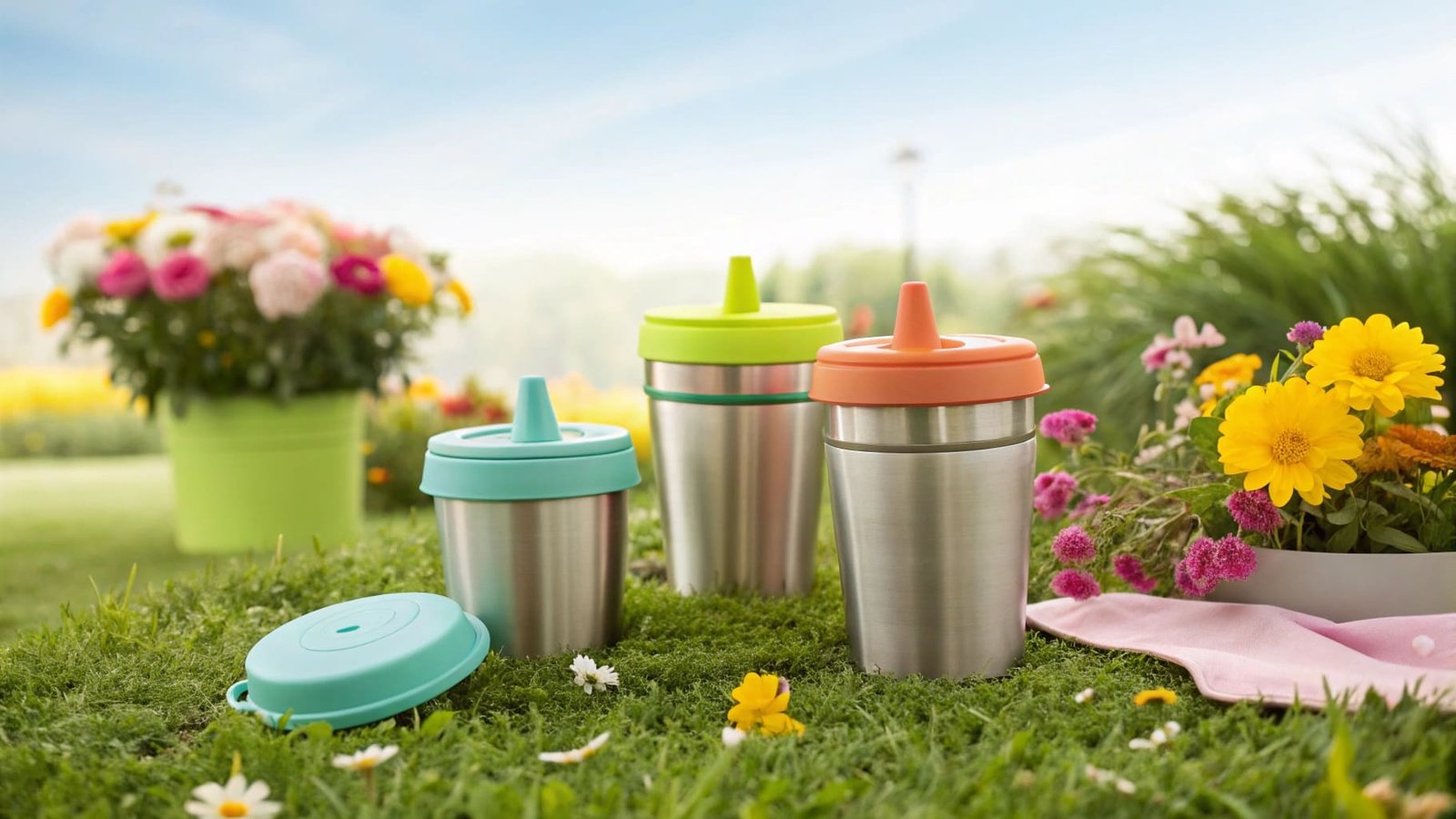
How I decide when a sippy cup still makes sense
I do not treat a sippy cup as good or bad by itself. I treat it as a tool for a specific use. A four-year-old may still need spill control in a car, on a plane, or during outdoor play. A parent may also need a cup that protects clothes, seats, and school bags. In those cases, a sippy lid can still make sense. But I do not build the whole product line around long-term sippy use. I prefer to place it as a transition or travel product. For daily drinking, I would guide the buyer toward a straw lid or open-rim training lid. This gives the child more natural drinking practice. It also gives the brand a better story than “no leaks only.” The story becomes age fit, safe materials, strong lid design, and clean testing proof.
| My use case | My lid choice | My engineering concern | My sales angle |
|---|---|---|---|
| I see car travel | I choose a spill-proof sippy or straw lid | I check seal strength and vent balance | I position it as travel safe |
| I see home meals | I choose open-rim or training cups | I check grip comfort and stable base | I position it as growth support |
| I see preschool bags | I choose a locking straw lid | I check leakage after shaking | I position it as school ready |
| I see heavy biting | I choose thicker silicone and stronger valve design | I check bite-force damage and small parts risk | I position it as durable and safer |
I also put more attention on the vent system for this age. A strong seal can stop leaks, but it can also create pressure problems if air cannot enter correctly.2 A child may suck harder when the vent does not work well. This can make drinking unpleasant and can also cause sudden flow changes.3 I ask my team to review vent hole size, vent placement, gasket fit, and cleaning access. I also check whether any vent insert can detach during use or cleaning. If a small part can come loose, I treat it as a serious risk. A clean certificate matters, but a clear design file matters too. I want the buyer to see why the lid is safe, not only hear that it is safe.
Why do vents, valve flow, and bite-force tests matter for CPSIA buyers?
I have watched buyers lose trust after one late shipment or one weak certificate. The real risk often hides inside a small lid detail.
I use vents, valve flow checks, and bite-force tests as practical safety controls. CPSIA testing checks legal risks, and these engineering checks help prevent product failures before lab testing and shipment.
How I connect design control with compliance proof
I see CPSIA as the gate for children’s products in the United States market. I also see it as only one part of a safe sourcing plan. A product can have a certificate and still be a poor product if the design is weak. This is why I ask for both lab proof and engineering proof. The lab proof can show lead, phthalates, and small parts results. The engineering proof can show why the lid works during real use. I want drawings, material details, production records, and test notes. I want the valve material to match the final production material. I want the vent structure to match the sample that went to the lab. I want the bite test to reflect the way children actually chew and pull. I do not accept vague claims when the buyer’s season depends on delivery.
| My proof type | What I ask for | Why I ask for it | What can go wrong |
|---|---|---|---|
| I ask for lab proof | I ask for third-party test reports | I need CPSIA support for market entry | A wrong report can block sales |
| I ask for material proof | I ask for silicone, plastic, steel, and coating details | I need stable quality between batches | A material switch can fail testing |
| I ask for design proof | I ask for lid drawings and part lists | I need to control vents, valves, and small parts | A hidden part can detach |
| I ask for process proof | I ask for inspection steps and production checks | I need repeatable quality | A good sample can become a bad bulk order |
| I ask for shipment proof | I ask for packing and lead time control | I need peak-season delivery | A delay can miss the sales window |
I also pay attention to communication. Many company owners and procurement officers understand sales very well, but they may not have deep technical knowledge. I try to explain lid safety in plain words. If the vent is wrong, the child may struggle to drink. If the valve is wrong, the cup may leak or flow too fast. If the bite strength is weak, a child may tear the silicone. If the certificate is fake or mismatched, the buyer may carry the risk alone. I believe a good supplier should make these points visible before the purchase order. This reduces argument later. It also helps the buyer make a stronger promise to retailers and parents.
Conclusion
I build safer kids cup lids by joining compliance proof with real design checks, so buyers can protect children, seasons, and brand trust.
-
"Maternal heavy alcohol use and toddler behavior problems - PMC", https://pmc.ncbi.nlm.nih.gov/articles/PMC4592488/. Observational studies of young children's product interaction document frequent mouthing, dropping, shaking, and simultaneous drinking-and-movement behaviors as characteristic of exploration and developing motor coordination during the toddler and preschool years. Evidence role: general_support; source type: research. Supports: typical behavioral patterns of young children using drinking vessels. ↩
-
"Modeling of a controlled flow cup for improved transitional ...", https://pmc.ncbi.nlm.nih.gov/articles/PMC8108080/. Fluid dynamics principles demonstrate that sealed containers require air intake pathways to prevent negative pressure buildup during liquid withdrawal, which can impede flow and increase suction effort required by the user. Evidence role: mechanism; source type: research. Supports: the relationship between container venting and vacuum pressure during liquid extraction. ↩
-
"Efficacy and Safety of “Vacuum Swallowing” Based on a Strong ...", https://pmc.ncbi.nlm.nih.gov/articles/PMC11893715/. Engineering studies of beverage container design demonstrate that inadequate venting creates negative pressure requiring increased user suction force, and can produce irregular flow patterns when intermittent air intake disrupts the pressure differential. Evidence role: mechanism; source type: research. Supports: the relationship between container venting, suction effort, and flow consistency. ↩