
Is Selling Insulated Coffee Mugs Actually Worth It?
Retailers often jump into the coffee mug market without knowing the real numbers. The result? Thin margins, wrong pricing, and a product that just sits on the shelf.
Insulated stainless steel coffee mugs can generate 35–50% gross margins when sourced correctly, priced at 3–4x wholesale cost, and sold with bundles or upsells. The business is profitable, but only if you understand the unit economics before you place your first order.
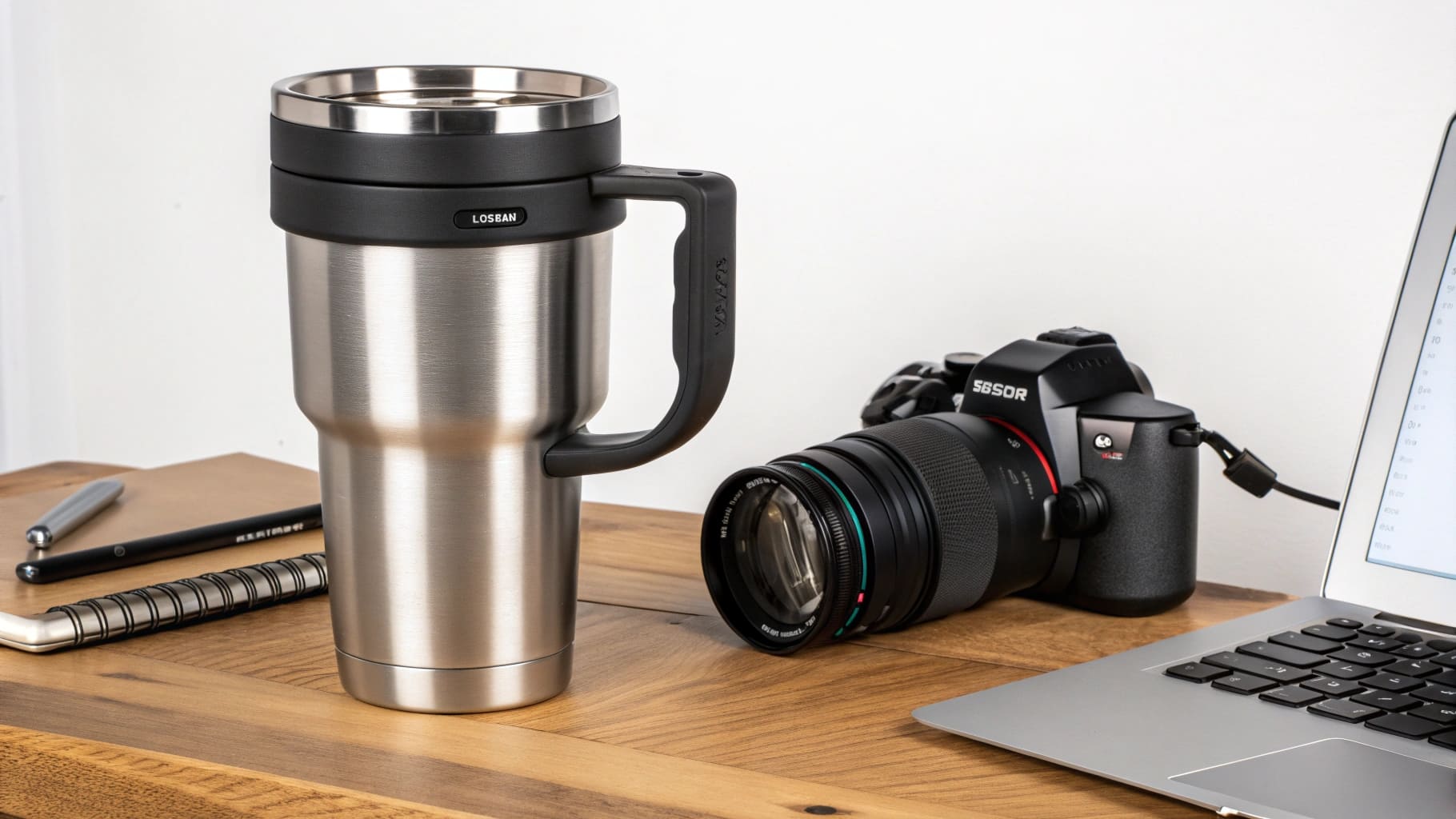
I have worked with stainless steel drinkware buyers from North America and Europe for years. Most of them come to me after making the same mistakes early on. They picked the wrong supplier, underestimated logistics costs, or ignored customization as a profit driver. In this post, I want to walk you through the real numbers behind selling insulated coffee mugs at retail, so you can build a business that actually makes money.
What HS Code Do You Need for Importing Coffee Mugs?
Getting the wrong HS code on your shipment can cost you real money. Many first-time importers guess, and that guess often leads to delays, fines, or overpaid duties.
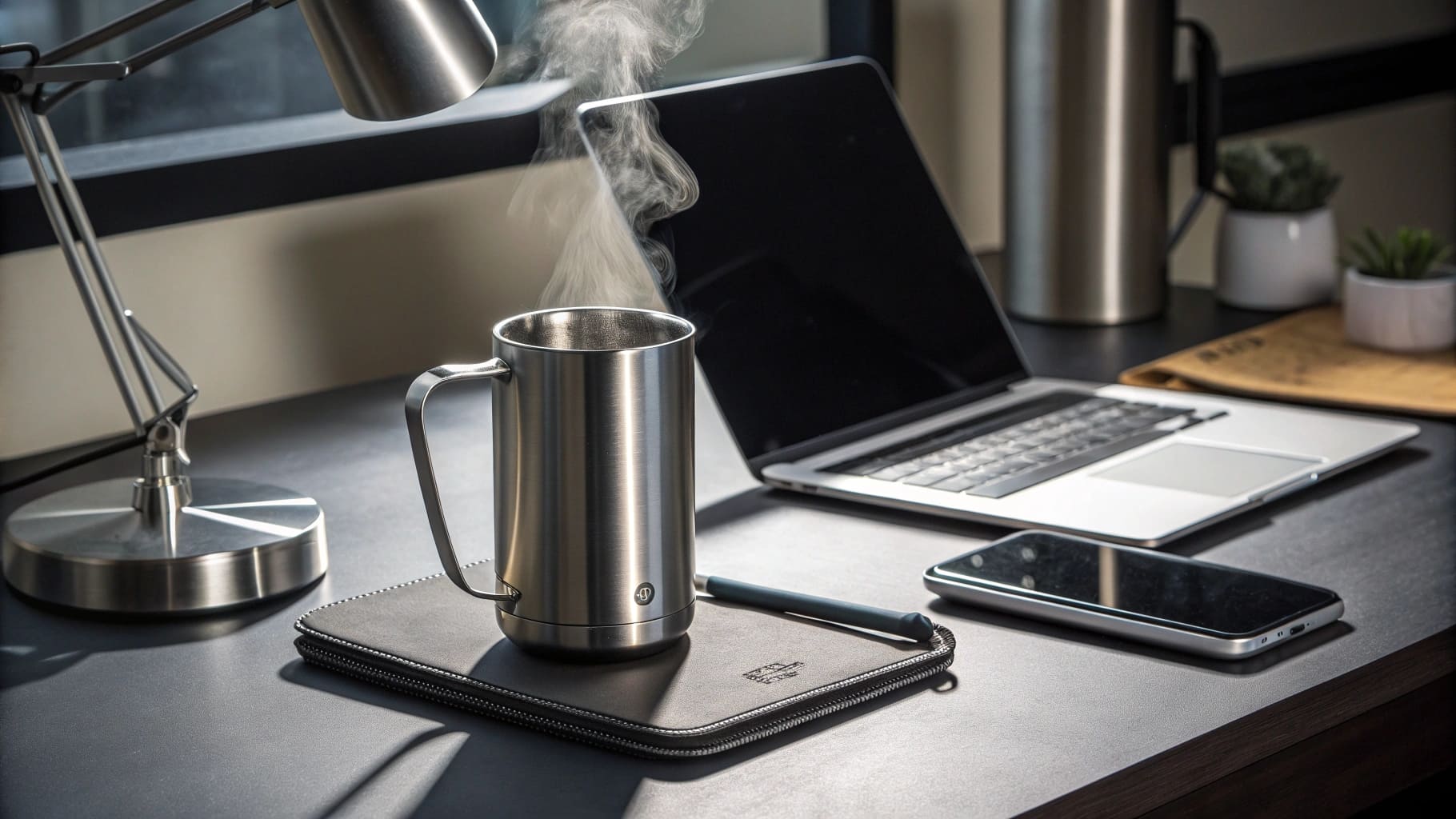
Insulated stainless steel coffee mugs with double-wall vacuum insulation fall under HS code 9617.00, which covers vacuum flasks and vessels. Single-wall or non-vacuum stainless steel mugs fall under HS code 7323.93, which covers stainless steel tableware. The correct code depends on your product's construction, not just its appearance.
This distinction matters more than most buyers realize. Duty rates vary by destination market, and the savings from correct classification can add up fast on large orders.
Here is why this is worth your attention before you import:
| Product Type | HS Code | Typical Use Case |
|---|---|---|
| Double-wall vacuum insulated mug | 9617.00 | Thermal retention, premium retail |
| Single-wall stainless steel mug | 7323.93 | Budget retail, promotional gifts |
| Non-vacuum double-wall mug | 7323.93 | Mid-range retail, café merchandise |
In the EU, for example, 9617.00 and 7323.93 carry different VAT treatment at import. On a full container load, the difference in landed cost can range from 3% to 8%. That is not a rounding error. That is margin.
My advice is simple: work with a licensed customs broker before your first shipment. Share the product spec sheet, the material grade, and the insulation type. Let the broker confirm the code. The cost of that consultation is almost always less than the cost of misclassification.
I have seen buyers lose an entire season's profit because they used the wrong code and got hit with backdated duties. You do not want to be in that position.
How Do You Put a Logo on a Coffee Mug?
Branding is not just about looking good. The method you choose directly affects your cost per unit, your minimum order size, and where your product sits in the market.
There are three main methods for applying a logo to a stainless steel coffee mug: laser engraving, screen printing, and pad printing. Each method serves a different price point and order type.

Most retailers I work with eventually use all three methods. They use laser engraving for premium SKUs and screen printing for high-volume lines. That combination creates a natural upsell path inside the same product category.
Here is a side-by-side comparison of the three methods:
| Method | Setup Cost | Per-Unit Cost | Best For |
|---|---|---|---|
| Laser Engraving | $150–$200 | $0.80–$1.50 | Corporate gifts, premium retail |
| Screen Printing | $50–$100 per color | $0.30–$0.60 at volume | Large retail runs, promotional items |
| Pad Printing | Mid-range | Mid-range | Curved surfaces, complex artwork |
Laser engraving removes the top layer of the stainless steel surface.1 The result is permanent and does not fade over time. It positions the product as high-end, and buyers feel that in their hands. The downside is a higher per-unit cost, which narrows your margin on lower-priced SKUs.
Screen printing puts vibrant color on flat surfaces at a low per-unit cost once you get past the setup fee. It works well for orders over 500 units per colorway. The limitation is that it does not handle curved or irregular surfaces as cleanly as other methods.
Pad printing fills the gap. It uses a silicone pad to transfer ink onto curved or uneven surfaces2. It handles multi-color logos on cylindrical mugs better than screen printing can. The cost sits between the two other methods.
For a retail brand, my suggestion is to build a tiered product line from the start. Use laser engraving on your premium 20oz flagship mug. Use screen printing on your entry-level 12oz option. This way, the logo method itself signals the product's position without any extra explanation.
Is a Coffee Mug Business Profitable?
Everyone asks this question, and most people get a vague answer. The real answer depends on your cost structure, your channel, and whether you are selling one mug at a time or building a system.
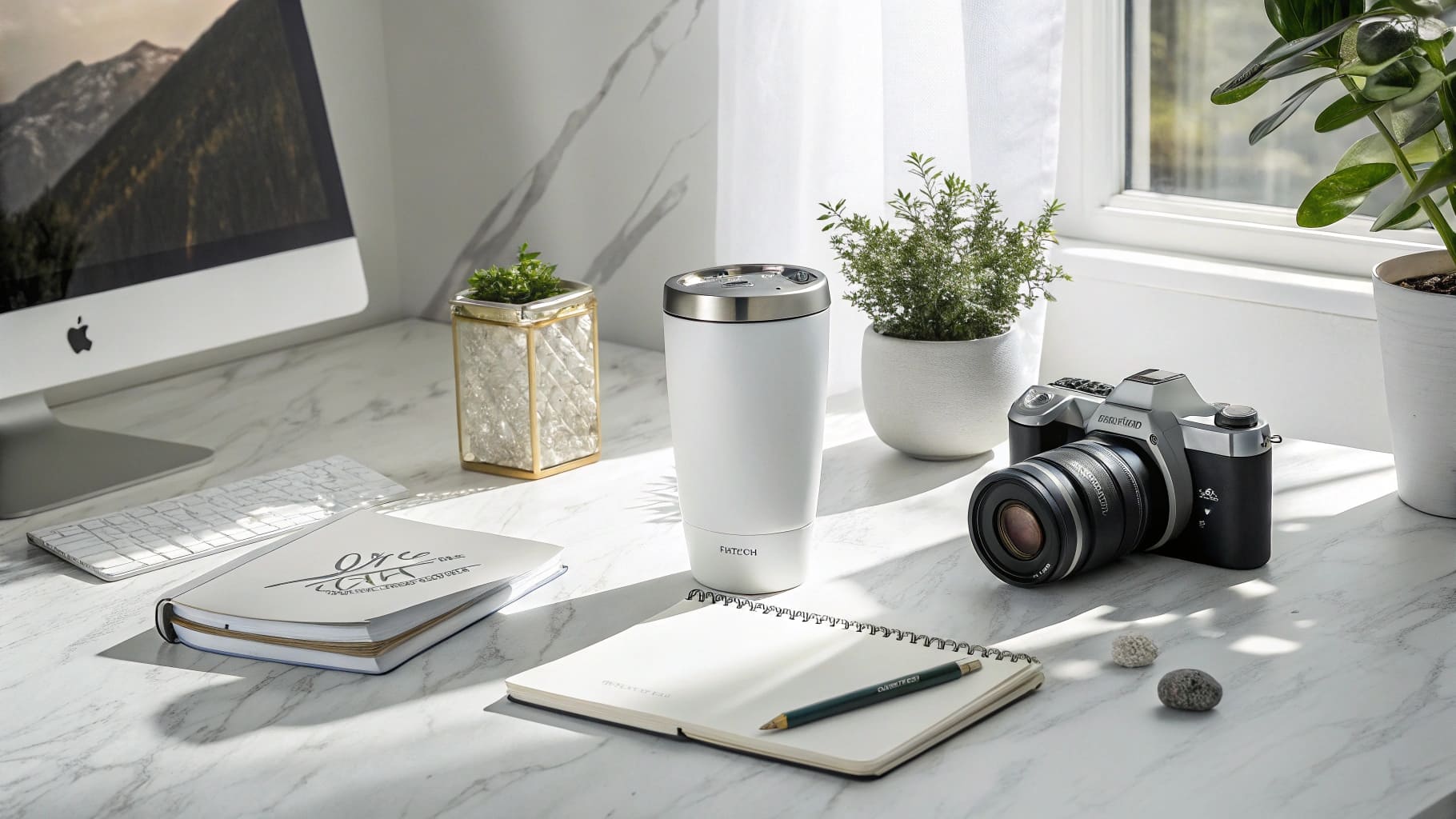
A stainless steel insulated coffee mug business can be profitable at 35–50% gross margin when you source at $3–$8 FOB China, add $2–$3 per unit for customization and fulfillment, and price at retail between $20 and $35.
Let me break this down so the numbers are clear.
Unit Economics at a Glance
| Cost or Revenue Item | Amount (USD) |
|---|---|
| FOB China (304 SS, 16oz, vacuum) | $4.50 |
| Freight + duties + warehousing | $2.50 |
| Customization (laser engraving) | $1.20 |
| Total landed cost per unit | $8.20 |
| Retail price | $28.00 |
| Gross profit per unit | $19.80 |
| Gross margin | ~70% |
These numbers look strong, but gross margin is not the same as net margin. You still have marketing, returns, and platform fees if you sell through a marketplace. The goal is to protect gross margin by managing your sourcing and logistics well, so that even after these costs, the business is healthy.
Where the real money is made
Retailers who build repeat purchase mechanics outperform those who rely on single transactions. Seasonal designs, limited-edition colorways, and quarterly subscription boxes all drive customers back without requiring a new acquisition cost each time.
Corporate bulk orders change the math even further. A B2B order for 500 branded mugs from a single company client requires almost no ongoing marketing spend. The order is predictable. The volume is high. The fulfillment is simple. Businesses that combine retail and corporate channels see 20–30% higher overall profitability than those who focus on retail alone.
Bundles and upsells
A $25 mug sold alone is one transaction. A $25 mug sold as part of a commuter bundle with a cleaning brush, a replacement lid, and a carrying sleeve becomes a $45 transaction. The incremental cost of those accessories is often under $5. That is a real margin improvement with no change in customer acquisition cost.
The good-better-best model works well here. Place a 12oz, 16oz, and 20oz version side by side in your catalog or on your shelf. Price the middle option to maximize dollar margin, not just percentage. Most buyers will choose the middle. That is by design.
Profitability by channel
| Channel | Typical Gross Margin | Notes |
|---|---|---|
| Direct-to-consumer (own website) | 55–70% | High margin, high marketing cost |
| Amazon / Marketplace | 40–55% | Platform fees reduce margin |
| Corporate / B2B bulk | 35–50% | Lower margin, but lower cost to sell |
| Retail wholesale (distributor) | 25–40% | Lowest margin, highest volume |
The most sustainable model combines two or more of these channels. I work with buyers who run their own branded store alongside corporate order programs. They use retail to build brand recognition and use B2B orders to stabilize cash flow.
Conclusion
Insulated coffee mugs are profitable when you nail the unit economics, choose the right logo method, classify your product correctly, and sell with bundles and upsells built in.
-
"Laser engraving - Wikipedia", https://en.wikipedia.org/wiki/Laser_engraving. Technical references on laser engraving describe the process as material removal or surface modification by a focused laser beam, supporting the mechanism described for stainless steel marking. Evidence role: mechanism; source type: education. Supports: Laser engraving works by removing or modifying the top surface layer of stainless steel.. Scope note: Laser marking parameters vary; some laser processes discolor or anneal stainless steel rather than physically remove substantial material. ↩
-
"Pad printing - Wikipedia", https://en.wikipedia.org/wiki/Pad_printing. Technical descriptions of pad printing explain that a flexible silicone pad transfers ink from an etched plate to irregular or curved substrates, supporting the article’s mechanism claim. Evidence role: mechanism; source type: education. Supports: Pad printing uses a silicone pad to transfer ink onto curved or uneven surfaces.. Scope note: This supports the process mechanics, not the article’s specific cost comparison among decoration methods. ↩
