
How to Validate Dishwasher-Safe Claims for Tumblers in Amazon Listings AQL?
You order thousands of tumblers marked dishwasher-safe. Three months later, customers complain about peeling coatings. The supplier insists they met the listing description. Who pays for the returns?
Validating dishwasher-safe claims requires examining material specifications, testing documentation, and care instruction accuracy. Focus on coating durability tests1, temperature tolerance data, and component-specific washing guidelines before approving bulk orders.
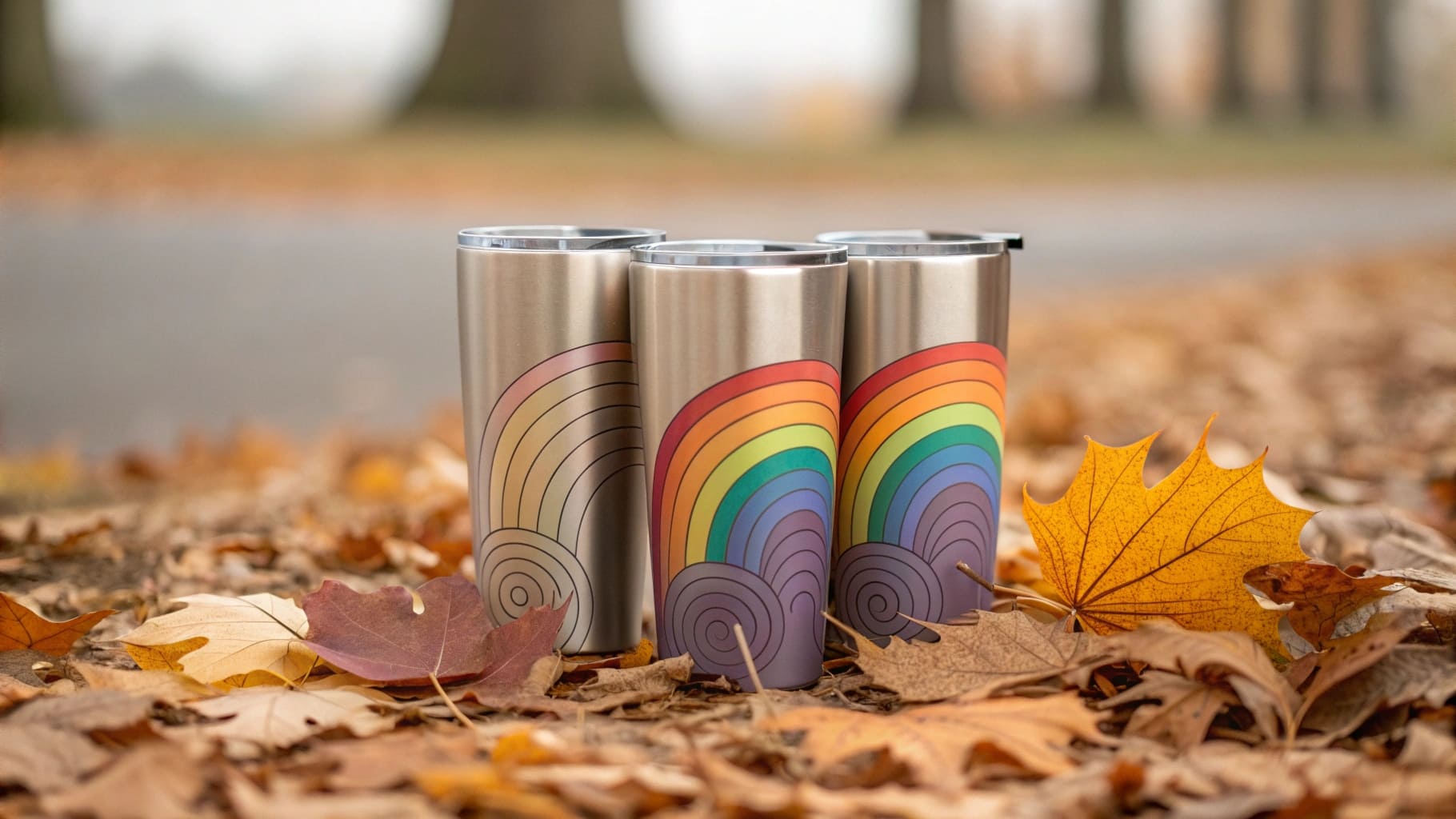
I learned this lesson the hard way five years ago. A Canadian buyer ordered 5,000 powder-coated tumblers after seeing my Amazon listing claim they were dishwasher-safe2. The factory assured me they were. Six weeks after delivery, the buyer called. Half his retail customers were returning tumblers with bubbled coatings. The listing was technically correct, but only if customers used the gentle cycle with mild detergent. I had not specified this clearly. That mistake cost me $12,000 in replacements and almost lost a good client.
What is the Best 20oz Tumbler with Handle?
You need tumblers that combine practical features with verified dishwasher compatibility. Most buyers focus on insulation or aesthetics. The handle and dishwasher durability often get overlooked until problems arise.
The best 20oz handled tumblers use 18/8 stainless steel bodies with tested surface treatments. Look for powder coating3 that passes 100-cycle dishwasher tests. Handles should be welded, not glued, to prevent separation during high-temperature wash cycles.
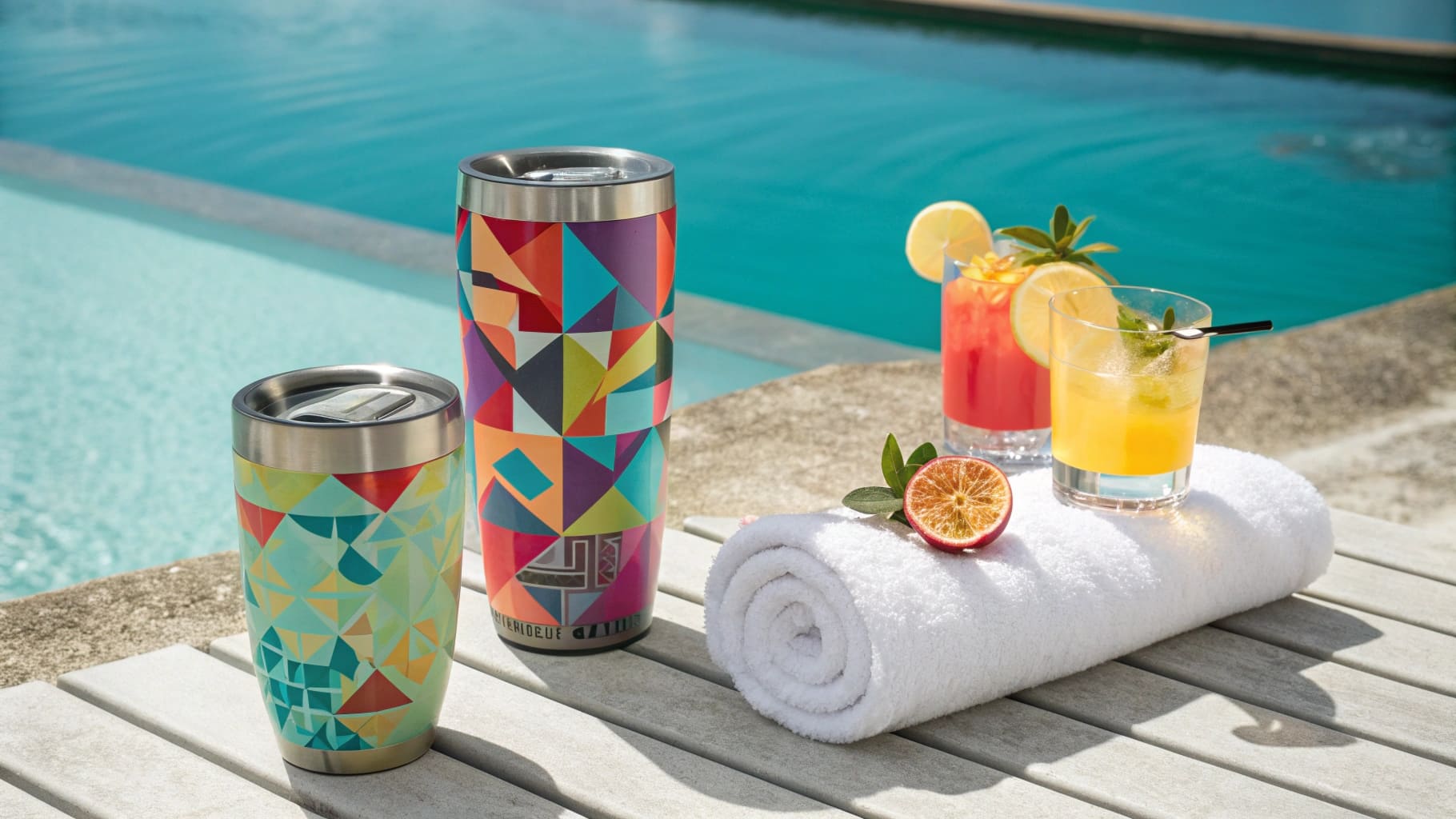
I work with three factories that produce handled tumblers. Only one consistently delivers dishwasher-safe products. The difference comes down to their coating process and quality control. They use electrostatic powder coating4 with a seven-layer application process. After coating, each batch goes through a 72-hour salt spray test5 and a 50-cycle dishwasher simulation. The other factories skip these steps to save costs.
When I evaluate new tumbler designs, I run a simple test. I put three samples through 30 dishwasher cycles in my office kitchen. I use regular detergent pods and the normal cycle setting. After 30 washes, I check for coating bubbles, color fading, or handle looseness. If any sample fails, I reject the entire batch design. This test saved me from listing several products that would have failed in real customer use.
The handle attachment method matters more than most buyers realize. Spot-welded handles can withstand dishwasher heat and water pressure. Adhesive-attached handles often fail after 10 to 15 wash cycles. I once received a complaint from a buyer whose customer's handle detached mid-drink, spilling hot coffee. The factory had switched from welding to adhesive without informing me. Now I specify welding in all purchase orders and verify this during pre-shipment inspections.
| Feature | Standard Quality | Premium Quality |
|---|---|---|
| Body Material | SS201 | SS304 (18/8) |
| Coating Type | Single-layer spray | Multi-layer powder coating |
| Handle Attachment | Adhesive or single weld | Multiple spot welds |
| Dishwasher Test | None or 10 cycles | 50-100 cycles |
| Temperature Rating | Not specified | Up to 80°C specified |
What is the Symbol if Something is Dishwasher Safe?
You check the product for a clear dishwasher-safe symbol. You find nothing. The listing says dishwasher-safe, but the tumbler itself has no marking. This creates confusion for end customers and liability concerns for sellers.
The standard dishwasher-safe symbol shows dishes with water droplets or a wine glass and fork in a square. Many tumblers lack this symbol on the product, relying only on packaging or listing text instead.
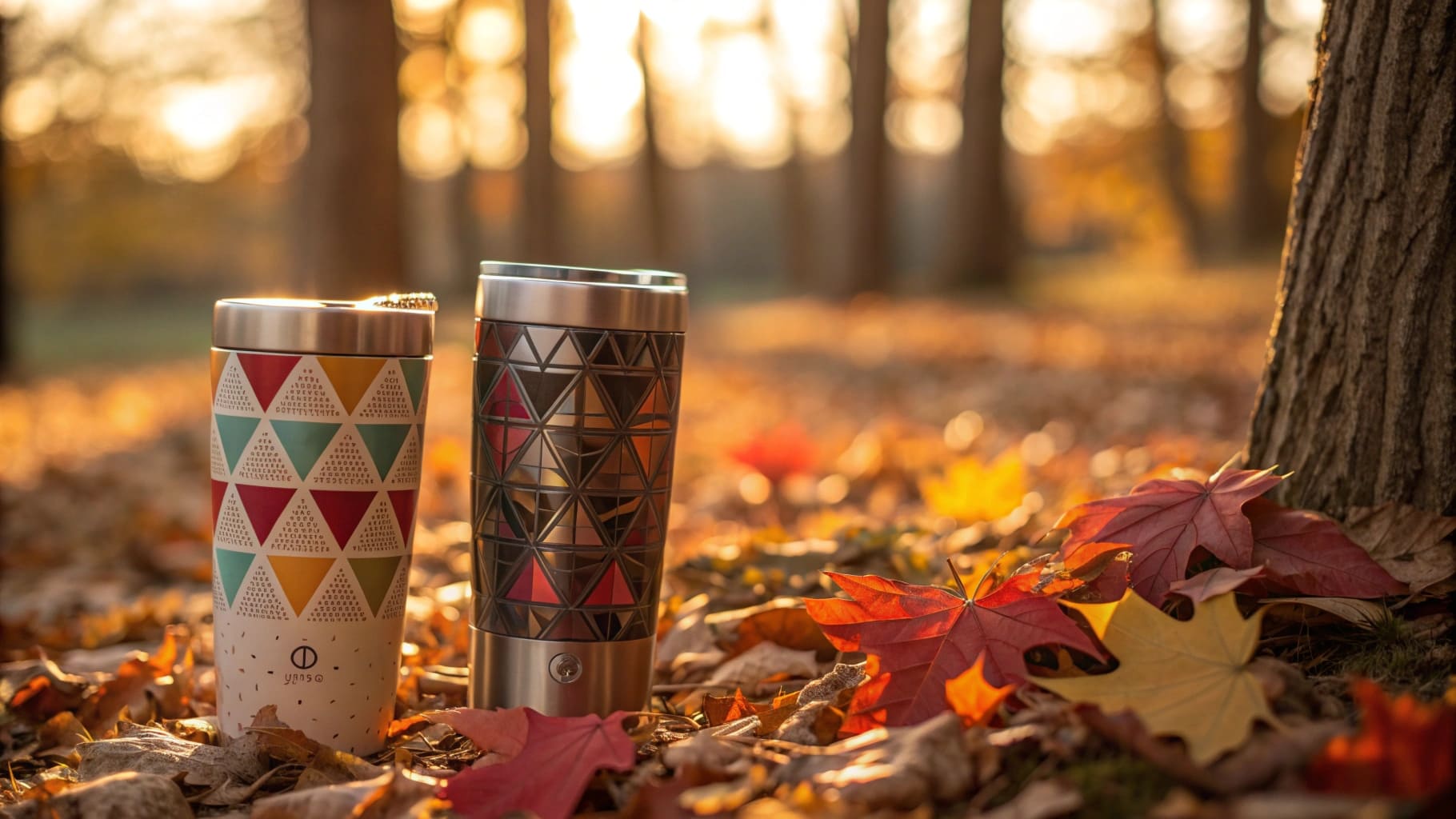
Most stainless steel tumbler manufacturers do not laser-engrave or print dishwasher symbols directly on the product. The reasons are practical. Adding symbols increases production costs. The symbols can affect the aesthetic design. Some buyers prefer clean surfaces without any markings except their own logo.
I recommend requesting the symbol on packaging or care instruction cards instead of the tumbler body. For Amazon listings, I photograph both the product and the care card showing the dishwasher-safe symbol. This provides visual proof for listing compliance without compromising the tumbler design.
Last year, a buyer from California faced a customer complaint. The customer claimed false advertising because the tumbler had no dishwasher-safe symbol, even though the Amazon listing clearly stated it was dishwasher-safe. Amazon sided with the customer initially. The buyer sent me screenshots of the complaint. I provided photos of our packaging with the dishwasher-safe symbol clearly visible. I also sent the dishwasher test report from our factory. Amazon reversed the decision, but the buyer had already received a negative review. Now I insist all my buyers photograph the care cards and include them in their Amazon listing images.
The international standard for dishwasher-safe symbols is ISO 7010. However, many Asian manufacturers use variations or simplified versions. When sourcing tumblers, I specify which symbol format I want. Some buyers prefer the European standard (wine glass and fork in square). Others want the North American version (dishes with water droplets). I keep digital files of both formats and send them to factories before production starts.
Why are Tumblers Not Dishwasher Safe?
You list a tumbler as dishwasher-safe based on supplier claims. Customers report coating damage, fading, or insulation failure. The supplier blames incorrect usage. You wonder if any tumblers can truly survive repeated dishwasher cycles.
Many tumblers fail dishwasher tests due to harsh detergents, high-temperature cycles, coating quality issues, or vacuum seal compromise. Components like lids and straws often have different heat tolerances than steel bodies.
The main problem is that dishwasher environments are aggressive. Water temperatures reach 65 to 80 degrees Celsius in normal cycles. Detergent pods contain alkaline chemicals and enzymes that attack organic coatings. The drying cycle adds another heat stress layer. Water jets hit products from multiple angles at high pressure.
Powder coating is the most common finish for colored tumblers. Basic powder coating can survive 10 to 20 dishwasher cycles before showing damage. Premium powder coating with proper curing can last 100 plus cycles. The difference is in the coating thickness, curing temperature, and base material preparation. I once tested two tumblers from different factories, both claiming dishwasher-safe powder coating. After 25 cycles, the cheaper version showed visible bubbling. The premium version looked new.
Double-wall vacuum insulation adds another failure point. If the seal between walls is weak, dishwasher water can seep into the gap. This destroys the insulation properties. You cannot see this damage from the outside. The tumbler looks fine but no longer keeps drinks cold or hot. I test for this by weighing tumblers before and after dishwasher cycles. Any weight gain indicates water infiltration.
Printed logos and heat transfer designs are vulnerable to dishwasher damage. Screen printing holds up better than heat transfers. Laser engraving is the most durable option. I tell buyers who want branded tumblers to choose laser engraving if they plan to market them as dishwasher-safe. Heat transfers will fade or peel after 15 to 20 washes, even with careful handling.
Lids present the biggest challenge. Most tumbler lids use PP plastic, silicone gaskets, and sometimes Tritan components. PP can handle dishwasher temperatures up to 100 degrees Celsius. However, the silicone gaskets often deform or lose elasticity after repeated high-heat exposure. I recommend buyers specify that only the tumbler body is dishwasher-safe, while lids should be hand-washed. This reduces liability and customer complaints.
| Component | Dishwasher Safe? | Maximum Temperature | Common Issues |
|---|---|---|---|
| SS304 Body | Yes (with proper coating) | 80°C | Coating damage, color fading |
| Powder Coating | Depends on quality | 70°C | Bubbling, peeling, color loss |
| PP Lid | Usually yes | 100°C | Warping at high temperatures |
| Silicone Gasket | Hand wash recommended | 80°C | Loss of elasticity, deformation |
| Tritan Straw | Yes | 95°C | Cloudiness, cracking over time |
| Heat Transfer Logo | No | 60°C | Fading, peeling within 15 cycles |
For AQL validation, I recommend buyers request specific documentation from suppliers. Ask for dishwasher cycle test reports showing results after 30, 50, and 100 washes. Request temperature tolerance specifications for each component separately. Get written confirmation of coating type and curing process. Require FDA or LFGB certification for materials, though remember these do not guarantee dishwasher durability, only material safety.
I also suggest buyers conduct independent testing6 before finalizing large orders. Order 10 to 20 samples and run them through real dishwasher cycles. Use consumer-grade dishwashers, not industrial ones. Test with regular detergent pods that end customers will use. Document any changes in appearance, coating integrity, or insulation performance. Share results with the supplier and adjust specifications or care instructions accordingly.
Conclusion
Validating dishwasher-safe claims protects your brand reputation and reduces returns. Test samples independently, verify component specifications separately, and document care instructions clearly before listing products.
-
Learn about the testing processes that ensure tumblers can withstand dishwasher cycles without damage. ↩
-
Understanding the definition of dishwasher-safe can help you ensure product compliance and customer satisfaction. ↩
-
Discover how powder coating impacts the durability and dishwasher safety of tumblers. ↩
-
Explore the advantages of electrostatic powder coating for enhancing tumbler quality. ↩
-
Understanding salt spray tests can help you assess the corrosion resistance of tumbler coatings. ↩
-
Independent testing can validate product claims and ensure quality before large orders. ↩