
How Long Can Liquor Stay in a Flask in 2026? Liners, Headspace, and Seals
I see buyers lose trust when a flask turns good liquor metallic. The problem starts quietly, then a premium gift feels cheap.
In my work, I treat stainless steel flasks as short-term liquor carriers, not long-term storage bottles. A well-sealed, food-grade flask can keep liquor at its best for three to six months1, while daily-use flasks should be emptied and cleaned sooner.
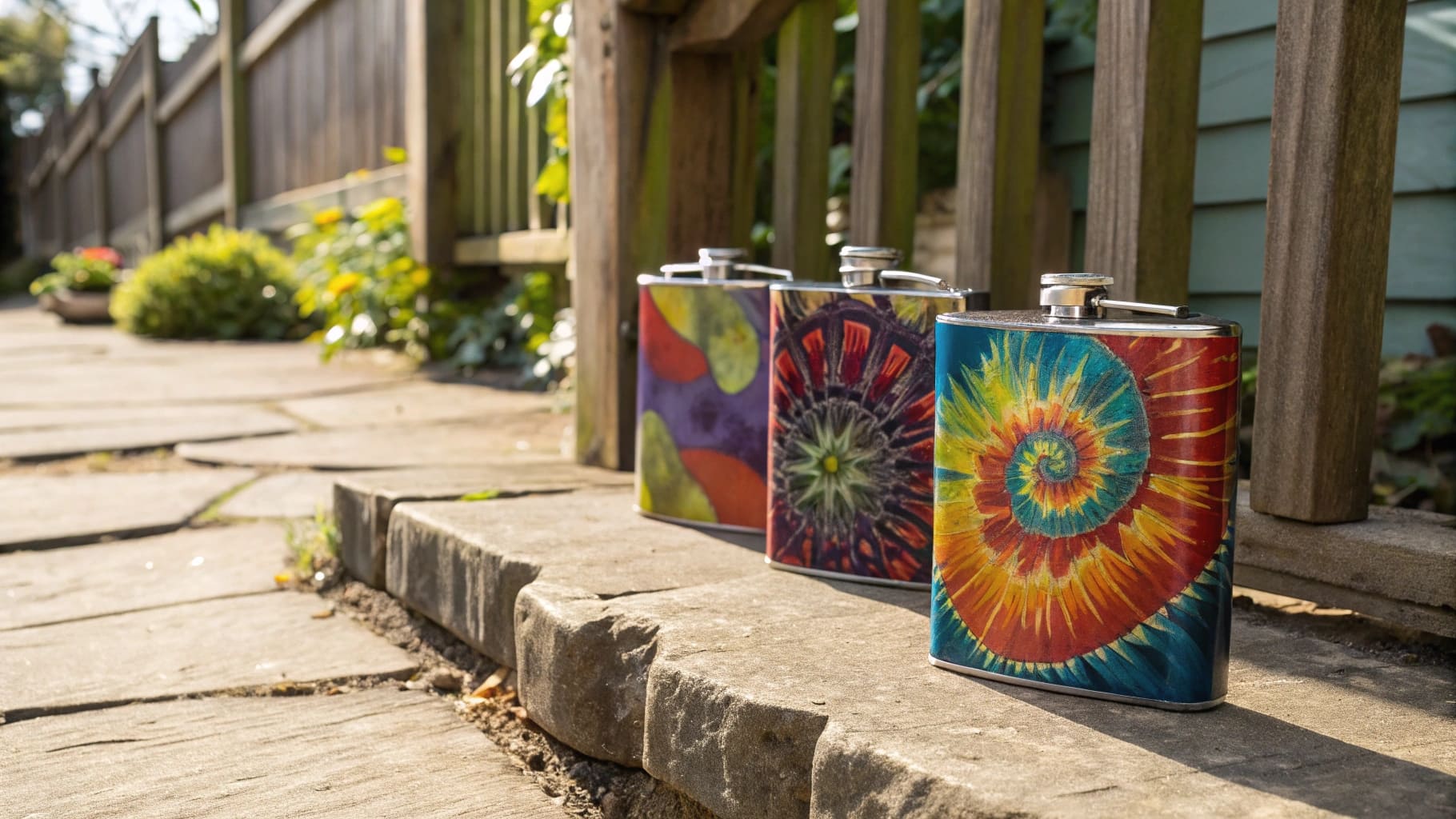
I have learned that this question is not only about liquor. It is also about steel grade, inner finish, liner safety, air space, and seal life. When I prepare a flask project for a serious buyer, I do not only ask if the flask looks good on a shelf. I ask how the liquor will taste after sitting inside it. I also ask what proof the spirit has, how much air remains above the liquid, and whether the gasket can stay soft under alcohol contact. These small details decide whether a flask feels premium or causes a complaint.
How Long Will Sealed Liquor Last?
I worry when a supplier says sealed liquor lasts forever in any flask. That answer hides the real risks of air, gasket failure, and metal contact.
Sealed liquor can last for years in an unopened glass bottle, but in a stainless steel flask I normally expect the best flavor window to be three to six months if the seal, liner, and steel finish are reliable.
What I Check Before I Trust the Storage Claim
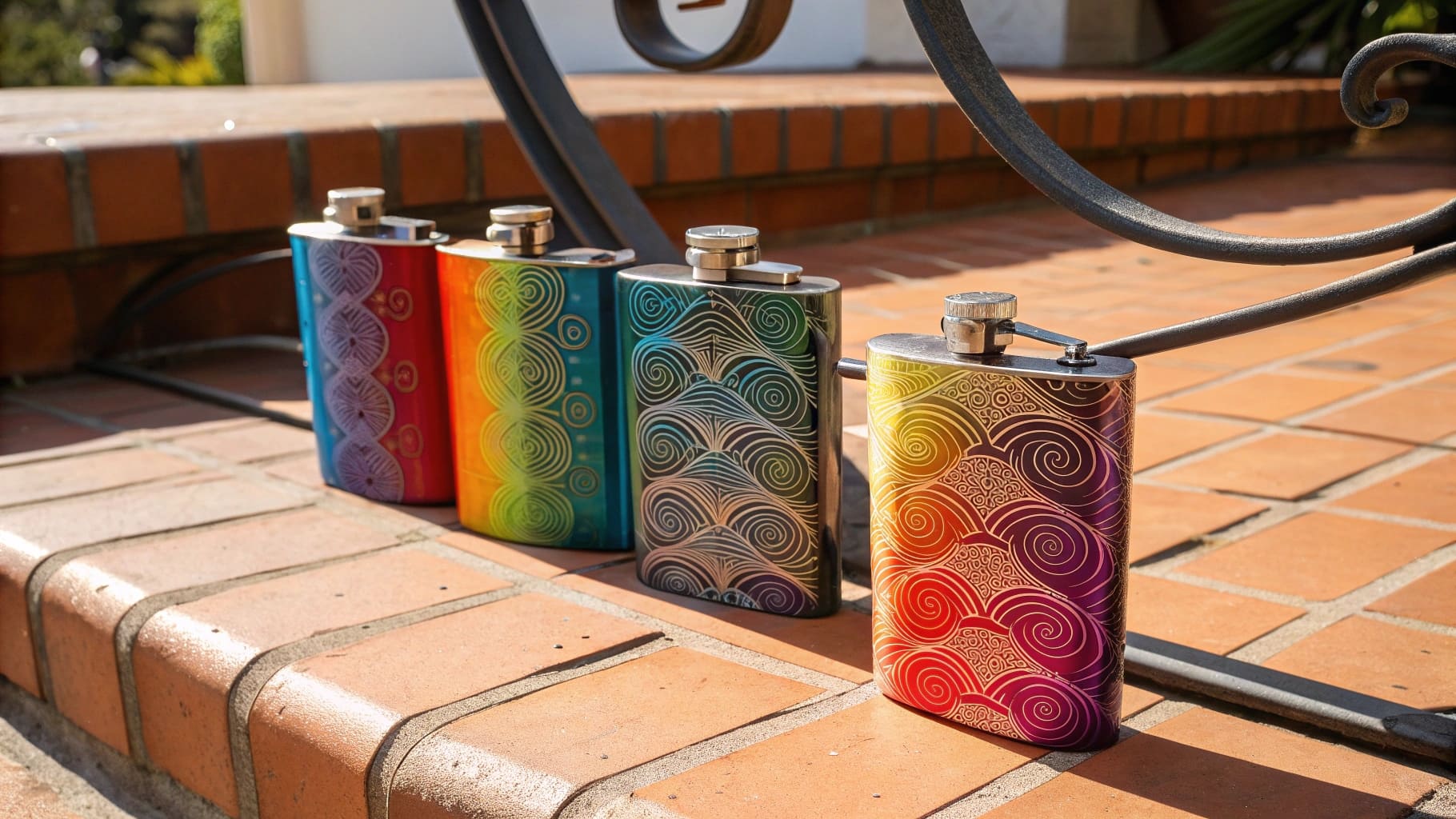
I separate sealed glass bottles from sealed stainless steel flasks because they do not behave the same way. Glass is almost neutral, and a factory seal can stay stable for a very long time. A flask is different. A flask has threads, a cap, a gasket, welded parts, and an inner surface that touches alcohol during movement. I use three months to six months as a practical window for high-quality flasks under clean storage. I use a shorter window for daily-use flasks because people open them often, leave air inside, and forget to clean them. I also look at the spirit strength. High-proof liquor is more aggressive than low-proof liquor. It can test weak liners and low-grade seals faster2. I have seen samples pass a quick smell test, then fail after longer alcohol contact. That is why I ask for real material details before I accept a long storage claim.
| Storage factor | What I check | Why I care |
|---|---|---|
| Stainless steel grade | I use 304 for normal flask projects and 316 for higher-end or higher-proof use | I want better resistance when alcohol contact time is longer |
| Inner finish | I check polishing, welding marks, and passivation | I want to reduce metallic taste and hidden corrosion risk |
| Liner or coating | I ask if the liner is alcohol-safe and tested | I do not want a poor liner to pollute the liquor |
| Headspace | I check how much air remains above the liquid | I want to slow flavor change from oxidation |
| Seal material | I prefer quality silicone or EPDM for the gasket | I want the cap to stop leaks and alcohol vapor loss |
How Can I Tell if Liquor Has Gone Bad?
I dislike guessing with spirits because one bad smell can ruin a buyer relationship. A tiny seal problem can become a full quality complaint.
I tell if liquor has gone bad by checking smell, taste, color, particles, and the flask seal. Sour odors, metallic flavor, cloudiness, leaking, or a cracked gasket mean I should discard the liquor and inspect the flask.
How I Inspect Liquor and the Flask Together
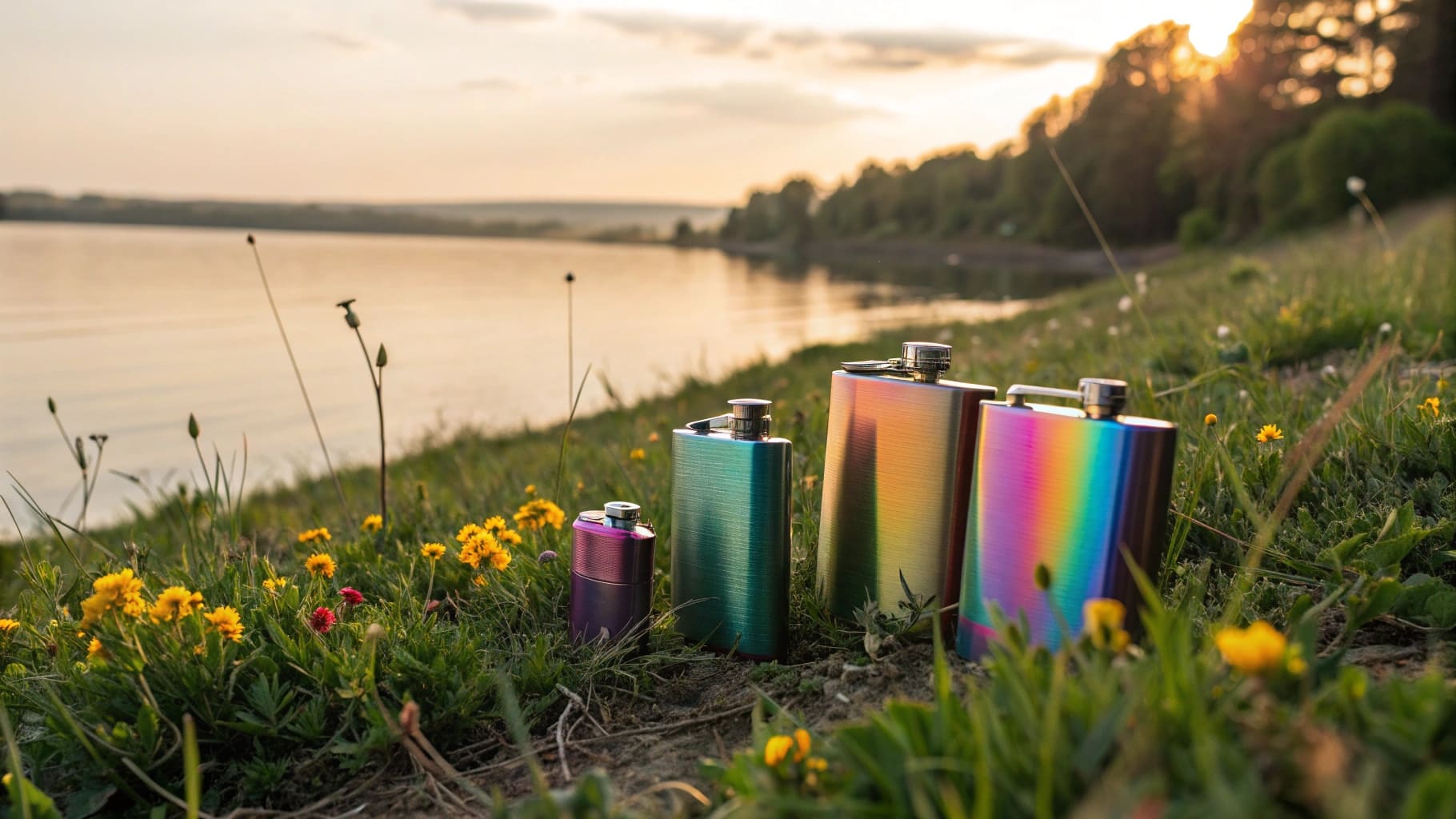
I do not treat liquor spoilage like food spoilage. Strong spirits do not usually grow bacteria easily. The main problem is flavor damage, smell change, metal pickup, liner failure, evaporation, and contamination from a bad seal. I start with the smell because it gives a fast warning. If the liquor smells sour, rubbery, musty, or metallic, I stop. I do not try to save it. I then look at the color under clear light. Whiskey or brandy may have natural color, but strange cloudiness or floating particles tell me that something has changed. I also inspect the flask. I look inside the mouth, around the threads, and under the cap. A gasket that feels sticky, cracked, swollen, or hard has already become a risk3. In my own sample checks, I write down the fill date and the spirit type, because memory is not a quality system.
| Check point | What I look for | What I do next |
|---|---|---|
| Smell | I notice sour, rubber, mold, or metal notes | I discard the liquor and inspect the flask |
| Taste | I test only a tiny amount if the smell is normal | I stop if I taste metal, bitterness, or chemical notes |
| Color | I look for strange darkening, fading, or cloudiness | I compare it with the original liquor if possible |
| Particles | I check for flakes, residue, or floating matter | I stop using the flask until it is inspected |
| Gasket | I touch the seal and check its shape | I replace the cap or reject the sample if it fails |
| Leakage | I turn the filled flask gently over a cloth | I reject the flask if the seal allows wet marks |
Can You Keep a Bottle of Whiskey for 20 Years?
I often hear this question from buyers who sell premium gifts. The danger is simple: glass storage logic gets forced onto portable flasks.
I can keep an unopened glass bottle of whiskey for twenty years if it is sealed and stored well. I do not recommend keeping whiskey in a stainless steel flask that long, because seals, headspace, and contact surfaces are not designed for decades.
Why I Do Not Sell Flasks as Long-Term Whiskey Storage
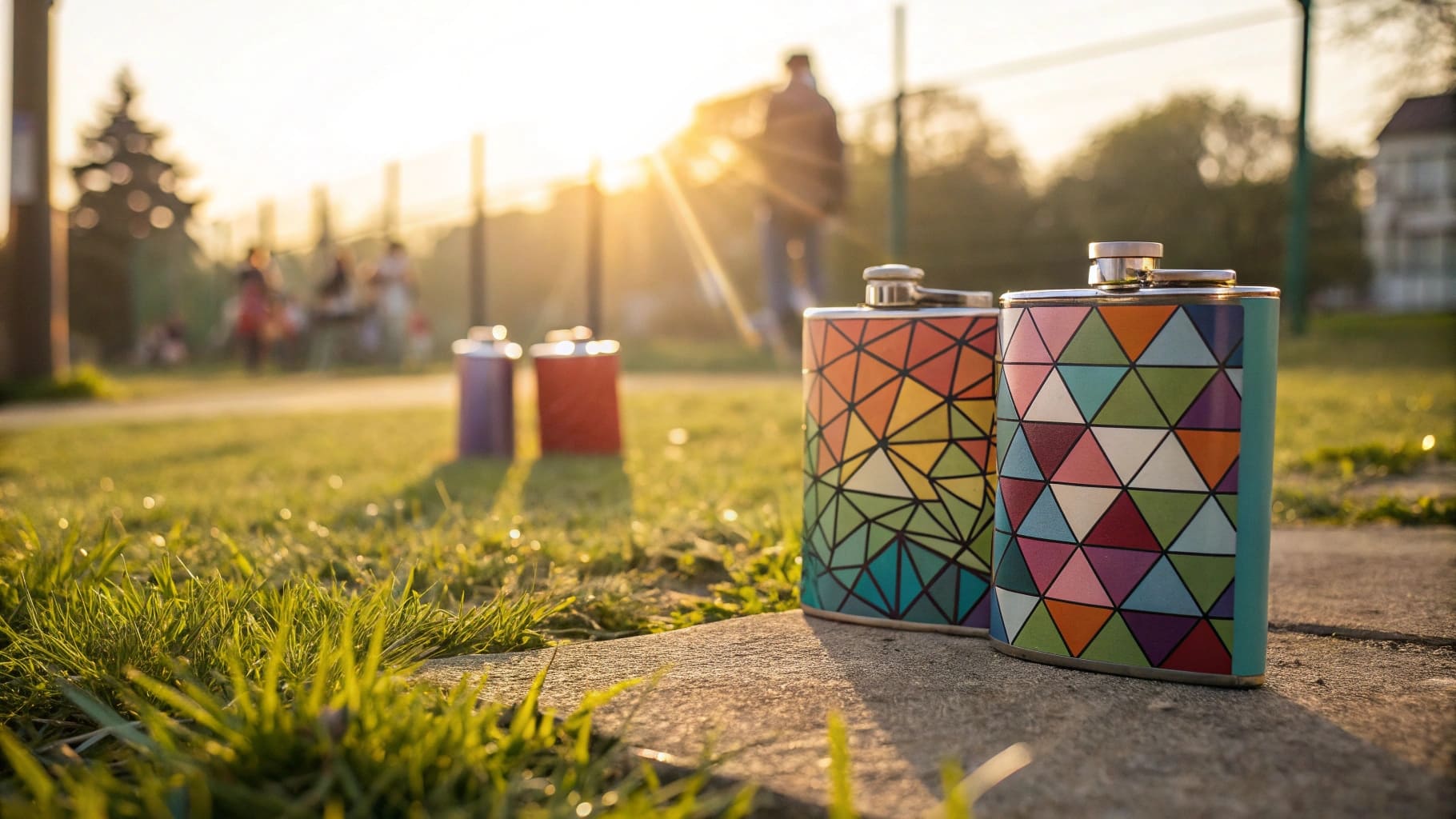
I see whiskey as a good example because many buyers connect it with gift sets, collectors, and premium branding. If the whiskey stays in the original glass bottle, and the bottle stays sealed, upright, cool, and away from strong light, it can stay good for many years. The flavor may not improve like wine, but it can remain stable. A stainless steel flask serves another job. It helps people carry liquor. It is made for travel, events, outdoor use, corporate gifts, and brand display. It is not made to replace a sealed glass bottle for twenty years. The gasket will age. The cap may loosen after repeated use. Air may enter each time the flask opens. A liner may also become a risk if the coating quality is unknown. When I explain this to buyers, I make the marketing claim clear. I call it a premium portable flask, not a long-term whiskey vault.
| Container type | My expected role | My storage advice |
|---|---|---|
| Unopened glass bottle | I use it for long-term whiskey storage | I store it upright, cool, and away from light |
| Opened glass bottle | I use it for medium-term home storage | I reduce air space when possible and close it tightly |
| Stainless steel flask | I use it for carrying liquor | I empty and clean it after use, or keep storage short |
| Lined flask | I use it only when the liner is proven alcohol-safe | I ask for test proof before I trust the claim |
| Premium gift flask | I use it for branding and active use | I explain the realistic storage window to the buyer |
I also connect this point with sourcing control. I ask suppliers for stainless steel certificates, food-contact test reports, gasket material details, and alcohol-contact test data. I do this because certificate fraud is a real pain in this market4. I have met buyers who only found the problem after shipment, and that timing is painful because peak sales seasons do not wait. I prefer clear communication before production. I want the factory to confirm the steel grade, inner process, cap structure, liner type, seal material, packing method, and inspection standard before I approve mass production. A flask can look simple, but a weak seal can destroy the whole order.
Conclusion
I treat flasks as portable tools, not cellars. When I control steel, liners, headspace, and seals, I protect liquor and buyer trust.
-
"The Impact of Compounds Extracted from Wood on the Quality of ... - PMC", https://pmc.ncbi.nlm.nih.gov/articles/PMC9866382/. Research on metal-alcohol interactions and food-contact material migration could substantiate the three-to-six month practical window cited here, though direct studies on consumer flask storage duration are limited in the published literature. Evidence role: general_support; source type: research. Supports: The timeframe within which alcohol stored in stainless steel containers begins to show measurable flavor or chemical changes. Scope note: Most published research addresses industrial stainless steel tanks rather than small portable flasks, making direct extrapolation approximate. ↩
-
"Migration of Chemical Compounds from Packaging Materials into ...", https://pmc.ncbi.nlm.nih.gov/articles/PMC11475518/. Food-contact material migration studies using ethanol simulants demonstrate that higher alcohol concentrations increase the extraction of substances from polymer liners and elastomeric seals, consistent with the claim that high-proof spirits present greater material compatibility challenges. Evidence role: mechanism; source type: research. Supports: The relationship between ethanol concentration and the rate of plasticizer or monomer migration from polymer food-contact materials, supporting the claim that higher-proof spirits accelerate liner and seal degradation. Scope note: Regulatory migration testing typically uses standardized simulants at fixed concentrations rather than the full range of spirit proofs encountered in consumer flasks. ↩
-
"Degradation Characteristics of Elastomeric Gasket Materials in a ...", https://ui.adsabs.harvard.edu/abs/2008JMEP...17..785T/abstract. Polymer science literature identifies swelling, surface cracking, tackiness, and hardening as characteristic signs of elastomer degradation resulting from solvent absorption, oxidative aging, or plasticizer migration, each of which compromises both sealing performance and food-contact safety. Evidence role: mechanism; source type: research. Supports: The physical manifestations of elastomer degradation in food-contact seals, including swelling from solvent absorption, surface cracking from oxidative aging, and hardening from plasticizer loss, and their relationship to seal integrity and migration risk. Scope note: The severity of contamination risk associated with each physical sign varies by elastomer type, alcohol concentration, and exposure duration; visual inspection alone may not detect early-stage chemical migration. ↩
-
"Stainless Steel Sheet and Strip From the People's Republic of China", https://www.federalregister.gov/documents/2023/03/29/2023-06500/stainless-steel-sheet-and-strip-from-the-peoples-republic-of-china-final-scope-ruling-and-final. Trade and customs investigations have documented instances of falsified mill certificates and food-contact compliance documents in metal product supply chains, particularly in export markets, underscoring the importance of third-party verification of material claims. Evidence role: historical_context; source type: institution. Supports: The documented occurrence of fraudulent or falsified material certificates in metal product and food-contact material supply chains. Scope note: Publicly available enforcement data on flask-specific certificate fraud is limited; the broader pattern is inferred from documented cases in related metal and food-contact product categories. ↩