
Double-Wall Vacuum Tumblers: What Dishwasher Test Methods and Label Wording Matter in 2026?
A wrong dishwasher claim can create returns, weak reviews, and tense buyer calls. I have seen one unclear label damage trust faster than a late quote.
For 2026, I treat dishwasher safety as a tested claim, not a sales phrase. A vacuum tumbler needs cycle testing, vacuum integrity checks, thermal performance records, and careful label wording before I call it dishwasher safe.

I speak with many buyers who want one simple answer. I understand why. They need to print cartons, product pages, manuals, and retail labels. They also need to protect peak season sales. But double-wall vacuum tumblers are not simple cups. They have welds, powder coating, lids, silicone parts, and a sealed vacuum space. Each part reacts differently inside a dishwasher. So I never answer with only “yes” or “no.” I answer with the test method, the risk point, and the exact wording I would put on the product.
Can You Put Vacuum Insulated Cups in the Dishwasher?
Dishwasher claims look easy until the vacuum seal fails. Then the cup sweats, the drink gets warm, and the buyer has to handle complaints.
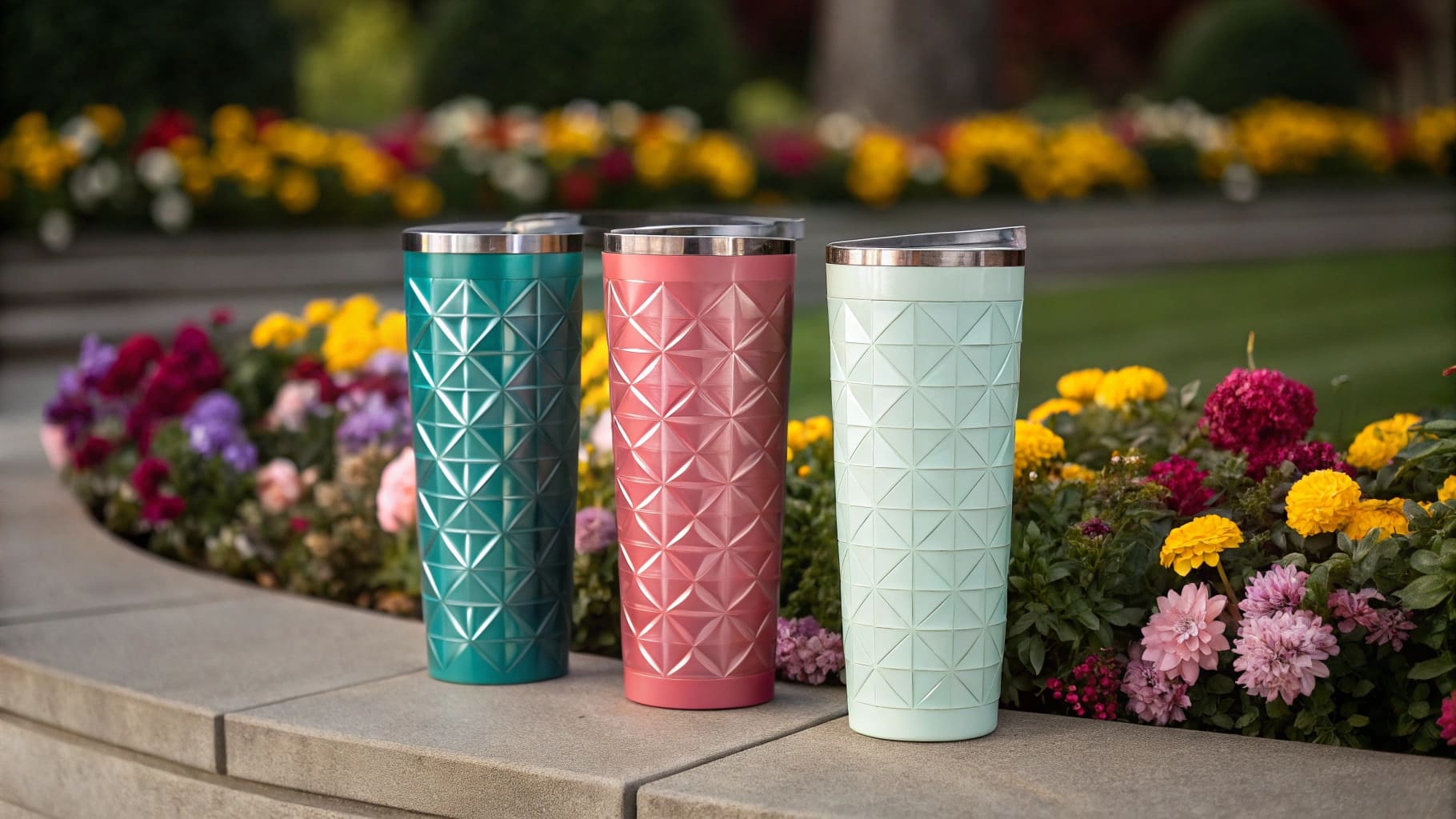
I only approve dishwasher use for vacuum insulated cups when the factory has passed repeated dishwasher cycle tests, vacuum leak checks, coating checks, and heat retention tests. Without those records, I recommend hand washing.
What I Check Before I Say Dishwasher Safe
I first look at the structure of the cup. A vacuum insulated cup has two stainless steel walls. The air between the walls is removed. This vacuum space slows heat transfer.1 That is the reason the drink stays hot or cold. The weak point is not the stainless steel body itself. The weak point is the seal area, the coating, and the attached parts. A dishwasher creates heat, pressure, chemical attack, and repeated stress. The drying stage can be harder on the tumbler than the wash stage. I have seen samples look fine after a short wash, but lose performance after repeated cycles. That is why I do not accept a verbal claim from a supplier.
| Check point | What I want to see | Why it matters |
|---|---|---|
| Vacuum seal | No air leak after repeated cycles | It protects insulation performance |
| Heat retention | Small drop after testing | It proves the tumbler still works |
| Coating surface | No peeling, fading, or blistering | It protects the retail look |
| Lid and gasket | No warping or smell | It protects user experience |
| Bottom joint | No rust mark or water trap | It reduces returns |
My Practical Label Position
If a buyer asks me for the safest claim, I usually suggest “hand wash recommended.” This wording is not weak. It is honest. It protects the brand and helps the customer understand how to keep the tumbler in good condition. If the buyer strongly needs dishwasher wording, I ask for clear test proof first. I also suggest limited wording, such as “top rack dishwasher safe, gentle cycle only.” I avoid broad wording like “dishwasher safe” when the test only covers mild conditions. In wholesale business, one loose phrase can move from a small carton label to a national retail listing. That is risky.
Can Flasks Go in the Dishwasher?
A flask can look strong from the outside, but heat and detergent may attack the seal, cap, coating, or inner surface over time.
I recommend hand washing most stainless steel flasks. If a supplier says a flask can go in the dishwasher, I ask for test reports, material details, and a clear limit on cycle type.
Why I Treat Flasks More Carefully
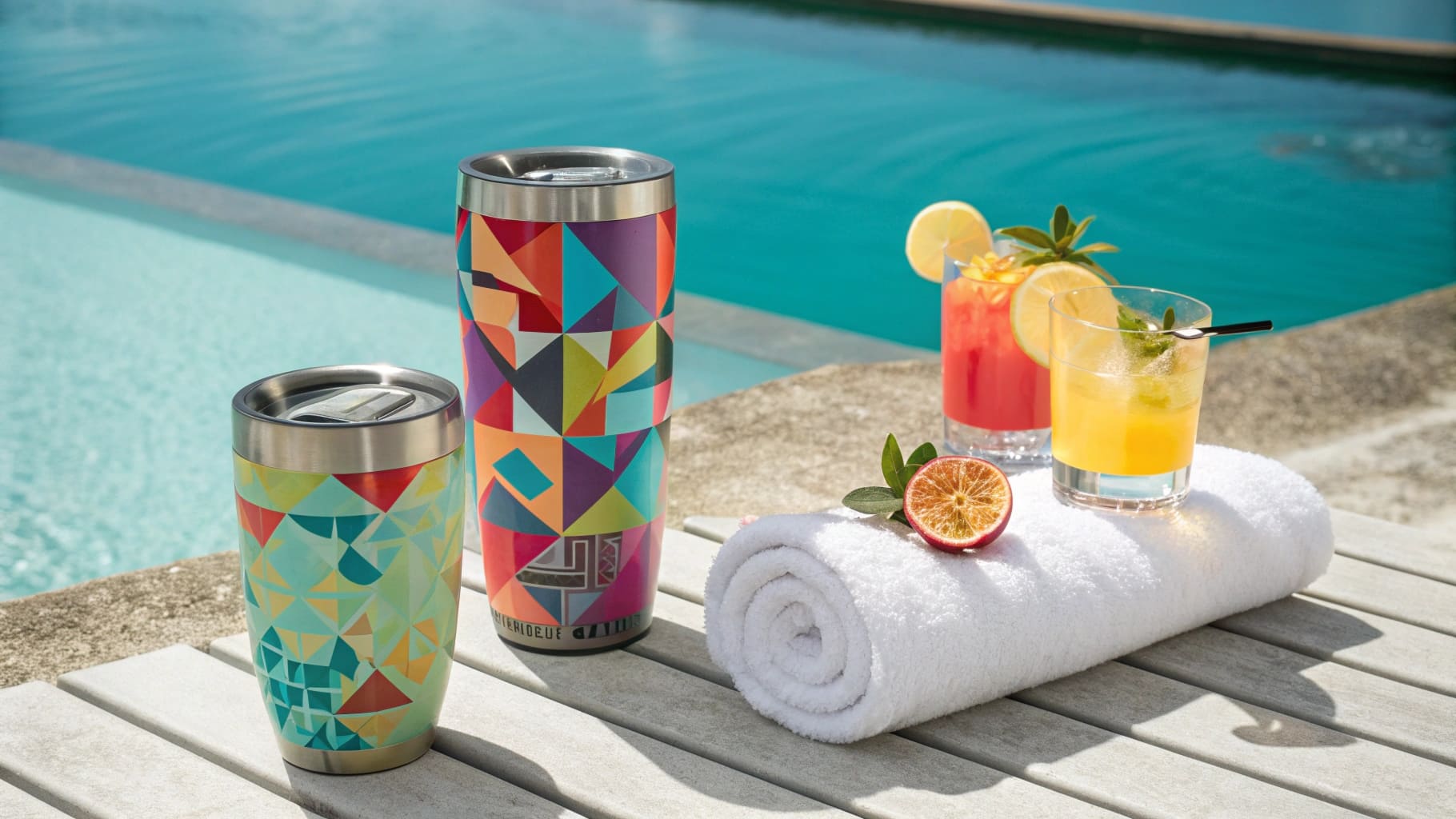
When I hear the word “flask,” I first clarify the product type. A stainless steel hip flask is different from a vacuum flask.2 A hip flask usually has a single-wall structure. It may not rely on a vacuum seal. A vacuum flask or insulated bottle uses double-wall vacuum construction. The dishwasher risk changes with the design. I ask this question early because many buyers use “flask” in a broad way. If we do not define it, the order specification can become unclear. That is where mistakes start.
| Product type | Main risk in dishwasher | My normal guidance |
|---|---|---|
| Stainless steel hip flask | Cap seal damage and surface dullness | Hand wash only |
| Vacuum flask | Vacuum failure and coating damage | Hand wash recommended |
| Powder-coated flask | Coating fade or peel | Test before any claim |
| Flask with plastic cap | Cap warping or odor | Top rack only if tested |
| Flask with leather or fabric part | Material damage | Do not dishwash |
How I Read Supplier Claims
I do not reject every dishwasher-safe claim. Some factories do design stronger products. But I need to see how they tested the claim. I ask whether the test used a household machine or a commercial machine. I ask whether the drying cycle was included. I ask whether the lid was tested with the body or separately. I also ask whether the sample was checked after the full test, not only after the first wash. A serious supplier can answer these questions with records. A weak supplier often gives a quick answer and then changes the subject. I have learned to slow down at that moment.
What I Tell B2B Buyers
For a Canadian distributor or a company owner who rebrands the product, the problem is not only technical. The problem is also business risk. A customer may put the flask in the dishwasher every day because the label allowed it. If the flask later loses insulation or the coating chips, the customer will not blame the factory in China. The customer will blame the retail brand. So I prefer label wording that is safe, clear, and easy to defend. A short label can save a long after-sales argument.
Are Double Wall Tumblers Insulated?
Many buyers think double wall means insulation by default. That is not always true, and this misunderstanding can lead to wrong product positioning.
Yes, double-wall tumblers can be insulated, but true vacuum insulation needs the air removed between the walls. A simple double-wall air gap gives weaker temperature performance than vacuum construction.
Double Wall Is a Structure, Vacuum Is a Performance Design
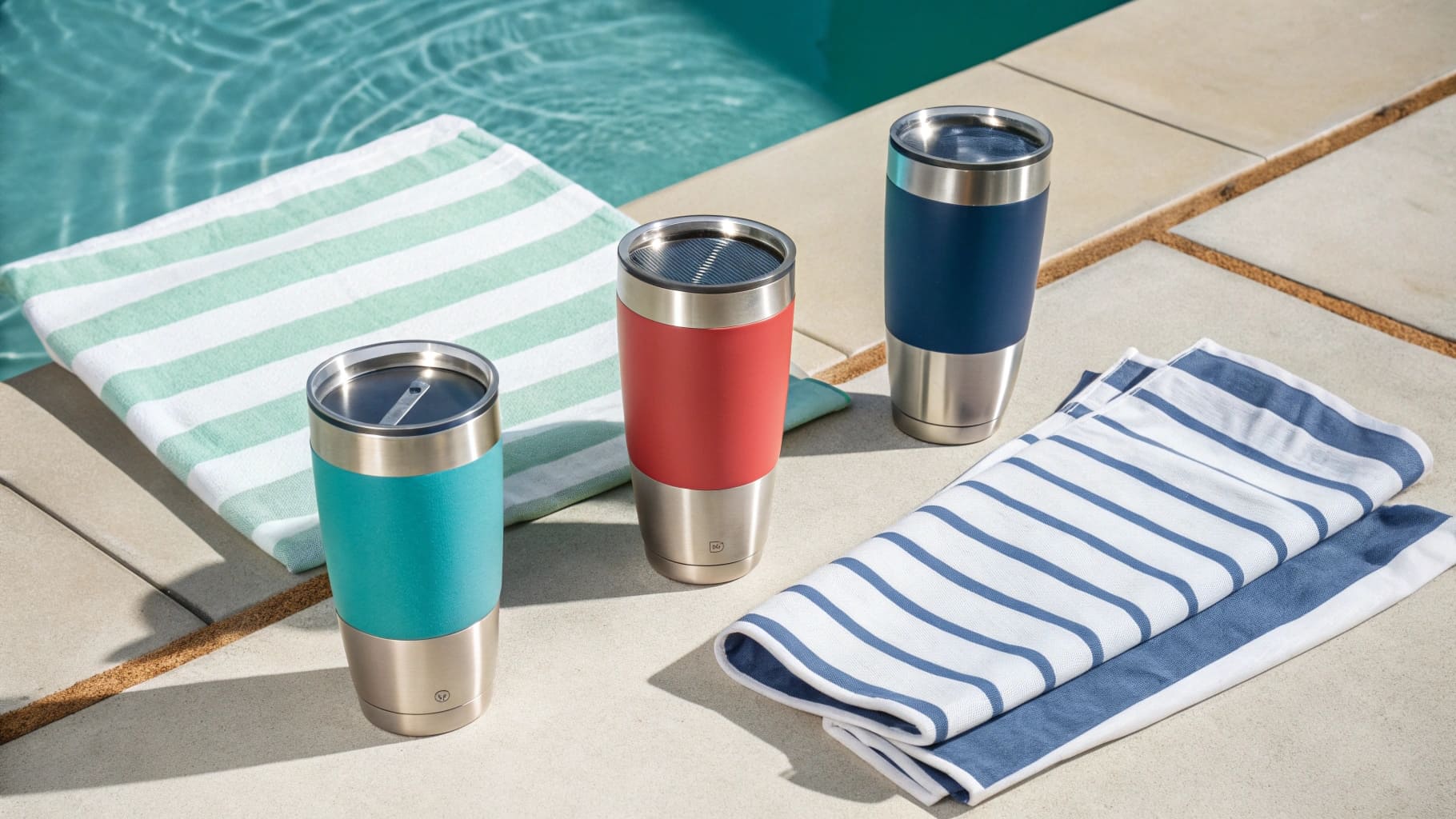
I separate these two ideas when I explain products to buyers. “Double wall” means the cup has an inner wall and an outer wall. “Vacuum insulated” means the space between those walls has been treated to reduce heat transfer. A double-wall cup without vacuum can still reduce hand heat and improve comfort.3 But it will not perform like a real vacuum tumbler. This matters for pricing, testing, and claims. If a buyer pays for vacuum performance, I believe the supplier must prove it with thermal test data.
| Term on specification | What it should mean | What I verify |
|---|---|---|
| Double wall | Two-layer body structure | Cross-section or production record |
| Vacuum insulated | Air removed between walls | Vacuum test and thermal data |
| Copper lining4 | Added heat reflection layer | Process record and sample test |
| Sweat free | No outside condensation in normal use | Cold water surface test |
| Keeps hot or cold | Thermal performance claim | Time and temperature report |
Why Insulation Claims Connect to Dishwasher Claims
The dishwasher question is tied to insulation because the vacuum seal is the heart of performance. If the seal fails, the tumbler may still look normal at first. But the outside may start to sweat with cold drinks. Hot drinks may cool faster. A retail buyer may not notice this problem during incoming inspection unless they test it. This is why I like to compare thermal performance before and after dishwasher testing. I do not only check if the coating looks good. I check if the tumbler still does its main job.
The Test Method I Prefer for Wholesale Orders
For serious B2B orders, I prefer a test plan that uses repeated dishwasher cycles at high settings. I want the sample washed many times, then checked for appearance, leakage, vacuum strength, and heat retention. I also want the lid tested because many customer complaints start with the lid. Silicone gaskets can absorb smell.5 Plastic parts can warp. Sliding lids can trap detergent.6 These issues may not destroy the tumbler, but they can hurt reviews.
| Test item | Before dishwasher test | After dishwasher test |
|---|---|---|
| Appearance | Color, logo, coating, weld line | Peeling, fading, rust, scratches |
| Insulation | Hot and cold retention data | Performance drop comparison |
| Vacuum status | Seal integrity check | Leak or condensation check |
| Lid function | Open, close, seal, smell | Warping, looseness, odor |
| User safety | Sharp edges and fit | New defects after washing |
Label Wording I Would Use in 2026
For twenty twenty-six, I believe label wording should be more specific. A general claim can cause confusion. I like labels that explain the condition of use. If the product passed strong testing, I may use “top rack dishwasher safe, gentle cycle recommended.” If the product passed only body testing, I would say “body is top rack dishwasher safe; hand wash lid.” If the product has special coating or a sensitive lid, I would say “hand wash recommended to preserve finish and vacuum performance.” This wording sounds simple, but it gives the buyer a real protection layer. It also helps sales teams answer questions without guessing.
Conclusion
In twenty twenty-six, I treat dishwasher wording as a quality claim. Good testing protects insulation, labels, buyers, and the final brand.
-
"Vacuum flask", https://en.wikipedia.org/wiki/Vacuum_flask. A vacuum inhibits heat transfer by eliminating conduction and convection between the walls, leaving only radiative heat transfer across the gap. Evidence role: mechanism; source type: encyclopedia. Supports: the physical principle by which vacuum reduces heat transfer. Scope note: This describes the general principle; specific performance depends on vacuum quality and wall materials. ↩
-
"Vacuum flask", https://en.wikipedia.org/wiki/Vacuum_flask. Traditional hip flasks typically employ single-wall construction for portability, whereas vacuum flasks use double-wall designs with evacuated interstitial space for thermal insulation. Evidence role: definition; source type: encyclopedia. Supports: the structural difference between traditional hip flasks and vacuum flasks. ↩
-
"Heat transfer coefficient", https://en.wikipedia.org/wiki/Heat_transfer_coefficient. An air gap between solid surfaces reduces heat transfer by limiting direct conduction pathways, though convection currents within the gap diminish insulation effectiveness compared to evacuated spaces. Evidence role: mechanism; source type: research. Supports: that an air gap between walls provides thermal resistance through reduced conduction. Scope note: Performance is significantly lower than vacuum insulation and depends on gap thickness and orientation. ↩
-
"Giant near-field radiative heat transfer between ultrathin metallic films", https://pubmed.ncbi.nlm.nih.gov/31873451/. Reflective metallic coatings such as copper or aluminum reduce radiative heat transfer across vacuum gaps by reflecting infrared radiation, improving overall thermal performance of vacuum-insulated vessels. Evidence role: mechanism; source type: research. Supports: that metallic coatings reduce radiative heat transfer in vacuum-insulated containers. Scope note: Effectiveness depends on coating quality, emissivity characteristics, and vacuum integrity. ↩
-
"What solutions exist for smelly silicone gaskets in Instant Pots?", https://www.facebook.com/groups/InstantPotCommunity/posts/1695371727223475/. Silicone elastomers can absorb volatile organic compounds and retain odors due to their porous structure and chemical compatibility with certain organic molecules. Evidence role: general_support; source type: research. Supports: that silicone materials can absorb organic compounds including odor molecules. Scope note: Absorption rate varies with silicone formulation, exposure duration, and compound type. ↩
-
"My Dishwasher puts residue or grime on my dishes after “cleaning. ...", https://www.reddit.com/r/Appliances/comments/tspaf0/my_dishwasher_puts_residue_or_grime_on_my_dishes/. Mechanisms with sliding components and narrow crevices can retain detergent residues and moisture when dishwasher spray patterns and rinsing action fail to reach all surfaces effectively. Evidence role: general_support; source type: other. Supports: that complex geometries with moving parts can retain cleaning agent residues. Scope note: Residue retention varies with lid design, dishwasher loading position, and specific wash cycle parameters. ↩