
Do hip flasks change taste, and how to passivate interiors at OEM scale?
If you've ever taken a sip from a hip flask and noticed something off, you're not imagining it. That metallic taste is real, and it's a problem that can quietly destroy your brand reputation.
A hip flask changes the taste of a drink when the interior surface is not properly passivated or when manufacturing residue remains inside. A well-made flask with a treated chromium oxide layer will not affect taste at all. Passivation is the key factor that separates a quality product from a complaint-generating one.
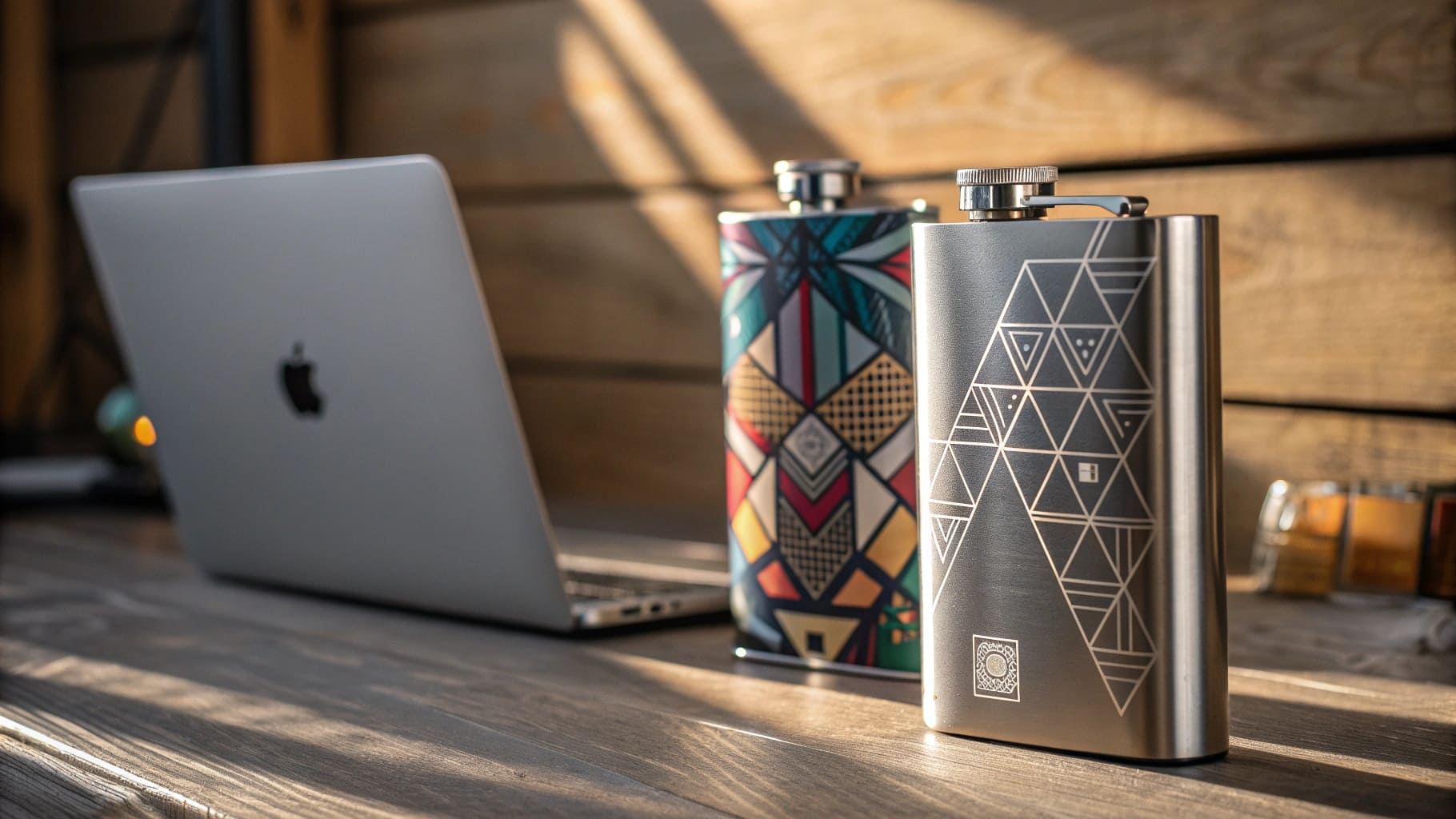
I've worked with procurement teams from North America and Europe long enough to know that taste complaints are almost always traced back to two things: poor passivation during production, or cleaning shortcuts after delivery. Both are preventable. Both matter more than most buyers realize. Understanding what drives this problem — and how to solve it at OEM scale — can save you from costly returns and damaged customer trust.
What Is the Purpose of a Hip Flask?
Most people think the answer is obvious. But if your sourcing decision is based only on that assumption, you may be leaving serious margin on the table.
A hip flask was originally designed to carry a personal serving of spirits in a portable, pocket-sized container.1 Today, the use cases have expanded well beyond that. Corporate gifting, branded promotional items, and premium lifestyle accessories have all become major B2B applications.2

The modern hip flask serves a different kind of customer than it did fifty years ago. When a beverage brand puts its logo on a flask, that flask becomes an extension of the brand itself. When a company gives a flask as a corporate gift, the recipient connects the product's quality to the company giving it. This shift in purpose has a direct impact on what OEM buyers should demand from their suppliers.
Here is how the primary use cases compare across different B2B buyer segments:
| Use Case | End User Expectation | Quality Priority |
|---|---|---|
| Corporate gifting | Premium feel, no taste issues | Surface finish, passivation |
| Promotional branding | Logo clarity, durability | Customization quality |
| Retail distribution | Consistent performance | Material grade, certifications |
| Beverage brand merchandise | Taste neutrality | Interior treatment |
I've seen startup founders overlook this entirely. They focus on unit price and forget that the flask will carry someone else's whiskey. One bad batch of poorly passivated flasks can cost far more in returns and lost repeat orders than the savings on sourcing. The purpose of the flask has changed. Your quality standards need to change with it.
How to Clean the Inside of a Stainless Steel Hip Flask?
The flask arrives in your warehouse looking perfect. But if the inside hasn't been cleaned properly before use, the first pour will tell a different story.
To clean the inside of a stainless steel hip flask, mix warm water with baking soda or a specialized bottle cleaning tablet, then use a small bottle brush or cleaning beads to reach all interior surfaces. Rinse thoroughly with clean water and repeat if any odor remains.
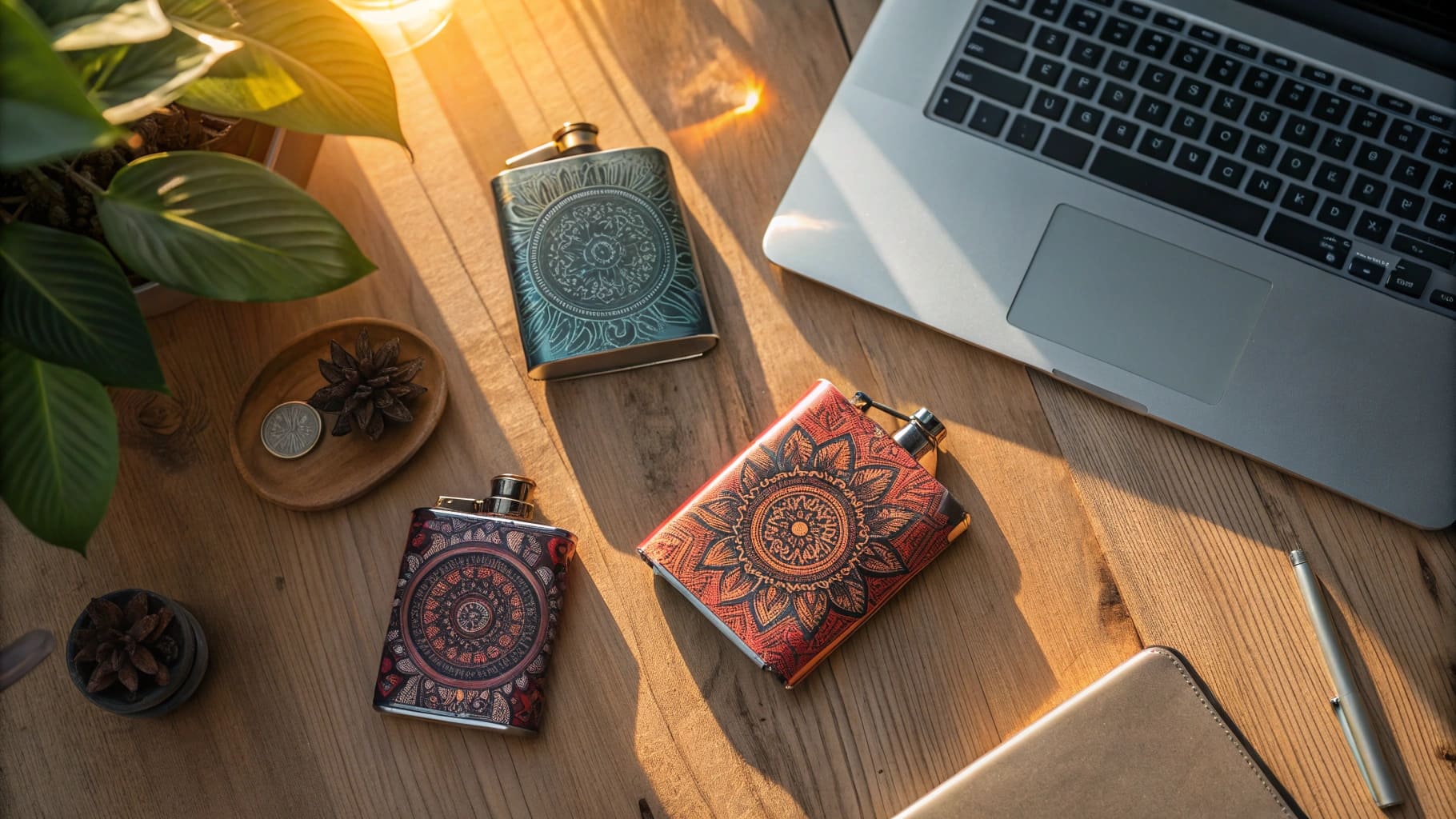
Cleaning matters at two separate stages: before first use and during regular maintenance. Many buyers assume the factory handles this completely. That is not always true. Residual manufacturing oils, metal particles from cutting or forming, and chemical compounds used during production can all remain on the interior surface3 if the manufacturer does not follow a proper cleaning protocol.
At OEM scale, the cleaning process before passivation is just as important as the passivation itself. Here is the standard multi-stage cleaning process that a reliable manufacturer should follow:
| Stage | Method | Purpose |
|---|---|---|
| Pre-clean | Alkaline detergent wash | Remove oils and surface debris |
| Acid passivation | Citric or nitric acid solution, 30–60 minutes | Strip free iron, build chromium oxide layer |
| Rinse | Deionized water flush | Remove all acid residue |
| Final dry | Controlled temperature environment | Prevent moisture-related contamination |
As a B2B buyer, you should ask your supplier directly whether they follow this process. Ask for their production SOP. Ask whether they use citric acid or nitric acid passivation, and ask how long the passivation stage runs. A supplier who can answer these questions clearly is a supplier worth trusting. One who cannot is a risk you don't need.
From a maintenance perspective, end users should clean flasks with warm water and baking soda after every few uses. Avoid soap with strong fragrances, as the interior can absorb the scent over time.4 Cleaning beads work well for flasks with narrow openings where a brush cannot reach the bottom corners. The goal is always to remove any residue without introducing new contaminants.
How to Dry the Inside of a Hip Flask?
You cleaned the flask correctly. Now what? Drying is the step most people rush, and rushing it creates a new set of problems.
To dry the inside of a hip flask, remove the cap and place the flask upside down on a clean absorbent cloth in a well-ventilated area. Allow it to air dry completely before sealing. Any trapped moisture can lead to odor buildup or bacterial growth over time.5
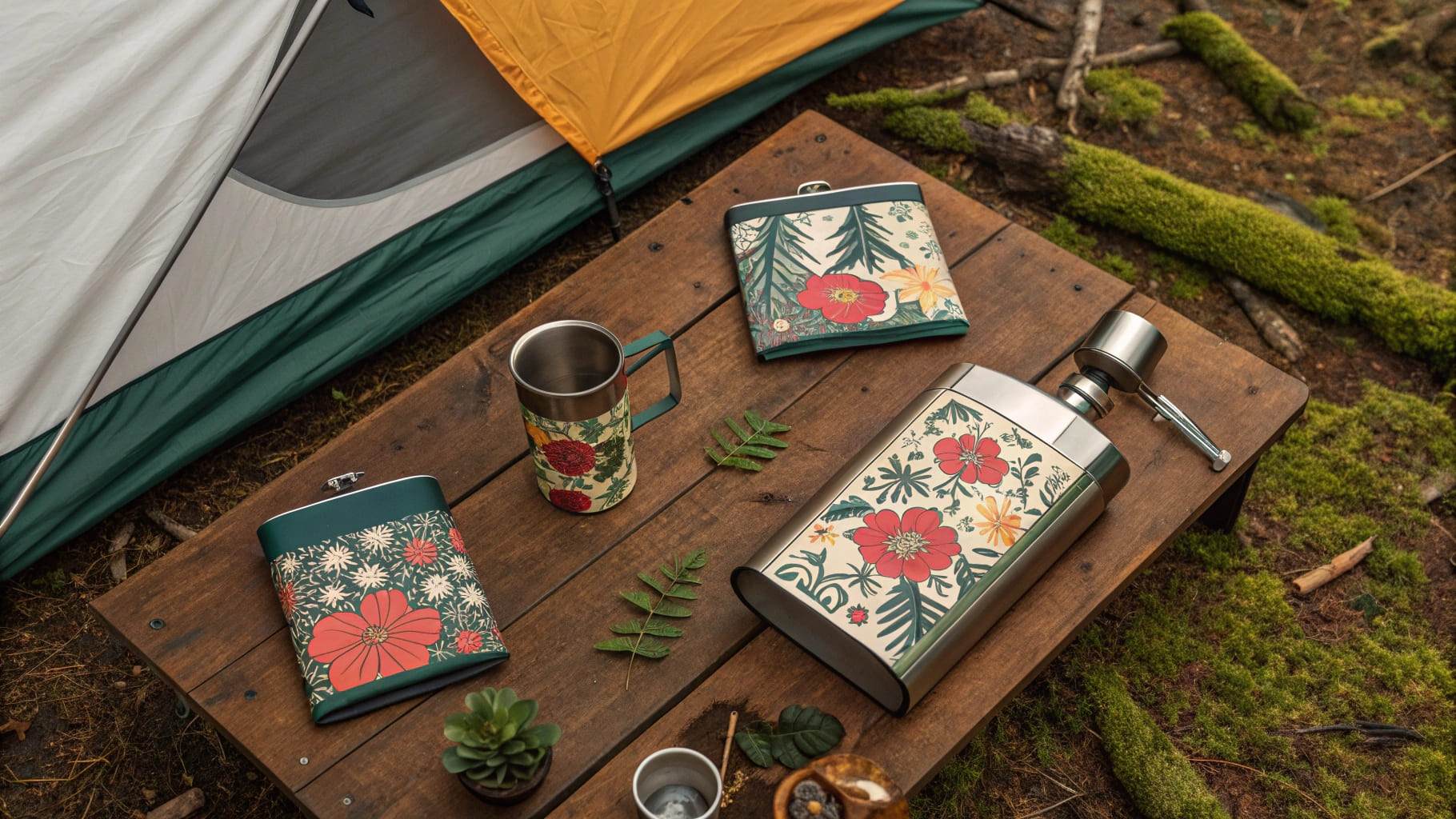
Moisture is the quiet enemy of stainless steel flasks. Even though stainless steel resists corrosion, standing water inside a sealed flask creates an environment where bacteria and mold can grow. This is especially true in warm climates or during summer storage. End users who seal a damp flask and leave it on a shelf for weeks will notice the difference when they open it again.
Here is a comparison of drying methods across different settings:
| Setting | Recommended Method | Notes |
|---|---|---|
| Home use | Upside down on cloth, cap off | Most accessible option |
| Commercial kitchen or bar | Compressed air or drying rack | Faster turnaround time |
| OEM post-production | Controlled temperature drying oven | Ensures zero moisture before packaging |
| Warehouse pre-shipment | Silica gel packet inside packaging | Absorbs ambient humidity during transit |
At the OEM level, the drying step after passivation is critical. If the interior is not fully dry before the flask is capped and packaged, moisture will be sealed inside during the entire shipping and storage period. By the time the buyer receives the product, the interior conditions have already changed. This is a production process issue, not a user error.
I always recommend asking your supplier whether they use any moisture control in their final packaging. Silica gel packets are inexpensive and effective. Their presence in the packaging tells you something important about how seriously the manufacturer takes the post-production process. Their absence tells you something too.
For end users, the simplest rule is this: never seal a flask that isn't completely dry. Leave the cap off overnight if necessary. That single habit prevents most of the odor and taste complaints that come from long-term storage.
Conclusion
Hip flasks change taste only when passivation or cleaning is done poorly. Understanding these processes helps B2B buyers source with confidence and protect their brand.
-
"Hip flask - Wikipedia", https://en.wikipedia.org/wiki/Hip_flask. Historical references on hip flasks describe them as small, flat portable vessels traditionally used for carrying alcoholic spirits on the person. Evidence role: historical_context; source type: encyclopedia. Supports: Hip flasks historically served as portable pocket containers for personal portions of spirits.. Scope note: The source may summarize general historical use rather than identify a single original inventor or design date. ↩
-
"[PDF] US Distributors' Promotional Products Sales - 2024 - PPAI", https://www.ppai.org/wp-content/uploads/2025/02/2024-PPAI-Sales-Volume-Report.pdf. Industry and market research on promotional products identifies drinkware and branded merchandise as common corporate-gifting and promotional categories, providing context for the commercial use of flasks. Evidence role: statistic; source type: research. Supports: Hip flasks are used in corporate gifting, promotional branding, and lifestyle accessory markets.. Scope note: This would support the broader promotional-products category and may not isolate hip flasks specifically. ↩
-
"Waste Minimization in Metals Parts Cleaning - epa nepis", https://nepis.epa.gov/Exe/ZyPURL.cgi?Dockey=100019IW.TXT. Manufacturing-cleanliness literature notes that machining and forming can leave oils, particulates, and chemical residues on metal components, which must be removed before final use in sensitive applications. Evidence role: mechanism; source type: research. Supports: Metal fabrication can leave oils, metal particles, and chemical residues on interior surfaces.. Scope note: The support is general to metal fabrication and cleanliness, not specific to every hip flask production line. ↩
-
"Chemistry Recommendations for Submissions of Food Contact ...", https://www.fda.gov/regulatory-information/search-fda-guidance-documents/guidance-industry-preparation-premarket-submissions-food-contact-substances-chemistry. Food-safety and cleaning guidance warns that fragrances and detergent residues can persist on food-contact containers and affect odor or flavor if not thoroughly rinsed. Evidence role: general_support; source type: government. Supports: Strongly fragranced soaps can leave residues or odors that affect a flask's smell or taste.. Scope note: This is contextual support for odor transfer from residues; stainless steel itself is relatively nonporous and is not typically described as absorbing scent in the way porous materials do. ↩
-
"Shelf-Stable Food Safety", http://www.fsis.usda.gov/food-safety/safe-food-handling-and-preparation/food-safety-basics/shelf-stable-food. Public-health guidance on cleaning and drying reusable food and drink containers states that moisture supports microbial growth and that items should be thoroughly dried before storage. Evidence role: mechanism; source type: government. Supports: Trapped moisture in a sealed flask can contribute to odor and microbial growth over time.. Scope note: The evidence supports the general microbial risk in damp containers, not a quantified risk for sealed hip flasks under all storage conditions. ↩