
Are Non-Insulated Water Bottles Viable for Promos?
You want branded bottles for your next campaign. But your budget is tight. And you're wondering if going non-insulated is a mistake you'll regret.
Non-insulated stainless steel water bottles are a strong fit for promotional programs. They cost 40–60% less per unit than insulated bottles. MOQs start as low as 500 units. For brand visibility at scale, they deliver real value without the premium price tag.

Most buyers I talk to ask the same question: "Should I pay more for insulated, or go with the cheaper option?" The answer depends on what you actually need the bottle to do. Let me break this down piece by piece so you can make a clear decision before you place your order.
What Is the Difference Between Insulated and Non-Insulated Water Bottles?
You see two bottles side by side. Same shape. Same size. One costs twice as much. You want to know why — and whether the price gap is worth it.
The core difference is wall construction. A non-insulated bottle has one layer of stainless steel. An insulated bottle has two layers with a vacuum-sealed space in between.1 That vacuum blocks heat transfer. One layer is simpler, lighter, and cheaper to make.
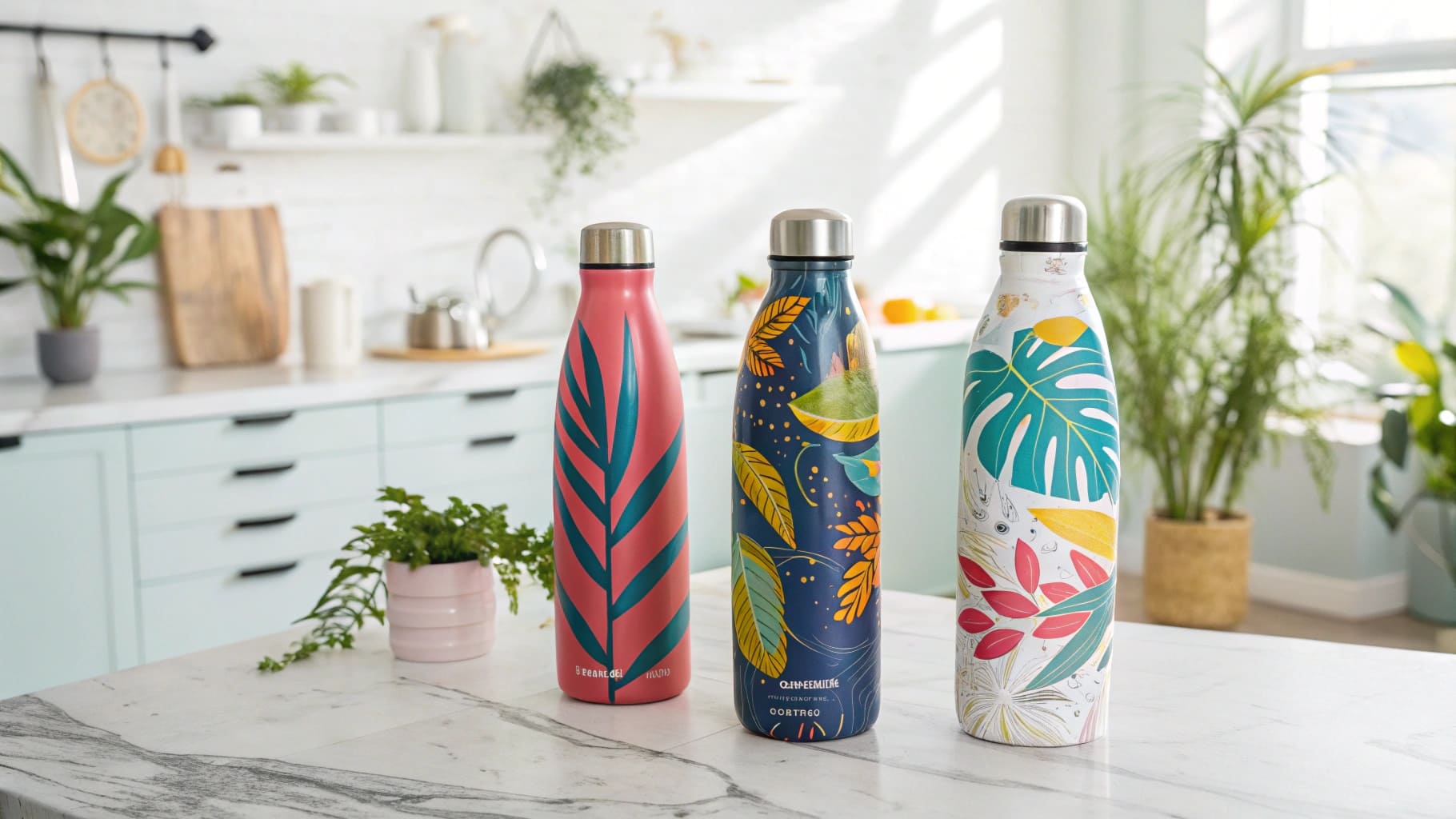
How Wall Construction Affects What You Pay and What You Get
The wall structure of a bottle determines almost everything downstream: the manufacturing cost, the shipping weight, and the end-user experience.
Here is a direct comparison:
| Feature | Non-Insulated (Single-Wall) | Insulated (Double-Wall) |
|---|---|---|
| Wall layers | 1 | 2 + vacuum |
| Temperature retention | Low | High (6–12 hours) |
| Weight | Light | Heavier |
| Unit cost | Lower | 40–60% higher |
| Typical MOQ | 500–1,000 units | 500–1,000 units |
| Shipping cost per unit | Lower | Higher |
| Best use case | Indoor, short events | Outdoor, daily carry |
Non-insulated bottles work well in environments where temperature retention is not the point. Think office onboarding kits, trade show giveaways, gym promotions, or short-duration events. In these settings, the bottle's job is to carry your logo and get used. It does not need to keep coffee hot for eight hours.
I have seen companies spend their entire promo budget on 200 insulated bottles when they needed 1,000 touchpoints. The math does not work in their favor. More units in more hands means more brand exposure. A non-insulated bottle at a lower price point lets you spread that budget further without cutting corners on print quality or finishing.
One more thing: lighter bottles cost less to ship. When you are sending 1,000 units across multiple locations, that weight difference adds up fast.
Which Property of Material Is Most Relevant When Designing a Water Bottle?
You find a supplier offering bottles at a very low price. No certifications listed. No material grade mentioned. You wonder if it matters.
It does. The material grade determines whether the bottle is safe to use daily, whether it will rust, and whether it will pass customs in your country. Food-grade 304 stainless steel is the standard you should insist on.2
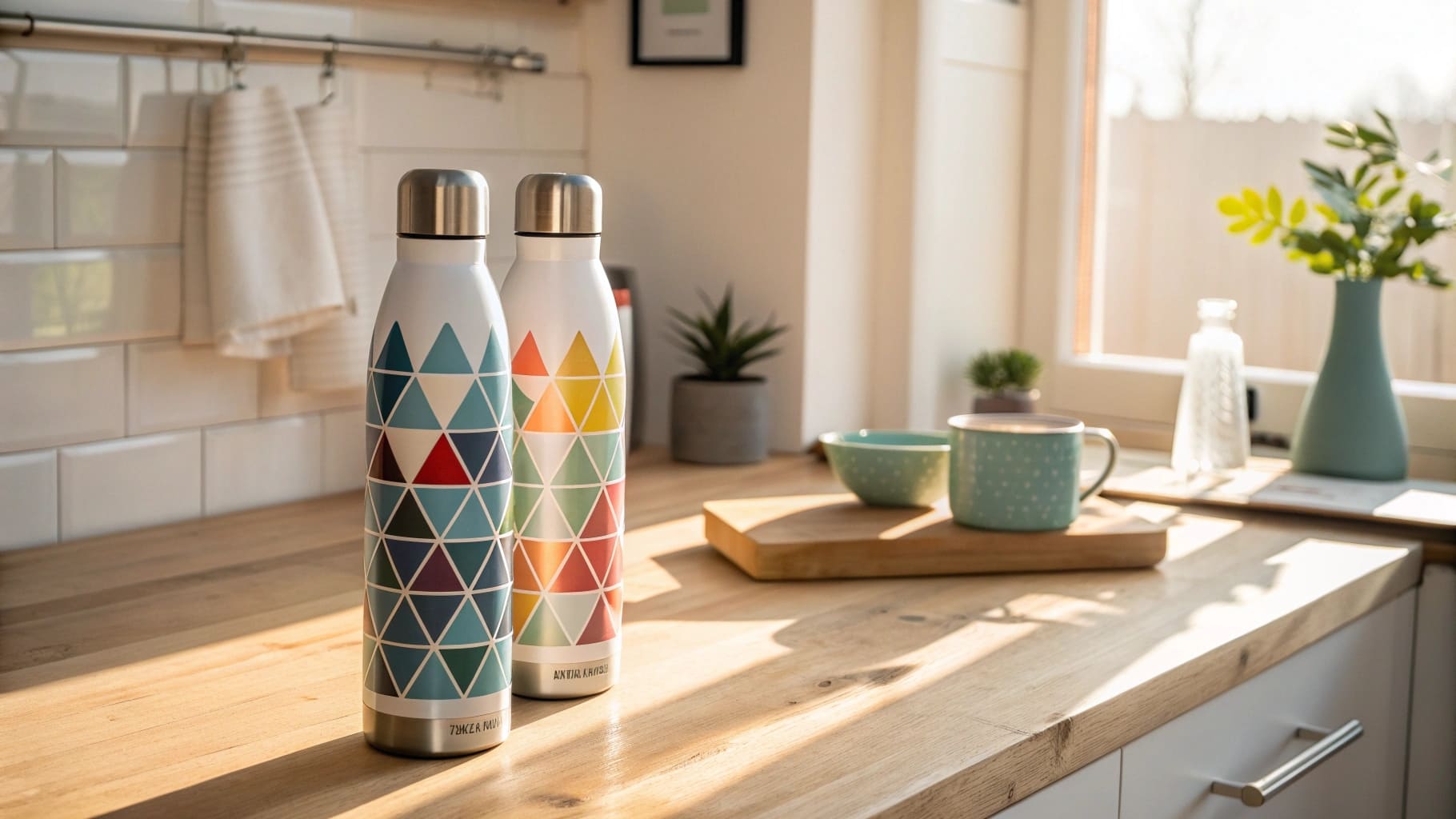
Why Material Grade and Safety Certification Come Before Everything Else
When I evaluate any bottle for promotional use, material safety is the first filter. It is not negotiable.
Here is what the main grades look like in practice:
| Material | Grade/Type | Corrosion Resistance | Cost Level | Common Certification |
|---|---|---|---|---|
| Stainless Steel | 304 (18/8) | High | Mid | FDA, LFGB |
| Stainless Steel | 316 (18/10) | Very High | Premium | FDA, LFGB |
| Aluminum | Food-grade | Medium (needs coating) | Low–Mid | FDA |
| Tritan Plastic | BPA-free | High | Low–Mid | FDA |
| Glass | Borosilicate | Very High | High | FDA, LFGB |
Food-grade 304 stainless steel is the most practical choice for bulk promotional orders. It resists rust and corrosion under daily use. It meets FDA requirements. It does not add a metallic taste to water. And it costs less than 316 grade, which is typically reserved for medical or marine applications.3
I always ask suppliers for the material test report and the certification documents before I approve a sample. Certificate fraud is a real problem in this industry. I have heard from buyers who received bottles labeled as 304 stainless steel that tested as a lower, non-food-grade alloy. Always request a third-party test report — not just a certificate the supplier printed themselves.
For promo bottles, 304 stainless steel gives you the right balance of safety, durability, and cost. It is the grade I recommend to every buyer running a large-volume campaign.
What Is the Alternative to Stainless Steel Water Bottles?
Your client wants something different. Or your budget pushes you toward other materials. You want to know what else is on the table and whether it is worth considering.
Three materials show up most often as alternatives: Tritan plastic, aluminum, and glass. Each one fits a different use case. The wrong choice for your campaign can hurt both the product experience and your brand image.
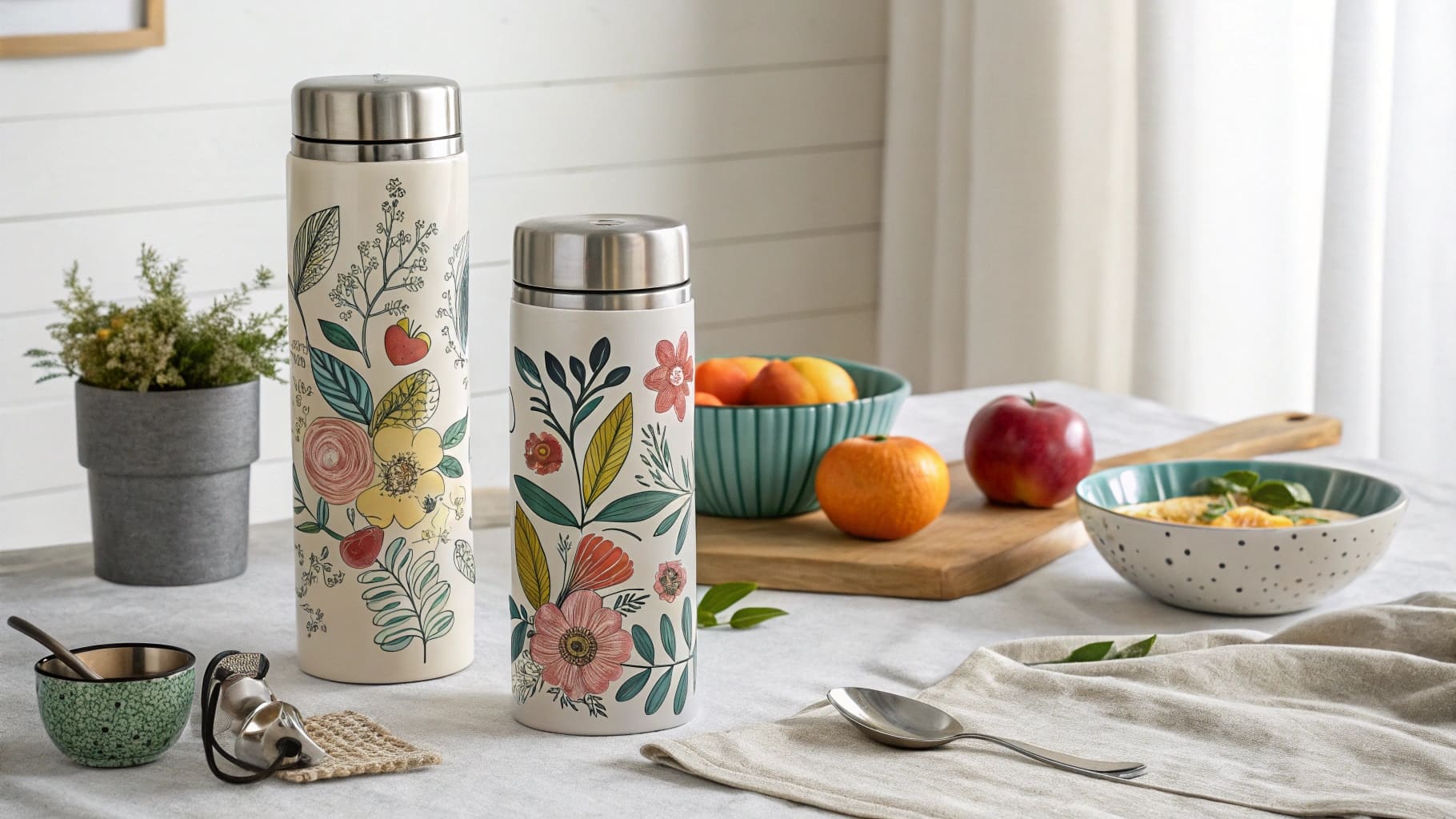
How Tritan, Aluminum, and Glass Compare to Stainless Steel for Promos
Each alternative material has a real strength. But each also comes with a trade-off you need to know before you commit.
| Material | Key Strength | Key Weakness | Best Promo Fit |
|---|---|---|---|
| Tritan Plastic | Lightweight, transparent, BPA-free | Less durable, not premium feel | Health brands, lightweight giveaways |
| Aluminum | Printable surface, low cost | Needs interior coating, dents easily | Budget campaigns, outdoor events |
| Glass | Premium look and feel | Heavy, breakable, higher shipping cost | Corporate gifts, small-batch campaigns |
| Stainless Steel (304) | Durable, safe, reusable | Heavier than plastic | Most promo use cases |
Tritan plastic is popular with buyers who want a bottle that shows the liquid inside or want to keep the weight very low. It is BPA-free and passes FDA testing. But it does not carry the same perceived quality as stainless steel. In a crowded promotional market, product feel matters.
Aluminum is the lowest-cost metal option. It takes printed graphics well, which makes it attractive for campaigns that need strong visual branding. The problem is the interior. Aluminum reacts with acidic drinks, so manufacturers apply an interior coating. If that coating chips or wears down, the bottle becomes unusable. For a one-time event giveaway, this may not matter. For a product meant to build long-term brand association, it is a real risk.
Glass looks premium and feels premium. But it is fragile, heavy, and expensive to ship safely. I would only recommend it for small-batch corporate gifts where the unit economics support the higher cost.
For most promotional programs — especially at volumes above 500 units — stainless steel 304 is still the most reliable choice. It lasts, it looks good, and it will not create customer complaints after the campaign ends.
Conclusion
Non-insulated stainless steel bottles are a smart promo choice. Lower cost, lighter weight, and higher volume. Match the bottle to the use case, and the ROI follows.
-
"Vacuum flask - Wikipedia", https://en.wikipedia.org/wiki/Vacuum_flask. A technical description of vacuum flasks supports the distinction between single-wall containers and double-wall vessels separated by an evacuated space for insulation. Evidence role: definition; source type: encyclopedia. Supports: Non-insulated bottles use a single wall, while insulated bottles use double-wall vacuum construction.. ↩
-
"Different types of stainless steel used in equipment in meat plants do ...", https://pmc.ncbi.nlm.nih.gov/articles/PMC4445520/. Food-contact materials guidance and stainless-steel references identify 304 stainless steel as a common austenitic grade used in food-processing and food-contact applications, supporting its relevance for reusable bottles. Evidence role: expert_consensus; source type: institution. Supports: Food-grade 304 stainless steel is a common standard material choice for reusable promotional water bottles.. Scope note: The source supports common suitability of 304 stainless steel for food-contact uses, not automatic compliance of every finished bottle or coating with all jurisdictions. ↩
-
"Marine grade stainless - Wikipedia", https://en.wikipedia.org/wiki/Marine_grade_stainless. Materials references note that Type 316 stainless steel contains molybdenum and is used where improved chloride corrosion resistance is needed, including marine and some medical or surgical applications. Evidence role: general_support; source type: institution. Supports: 316 stainless steel is commonly associated with marine and medical applications because of its corrosion resistance.. Scope note: 316 is not exclusively reserved for these sectors; it is also used in chemical, food-processing, and architectural applications. ↩
