
Are 500ml Hip Flasks Viable in 2026?
Buyers are confused. A 500ml hip flask sounds too big to be a hip flask and too small to be a water bottle. That confusion is costing you sales.
A 500ml hip flask sits between a traditional liquor flask and a portable water bottle. It works best as a premium gift item or outdoor accessory. For B2B buyers, viability depends on your channel — retail shelf, gift market, or corporate gifting. Choose the right one and this size makes sense.
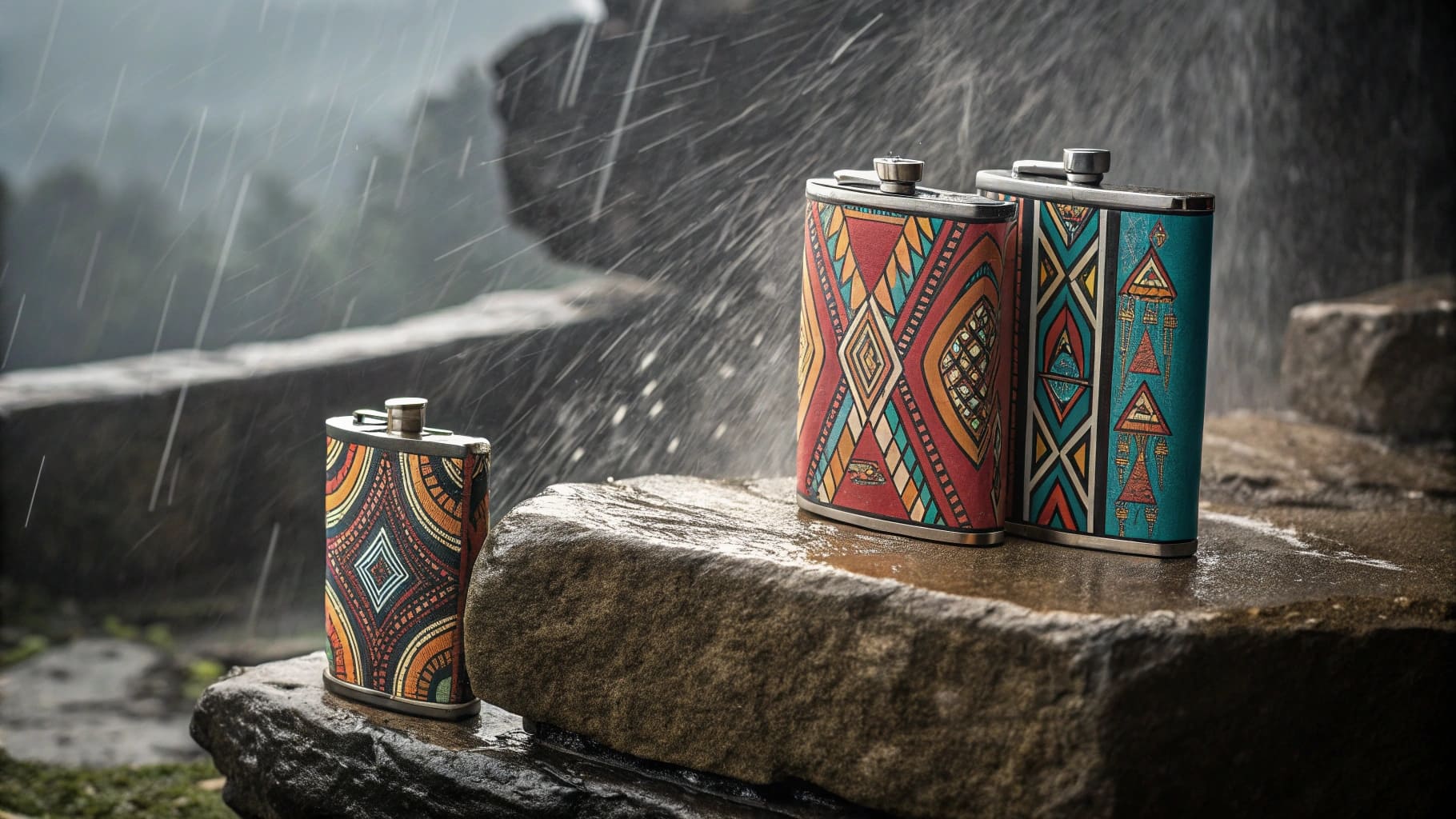
The traditional hip flask market has not changed much in decades. Most buyers still think 180ml to 240ml when they hear "hip flask." But something is shifting. Outdoor brands, gift companies, and corporate buyers are asking for something bigger — something that still feels premium but holds more. The 500ml size is filling that gap. The question is whether it fits your business in 2026.
What Is the Best 500ml Flask?
Most 500ml flasks look the same online. You order a sample, it leaks on arrival, and you are back to searching again.
The best 500ml flask uses 304 food-grade stainless steel, a leak-proof screw cap, and a curved body that fits the hand naturally. It should pass standard Western market compliance checks and hold temperature for at least six hours. Anything short of that is a risk to your brand.
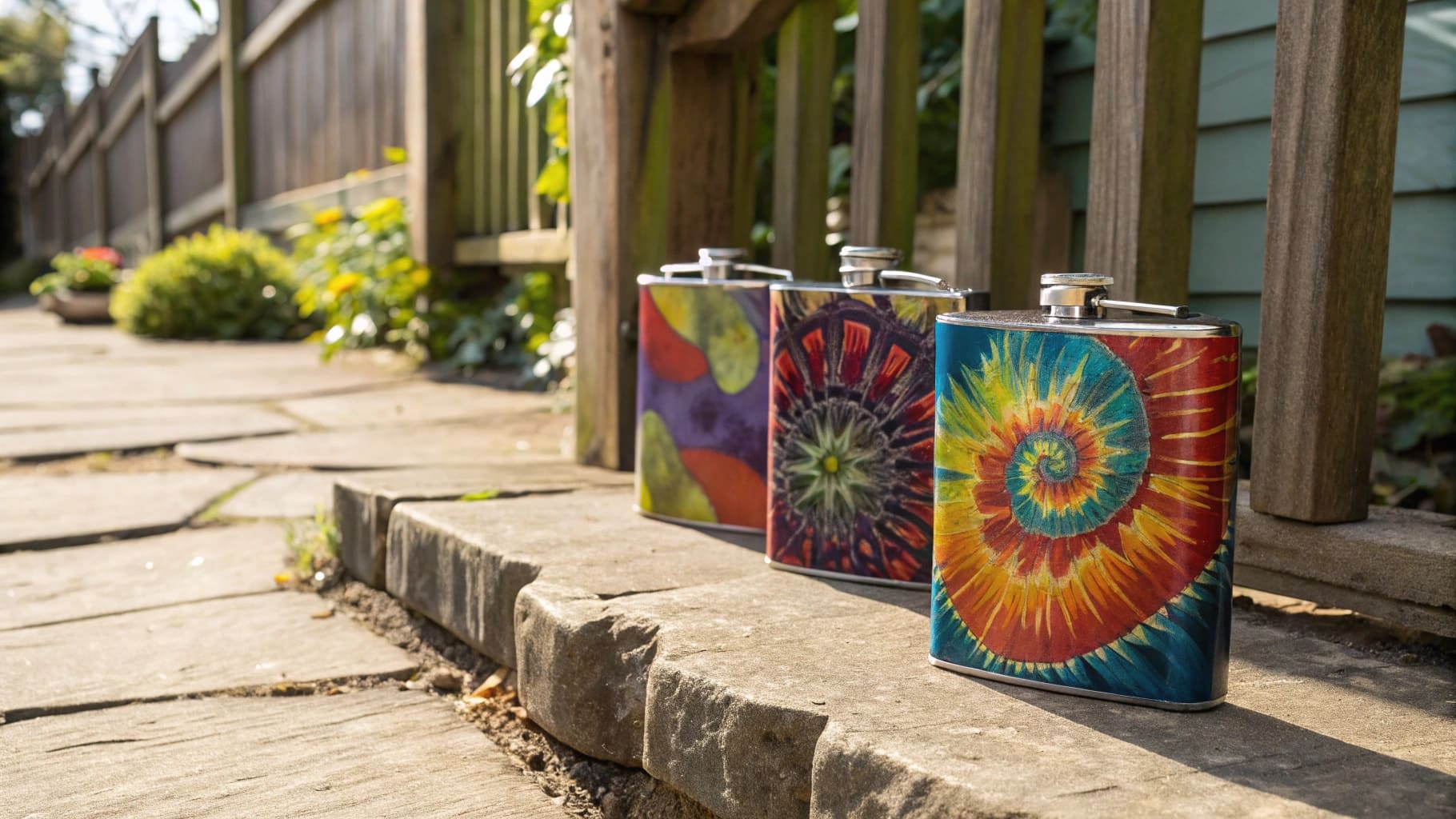
Choosing the best 500ml flask is not just about the steel grade. It is about what the product needs to do in your market. Here is how I break it down for B2B buyers.
What Should You Look for in a 500ml Flask?
The core specs matter most. If the base product fails, no amount of branding saves you.
| Feature | What to Look For |
|---|---|
| Steel Grade | 304 food-grade stainless steel minimum |
| Cap Type | Screw cap with leak-proof silicone seal |
| Body Shape | Curved, contoured for hand or hip fit |
| Surface Finish | Brushed, matte powder coat, or mirror polish |
| Certifications | LFGB, FDA, or CA Prop 65 depending on your market1 |
Beyond specs, pay attention to how the supplier handles compliance. I have seen suppliers provide certificates that do not match the actual product batch. Always ask for test reports tied to the specific production run, not a generic document from two years ago. This is one of the most common problems buyers in North America and Europe run into when sourcing from overseas.
For retail buyers, the finish and feel matter as much as the spec sheet. A flask that looks cheap in a person's hand will not move off the shelf, no matter how competitive your price is. Ask for a physical sample before placing any bulk order. A good supplier will not push back on this request.
What Is the Difference Between a Flask and a Hip Flask?
They look similar in photos. But once you hold them side by side, the difference is obvious — and it changes how you sell them.
A standard flask has a straight or cylindrical body. A hip flask has a curved, contoured shape designed to sit flat against the hip or chest2. The curved body is the defining feature, and it is what makes hip flasks feel personal and wearable rather than just functional.
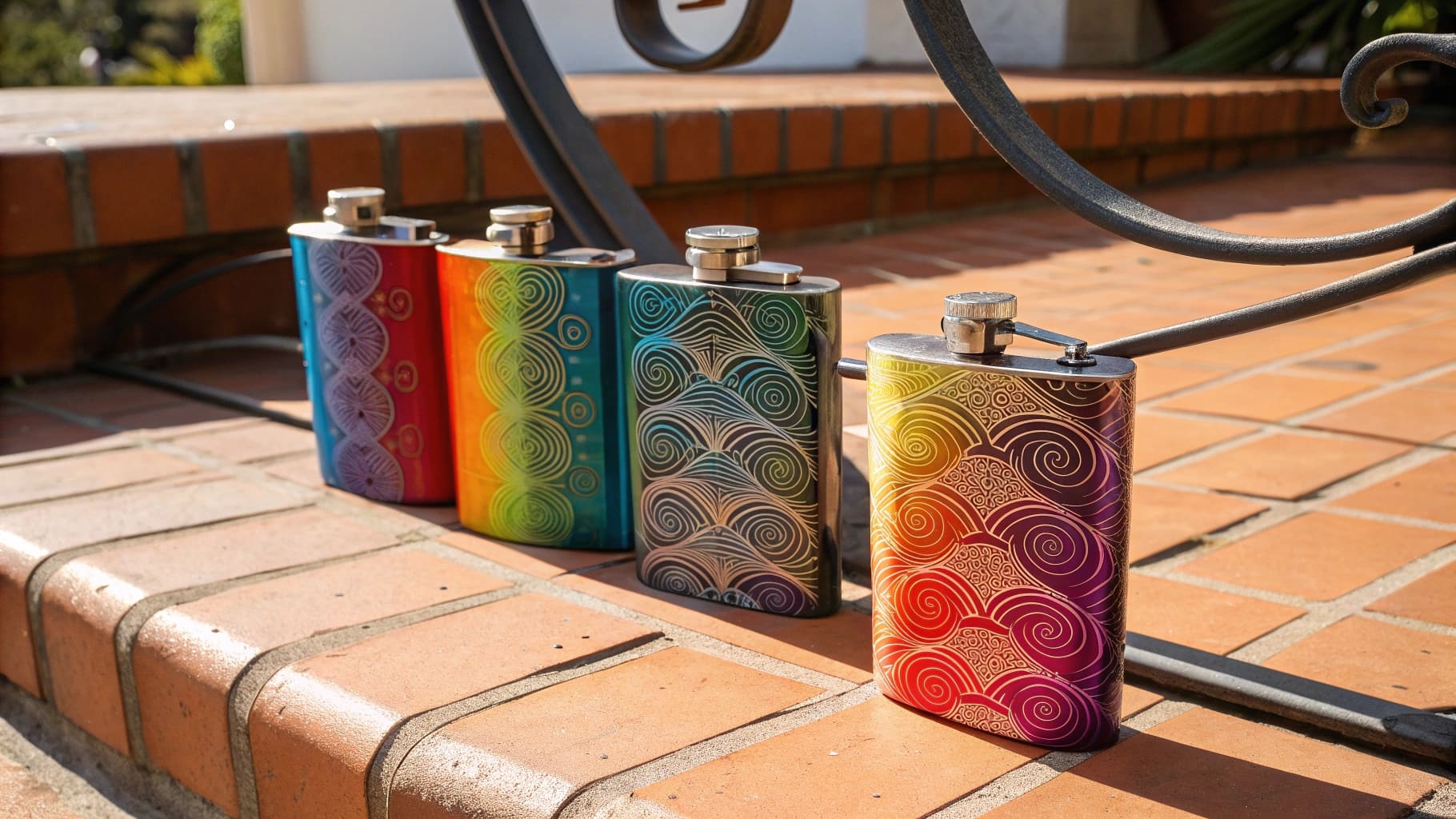
This distinction matters more than most B2B buyers realize, especially at the 500ml size. Here is why.
Does the Shape Affect Shelf Appeal and Gift Positioning?
Yes. The shape directly affects how a customer perceives the product and how much they are willing to pay for it.
A straight 500ml flask reads as a utility bottle. It competes with water bottles. Margins are tighter and positioning is harder. A curved 500ml hip flask reads as a lifestyle accessory. It competes with premium barware and gift sets. Margins are better and the story is easier to tell.
| Body Type | Perceived Category | Typical Retail Price Range | Best Channel |
|---|---|---|---|
| Straight / Cylindrical | Utility bottle | $10 – $18 | Mass retail, online |
| Curved / Contoured | Premium lifestyle accessory | $25 – $45 | Gift shops, corporate, DTC |
At Icobottle, I work with buyers who initially request straight-body flasks because the tooling cost is lower. But when I show them side-by-side samples, most switch to the curved design for the 500ml size. The price difference at factory level is small. The difference at retail is significant.
The curved body also creates a natural anchor point for branding. A laser-engraved logo or custom powder coat color reads better on a contoured surface. If you are building a private label product, the hip flask shape gives you more to work with visually.
How Many ml Are in a Standard Hip Flask?
Most people assume hip flasks are small. They are right — for traditional ones. But the category is expanding, and the numbers tell an interesting story.
A standard hip flask holds between 180ml and 240ml3. That range covers most classic stainless steel hip flasks sold in North America and Europe. The 500ml size is not standard — it is a deliberate stretch of the category into new market territory.
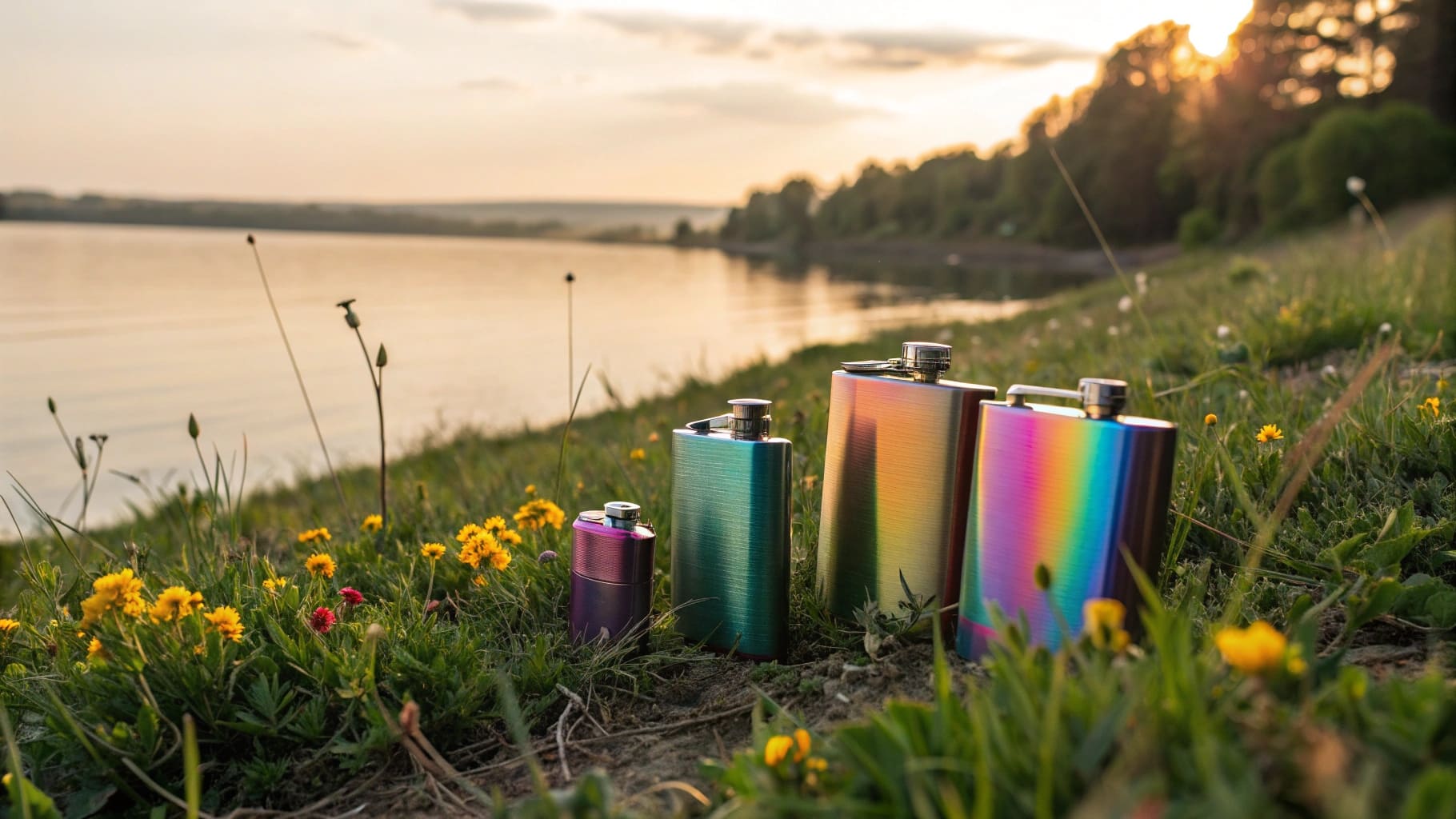
Understanding where 500ml sits in the capacity range helps you position it correctly and avoid common sourcing mistakes.
How Does Capacity Affect Market Positioning?
Capacity is not just a volume measurement. It signals use case, audience, and price point.
| Capacity | Common Use Case | Target Audience | Typical Retail Price |
|---|---|---|---|
| 120ml – 180ml | Discreet personal use, travel | Individual buyers, gift market | $12 – $22 |
| 200ml – 240ml | Standard social use | General consumers, gift buyers | $18 – $30 |
| 360ml – 500ml | Outdoor, festivals, premium gifting | Outdoor enthusiasts, corporate buyers | $25 – $45 |
| 600ml+ | Crossover with water bottle | Sports and utility buyers | $20 – $35 |
The 500ml size sits at the top of the hip flask range before it crosses into water bottle territory. This is both an opportunity and a risk. The opportunity is a higher retail price point with better margin potential. The risk is that buyers who are not briefed on the positioning will place it wrong — next to 180ml flasks on a shelf, where it looks oversized and overpriced.
For B2B buyers building a private label range, I recommend treating the 500ml hip flask as a standalone SKU with its own packaging and messaging, not as part of a standard flask assortment. It needs context to sell. That context is built through the gift box, the product description, and the visual story you attach to it.
Are 500ml Hip Flasks Shelf-Ready and Gift-Boxable?
Retail buyers ask this every time. A great product in a bad box still loses on the shelf.
At the 500ml size, packaging is not optional — it is part of the product. A plain polybag or standard brown box will not move this item at the $25 to $45 retail price point. The packaging needs to match the premium feel of the flask itself.
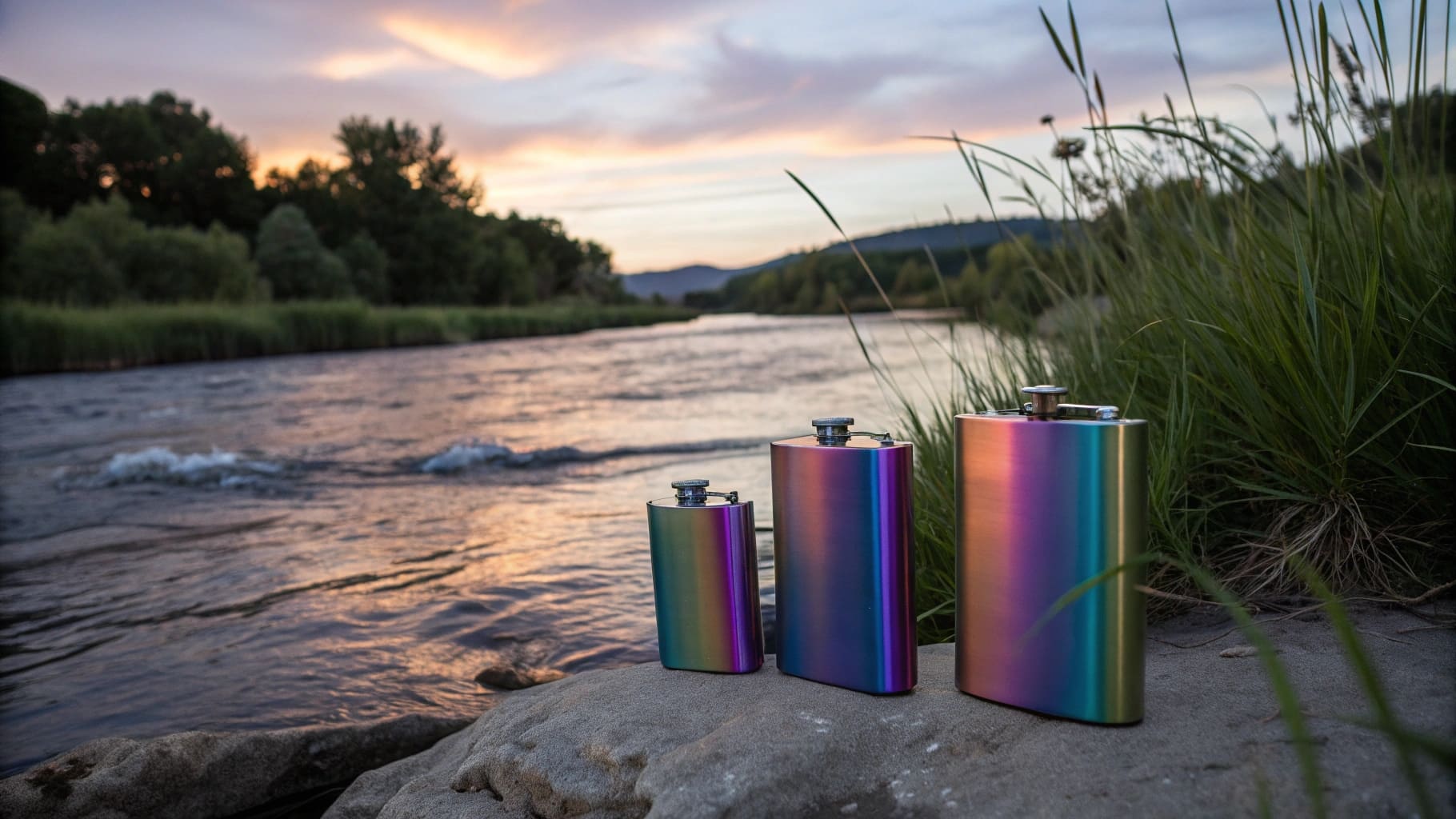
Here is what the market expects in 2026 and how to match your packaging to your channel.
What Packaging Works Best for a 500ml Hip Flask?
The gift box does a lot of work. It signals price point before the customer even touches the product.
| Packaging Type | Best For | Cost Impact | Retail Price Support |
|---|---|---|---|
| Magnetic closure box with foam insert | Premium retail, DTC, corporate gifting | Medium-high | $30 – $45 |
| Wooden presentation case | Ultra-premium, executive gifting | High | $45+ |
| Kraft paper gift box with ribbon | Mid-range gift shops, online | Low-medium | $22 – $32 |
| Retail hang tag with clear window box | Mass retail, impulse purchase | Low | $18 – $25 |
I work with buyers who want to launch at $35 retail but come to me asking for the cheapest box option. That combination does not hold up on a shelf. Customers are willing to pay more when the unboxing experience matches the product quality4. If your flask is 304 steel with a clean finish and a custom logo, the box needs to tell the same story.
At Icobottle, I regularly help buyers select packaging that fits their target retail price without pushing factory cost out of range. Magnetic closure boxes with foam inserts are the most requested option for the 500ml size in the North American and European markets right now. They look premium, protect the product during shipping, and give you a surface for brand printing on the outside of the box.
For corporate gifting buyers, wooden presentation cases are worth considering for orders above a certain volume. The cost per unit is higher, but it opens the door to executive gift programs and premium event giveaways where buyers expect a luxury feel.
What MOQ Tiers Should You Expect for 500ml Hip Flasks?
MOQ is where deals fall apart. Too high and you cannot test the market. Too low and the price kills your margin.
Most reputable manufacturers in China start at 500 to 1,000 units for stock 500ml hip flask designs. Custom branding — laser engraving, powder coat color, or printed packaging — usually requires 3,000 units or more to bring the unit price into a competitive range.
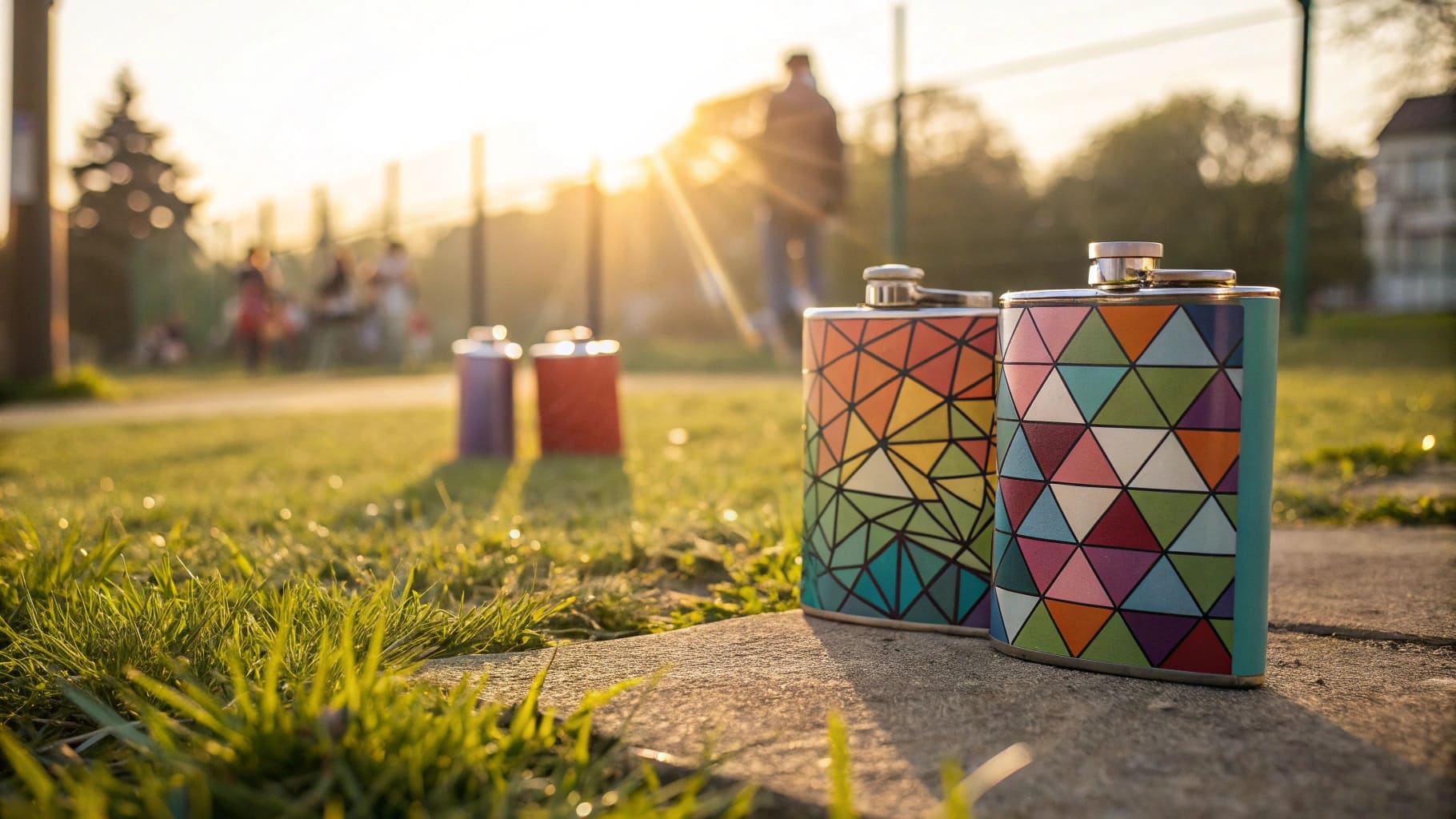
But MOQ is not a fixed wall. It is a starting point for a conversation. Here is how to navigate it.
How Do MOQ Tiers Work and What Should You Negotiate?
MOQ tiers exist because of production efficiency, not because suppliers are being inflexible. Understanding the logic helps you negotiate better.
| Order Volume | Typical Unit Price Range | Customization Options | Lead Time |
|---|---|---|---|
| 500 – 999 units | Higher per unit cost | Stock design, basic logo | 25 – 35 days |
| 1,000 – 2,999 units | Mid-range cost | Laser engraving, single color coat | 30 – 40 days |
| 3,000 – 4,999 units | Competitive cost | Full color, custom packaging | 35 – 45 days |
| 5,000+ units | Best pricing | Full custom, premium packaging included | 40 – 50 days |
For buyers who are testing the 500ml hip flask for the first time, I recommend starting at 500 to 1,000 units with a stock design and a simple logo. This keeps your upfront cost low and gives you real market data before you commit to a larger run with custom packaging and color.
One thing I tell buyers at Icobottle: always plan your order timing around your peak sales season, not around when you feel ready to order. If your peak is Q4 — holiday gifting, Christmas, corporate year-end — you need to place your order by early Q3 at the latest to account for production and shipping. Delayed shipments are one of the most damaging problems for small to mid-size importers, and they almost always come down to underestimating lead time.
If a supplier is promising very short lead times at low MOQs, ask specific questions. Which parts are in stock? Is the packaging included in that lead time? What happens if a quality check fails mid-production? A supplier who answers these questions clearly is a supplier worth working with.
Conclusion
The 500ml hip flask is viable in 2026 — but only when positioned right. Match your channel, nail your packaging, and plan your MOQ with your peak season in mind.
-
"Food Packaging & Other Substances that Come in Contact with Food", https://www.fda.gov/food/food-ingredients-packaging/food-packaging-other-substances-come-contact-food-information-consumers. Official regulatory materials describe EU/German food-contact requirements, U.S. FDA food-contact rules, and California Proposition 65 warning obligations, supporting the claim that compliance expectations vary by target market. Evidence role: definition; source type: government. Supports: Relevant compliance checks for flasks may include LFGB, FDA food-contact requirements, or California Proposition 65 depending on market.. Scope note: FDA and Proposition 65 are regulatory frameworks rather than ordinary product certifications, so wording should distinguish compliance from certification. ↩
-
"Hip flask - Wikipedia", https://en.wikipedia.org/wiki/Hip_flask. Historical and reference descriptions define hip flasks as small vessels, often curved, intended to be carried close to the body in a pocket or against the hip, supporting the shape-based distinction from ordinary bottles. Evidence role: definition; source type: encyclopedia. Supports: A hip flask has a curved, contoured shape designed to sit flat against the hip or chest.. Scope note: Definitions may vary and may not require curvature for every product marketed as a hip flask. ↩
-
"Which hip flask capacities are winning in 2026: 6oz vs 8oz ... - Icobottle", https://icobottle.com/which-hip-flask-capacities-are-winning-in-2026-6oz-vs-8oz-for-wholesale/. Reference descriptions and common capacity conversions for traditional 6–8 oz hip flasks align with approximately 177–237 ml, supporting the stated standard range. Evidence role: definition; source type: encyclopedia. Supports: A standard hip flask holds between 180ml and 240ml.. Scope note: The range reflects common market convention rather than a legally defined standard capacity. ↩
-
"Willingness to pay a premium for eco-label products in China - PMC", https://pmc.ncbi.nlm.nih.gov/articles/PMC11730583/. Packaging and consumer-experience research links premium packaging, tactile cues, and perceived quality with higher perceived value and willingness to pay, supporting the role of packaging in price acceptance. Evidence role: general_support; source type: paper. Supports: Customers may be willing to pay more when packaging and unboxing experience align with product quality.. Scope note: The evidence would be contextual and would not validate a specific $25–$45 retail price for 500 ml hip flasks. ↩
