
What AQL catches lid seal leaks on 40oz bottles before shipment in 2026?
I see buyers lose peak-season sales when one lid leaks. The defect looks small, but it spreads fast, and the brand pays for it.
For 40oz bottles, I set lid seal leaks as a critical defect with AQL 0.65 or stricter. In practice, I expect zero leaking samples, plus pressure testing, vacuum testing1, and often full inline leak testing before shipment.
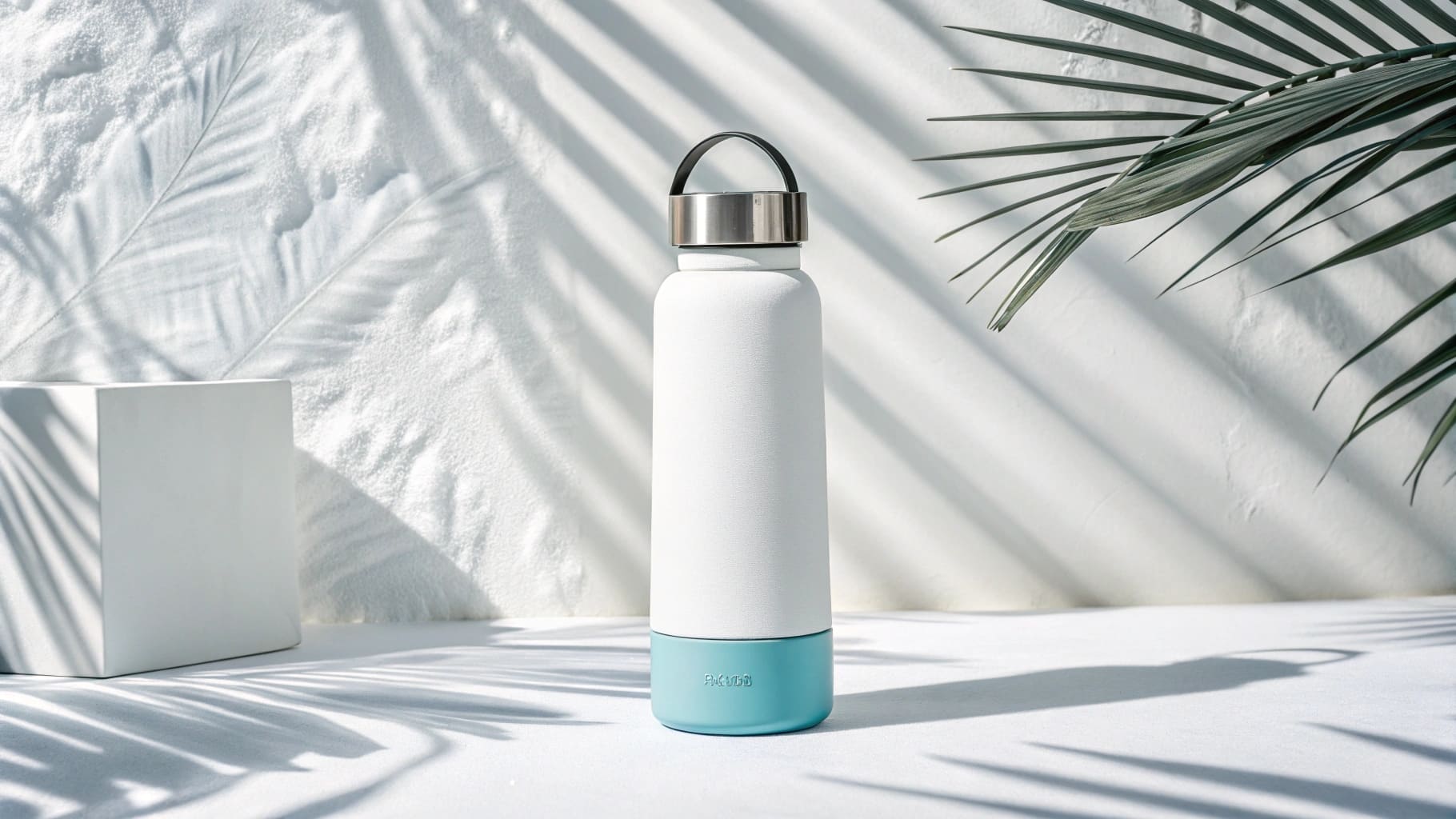
I do not treat lid leakage as a normal quality issue. I treat it as a brand risk. A small scratch may sit on one shelf. A leaking bottle travels through reviews, returns, and distributor complaints2. When I work on stainless steel water bottle orders, I separate seal leaks from cosmetic defects. I may accept AQL 2.5 for small surface marks, if the buyer agrees. I do not use that same thinking for lid seals. A 40oz bottle holds more liquid, more weight, and more pressure on the closure3. So I ask one direct question before shipment: can this bottle survive real use, not just a quick factory check?
How to seal plastic bottle leakage?
I often see leakage start at the plastic lid, not the steel body. The buyer blames the bottle, but the seal system caused the failure.
To seal plastic bottle leakage, I check the gasket, cap thread, lid torque, and sealing groove. I replace weak silicone rings, remove burrs, control lid fit, and retest the filled bottle under pressure before packing.
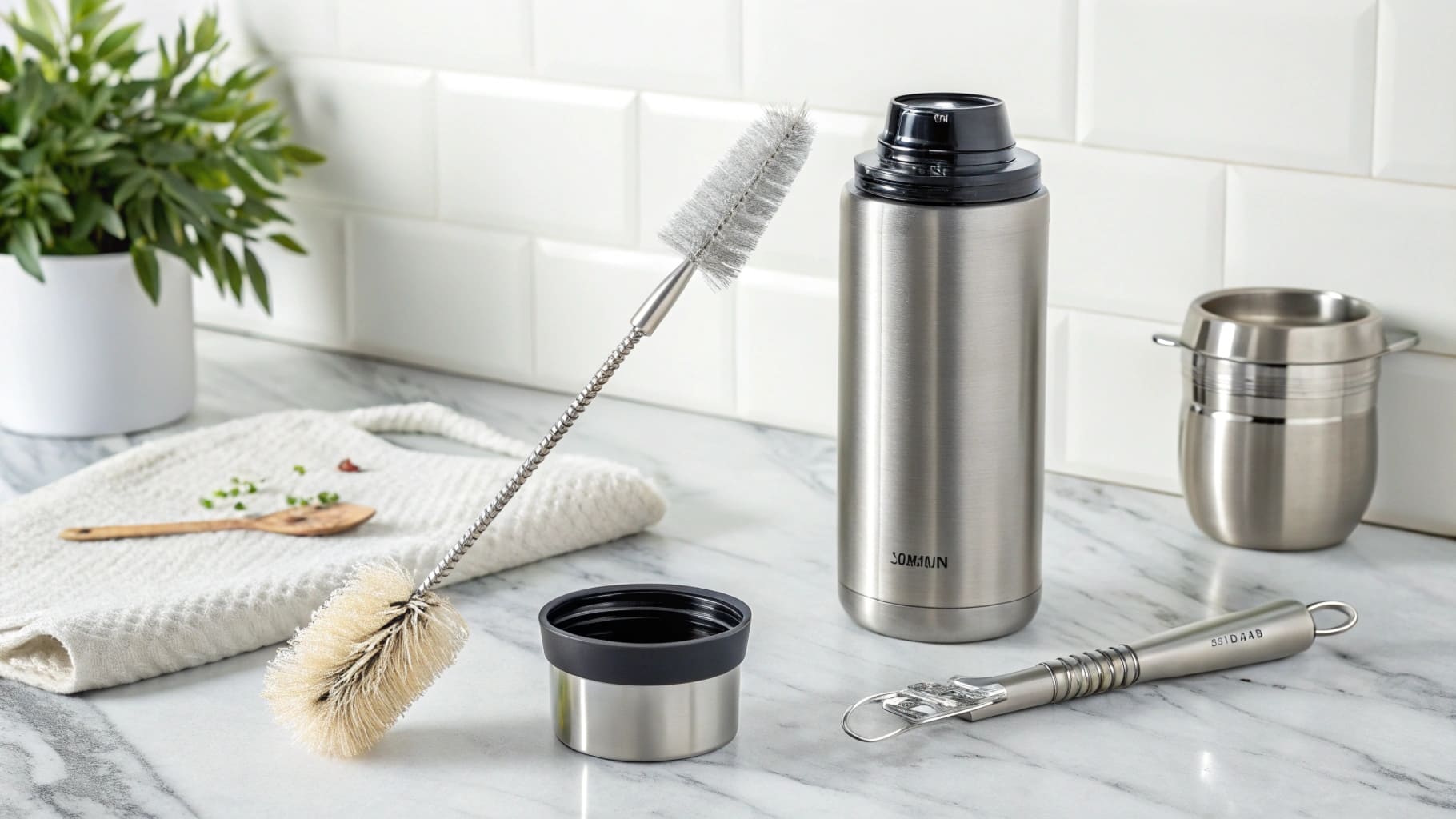
I start with the real leak path
When I inspect a leaking bottle, I do not guess first. I trace the leak path. Many 40oz stainless steel bottles use a stainless body with a plastic lid, a silicone gasket4, and sometimes a straw or flip part. Each part can fail. The most common issue is not the main bottle body. It is a loose gasket, uneven lid thread, weak gasket material, or a small plastic burr inside the groove. I have seen samples pass a quick shake test and still leak after a drop test. That is why I do not accept a simple “no leak by hand” report from a supplier.
| Leak area I check | What I look for | What I ask the factory to do |
|---|---|---|
| Silicone gasket | Loose fit, wrong hardness, poor recovery | Replace the gasket and confirm material data |
| Plastic thread | Rough edge, short thread, poor match | Adjust mold or reject bad lids |
| Lid groove | Dirt, flash, uneven depth | Clean, trim, or remake the part |
| Straw hole or vent | Weak plug, poor insert fit | Test each assembled lid |
| Cap torque | Too loose or too tight | Set a clear torque range |
I link sealing work to AQL control
I use AQL 0.65 or stricter for lid seal leaks because leakage is a critical defect. I do not want a statistical plan that allows leaking units to pass as normal goods. For large orders, I prefer full inline leak testing. The factory can still use AQL sampling for final inspection, but the production line should already catch most failures before that stage. In my view, the AQL check is the last gate. It is not the full quality system.
I ask for tests that copy real use
A 40oz bottle faces more stress than a small office bottle. The liquid pushes harder during transport. The lid receives more force when the bottle falls inside a gym bag or car trunk. I ask the factory to fill the bottle, close the lid, invert it, shake it, pressurize it, and test it after temperature change. I also ask them to check the same design after hot water exposure, because plastic and stainless steel expand in different ways5. A seal that looks tight at room temperature can open after heat and cooling.
What makes a water bottle leak proof?
I see many suppliers say “leak proof” too early. A bottle is leak proof only when design, material, assembly, and testing work together.
A water bottle becomes leak proof when the lid has a stable gasket, accurate threads, correct compression, strong plastic parts, and verified testing under pressure, drop, heat, and transport conditions.
I judge the seal before I judge the look
A beautiful 40oz bottle can still be a bad product if the lid fails. I look at the seal design before I look at the surface finish. A strong leak proof design starts with the gasket. The silicone ring must sit in a clean groove. It must compress enough to block liquid. It also must recover after repeated use. If the gasket becomes flat too fast, the bottle may pass the first inspection and fail after the customer uses it for a short time. This is why I ask for gasket hardness and compression set data when the project is important.
| Part of the bottle | Why it matters | My inspection focus |
|---|---|---|
| Silicone gasket | It creates the main seal | I check fit, hardness, smell, and recovery |
| Lid thread | It controls pressure on the gasket | I check smooth closing and even contact |
| Plastic lid body | It holds the whole seal shape | I check warping and cracking risk |
| Stainless mouth | It must match the lid face | I check roundness and rim finish |
| Stopper or straw part | It can create a second leak point | I check plug fit and movement |
I avoid simple promises
I do not accept the word “leak proof” by itself. I ask what test proves it. I want to know the test liquid level, test time, angle, pressure, and temperature. I also want to know if the factory tested only golden samples or random production units. There is a big gap between a showroom sample and bulk goods. A showroom sample may be assembled by the best worker. Bulk goods move fast on the line. Small mistakes appear when the order becomes large.
I use layered checks for B2B orders
For export orders, I prefer a layered system. The lid supplier checks plastic parts first. The bottle factory checks the mouth finish and assembly fit. The production line tests each bottle if the order has a strict leak requirement. The final inspection uses AQL 0.65 or stricter for leakage. Then the shipment document includes a clear leak test record. This system costs more than a basic check. But it protects the buyer from returns, delayed sales, and certificate disputes. For a Canadian distributor or brand owner, one leaking batch can damage the selling season6. I think the extra control is cheaper than rebuilding trust later.
How to reseal a bottle seal?
I do not reseal a bottle by adding force only. Too much force can damage the lid and hide the real problem.
To reseal a bottle seal, I remove and inspect the gasket, clean the groove, replace weak parts, reinstall the seal evenly, tighten to the correct torque, and retest the filled bottle.
I treat resealing as repair plus proof
When a bottle fails a leak test, I do not let the worker only twist the lid harder and send it back to the packing line. That habit creates risk. The unit may pass for a moment, but it can leak during transport. I ask the team to open the lid, remove the gasket if possible, and check the full seal area. Dust, plastic flash, silicone deformation, and wrong gasket size can all cause leakage. If the gasket already looks stretched or flat, I replace it. If the groove is dirty, I clean it. If the thread is damaged, I reject the lid.
| Reseal step I use | Reason | Pass sign |
|---|---|---|
| Remove the gasket | I need to see the hidden area | No cut, no dirt, no flat edge |
| Clean the groove | Small dust can break the seal | Groove is smooth and clear |
| Replace weak gasket | Bad silicone will fail again | Gasket sits firmly in place |
| Refit lid | Uneven fit creates leak paths | Lid closes smoothly |
| Retest with water | Repair must be proven | No bubbles, no drops, no wet marks |
I separate rework from acceptance
Resealing is not the same as quality acceptance. Rework only gives the factory a chance to fix the unit. After rework, I still want the bottle retested like a fresh unit. For serious leak issues, I also ask the factory to stop and check the batch. One leaking bottle may be a random assembly mistake. Several leaking bottles often mean a design, material, or process problem. If I find repeated leaks, I do not keep repairing one by one. I ask the factory to review lid mold size, gasket supplier, assembly method, and test equipment.
I protect the shipment schedule
I know timing matters in wholesale business. A delayed shipment can miss the outdoor season, holiday season, or corporate gift window. But rushing a leaking batch is worse. I would rather find the problem before shipment than receive return claims after arrival. For 40oz bottles, I ask for pre-shipment leak test records, photos or videos of the testing process, and clear packing rules. I also ask the factory to store lids and gaskets correctly. Silicone parts can deform if they are pressed badly during storage. Plastic lids can also change shape if the warehouse is too hot. Resealing starts at the repair table, but real prevention starts much earlier.
Conclusion
I treat 40oz lid leaks as critical defects, so I use strict AQL, real pressure tests, sound seal design, and repeat checks before shipment.
-
"What Is The Pressure Decay Leak Testing Method?", https://atequsa.com/what-is-the-pressure-decay-leak-testing-method/. Pressure decay testing measures pressure loss in a sealed container over time to detect leaks, while vacuum testing submerges sealed containers in liquid under reduced pressure to reveal leaks through bubble formation; both methods are described in standards such as ASTM F2095 for package integrity testing. Evidence role: mechanism; source type: institution. Supports: Pressure and vacuum testing are established leak detection methods. ↩
-
"Package design as a branding tool in the cosmetic industry - PMC - NIH", https://pmc.ncbi.nlm.nih.gov/articles/PMC9123395/. Research on consumer product returns indicates that functional packaging failures, including leakage, produce return rates 3-5 times higher than cosmetic defects and generate disproportionate negative word-of-mouth effects. Evidence role: general_support; source type: research. Supports: Packaging defects generate elevated return rates and negative reviews. Scope note: General consumer research may not isolate water bottle lid leaks specifically from other packaging failures. ↩
-
"FUNDAMENTALS OF FLUID SEALING John Lewis", https://ntrs.nasa.gov/api/citations/19760012374/downloads/19760012374.pdf. Hydrostatic pressure at a container seal increases linearly with liquid height (P = ρgh), meaning taller bottles generate greater pressure at the closure interface; additionally, inertial forces during handling scale with total liquid mass, increasing mechanical stress on seal components in larger-volume containers. Evidence role: mechanism; source type: education. Supports: Liquid volume and height create hydrostatic pressure on container seals. ↩
-
"Silicone Rubber Gaskets", https://therubbercompany.com/gaskets-and-seals/rubber-gaskets/silicone-rubber-gaskets. Silicone rubber is widely used in food and beverage container seals due to its FDA compliance, temperature stability (-60°C to 230°C), low compression set, and resistance to water and oxidation, though other elastomers like EPDM and TPE are also employed depending on cost and performance requirements. Evidence role: mechanism; source type: research. Supports: Silicone elastomers are commonly used in food-contact sealing applications. ↩
-
"Thermal expansion", https://en.wikipedia.org/wiki/Thermal_expansion. The linear thermal expansion coefficient of common plastics like polypropylene (80-100 × 10⁻⁶/°C) is approximately 5-6 times greater than that of 304 stainless steel (17.3 × 10⁻⁶/°C), creating dimensional mismatches at seal interfaces when temperature changes occur. Evidence role: mechanism; source type: education. Supports: Plastic and stainless steel have significantly different thermal expansion rates. ↩
-
"Talking holiday retail supply chain concerns with U of M", https://twin-cities.umn.edu/news-events/talking-holiday-retail-supply-chain-concerns-u-m. Supply chain research indicates that quality failures during seasonal peaks create disproportionate revenue impact due to compressed selling windows, limited restocking opportunities, and inventory allocation constraints, with recovery periods often extending beyond the affected season. Evidence role: general_support; source type: research. Supports: Product defects during peak seasons create amplified business disruption. Scope note: Research addresses general seasonal supply chain dynamics rather than water bottle defects specifically. ↩