
Which mug coatings resist tea and syrup stains under LFGB/FDA in 2026?
A stained mug looks small, but it can damage a retail brand. I see buyers lose trust when tea marks and syrup rings appear early.
For 2026 LFGB and FDA projects, I choose ceramic-based powder coating over normal spray paint1 when stain resistance matters. It gives better resistance to tea tannins, syrup sugar, dishwasher heat, and rubbing, while still allowing clear third-party food-contact testing.
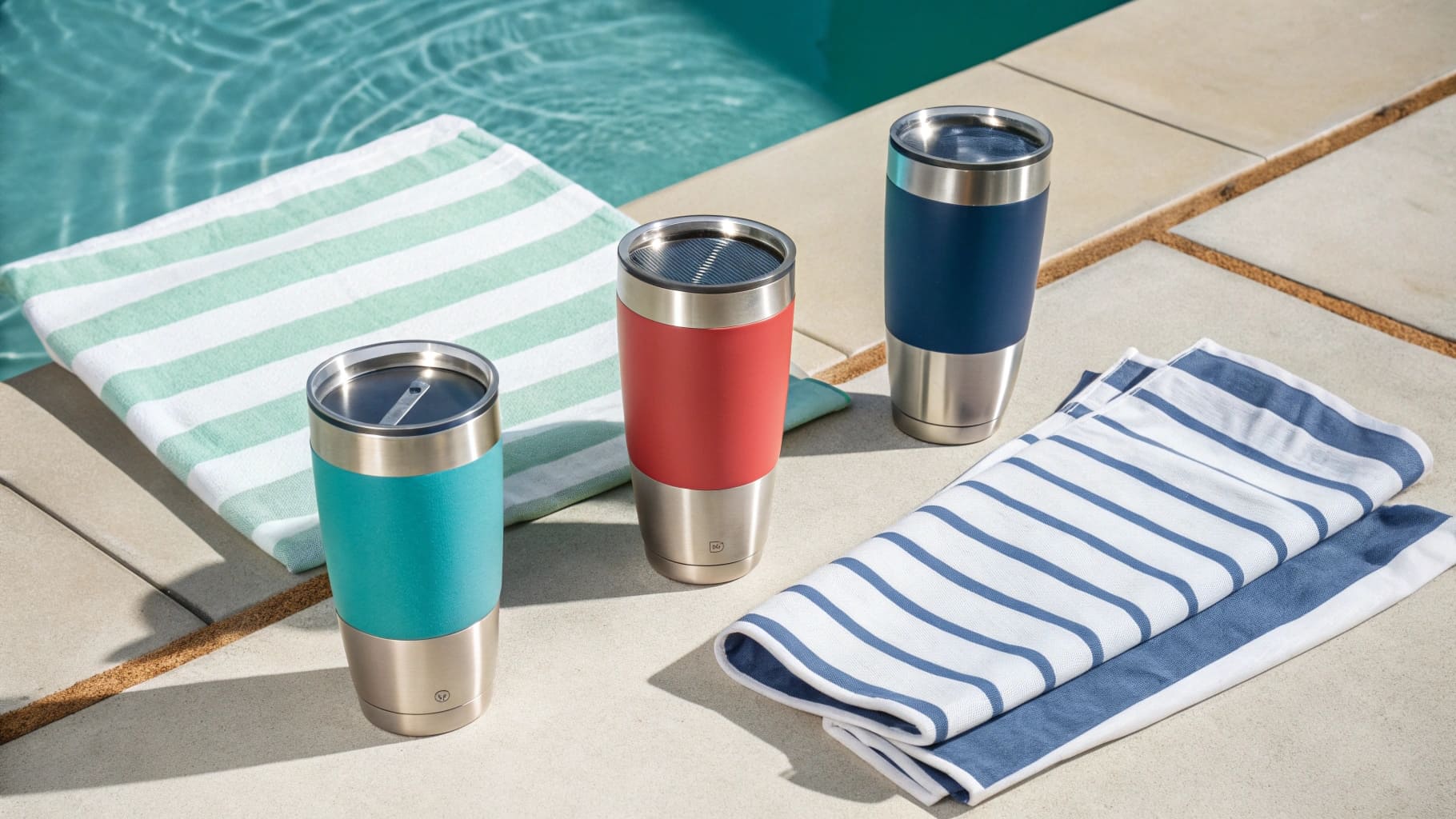
I do not treat coating as a color choice only. I treat it as a risk control point for importers, brand owners, and procurement teams. When I talk with buyers from Canada, America, and Europe, I often find the same problem. The buyer understands sales, but the supplier does not explain coating limits in a clear way. So I ask simple questions first. What drink will touch the mug most often? Will the mug enter a dishwasher? Will the brand sell through retailers that ask for LFGB, FDA, heavy metal, and migration reports? These questions decide the coating plan before the logo artwork starts. If the wrong coating is chosen, the mug may look fine in the sample room, but it may fail after syrup, tea, heat, and shipping. That is why I look deeper before I quote.
What is the most durable material for mugs?
Many buyers compare prices first, then discover that a weak base metal makes every coating look bad. I have seen good logos fail on poor steel.
The most durable mug material is 304 or 316 stainless steel2 with a well-cured multi-layer powder coating. The steel gives corrosion strength, and the coating gives color, grip, and stain resistance for tea, coffee, and syrup.
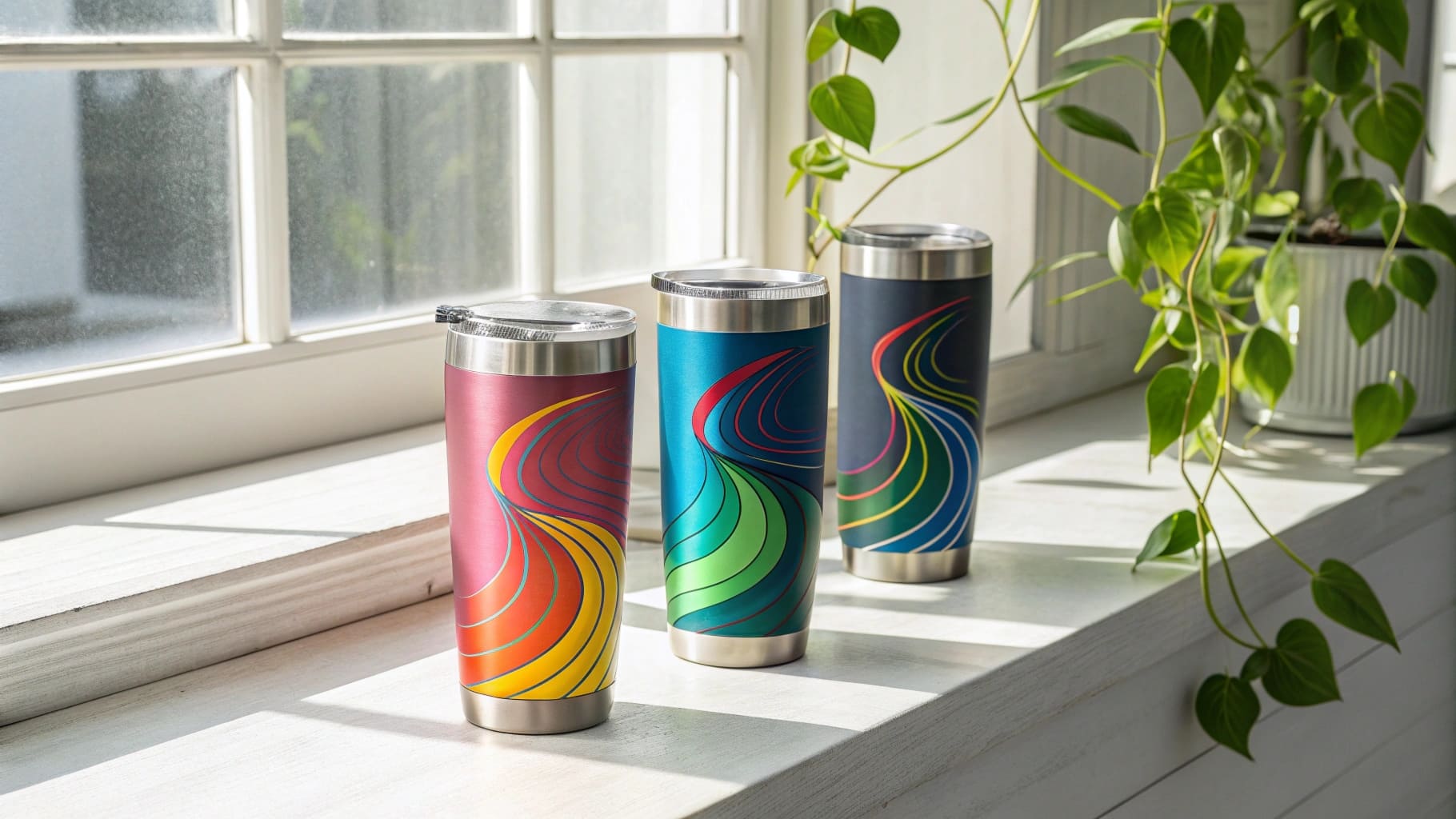
I start with the steel because coating cannot save a weak body. For most B2B mug projects, I use 304 stainless steel as the standard choice. It gives a strong balance of rust resistance, cost, and forming performance. I use 316 stainless steel when the buyer needs stronger corrosion resistance, such as coastal markets, marine gifts3, or higher-end product lines. The coating system then adds surface protection. A ceramic-based powder coating usually gives better stain resistance than basic spray paint because it forms a harder and more even barrier after curing. It also holds color better when the mug is handled often.
| Mug structure | My view for durability | Best use case |
|---|---|---|
| 201 stainless steel with paint | I avoid it for serious export programs | Very low-cost promotions |
| 304 stainless steel with spray paint | I use it only when the buyer accepts lower wear life | Short-term campaigns |
| 304 stainless steel with powder coating | I use it for most retail and corporate projects | Daily-use mugs |
| 304 or 316 stainless steel with ceramic-based powder coating | I choose it when stain resistance and testing matter | Premium B2B programs |
I also check the curing process. A coating may look smooth, but it may still be weak if time and temperature are wrong. I ask my production team to control surface cleaning, pre-treatment, coating thickness, curing time, and packing protection. I also test with tea, coffee, fruit syrup, and hand rubbing. I do this because real customers do not treat mugs gently. They leave drinks inside. They wash late. They rub logos with rough sponges. A durable mug must survive normal bad habits, not only perfect lab use.
Is ceramic coating mug safe?
The word ceramic sounds safe, but vague words can hide risk. I have seen buyers accept claims without test reports, then face audit pressure.
A ceramic coating mug is safe when the coating is made from compliant raw materials and passes food-contact migration tests. I ask for LFGB or FDA reports, heavy metal results, and batch-level documents before shipment.
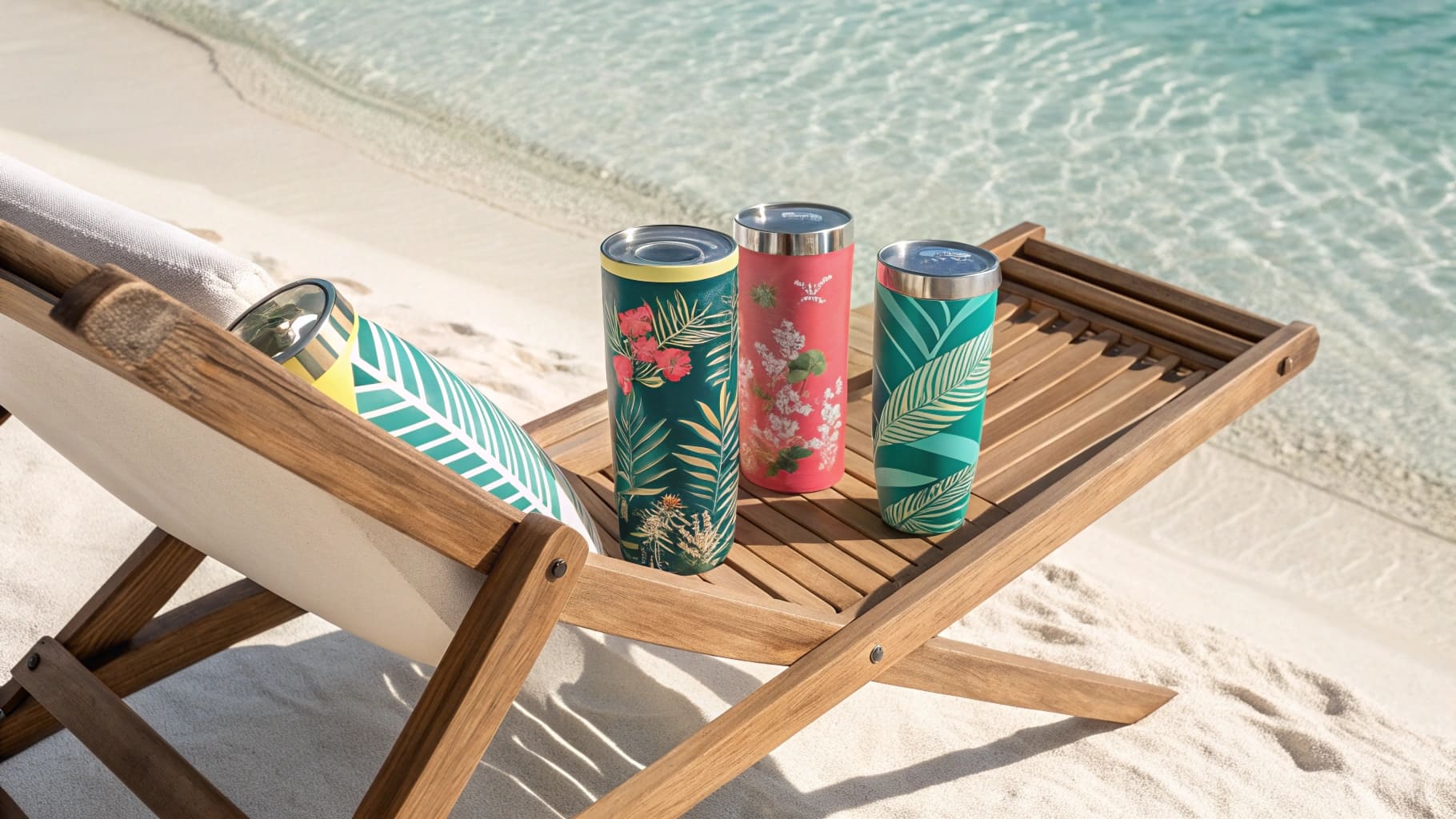
I do not accept the word “ceramic” as proof by itself. Some suppliers use true ceramic-based systems. Some use sol-gel coatings. Some use normal powder coating with ceramic-like marketing language. These products can look similar in photos, but they may test very differently. For stainless steel mugs, I first check whether the coating touches food or only covers the outside. Many vacuum mugs have stainless steel inside and coating outside. This lowers direct food-contact risk, but I still check safety because lips, hands, and retail auditors may care about the full surface.
| Safety item | What I ask for | Why I care |
|---|---|---|
| LFGB migration test | I ask for a current report from a known lab | It supports EU sales and retail audits |
| FDA food-contact statement | I ask for material and finished-product support | It supports North America import review |
| Lead and cadmium test | I ask for clear limits and actual results | It lowers heavy metal risk |
| Material safety data sheet | I ask for the coating supplier document | It shows raw material control |
| Batch traceability | I ask for production date and coating lot | It helps if a customer asks questions later |
I also explain to buyers that FDA compliance is not the same as a simple logo on a document. A responsible supplier should know the coating source, the curing condition, and the finished-product test method. LFGB is often stricter in how it looks at migration and sensory impact4. So I prefer to prepare both when a customer sells across America and Europe. In my own sample review, I smell the mug after curing, rub the coated area, and soak parts under controlled conditions. These simple checks do not replace lab testing, but they help me find weak production before it becomes a shipment problem.
Are orca coating mugs lead free?
Lead-free claims sound easy, but they can become serious legal problems. I never rely on a catalog sentence when a retailer may ask for proof.
Orca-style coating mugs can be lead free, but only if the raw coating, ceramic body or metal body, ink system, and curing process are controlled. I request finished-product test reports before approval.
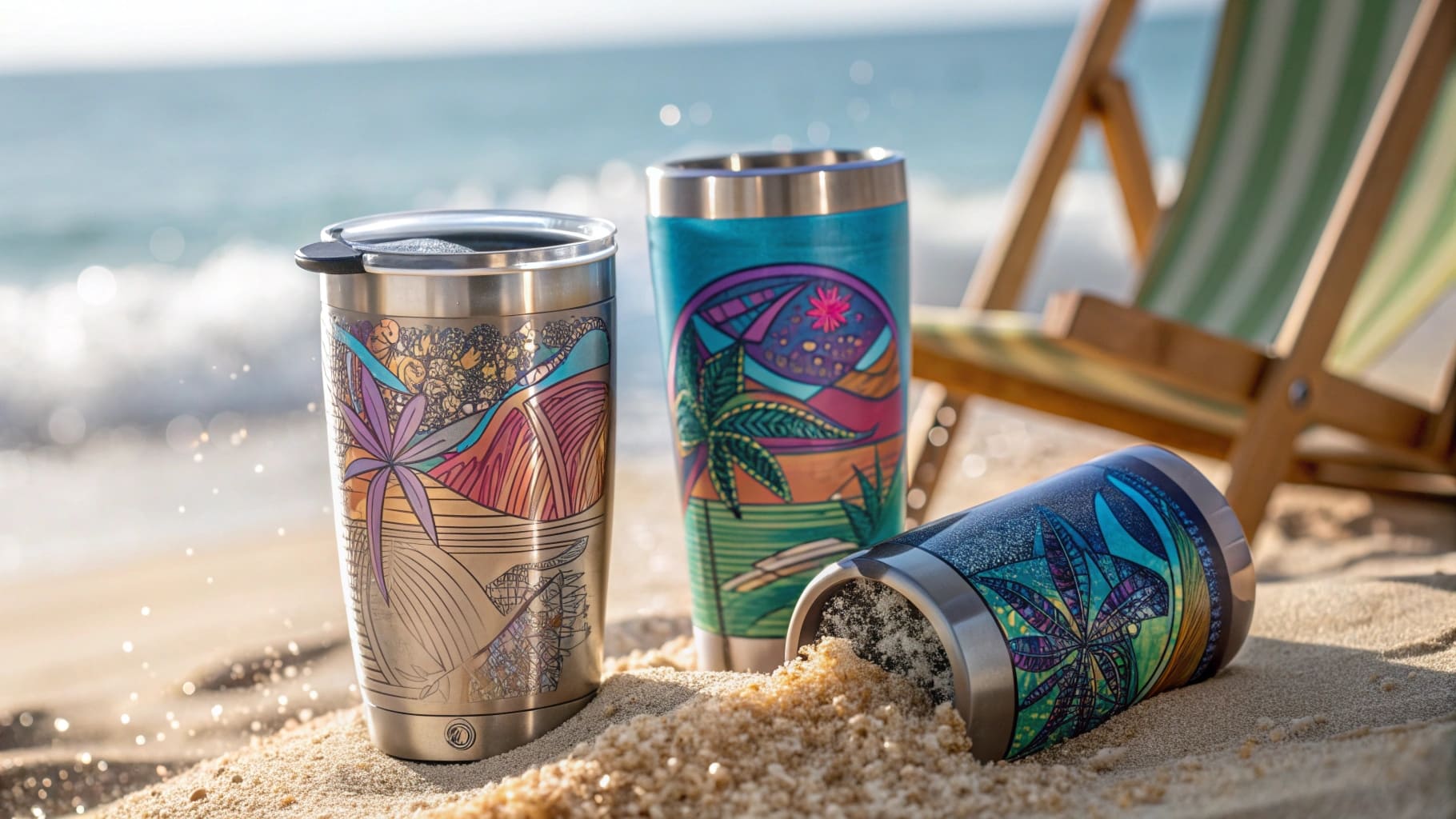
I treat Orca-style coating as a special case because buyers often use the term to describe a premium sublimation surface5. Some mugs are ceramic. Some are stainless steel. Some are sold as promotional blanks. The coating may accept heat-transfer printing very well, but print quality does not prove safety. Lead and cadmium risk can come from the base material, glaze, coating, ink, or poor process control. That is why I never say “all are lead free” without documents. I say that a properly made Orca-style mug can meet lead-free requirements when the factory controls each material.
| Risk point | My check method | Buyer action |
|---|---|---|
| Base mug material | I check stainless steel grade or ceramic body report | Ask what the mug is made from |
| Coating formula | I ask for supplier safety data and test support | Do not accept only sales claims |
| Printing ink | I check if the ink is included in the test scope | Test after decoration when needed |
| Curing process | I ask for time and temperature control | Avoid unstable small workshops |
| Finished product | I ask for SGS, Intertek, or similar lab reports | Keep reports for audits |
For Canadian and EU buyers, I pay extra attention to finished-product documents. A material may be safe before printing, but the final mug may still need a test after decoration. This is important when the brand adds a full-wrap design, a dark ink layer, or a clear topcoat. I also ask whether the report belongs to the same item, same color, and same production period. Some suppliers show an old report for a different mug. That creates risk for the importer. I have learned to ask direct questions before deposit payment. Is this report for my exact product? Is the coating lot the same? Does the test include lead, cadmium, migration, and odor? If the answers are slow or unclear, I slow down the order. A delayed answer before production is better than a failed audit after arrival.
Conclusion
I choose tested ceramic-based powder coating on 304 or 316 stainless steel, then I verify safety with real batch documents before shipment.
-
"Powder Coating for Food Processing Industry | PCTM", https://www.precisioncoatingtech.com/powder-coating-for-food-processing-industry/. Studies on coating durability demonstrate that ceramic-based powder coatings generally exhibit superior wear resistance and chemical stability compared to conventional organic spray paints when exposed to acidic beverages and thermal cycling. Evidence role: general_support; source type: research. Supports: comparative durability and stain resistance of ceramic-based powder coatings versus traditional spray paints. Scope note: Most studies focus on industrial applications rather than food-contact drinkware specifically. ↩
-
"Stainless steel", https://en.wikipedia.org/wiki/Stainless_steel. Type 304 and 316 austenitic stainless steels contain chromium (18-20%) and nickel (8-10.5%), with 316 including molybdenum (2-3%), which forms a passive chromium oxide layer that provides corrosion resistance; 316 offers enhanced performance in chloride-rich environments. Evidence role: mechanism; source type: education. Supports: corrosion resistance mechanisms of 304 and 316 austenitic stainless steel grades. ↩
-
"Marine grade stainless", https://en.wikipedia.org/wiki/Marine_grade_stainless. The molybdenum content (2-3%) in 316 stainless steel significantly improves resistance to pitting and crevice corrosion in chloride-rich environments compared to 304 grade steel, making it preferable for marine and coastal applications. Evidence role: mechanism; source type: research. Supports: enhanced corrosion resistance of 316 stainless steel in chloride-containing environments. ↩
-
"Food Packaging & Other Substances that Come in Contact ...", https://www.fda.gov/food/food-ingredients-packaging/food-packaging-other-substances-come-contact-food-information-consumers. LFGB testing includes sensory evaluation requirements and overall migration limits (10 mg/dm² or 60 mg/kg) that differ from FDA approaches, which focus primarily on specific substance migration and food additive petitions; LFGB also mandates compliance with EU Regulation 1935/2004 and specific material directives. Evidence role: general_support; source type: government. Supports: comparative regulatory approaches of LFGB and FDA for food-contact materials. Scope note: Comparative stringency depends on the specific material and intended use; neither system is universally stricter across all parameters. ↩
-
"Dye-sublimation printing", https://en.wikipedia.org/wiki/Dye-sublimation_printing. Sublimation printing uses heat (typically 180-220°C) to convert solid dyes directly into gas, which then permeates polymer-coated surfaces and solidifies upon cooling, creating permanent images; the process requires a polyester or specially formulated polymer coating to accept and retain sublimated dyes. Evidence role: mechanism; source type: research. Supports: mechanism of dye sublimation printing and required surface properties. ↩