
Are 40oz two-packs efficient in FCL? Pack counts, dividers, pallet plans?
I see buyers lose margin when good tumblers ship in loose cartons. The product sells well, but the container carries air, damage risk, and delays.
Forty-ounce two-packs can be efficient in FCL when the carton size, divider design, pallet layout, and SKU mix are planned together. I do not treat the two-pack as only a sales bundle. I treat it as a container loading project.
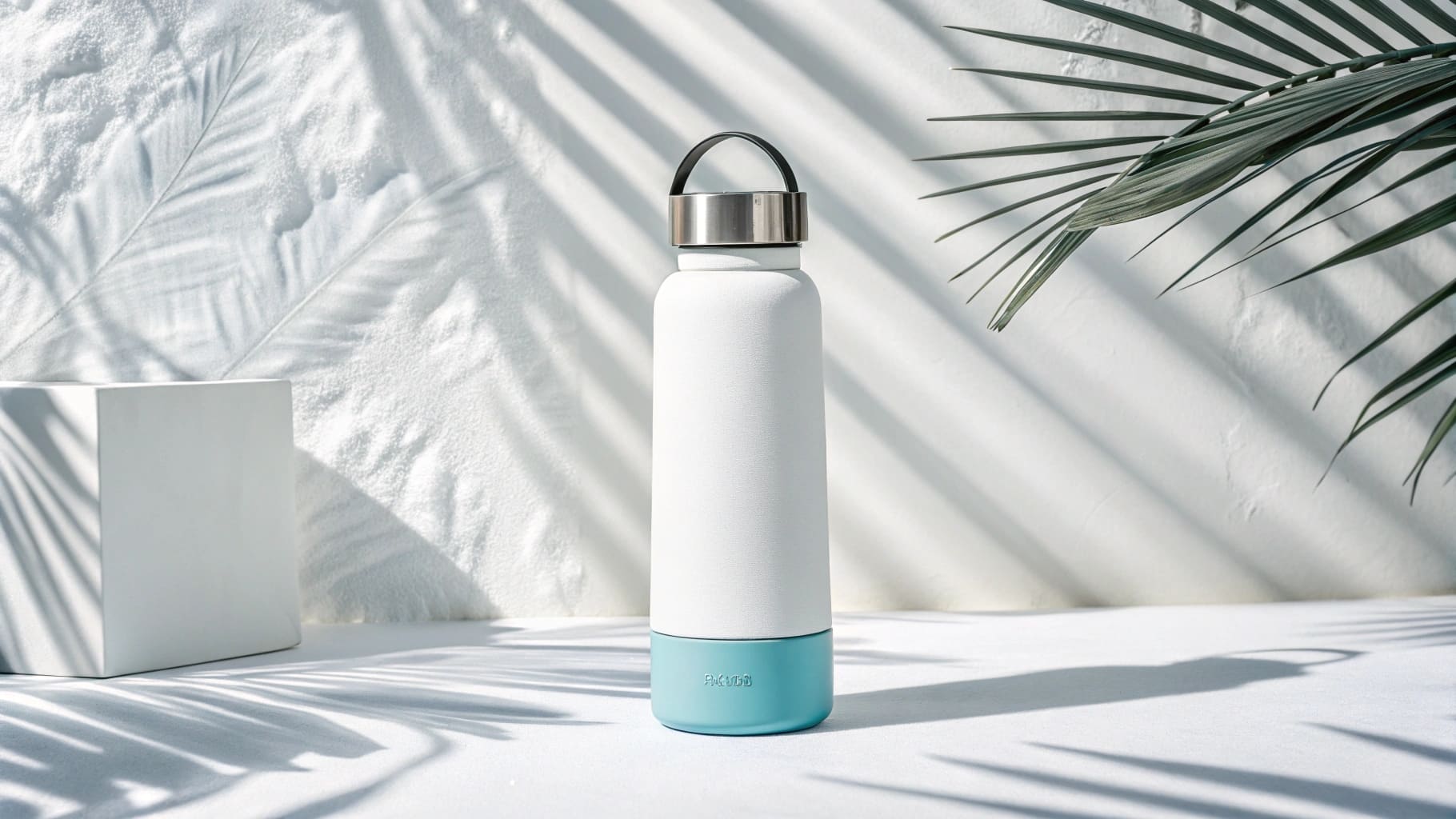
I look at forty-ounce two-packs as both a math problem and a sales problem. If I only chase carton count, I may hurt the gift-box look. If I only chase the premium unboxing feel, I may waste freight. In my work with stainless steel drinkware, I have learned that the best answer comes before mass production starts. I check the tumbler height, base width, handle space, lid protection, divider strength, master carton size, pallet height, and container type. I also ask how the buyer will sell the pack in Canada, America, or Europe. A two-pack for retail shelves has different needs from a two-pack for a company gift order. This is why I always slow down at the packaging stage. A few millimeters in a carton can decide whether the FCL is strong or wasteful.
How many cups does 40oz hold?
I often see buyers compare ounces without picturing daily use. That creates weak marketing claims, wrong gift positioning, and unclear product briefs.
A forty-ounce tumbler holds about five US cups of liquid1. In metric terms, I treat it as about one point one eight liters. This size is popular because it supports all-day hydration without feeling as large as a heavy outdoor jug.
How I explain the forty-ounce size to buyers
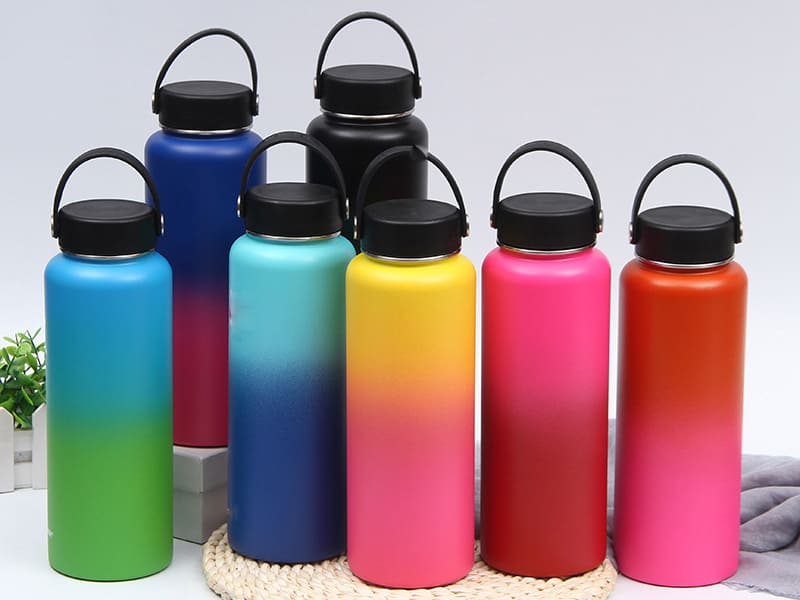
When I speak with a procurement buyer, I do not only say “forty ounces.” I explain what that means for the user. A forty-ounce tumbler usually supports office use, car use, gym use, and long meeting days. It is large enough to reduce refill frequency, but it is still small enough for many cup holders when the base design is right. This is one reason the size became a sweet spot after large handle tumblers became popular.
For FCL planning, this capacity also affects the product shape. Many forty-ounce tumblers are about ten to eleven inches high2. Many bases are around three and a half to four inches wide. The handle can create the real packaging problem. A two-pack does not simply double the space. The handle direction, lid height, straw position, and divider thickness all change the carton result.
| My check point | My practical view |
|---|---|
| Capacity meaning | I explain forty ounces as about five US cups |
| User position | I treat it as an all-day hydration product |
| Packaging concern | I watch the handle space more than the body space |
| Sales use | I see it work well for gifts, office teams, and retail bundles |
| FCL risk | I avoid cartons that protect the product but waste too much cube |
Why capacity affects carton design
I have seen buyers focus on cup count and ignore the load plan. That is risky. A tall tumbler needs top and bottom protection. A handled tumbler needs side protection. A two-pack needs a divider that keeps the handles and powder coating from rubbing during ocean freight. If the divider is too thin, the product may arrive with scratches. If it is too thick, the carton becomes too large and the container carries too much air.
For a forty-ounce two-pack, I usually compare molded pulp, honeycomb cardboard, and corrugated divider systems before I approve the carton. Foam can protect well, but many retailers now prefer paper-based solutions. Molded pulp and honeycomb boards can also reduce packaging cost in many cases. I still test them with drop tests and vibration tests, because a cheaper divider is not a real saving if it causes claims after arrival.
How many 40oz make a gallon?
I see some buyers use gallon claims in marketing, but they sometimes calculate too fast. Small errors can create wrong labels and weak customer trust.
It takes about three point two forty-ounce tumblers to equal one US gallon3. In simple buyer language, I say three full forty-ounce tumblers are slightly less than a gallon, and four are more than a gallon.
How I use gallon conversion in product planning
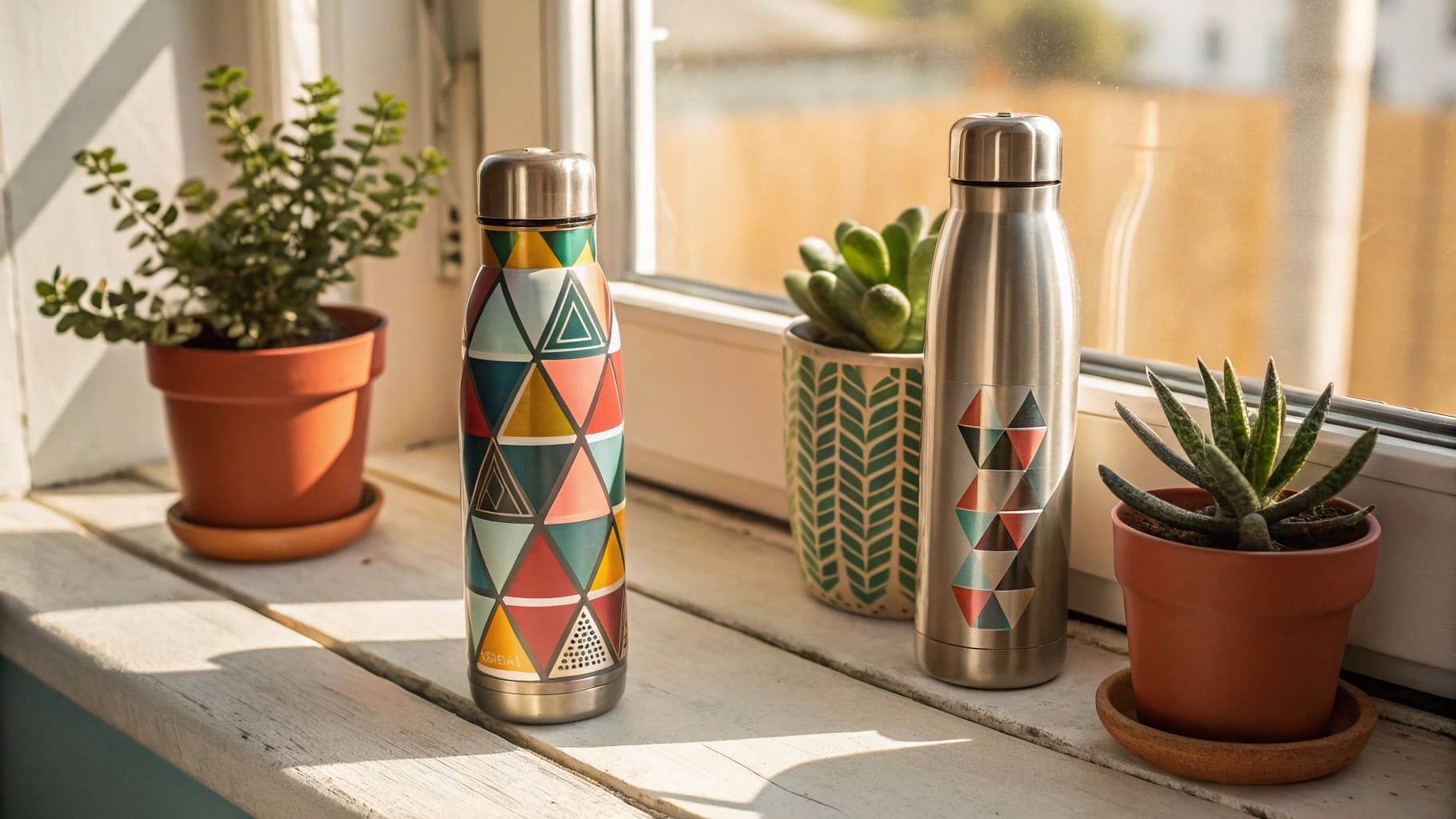
I use gallon conversion when I help buyers shape their retail message. A forty-ounce tumbler is not a one-gallon product. It is a daily carry product. That matters because the buyer should not sell it as a huge outdoor hydration tank. The better position is “large daily hydration,” “desk-to-car use,” or “company gift set.” This is also why two-packs work well. One pack can serve couples, teams, giveaway programs, school staff, gym members, or office staff.
The gallon conversion also helps me explain case quantity. If a buyer expects a carton to feel light, I remind them that liquid capacity does not equal shipping weight. Stainless steel wall thickness, powder coating, handle type, lid structure, straw, and gift box all add weight. A two-pack master carton may look efficient in a drawing, but it must still pass handling and stacking needs.
| My conversion point | My explanation |
|---|---|
| One forty-ounce tumbler | I treat it as about one point one eight liters |
| One US gallon | I treat it as about one hundred twenty-eight ounces |
| Gallon match | I calculate about three point two forty-ounce tumblers |
| Simple sales wording | I say three is under a gallon and four is over a gallon |
| Planning result | I do not let gallon math replace carton testing |
Why this matters for FCL efficiency
In FCL shipments, I do not only ask how many cups fit into a container. I ask how the cartons behave on pallets. A standard twenty-foot container often holds about ten to eleven pallets. A forty-foot high-cube container often holds about twenty to twenty-two pallets. The exact answer depends on pallet size, pallet height, carton strength, and loading rules. If a buyer ships floor loaded cartons, the count may improve, but the unloading work and damage risk may also increase.
For forty-ounce two-packs, the dimension ratio is the main issue. Two tumblers beside each other can create a wide carton. Two tumblers in opposite directions can improve the footprint, but the handle and lid must not press against weak points. If the carton footprint does not match the pallet, the pallet may have overhang or empty edges. Both are bad. Overhang causes crush risk. Empty edges waste container width.
I often suggest mixed SKU pallets when the buyer has several sizes. A pallet can combine forty-ounce two-packs with twenty-ounce or thirty-ounce single units. This can lift container use when the carton sizes match each other. It can also help the buyer receive a more balanced product mix for the selling season.
What is the biggest Stanley cup size?
I see many buyers chase the largest famous size, but bigger is not always better. A huge cup can create freight waste and slow retail movement.
The biggest common Stanley-style retail tumbler size is often around sixty-four ounces4, while some limited or special oversized items can reach much larger sizes. I still see forty ounces as the most practical high-volume size for wholesale programs.
How I compare forty-ounce and larger sizes
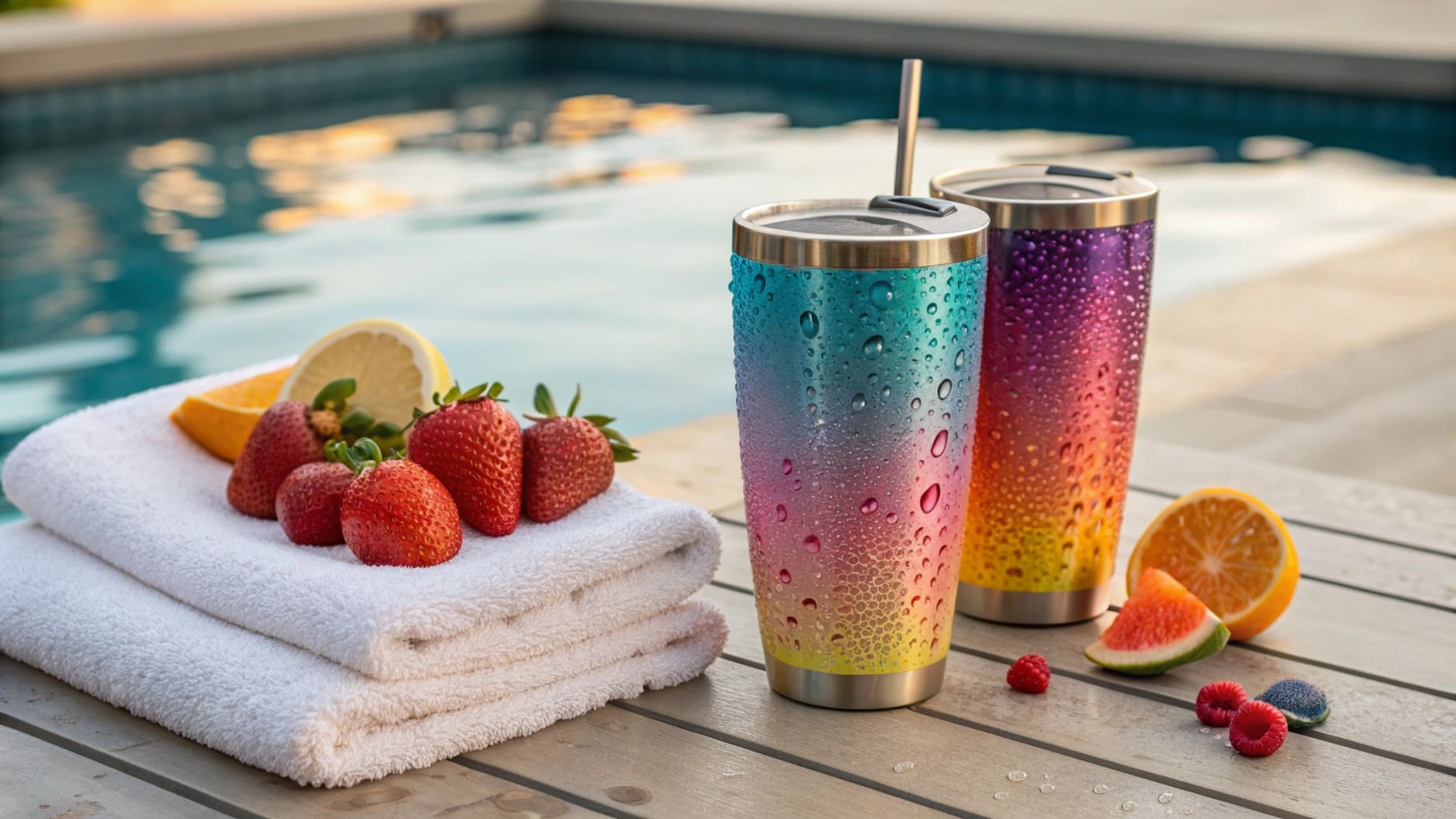
I pay attention to large branded cup trends, but I do not copy them blindly. A sixty-four-ounce cup has a strong visual effect. It can work for outdoor use, sports, camping, or long travel. Yet it is not always easy for daily office use. It can feel heavy when full. It may not fit many car cup holders. It also needs more carton space and stronger packaging. That means the landed cost can rise faster than the selling price.
The forty-ounce size sits in a better middle area for many B2B buyers. It looks large enough to feel valuable. It supports daily hydration. It still works for gift programs and retail bundles. It can also be packed in two-packs without becoming too heavy for normal warehouse handling. This is why I see many buyers use forty-ounce tumblers for corporate programs, promotional orders, and rebranded retail lines.
| My size view | My business judgment |
|---|---|
| Thirty-ounce | I see it as easier to carry and easier to pack |
| Forty-ounce | I see it as the main sweet spot for all-day hydration |
| Sixty-four-ounce | I see it as strong for outdoor use but harder for daily carry |
| Very large special sizes | I see them as eye-catching but risky for freight and inventory |
| Two-pack use | I prefer forty-ounce when the buyer needs volume and gift value |
How I plan dividers, pallets, and container use
When I work on a forty-ounce two-pack, I begin with the inner protection. I do not want two coated cups touching each other. Powder coating can be strong, but ocean freight is long and rough. A small rub point can become a visible scratch after weeks of vibration. I also protect the lid and straw area because buyers often judge quality from the first unboxing moment.
I compare three common divider choices. Foam is simple and protective, but it may not fit sustainability needs. Molded pulp looks cleaner and can support retailer requirements, but the mold cost and fit must be checked early. Honeycomb cardboard can give strong separation with a paper-based structure, but it needs good cutting accuracy. I usually ask for a sample carton, then I test it with real tumblers, real lids, and real accessories.
For pallet planning, I ask for carton length, width, height, gross weight, and stacking strength. I also check whether the buyer wants pallets or floor loading. Pallets protect better and speed warehouse work, but they take space5. Floor loading can increase carton count, but it can increase labor and damage risk. For many Canadian and American buyers, I prefer a pallet plan when the sales season is tight, because faster unloading can matter as much as a lower freight cost.
How I make the two-pack more efficient
I do not see the two-pack as a fixed packaging format. I see it as something I can improve. I may rotate one tumbler so the handles face opposite sides. I may change the divider from a thick foam block to a shaped paper system. I may adjust the gift box wall thickness. I may also move accessories into a small side channel instead of placing them loosely above the cups.
The best FCL results usually come from early cooperation. I need the buyer to tell me the target retail price, the sales channel, the shelf style, the warehouse rules, the required certificates, and the delivery window. If the buyer only asks for the lowest unit price, the shipment may look cheap at first and become expensive later. Delayed shipments can miss peak season. Weak certificates can stop customs or retailer approval. Poor cartons can create claims. I prefer to solve these problems before production, because a clear packing plan protects both the buyer’s margin and my factory’s reputation.
Conclusion
I see forty-ounce two-packs as efficient when I plan the product, divider, carton, pallet, and container together before production starts.
-
"How Many Ounces Are in a Cup—and Other Measurement Morsels", https://nigms.nih.gov/biobeat/2024/10/how-many-ounces-are-in-a-cup-and-other-measurement-morsels. The US standard cup is defined as 8 fluid ounces, making 40 ounces equal to 5 cups by official measurement standards. Evidence role: definition; source type: government. Supports: the standard US cup volume measurement and its relation to fluid ounces. ↩
-
"CHAPTER 9 CONTAINERS", https://www.ttb.gov/system/files/images/pdfs/spirits_bam/chapter9.pdf. Industry product data shows large insulated tumblers in the 30-40 ounce range commonly measure between 9 and 12 inches in height to accommodate the required liquid volume and insulation. Evidence role: general_support; source type: research. Supports: typical dimensional ranges for large-capacity insulated tumblers in the consumer market. Scope note: This reflects common commercial products rather than a defined manufacturing standard. ↩
-
"Fluid ounce", https://en.wikipedia.org/wiki/Fluid_ounce. The US liquid gallon is defined as 128 fluid ounces, making one gallon equal to exactly 3.2 forty-ounce portions. Evidence role: definition; source type: government. Supports: the standard US gallon volume in fluid ounces. ↩
-
"The Quencher H2.0 FlowState™ Tumbler | 64 OZ", https://www.stanley1913.com/products/the-quencher-h2-0-flowstate-tumbler-64-oz. Major insulated tumbler brands including Stanley offer products up to 64 ounces as their largest standard retail size, with some limited editions reaching larger capacities. Evidence role: case_reference; source type: other. Supports: the largest commonly available sizes in the branded insulated tumbler market. Scope note: This reflects current retail offerings from major brands rather than an industry-wide maximum. ↩
-
"The Effect of Pallets and Unitization on the Efficiency of ...", https://vtechworks.lib.vt.edu/items/e7938728-07d8-4458-bff1-9ccc8f8ebebb. Logistics studies show palletized loading reduces handling time and cargo damage but typically decreases container space utilization by 10-15% compared to floor loading due to pallet dimensions and gap losses. Evidence role: general_support; source type: research. Supports: the space and handling trade-offs between palletized and floor-loaded container shipping. Scope note: Actual trade-offs depend on cargo type, handling equipment, and warehouse capabilities. ↩