
Are Handled Stainless Cups Dishwasher-Safe in 2026, and Which Marking and Lab Methods Matter?
A loose handle can break a season. Heat makes weak glue fail fast. I check the whole cup, not only the steel.
I call a handled stainless cup dishwasher-safe only when the steel body, handle joint, coating, lid, and grip pass repeated hot-wash lab cycles. In 2026, I also expect clear base marking and third-party test records, not a simple supplier promise.
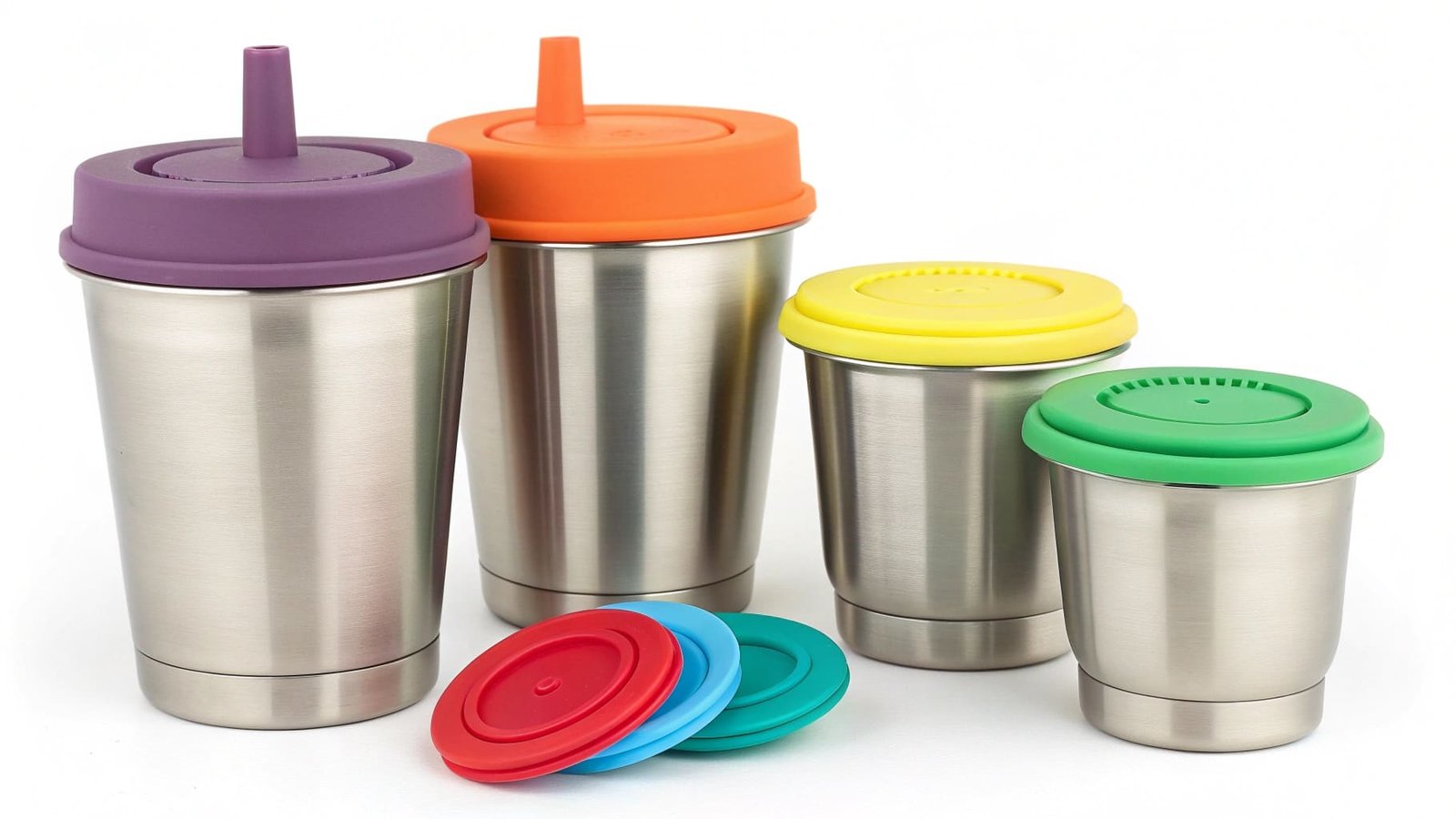
I have seen buyers ask this question in a very direct way. They often believe stainless steel is the only point that matters. I understand that view, because good stainless steel does resist water, heat, and detergent. But I also see the real failures after production. The handle loosens. The coating fades. The silicone grip changes shape. The plastic lid warps. For a B2B buyer, the question is not just whether one cup survives a home dishwasher. The real question is whether thousands of cups can survive normal customer use after rebranding and resale.
Can you put stainless steel cups in the dishwasher?
A dishwasher can look harmless. Heat and detergent attack weak joints. I only trust cups tested as a full product.
I put stainless steel cups in the dishwasher only when the supplier confirms the complete assembly is dishwasher-safe. The steel body may be fine, but the handle, coating, lid, logo, and accessories must also survive repeated hot wash cycles.
I check the whole cup, not only the metal
When a buyer asks me this question, I first separate the steel body from the full cup. Food-grade stainless steel is usually not the weak part.1 I work with stainless steel because it gives strong corrosion resistance and a clean surface. Still, the dishwasher does not wash steel alone. It washes a finished product. That product may include a welded handle, a glued handle, a powder coating, a printed logo, a silicone boot, a plastic lid, and a rubber seal.
I once handled a sample review where the body looked perfect after washing, but the handle had a small movement after several cycles. The buyer only noticed it because he pulled the handle with force. That small movement would become a return problem later. I learned from that case that dishwasher safety must be judged by the weakest part of the product.
| Part of the cup | Common dishwasher risk | What I check before approval |
|---|---|---|
| Stainless steel body | Water spots or surface marks | Steel grade and polishing quality |
| Handle | Loosening or cracking | Weld strength or adhesive bond |
| Coating | Fading or peeling | Coating type and curing quality |
| Logo | Color loss or rough edges | Printing method or laser marking |
| Lid and seal | Warping or leakage | Material heat resistance |
| Silicone parts | Shape change or odor | Silicone grade and fit after washing |
I also look at the intended sales channel. A promotional cup may face lighter use. A retail tumbler under a Canadian or European brand may face more complaints if the consumer sees any defect. So I do not answer this question with a quick yes. I ask for test data, and I also ask how the test was done.
Are all stainless steel cups safe?
A stainless cup can look safe from outside. Poor materials can hide inside the supply chain. I verify grade, parts, and certificates together.
I do not treat all stainless steel cups as equally safe. A safe cup should use suitable food-contact stainless steel, stable coatings, reliable handle construction, and honest certificates that match the exact model, material, and factory.
I treat safety as material plus process
I see many buyers focus on the steel grade, and that is a good starting point. Stainless steel such as 304 and 316 performs well for drinkware.2 It has strong rust resistance under normal washing conditions. But safety also depends on how the cup is made. Poor polishing can leave rough areas. Weak welding can create stress points. Low-quality paint can peel under heat.3 A lid made from low-grade plastic can deform even when the body stays perfect.4
This matters more for handled cups because the handle creates a second structure on the product. A handle can be welded, riveted, or glued. A welded handle usually performs better in dishwasher testing because the joint is metal to metal. A glued handle can work if the adhesive is tested well, but I do not accept a claim without lab data. Riveted handles need careful checking because water can collect around the joint.
I also check certificate truth
Certificate fraud is a real concern in sourcing.5 I do not only ask whether a supplier has a certificate. I ask whether the document matches the exact cup, factory name, material, coating, and date. I also prefer third-party lab reports for food contact and dishwasher performance when the order is large.
| Safety area | Good sign | Warning sign |
|---|---|---|
| Steel material | The report shows food-contact grade stainless steel | The supplier only says “food grade” in a message |
| Handle method | The report includes handle strength after washing | The handle material is not named |
| Coating | The coating has heat and wash resistance data | The coating color changes after sample washing |
| Lid material | The lid material is listed clearly | The lid is marked as safe but no material is shown |
| Certificate | The model and factory details match | The certificate is old or too general |
I often tell buyers like Mark that a cheap quote can still be a good quote, but only when the proof is clean. Price matters in wholesale. I know that. But a small saving can disappear fast if a retailer returns a shipment because the dishwasher-safe claim fails.
Can stainless steel go in the dishwasher, and what is it safe for?
A dishwasher-safe mark can create trust. A false mark can create claims. I only use it after testing and clear records.
Stainless steel can go in the dishwasher when the full product is designed for that use. It is safe for repeated washing only if the handle, coating, logo, seals, and accessories pass thermal, chemical, and mechanical stress tests.
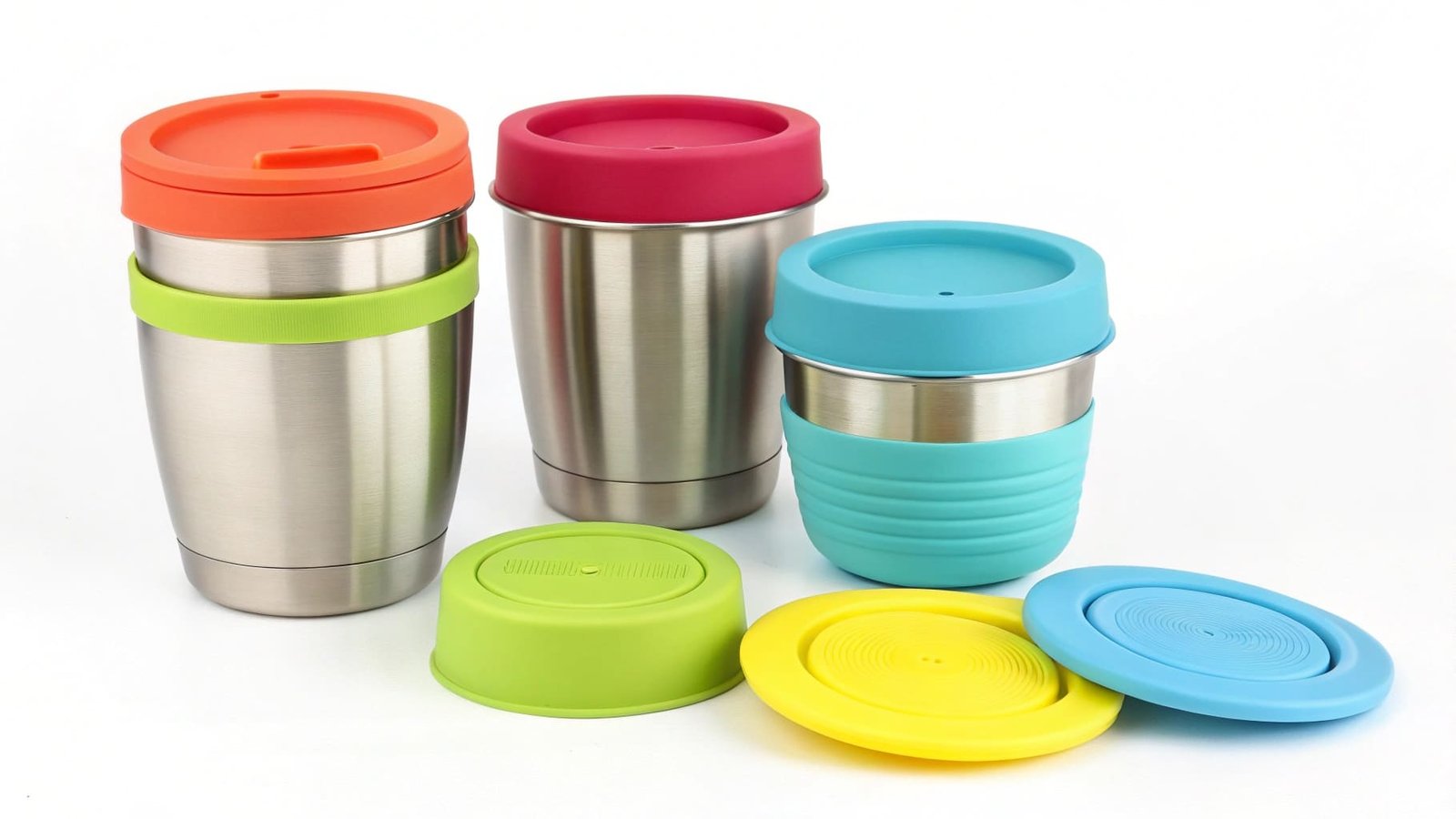
I use lab methods to reduce argument
In 2026, I see more B2B buyers ask for lab verification before mass production. I think this is the right change. A supplier claim is easy to write. A lab record is harder to fake when the buyer checks the details. For handled stainless cups, I ask for dishwasher simulation testing. This test should expose the cup to repeated high heat, detergent, water spray, and drying. I also want the test to show what changed after washing. A good report should mention handle strength, surface appearance, logo condition, leakage, and fit of parts.
Thermal shock is important. A cup may face sudden temperature change during the wash and dry process. Adhesive bond strength is also important when the handle is glued. If the adhesive is chosen only to reduce cost, the handle can loosen within months. This is why I prefer welded handles for buyers who want a strong dishwasher-safe claim. Welded handles cost more, but they usually give better long-term safety.
| Lab check | What the test shows | Why I care |
|---|---|---|
| Dishwasher cycle simulation | How the whole cup survives repeated washing | I need proof beyond one sample wash |
| Thermal shock check | How the cup handles fast temperature change | I need to avoid cracks and weak joints |
| Handle pull check | How strong the handle stays after washing | I need to prevent loose handles |
| Coating inspection | How color and surface finish change | I need to protect the buyer’s brand look |
| Logo durability check | How the logo survives detergent and heat | I need to support rebranding claims |
| Lid and seal check | How non-metal parts fit after washing | I need to avoid leaks and customer complaints |
I also make marking part of the tech pack
I do not like removable stickers for dishwasher-safe claims. A sticker can fall off before the consumer reads it. It can also create confusion after rebranding. I prefer laser-etched dishwasher-safe symbols on the cup base when the design allows it. This mark is clean, durable, and easy for retailers to check. For custom orders, I ask the buyer to add marking rules into the tech pack before production. The tech pack should state the dishwasher-safe symbol, the marking position, the test standard, the accepted test result, and the approval sample.
I also connect this point to shipment timing and payment terms. If the buyer needs the order before a peak sales season, the lab test schedule must be planned early. I do not want testing to start after production is finished. I prefer to approve the material, handle method, coating, and marking during sampling. Then I tie the final approval to the test result. This process protects the buyer, and it also protects me as the manufacturer.
Conclusion
I treat dishwasher safety as assembly proof. When lab tests, clear marks, and honest records match, I can protect the buyer’s brand.
-
"Degradation of Stainless Steel Structural Material", https://www.nrc.gov/docs/ML0037/ML003721326.pdf. Austenitic stainless steels commonly used in food-contact applications demonstrate high resistance to corrosion in alkaline detergent solutions at elevated temperatures due to their chromium oxide passive layer. Evidence role: mechanism; source type: research. Supports: the corrosion resistance and thermal stability of austenitic stainless steels (304/316) under aqueous detergent conditions. Scope note: The citation supports material properties but does not directly compare stainless steel to other cup components in assembled products. ↩
-
"Stainless Steel (SS) Safety Profile", https://www.fda.gov/media/165146/download. Both 304 and 316 austenitic stainless steels are listed as acceptable materials for food-contact surfaces under FDA regulations (21 CFR 177.2450) and European Framework Regulation EC 1935/2004. Evidence role: general_support; source type: government. Supports: the regulatory acceptance of 304 and 316 stainless steel for food-contact applications. ↩
-
"Degradation Behavior of Polymers Used as Coating Materials for Drug ...", https://pmc.ncbi.nlm.nih.gov/articles/PMC8070827/. Polymer-based coatings can fail through thermal degradation, loss of adhesion, or differential thermal expansion when exposed to temperatures exceeding their glass transition temperature or service limits; inadequate surface preparation or curing further reduces thermal stability. Evidence role: mechanism; source type: research. Supports: the thermal degradation mechanisms that cause coating failure. ↩
-
"Thermal Expansion of Plastics Used for 3D Printing - PMC - NIH", https://pmc.ncbi.nlm.nih.gov/articles/PMC9370745/. Common lid plastics such as polypropylene (PP) have heat deflection temperatures around 100°C, while lower-grade polyethylene (PE) variants may deform at 60–80°C; exposure to dishwasher temperatures near or above these thresholds can cause permanent deformation. Evidence role: mechanism; source type: research. Supports: the thermal deformation characteristics of thermoplastics commonly used in drinkware lids. ↩
-
"How counterfeit goods fuel forced labour across global supply chains", https://www.oecd.org/en/blogs/2026/01/-how-counterfeit-goods-fuel-forced-labour-across-global-supply-c.html. International trade monitoring organizations have documented cases of fraudulent safety and compliance certificates in manufacturing supply chains, particularly affecting product categories requiring material certifications. Evidence role: general_support; source type: institution. Supports: the documented occurrence of fraudulent certification in international manufacturing. Scope note: The citation confirms certificate fraud occurs but does not quantify prevalence specifically in drinkware manufacturing. ↩