
What AQL applies to polish defects on cup sets for OEM buyers in 2026?
Polish defects look small, but they can ruin a full OEM launch. I have seen one unclear AQL clause turn a good shipment into a claim.
For stainless steel cup sets in 2026, I usually set AQL 1.5 for major polish defects, AQL 2.5 for normal visible defects, and AQL 4.0 for minor cosmetic issues.1 I define the defect photos before mass production.
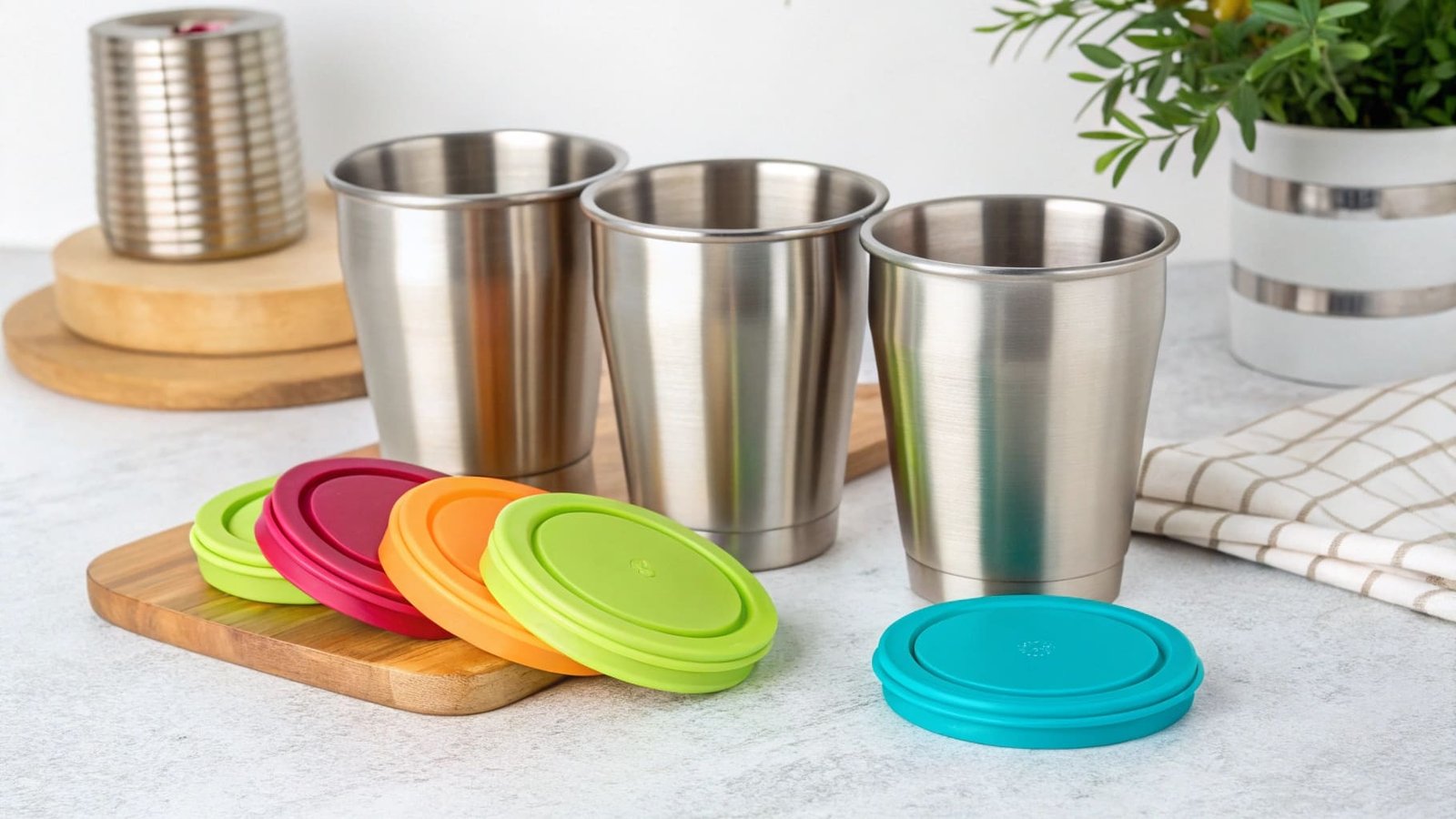
I care about this topic because polish quality is not only about beauty. It is about brand trust, shelf value, and repeat orders. When I work with OEM buyers, I do not only ask what finish they want. I ask how they want to judge that finish. A mirror cup, a brushed cup, and a powder coated cup do not fail in the same way. A small buffing line on a brushed finish may be accepted. The same line on a mirror finish may be rejected. This is why I like to fix the AQL level, defect class, inspection light, distance, and sample photos before bulk production starts.
What is the AQL limit for visual inspection?
Visual defects can cause hard arguments because every person sees polish quality in a different way. I avoid this problem by turning opinion into agreed rules.
For visual inspection, I usually use AQL 1.5 for major defects, AQL 2.5 for general visible defects, and AQL 4.0 for minor cosmetic defects. Critical safety defects should use zero tolerance.
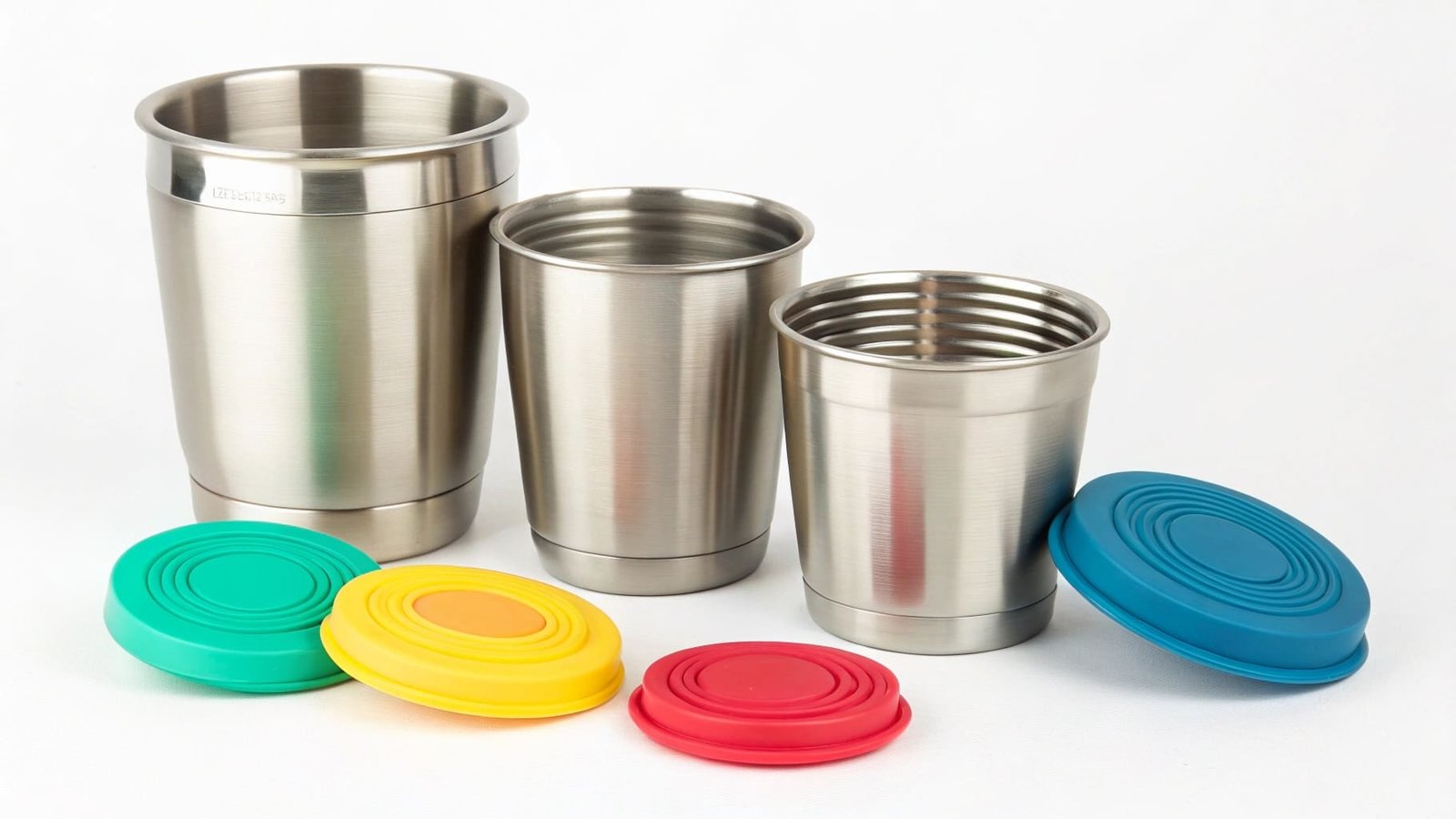
How I set visual AQL for cup polish defects
I treat polish defects by risk, not by name alone. A scratch can be minor if it is tiny and hidden near the bottom. The same scratch can be major if it is long and clear on the front logo area. I also look at the product type. A gift set needs tighter control because all pieces sit together in one box. If one cup is brighter than another cup, the whole set may look cheap. I have seen buyers approve one single cup sample, then reject the full set because the finish did not match across the pieces.
| Defect type | My usual class | My common AQL choice | My inspection note |
|---|---|---|---|
| Deep scratch on main surface | Major | AQL 1.5 | I reject it when I can see it at normal viewing distance |
| Uneven mirror polish | Major | AQL 1.5 | I compare all cups in the same set |
| Light hairline mark | Minor | AQL 4.0 | I accept it only if it is short and not obvious |
| Buffing mark near seam | Major or minor | AQL 2.5 | I judge it by position and visibility |
| Color difference after coating | Major | AQL 1.5 | I compare it with the approved color sample |
| Sharp burr or exposed metal risk | Critical | Zero tolerance | I do not ship it |
What I put in the pre-production agreement
I always try to make the inspection rule clear before tooling, coating, and packing. I define the viewing distance, the light source, and the inspection time per item. I also define the “front view” area, because this area is the part the end customer sees first. For a cup set, I also define set matching. This means I do not only inspect each cup alone. I inspect the full set as one selling unit. If the lid, body, straw, and accessory color do not match, the customer may return the product even if each part passes alone.
I also like to build a defect board. I place approved defects and rejected defects in one file with photos. This saves time during final inspection. It also helps buyers who understand sales well but do not want to enter too much technical detail. The buyer can make a quick business decision, and my factory can follow a clear production standard.
How to check if a cup has lead?
Lead risk is easy to ignore in stainless steel drinkware, but I still check it. A safe product needs both clean material and safe decoration.
I check lead in cups by using XRF testing, third-party lab testing, and supplier material records. I pay close attention to paint, coating, decals, welded parts, and low-cost accessories.
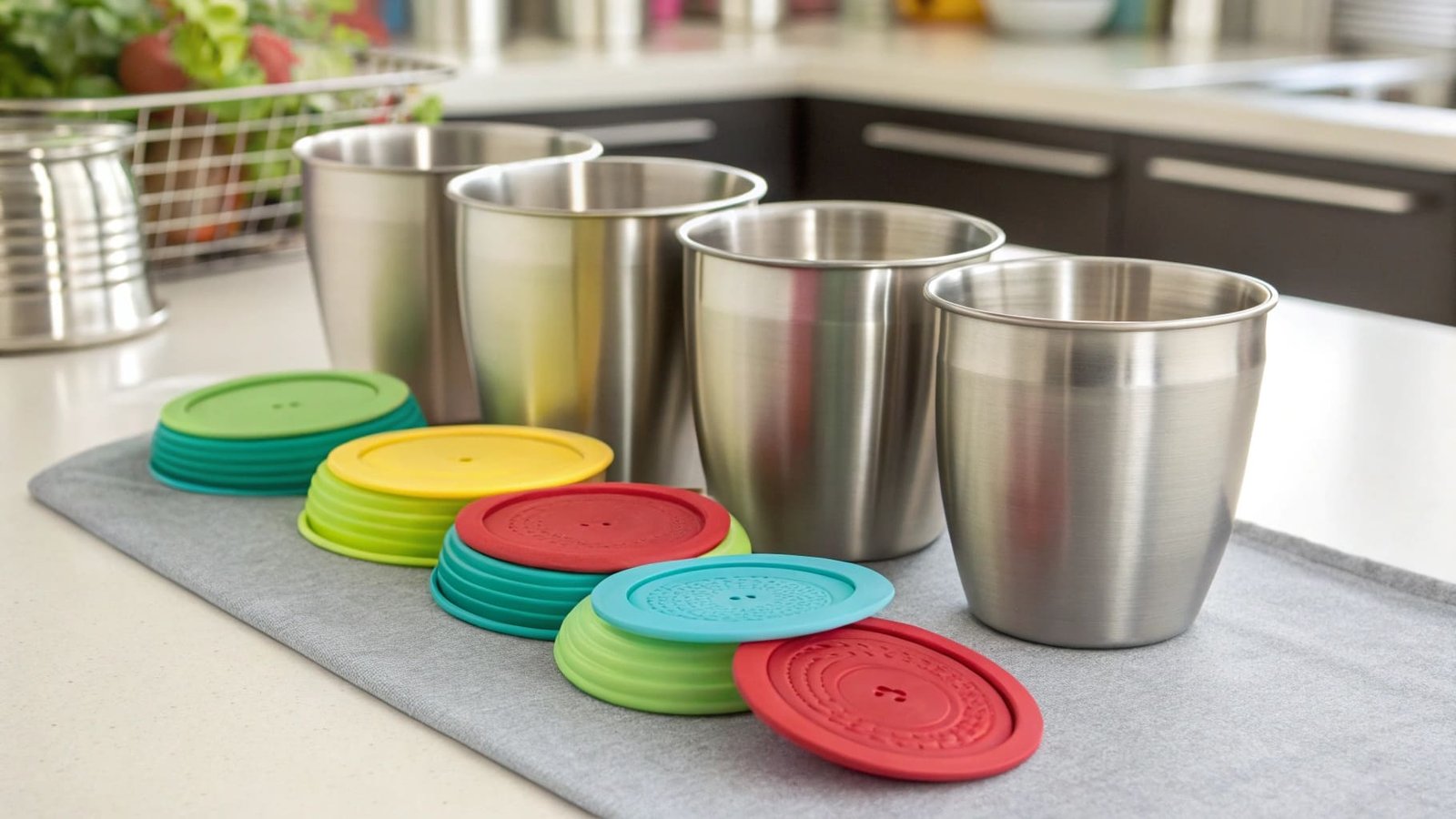
Where I look for lead risk on stainless steel cups
I do not treat stainless steel as a magic safe material. Good stainless steel is safe for drinkware use2, but the full cup includes more than steel. It can include coating, ink, logo printing, soldered parts, plastic lids, silicone rings, straws, and packed accessories. I see the biggest risk in low-cost decoration and unknown accessories. A colored cup can pass a visual check and still fail a chemical test. This is why I do not separate appearance from compliance.
| Cup area | My concern | My check method | My buyer note |
|---|---|---|---|
| Inner stainless steel wall | Wrong material grade | Material certificate and XRF | I confirm the grade before production |
| Powder coating | Heavy metal in pigment | XRF and lab test | I test high-risk colors first |
| Printed logo | Ink safety | Lab report and sample test | I test before mass printing |
| Welded seam | Poor filler or process | Visual check and material review | I ask for process control records |
| Lid and silicone ring | Unsafe additives | Food contact report | I match the report with the real part |
| Straw or accessory | Unknown supplier source | Random test | I do not accept mixed unknown batches |
Why I do not rely on one simple lead swab
I know some buyers ask for simple lead swabs because they are fast and cheap. I do not treat them as enough for OEM orders. A swab may miss risk, and it may not match formal import rules. I prefer XRF as a fast screening tool, then I use a lab test when the order has coating, printing, or strict retail compliance. For North American and European buyers, this step protects the brand more than it protects the factory. A failed safety claim after the product enters the market costs far more than a test before shipment.
I also ask buyers to connect lead testing with the approved golden sample. If the test sample is not the same as the mass production sample, the report has weak value. I mark the tested parts, the production batch, and the color code. This is a simple step, but it prevents certificate confusion. It also prevents fake or recycled reports from entering the purchasing file.
What are the common defects in glass?
Glass defects may look unrelated to stainless steel cups, but many drinkware buyers source both. I study them because quality habits should stay consistent.
Common glass defects include bubbles, stones, cracks, chips, scratches, mold marks, waviness, color variation, and stress cracks. I treat cracks and edge chips as critical defects.
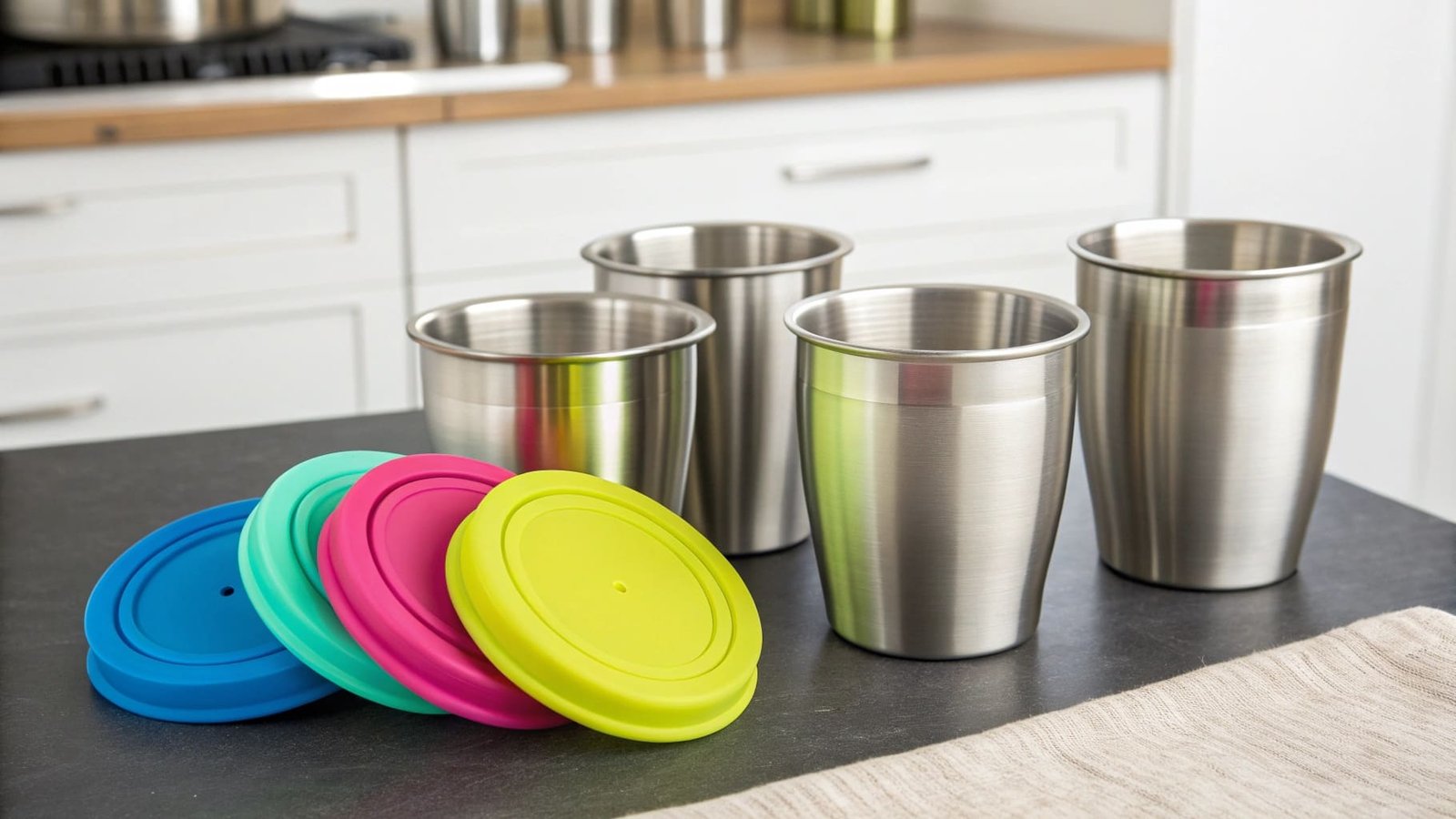
How glass defect thinking helps cup set inspection
I often use glass inspection logic to explain stainless steel polish defects. Glass buyers already understand that a tiny bubble in a hidden area may pass, but a crack near the rim cannot pass. Stainless steel inspection works in a similar way. The defect name matters, but the defect position matters more. A small mark under the base is different from a clear scratch on the front body. A polishing wave inside a cup is different from a visible wave near the logo.
| Glass defect | My risk view | Similar lesson for stainless steel cups | My action |
|---|---|---|---|
| Crack | Safety risk | Sharp burr or cracked weld | I use zero tolerance |
| Edge chip | Mouth contact risk | Rough rim or dented lip | I reject it |
| Bubble | Cosmetic risk | Tiny pinhole or coating dot | I classify by size and position |
| Stone inclusion | Material risk | Embedded dirt under coating | I reject obvious cases |
| Mold mark | Appearance risk | Uneven polish line | I compare with approved sample |
| Waviness | Visual distortion | Uneven mirror reflection | I inspect under stable light |
| Color variation | Set consistency risk | Coating shade difference | I inspect the full set together |
How I connect glass defects with OEM cup set control
I like to think in systems. A buyer may purchase stainless steel cups this season and glass drinkware next season. The product changes, but the quality control method should stay clear. I use three simple layers. I check safety first, function second, and appearance third. Safety includes cracks, sharp edges, lead risk, and unsafe materials. Function includes leak testing, lid fit, capacity, insulation, and packing strength. Appearance includes polish, coating, logo, color, and set matching.
For OEM cup sets, appearance still matters a lot because the customer sees the set before they test performance. I have seen a cup with good steel and strong insulation lose buyer confidence because the polish looked uneven under store light. I have also seen a perfect single cup fail as a set because the tumbler, mug, and bottle did not share the same color tone. This is why I do not only inspect random units. I open complete sets and compare them as the end customer will see them.
How should OEM buyers combine AQL, testing, and supplier control?
AQL alone cannot protect a brand if the factory standard is unclear. I use AQL as one part of a wider control plan.
I combine approved samples, defect photos, AQL inspection, material testing, and shipment checks. This method reduces disputes and helps buyers avoid late claims and missed sales seasons.
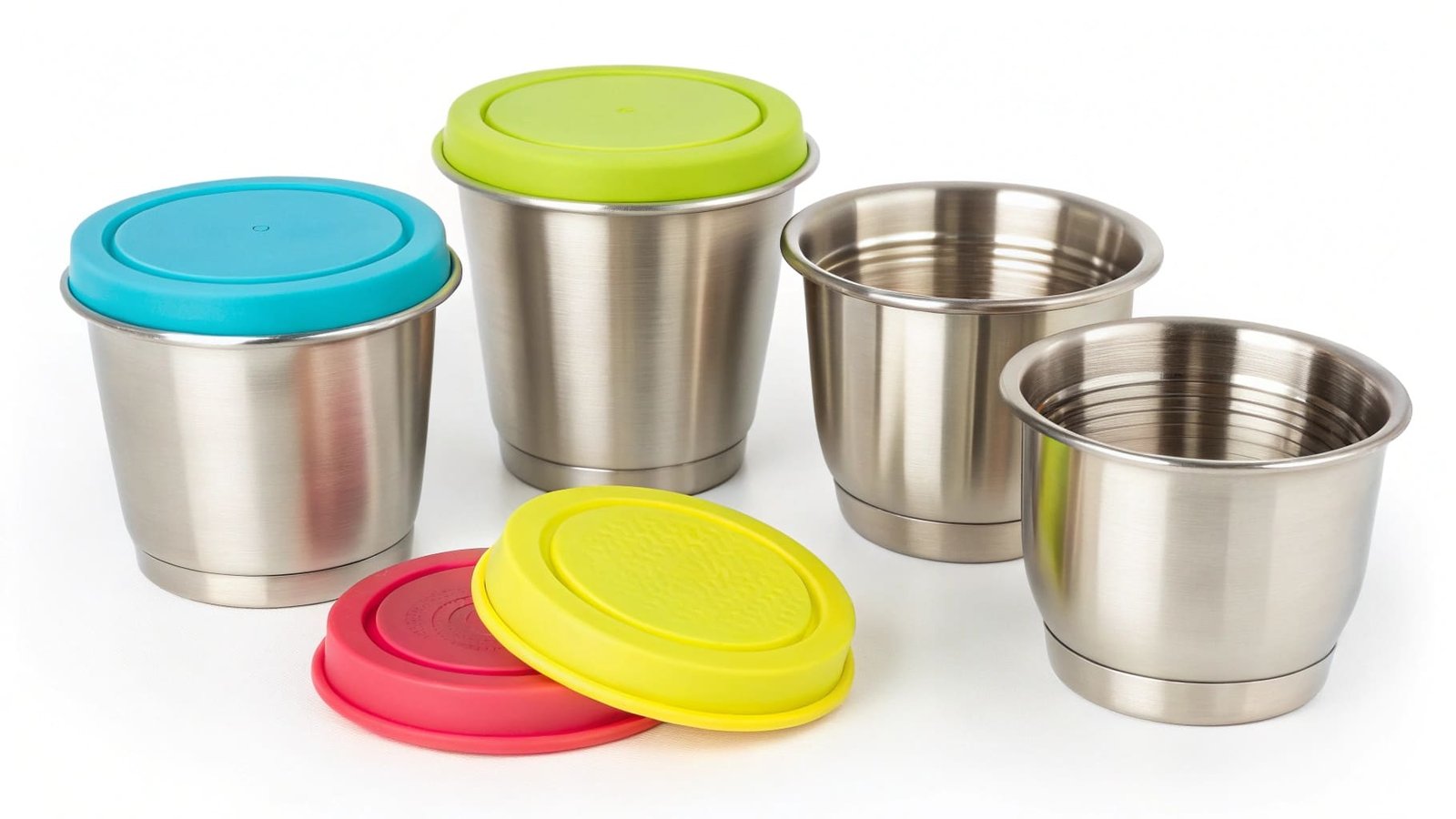
My practical control plan for 2026 OEM orders
I start with the product brief. I ask the buyer to confirm finish, logo method, color, packaging, target market, and expected retail level. A low-price promo cup and a premium gift set should not use the same visual standard. I then prepare samples and keep one approved sample in the factory. I also ask the buyer to keep one. This creates a shared reference.
| Control step | My purpose | My usual record |
|---|---|---|
| Approved sample | I lock the look and feel | Signed sample photos |
| Defect board | I reduce opinion disputes | Accepted and rejected examples |
| Material check | I confirm safety and grade | XRF result and material paper |
| In-line inspection | I catch process drift early | Production photos and notes |
| Final AQL inspection | I judge shipment quality | Inspection report |
| Packing check | I protect logistics safety | Drop test and carton check |
| Document check | I reduce customs risk | Certificate and batch match |
Why I care about timing as much as inspection
I know many buyers worry about delayed shipments. I understand that problem because seasonal sales do not wait for factory excuses3. If polish defects are found only during final inspection, the repair time can destroy the shipping plan. A factory may need to repolish, recoat, remake, or repack. Each step can add days.4 If the buyer needs stock before the peak season, this delay becomes a business loss.
This is why I prefer early inspection. I check the first finished pieces before full production runs too far. I also check coating and logo results before the whole batch is packed. If I find a problem early, I can correct the process while there is still time. For a buyer like a company owner or procurement officer, this is easier to manage. The buyer does not need to know every machine detail. The buyer only needs clear checkpoints, honest photos, and fast answers from the supplier.
Conclusion
I set clear AQL rules, test risky materials, and inspect full cup sets early. This gives OEM buyers better quality, fewer disputes, and safer shipments.
-
"Acceptable Quality Level, AQL Sampling Chart and Calculator", https://www.qima.com/aql-acceptable-quality-limit. ISO 2859-1 establishes the framework for sampling inspection by attributes and provides guidance on acceptable quality limit values, though specific AQL levels are typically negotiated between buyer and supplier based on product criticality and industry practice. Evidence role: general_support; source type: institution. Supports: The ISO 2859 standard defines AQL sampling procedures and common acceptable quality levels used in manufacturing inspection. Scope note: The standard provides methodology rather than prescriptive AQL values for specific defect types ↩
-
"Stainless Steel (SS) Safety Profile", https://www.fda.gov/media/165146/download. The U.S. FDA recognizes certain stainless steel grades (notably 304 and 316) as safe for food contact surfaces under 21 CFR 170.39, and the European Union includes stainless steel in its approved materials under Framework Regulation (EC) No 1935/2004 for materials intended to come into contact with food. Evidence role: general_support; source type: government. Supports: Food-grade stainless steel alloys are recognized as safe for food contact applications by regulatory authorities. Scope note: Safety depends on using appropriate grades and proper manufacturing processes ↩
-
"Mastering Inventory Management During Seasonal Surges", https://valorglobal.com/mastering-inventory-management-during-seasonal-surges/. Supply chain management research demonstrates that seasonal products face compressed selling windows and high stockout costs, as merchandise arriving after peak season typically experiences severe markdown pressure and diminished sales velocity, making on-time delivery a critical competitive factor in seasonal retail categories. Evidence role: general_support; source type: research. Supports: Retail and supply chain research documents the critical timing constraints of seasonal merchandise. ↩
-
"(PDF) An Evaluation of Actual Costs of Rework and Scrap in Manufacturing ...", https://www.academia.edu/27432831/An_Evaluation_of_Actual_Costs_of_Rework_and_Scrap_in_Manufacturing_Industry. Quality management literature extensively documents that rework operations typically extend production cycle times and increase costs significantly, with studies showing that defect detection late in the production process compounds delays as products must be routed back through multiple processing stages. Evidence role: general_support; source type: research. Supports: Manufacturing research documents the time and cost impact of rework operations. Scope note: Specific time impacts vary by industry, process complexity, and defect severity ↩