
Are stainless steel cups for kids compliant with CPSIA and Prop 65 in 2026?
I see buyers worry when a kids’ cup fails paperwork checks. The product may be safe, but missing proof can stop a shipment.
I treat stainless steel cups for kids as compliant only when each child-facing part passes CPSIA testing, has a valid Children’s Product Certificate, and has a Prop 65 exposure review. In 2026, compliance means tested steel, safe coatings, clean plastics, clear labels, and honest documents.
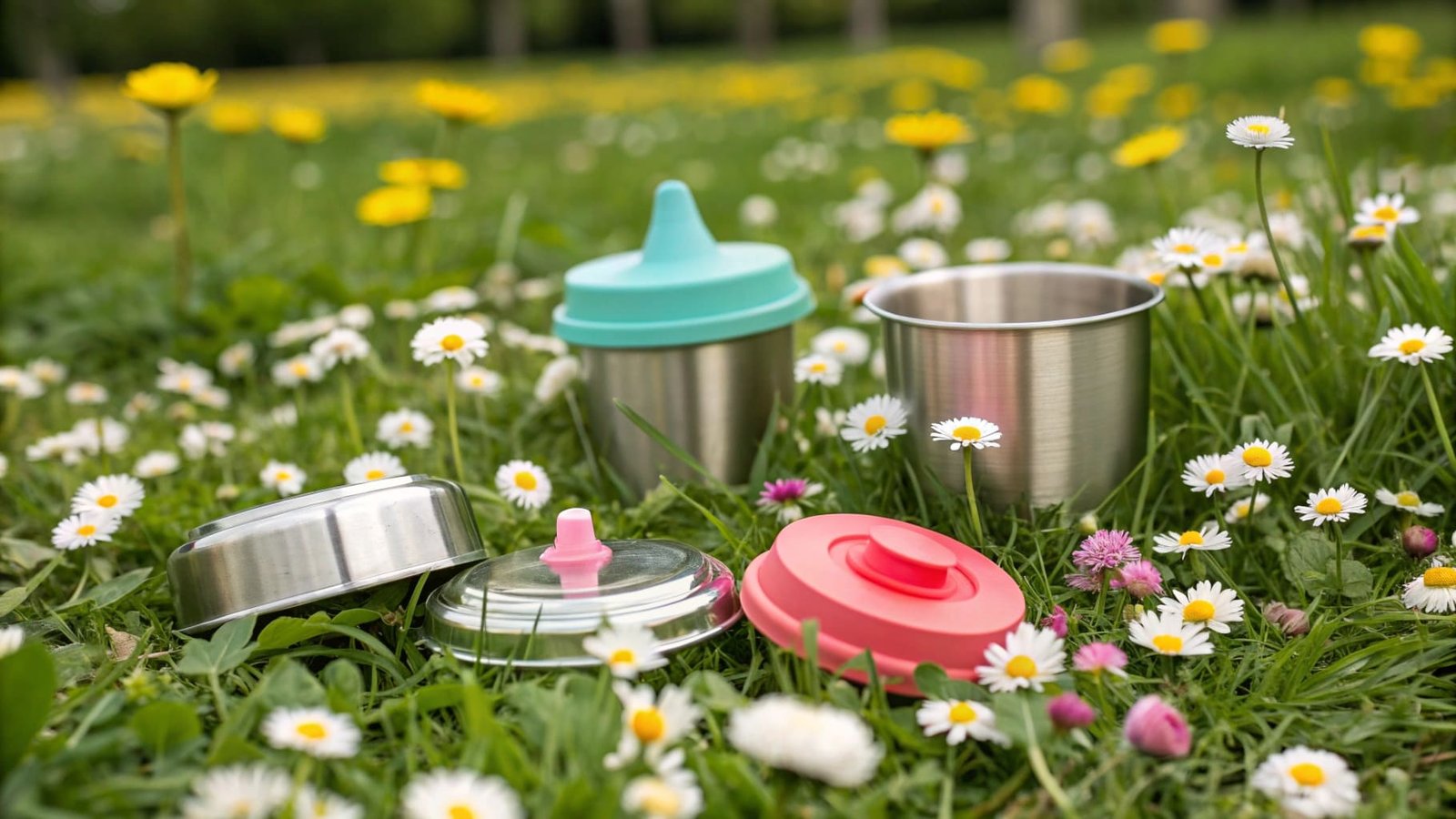
I handle this question often when I speak with North American buyers. Many buyers know sales well, but they do not always know the technical side of children’s drinkware. I understand that problem because a cup can look simple from the outside. It is only a steel body, a lid, a gasket, and maybe a straw. But each part can create a compliance risk. I do not see CPSIA and Prop 65 as paperwork after production. I see them as part of product design, supplier selection, testing, packaging, and shipment timing. If I wait until the goods are ready, I may lose the peak season before I find the problem.
Why is there a P65 warning on my mug?
I have seen a warning scare a buyer before he opened the test report. The label felt like a problem, so trust dropped fast.
A P65 warning on a mug usually means the seller is warning about possible exposure to a listed chemical, not proving the mug is unsafe. I check the steel, coating, print, lid, gasket, straw, and packaging before I decide if the warning is needed.
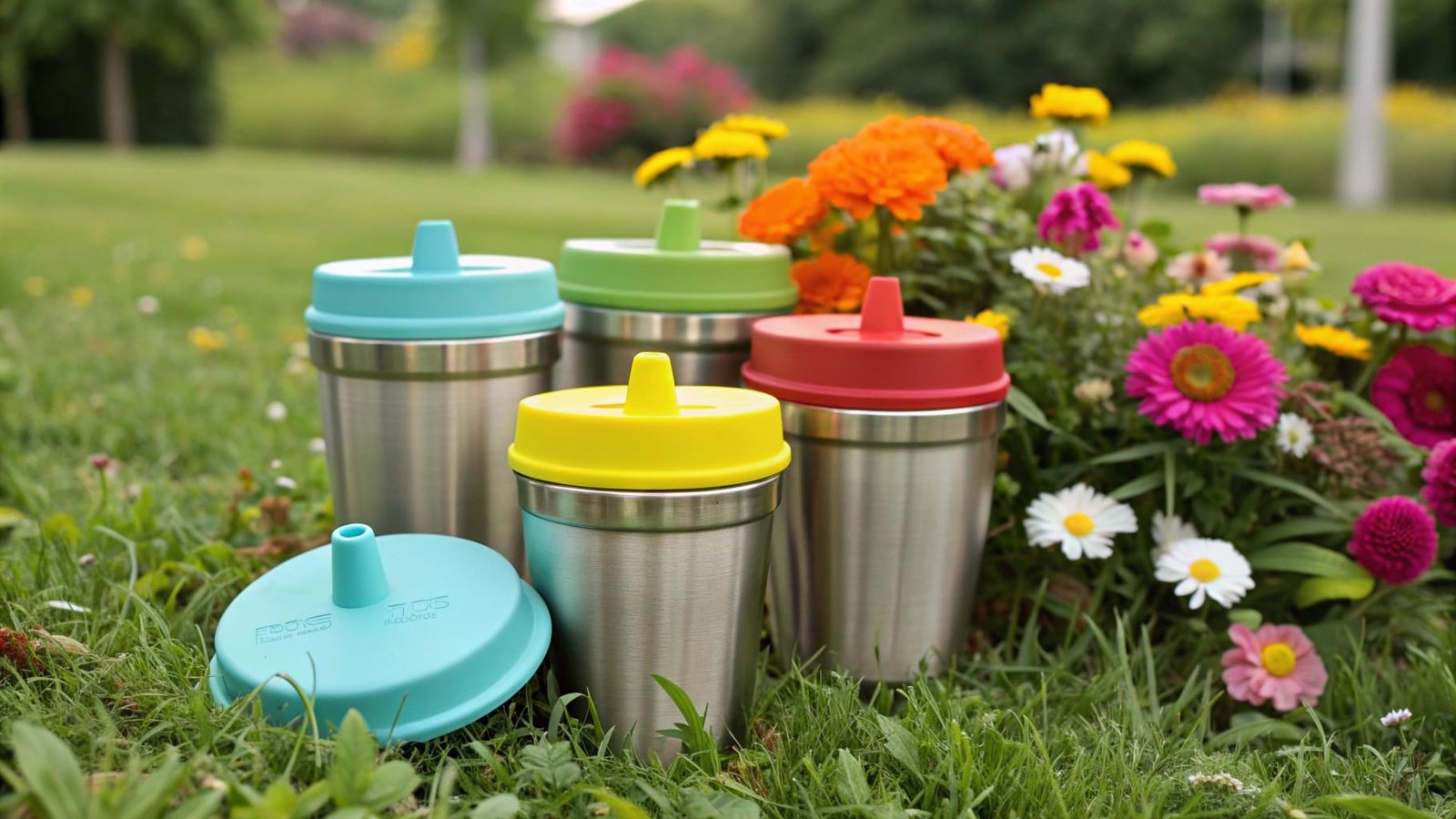
I do not treat a Prop 65 warning as a simple sign of bad quality. I treat it as a signal that I must check the exposure path. Prop 65 is based on possible exposure to listed chemicals in California1. The product material matters, but normal use matters too. A stainless steel mug may contain nickel inside the steel alloy. High-grade stainless steel often uses nickel to improve corrosion resistance2. That does not mean the mug is unsafe. It means I need to understand whether nickel can move from the product to the user at a level that triggers a warning.
I also look beyond the steel. I have seen more risk in decoration and accessories than in the cup body. A bright print, low-cost coating, soft plastic lid, or poor gasket can create a bigger issue than the stainless steel wall.
| Product area | Why I check it | Common concern |
|---|---|---|
| Stainless steel body | I confirm the grade and migration result | Nickel or other alloy elements |
| Painted surface | I check coating and curing control | Lead or other listed chemicals |
| Printed logo | I review ink and adhesion | Lead, cadmium, or solvent residue |
| Plastic lid | I check material and age grade | BPA or phthalate concern |
| Silicone seal | I check food contact status | Filler quality or odor issue |
| Straw or accessory | I test each separate part | Mixed material risk |
I have learned to ask for test reports that match the real product. I check the photo, model name, material list, color, and factory name. A report for a plain cup does not cover a powder-coated cup with a printed logo. A report for one lid material does not cover another lid material. This is where many delays begin. I would rather spend time before mass production than argue after the goods are packed.
What type of products require a Prop 65 warning?
I lose patience with vague answers because one small part can create a California warning issue. A safe cup body is not the whole product.
Products need a Prop 65 warning when normal use can expose California consumers to a listed chemical above the safe level. I review every contact point, including paint, powder coating, ink, plastic lids, silicone seals, straws, carry parts, and even accessories.
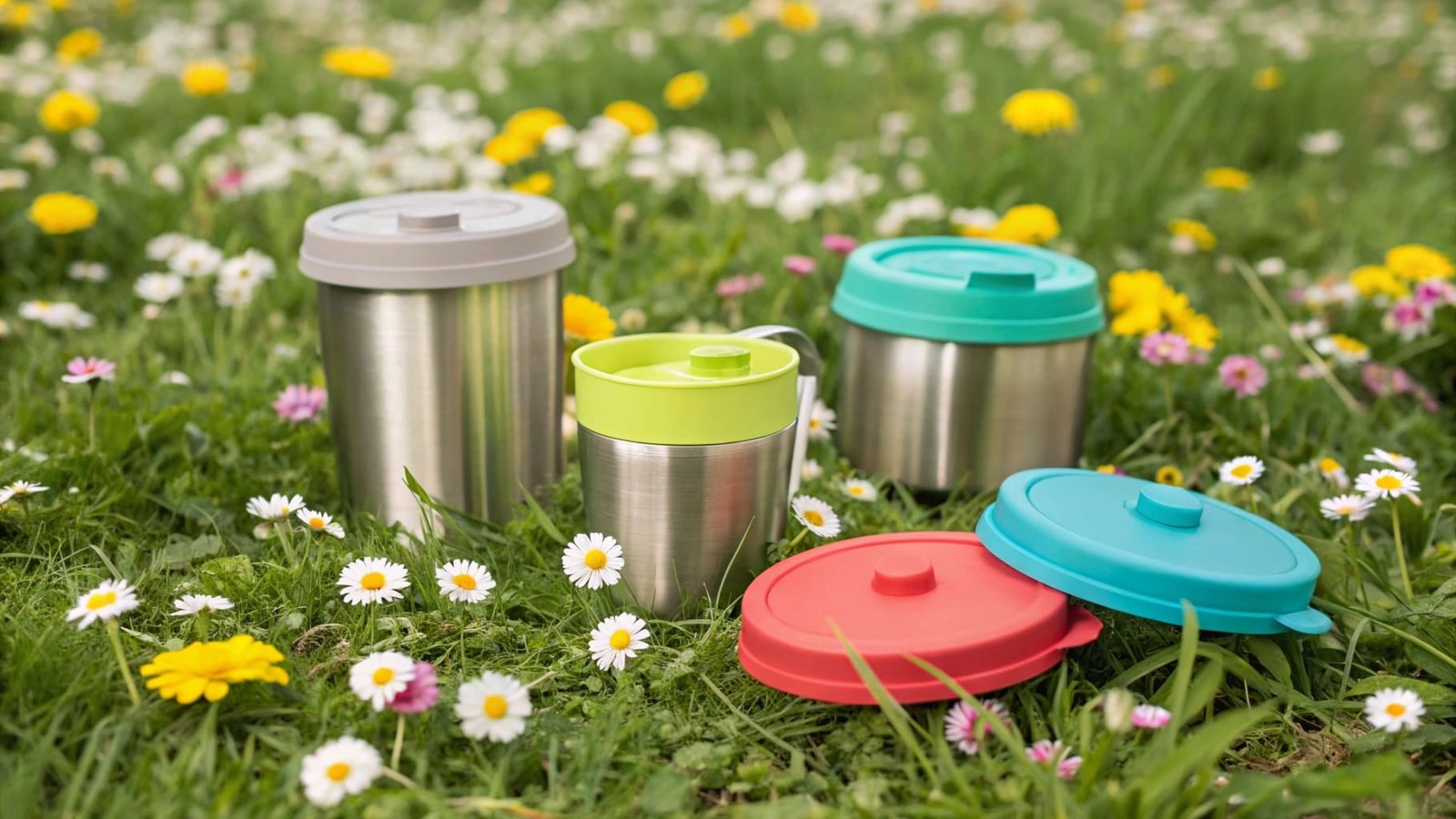
I look at Prop 65 from the consumer’s hand and mouth, not only from the factory invoice. If a child drinks from a cup, touches the coating, chews the straw, or handles the lid, I must think about possible exposure. This is why I do not accept a material claim alone. A supplier may say the steel is food grade, and that may be true. But the final product can still need a warning if another component creates exposure.
I also separate Prop 65 from CPSIA in my mind. CPSIA is a federal children’s product rule. It covers lead limits, lead in paint, tracking labels, third-party testing, and a Children’s Product Certificate. It can also involve phthalate rules when the age grade and product use make them apply. Prop 65 is a California warning law. It does not replace CPSIA. It sits beside it.
| Product type or part | Why it may require review | What I ask before production |
|---|---|---|
| Kids’ stainless steel cup | It is a children’s product | CPSIA test plan and CPC plan |
| Powder-coated mug | The coating touches hands and may chip | Coating test and heavy metal test |
| Printed logo | The ink may include restricted elements | Print ink test and adhesion check |
| Plastic lid | The mouth may touch it during drinking | BPA and phthalate review |
| Silicone boot | The child may hold or bite it | Food-grade silicone report |
| Straw and brush set | Accessories may be separate materials | Separate component testing |
| Gift box or bag | Packaging may contact the product | Material disclosure and odor check |
I also consider sales channels. If a buyer sells into California, I treat Prop 65 as a live issue. If a buyer sells through large retailers, I prepare documents early because retailer review can be stricter than the law on paper. I have seen shipments wait because one certificate was unclear. I have also seen buyers lose time because the sales representative could not explain which sample was tested. I prefer a boring document trail because boring documents protect the shipment.
Are stainless steel mugs safe?
I know buyers want one clean answer. The hard truth is simple. Stainless steel is safe when the grade, process, and accessories are controlled.
I consider stainless steel mugs safe when they use food-grade 304 or 316 steel3, lead-free decoration, BPA-free plastic4 parts, food-grade silicone, and third-party testing. The mug is not safe by material name alone. I need proof for every part.
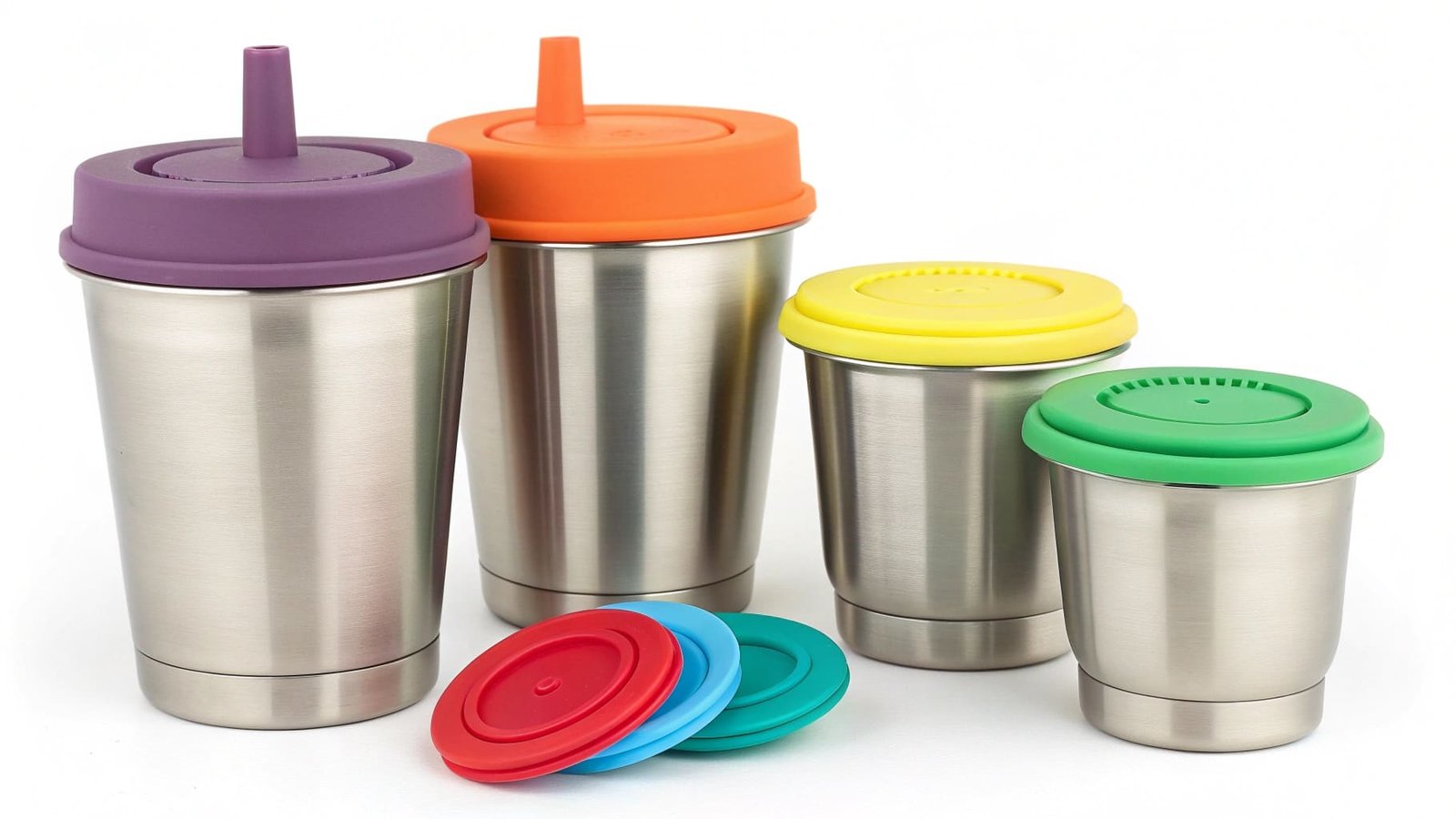
I trust stainless steel because it is strong, stable, and easy to clean. I use 304 stainless steel for most drinkware projects because it works well for normal water bottles and cups. I consider 316 stainless steel when a buyer wants stronger corrosion resistance. The material itself is a good choice for kids because it does not break like glass and does not carry the same concerns as low-grade plastic. But I never stop at the word stainless steel.
I check the inner wall first. I want the water contact surface to be clean, smooth, and properly finished. Then I check the weld, rim, and bottom structure. A rough weld or poor polishing can create cleaning problems. I also check the outer coating. A coating can make a product more attractive for retail, but poor coating control can create compliance and durability risk.
| Safety point | My standard check | Why it matters |
|---|---|---|
| Steel grade | I confirm 304 or 316 where required | It supports food contact safety |
| Inner surface | I check polish and cleanliness | It reduces residue and odor |
| Decoration | I use lead-free print and coating | It protects children and brands |
| Lid material | I check BPA-free plastic | The mouth touches this part |
| Seal material | I use food-grade silicone | It contacts liquid and heat |
| Test report | I match report to real product | It prevents false confidence |
| Certificate | I prepare clear CPSIA documents | It supports U.S. customs and retail review |
I also pay attention to certificate fraud because it damages the buyer more than the supplier at first. If a buyer imports the product under his brand, the market will blame his brand when a problem appears. I ask for full test reports from known labs. I check sample photos, issue dates, model details, and test standards. I also keep production samples because a sample from testing must match the goods shipped.
I think safe sourcing needs good communication. I tell buyers the truth early when a custom color, new lid, or new logo method changes the risk. I do not like the answer “same as before” unless the material, supplier, mold, process, and test scope are still the same. A small change can require new testing. This may feel slow, but it is faster than a delayed shipment in the selling season.
Conclusion
I see compliance as proof, not a promise. I protect the order when I test each part, check each document, and communicate early.
-
"Proposition 65 - OEHHA - CA.gov", https://oehha.ca.gov/proposition-65. California's Safe Drinking Water and Toxic Enforcement Act of 1986 (Proposition 65) requires businesses to provide warnings before knowingly exposing individuals to chemicals known to cause cancer or reproductive toxicity, as determined by the state's qualified experts. Evidence role: mechanism; source type: government. Supports: California's Proposition 65 requires warnings for exposures to listed chemicals. ↩
-
"Stainless steel", https://en.wikipedia.org/wiki/Stainless_steel. Austenitic stainless steels, including common grades 304 and 316, contain 8-10% nickel which stabilizes the austenitic structure and significantly improves corrosion resistance and formability. Evidence role: mechanism; source type: encyclopedia. Supports: nickel enhances corrosion resistance in stainless steel alloys. ↩
-
"Stainless Steel (SS) Safety Profile", https://www.fda.gov/media/165146/download. The U.S. FDA recognizes austenitic stainless steels including types 304 and 316 as acceptable materials for food contact surfaces under 21 CFR 170.39, based on their composition and demonstrated safety in repeated-use applications. Evidence role: general_support; source type: government. Supports: 304 and 316 stainless steel are recognized for food contact applications. ↩
-
"Bisphenol A leaching from polycarbonate baby bottles into ...", https://pmc.ncbi.nlm.nih.gov/articles/PMC9441614/. The FDA amended food additive regulations in 2012 to no longer authorize BPA in baby bottles and sippy cups following industry abandonment of these uses, reflecting concerns about potential effects on the brain and prostate gland in fetuses, infants, and children. Evidence role: historical_context; source type: government. Supports: BPA has been restricted in certain children's products due to health concerns. Scope note: The FDA's current position is that BPA is safe at very low levels occurring in foods, though the agency continues to support research on its effects. ↩