
Toddlers' cups vs plastic in 2026: breakage rate, TCO, and channel placement?
Plastic toddler cups look cheap at first. I see buyers lose margin when cracks, stains, returns, and weak shelf positioning start to appear.
In 2026, I see stainless steel toddler cups offering better total cost for premium channels because they break less, last longer1, and support higher retail pricing. Plastic still fits low-price channels, but quality-focused buyers need to measure replacement rate, not only factory price.
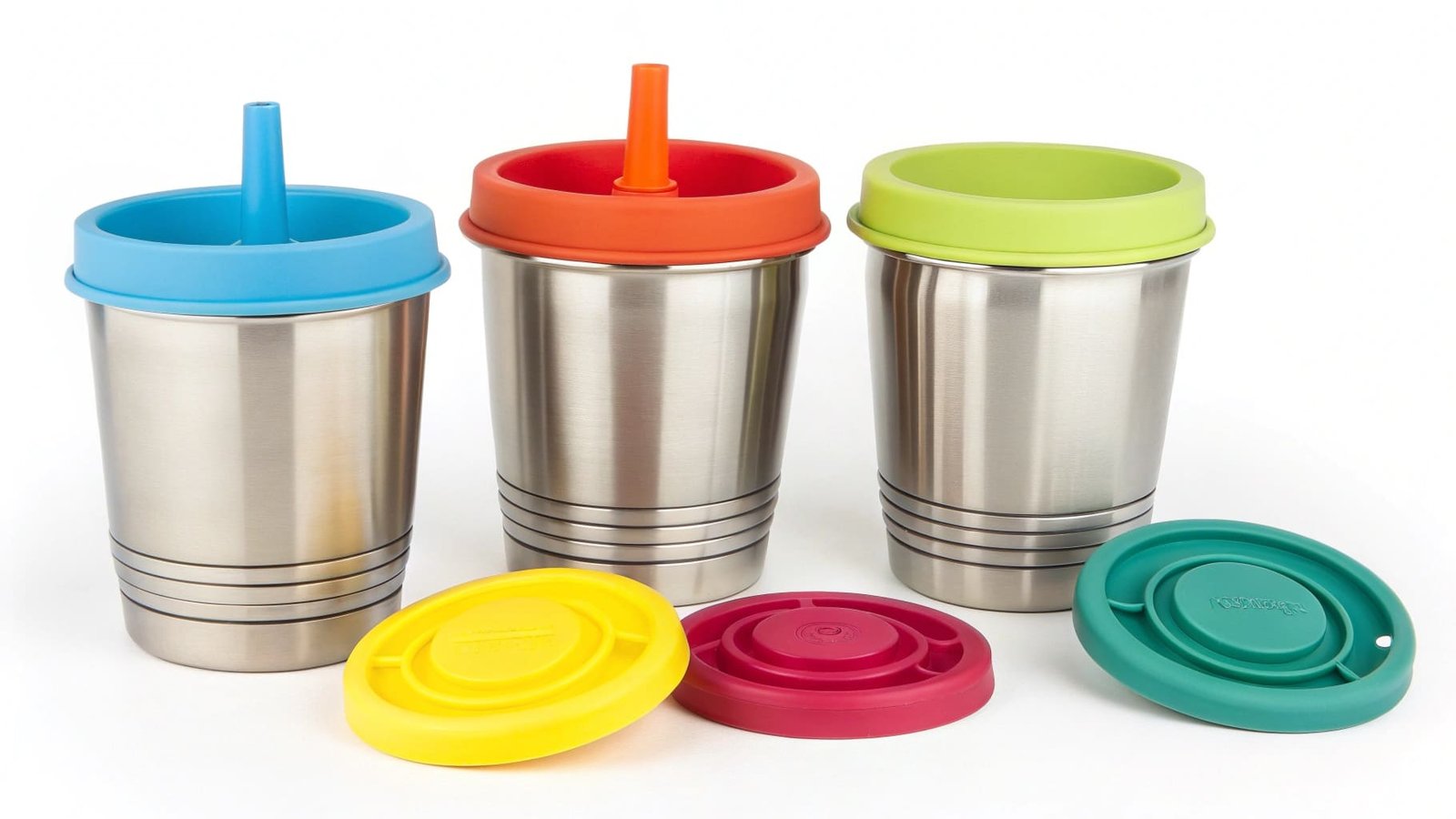
I often speak with buyers like Mark in Canada, who know sales very well but do not want technical confusion from suppliers. I understand that problem because I work with B2B drinkware buyers every day. A toddler cup is not only a small cup. It is a product that faces drops, chewing, dishwashers, daycare bags, and parent complaints. I also see that channel placement matters more than before. A stainless steel toddler cup can sit in a premium baby store, a gift box program, or a rebranded retail line. A low-cost plastic cup often has to fight on price. I think the real question is simple. I need to know which material protects my buyer’s margin after the first sale.
What type of plastic is most commonly used for disposable cups?
Plastic cup sourcing looks simple. I see many buyers choose the lowest quote, then face quality claims, smell issues, and weak trust from careful parents.
I see PP as the most common plastic for many disposable and low-cost toddler cup parts, while Tritan is common in reusable clear cups. PP is light and cheap. Tritan is clearer and stronger. Both are often sold as BPA-free, but buyers still ask about safety and long-term use2.
Why do I still compare PP, Tritan, and stainless steel?
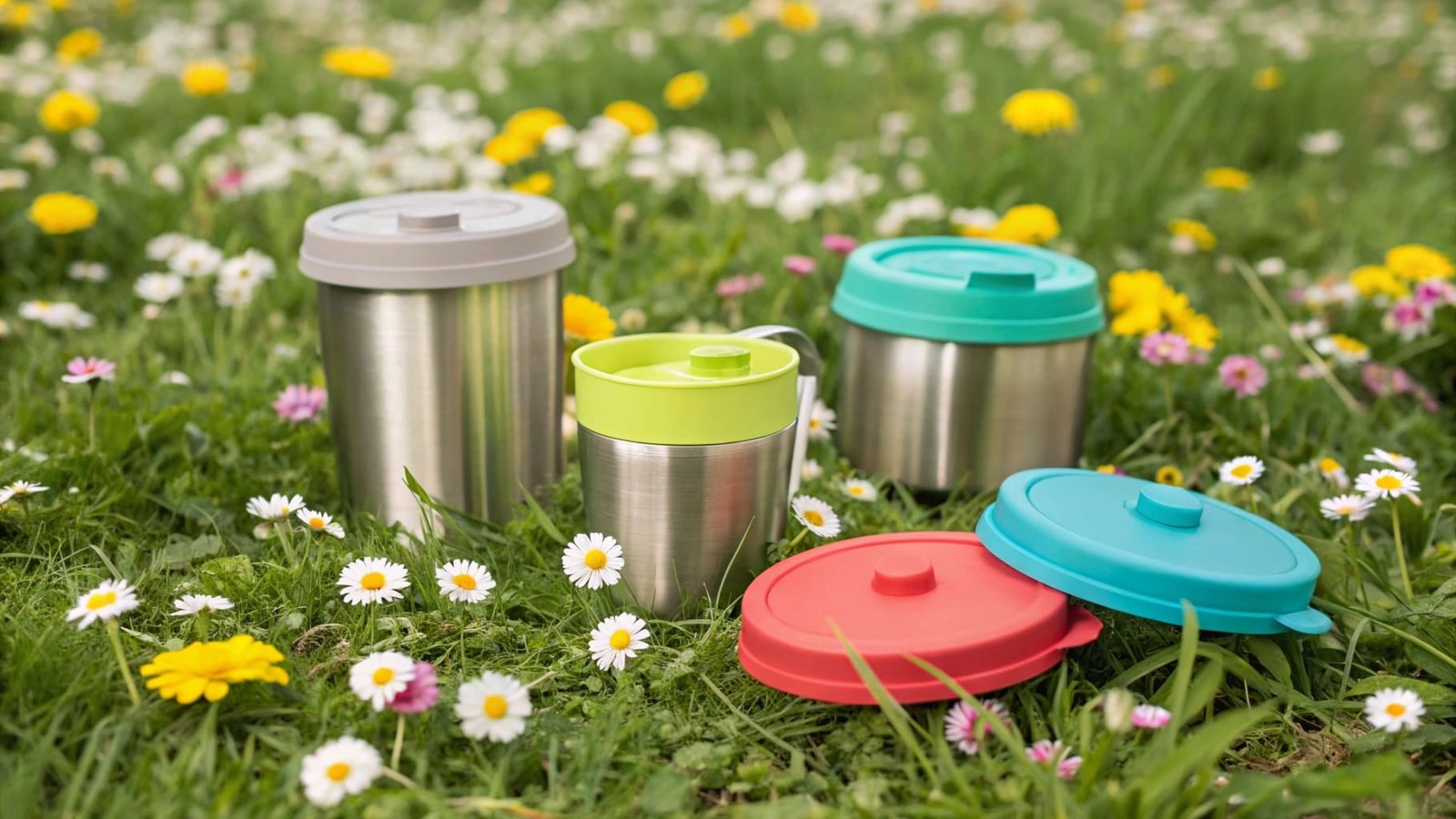
I compare these materials because they sit in different price bands and channels. I also compare them because the customer does not judge only by material name. The customer touches the cup, checks the smell, drops it, washes it, and watches how it looks after use. PP is useful when I need low unit cost and fast movement. Tritan helps when I need a clear body and a cleaner shelf look. Stainless steel helps when I need a premium feel, stronger durability, and better rebranding value.
| Material | Main use I see | Strength I value | Risk I watch | Best channel fit |
|---|---|---|---|---|
| PP | Disposable cups and low-cost parts | Low price and light weight | Staining, wear, and weak premium feel | Mass market and price channels |
| Tritan | Clear reusable cups | Better clarity and stronger body | Higher plastic cost and safety questions from some parents | Mid-range retail |
| Stainless steel | Premium toddler cups | Low breakage and strong shelf value | Higher first cost and need for good design | Premium baby stores and branded programs |
I usually tell buyers not to stop at the factory price. I ask them to include returns, lost sales, weak reviews, and seasonal risk. A plastic toddler cup can look profitable on paper. It can become expensive when the spout fails or the cup looks old after repeated washing. A stainless steel cup needs better tooling and stronger supplier control. It also gives the buyer more room for logo, color, gift packaging, and retail story.
How do toddler cups work?
A toddler cup looks basic. I see many designs fail because the lid, valve, handle, straw, and body do not work together in daily use.
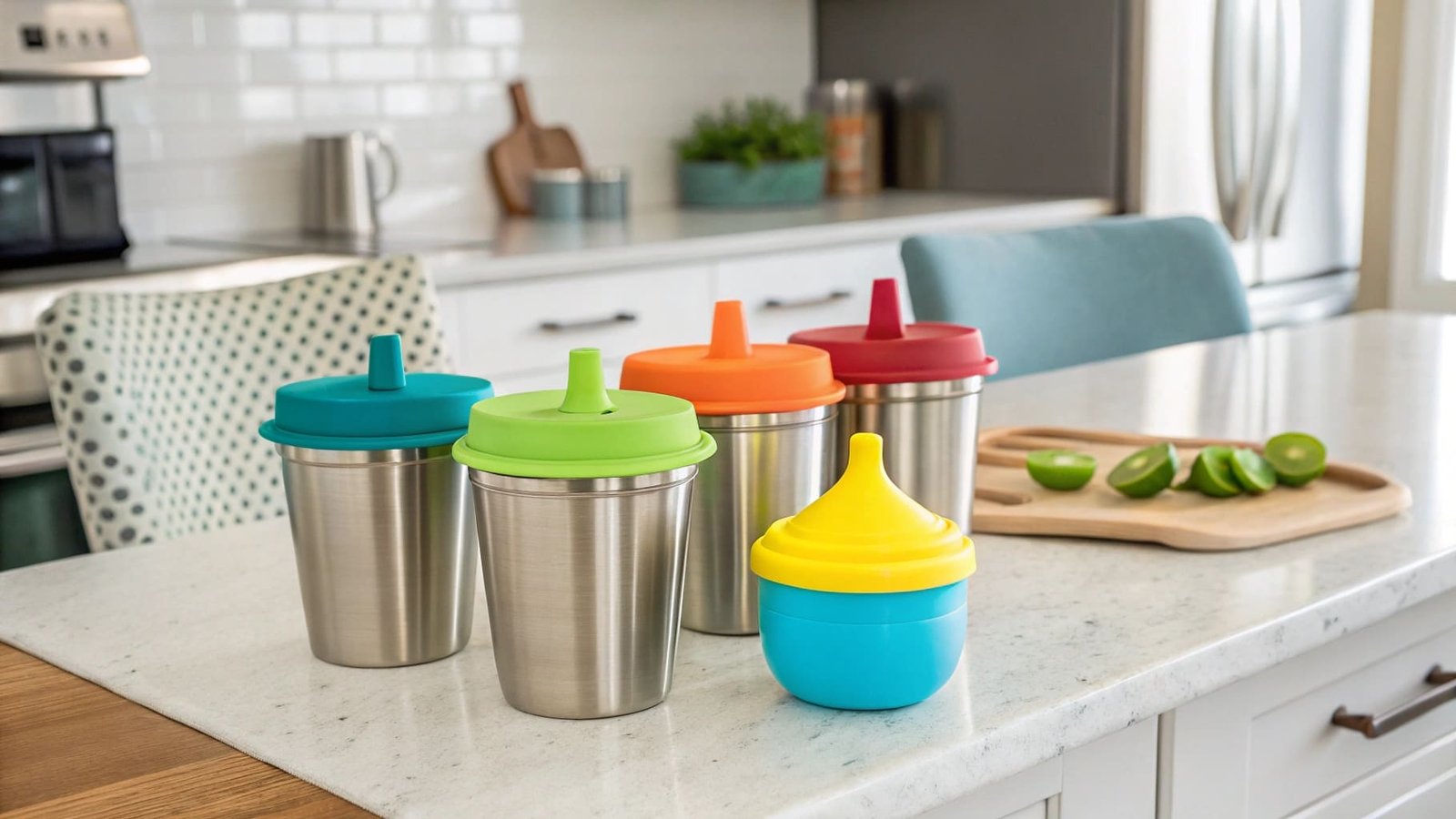
I see toddler cups working through controlled liquid flow. A spout, straw, valve, or open training rim helps the child drink with fewer spills. The best design balances leak resistance, easy cleaning, safe materials, stable grip, and drop resistance.
What should I check before I place a toddler cup order?
I check the drinking system first because this part creates most complaints. A cup body can be strong, but a poor lid can ruin the whole SKU. I also check cleaning access because parents hate hidden dirt. I once reviewed a sample that looked beautiful in photos, but the narrow neck made brush cleaning difficult. I knew the buyer would face bad reviews even if the material was safe.
| Part | What I check | Why I care | Common problem I avoid |
|---|---|---|---|
| Lid | Fit, seal, and thread | I need stable leak control | Loose fit after repeated use |
| Spout or straw | Flow rate and bite strength | I need comfort and durability | Tearing, odor, or hard sucking |
| Handle | Grip and attachment | I need toddler control | Weak snap points |
| Body | Weight, coating, and dent resistance | I need safe daily use | Cracks, dents, or paint damage |
| Cleaning design | Opening size and removable parts | I need parent approval | Mold risk and trapped residue |
I also consider weight. Stainless steel can feel heavy if the wall design is poor. A double-wall body gives insulation3, but it must still fit toddler hands. I like hybrid designs when they solve a real use problem. A stainless steel body with silicone boot, removable lid parts, and clear measurement strip can combine safety and function. I do not like hybrid designs when they add too many parts. More parts can mean more loss, more claims, and harder packing control. For B2B buyers, I believe a good toddler cup should be easy to explain in one sales sentence and easy to use every day.
Is it unhealthy to drink from plastic cups?
Plastic cups can feel safe because they are common. I see concern grow when parents hear about microplastics, heat, scratches, and unclear certificates4.
I do not say every plastic cup is unhealthy. I do say buyers should treat plastic risk seriously, especially with heat, repeated washing, scratches, and low-grade materials. Stainless steel reduces many material concerns when the steel grade, coating, and silicone parts are properly tested.
How do I judge health risk, certification, and supplier trust?
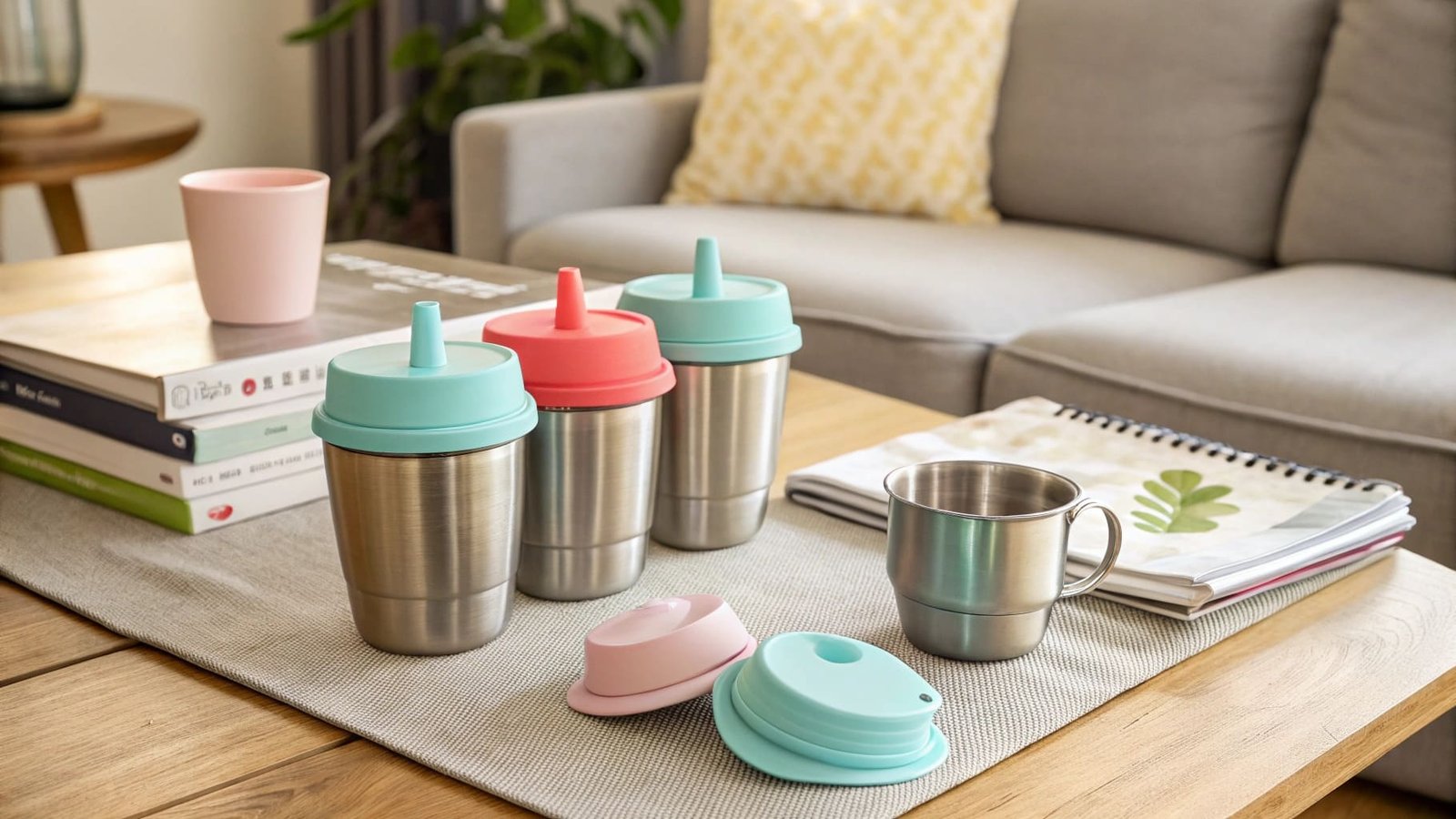
I judge health risk through material, use condition, and proof. A clean certificate is useful, but I do not treat a certificate as the whole answer. I have seen buyers worry about certificate fraud, and I understand why. Some suppliers send old reports, mismatched model reports, or documents that do not match the final material. I prefer to match the report to the exact product, exact material, exact color, and exact production batch when the order is important.
| Risk area | What I ask for | What I verify | Why it matters to my buyer |
|---|---|---|---|
| Plastic safety | Material grade and test report | Product name, model, and date | I need real proof, not vague claims |
| Silicone parts | Food contact test | Color and hardness | I need safe mouth contact |
| Stainless steel | Steel grade statement | Inner surface and lab test | I need corrosion resistance |
| Coating | Coating test and adhesion check | Color match and scratch result | I need shelf beauty after use |
| Packing | Drop test and carton details | Export carton strength | I need fewer logistics losses |
I also think about heat. Many families put cups in dishwashers or leave them in hot cars. Heat can make low-grade plastic age faster. Scratches can also hold odor and dirt. This is one reason I see stainless steel gaining space in premium baby channels. It gives the retailer a stronger safety story. It also helps the distributor sell at a higher price after rebranding. Still, stainless steel needs honest quality control. A poor lid, poor weld, or weak coating can damage trust5. I would rather quote clearly and ship on time than win an order with a price that cannot support proper inspection.
How do I connect breakage rate, TCO, and channel placement?
I connect these three points because they decide real profit. I see many buyers focus on unit cost first. I understand that habit because cash flow matters. Yet a toddler cup with a lower first cost can create higher cost after sale. If plastic cups have a high replacement rate in the first year, the buyer pays through returns, bad reviews, extra stock, and customer service time. If stainless steel cups have a lower structural failure rate, the buyer can protect margin even with a higher purchase price.
| Business factor | Plastic toddler cup | Stainless steel toddler cup | My B2B view |
|---|---|---|---|
| First unit cost | Lower | Higher | Plastic wins on entry price |
| Breakage and wear | Higher risk | Lower risk | Stainless steel wins on durability |
| Retail price room | Limited | Stronger | Stainless steel supports branding |
| Parent trust | Mixed | Stronger in premium channels | Stainless steel is easier to position |
| Logistics risk | Light weight | Slightly higher weight | Packing plan must be clear |
| Repeat purchase reason | Replacement | Upgrade, gifting, and color refresh | Stainless steel creates better brand story |
I would place plastic in mass-market channels when the buyer needs a low shelf price. I would place stainless steel in premium stores, corporate baby gift sets, and branded online lines. I would also build the offer around complete parts, such as lids, silicone boots, cleaning brushes, straws, and cloth bags. These add-ons help the buyer create sets and lift average order value. For 2026, I believe the winning toddler cup is not only safer. I believe it must be easier to inspect, easier to explain, and easier to sell before the peak season.
Conclusion
I would choose the cup material by total cost, channel fit, and trust, not by unit price alone.
-
"Steel, Glass, and/or Plastic Bottles: What is the best choice?", https://www.canr.msu.edu/news/steel_glass_and_or_plastic_bottles_what_is_the_best_choice. Materials engineering literature consistently documents that austenitic stainless steel alloys (e.g., 18/8 or 304 grade) possess substantially higher impact toughness and fatigue resistance than polypropylene or copolyester polymers, supporting claims of lower structural failure rates in daily-use consumer products. Evidence role: general_support; source type: research. Supports: Stainless steel exhibits superior impact resistance and structural longevity compared to common food-grade plastics under repeated mechanical stress. Scope note: Controlled comparative breakage studies specifically on toddler drinkware products were not identified; the durability advantage is inferred from general materials properties rather than product-specific testing data ↩
-
"Concern about the Safety of Bisphenol A Substitutes - PMC", https://pmc.ncbi.nlm.nih.gov/articles/PMC6387873/. Peer-reviewed literature has raised concerns that bisphenol substitutes such as BPS and BPF, used in BPA-free products, may exhibit endocrine-disrupting properties comparable to BPA, suggesting that BPA-free labeling does not automatically confer safety (Eladak et al., 2015, Reproductive Toxicology; Liao & Kannan, 2013, Environmental Science & Technology). Evidence role: expert_consensus; source type: research. Supports: BPA-free plastics may contain structurally similar bisphenol analogues whose safety profiles are still under scientific review. Scope note: Research on bisphenol analogues is ongoing and dose-response relationships in typical consumer use scenarios remain an active area of investigation ↩
-
"How Vacuum Insulation Works — The Science Behind Thermos® Products", https://thermos.com/blogs/news/how-vacuum-insulation-works-the-science-behind-thermos%C2%AE-products?srsltid=AfmBOoq_9Gusyu3CAwcZQqEPobvuhOsFhTQaAQ8kkpooeIVtUqtHVIqi. Thermal engineering principles confirm that double-wall vacuum insulation reduces conductive and convective heat transfer by creating a near-vacuum barrier between inner and outer walls; consumer product testing has documented that vacuum-insulated stainless steel vessels maintain beverage temperatures substantially longer than single-wall plastic or metal alternatives. Evidence role: mechanism; source type: research. Supports: Double-wall and vacuum-insulated stainless steel construction significantly reduces heat transfer compared to single-wall designs, maintaining beverage temperature for extended periods. Scope note: Performance varies by vacuum quality, wall gap, and lid seal; published data on toddler-specific cup formats are limited compared to adult drinkware categories ↩
-
"An Overview of the Possible Exposure of Infants to Microplastics - PMC", https://pmc.ncbi.nlm.nih.gov/articles/PMC10971803/. Research has documented microplastic release from plastic food-contact materials under conditions of mechanical stress and thermal exposure; a 2020 study in Nature Food (Li et al.) estimated that polypropylene infant feeding bottles released millions of microplastic particles per liter under sterilization and formula preparation conditions, highlighting exposure relevance for young children. Evidence role: statistic; source type: research. Supports: Plastic food-contact items, including cups, can release microplastic particles during use, representing a potential ingestion pathway for young children. Scope note: The cited study focused on infant bottles rather than toddler cups specifically; extrapolation to toddler cup use conditions requires caution ↩
-
"Development of Standard Test Methods and Evaluation of Shelf Life ...", https://nepis.epa.gov/Exe/ZyPURL.cgi?Dockey=P100TXTH.TXT. Industry and standards bodies, including ISO technical committees on food-contact metallic materials, identify weld quality and surface coating adhesion as critical control points that affect both structural integrity and food safety compliance in stainless steel drinkware. Evidence role: general_support; source type: institution. Supports: Weld integrity and coating adhesion are recognized quality control parameters in stainless steel food-contact product manufacturing. Scope note: Specific published failure-rate data for toddler cup welds or coatings in commercial production were not identified; the claim is supported by general manufacturing quality principles rather than product-category-specific studies ↩