
Are 30oz insulated tumblers acceptable for healthcare gifting programs?
I see many healthcare teams waste budget on gifts people forget. Staff need useful items. A poor gift quietly weakens a caring brand.
I consider 30oz insulated tumblers acceptable for healthcare gifting programs when the product is safe, well-insulated, easy to carry, and clearly certified. The size supports long shifts, fewer refills, and better daily hydration for busy healthcare workers.
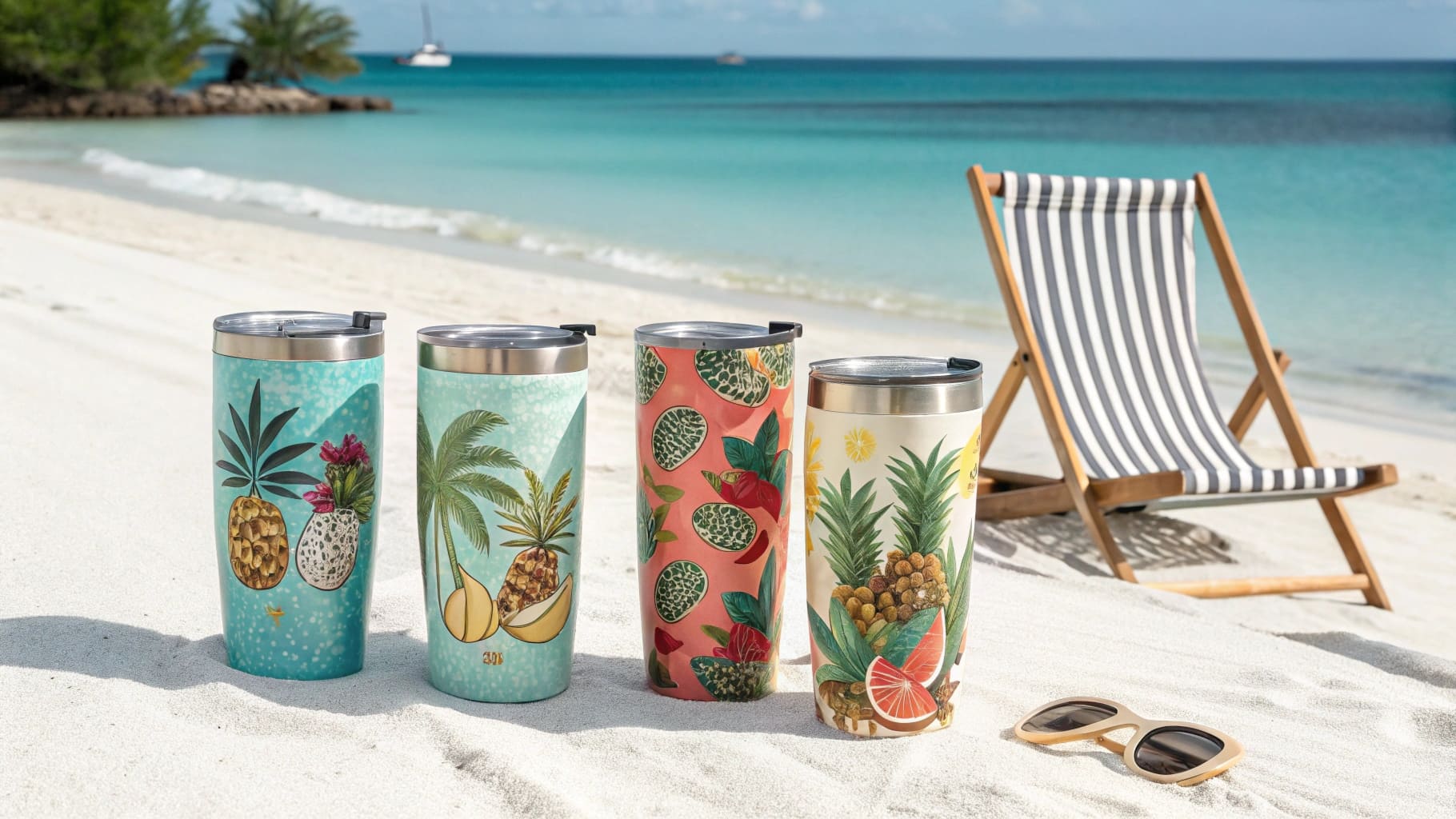
I have worked with stainless steel drinkware buyers for many years, and I have seen healthcare gifting change. I see fewer buyers asking for cheap items that only show a logo. I see more buyers asking for items that match health, care, and daily use. A 30oz insulated tumbler fits that move well. It gives staff enough capacity for a long shift. It also feels more serious than a small giveaway cup. I still do not treat it as a simple product. I check material, lid safety, insulation, coating, logo method, carton strength, certificates, and delivery time before I call it suitable. Healthcare buyers cannot afford weak communication or late shipment, so I treat the tumbler as both a gift and a working tool.
How many ounces is a normal size tumbler?
I see buyers argue over size too late. The wrong capacity creates waste, low use, and a gift that feels careless.
I treat a normal tumbler size as 20oz to 30oz. A 20oz tumbler fits daily office use. A 30oz tumbler suits healthcare staff, drivers, and busy teams that need longer hydration with fewer refills.
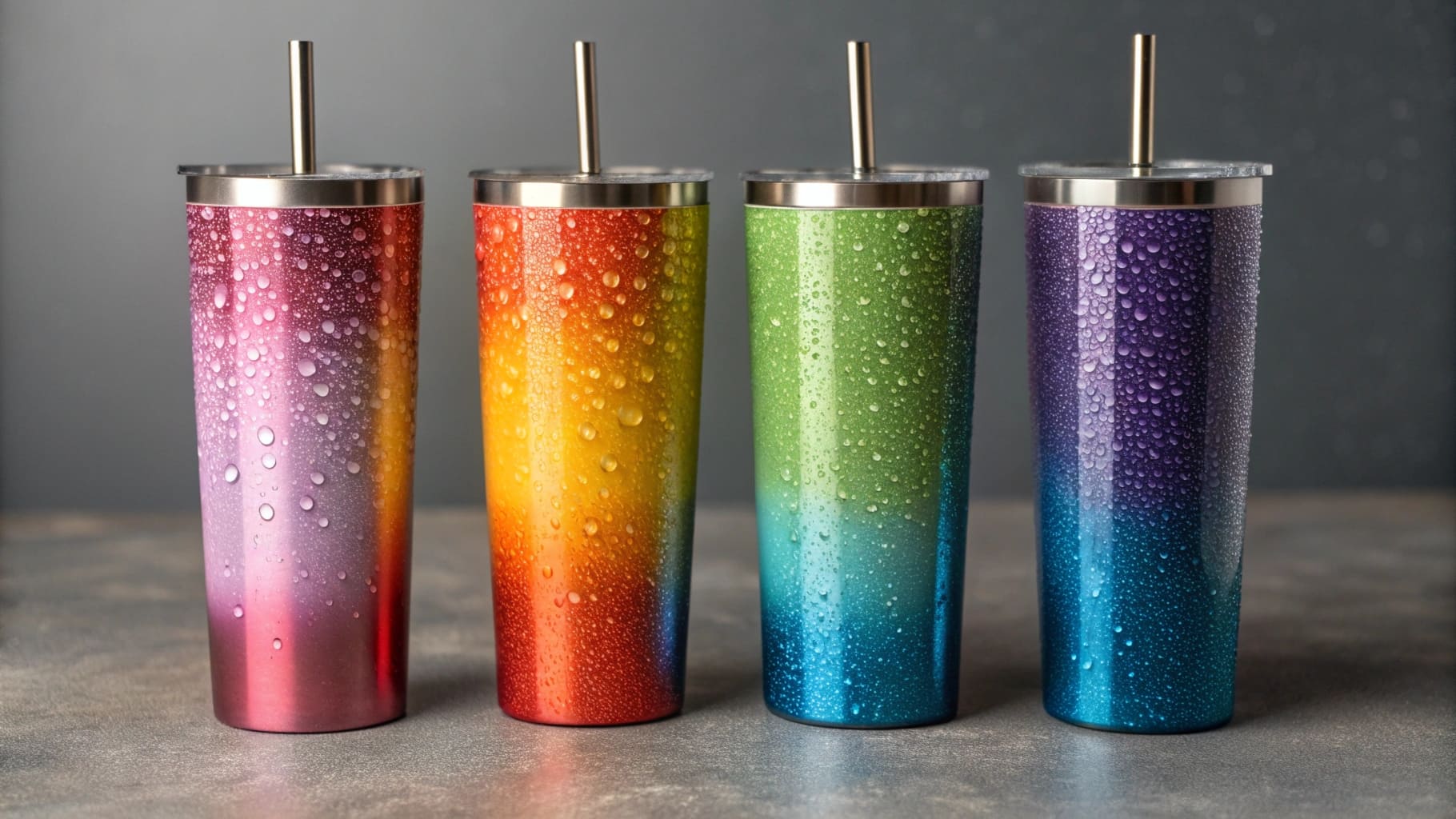
How I compare tumbler sizes for healthcare programs
I usually start with the user’s workday, not the catalog page. A nurse, doctor, lab worker, or clinic admin may not refill water often. I have heard buyers say that a small cup looks neat on paper, but staff leave it in a cabinet after one week. A 30oz tumbler gives more value when people move between patient rooms, stations, and break areas1. It can still fit many cup holders when the bottom is designed well. I also check the handle, lid, straw option, and weight. A larger tumbler should not feel like a burden.
| Size range | How I view it | Best use case | Risk I check |
|---|---|---|---|
| 12oz to 16oz | I see it as compact | Short coffee use or visitor gifts | It may feel too small for long shifts |
| 20oz | I see it as a common daily size | Office staff and light daily hydration | It may need more refills |
| 30oz | I see it as a strong healthcare size | Long shifts and active staff | It needs good lid and grip design |
| 40oz and above | I see it as a special size | Outdoor use or high water demand | It may feel too large for clinical work |
I also consider branding space. A 30oz tumbler gives more area for a hospital logo, wellness message, or campaign design. I prefer laser engraving for a clean and lasting look. I use powder coating when the buyer wants strong color control. I also ask about carton size and shipping cost early. A larger tumbler raises freight volume, so I do not quote only the unit price. I explain the full landed idea as clearly as possible, because I know many procurement officers compare China, Vietnam, and other sourcing markets at the same time.
What tumbler keeps ice the longest?
I have seen cheap tumblers fail in warm rooms. Ice melts fast. The user blames the brand, not the factory.
A tumbler keeps ice longest when it uses double-wall vacuum insulation, tight lid design, and food-grade stainless steel. In my work, premium 304 or 316 stainless steel tumblers can keep ice for about one full day or longer under normal use2.
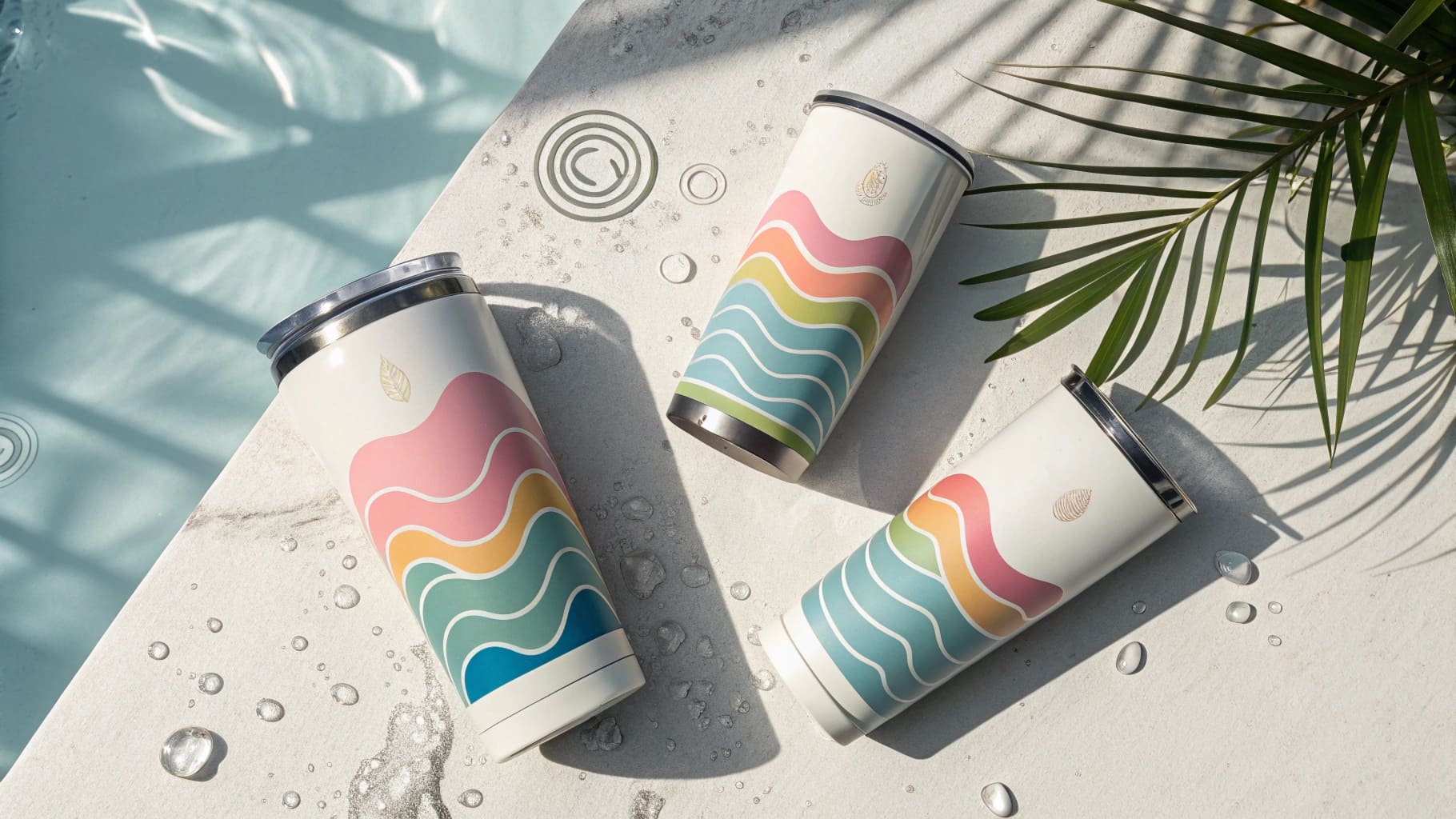
What I check before I trust ice retention claims
I do not trust a big performance claim until I understand the structure. Many factories write strong words in a product sheet. I still ask how the tumbler is made. I check whether it has double-wall vacuum insulation. I check the stainless steel grade. I check whether the inner wall is smooth and clean. I check the lid seal, because heat can enter from the top faster than many buyers expect. I also ask for a real test method. I prefer simple test records that show room temperature, starting water temperature, ice amount, lid type, and test time. This helps me separate real performance from sales talk.
| Feature | Why I care | What I ask the supplier |
|---|---|---|
| Double-wall vacuum body | I need a barrier against heat transfer | I ask if vacuum testing is done after production |
| 304 or 316 stainless steel | I need food-grade contact safety | I ask for material proof and batch control |
| Tight lid seal | I need slower ice melt and safer carrying | I ask for leak test details |
| Copper lining or added layer | I need stronger temperature control | I ask if the claim is real or only a marketing phrase |
| Powder coating | I need better grip and brand color | I ask about coating adhesion and scratch resistance |
I also think about healthcare use conditions. A tumbler may sit in a nurse station, a warm car, or a busy break room. The user may open it many times during a shift. Every opening weakens ice retention. So I avoid promising one fixed result as if every user will get the same result. I explain a normal range and the test condition. This protects the buyer and protects the brand. I have seen buyers face complaints because a supplier promised too much. I prefer honest performance data. It builds trust faster than a perfect but unrealistic claim.
How I reduce quality risk before bulk production
I always treat quality inspection as part of the product, not as an extra service. I ask for pre-production samples before mass production. I check surface finish, smell, weight, lid fit, straw fit, color match, logo position, and insulation. I also check the inside of the tumbler with care. A healthcare gift should feel clean the first time the user opens the box. I do not like strong paint smell, loose lids, rough rim edges, or uneven powder coating.
| Inspection point | My reason | My action |
|---|---|---|
| Lid opening and closing | I need daily comfort | I open and close the lid many times |
| Logo placement | I need brand control | I compare it with the approved artwork |
| Surface finish | I need a premium feel | I check under strong light |
| Insulation test | I need real function | I run hot or cold water tests |
| Packaging strength | I need safe delivery | I check carton and inner packing |
I also ask for certificate files with clear product names, factory names, dates, and test scope. I know some buyers have faced certificate fraud. I do not treat any certificate as safe only because it looks official. I compare details. I ask questions. I make sure the certificate matches the material and product type. This is very important for healthcare gifting, because trust is part of the gift.
Can insulated tumblers be used for hot drinks?
I have seen hot drink leaks create real risk. In healthcare spaces, one weak lid can turn a useful gift into a problem.
Yes, I use insulated tumblers for hot drinks when the lid is built for heat and spill control. A good tumbler can hold hot drinks for several hours and cold drinks much longer, so it supports coffee, tea, water, and iced drinks.
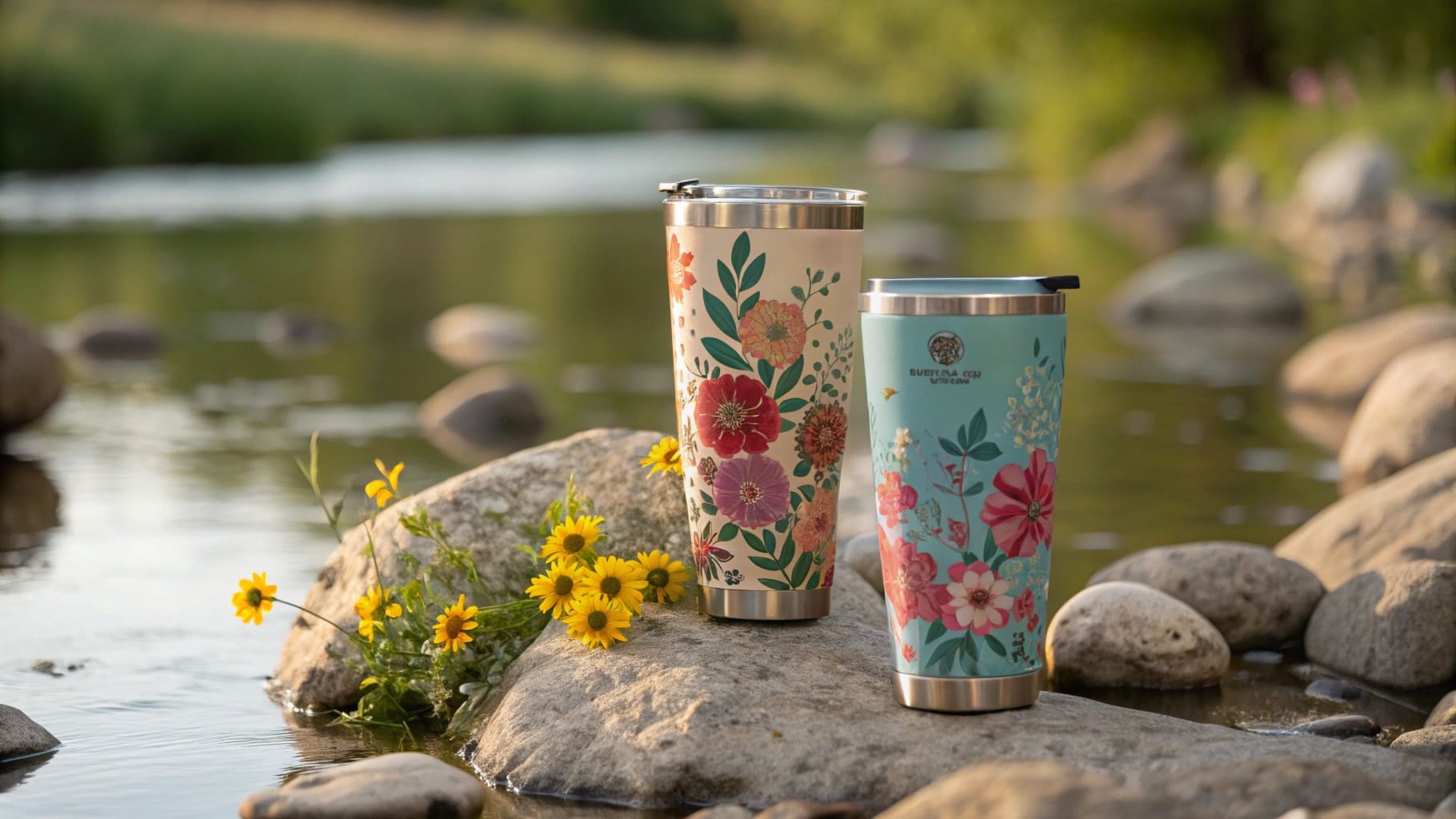
How I judge hot drink safety for healthcare buyers
I do not judge a hot drink tumbler only by the steel body. I judge the full drinking system. The lid matters a lot. The vent matters. The seal ring matters. The sip opening matters. A hot drink creates pressure and steam. If the lid design is poor, the user may get leaks, drips, or sudden splashes3. In healthcare environments, this risk matters more because people walk near equipment, documents, patients, and other staff. I prefer lids that are easy to open, easy to clean, and firm enough for movement. I also prefer clear use instructions, because not every user understands hot liquid pressure.
| Hot drink factor | What I check | Why it matters |
|---|---|---|
| Lid seal | I check fit and leakage | I want fewer spills during movement |
| Drinking opening | I check comfort and control | I want safer sipping |
| Heat holding time | I check real test data | I want honest performance |
| Exterior temperature | I check hand comfort | I want safe holding |
| Cleaning design | I check parts and gaps | I want better hygiene |
I also think about taste. Poor stainless steel or weak cleaning inside the factory can create odor. I do not want a healthcare worker to open a gift and smell oil, dust, or plastic. I ask the factory to control cleaning and packing. I also prefer food-grade silicone for seals4. If the buyer wants accessories, I check each one. A straw, brush, silicone boot, paracord handle, cloth bag, or extra lid can improve the gift. But each accessory also adds another quality point. I do not add accessories just to make the set look bigger. I add them when they help the user.
How I plan a healthcare gifting order from sample to delivery
I have learned that a good tumbler program can still fail if the project timeline is weak. Healthcare buyers often need gifts before staff events, open days, wellness programs, or peak sales seasons. If the shipment is late, the product may lose much of its value. So I like to set the timeline early. I confirm the logo method, color, sample approval, mass production time, inspection date, carton details, shipping method, and payment terms before production starts. I also keep communication direct. Many procurement officers dislike slow answers. I understand that feeling. I try to answer with exact facts, not vague comfort.
| Project step | What I confirm | What can go wrong |
|---|---|---|
| Product selection | I confirm size, lid, color, and finish | The buyer may choose a design that is hard to use |
| Sample stage | I confirm logo, color, and packing | The sample may not match the final plan |
| Certificate check | I confirm material and compliance files | The documents may not match the product |
| Production | I confirm schedule and quality points | Delays may hurt the event date |
| Inspection | I confirm function and appearance | Defects may enter the shipment |
| Logistics | I confirm carton data and shipping route | Freight delay may miss the season |
| Payment | I confirm terms clearly | Confusion may slow production release |
I also speak plainly about price. A 30oz insulated tumbler can look similar across suppliers, but the cost can change because of steel grade, coating, lid design, vacuum quality, packaging, inspection, and order quantity. I do not advise a buyer to choose only the lowest price. I know competitive pricing matters. I also know that a failed healthcare gift costs more than the saved cents. The best choice is usually a stable product with fair pricing, honest testing, and clear delivery control.
Conclusion
I see 30oz insulated tumblers as a safe healthcare gift when I verify quality, lid safety, certificates, and delivery before production starts.
-
"Decreased hydration status of emergency department physicians ...", https://pmc.ncbi.nlm.nih.gov/articles/PMC3726478/. Research on occupational hydration in clinical settings indicates that nurses and other healthcare professionals frequently report insufficient fluid intake during shifts due to workload demands, suggesting that reduced refill frequency is a documented occupational pattern rather than anecdotal observation. Evidence role: general_support; source type: research. Supports: That healthcare workers experience reduced hydration opportunities during busy clinical shifts, supporting the practical case for higher-capacity drinkware. Scope note: Most hydration studies measure intake volume rather than vessel capacity preference, so the link to tumbler size remains inferential. ↩
-
"Assessment of High-Temperature and Innovative Insulation Thermal ...", https://www.nist.gov/programs-projects/assessment-high-temperature-and-innovative-insulation-thermal-performance. The insulating effect of vacuum-sealed double-wall containers relies on suppression of conductive and convective heat transfer across the evacuated interstitial space; independent thermal performance tests for consumer drinkware typically measure ice retention at a standardized ambient temperature such as 21°C, with results varying considerably by lid design and frequency of opening. Evidence role: mechanism; source type: research. Supports: The thermal insulation mechanism of double-wall vacuum construction and its relationship to ice retention duration under controlled ambient conditions. Scope note: Published independent benchmarks for consumer tumblers specifically are sparse; most available data originate from manufacturers or trade publications rather than peer-reviewed sources. ↩
-
"1910.106 - Flammable liquids. | Occupational Safety and Health ...", https://www.osha.gov/laws-regs/regulations/standardnumber/1910/1910.106. ASTM International standard F2897, which governs labeling and testing requirements for drinking cups and containers, and related CPSC guidance on hot-liquid drinkware address the steam pressure and thermal spillage hazards associated with sealed beverage containers, requiring that lid designs either vent safely or carry appropriate consumer warnings. Evidence role: mechanism; source type: institution. Supports: That hot liquid in sealed or semi-sealed insulated containers can generate steam pressure that poses a spillage or burn risk if lid venting is inadequate. Scope note: Specific pressure thresholds and test parameters vary by standard version and product category; this standard applies primarily to the U.S. market. ↩
-
"Direct Human Contact with Siloxanes (Silicones) – Safety or Risk Part 1 ...", https://pmc.ncbi.nlm.nih.gov/articles/PMC4884743/. The U.S. FDA classifies cured silicone rubber as generally recognized as safe for food-contact applications under 21 CFR 177.2600, provided formulation and migration criteria are satisfied; the European Union similarly regulates food-contact silicone through Regulation (EC) No 1935/2004 and associated good manufacturing practice requirements. Evidence role: definition; source type: government. Supports: That silicone materials meeting food-contact specifications are considered safe for use in beverage vessel seals under applicable regulatory standards. Scope note: The designation 'food-grade' is not uniformly defined across all jurisdictions and does not substitute for finished-product migration testing. ↩