
Are Wide-Mouth Forty Ounce Bottles Compatible With Most Car Holders in the US and EU?
I see buyers love forty ounce bottles, but one bad cup holder fit can turn a strong product into returns, complaints, and lost trust.
Wide-mouth forty ounce bottles usually do not fit most standard US and EU car holders unless they have a narrow or tapered base. I treat a base under about three and a half inches as the practical target for better car fit.
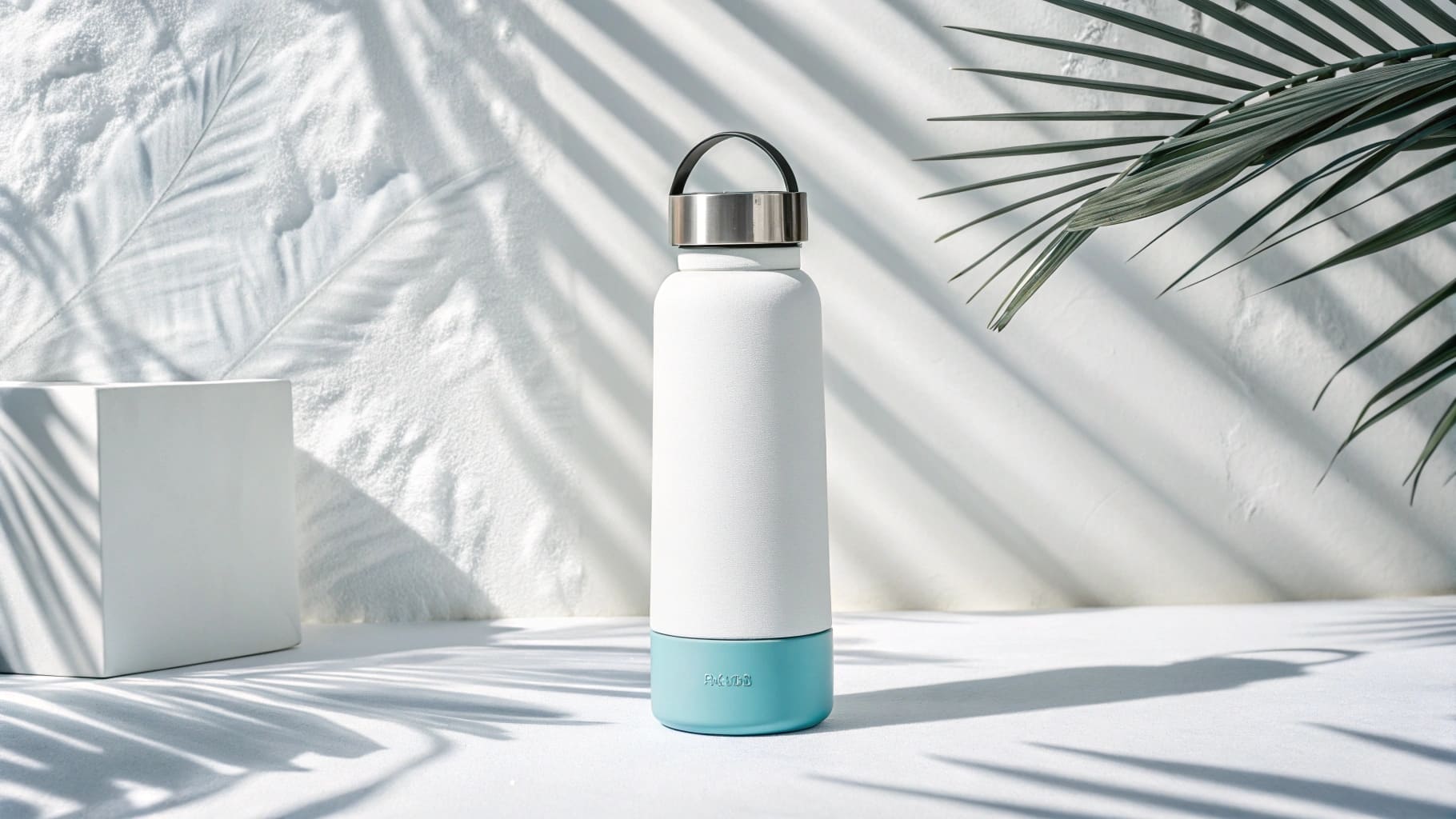
I learned this issue the hard way when a buyer asked me why a beautiful stainless steel bottle did not sit well in his customer’s truck. The bottle had strong insulation, a clean powder coating, and a nice logo. But the base was too wide. That small detail became a sales problem. I now treat cup holder fit as a design point, not a small feature. For wholesale buyers, this matters because one return is not just one return. It can become bad reviews, slow repeat orders, and a weaker private label brand. In the US and EU markets, buyers often want a large bottle for office, gym, and road use. So I always ask one simple question before production starts: will this bottle live on a desk only, or will it also live in a car?
What Yeti Water Bottles Fit in Cup Holders?
I see many buyers copy premium shapes, but a bottle can look famous and still fail inside a car holder.
Yeti Rambler bottles with tapered bases fit car holders better than straight wide bottles. I see the thirty-six ounce class fit more often, while the larger forty-six ounce class is less universal because capacity needs a wider body.
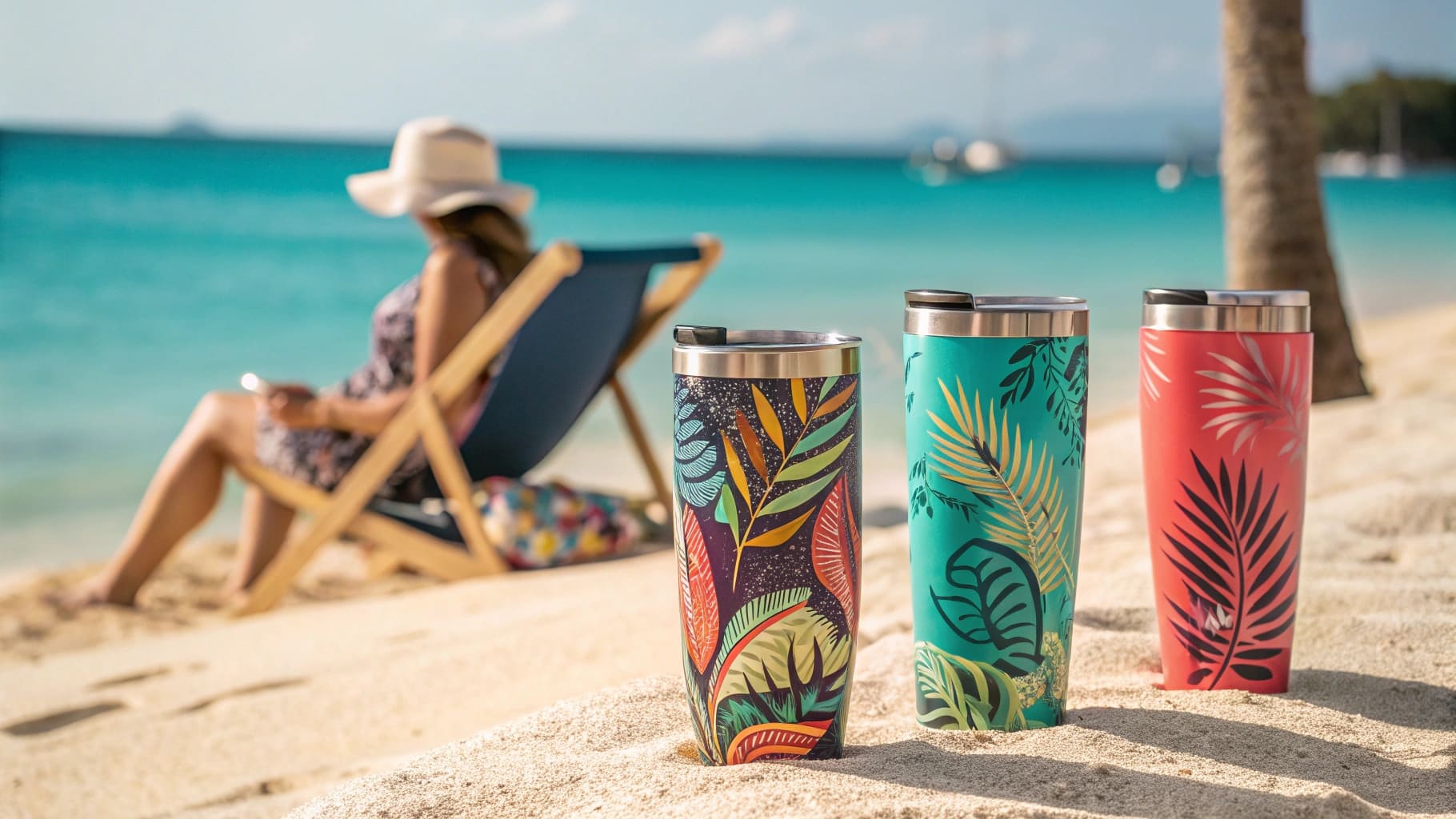
I watch Yeti closely because many buyers use it as a market reference. I do not treat every Yeti shape as a perfect answer. I treat it as proof of a design trade-off. A bottle with a tapered lower body can enter many cup holders, even when the upper body looks large. This is why I often suggest a narrow base for forty ounce programs. The buyer still gets a large visual size, but the user gets better daily fit. I also tell buyers that “fits most cup holders” is not the same as “fits every cup holder.” Small cars, older vehicles, and some European models can have tighter holders1. Large pickup trucks and SUVs often give more room. I prefer to confirm the base diameter, lower body height, coating thickness, and rubber boot size before I confirm the mold.
| Design point | What I check | Why I care |
|---|---|---|
| Base diameter | I compare it with common car holder ranges | I want fewer complaints after retail sale |
| Tapered base | I check if the lower part narrows enough | I want a large bottle that still feels car friendly |
| Rubber boot | I include boot thickness in the final size | I do not want a boot to ruin the fit |
| Handle lid | I test if the user can lift it easily in a car | I want the bottle to feel easy, not awkward |
| Powder coating | I check coating build and friction | I want smooth entry and no scraping |
I also look at the buyer’s market. A Canadian distributor may sell to people who drive trucks, go camping, and carry bottles during long commutes. A European buyer may face smaller cars and tighter storage spaces. So I do not give one simple promise without checking the channel. I use samples, photos, and clear measurements because vague words can create real cost later.
What Are the Cons of Insulated Water Bottles?
I like insulated bottles, but I do not let buyers treat them as a perfect product with no trade-offs.
Insulated bottles cost more, weigh more, and hide the liquid level. I also check dents, lid fit, vacuum loss, packing cost, and lead time before I quote a wholesale order.
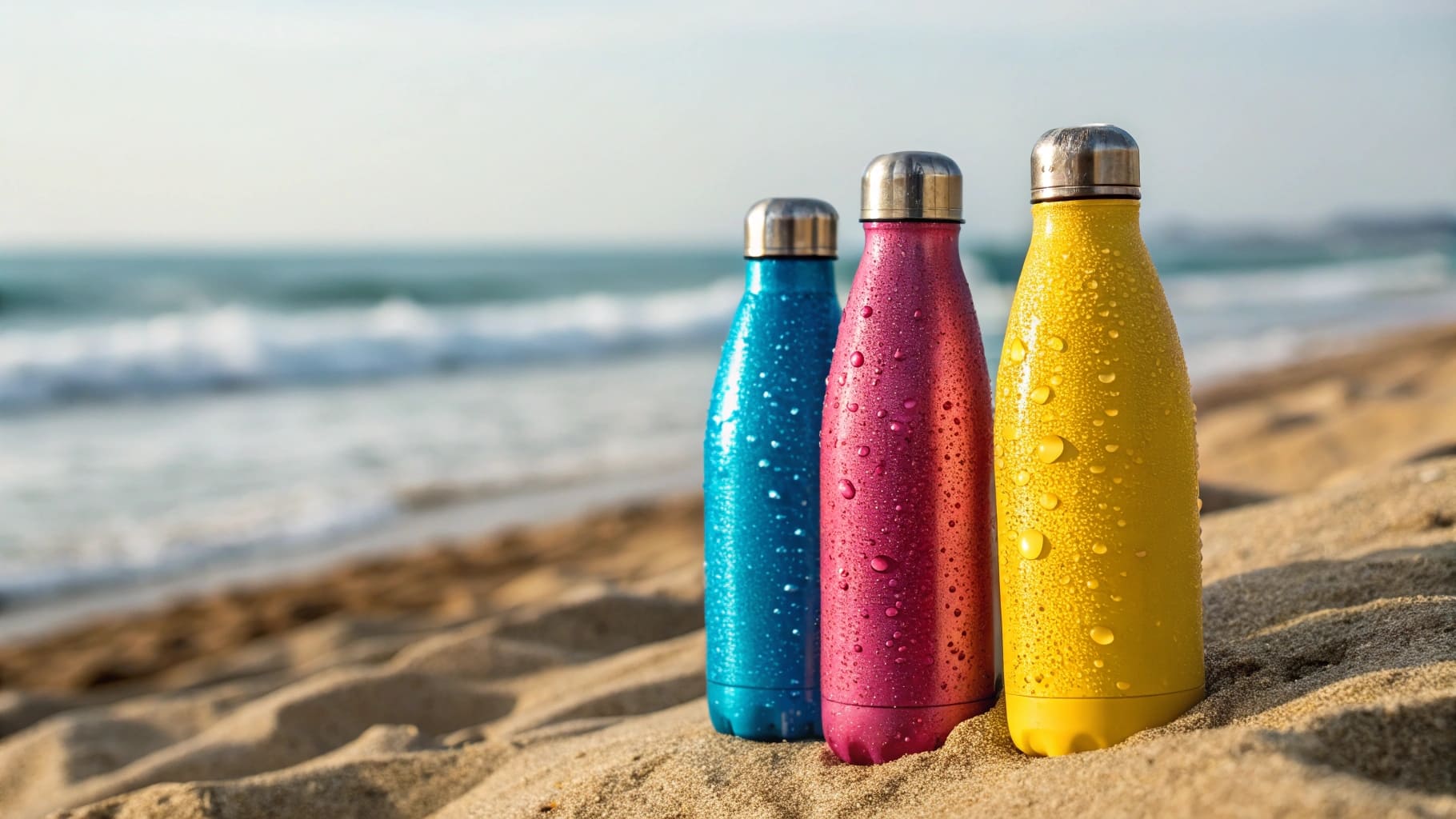
I sell stainless steel bottles, so I understand why buyers like insulated models. They feel premium. They keep drinks cold or hot. They also give a strong gift value for corporate programs. But I still explain the weak points before an order moves forward. A double-wall vacuum bottle needs more material, more process control, and more inspection2. The cost is higher than a single-wall bottle. The weight is also higher, so shipping cost can rise. When a buyer imports by sea, weight may not feel painful at first. But when cartons move through local warehouses and last-mile delivery, the cost becomes easier to see. I also see another user issue. The bottle is not transparent. A person cannot see the water level. In a gym, office, or school setting, that can annoy users who want quick hydration checks.
| Trade-off | What it means for the buyer | My practical response |
|---|---|---|
| Higher cost | The wholesale price is harder to push down | I adjust capacity, lid, coating, and packing |
| Heavier weight | Freight and handling cost can rise | I calculate carton weight before final quote |
| Hidden liquid level | Users cannot see how much water remains | I can add marks inside the bottle if the shape allows |
| Dent risk | Shipping damage can hurt retail presentation | I improve inner packing and carton strength |
| Vacuum failure | A small defect can ruin the main selling point | I suggest vacuum testing during inspection |
| Longer lead time | Peak season can be missed if planning is late | I push sample approval and artwork confirmation early |
I have seen buyers focus only on unit price. I do not think that is safe. If a low price comes with weak vacuum testing, thin steel, poor welding, or bad lids, the buyer may pay later through returns. I prefer to build the quote around the real use case. A promotional bottle for a short event may not need the same structure as a premium retail bottle. A rebranded bottle for Canada must feel strong because the customer pays a premium. So I check the product as a whole system. The bottle, lid, coating, box, certification, shipping plan, and inspection plan all affect the final profit.
What Is the Healthiest Container to Drink Water From?
I hear health claims every week, and I know unclear material choices can hurt a brand faster than a color problem.
I see food-grade stainless steel as the healthiest practical bottle material for most B2B programs. I prefer three zero four for general use and three one six for premium or coastal markets.
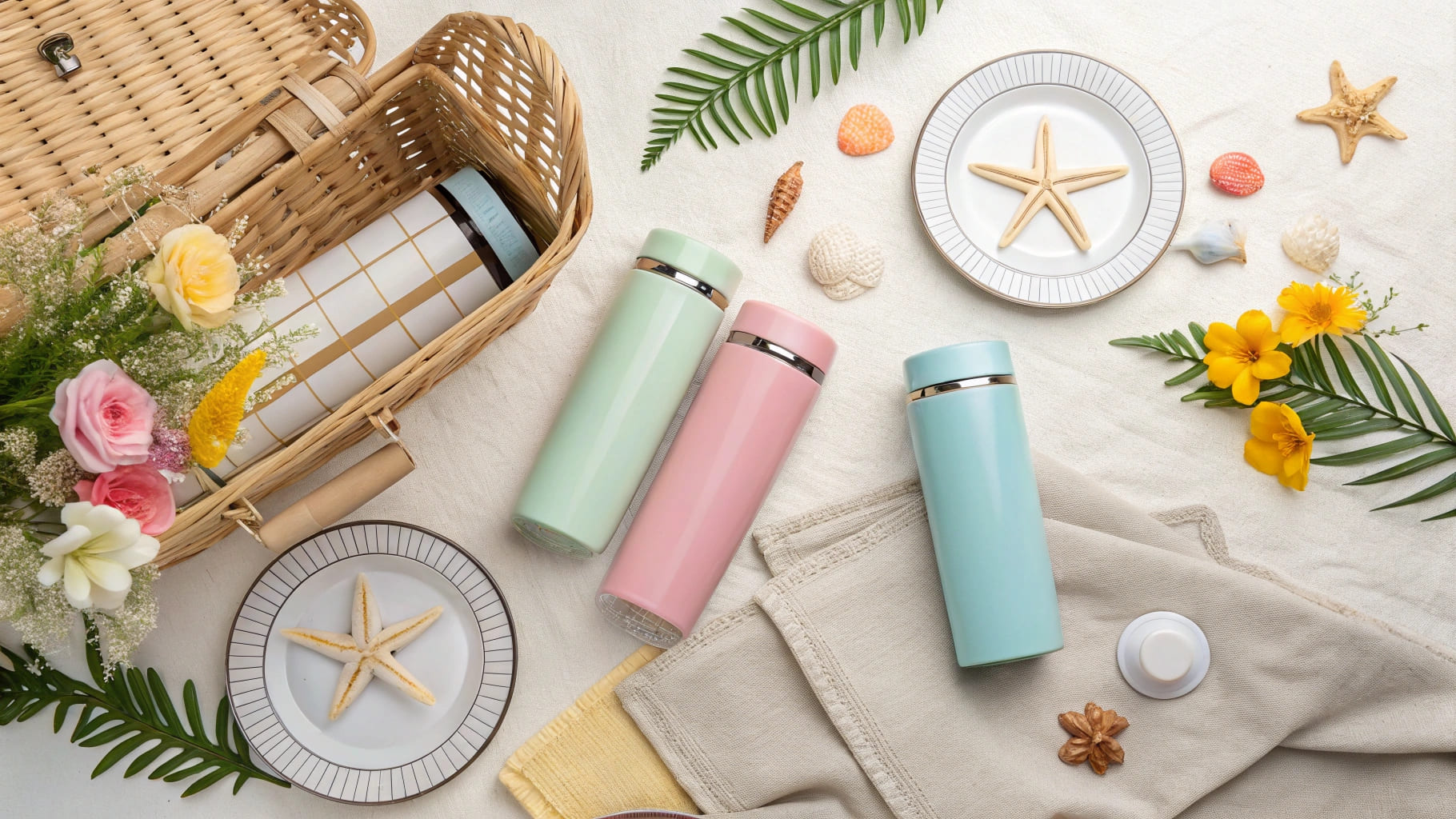
I like stainless steel because it gives buyers a strong balance between health, strength, and branding. Glass feels clean, but it breaks. Plastic is light, but many customers worry about smell, aging, and chemical concerns3. Aluminum often needs a liner, so the liner becomes another point to check4. Food-grade stainless steel is different. It does not need an inner coating for normal water use. It also works well with powder coating outside and logo printing. For most wholesale programs, I recommend three zero four stainless steel because it is stable, common, and cost effective. For higher-end programs, I may suggest three one six stainless steel. It has stronger corrosion resistance, so it works well for premium positioning, coastal regions, or buyers who want a stronger health story.
| Material | My view | Best fit |
|---|---|---|
| Food-grade stainless steel | I see it as the best balance | Retail, corporate gifts, outdoor use, daily hydration |
| Glass | I see it as clean but fragile | Home and office use with lower drop risk |
| Plastic | I see it as light but harder to position as premium | Low-cost events and short-term promotions |
| Aluminum with liner | I check the liner very carefully | Lightweight designs with strict supplier control |
I also pay close attention to certification. This is one area where buyers can get hurt. A supplier may show a certificate, but the certificate may not match the exact product, material, or factory. I always suggest checking the report name, material grade, test items, date, and product description. The US market and the EU market do not always ask for the same documents. So I do not use one generic answer for every buyer. I ask where the goods will be sold, what the label will say, and what the retailer or distributor requires. I also remind buyers that a healthy bottle is not only about steel grade. The lid, gasket, straw, paint, and printing ink must also be safe. If one small part fails, the whole product can face trouble.
Conclusion
I choose a tapered base, certified stainless steel, clear testing, and realistic logistics because one small bottle detail can decide the whole wholesale order.
-
"Whats with Americans and and their cupholders? : r/cars", https://www.reddit.com/r/cars/comments/lc9ltk/whats_with_americans_and_and_their_cupholders/. Automotive design literature notes that European vehicles, historically engineered around different driving cultures and interior ergonomics, often feature smaller or fewer cup holders than their North American counterparts. Evidence role: historical_context; source type: other. Supports: Design differences between European and North American passenger vehicles with respect to cup holder dimensions and interior storage. Scope note: Support is largely anecdotal or drawn from automotive journalism rather than peer-reviewed engineering data; precise dimensional comparisons across model years are not standardized. ↩
-
"vacuum flask manufacturing process", https://www.bottlelegend.com/?p=797. Manufacturing engineering sources describe double-wall vacuum vessel production as requiring precise welding, degassing, and sealing processes to maintain insulation performance, with vacuum failure representing a primary quality defect mode. Evidence role: mechanism; source type: research. Supports: The additional manufacturing steps, welding requirements, and vacuum-integrity testing that distinguish double-wall vacuum bottles from single-wall designs. Scope note: Most detailed process specifications are proprietary to manufacturers; publicly available sources address the general principles of vacuum insulation rather than bottle-specific production standards. ↩
-
"Bisphenol-A Leaching from Polycarbonate 5-Gallon Water ...", https://pmc.ncbi.nlm.nih.gov/articles/PMC11396560/. Peer-reviewed research has examined the migration of bisphenol A (BPA) and related compounds from polycarbonate and other plastic containers into beverages, contributing to widespread consumer and regulatory attention to plastic bottle safety. Evidence role: general_support; source type: research. Supports: Documented consumer and scientific concern about chemical migration, including endocrine-disrupting compounds, from plastic water bottles over time or under heat exposure. Scope note: Health risk conclusions vary by plastic type, usage conditions, and regulatory jurisdiction; the evidence does not uniformly support risk across all plastic materials used in water bottles. ↩
-
"Guidance for Industry: Container Closure Systems for Packaging ...", https://www.fda.gov/media/70788/download. Food contact material regulations in both the US and EU address the use of coatings and liners in aluminum containers to limit metal ion migration into beverages, particularly acidic liquids that accelerate corrosion. Evidence role: definition; source type: government. Supports: The regulatory or food safety basis for lining the interior of aluminum beverage containers to prevent metal migration into drinks. Scope note: Specific requirements vary by beverage type, acidity, and intended use; not all aluminum bottle configurations are treated identically under existing frameworks. ↩